
Zoom the image with the mouse
Westerplatte Clematis - 1 Gallon
SKU:
2056700
UPC:
014949491140
$21.99
- Stunning 6-inch deep red blooms appear in late spring and again in late summer, delivering a repeat show of vivid color all season long
- A compact, manageable climber reaching 3 to 10 feet tall, ideal for trellises, fences, obelisks, and garden walls in smaller spaces
- Hardy in USDA Zones 4 through 11 and deer and rabbit resistant, making it a reliable, low-fuss addition to the landscape
- Bred by renowned Polish hybridizer Brother Stefan Franczak, 'Westerplatte' carries a rich horticultural legacy and attracts hummingbirds to the garden
Clematis 'Westerplatte' is a showstopping large-flowered climbing vine celebrated for its exceptionally rich, deep red blossoms that can reach an impressive 6 inches across. Introduced in 1994 by the legendary Polish clematis breeder Brother Stefan Franczak and named in honor of a brigade of heroic Polish soldiers, this cultivar brings both beauty and history to the garden. Belonging to Pruning Group 2, 'Westerplatte' produces its first flush of blooms on the previous season's growth in late spring to early summer, then reblooms on new growth in late summer, ensuring that walls, trellises, fences, and garden structures remain draped in dramatic color for months. The compact vine typically reaches 3 to 10 feet tall with a tidy spread of 15 to 18 inches, making it well-suited to smaller garden spaces as well as container growing. Thriving in full sun to mostly sunny exposures in USDA Zones 4 through 11, it performs best in average to organically rich, consistently moist, well-drained soil with a neutral to slightly alkaline pH. Deer resistant, rabbit resistant, and an irresistible magnet for hummingbirds, Clematis 'Westerplatte' is an outstanding choice for gardeners across Southern Oregon and Northern California who want a bold, repeat-blooming vertical accent with outstanding garden character.
Plant Description
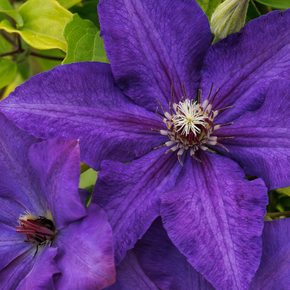
Clematis 'Westerplatte' is a deciduous, large-flowered climbing vine in the buttercup family (Ranunculaceae). Its hallmark feature is its deeply saturated, velvety red flowers, each measuring up to 6 inches in diameter, with prominent contrasting stamens at the center. In some climates or lighting conditions, the petals may develop a subtle purple undertone due to the cultivar's underlying genetics. The compound, pinnately divided foliage is a rich, medium green and provides an attractive backdrop to the bold blooms. Slender, twining leaf petioles allow the vine to cling naturally to thin supports such as trellises, wire, and netting. As a Pruning Group 2 clematis, 'Westerplatte' flowers on both old wood (previous season's growth) and new wood, delivering two reliable bloom periods per growing season. Named in honor of a legendary group of Polish soldiers and introduced by renowned clematis hybridizer Brother Stefan Franczak in 1994, this cultivar is as meaningful as it is beautiful.
Mature Size
| Attribute | Measurement |
|---|---|
| Mature Height | 3 to 10 feet |
| Mature Width (Spread) | 15 to 18 inches |
| Flower Diameter | Up to 6 inches |
| Growth Rate | Moderate; establishes slowly in year one then accelerates |
| Vine Type | Deciduous climbing perennial |
Hardiness Zones
Clematis 'Westerplatte' is exceptionally cold hardy and adaptable, thriving across a wide range of climates. It is rated for USDA Hardiness Zones 4a through 11, making it suitable for the vast majority of gardens in the continental United States, including the diverse microclimates found throughout Southern Oregon and Northern California. In colder zones, roots are protected when planted slightly below the soil surface and covered with a layer of mulch for winter. In warmer zones, providing afternoon shade and consistent soil moisture will help the plant perform at its best through hot summers.
Sunlight Requirements
For the most prolific flowering, plant Clematis 'Westerplatte' in a location that receives full sun to mostly sun — ideally 6 or more hours of direct sunlight per day. Like all large-flowered clematis hybrids, it follows the classic principle of "head in the sun, feet in the shade": the flowering stems and foliage thrive in bright light, while the root zone benefits from being kept cool and shaded. In regions with particularly hot summers, such as the inland valleys of Northern California, afternoon shade or the shade cast by low-growing companion plants helps prevent heat stress and protects the rich red petal color from fading. A position with morning sun and light afternoon shade is ideal in the warmest growing zones.
Soil and pH Preferences
Clematis 'Westerplatte' grows best in average to organically rich, well-drained soil. Heavy clay soils should be amended with compost or other organic matter to improve drainage and aeration before planting. Sandy soils benefit from the addition of compost to help retain adequate moisture. The preferred soil pH is neutral to slightly alkaline, generally in the range of 6.5 to 7.5. A soil test is always the most reliable way to assess existing pH and nutrient levels. If soil is too acidic, ground limestone can be incorporated to raise the pH. Avoid waterlogged or poorly drained sites, as standing moisture around the roots can lead to crown rot and other fungal issues. Preparing the planting hole to a depth of at least 18 inches and a width of 12 to 15 inches, with generous incorporation of compost, gives the vine a strong, healthy start.
Watering Guide
Consistent moisture is key to keeping Clematis 'Westerplatte' healthy and blooming. Water deeply at least once per week during dry periods, providing approximately 1 inch of water per watering session. Deep, infrequent watering encourages the development of a deep, drought-resilient root system. Always water at the base of the plant and avoid wetting the foliage, as excess moisture on leaves can encourage fungal diseases such as powdery mildew. Applying a 2-inch layer of organic mulch over the root zone helps retain soil moisture, regulate soil temperature, and suppress weeds. During the establishment period in the first growing season, more frequent watering may be necessary. Reduce watering frequency in fall as the plant prepares for dormancy.
Fertilizing
Clematis are heavy feeders and benefit from regular fertilization throughout the growing season. Begin feeding in early spring as new growth emerges, using a balanced, slow-release granular fertilizer or a low-nitrogen fertilizer formulated for flowering vines. Avoid fertilizers that are excessively high in nitrogen, as this promotes lush leafy growth at the expense of flower production and increases susceptibility to disease. Continue feeding every 4 to 6 weeks throughout the growing season, stopping in late summer to allow the plant to begin hardening off for winter. Do not fertilize while the plant is actively in bloom. Top-dressing the root zone with compost each spring provides a gentle, organic source of nutrients and further improves soil structure over time.
Pruning and Maintenance
Clematis 'Westerplatte' belongs to Pruning Group 2, which means it blooms on both old wood (from the previous season) and new wood (current season's growth), producing two flowering periods per year. Follow these pruning guidelines for the best results:
- Year 1 after planting: In late winter or early spring, cut all stems back to approximately 12 inches above ground to encourage strong, branching growth from the base.
- Year 2 and beyond: In late winter or early spring (February to March), remove any dead or weak stems entirely. Cut remaining healthy stems back to the uppermost pair of large, plump, green buds. This is a light pruning — avoid cutting deeply into the older woody framework, as the first flush of blooms depends on buds formed the previous season.
- After the first bloom flush: Lightly deadhead spent blooms to tidy the vine and encourage the second flush of late-summer flowers.
- General maintenance: Provide thin support structures (wire, netting, or narrow-diameter trellising) for the twining leaf petioles to grip. Reapply mulch to the root zone each spring.
Planting Instructions
- Choose a site with full sun to mostly sun and good air circulation. Ensure the root zone will be shaded by mulch, a low groundcover, or a companion plant.
- Prepare the soil by digging a hole at least 18 inches deep and 12 to 15 inches wide. Amend generously with compost to improve drainage and fertility.
- Plant the crown of the clematis 1 to 2 inches below the soil surface. This protects the crown and allows the plant to regenerate from below ground if the top growth is damaged by disease, frost, or accident.
- Water the plant thoroughly at planting and keep the soil consistently moist throughout the first growing season.
- Apply a 2-inch layer of organic mulch around the base, keeping it a few inches away from the main stem to prevent rot.
- Install a support structure — trellis, wire frame, obelisk, or netting — at planting time. The vine climbs by wrapping its leaf petioles around thin supports; structures should be no more than half an inch in diameter for best grip.
- After planting, prune stems back to approximately 12 inches to encourage vigorous branching from the base in the first growing season.
Seasonal Interest
| Season | What to Expect |
|---|---|
| Spring | Fresh green foliage emerges; buds develop on overwintered stems |
| Late Spring to Early Summer | First and most prolific flush of bold, 6-inch deep red flowers on old wood |
| Midsummer | Brief rest period between bloom flushes; attractive green foliage on trellis or support |
| Late Summer | Second flush of deep red blooms on new season's growth |
| Fall | Silky, feathery seed heads add ornamental texture as the vine prepares for dormancy |
| Winter | Dormant; woody stems remain on structure; mulch root zone for winter protection in colder zones |
Landscape Uses
The compact, upright growth habit and bold red flowers of Clematis 'Westerplatte' make it a versatile performer across many garden styles and applications:
- Trellises and obelisks: Perfect for anchoring a focal point in a border with a vertical accent of deep red blooms
- Fences and walls: Trains easily along wire supports or wooden fences to create a colorful, living screen
- Arbors and pergolas: Works well woven through smaller structures, especially where a more restrained vine is preferred over vigorous growers
- Containers: Can be grown in large pots on patios or decks with proper support; ideal for adding height and dramatic color to container gardens
- Cottage and pollinator gardens: The vivid red blooms attract hummingbirds and complement the informal charm of cottage-style planting schemes
- Growing through shrubs: Plant alongside medium-sized shrubs such as roses or boxwood and allow the clematis to weave through, adding a layer of seasonal color to established plantings
- Cut flower gardens: The large, long-lasting blooms make stunning additions to fresh-cut floral arrangements
Companion Plants
Clematis 'Westerplatte' pairs beautifully with plants that complement its deep red blooms or help keep its root zone cool and shaded. Consider these excellent companions:
- Climbing roses: The classic pairing of clematis with roses — especially white, cream, or soft pink varieties — creates a romantic, layered display on shared supports
- Salvia nemorosa (Meadow Sage): The deep violet-blue spikes of ornamental sage echo the cooler undertones in 'Westerplatte's' blooms and bloom around the same time
- Hostas or low ornamental grasses: Planted at the base of the vine, these shade the root zone while adding textural contrast at ground level
- Catmint (Nepeta): The soft lavender-blue mounds of catmint provide a cool color contrast and keep the soil around the clematis roots shaded and cool
- Heucheras (Coral Bells): Colorful, low-growing foliage plants that shade the root zone and provide visual interest below the vine's canopy
- Boxwood (Buxus): Dense, evergreen shrubs work as a living trellis alternative and keep roots cool throughout the season
- Alliums: The globe-shaped purple or white flower heads of ornamental onions complement 'Westerplatte's' late-spring bloom timing and add an architectural element to the planting
Pests and Diseases
Clematis 'Westerplatte' is generally a resilient plant, but gardeners should be aware of the following potential issues:
- Clematis wilt: The most serious disease affecting large-flowered clematis hybrids. Caused by the fungal pathogens Phoma clematidina and Ascochyta clematidina, wilt causes sudden collapse and blackening of stems. Remove and dispose of all affected material immediately. Planting the crown 1 to 2 inches below soil level allows the plant to regenerate from below ground if wilt strikes. Fungicides containing thiophanate-methyl can aid in control.
- Powdery mildew: A fungal issue that produces a white, powdery coating on leaves, particularly in areas with poor air circulation. Improve airflow around the plant and water only at the base. Remove affected leaves promptly. Fungicides such as myclobutanil or neem oil can be applied when symptoms first appear.
- Aphids: May cluster on new growth in spring. Treat with insecticidal soap spray or a strong blast of water. Systemic insecticides containing imidacloprid are effective for persistent infestations.
- Spider mites: Can cause faded, dusty-looking foliage in hot, dry conditions. Maintain consistent soil moisture and treat with miticides or insecticidal soap if populations are high.
- Slugs: May damage young stems and foliage, especially in moist conditions. Use iron phosphate-based slug baits around the base of the plant.
- Deer and rabbits: Clematis 'Westerplatte' is reported to be resistant to browsing by deer and rabbits.
Container Growing
Clematis 'Westerplatte' adapts well to container culture, making it an excellent choice for patios, decks, and entryways where garden space is limited. Follow these guidelines for success in containers:
- Choose a large container — at least 15 to 20 gallons — to accommodate the deep root system and provide room for healthy growth
- Use a high-quality, well-draining potting mix amended with compost for added fertility
- Ensure the container has ample drainage holes to prevent waterlogging
- Install an obelisk, trellis, or other thin vertical support within the container at planting time
- Water container-grown plants more frequently than in-ground plants, as pots dry out faster; check soil moisture every 1 to 2 days during warm weather
- Feed container plants with a balanced liquid fertilizer every 2 to 3 weeks during the growing season
- In USDA Zones 4 through 6, move containers to a sheltered, unheated location (such as a garage) over winter to protect the roots from hard freezing; in Zones 7 and warmer, containers can remain outdoors year-round with mulch over the soil surface for insulation
- Repot every 2 to 3 years to refresh the growing medium and accommodate root growth
Wildlife Value
Clematis 'Westerplatte' is a valuable addition to wildlife-friendly gardens. The large, richly colored red blooms are particularly attractive to hummingbirds, which are drawn to the nectar-rich flowers during their spring and summer feeding seasons. Bees and other beneficial pollinators also visit the blooms regularly. The feathery, silky seed heads that follow flowering provide visual interest in fall and early winter and may be visited by seed-eating birds. As an added benefit, 'Westerplatte' is reported to be resistant to browsing by deer and rabbits, making it a practical choice for gardens in areas where wildlife pressure is a concern. Planting clematis near other pollinator-friendly perennials and shrubs amplifies the wildlife benefits of this ornamental vine.
Toxicity and Handling
Like all members of the Ranunculaceae (buttercup) family, Clematis 'Westerplatte' contains toxic compounds, primarily protoanemonin, which can cause irritation if ingested or if the sap contacts skin. Keep the following precautions in mind:
- Humans: All parts of the plant are considered toxic if eaten, potentially causing mouth pain, salivation, nausea, and in larger quantities, dizziness or other symptoms. Handling the plant's sap can cause contact dermatitis (skin redness, burning, or irritation) in sensitive individuals. Always wear gardening gloves when pruning or planting.
- Pets: The plant is considered toxic to dogs, cats, and horses. Clinical signs of ingestion may include salivation, vomiting, and diarrhea. Keep pets away from the plant and contact a veterinarian if ingestion is suspected.
- Children: Plant in areas that are not accessible to young children who may be tempted to handle or taste plant parts.
- Stunning 6-inch deep red blooms appear in late spring and again in late summer, delivering a repeat show of vivid color all season long
- A compact, manageable climber reaching 3 to 10 feet tall, ideal for trellises, fences, obelisks, and garden walls in smaller spaces
- Hardy in USDA Zones 4 through 11 and deer and rabbit resistant, making it a reliable, low-fuss addition to the landscape
- Bred by renowned Polish hybridizer Brother Stefan Franczak, 'Westerplatte' carries a rich horticultural legacy and attracts hummingbirds to the garden
Clematis 'Westerplatte' is a showstopping large-flowered climbing vine celebrated for its exceptionally rich, deep red blossoms that can reach an impressive 6 inches across. Introduced in 1994 by the legendary Polish clematis breeder Brother Stefan Franczak and named in honor of a brigade of heroic Polish soldiers, this cultivar brings both beauty and history to the garden. Belonging to Pruning Group 2, 'Westerplatte' produces its first flush of blooms on the previous season's growth in late spring to early summer, then reblooms on new growth in late summer, ensuring that walls, trellises, fences, and garden structures remain draped in dramatic color for months. The compact vine typically reaches 3 to 10 feet tall with a tidy spread of 15 to 18 inches, making it well-suited to smaller garden spaces as well as container growing. Thriving in full sun to mostly sunny exposures in USDA Zones 4 through 11, it performs best in average to organically rich, consistently moist, well-drained soil with a neutral to slightly alkaline pH. Deer resistant, rabbit resistant, and an irresistible magnet for hummingbirds, Clematis 'Westerplatte' is an outstanding choice for gardeners across Southern Oregon and Northern California who want a bold, repeat-blooming vertical accent with outstanding garden character.
Plant Description
Clematis 'Westerplatte' is a deciduous, large-flowered climbing vine in the buttercup family (Ranunculaceae). Its hallmark feature is its deeply saturated, velvety red flowers, each measuring up to 6 inches in diameter, with prominent contrasting stamens at the center. In some climates or lighting conditions, the petals may develop a subtle purple undertone due to the cultivar's underlying genetics. The compound, pinnately divided foliage is a rich, medium green and provides an attractive backdrop to the bold blooms. Slender, twining leaf petioles allow the vine to cling naturally to thin supports such as trellises, wire, and netting. As a Pruning Group 2 clematis, 'Westerplatte' flowers on both old wood (previous season's growth) and new wood, delivering two reliable bloom periods per growing season. Named in honor of a legendary group of Polish soldiers and introduced by renowned clematis hybridizer Brother Stefan Franczak in 1994, this cultivar is as meaningful as it is beautiful.
Mature Size
| Attribute | Measurement |
|---|---|
| Mature Height | 3 to 10 feet |
| Mature Width (Spread) | 15 to 18 inches |
| Flower Diameter | Up to 6 inches |
| Growth Rate | Moderate; establishes slowly in year one then accelerates |
| Vine Type | Deciduous climbing perennial |
Hardiness Zones
Clematis 'Westerplatte' is exceptionally cold hardy and adaptable, thriving across a wide range of climates. It is rated for USDA Hardiness Zones 4a through 11, making it suitable for the vast majority of gardens in the continental United States, including the diverse microclimates found throughout Southern Oregon and Northern California. In colder zones, roots are protected when planted slightly below the soil surface and covered with a layer of mulch for winter. In warmer zones, providing afternoon shade and consistent soil moisture will help the plant perform at its best through hot summers.
Sunlight Requirements
For the most prolific flowering, plant Clematis 'Westerplatte' in a location that receives full sun to mostly sun — ideally 6 or more hours of direct sunlight per day. Like all large-flowered clematis hybrids, it follows the classic principle of "head in the sun, feet in the shade": the flowering stems and foliage thrive in bright light, while the root zone benefits from being kept cool and shaded. In regions with particularly hot summers, such as the inland valleys of Northern California, afternoon shade or the shade cast by low-growing companion plants helps prevent heat stress and protects the rich red petal color from fading. A position with morning sun and light afternoon shade is ideal in the warmest growing zones.
Soil and pH Preferences
Clematis 'Westerplatte' grows best in average to organically rich, well-drained soil. Heavy clay soils should be amended with compost or other organic matter to improve drainage and aeration before planting. Sandy soils benefit from the addition of compost to help retain adequate moisture. The preferred soil pH is neutral to slightly alkaline, generally in the range of 6.5 to 7.5. A soil test is always the most reliable way to assess existing pH and nutrient levels. If soil is too acidic, ground limestone can be incorporated to raise the pH. Avoid waterlogged or poorly drained sites, as standing moisture around the roots can lead to crown rot and other fungal issues. Preparing the planting hole to a depth of at least 18 inches and a width of 12 to 15 inches, with generous incorporation of compost, gives the vine a strong, healthy start.
Watering Guide
Consistent moisture is key to keeping Clematis 'Westerplatte' healthy and blooming. Water deeply at least once per week during dry periods, providing approximately 1 inch of water per watering session. Deep, infrequent watering encourages the development of a deep, drought-resilient root system. Always water at the base of the plant and avoid wetting the foliage, as excess moisture on leaves can encourage fungal diseases such as powdery mildew. Applying a 2-inch layer of organic mulch over the root zone helps retain soil moisture, regulate soil temperature, and suppress weeds. During the establishment period in the first growing season, more frequent watering may be necessary. Reduce watering frequency in fall as the plant prepares for dormancy.
Fertilizing
Clematis are heavy feeders and benefit from regular fertilization throughout the growing season. Begin feeding in early spring as new growth emerges, using a balanced, slow-release granular fertilizer or a low-nitrogen fertilizer formulated for flowering vines. Avoid fertilizers that are excessively high in nitrogen, as this promotes lush leafy growth at the expense of flower production and increases susceptibility to disease. Continue feeding every 4 to 6 weeks throughout the growing season, stopping in late summer to allow the plant to begin hardening off for winter. Do not fertilize while the plant is actively in bloom. Top-dressing the root zone with compost each spring provides a gentle, organic source of nutrients and further improves soil structure over time.
Pruning and Maintenance
Clematis 'Westerplatte' belongs to Pruning Group 2, which means it blooms on both old wood (from the previous season) and new wood (current season's growth), producing two flowering periods per year. Follow these pruning guidelines for the best results:
- Year 1 after planting: In late winter or early spring, cut all stems back to approximately 12 inches above ground to encourage strong, branching growth from the base.
- Year 2 and beyond: In late winter or early spring (February to March), remove any dead or weak stems entirely. Cut remaining healthy stems back to the uppermost pair of large, plump, green buds. This is a light pruning — avoid cutting deeply into the older woody framework, as the first flush of blooms depends on buds formed the previous season.
- After the first bloom flush: Lightly deadhead spent blooms to tidy the vine and encourage the second flush of late-summer flowers.
- General maintenance: Provide thin support structures (wire, netting, or narrow-diameter trellising) for the twining leaf petioles to grip. Reapply mulch to the root zone each spring.
Planting Instructions
- Choose a site with full sun to mostly sun and good air circulation. Ensure the root zone will be shaded by mulch, a low groundcover, or a companion plant.
- Prepare the soil by digging a hole at least 18 inches deep and 12 to 15 inches wide. Amend generously with compost to improve drainage and fertility.
- Plant the crown of the clematis 1 to 2 inches below the soil surface. This protects the crown and allows the plant to regenerate from below ground if the top growth is damaged by disease, frost, or accident.
- Water the plant thoroughly at planting and keep the soil consistently moist throughout the first growing season.
- Apply a 2-inch layer of organic mulch around the base, keeping it a few inches away from the main stem to prevent rot.
- Install a support structure — trellis, wire frame, obelisk, or netting — at planting time. The vine climbs by wrapping its leaf petioles around thin supports; structures should be no more than half an inch in diameter for best grip.
- After planting, prune stems back to approximately 12 inches to encourage vigorous branching from the base in the first growing season.
Seasonal Interest
| Season | What to Expect |
|---|---|
| Spring | Fresh green foliage emerges; buds develop on overwintered stems |
| Late Spring to Early Summer | First and most prolific flush of bold, 6-inch deep red flowers on old wood |
| Midsummer | Brief rest period between bloom flushes; attractive green foliage on trellis or support |
| Late Summer | Second flush of deep red blooms on new season's growth |
| Fall | Silky, feathery seed heads add ornamental texture as the vine prepares for dormancy |
| Winter | Dormant; woody stems remain on structure; mulch root zone for winter protection in colder zones |
Landscape Uses
The compact, upright growth habit and bold red flowers of Clematis 'Westerplatte' make it a versatile performer across many garden styles and applications:
- Trellises and obelisks: Perfect for anchoring a focal point in a border with a vertical accent of deep red blooms
- Fences and walls: Trains easily along wire supports or wooden fences to create a colorful, living screen
- Arbors and pergolas: Works well woven through smaller structures, especially where a more restrained vine is preferred over vigorous growers
- Containers: Can be grown in large pots on patios or decks with proper support; ideal for adding height and dramatic color to container gardens
- Cottage and pollinator gardens: The vivid red blooms attract hummingbirds and complement the informal charm of cottage-style planting schemes
- Growing through shrubs: Plant alongside medium-sized shrubs such as roses or boxwood and allow the clematis to weave through, adding a layer of seasonal color to established plantings
- Cut flower gardens: The large, long-lasting blooms make stunning additions to fresh-cut floral arrangements
Companion Plants
Clematis 'Westerplatte' pairs beautifully with plants that complement its deep red blooms or help keep its root zone cool and shaded. Consider these excellent companions:
- Climbing roses: The classic pairing of clematis with roses — especially white, cream, or soft pink varieties — creates a romantic, layered display on shared supports
- Salvia nemorosa (Meadow Sage): The deep violet-blue spikes of ornamental sage echo the cooler undertones in 'Westerplatte's' blooms and bloom around the same time
- Hostas or low ornamental grasses: Planted at the base of the vine, these shade the root zone while adding textural contrast at ground level
- Catmint (Nepeta): The soft lavender-blue mounds of catmint provide a cool color contrast and keep the soil around the clematis roots shaded and cool
- Heucheras (Coral Bells): Colorful, low-growing foliage plants that shade the root zone and provide visual interest below the vine's canopy
- Boxwood (Buxus): Dense, evergreen shrubs work as a living trellis alternative and keep roots cool throughout the season
- Alliums: The globe-shaped purple or white flower heads of ornamental onions complement 'Westerplatte's' late-spring bloom timing and add an architectural element to the planting
Pests and Diseases
Clematis 'Westerplatte' is generally a resilient plant, but gardeners should be aware of the following potential issues:
- Clematis wilt: The most serious disease affecting large-flowered clematis hybrids. Caused by the fungal pathogens Phoma clematidina and Ascochyta clematidina, wilt causes sudden collapse and blackening of stems. Remove and dispose of all affected material immediately. Planting the crown 1 to 2 inches below soil level allows the plant to regenerate from below ground if wilt strikes. Fungicides containing thiophanate-methyl can aid in control.
- Powdery mildew: A fungal issue that produces a white, powdery coating on leaves, particularly in areas with poor air circulation. Improve airflow around the plant and water only at the base. Remove affected leaves promptly. Fungicides such as myclobutanil or neem oil can be applied when symptoms first appear.
- Aphids: May cluster on new growth in spring. Treat with insecticidal soap spray or a strong blast of water. Systemic insecticides containing imidacloprid are effective for persistent infestations.
- Spider mites: Can cause faded, dusty-looking foliage in hot, dry conditions. Maintain consistent soil moisture and treat with miticides or insecticidal soap if populations are high.
- Slugs: May damage young stems and foliage, especially in moist conditions. Use iron phosphate-based slug baits around the base of the plant.
- Deer and rabbits: Clematis 'Westerplatte' is reported to be resistant to browsing by deer and rabbits.
Container Growing
Clematis 'Westerplatte' adapts well to container culture, making it an excellent choice for patios, decks, and entryways where garden space is limited. Follow these guidelines for success in containers:
- Choose a large container — at least 15 to 20 gallons — to accommodate the deep root system and provide room for healthy growth
- Use a high-quality, well-draining potting mix amended with compost for added fertility
- Ensure the container has ample drainage holes to prevent waterlogging
- Install an obelisk, trellis, or other thin vertical support within the container at planting time
- Water container-grown plants more frequently than in-ground plants, as pots dry out faster; check soil moisture every 1 to 2 days during warm weather
- Feed container plants with a balanced liquid fertilizer every 2 to 3 weeks during the growing season
- In USDA Zones 4 through 6, move containers to a sheltered, unheated location (such as a garage) over winter to protect the roots from hard freezing; in Zones 7 and warmer, containers can remain outdoors year-round with mulch over the soil surface for insulation
- Repot every 2 to 3 years to refresh the growing medium and accommodate root growth
Wildlife Value
Clematis 'Westerplatte' is a valuable addition to wildlife-friendly gardens. The large, richly colored red blooms are particularly attractive to hummingbirds, which are drawn to the nectar-rich flowers during their spring and summer feeding seasons. Bees and other beneficial pollinators also visit the blooms regularly. The feathery, silky seed heads that follow flowering provide visual interest in fall and early winter and may be visited by seed-eating birds. As an added benefit, 'Westerplatte' is reported to be resistant to browsing by deer and rabbits, making it a practical choice for gardens in areas where wildlife pressure is a concern. Planting clematis near other pollinator-friendly perennials and shrubs amplifies the wildlife benefits of this ornamental vine.
Toxicity and Handling
Like all members of the Ranunculaceae (buttercup) family, Clematis 'Westerplatte' contains toxic compounds, primarily protoanemonin, which can cause irritation if ingested or if the sap contacts skin. Keep the following precautions in mind:
- Humans: All parts of the plant are considered toxic if eaten, potentially causing mouth pain, salivation, nausea, and in larger quantities, dizziness or other symptoms. Handling the plant's sap can cause contact dermatitis (skin redness, burning, or irritation) in sensitive individuals. Always wear gardening gloves when pruning or planting.
- Pets: The plant is considered toxic to dogs, cats, and horses. Clinical signs of ingestion may include salivation, vomiting, and diarrhea. Keep pets away from the plant and contact a veterinarian if ingestion is suspected.
- Children: Plant in areas that are not accessible to young children who may be tempted to handle or taste plant parts.
Related Products