Zoom the image with the mouse
Vancouver Danielle Clematis - 1 Gallon
SKU:
2056670
UPC:
014949340110
$21.99
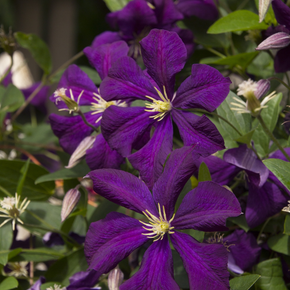
- Exceptionally large 6-8" violet-blue blooms adorned with a striking carmine-red central bar and rich red-tipped stamens — a showstopping display from late spring through early fall
- A compact, reblooming deciduous vine reaching 5-7 feet tall, perfectly sized for trellises, fences, containers, and smaller garden spaces
- A celebrated Vancouver Series hybrid bred from 'The President' and 'Violet Charm', combining deep royal color with outstanding flower form and vigorous, disease-resistant growth
- Attracts bees, butterflies, and hummingbirds, making it a stunning and wildlife-friendly focal point in any landscape or patio garden
Clematis Vancouver Danielle (Clematis 'Danielle') is a collector-coveted deciduous climbing vine and one of the most visually striking introductions from the renowned Vancouver Series. Bred by Fred Wein Sr. of Clearview Horticultural and named lovingly after his granddaughter, this exceptional hybrid brings together the deep, velvety color of 'The President' and the refined, overlapping petal form of 'Violet Charm' to produce flowers that are truly in a class of their own. Each bloom spans an impressive 6 to 8 inches across, with broad, star-shaped violet-blue tepals featuring a bold reddish-carmine central bar and dramatic red-tipped stamens that add layers of color and texture. Vancouver Danielle blooms prolifically in late spring and then reblooms again in early autumn, delivering two seasons of vibrant color on a tidy, manageable vine that grows 5 to 7 feet tall. Its compact habit makes it an ideal candidate for growing on trellises, arbors, fences, and pergolas, as well as in patio containers and smaller garden settings where space is at a premium. Hardy in USDA Zones 4-9, this versatile and relatively low-maintenance vine thrives in full sun to partial shade and adapts to a broad range of soil types, making it an excellent choice for both novice and experienced gardeners across Southern Oregon and Northern California.
Plant Description
Vancouver Danielle Clematis is a deciduous, woody climbing vine belonging to the Ranunculaceae family. It is a hybrid cross between the classic 'The President' and 'Violet Charm', combining the best attributes of both parents into a single, standout plant. The vine produces extraordinarily large, star-shaped flowers measuring 6 to 8 inches in diameter. Each flower features broad, overlapping violet-blue tepals with a bold, dark reddish-carmine central bar running through the middle of each petal, along with eye-catching red-tipped stamens at the center. The foliage is medium green, deciduous, and composed of compound leaves arranged alternately and oppositely along the twining stems. The vine climbs by wrapping its leaf petioles around supporting structures rather than clinging with tendrils or adhesive pads. Vancouver Danielle is part of the exclusive Vancouver Series introduced by Clearview Horticultural, and it is widely regarded as a top-performing collector's variety that combines outstanding ornamental quality with a vigorous and disease-resistant constitution.
Mature Size
| Attribute | Measurement |
|---|---|
| Mature Height | 5-7 feet |
| Mature Spread | 2-4 feet |
| Growth Rate | Moderate |
| Plant Form | Twining, climbing deciduous vine |
| Expected Lifespan | Approximately 20 years under ideal conditions |
As a climbing vine, Vancouver Danielle tends to be somewhat leggy near the base. To achieve a fuller, more polished look in the garden, underplant its base with low-growing companion plants to fill in the lower portion of the display. Its compact stature compared to many large-flowered clematis hybrids makes it especially well suited for smaller garden spaces, narrow borders, and container growing.
Hardiness Zones and Climate
Vancouver Danielle Clematis is cold hardy in USDA Hardiness Zones 4a through 9b, making it an excellent choice for a very wide range of climates including the diverse conditions found across Southern Oregon and Northern California. It tolerates cold winters well, particularly when the root zone is protected with a layer of mulch. In hotter inland climates within its range, afternoon shade can help reduce heat stress and extend the quality of the blooms. The vine is also noted for moderate tolerance of urban conditions and air pollution, making it a practical choice for city and suburban gardens alike.
Sunlight Requirements
Vancouver Danielle Clematis performs best in full sun to partial shade. For the most prolific bloom production, aim for a minimum of 6 hours of direct sunlight per day. In the hotter, drier areas of Northern California and Southern Oregon's inland valleys, a location that receives morning sun and light afternoon shade can help protect the large flowers from fading and heat stress while still supporting vigorous growth and strong flowering. Avoid deep, dense shade, as insufficient light will significantly reduce the number of blooms and overall plant vigor. Following the classic clematis adage, this vine thrives with its "head in the sun and feet in the shade," meaning cool, shaded roots beneath the vine while the upper growth reaches toward full light.
Soil and pH Preferences
Vancouver Danielle Clematis is adaptable to a wide range of soil types but grows best in rich, fertile, well-draining soil that retains consistent moisture without becoming waterlogged. Standing water around the root zone is harmful and should be avoided. The ideal soil pH is approximately 6.5 to 7.0, with a near-neutral to slightly alkaline pH being preferred for optimal nutrient uptake and root health. Amending native soil with organic compost at the time of planting improves moisture retention, nutrient content, and drainage simultaneously. If your native soil is heavy clay, incorporate perlite or coarse grit to improve drainage. Sandy or nutrient-poor soils benefit significantly from the addition of compost and well-rotted manure to build fertility and water-holding capacity.
Watering Guide
Consistent, even moisture is essential for Vancouver Danielle Clematis throughout the growing season. Water deeply and regularly, providing approximately 1 to 2 inches of water per week. Deep, infrequent watering is preferred over frequent, shallow watering, as it encourages the roots to grow deeper into the soil. Avoid letting the soil dry out completely between waterings, particularly during the first year after planting when the vine is establishing its root system. Equally important is ensuring the soil does not remain soggy, as clematis roots are highly susceptible to rot in poorly drained conditions. Applying a 2 to 3 inch layer of organic mulch such as shredded bark, wood chips, or compost over the root zone helps retain soil moisture, regulate soil temperature, and reduce watering frequency. Plants grown in containers will require more frequent watering than those grown in the ground, as pots dry out faster, especially in warm weather.
Fertilizing
Feed Vancouver Danielle Clematis regularly throughout the growing season to support vigorous growth and abundant flowering. Begin fertilizing in early spring as new growth emerges and continue every 4 to 6 weeks until the first flush of flowers appears. Pause fertilizing while the plant is in active bloom to allow the flowers to reach their full duration and potential. Resume feeding after the first bloom flush has finished to encourage strong, healthy re-growth and support the second bloom cycle in early fall. Use a high-phosphorus fertilizer with an NPK ratio such as 5-10-5 or 5-10-10, as phosphorus is the key nutrient driving flower production. Bone meal and liquid tomato feed are excellent organic options that promote blooming without overstimulating excessive leafy growth. Avoid fertilizers that are nitrogen-heavy, as too much nitrogen encourages lush foliage at the expense of flowers. At planting time, work a balanced slow-release granular fertilizer or generous amounts of compost into the planting hole to give the vine a strong nutritional foundation.
Pruning and Maintenance
Vancouver Danielle Clematis belongs to Pruning Group 2 (also classified as Group B or B1), which means it blooms primarily on the previous season's old wood for its first and most spectacular flush, then produces a second bloom on new wood later in the season. Correct pruning is critical to preserving flowering potential:
- In late winter or very early spring, before new growth begins, inspect all stems carefully for live buds.
- Remove only dead, weak, or damaged stems by cutting them back to the lowest pair of healthy, swelling buds.
- Do not cut healthy stems back hard in spring, as this will eliminate the old wood needed for the first and best bloom flush.
- After the first late-spring flowering, lightly deadhead or trim back the tips of spent flowering stems to tidy the vine and encourage the second flush of blooms in early fall.
- Every few years, if the vine becomes congested or overly woody, a more aggressive rejuvenation pruning can be done in early spring, accepting the loss of one season's first bloom in exchange for a refreshed framework.
- Always use clean, sharp pruners to avoid tearing stems, and disinfect tools between cuts if disease is suspected, as clematis wilt can be spread by contaminated cutting tools.
Planting Instructions
- Select a site with full sun to partial shade and well-drained, fertile soil near a fence, trellis, arbor, or other structure the vine can climb.
- Dig a planting hole approximately 2 to 3 times wider than the root ball and deep enough to plant the crown 2 to 4 inches below the soil surface. Planting deeper than the container level helps protect the crown from clematis wilt and encourages new shoots to emerge from below ground if the vine is ever damaged.
- Amend the backfill soil generously with compost or well-rotted organic matter and work in a slow-release, balanced fertilizer or bone meal.
- Set the plant in the hole, backfill with the amended soil, and firm gently around the roots.
- Water thoroughly to settle the soil and eliminate air pockets around the roots.
- Apply 2 to 3 inches of organic mulch over the root zone, keeping the mulch a few inches away from the main stem to prevent rot and pest harborage.
- Install your support structure — trellis, fence, or arbor — at planting time to avoid disturbing the roots later. Space plants 36 to 48 inches apart when planting multiples.
- Provide a temporary stake or guide in the first season to direct the young vine toward its permanent support structure.
Seasonal Interest
Vancouver Danielle Clematis delivers two distinct and spectacular floral displays each year, making it a standout choice for gardeners who want extended seasonal color from a single vine:
- Late Spring (May-June): The most abundant and impressive bloom flush occurs on the previous season's old wood. Large, 6 to 8 inch violet-blue flowers with carmine central bars smother the vine and make a dramatic statement in the garden.
- Summer Transition: After the first bloom, the vine remains leafy and green, providing a lush backdrop in the garden while building energy for the second flowering.
- Early Fall (September): A welcome second flush of flowers emerges on new summer growth, bringing renewed color and interest to the garden as the season begins to wind down.
- Winter: Dormant stems remain on the vine through winter. The dried seed heads, if present, can provide minor textural interest before spring pruning.
Landscape Uses
Vancouver Danielle Clematis is a versatile performer in the landscape with multiple design applications:
- Trellises and Fences: Train the vine up a decorative or utilitarian trellis or fence for a stunning vertical floral display.
- Arbors and Pergolas: Plant at the base of an arbor or pergola for a romantic, bloom-draped overhead canopy.
- Retaining Walls and Slopes: Allow the vine to trail and cascade down a wall or slope for a naturalistic, flowing effect.
- Containers and Patio Planters: Its compact habit makes it ideal for growing in large patio containers, either trained up a support stake or allowed to spill gracefully over the container's edge.
- Mixed Borders: Plant at the base of an existing shrub or small tree to allow the clematis to weave through the host plant's branches, creating a layered, multi-season effect.
- Accent Plantings: Use as a focal point specimen to draw the eye vertically in garden compositions.
- Cut Flower Gardens: The large, showy blooms are excellent for cutting and creating stunning fresh floral arrangements.
Container Growing
Vancouver Danielle Clematis is an excellent candidate for container growing thanks to its compact growth habit. For best results in a container, follow these guidelines:
- Choose a large, sturdy container — at least 15 to 20 gallons in volume — with generous drainage holes to prevent waterlogging.
- Use a high-quality, well-draining potting mix enriched with compost or aged organic matter. Avoid standard garden soil, which can compact and restrict drainage in containers.
- Install a trellis, obelisk, or stake within the container for the vine to climb.
- Container-grown plants dry out more quickly than in-ground plants; water more frequently, checking soil moisture every 1 to 2 days during warm weather.
- Feed container plants with a slow-release high-phosphorus fertilizer applied at the start of the season, supplemented with liquid fertilizer every 4 to 6 weeks during the growing season.
- In the coldest part of winter within its hardiness range, move containers to a sheltered location or insulate the pot to protect the roots from freezing, as roots in containers are more exposed to cold than in-ground roots.
- Repot every 2 to 3 years to refresh the growing medium and provide additional root space.
Companion Plants
Vancouver Danielle pairs beautifully with a wide range of plants in the garden. The violet-blue and carmine tones of its flowers complement and contrast with numerous other colors and textures:
- Climbing and Shrub Roses: A classic pairing — train Vancouver Danielle through the canes of a yellow, white, or pink climbing rose for a breathtaking multi-colored display on the same structure. The rose provides a sturdy host and helps shade the clematis roots naturally.
- Lavender (Lavandula spp.): Plant at the base of the vine to shade the roots while echoing the purple color palette and attracting pollinators.
- Salvia nemorosa (Perennial Salvia): The upright purple spikes of perennial salvia harmonize beautifully with the large blue-violet clematis flowers.
- Allium (Ornamental Onion): The globe-shaped purple flowers of ornamental alliums bloom in a complementary color range and add structural contrast.
- Geranium (Hardy Cranesbill): Low-growing geraniums are ideal for shading clematis roots while adding a carpet of color at the vine's feet.
- Echinacea (Coneflower): Bold daisy-like blooms in pinks, purples, and whites provide a stunning mid-border contrast to the vertically climbing vine above.
- Heuchera (Coral Bells): Use dark-leaved or silver-foliaged heuchera as a low facer plant at the base of the vine to provide textural contrast and root shading.
Pests and Diseases
Clematis Wilt (Ascochyta clematidina): The most serious disease threat to large-flowered hybrid clematis. Symptoms include sudden stem collapse and rapid blackening of stems and foliage, often just as flower buds are about to open. The fungus requires a wound to infect the plant and is spread by splashing water and contaminated pruning tools. Management includes planting the crown 2 to 4 inches below soil level (allowing regrowth from underground), removing and destroying all affected stems cut below ground level, and applying a protective fungicide such as myclobutanil to remaining healthy growth and surrounding soil. Affected plants often recover fully within one to two seasons.
Powdery Mildew: A fungal disease that appears as a white, powdery coating on leaves and stems, particularly in conditions of poor air circulation and fluctuating humidity. Prevent by siting the plant with good airflow and avoiding overhead watering. Treat with neem oil or a registered fungicide if infections appear.
Aphids: Small, soft-bodied insects that cluster on new growth and flower buds. Knock them off with a strong jet of water or treat with insecticidal soap or neem oil spray.
Earwigs and Slugs: May occasionally feed on foliage and young shoots, particularly in moist conditions. Use physical barriers, traps, or organic slug baits as needed.
Root Rot: Results from poorly drained or perpetually waterlogged soil. Ensure excellent drainage at planting time and avoid overwatering to prevent this condition.
Prevention Tips: Keep the planting area free of fallen plant debris year-round, maintain good air circulation around the vine, use clean and disinfected pruning tools, and avoid damaging roots during cultivation. A healthy, well-nourished vine is significantly more resistant to pest and disease pressure.
Wildlife Value
Vancouver Danielle Clematis is a valuable addition to pollinator-friendly and wildlife-supportive gardens. Its large, richly colored flowers are highly attractive to a variety of beneficial visitors:
- Bees: Both native bees and honeybees are drawn to the open, accessible blooms for nectar and pollen, supporting local pollinator populations during late spring and again in early fall.
- Butterflies: The showy flowers act as a landing platform and nectar source for a range of butterfly species, enhancing the garden's value as a butterfly habitat.
- Hummingbirds: The brilliant violet-blue flowers with contrasting red stamens are attractive to hummingbirds foraging for nectar, particularly during the spring bloom period.
Because Vancouver Danielle blooms twice — in late spring and again in early fall — it extends the availability of nectar resources during two critical periods of the pollinator season, making it doubly valuable in gardens designed to support wildlife.
- Exceptionally large 6-8" violet-blue blooms adorned with a striking carmine-red central bar and rich red-tipped stamens — a showstopping display from late spring through early fall
- A compact, reblooming deciduous vine reaching 5-7 feet tall, perfectly sized for trellises, fences, containers, and smaller garden spaces
- A celebrated Vancouver Series hybrid bred from 'The President' and 'Violet Charm', combining deep royal color with outstanding flower form and vigorous, disease-resistant growth
- Attracts bees, butterflies, and hummingbirds, making it a stunning and wildlife-friendly focal point in any landscape or patio garden
Clematis Vancouver Danielle (Clematis 'Danielle') is a collector-coveted deciduous climbing vine and one of the most visually striking introductions from the renowned Vancouver Series. Bred by Fred Wein Sr. of Clearview Horticultural and named lovingly after his granddaughter, this exceptional hybrid brings together the deep, velvety color of 'The President' and the refined, overlapping petal form of 'Violet Charm' to produce flowers that are truly in a class of their own. Each bloom spans an impressive 6 to 8 inches across, with broad, star-shaped violet-blue tepals featuring a bold reddish-carmine central bar and dramatic red-tipped stamens that add layers of color and texture. Vancouver Danielle blooms prolifically in late spring and then reblooms again in early autumn, delivering two seasons of vibrant color on a tidy, manageable vine that grows 5 to 7 feet tall. Its compact habit makes it an ideal candidate for growing on trellises, arbors, fences, and pergolas, as well as in patio containers and smaller garden settings where space is at a premium. Hardy in USDA Zones 4-9, this versatile and relatively low-maintenance vine thrives in full sun to partial shade and adapts to a broad range of soil types, making it an excellent choice for both novice and experienced gardeners across Southern Oregon and Northern California.
Plant Description
Vancouver Danielle Clematis is a deciduous, woody climbing vine belonging to the Ranunculaceae family. It is a hybrid cross between the classic 'The President' and 'Violet Charm', combining the best attributes of both parents into a single, standout plant. The vine produces extraordinarily large, star-shaped flowers measuring 6 to 8 inches in diameter. Each flower features broad, overlapping violet-blue tepals with a bold, dark reddish-carmine central bar running through the middle of each petal, along with eye-catching red-tipped stamens at the center. The foliage is medium green, deciduous, and composed of compound leaves arranged alternately and oppositely along the twining stems. The vine climbs by wrapping its leaf petioles around supporting structures rather than clinging with tendrils or adhesive pads. Vancouver Danielle is part of the exclusive Vancouver Series introduced by Clearview Horticultural, and it is widely regarded as a top-performing collector's variety that combines outstanding ornamental quality with a vigorous and disease-resistant constitution.
Mature Size
| Attribute | Measurement |
|---|---|
| Mature Height | 5-7 feet |
| Mature Spread | 2-4 feet |
| Growth Rate | Moderate |
| Plant Form | Twining, climbing deciduous vine |
| Expected Lifespan | Approximately 20 years under ideal conditions |
As a climbing vine, Vancouver Danielle tends to be somewhat leggy near the base. To achieve a fuller, more polished look in the garden, underplant its base with low-growing companion plants to fill in the lower portion of the display. Its compact stature compared to many large-flowered clematis hybrids makes it especially well suited for smaller garden spaces, narrow borders, and container growing.
Hardiness Zones and Climate
Vancouver Danielle Clematis is cold hardy in USDA Hardiness Zones 4a through 9b, making it an excellent choice for a very wide range of climates including the diverse conditions found across Southern Oregon and Northern California. It tolerates cold winters well, particularly when the root zone is protected with a layer of mulch. In hotter inland climates within its range, afternoon shade can help reduce heat stress and extend the quality of the blooms. The vine is also noted for moderate tolerance of urban conditions and air pollution, making it a practical choice for city and suburban gardens alike.
Sunlight Requirements
Vancouver Danielle Clematis performs best in full sun to partial shade. For the most prolific bloom production, aim for a minimum of 6 hours of direct sunlight per day. In the hotter, drier areas of Northern California and Southern Oregon's inland valleys, a location that receives morning sun and light afternoon shade can help protect the large flowers from fading and heat stress while still supporting vigorous growth and strong flowering. Avoid deep, dense shade, as insufficient light will significantly reduce the number of blooms and overall plant vigor. Following the classic clematis adage, this vine thrives with its "head in the sun and feet in the shade," meaning cool, shaded roots beneath the vine while the upper growth reaches toward full light.
Soil and pH Preferences
Vancouver Danielle Clematis is adaptable to a wide range of soil types but grows best in rich, fertile, well-draining soil that retains consistent moisture without becoming waterlogged. Standing water around the root zone is harmful and should be avoided. The ideal soil pH is approximately 6.5 to 7.0, with a near-neutral to slightly alkaline pH being preferred for optimal nutrient uptake and root health. Amending native soil with organic compost at the time of planting improves moisture retention, nutrient content, and drainage simultaneously. If your native soil is heavy clay, incorporate perlite or coarse grit to improve drainage. Sandy or nutrient-poor soils benefit significantly from the addition of compost and well-rotted manure to build fertility and water-holding capacity.
Watering Guide
Consistent, even moisture is essential for Vancouver Danielle Clematis throughout the growing season. Water deeply and regularly, providing approximately 1 to 2 inches of water per week. Deep, infrequent watering is preferred over frequent, shallow watering, as it encourages the roots to grow deeper into the soil. Avoid letting the soil dry out completely between waterings, particularly during the first year after planting when the vine is establishing its root system. Equally important is ensuring the soil does not remain soggy, as clematis roots are highly susceptible to rot in poorly drained conditions. Applying a 2 to 3 inch layer of organic mulch such as shredded bark, wood chips, or compost over the root zone helps retain soil moisture, regulate soil temperature, and reduce watering frequency. Plants grown in containers will require more frequent watering than those grown in the ground, as pots dry out faster, especially in warm weather.
Fertilizing
Feed Vancouver Danielle Clematis regularly throughout the growing season to support vigorous growth and abundant flowering. Begin fertilizing in early spring as new growth emerges and continue every 4 to 6 weeks until the first flush of flowers appears. Pause fertilizing while the plant is in active bloom to allow the flowers to reach their full duration and potential. Resume feeding after the first bloom flush has finished to encourage strong, healthy re-growth and support the second bloom cycle in early fall. Use a high-phosphorus fertilizer with an NPK ratio such as 5-10-5 or 5-10-10, as phosphorus is the key nutrient driving flower production. Bone meal and liquid tomato feed are excellent organic options that promote blooming without overstimulating excessive leafy growth. Avoid fertilizers that are nitrogen-heavy, as too much nitrogen encourages lush foliage at the expense of flowers. At planting time, work a balanced slow-release granular fertilizer or generous amounts of compost into the planting hole to give the vine a strong nutritional foundation.
Pruning and Maintenance
Vancouver Danielle Clematis belongs to Pruning Group 2 (also classified as Group B or B1), which means it blooms primarily on the previous season's old wood for its first and most spectacular flush, then produces a second bloom on new wood later in the season. Correct pruning is critical to preserving flowering potential:
- In late winter or very early spring, before new growth begins, inspect all stems carefully for live buds.
- Remove only dead, weak, or damaged stems by cutting them back to the lowest pair of healthy, swelling buds.
- Do not cut healthy stems back hard in spring, as this will eliminate the old wood needed for the first and best bloom flush.
- After the first late-spring flowering, lightly deadhead or trim back the tips of spent flowering stems to tidy the vine and encourage the second flush of blooms in early fall.
- Every few years, if the vine becomes congested or overly woody, a more aggressive rejuvenation pruning can be done in early spring, accepting the loss of one season's first bloom in exchange for a refreshed framework.
- Always use clean, sharp pruners to avoid tearing stems, and disinfect tools between cuts if disease is suspected, as clematis wilt can be spread by contaminated cutting tools.
Planting Instructions
- Select a site with full sun to partial shade and well-drained, fertile soil near a fence, trellis, arbor, or other structure the vine can climb.
- Dig a planting hole approximately 2 to 3 times wider than the root ball and deep enough to plant the crown 2 to 4 inches below the soil surface. Planting deeper than the container level helps protect the crown from clematis wilt and encourages new shoots to emerge from below ground if the vine is ever damaged.
- Amend the backfill soil generously with compost or well-rotted organic matter and work in a slow-release, balanced fertilizer or bone meal.
- Set the plant in the hole, backfill with the amended soil, and firm gently around the roots.
- Water thoroughly to settle the soil and eliminate air pockets around the roots.
- Apply 2 to 3 inches of organic mulch over the root zone, keeping the mulch a few inches away from the main stem to prevent rot and pest harborage.
- Install your support structure — trellis, fence, or arbor — at planting time to avoid disturbing the roots later. Space plants 36 to 48 inches apart when planting multiples.
- Provide a temporary stake or guide in the first season to direct the young vine toward its permanent support structure.
Seasonal Interest
Vancouver Danielle Clematis delivers two distinct and spectacular floral displays each year, making it a standout choice for gardeners who want extended seasonal color from a single vine:
- Late Spring (May-June): The most abundant and impressive bloom flush occurs on the previous season's old wood. Large, 6 to 8 inch violet-blue flowers with carmine central bars smother the vine and make a dramatic statement in the garden.
- Summer Transition: After the first bloom, the vine remains leafy and green, providing a lush backdrop in the garden while building energy for the second flowering.
- Early Fall (September): A welcome second flush of flowers emerges on new summer growth, bringing renewed color and interest to the garden as the season begins to wind down.
- Winter: Dormant stems remain on the vine through winter. The dried seed heads, if present, can provide minor textural interest before spring pruning.
Landscape Uses
Vancouver Danielle Clematis is a versatile performer in the landscape with multiple design applications:
- Trellises and Fences: Train the vine up a decorative or utilitarian trellis or fence for a stunning vertical floral display.
- Arbors and Pergolas: Plant at the base of an arbor or pergola for a romantic, bloom-draped overhead canopy.
- Retaining Walls and Slopes: Allow the vine to trail and cascade down a wall or slope for a naturalistic, flowing effect.
- Containers and Patio Planters: Its compact habit makes it ideal for growing in large patio containers, either trained up a support stake or allowed to spill gracefully over the container's edge.
- Mixed Borders: Plant at the base of an existing shrub or small tree to allow the clematis to weave through the host plant's branches, creating a layered, multi-season effect.
- Accent Plantings: Use as a focal point specimen to draw the eye vertically in garden compositions.
- Cut Flower Gardens: The large, showy blooms are excellent for cutting and creating stunning fresh floral arrangements.
Container Growing
Vancouver Danielle Clematis is an excellent candidate for container growing thanks to its compact growth habit. For best results in a container, follow these guidelines:
- Choose a large, sturdy container — at least 15 to 20 gallons in volume — with generous drainage holes to prevent waterlogging.
- Use a high-quality, well-draining potting mix enriched with compost or aged organic matter. Avoid standard garden soil, which can compact and restrict drainage in containers.
- Install a trellis, obelisk, or stake within the container for the vine to climb.
- Container-grown plants dry out more quickly than in-ground plants; water more frequently, checking soil moisture every 1 to 2 days during warm weather.
- Feed container plants with a slow-release high-phosphorus fertilizer applied at the start of the season, supplemented with liquid fertilizer every 4 to 6 weeks during the growing season.
- In the coldest part of winter within its hardiness range, move containers to a sheltered location or insulate the pot to protect the roots from freezing, as roots in containers are more exposed to cold than in-ground roots.
- Repot every 2 to 3 years to refresh the growing medium and provide additional root space.
Companion Plants
Vancouver Danielle pairs beautifully with a wide range of plants in the garden. The violet-blue and carmine tones of its flowers complement and contrast with numerous other colors and textures:
- Climbing and Shrub Roses: A classic pairing — train Vancouver Danielle through the canes of a yellow, white, or pink climbing rose for a breathtaking multi-colored display on the same structure. The rose provides a sturdy host and helps shade the clematis roots naturally.
- Lavender (Lavandula spp.): Plant at the base of the vine to shade the roots while echoing the purple color palette and attracting pollinators.
- Salvia nemorosa (Perennial Salvia): The upright purple spikes of perennial salvia harmonize beautifully with the large blue-violet clematis flowers.
- Allium (Ornamental Onion): The globe-shaped purple flowers of ornamental alliums bloom in a complementary color range and add structural contrast.
- Geranium (Hardy Cranesbill): Low-growing geraniums are ideal for shading clematis roots while adding a carpet of color at the vine's feet.
- Echinacea (Coneflower): Bold daisy-like blooms in pinks, purples, and whites provide a stunning mid-border contrast to the vertically climbing vine above.
- Heuchera (Coral Bells): Use dark-leaved or silver-foliaged heuchera as a low facer plant at the base of the vine to provide textural contrast and root shading.
Pests and Diseases
Clematis Wilt (Ascochyta clematidina): The most serious disease threat to large-flowered hybrid clematis. Symptoms include sudden stem collapse and rapid blackening of stems and foliage, often just as flower buds are about to open. The fungus requires a wound to infect the plant and is spread by splashing water and contaminated pruning tools. Management includes planting the crown 2 to 4 inches below soil level (allowing regrowth from underground), removing and destroying all affected stems cut below ground level, and applying a protective fungicide such as myclobutanil to remaining healthy growth and surrounding soil. Affected plants often recover fully within one to two seasons.
Powdery Mildew: A fungal disease that appears as a white, powdery coating on leaves and stems, particularly in conditions of poor air circulation and fluctuating humidity. Prevent by siting the plant with good airflow and avoiding overhead watering. Treat with neem oil or a registered fungicide if infections appear.
Aphids: Small, soft-bodied insects that cluster on new growth and flower buds. Knock them off with a strong jet of water or treat with insecticidal soap or neem oil spray.
Earwigs and Slugs: May occasionally feed on foliage and young shoots, particularly in moist conditions. Use physical barriers, traps, or organic slug baits as needed.
Root Rot: Results from poorly drained or perpetually waterlogged soil. Ensure excellent drainage at planting time and avoid overwatering to prevent this condition.
Prevention Tips: Keep the planting area free of fallen plant debris year-round, maintain good air circulation around the vine, use clean and disinfected pruning tools, and avoid damaging roots during cultivation. A healthy, well-nourished vine is significantly more resistant to pest and disease pressure.
Wildlife Value
Vancouver Danielle Clematis is a valuable addition to pollinator-friendly and wildlife-supportive gardens. Its large, richly colored flowers are highly attractive to a variety of beneficial visitors:
- Bees: Both native bees and honeybees are drawn to the open, accessible blooms for nectar and pollen, supporting local pollinator populations during late spring and again in early fall.
- Butterflies: The showy flowers act as a landing platform and nectar source for a range of butterfly species, enhancing the garden's value as a butterfly habitat.
- Hummingbirds: The brilliant violet-blue flowers with contrasting red stamens are attractive to hummingbirds foraging for nectar, particularly during the spring bloom period.
Because Vancouver Danielle blooms twice — in late spring and again in early fall — it extends the availability of nectar resources during two critical periods of the pollinator season, making it doubly valuable in gardens designed to support wildlife.
Related Products