

Zoom the image with the mouse
Sunrise Wintercreeper Euonymus - 1 Gallon
SKU:
2036880
UPC:
014949015414
$13.99
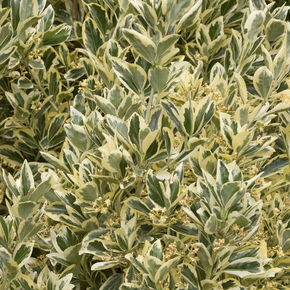
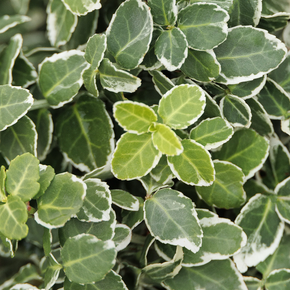
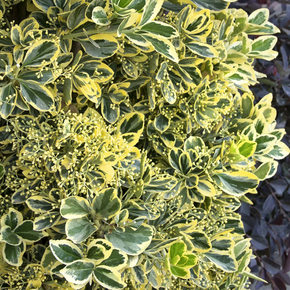
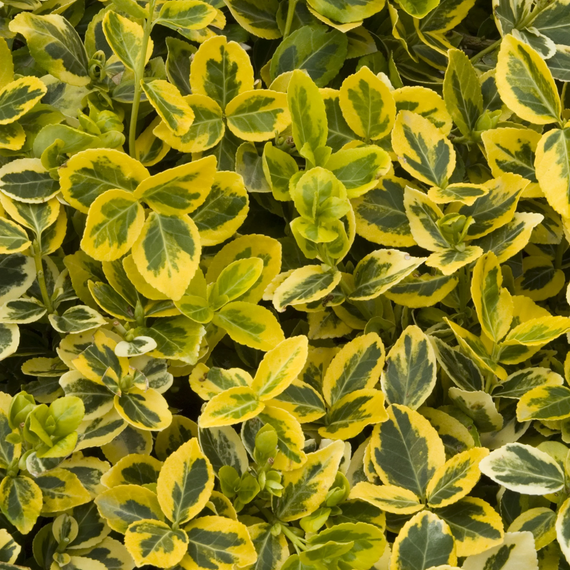
- Stunning two-tone evergreen foliage opens lemon yellow on new growth, maturing to rich golden yellow margins surrounding deep green centers for vibrant year-round color
- Low, spreading habit reaches just 1-2 ft. tall and up to 4 ft. wide, making it a versatile and tidy choice for groundcover, borders, slopes, and mass plantings
- Highly resistant to Anthracnose leaf disease and notably tolerant of a wide range of soils, light conditions, drought, and urban pollution once established
- Cold-hardy in USDA Zones 4a-8b, this reliable evergreen delivers four-season landscape interest with virtually no fuss
Euonymus fortunei 'Sunrise' Wintercreeper is a compact, low-growing evergreen shrub prized above all else for its exceptional variegated foliage display. Emerging leaves burst forth in a bright lemon yellow before transitioning to a rich golden yellow that frames deep, lustrous green leaf centers — a warm, two-toned contrast that makes this plant a standout in any landscape setting throughout every season of the year. With a naturally prostrate and spreading growth habit that stays between 1 and 2 feet tall while spreading 3 to 4 feet wide, 'Sunrise' is a refined, well-mannered groundcover that thrives when planted en masse along driveways, walkways, and slopes, or used as a low border or informal hedge. Its broad adaptability is one of its most valuable qualities: it performs in full sun to filtered shade, tolerates a wide spectrum of soil types and pH levels, handles drought once established, and shrugs off salt and urban pollution with ease. Hardy in USDA Zones 4a through 8b, this disease-resistant cultivar — notably resistant to Anthracnose — offers exceptional value as a low-maintenance, high-impact landscape plant that delivers consistent color, reliable coverage, and year-round garden structure in Southern Oregon and Northern California gardens alike.
Plant Description
Euonymus fortunei 'Sunrise' is an evergreen, woody shrub with a low and spreading, nearly prostrate growth habit. It is best known for its striking two-tone variegated leaves, which are small, leathery, and oval-shaped with finely serrated margins. New growth emerges in a vivid lemon yellow and transitions to rich golden yellow leaf margins surrounding clean, deep green centers as the foliage matures. The overall effect is a warm, luminous glow across the plant's dense, spreading canopy. Unlike many variegated shrubs that wash out or fade, 'Sunrise' maintains its bold coloration throughout all four seasons, making it one of the most reliably ornamental wintercreepers available. Small, ornamentally inconspicuous greenish-white flowers appear in early summer, followed by small white seed capsules that ripen to reveal orange-red seeds in fall — a modest but welcome late-season detail. The cultivar holds a plant patent (PP12,341), reflecting its distinctive and select horticultural character.
Mature Size
| Attribute | Measurement |
|---|---|
| Mature Height | 1 - 2 ft. |
| Mature Spread | 3 - 4 ft. |
| Growth Habit | Low, prostrate, and spreading |
| Growth Rate | Moderate |
| Recommended Spacing | Approximately 4 ft. apart for groundcover use |
Hardiness and Climate
'Sunrise' Wintercreeper is cold-hardy in USDA Zones 4a through 8b, making it an excellent choice for a wide range of climates. It tolerates hard winters and performs reliably in the mild, variable conditions of Southern Oregon and Northern California. It also shows a good degree of heat tolerance and handles urban conditions — including pollution and salt — without significant decline. In the hottest parts of its range, siting the plant where it receives some afternoon shade will help protect the foliage from summer scorch. This cultivar is also noted for its year-round interest, maintaining its foliage color and structure even through cold winter months.
Sunlight Requirements
'Sunrise' Wintercreeper performs best in full sun to filtered or partial shade, typically requiring at least 4 to 6 hours of direct sunlight per day for the most vibrant foliage coloration. In full sun, the golden yellow variegation is most intense and the plant maintains its most compact, dense growth habit. In partial shade, growth may be slightly looser and the foliage colors a touch more subdued, though the plant remains attractive and healthy. Deep, heavy shade is tolerated but is not ideal — plants in very low light conditions tend to grow more slowly and may develop a leggier appearance over time. For best results in the landscape, choose a site with morning sun and light afternoon shade, particularly in warmer climates.
Soil and pH Preferences
'Sunrise' Wintercreeper is highly adaptable when it comes to soil and is one of the more forgiving shrubs available for difficult planting situations. It performs well across a broad range of soil types including loam, clay-loam, sandy soils, and shallow or gravelly soils, provided that drainage is adequate. Boggy or consistently waterlogged soils should be avoided, as standing water can lead to root rot and decline. The plant tolerates a remarkably wide pH range — from acidic (below 6.0) through neutral to mildly alkaline (above 8.0) — making it suitable for most native soil conditions without the need for significant amendment. Incorporating organic compost into the planting site improves drainage in clay soils and moisture retention in sandy soils, giving new transplants the best possible start.
Watering Guide
Like most woody shrubs, 'Sunrise' Wintercreeper requires the most consistent moisture during its first growing season as it establishes a root system. During this period, water thoroughly and regularly, allowing the soil to dry slightly between waterings but never completely. Once established — typically after the first full season in the ground — this plant develops good drought tolerance and requires far less supplemental irrigation. For established plants, water deeply every 7 to 10 days during hot, dry periods, and reduce frequency significantly during cooler months or when rainfall is adequate. Always water at the base of the plant rather than overhead to reduce the risk of fungal issues. Well-drained soil is essential; soggy root conditions are the primary cause of decline in this otherwise tough plant.
Fertilizing
'Sunrise' Wintercreeper is not a heavy feeder and will perform adequately in average garden soils without regular fertilization. If you wish to encourage healthy new growth and maintain vibrant foliage color, apply a balanced, slow-release granular fertilizer (such as a 10-10-10 formulation) once in early spring as new growth begins to emerge. A second light application in mid-summer may be given if the plant appears slow-growing or the foliage lacks vibrancy. Avoid over-fertilizing, as excess nitrogen promotes excessive, rapid shoot growth that can make the plant look floppy, increases maintenance needs, and may even reduce foliage color intensity. Container-grown plants benefit from a diluted balanced liquid fertilizer applied every 4 to 6 weeks throughout the active growing season.
Pruning and Maintenance
'Sunrise' Wintercreeper is a low-maintenance plant that requires only occasional pruning to keep it tidy and within bounds. The best time to prune is in late winter to early spring, just before new growth begins, which allows you to shape the plant and remove any winter-damaged or dead stems before the growing season gets underway. Light shearing or selective pruning during the growing season is also acceptable and can be used to maintain a compact, uniform appearance. If the plant is being used as a groundcover, periodically trimming back any runners that spread beyond the desired area will keep it from encroaching on neighboring plants. Removing spent flower clusters before they set seed helps prevent unwanted self-seeding. Always use clean, sharp pruning shears and sterilize blades between cuts to prevent the spread of disease.
Planting Instructions
- Choose a site with full sun to partial shade and well-draining soil. Avoid low-lying areas where water pools after rain.
- Dig a planting hole two times as wide as the root ball and approximately the same depth, so the top of the root ball sits level with or just slightly above the surrounding soil surface.
- Loosen the soil at the bottom and sides of the hole to encourage outward root growth.
- Remove the plant from its container and gently loosen any circling roots before placing it in the hole.
- Backfill with the native soil, firming it gently around the roots to eliminate air pockets. Amend with compost if the native soil is particularly poor or heavy clay.
- Water thoroughly immediately after planting to settle the soil and ensure good root-to-soil contact.
- Apply a 2 to 3 inch layer of organic mulch (such as wood chips or bark) around the base of the plant, keeping mulch several inches away from the crown to prevent rot.
- Space multiple plants approximately 4 feet apart for groundcover use to allow them to fill in naturally over time.
Landscape Uses
'Sunrise' Wintercreeper is an exceptionally versatile shrub with a wide range of practical and decorative landscape applications. Its low, spreading habit and bold foliage color make it a natural choice for the following uses:
- Groundcover: Plant en masse for a dense, weed-suppressing carpet of golden-variegated evergreen color.
- Slope and erosion control: The spreading root system and dense growth habit make it highly effective on embankments, banks, and rough slopes where other plants struggle to establish.
- Border edging: Its tidy, low profile works well along driveways, walkways, and landscape borders where a clean edge of colorful foliage is desired.
- Informal low hedge: When planted in a row and lightly trimmed, 'Sunrise' forms a bright, low hedge with excellent year-round definition.
- Foundation planting: Compact size and evergreen coverage make it useful at the base of structures, particularly in spots with challenging or dry soil.
- Container planting: Works well as a trailing accent in large mixed containers or as a single specimen in a patio pot.
- Firescaping: Listed as suitable for firewise landscaping applications due to its lower resin content and moisture-retaining foliage compared to many conifers.
Seasonal Interest
'Sunrise' Wintercreeper offers genuine four-season interest in the garden, which is one of its most compelling attributes as a landscape plant. In spring, the plant flushes vibrant new lemon yellow growth that energizes the landscape alongside emerging perennials and flowering shrubs. Through summer, the foliage matures to a rich two-tone display of golden yellow margins and deep green centers, holding its color beautifully through the heat. In fall, small white seed capsules split open to reveal bright orange-red seeds, adding a modest but attractive fruiting display. In winter, the evergreen foliage remains firmly in place, providing structure, texture, and warm golden color at a time when the garden most needs it. Unlike some wintercreeper varieties that develop a reddish or purplish winter cast, 'Sunrise' holds its golden-green variegation throughout the cold months.
Pests and Diseases
'Sunrise' Wintercreeper is notably more disease-resistant than many other Euonymus cultivars, with a specific documented resistance to Anthracnose leaf disease. However, like all Euonymus species, it can be susceptible to a handful of common pests and diseases that gardeners should monitor for:
- Euonymus scale: The most significant pest threat. This armored scale insect feeds on stems and foliage and can cause significant defoliation in heavy infestations. Treat with horticultural oil sprays in late spring when crawlers are active. Remove light infestations by hand. Encourage beneficial insects such as ladybugs and parasitic wasps.
- Aphids: Occasionally feed on tender new growth. Knock off with a strong blast of water or treat with insecticidal soap or neem oil.
- Powdery mildew: Can develop in humid conditions with poor airflow. Ensure adequate spacing and air circulation; treat with neem oil if needed.
- Crown gall: A soil-borne bacterial disease that creates wart-like growths at the soil line. Prevent by avoiding injury to the base of the plant; protect pruned areas near the soil with a pruning sealer.
- Root rot: Caused by poorly draining or consistently wet soils. Ensure excellent drainage at the planting site.
Container Growing
'Sunrise' Wintercreeper adapts well to container culture and can make a handsome, long-lived specimen in a large patio pot or mixed planter. Its trailing habit makes it particularly effective as a "spiller" in large mixed container arrangements, cascading attractively over the edges of the pot. When growing in containers, use a quality, well-draining potting mix and ensure the container has adequate drainage holes. Container-grown plants dry out more quickly than in-ground plantings, so monitor soil moisture regularly and water when the top 2 inches of the mix feel dry. Feed with a balanced liquid fertilizer every 4 to 6 weeks during the growing season. Repot every 2 to 3 years in early spring, stepping up to a slightly larger container with fresh potting mix. In areas with hard winters, containers can be moved to a sheltered location to protect roots from freezing through the pot walls.
Companion Plants
'Sunrise' Wintercreeper pairs beautifully with a range of landscape plants that complement or contrast its golden-green variegated foliage. Consider the following companions for cohesive, year-round planting combinations:
- Ornamental grasses such as Japanese forest grass (Hakonechloa macra 'Aureola') echo the golden tones while adding fine texture and movement.
- Red-twig dogwood (Cornus alba 'Sibirica') provides a stunning winter contrast with bright crimson stems set against the golden foliage.
- Conifers such as dwarf blue spruce or dark green junipers create a bold color contrast with the warm variegation of 'Sunrise.'
- Heucheras in burgundy or deep purple tones offer a rich foliage contrast in shaded or partially shaded borders.
- Hellebores are excellent companions in part-shade settings, providing late winter and early spring blooms above the evergreen groundcover.
- Lavender or ornamental sage planted nearby adds fragrance and pollinator value while the contrasting gray-green foliage highlights 'Sunrise's' warm tones.
- Spring-blooming bulbs such as daffodils and tulips can be planted among 'Sunrise' groundcover plantings, emerging through the mat for cheerful seasonal color.
Wildlife Value
While 'Sunrise' Wintercreeper is not a primary wildlife plant in the way that native species are, it does offer modest benefits to garden wildlife. The small fall seed capsules, which split to reveal bright orange-red seeds, are occasionally eaten by songbirds, which can help with natural seed dispersal. The dense, low growing habit of the plant provides ground-level shelter for small birds and beneficial insects seeking cover. The inconspicuous early summer flowers may attract bees and other small pollinators, though they are not a significant nectar source. It is worth noting that all parts of the plant are considered mildly toxic to humans if ingested in large quantities, and the berries in particular should be kept away from children and pets. White-tailed deer will browse on Euonymus fortunei, so deer pressure in your area is worth considering when siting the plant.
- Stunning two-tone evergreen foliage opens lemon yellow on new growth, maturing to rich golden yellow margins surrounding deep green centers for vibrant year-round color
- Low, spreading habit reaches just 1-2 ft. tall and up to 4 ft. wide, making it a versatile and tidy choice for groundcover, borders, slopes, and mass plantings
- Highly resistant to Anthracnose leaf disease and notably tolerant of a wide range of soils, light conditions, drought, and urban pollution once established
- Cold-hardy in USDA Zones 4a-8b, this reliable evergreen delivers four-season landscape interest with virtually no fuss
Euonymus fortunei 'Sunrise' Wintercreeper is a compact, low-growing evergreen shrub prized above all else for its exceptional variegated foliage display. Emerging leaves burst forth in a bright lemon yellow before transitioning to a rich golden yellow that frames deep, lustrous green leaf centers — a warm, two-toned contrast that makes this plant a standout in any landscape setting throughout every season of the year. With a naturally prostrate and spreading growth habit that stays between 1 and 2 feet tall while spreading 3 to 4 feet wide, 'Sunrise' is a refined, well-mannered groundcover that thrives when planted en masse along driveways, walkways, and slopes, or used as a low border or informal hedge. Its broad adaptability is one of its most valuable qualities: it performs in full sun to filtered shade, tolerates a wide spectrum of soil types and pH levels, handles drought once established, and shrugs off salt and urban pollution with ease. Hardy in USDA Zones 4a through 8b, this disease-resistant cultivar — notably resistant to Anthracnose — offers exceptional value as a low-maintenance, high-impact landscape plant that delivers consistent color, reliable coverage, and year-round garden structure in Southern Oregon and Northern California gardens alike.
Plant Description
Euonymus fortunei 'Sunrise' is an evergreen, woody shrub with a low and spreading, nearly prostrate growth habit. It is best known for its striking two-tone variegated leaves, which are small, leathery, and oval-shaped with finely serrated margins. New growth emerges in a vivid lemon yellow and transitions to rich golden yellow leaf margins surrounding clean, deep green centers as the foliage matures. The overall effect is a warm, luminous glow across the plant's dense, spreading canopy. Unlike many variegated shrubs that wash out or fade, 'Sunrise' maintains its bold coloration throughout all four seasons, making it one of the most reliably ornamental wintercreepers available. Small, ornamentally inconspicuous greenish-white flowers appear in early summer, followed by small white seed capsules that ripen to reveal orange-red seeds in fall — a modest but welcome late-season detail. The cultivar holds a plant patent (PP12,341), reflecting its distinctive and select horticultural character.
Mature Size
| Attribute | Measurement |
|---|---|
| Mature Height | 1 - 2 ft. |
| Mature Spread | 3 - 4 ft. |
| Growth Habit | Low, prostrate, and spreading |
| Growth Rate | Moderate |
| Recommended Spacing | Approximately 4 ft. apart for groundcover use |
Hardiness and Climate
'Sunrise' Wintercreeper is cold-hardy in USDA Zones 4a through 8b, making it an excellent choice for a wide range of climates. It tolerates hard winters and performs reliably in the mild, variable conditions of Southern Oregon and Northern California. It also shows a good degree of heat tolerance and handles urban conditions — including pollution and salt — without significant decline. In the hottest parts of its range, siting the plant where it receives some afternoon shade will help protect the foliage from summer scorch. This cultivar is also noted for its year-round interest, maintaining its foliage color and structure even through cold winter months.
Sunlight Requirements
'Sunrise' Wintercreeper performs best in full sun to filtered or partial shade, typically requiring at least 4 to 6 hours of direct sunlight per day for the most vibrant foliage coloration. In full sun, the golden yellow variegation is most intense and the plant maintains its most compact, dense growth habit. In partial shade, growth may be slightly looser and the foliage colors a touch more subdued, though the plant remains attractive and healthy. Deep, heavy shade is tolerated but is not ideal — plants in very low light conditions tend to grow more slowly and may develop a leggier appearance over time. For best results in the landscape, choose a site with morning sun and light afternoon shade, particularly in warmer climates.
Soil and pH Preferences
'Sunrise' Wintercreeper is highly adaptable when it comes to soil and is one of the more forgiving shrubs available for difficult planting situations. It performs well across a broad range of soil types including loam, clay-loam, sandy soils, and shallow or gravelly soils, provided that drainage is adequate. Boggy or consistently waterlogged soils should be avoided, as standing water can lead to root rot and decline. The plant tolerates a remarkably wide pH range — from acidic (below 6.0) through neutral to mildly alkaline (above 8.0) — making it suitable for most native soil conditions without the need for significant amendment. Incorporating organic compost into the planting site improves drainage in clay soils and moisture retention in sandy soils, giving new transplants the best possible start.
Watering Guide
Like most woody shrubs, 'Sunrise' Wintercreeper requires the most consistent moisture during its first growing season as it establishes a root system. During this period, water thoroughly and regularly, allowing the soil to dry slightly between waterings but never completely. Once established — typically after the first full season in the ground — this plant develops good drought tolerance and requires far less supplemental irrigation. For established plants, water deeply every 7 to 10 days during hot, dry periods, and reduce frequency significantly during cooler months or when rainfall is adequate. Always water at the base of the plant rather than overhead to reduce the risk of fungal issues. Well-drained soil is essential; soggy root conditions are the primary cause of decline in this otherwise tough plant.
Fertilizing
'Sunrise' Wintercreeper is not a heavy feeder and will perform adequately in average garden soils without regular fertilization. If you wish to encourage healthy new growth and maintain vibrant foliage color, apply a balanced, slow-release granular fertilizer (such as a 10-10-10 formulation) once in early spring as new growth begins to emerge. A second light application in mid-summer may be given if the plant appears slow-growing or the foliage lacks vibrancy. Avoid over-fertilizing, as excess nitrogen promotes excessive, rapid shoot growth that can make the plant look floppy, increases maintenance needs, and may even reduce foliage color intensity. Container-grown plants benefit from a diluted balanced liquid fertilizer applied every 4 to 6 weeks throughout the active growing season.
Pruning and Maintenance
'Sunrise' Wintercreeper is a low-maintenance plant that requires only occasional pruning to keep it tidy and within bounds. The best time to prune is in late winter to early spring, just before new growth begins, which allows you to shape the plant and remove any winter-damaged or dead stems before the growing season gets underway. Light shearing or selective pruning during the growing season is also acceptable and can be used to maintain a compact, uniform appearance. If the plant is being used as a groundcover, periodically trimming back any runners that spread beyond the desired area will keep it from encroaching on neighboring plants. Removing spent flower clusters before they set seed helps prevent unwanted self-seeding. Always use clean, sharp pruning shears and sterilize blades between cuts to prevent the spread of disease.
Planting Instructions
- Choose a site with full sun to partial shade and well-draining soil. Avoid low-lying areas where water pools after rain.
- Dig a planting hole two times as wide as the root ball and approximately the same depth, so the top of the root ball sits level with or just slightly above the surrounding soil surface.
- Loosen the soil at the bottom and sides of the hole to encourage outward root growth.
- Remove the plant from its container and gently loosen any circling roots before placing it in the hole.
- Backfill with the native soil, firming it gently around the roots to eliminate air pockets. Amend with compost if the native soil is particularly poor or heavy clay.
- Water thoroughly immediately after planting to settle the soil and ensure good root-to-soil contact.
- Apply a 2 to 3 inch layer of organic mulch (such as wood chips or bark) around the base of the plant, keeping mulch several inches away from the crown to prevent rot.
- Space multiple plants approximately 4 feet apart for groundcover use to allow them to fill in naturally over time.
Landscape Uses
'Sunrise' Wintercreeper is an exceptionally versatile shrub with a wide range of practical and decorative landscape applications. Its low, spreading habit and bold foliage color make it a natural choice for the following uses:
- Groundcover: Plant en masse for a dense, weed-suppressing carpet of golden-variegated evergreen color.
- Slope and erosion control: The spreading root system and dense growth habit make it highly effective on embankments, banks, and rough slopes where other plants struggle to establish.
- Border edging: Its tidy, low profile works well along driveways, walkways, and landscape borders where a clean edge of colorful foliage is desired.
- Informal low hedge: When planted in a row and lightly trimmed, 'Sunrise' forms a bright, low hedge with excellent year-round definition.
- Foundation planting: Compact size and evergreen coverage make it useful at the base of structures, particularly in spots with challenging or dry soil.
- Container planting: Works well as a trailing accent in large mixed containers or as a single specimen in a patio pot.
- Firescaping: Listed as suitable for firewise landscaping applications due to its lower resin content and moisture-retaining foliage compared to many conifers.
Seasonal Interest
'Sunrise' Wintercreeper offers genuine four-season interest in the garden, which is one of its most compelling attributes as a landscape plant. In spring, the plant flushes vibrant new lemon yellow growth that energizes the landscape alongside emerging perennials and flowering shrubs. Through summer, the foliage matures to a rich two-tone display of golden yellow margins and deep green centers, holding its color beautifully through the heat. In fall, small white seed capsules split open to reveal bright orange-red seeds, adding a modest but attractive fruiting display. In winter, the evergreen foliage remains firmly in place, providing structure, texture, and warm golden color at a time when the garden most needs it. Unlike some wintercreeper varieties that develop a reddish or purplish winter cast, 'Sunrise' holds its golden-green variegation throughout the cold months.
Pests and Diseases
'Sunrise' Wintercreeper is notably more disease-resistant than many other Euonymus cultivars, with a specific documented resistance to Anthracnose leaf disease. However, like all Euonymus species, it can be susceptible to a handful of common pests and diseases that gardeners should monitor for:
- Euonymus scale: The most significant pest threat. This armored scale insect feeds on stems and foliage and can cause significant defoliation in heavy infestations. Treat with horticultural oil sprays in late spring when crawlers are active. Remove light infestations by hand. Encourage beneficial insects such as ladybugs and parasitic wasps.
- Aphids: Occasionally feed on tender new growth. Knock off with a strong blast of water or treat with insecticidal soap or neem oil.
- Powdery mildew: Can develop in humid conditions with poor airflow. Ensure adequate spacing and air circulation; treat with neem oil if needed.
- Crown gall: A soil-borne bacterial disease that creates wart-like growths at the soil line. Prevent by avoiding injury to the base of the plant; protect pruned areas near the soil with a pruning sealer.
- Root rot: Caused by poorly draining or consistently wet soils. Ensure excellent drainage at the planting site.
Container Growing
'Sunrise' Wintercreeper adapts well to container culture and can make a handsome, long-lived specimen in a large patio pot or mixed planter. Its trailing habit makes it particularly effective as a "spiller" in large mixed container arrangements, cascading attractively over the edges of the pot. When growing in containers, use a quality, well-draining potting mix and ensure the container has adequate drainage holes. Container-grown plants dry out more quickly than in-ground plantings, so monitor soil moisture regularly and water when the top 2 inches of the mix feel dry. Feed with a balanced liquid fertilizer every 4 to 6 weeks during the growing season. Repot every 2 to 3 years in early spring, stepping up to a slightly larger container with fresh potting mix. In areas with hard winters, containers can be moved to a sheltered location to protect roots from freezing through the pot walls.
Companion Plants
'Sunrise' Wintercreeper pairs beautifully with a range of landscape plants that complement or contrast its golden-green variegated foliage. Consider the following companions for cohesive, year-round planting combinations:
- Ornamental grasses such as Japanese forest grass (Hakonechloa macra 'Aureola') echo the golden tones while adding fine texture and movement.
- Red-twig dogwood (Cornus alba 'Sibirica') provides a stunning winter contrast with bright crimson stems set against the golden foliage.
- Conifers such as dwarf blue spruce or dark green junipers create a bold color contrast with the warm variegation of 'Sunrise.'
- Heucheras in burgundy or deep purple tones offer a rich foliage contrast in shaded or partially shaded borders.
- Hellebores are excellent companions in part-shade settings, providing late winter and early spring blooms above the evergreen groundcover.
- Lavender or ornamental sage planted nearby adds fragrance and pollinator value while the contrasting gray-green foliage highlights 'Sunrise's' warm tones.
- Spring-blooming bulbs such as daffodils and tulips can be planted among 'Sunrise' groundcover plantings, emerging through the mat for cheerful seasonal color.
Wildlife Value
While 'Sunrise' Wintercreeper is not a primary wildlife plant in the way that native species are, it does offer modest benefits to garden wildlife. The small fall seed capsules, which split to reveal bright orange-red seeds, are occasionally eaten by songbirds, which can help with natural seed dispersal. The dense, low growing habit of the plant provides ground-level shelter for small birds and beneficial insects seeking cover. The inconspicuous early summer flowers may attract bees and other small pollinators, though they are not a significant nectar source. It is worth noting that all parts of the plant are considered mildly toxic to humans if ingested in large quantities, and the berries in particular should be kept away from children and pets. White-tailed deer will browse on Euonymus fortunei, so deer pressure in your area is worth considering when siting the plant.