
Zoom the image with the mouse
Silver King Euonymus - 1 Gallon
SKU:
104675
UPC:
651469520808
$11.99
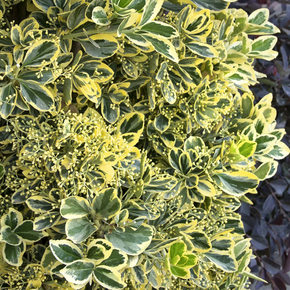
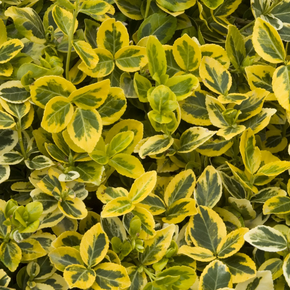
- Striking silvery-white leaf margins on glossy dark green foliage deliver year-round four-season color and bold textural contrast in any landscape setting.
- Exceptionally versatile and low maintenance — thrives in full sun to partial shade, tolerates poor soils, heat, coastal salt spray, and urban pollution with ease.
- Dense, upright growth habit is ideal for formal hedges, mass plantings, low screens, topiary shaping, espalier training, and elegant container displays.
- Hardy in USDA Zones 6-9 with a long-lived, fast-growing nature that can be pruned at virtually any time to maintain your desired size and shape.
Silver King Euonymus (Euonymus japonicus 'Silver King') is a showstopping evergreen shrub that earns a permanent place in the landscape with its glossy, oval-round dark green leaves boldly edged in bright silvery-white margins — a striking variegation that remains vivid and attractive throughout every season of the year. Growing in a dense, upright spreading habit, this refined Japanese Spindle typically reaches 5 to 6 feet tall and 2 to 6 feet wide at maturity, though it responds beautifully to regular shearing and can be maintained at virtually any size, making it one of the most adaptable formal hedging and topiary shrubs available to home gardeners. In late spring and early summer, small, inconspicuous yellowish flowers appear and may occasionally be followed by tiny fruits, though the plant's primary ornamental value lies firmly in its spectacular foliage. Highly tolerant of challenging conditions including poor and lean soils, coastal salt, urban pollution, and summer heat, Silver King Euonymus is an outstanding choice for foundation plantings, mixed shrub borders, bank stabilization, mass plantings, privacy screens, patio containers, and formal garden accents — performing reliably across a wide range of landscape styles from formal and contemporary to coastal and cottage gardens.
Plant Description
Silver King Euonymus (Euonymus japonicus 'Silver King') is a bushy, upright, multi-stemmed evergreen shrub belonging to the Celastraceae family. Its most defining feature is its glossy, oval-round leaves measuring approximately 1 to 2 inches in length, each displaying a rich dark green center dramatically outlined by a wide, bright silvery-white margin. This bold variegation remains consistent and colorful throughout all four seasons, never fading to dull or washed-out tones. The plant's relatively fine leaf texture sets it apart from many other hedging shrubs, lending it an elegant, polished look whether grown in a naturalistic border or clipped into a precise formal shape. In late spring to early summer, small, inconspicuous yellowish-green flowers appear in clusters but are not ornamentally significant. Occasionally, small fruits may follow in late summer and fall. The overall growth habit is upright and spreading, filling in densely from the ground up, making facer plants unnecessary in most landscape situations.
Mature Size
| Characteristic | Details |
|---|---|
| Mature Height (unpruned) | 5 to 6 feet |
| Mature Spread (unpruned) | 2 to 6 feet |
| Growth Rate | Fast; typically 8 to 12 inches per year under good conditions |
| Time to Maturity | Approximately 3 to 5 years |
| Longevity | 40 years or more under ideal conditions |
| Pruned/Maintained Size | Can be kept at virtually any size with regular shearing |
Hardiness Zones
Silver King Euonymus is reliably hardy in USDA Plant Hardiness Zones 6 through 9, tolerating minimum winter temperatures down to approximately -10°F. It performs exceptionally well in the mild-winter, warm-summer climates of Southern Oregon and Northern California. In Zone 6, planting in a sheltered location away from harsh winter winds will help prevent leaf scorch and promote the best evergreen performance. In warmer Zones 8 and 9, the plant thrives with minimal cold-weather protection. It is well suited to the broad range of coastal, valley, and foothill environments found throughout the Pacific Northwest and Northern California regions.
Sunlight Requirements
Silver King Euonymus is highly adaptable when it comes to light, performing well in full sun, partial shade, and even full shade. However, for the most vivid silvery-white leaf variegation and the densest, most compact growth habit, a location receiving at least 4 to 6 hours of direct sun per day is ideal. In cooler climates (Zones 6 to 7), full sun exposure produces the strongest color and most vigorous growth. In hotter inland locations within Zones 8 and 9, a site offering morning sun and light afternoon shade will help prevent leaf scorch on the variegated margins, particularly during peak summer heat. Heavily shaded locations may cause the foliage to appear less vibrant and can lead to more open, leggy growth over time.
Soil and pH Preferences
One of the most adaptable shrubs available, Silver King Euonymus is notably tolerant of a wide range of soil types, including chalk, clay, loam, and sand. It grows well in both acid and alkaline soils, accepting a broad pH range of approximately 5.5 to 7.5 — making it suitable for the diverse soil conditions found across Southern Oregon and Northern California. While it tolerates poor, lean soils with ease, it performs best in well-drained or moist but well-drained soils. The one condition it does not tolerate is standing water or persistently saturated soil, which can lead to root rot. When planting in heavy clay, amending the backfill with compost and ensuring drainage is improved will greatly benefit long-term plant health. A 2 to 3 inch layer of organic mulch around the root zone helps moderate soil moisture and temperature without creating waterlogged conditions.
Watering Guide
During the first growing season after planting, water Silver King Euonymus regularly to support root establishment. Water deeply when the top 2 to 3 inches of soil feel dry, soaking the root zone to a depth of 8 to 10 inches. Once established — typically after the first full growing season — this shrub is quite drought tolerant and needs significantly less supplemental irrigation. Established plants in average garden soil generally do well with a deep watering every 7 to 14 days during warm, dry summer months, reducing frequency during cooler or wetter periods. Always check soil moisture 4 to 6 inches below the surface before watering to avoid overwatering. Reduce irrigation in fall and winter, as excess moisture during cooler months increases the risk of root rot, particularly in clay-heavy soils.
Fertilizing
Silver King Euonymus is not a heavy feeder and performs well in average garden soils without frequent fertilization. Apply a balanced, slow-release shrub fertilizer — such as a 10-10-10 or similar formula — once in early spring as new growth begins. This single annual feeding is typically sufficient to support healthy, vigorous foliage through the growing season. Avoid fertilizing after late summer, as encouraging a late flush of tender new growth can increase susceptibility to frost damage in colder zones. In containers, where nutrients are depleted more quickly, a light application of liquid balanced fertilizer every 4 to 6 weeks during the active growing season (spring through summer) will keep foliage looking its best. If soil pH is off or deficiencies are suspected, a soil test can guide any targeted amendments.
Pruning and Maintenance
Silver King Euonymus is one of the most pruning-friendly evergreen shrubs available and can be trimmed at virtually any time of year without harming the plant. For formal hedges or topiary shapes, shear once or twice during the growing season — typically in late spring after the first flush of new growth, and again in midsummer if needed. For a more naturalistic form, light annual shaping in late winter or early spring (February through March) is all that is required to maintain a tidy, attractive appearance. Always remove any branches that revert to solid green foliage (without the silvery-white margin) promptly, as these more vigorous all-green shoots can eventually dominate the plant and diminish the prized variegated effect. Dead, damaged, or diseased wood can be removed at any time. Pruning shears should be clean and sharp to avoid tearing stems and introducing disease.
Planting Instructions
- Choose a site with full sun to partial shade and well-drained soil. Avoid low-lying areas where water collects after rain.
- Dig a planting hole 2 to 3 times as wide as the root ball and equal in depth. This encourages lateral root expansion and faster establishment.
- Gently remove the plant from its container and loosen any circling roots. Place the root ball in the hole so the top of the root ball is level with or very slightly above the surrounding soil grade.
- Backfill with the native soil, incorporating compost if the native soil is particularly poor or heavy with clay. Firm the soil gently around the roots to eliminate air pockets.
- Water thoroughly immediately after planting to settle the soil and hydrate the roots.
- Apply a 2 to 3 inch layer of organic mulch — such as shredded bark or wood chips — over the root zone, keeping mulch several inches away from the base of the stems to prevent rot and disease.
- For hedges or mass plantings, space plants approximately 24 to 36 inches apart, depending on how quickly you want coverage and the desired final density.
- Water regularly during the first growing season to encourage deep root establishment.
Landscape Uses
Silver King Euonymus is among the most versatile evergreen shrubs for residential and commercial landscapes. Its range of uses includes:
- Formal Hedges and Screens: Dense, upright branching and an eagerness to accept shearing make it an excellent choice for low to mid-height formal hedges and privacy screens along fences, driveways, and property lines.
- Foundation Plantings: Its refined texture and year-round color make it a natural fit for framing entryways and anchoring the base of buildings.
- Topiary and Espalier: Responds beautifully to topiary training and can also be espaliered flat against walls or fences for a dramatic architectural effect.
- Mass Plantings: Grouped in masses, the silvery variegation creates a luminous, eye-catching groundcover effect on banks and slopes, also aiding in erosion control.
- Container Gardening: Thrives in large decorative containers on patios, porches, and entryways, and can even be trained as a small standard or lollipop-form topiary in a pot.
- Coastal Gardens: Excellent salt spray tolerance makes it well suited for seaside and coastal landscapes.
- Urban Gardens: Highly tolerant of air pollution, compacted soils, and reflected heat from pavement — an ideal choice for urban streetscapes and courtyard gardens.
- Mixed Shrub Borders: Provides bright, year-round foliar contrast when paired with dark-leaved or flowering companions in mixed border plantings.
Companion Plants
Silver King Euonymus pairs beautifully with a wide range of plants, and its silvery-white variegation makes it particularly effective as a foil for darker or boldly colored companions. Consider pairing it with:
- Boxwood (Buxus spp.): Provides a classic formal look in hedging combinations and knot gardens.
- Japanese Holly (Ilex crenata): Deep green, fine-textured foliage creates a rich contrast alongside the silver-edged leaves.
- Aucuba japonica: Bold, gold-splashed or dark green leaves complement the silver variegation beautifully in shaded borders.
- Hostas: Large, bold foliage in blue-green, gold, or white-variegated hues works in concert with Silver King in partially shaded settings.
- Coral Bells (Heuchera spp.): Burgundy, bronze, or caramel-toned Heuchera foliage provides warm color contrast at the feet of this shrub.
- Dwarf Conifers: Slow-growing conifers in blue, gold, or dark green tones create year-round structural interest alongside Silver King.
- Liriope: Grass-like edging plants soften the base of hedges or border plantings featuring this shrub.
- Lavender or Salvia: Silvery-blue blooming perennials echo the silver tones in the foliage and provide seasonal color contrast.
Pests and Diseases
While Silver King Euonymus is a tough and adaptable shrub, there are a few pests and diseases to monitor for:
- Euonymus Scale (Unaspis euonymi): The most significant pest of this species. Look for tiny, oyster-shaped white bumps on stems and the undersides of leaves, accompanied by yellowing foliage and dieback. Treat with horticultural oil in early spring to target crawlers, and repeat applications as needed throughout the growing season. Prune out heavily infested branches and dispose of them away from the garden. Regular monitoring is key to preventing severe infestations.
- Spider Mites: More prevalent in hot, dry conditions, spider mites cause a fine stippling or bronzing of the leaf surface and may produce fine webbing. Knock populations down with strong water sprays directed at leaf undersides, and apply a miticide if infestations remain high.
- Whiteflies: Occasionally infest plants, especially those under stress. Yellow sticky traps can help monitor populations; neem oil or insecticidal soap are effective treatments.
- Aphids: Can curl tender new growth in spring. Treat with insecticidal soap or a targeted systemic insecticide if populations become problematic.
- Powdery Mildew: A fungal disease that produces a white, powdery coating on leaves, most common in humid conditions with poor air circulation. Improve airflow through selective pruning and apply a fungicide if needed.
- Leaf Spot: Fungal leaf spots may appear under prolonged wet conditions. Avoid overhead irrigation and remove affected foliage to reduce spread.
- Root Rot: Caused by poorly drained or waterlogged soil. Prevent by ensuring adequate drainage at planting time and avoiding overwatering.
Container Growing
Silver King Euonymus is an outstanding container plant, offering year-round structural elegance and bright variegated foliage on patios, entry gardens, courtyards, and outdoor living spaces. For best results in containers:
- Select a large container with ample drainage holes — at least 15 to 18 inches in diameter — to accommodate the root system and prevent the plant from drying out too quickly.
- Use a high-quality, well-draining potting mix. Avoid heavy garden soil, which can become compacted and restrict drainage in pots.
- Water when the top 2 inches of potting mix feel dry. Container-grown plants dry out more quickly than in-ground shrubs and require more frequent watering, especially during summer heat.
- Fertilize lightly with a liquid balanced fertilizer every 4 to 6 weeks during the active growing season (spring through summer), as nutrients flush through container soil more quickly.
- Repot every 2 to 3 years or when roots begin to circle the bottom of the container, stepping up one pot size to allow continued healthy growth.
- In Zone 6, move containers to a sheltered location or unheated garage during the coldest weeks of winter, as roots in containers are more exposed to freezing temperatures than roots in the ground.
- Silver King Euonymus can be trained as a standard (lollipop form) or topiary in containers, making it a dramatic and elegant focal point for formal entryways.
Seasonal Interest
Unlike many shrubs that offer ornamental value for only part of the year, Silver King Euonymus delivers continuous four-season interest:
- Spring: Fresh new growth flushes with bright, cleanly variegated leaves; small yellowish-green flower clusters appear in late spring. A great time to feed lightly and do any needed shaping.
- Summer: Foliage remains consistently attractive and vibrant through the heat of summer. Tiny inconspicuous fruits may begin to develop. The bold silver-edged leaves brighten mixed borders and container arrangements throughout the season.
- Fall: Evergreen foliage holds its color and gloss as deciduous companions begin to change and drop their leaves, providing continued structure and brightness when much of the garden is winding down.
- Winter: One of Silver King Euonymus's greatest assets — it retains its glossy, silvery-white variegated foliage through winter, providing indispensable year-round structure and visual interest when most shrubs are bare.
Wildlife Value and Toxicity
Wildlife Value: The dense foliage of Silver King Euonymus provides year-round shelter and nesting habitat for small birds and beneficial insects. The inconspicuous late-spring flowers attract pollinators, and any small fruits that develop can provide a food source for birds, particularly during fall and winter months when other food sources are scarce. The shrub's density also makes it a valuable windbreak and protective cover for songbirds in the landscape.
Deer Resistance: Silver King Euonymus has moderate deer resistance. While it is not typically a preferred browse plant, deer may feed on it during periods of food scarcity, particularly in winter. Fencing or deer repellent sprays can be used in areas with heavy deer pressure.
Toxicity Warning: All parts of Euonymus japonicus — including leaves, stems, and any fruits or seeds — are considered toxic if ingested and may cause severe gastrointestinal discomfort in humans, dogs, and cats. Keep this plant out of reach of young children and pets, and plant it away from play areas. Contact a physician or veterinarian immediately if ingestion is suspected.
- Striking silvery-white leaf margins on glossy dark green foliage deliver year-round four-season color and bold textural contrast in any landscape setting.
- Exceptionally versatile and low maintenance — thrives in full sun to partial shade, tolerates poor soils, heat, coastal salt spray, and urban pollution with ease.
- Dense, upright growth habit is ideal for formal hedges, mass plantings, low screens, topiary shaping, espalier training, and elegant container displays.
- Hardy in USDA Zones 6-9 with a long-lived, fast-growing nature that can be pruned at virtually any time to maintain your desired size and shape.
Silver King Euonymus (Euonymus japonicus 'Silver King') is a showstopping evergreen shrub that earns a permanent place in the landscape with its glossy, oval-round dark green leaves boldly edged in bright silvery-white margins — a striking variegation that remains vivid and attractive throughout every season of the year. Growing in a dense, upright spreading habit, this refined Japanese Spindle typically reaches 5 to 6 feet tall and 2 to 6 feet wide at maturity, though it responds beautifully to regular shearing and can be maintained at virtually any size, making it one of the most adaptable formal hedging and topiary shrubs available to home gardeners. In late spring and early summer, small, inconspicuous yellowish flowers appear and may occasionally be followed by tiny fruits, though the plant's primary ornamental value lies firmly in its spectacular foliage. Highly tolerant of challenging conditions including poor and lean soils, coastal salt, urban pollution, and summer heat, Silver King Euonymus is an outstanding choice for foundation plantings, mixed shrub borders, bank stabilization, mass plantings, privacy screens, patio containers, and formal garden accents — performing reliably across a wide range of landscape styles from formal and contemporary to coastal and cottage gardens.
Plant Description
Silver King Euonymus (Euonymus japonicus 'Silver King') is a bushy, upright, multi-stemmed evergreen shrub belonging to the Celastraceae family. Its most defining feature is its glossy, oval-round leaves measuring approximately 1 to 2 inches in length, each displaying a rich dark green center dramatically outlined by a wide, bright silvery-white margin. This bold variegation remains consistent and colorful throughout all four seasons, never fading to dull or washed-out tones. The plant's relatively fine leaf texture sets it apart from many other hedging shrubs, lending it an elegant, polished look whether grown in a naturalistic border or clipped into a precise formal shape. In late spring to early summer, small, inconspicuous yellowish-green flowers appear in clusters but are not ornamentally significant. Occasionally, small fruits may follow in late summer and fall. The overall growth habit is upright and spreading, filling in densely from the ground up, making facer plants unnecessary in most landscape situations.
Mature Size
| Characteristic | Details |
|---|---|
| Mature Height (unpruned) | 5 to 6 feet |
| Mature Spread (unpruned) | 2 to 6 feet |
| Growth Rate | Fast; typically 8 to 12 inches per year under good conditions |
| Time to Maturity | Approximately 3 to 5 years |
| Longevity | 40 years or more under ideal conditions |
| Pruned/Maintained Size | Can be kept at virtually any size with regular shearing |
Hardiness Zones
Silver King Euonymus is reliably hardy in USDA Plant Hardiness Zones 6 through 9, tolerating minimum winter temperatures down to approximately -10°F. It performs exceptionally well in the mild-winter, warm-summer climates of Southern Oregon and Northern California. In Zone 6, planting in a sheltered location away from harsh winter winds will help prevent leaf scorch and promote the best evergreen performance. In warmer Zones 8 and 9, the plant thrives with minimal cold-weather protection. It is well suited to the broad range of coastal, valley, and foothill environments found throughout the Pacific Northwest and Northern California regions.
Sunlight Requirements
Silver King Euonymus is highly adaptable when it comes to light, performing well in full sun, partial shade, and even full shade. However, for the most vivid silvery-white leaf variegation and the densest, most compact growth habit, a location receiving at least 4 to 6 hours of direct sun per day is ideal. In cooler climates (Zones 6 to 7), full sun exposure produces the strongest color and most vigorous growth. In hotter inland locations within Zones 8 and 9, a site offering morning sun and light afternoon shade will help prevent leaf scorch on the variegated margins, particularly during peak summer heat. Heavily shaded locations may cause the foliage to appear less vibrant and can lead to more open, leggy growth over time.
Soil and pH Preferences
One of the most adaptable shrubs available, Silver King Euonymus is notably tolerant of a wide range of soil types, including chalk, clay, loam, and sand. It grows well in both acid and alkaline soils, accepting a broad pH range of approximately 5.5 to 7.5 — making it suitable for the diverse soil conditions found across Southern Oregon and Northern California. While it tolerates poor, lean soils with ease, it performs best in well-drained or moist but well-drained soils. The one condition it does not tolerate is standing water or persistently saturated soil, which can lead to root rot. When planting in heavy clay, amending the backfill with compost and ensuring drainage is improved will greatly benefit long-term plant health. A 2 to 3 inch layer of organic mulch around the root zone helps moderate soil moisture and temperature without creating waterlogged conditions.
Watering Guide
During the first growing season after planting, water Silver King Euonymus regularly to support root establishment. Water deeply when the top 2 to 3 inches of soil feel dry, soaking the root zone to a depth of 8 to 10 inches. Once established — typically after the first full growing season — this shrub is quite drought tolerant and needs significantly less supplemental irrigation. Established plants in average garden soil generally do well with a deep watering every 7 to 14 days during warm, dry summer months, reducing frequency during cooler or wetter periods. Always check soil moisture 4 to 6 inches below the surface before watering to avoid overwatering. Reduce irrigation in fall and winter, as excess moisture during cooler months increases the risk of root rot, particularly in clay-heavy soils.
Fertilizing
Silver King Euonymus is not a heavy feeder and performs well in average garden soils without frequent fertilization. Apply a balanced, slow-release shrub fertilizer — such as a 10-10-10 or similar formula — once in early spring as new growth begins. This single annual feeding is typically sufficient to support healthy, vigorous foliage through the growing season. Avoid fertilizing after late summer, as encouraging a late flush of tender new growth can increase susceptibility to frost damage in colder zones. In containers, where nutrients are depleted more quickly, a light application of liquid balanced fertilizer every 4 to 6 weeks during the active growing season (spring through summer) will keep foliage looking its best. If soil pH is off or deficiencies are suspected, a soil test can guide any targeted amendments.
Pruning and Maintenance
Silver King Euonymus is one of the most pruning-friendly evergreen shrubs available and can be trimmed at virtually any time of year without harming the plant. For formal hedges or topiary shapes, shear once or twice during the growing season — typically in late spring after the first flush of new growth, and again in midsummer if needed. For a more naturalistic form, light annual shaping in late winter or early spring (February through March) is all that is required to maintain a tidy, attractive appearance. Always remove any branches that revert to solid green foliage (without the silvery-white margin) promptly, as these more vigorous all-green shoots can eventually dominate the plant and diminish the prized variegated effect. Dead, damaged, or diseased wood can be removed at any time. Pruning shears should be clean and sharp to avoid tearing stems and introducing disease.
Planting Instructions
- Choose a site with full sun to partial shade and well-drained soil. Avoid low-lying areas where water collects after rain.
- Dig a planting hole 2 to 3 times as wide as the root ball and equal in depth. This encourages lateral root expansion and faster establishment.
- Gently remove the plant from its container and loosen any circling roots. Place the root ball in the hole so the top of the root ball is level with or very slightly above the surrounding soil grade.
- Backfill with the native soil, incorporating compost if the native soil is particularly poor or heavy with clay. Firm the soil gently around the roots to eliminate air pockets.
- Water thoroughly immediately after planting to settle the soil and hydrate the roots.
- Apply a 2 to 3 inch layer of organic mulch — such as shredded bark or wood chips — over the root zone, keeping mulch several inches away from the base of the stems to prevent rot and disease.
- For hedges or mass plantings, space plants approximately 24 to 36 inches apart, depending on how quickly you want coverage and the desired final density.
- Water regularly during the first growing season to encourage deep root establishment.
Landscape Uses
Silver King Euonymus is among the most versatile evergreen shrubs for residential and commercial landscapes. Its range of uses includes:
- Formal Hedges and Screens: Dense, upright branching and an eagerness to accept shearing make it an excellent choice for low to mid-height formal hedges and privacy screens along fences, driveways, and property lines.
- Foundation Plantings: Its refined texture and year-round color make it a natural fit for framing entryways and anchoring the base of buildings.
- Topiary and Espalier: Responds beautifully to topiary training and can also be espaliered flat against walls or fences for a dramatic architectural effect.
- Mass Plantings: Grouped in masses, the silvery variegation creates a luminous, eye-catching groundcover effect on banks and slopes, also aiding in erosion control.
- Container Gardening: Thrives in large decorative containers on patios, porches, and entryways, and can even be trained as a small standard or lollipop-form topiary in a pot.
- Coastal Gardens: Excellent salt spray tolerance makes it well suited for seaside and coastal landscapes.
- Urban Gardens: Highly tolerant of air pollution, compacted soils, and reflected heat from pavement — an ideal choice for urban streetscapes and courtyard gardens.
- Mixed Shrub Borders: Provides bright, year-round foliar contrast when paired with dark-leaved or flowering companions in mixed border plantings.
Companion Plants
Silver King Euonymus pairs beautifully with a wide range of plants, and its silvery-white variegation makes it particularly effective as a foil for darker or boldly colored companions. Consider pairing it with:
- Boxwood (Buxus spp.): Provides a classic formal look in hedging combinations and knot gardens.
- Japanese Holly (Ilex crenata): Deep green, fine-textured foliage creates a rich contrast alongside the silver-edged leaves.
- Aucuba japonica: Bold, gold-splashed or dark green leaves complement the silver variegation beautifully in shaded borders.
- Hostas: Large, bold foliage in blue-green, gold, or white-variegated hues works in concert with Silver King in partially shaded settings.
- Coral Bells (Heuchera spp.): Burgundy, bronze, or caramel-toned Heuchera foliage provides warm color contrast at the feet of this shrub.
- Dwarf Conifers: Slow-growing conifers in blue, gold, or dark green tones create year-round structural interest alongside Silver King.
- Liriope: Grass-like edging plants soften the base of hedges or border plantings featuring this shrub.
- Lavender or Salvia: Silvery-blue blooming perennials echo the silver tones in the foliage and provide seasonal color contrast.
Pests and Diseases
While Silver King Euonymus is a tough and adaptable shrub, there are a few pests and diseases to monitor for:
- Euonymus Scale (Unaspis euonymi): The most significant pest of this species. Look for tiny, oyster-shaped white bumps on stems and the undersides of leaves, accompanied by yellowing foliage and dieback. Treat with horticultural oil in early spring to target crawlers, and repeat applications as needed throughout the growing season. Prune out heavily infested branches and dispose of them away from the garden. Regular monitoring is key to preventing severe infestations.
- Spider Mites: More prevalent in hot, dry conditions, spider mites cause a fine stippling or bronzing of the leaf surface and may produce fine webbing. Knock populations down with strong water sprays directed at leaf undersides, and apply a miticide if infestations remain high.
- Whiteflies: Occasionally infest plants, especially those under stress. Yellow sticky traps can help monitor populations; neem oil or insecticidal soap are effective treatments.
- Aphids: Can curl tender new growth in spring. Treat with insecticidal soap or a targeted systemic insecticide if populations become problematic.
- Powdery Mildew: A fungal disease that produces a white, powdery coating on leaves, most common in humid conditions with poor air circulation. Improve airflow through selective pruning and apply a fungicide if needed.
- Leaf Spot: Fungal leaf spots may appear under prolonged wet conditions. Avoid overhead irrigation and remove affected foliage to reduce spread.
- Root Rot: Caused by poorly drained or waterlogged soil. Prevent by ensuring adequate drainage at planting time and avoiding overwatering.
Container Growing
Silver King Euonymus is an outstanding container plant, offering year-round structural elegance and bright variegated foliage on patios, entry gardens, courtyards, and outdoor living spaces. For best results in containers:
- Select a large container with ample drainage holes — at least 15 to 18 inches in diameter — to accommodate the root system and prevent the plant from drying out too quickly.
- Use a high-quality, well-draining potting mix. Avoid heavy garden soil, which can become compacted and restrict drainage in pots.
- Water when the top 2 inches of potting mix feel dry. Container-grown plants dry out more quickly than in-ground shrubs and require more frequent watering, especially during summer heat.
- Fertilize lightly with a liquid balanced fertilizer every 4 to 6 weeks during the active growing season (spring through summer), as nutrients flush through container soil more quickly.
- Repot every 2 to 3 years or when roots begin to circle the bottom of the container, stepping up one pot size to allow continued healthy growth.
- In Zone 6, move containers to a sheltered location or unheated garage during the coldest weeks of winter, as roots in containers are more exposed to freezing temperatures than roots in the ground.
- Silver King Euonymus can be trained as a standard (lollipop form) or topiary in containers, making it a dramatic and elegant focal point for formal entryways.
Seasonal Interest
Unlike many shrubs that offer ornamental value for only part of the year, Silver King Euonymus delivers continuous four-season interest:
- Spring: Fresh new growth flushes with bright, cleanly variegated leaves; small yellowish-green flower clusters appear in late spring. A great time to feed lightly and do any needed shaping.
- Summer: Foliage remains consistently attractive and vibrant through the heat of summer. Tiny inconspicuous fruits may begin to develop. The bold silver-edged leaves brighten mixed borders and container arrangements throughout the season.
- Fall: Evergreen foliage holds its color and gloss as deciduous companions begin to change and drop their leaves, providing continued structure and brightness when much of the garden is winding down.
- Winter: One of Silver King Euonymus's greatest assets — it retains its glossy, silvery-white variegated foliage through winter, providing indispensable year-round structure and visual interest when most shrubs are bare.
Wildlife Value and Toxicity
Wildlife Value: The dense foliage of Silver King Euonymus provides year-round shelter and nesting habitat for small birds and beneficial insects. The inconspicuous late-spring flowers attract pollinators, and any small fruits that develop can provide a food source for birds, particularly during fall and winter months when other food sources are scarce. The shrub's density also makes it a valuable windbreak and protective cover for songbirds in the landscape.
Deer Resistance: Silver King Euonymus has moderate deer resistance. While it is not typically a preferred browse plant, deer may feed on it during periods of food scarcity, particularly in winter. Fencing or deer repellent sprays can be used in areas with heavy deer pressure.
Toxicity Warning: All parts of Euonymus japonicus — including leaves, stems, and any fruits or seeds — are considered toxic if ingested and may cause severe gastrointestinal discomfort in humans, dogs, and cats. Keep this plant out of reach of young children and pets, and plant it away from play areas. Contact a physician or veterinarian immediately if ingestion is suspected.