Zoom the image with the mouse
Emerald 'N Gold Wintercreeper - 1 Gallon
SKU:
104630
UPC:
651469520648
$11.99
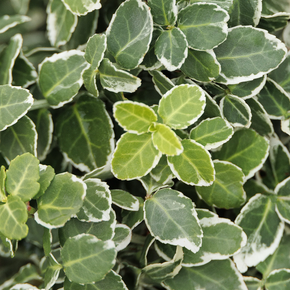
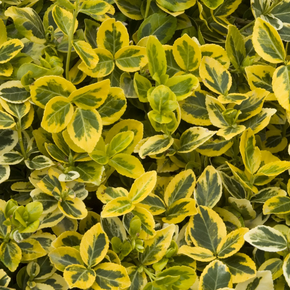
- Brilliant gold-edged, deep green leaves shift to rosy pink tones in fall and winter, delivering eye-catching four-season color in the landscape.
- Incredibly versatile - use it as a spreading groundcover, a low mounding shrub, a small hedge, an edging plant along paths, or train it to climb a wall or fence with support.
- Tough and adaptable, thriving in full sun to full shade across a wide range of soil types, with good drought tolerance once established.
- Low-maintenance and dense-growing, it suppresses weeds, controls erosion on slopes, and provides year-round structure in garden beds and foundation plantings.
Emerald 'N Gold Wintercreeper (Euonymus fortunei 'Emerald 'n Gold') is a classic, broadleaf evergreen shrub prized for its stunning variegated foliage and remarkable versatility in the landscape. The glossy, ovate to elliptic leaves feature rich deep green centers boldly edged in bright gold, creating a luminous display through spring and summer. As temperatures drop in fall and winter, those same leaves develop warm pinkish-red tones, ensuring year-round visual interest even in the coldest months. Forming a dense, spreading, bushy mat typically reaching 1 to 2 feet tall and spreading 3 to 4 feet wide, this compact cultivar earns its place as one of the most useful plants in the landscape toolkit. Creeping stems root wherever they touch the ground, making it exceptionally effective for erosion control on banks and slopes. With support, it will climb walls, fences, and structures using adventitious roots, adding texture and color to vertical surfaces. A recipient of the prestigious Royal Horticultural Society Award of Garden Merit, 'Emerald 'n Gold' thrives in full sun to full shade and tolerates a wide range of soil types, urban conditions, and moderate drought once established, making it a reliable, low-maintenance choice for foundation plantings, mixed borders, mass plantings, and container gardens alike.
Plant Description
Emerald 'N Gold Wintercreeper is a low-growing, dense, broadleaf evergreen shrub with a creeping to mounding habit. It belongs to the family Celastraceae and is native to East Asia, where it grows naturally in forests, thickets, and scrublands. The plant's most celebrated feature is its glossy, ovate to elliptic, toothed leaves measuring roughly 1 to 1.5 inches long. Each leaf displays a rich deep green center surrounded by a broad, bright gold margin — a combination that gives the plant its name and makes it instantly recognizable. In cooler fall and winter temperatures, the gold-edged leaves develop appealing pinkish-red overtones, adding a warm seasonal accent. In early summer, the plant may produce small, inconspicuous greenish-white flowers, though these are rarely showy and often absent altogether. The creeping stems spread along the ground and root where they make contact with soil, gradually forming a dense, weed-suppressing mat. If given a wall, fence, or trellis for support, the plant will use adventitious roots to climb. This cultivar has received the Royal Horticultural Society's prestigious Award of Garden Merit.
Mature Size
| Attribute | Measurement |
|---|---|
| Mature Height | 1 - 2 feet |
| Mature Spread | 3 - 4 feet |
| Recommended Spacing | 36 - 48 inches apart for groundcover use |
| Growth Rate | Slow to moderate |
| Climbing Height (with support) | Can climb several feet with structural support |
Hardiness Zones
Emerald 'N Gold Wintercreeper is reliably cold-hardy in USDA Hardiness Zones 5 through 9, making it well-suited to a wide range of climates including the Pacific Northwest, the Mountain West, the Midwest, and the Southeast. Some sources also report satisfactory performance in Zone 4 with adequate winter protection. In areas with harsh winters and dramatic temperature fluctuations, first-year plants may benefit from a layer of protective mulch applied after the ground freezes. Established plants are highly resilient and recover well from winter damage. In very hot, arid climates at the upper edge of Zone 9, planting in a partially shaded location will help prevent foliage scorch. This plant performs exceptionally well in the Southern Oregon and Northern California regions, where mild winters and warm summers suit it ideally.
Sunlight Requirements
One of the most adaptable qualities of Emerald 'N Gold Wintercreeper is its tolerance for a wide range of light conditions. It performs well in full sun (6 or more hours of direct sun per day), partial sun or partial shade (4 to 6 hours), and even full shade (fewer than 4 hours of direct sun). However, the brightest and most vivid gold variegation is produced when the plant receives ample sunlight. In deep shade, the gold margins may become less vibrant, though the plant will still grow and provide useful groundcover. In regions with intense summer heat, some afternoon shade can help prevent leaf scorch and maintain the most attractive foliage color. For the best of both color and vigor, a location with morning sun and light afternoon shade is an excellent choice.
Soil and pH Preferences
Emerald 'N Gold Wintercreeper is highly adaptable when it comes to soil. It grows well in chalk, clay, loam, and sandy soils, and tolerates both acidic and slightly alkaline soil pH levels. The most important requirement is that the soil drains adequately — this plant does not tolerate waterlogged or consistently boggy conditions, which can promote root rot. Moist, well-drained soil produces the best growth, but the plant also manages well in average or even lean soils once established. When planting in heavy clay, incorporating compost or other organic matter into the backfill will improve drainage and give roots a more hospitable environment to establish. Soil pH is fairly flexible, with good performance anywhere from mildly acidic to mildly alkaline, though extremely high alkalinity should be avoided.
Watering Guide
Consistent, moderate watering is important during the establishment phase — typically the first one to two growing seasons after planting. Water newly planted specimens deeply once or twice per week, allowing the soil to partially dry between waterings. As the plant matures and its root system deepens, it becomes notably drought-tolerant and requires far less supplemental irrigation. Established plants in typical garden conditions generally do well with about half an inch of water every 7 to 10 days, or more frequently during hot, dry summer spells. Always avoid overwatering and standing water around the root zone; soggy soil is the primary cultural problem to avoid with this plant. In the Pacific Northwest, natural rainfall often provides sufficient moisture for established plants through the cooler months, with supplemental irrigation needed mainly in summer.
Fertilizing
Emerald 'N Gold Wintercreeper is a light feeder and generally thrives in average soils without routine fertilization. If desired, a single application of a balanced, slow-release granular fertilizer in early spring can support healthy new growth. However, over-fertilizing should be avoided — excess nitrogen encourages overly rapid, leggy growth that can be difficult to manage and may increase the plant's spreading tendency. In most garden settings with reasonably fertile soil, fertilizing is not necessary once the plant is established. If the plant shows signs of pale or lackluster foliage that cannot be attributed to light or watering issues, a modest application of a balanced fertilizer or a light top-dressing of compost may help restore vigor.
Pruning and Maintenance
Emerald 'N Gold Wintercreeper requires only occasional pruning to keep it tidy and within its intended space. The best time for major pruning is in early spring before new growth emerges, or in early summer just after the plant's brief flowering period concludes. Use clean, sharp shears to trim back any stems that have grown beyond their allotted area, and to shape the plant as desired. Avoid heavy shearing to a flat surface, as selective hand-pruning produces a more natural, attractive result. Creeping stems that are rooting into unwanted areas should be cut back and removed promptly. In addition to shaping, promptly removing flower clusters before fruit develops helps prevent self-seeding. Sterilize pruning tools between uses to reduce the risk of disease transmission. Mulching the root zone with 2 to 3 inches of organic material helps retain soil moisture, moderate temperature, and reduce weed competition.
Planting Instructions
- Select a planting location with well-drained soil and your desired light exposure, from full sun to full shade.
- Dig a planting hole two to three times as wide as the root ball and equal to its depth — planting at the correct depth is critical to avoid crown rot.
- Loosen the soil at the bottom and sides of the hole to encourage root expansion into the surrounding soil.
- Remove the plant from its container, gently loosen any circling or compacted roots, and set it in the center of the hole so the top of the root ball sits level with or very slightly above the surrounding soil grade.
- Backfill with the original soil, firming it in layers to eliminate air pockets. In heavy clay, amend the backfill with compost to improve drainage.
- Water thoroughly after planting to settle the soil and ensure good root-to-soil contact.
- Apply 2 to 3 inches of mulch around the plant, keeping it a few inches away from the stems to prevent moisture buildup and rot.
- For groundcover use, space multiple plants 36 to 48 inches apart. They will fill in to create a solid mat over time.
- Water consistently for the first one to two growing seasons until the plant is fully established.
Seasonal Interest
Emerald 'N Gold Wintercreeper earns its place in the landscape by providing genuine four-season visual interest:
- Spring: Fresh new growth emerges with vibrant, bright gold margins against the deep green leaf centers, creating a luminous effect in beds and borders.
- Summer: The glossy foliage deepens in color, providing a rich, dense carpet of green and gold that offers contrast and texture among flowering plants and companions.
- Fall: As temperatures cool, the gold-edged leaves take on warm pinkish-red and rosy tones, shifting the color palette and complementing autumn flowers and foliage.
- Winter: The plant retains its evergreen leaves, with the pinkish-red winter coloration persisting through cold weather. This provides structure, color, and contrast in an otherwise dormant winter landscape.
Landscape Uses
The versatility of Emerald 'N Gold Wintercreeper makes it one of the most useful shrubs available for a wide range of landscape applications:
- Groundcover: Spreads to form a dense, weed-suppressing mat across open ground in sun or shade.
- Erosion control: Excellent for stabilizing banks, slopes, and hillsides where its rooting stems hold soil effectively.
- Foundation planting: Compact size and evergreen foliage make it ideal for softening the base of homes and structures.
- Low hedge or border: Dense, mounding form works well as a colorful low border, edging, or informal hedge along paths, driveways, and property lines.
- Pathway and garden edging: The bright gold margins create a striking visual edge along walkways, garden beds, and patios.
- Climbing accent: With wall, fence, trellis, or chimney support, it will climb to add textured, colorful coverage to vertical surfaces.
- Mass planting: Large-scale mass plantings create an impressive, low-maintenance carpet of color across wide open areas.
- Rock gardens and xeriscapes: Tolerates lean, well-drained soils and moderate drought, making it a strong candidate for water-wise garden designs.
- Container planting: Works well in patio containers and large planters, combined with flowering annuals or trailing perennials for a layered display.
Companion Plants
Emerald 'N Gold Wintercreeper pairs beautifully with a wide variety of plants. Its bold gold-and-green variegation and pinkish winter tones provide an excellent backdrop or contrast for many companions:
- Ornamental grasses (e.g., Hakone Grass 'Aureola'): The arching gold and green foliage of Japanese forest grass echoes the coloring of the wintercreeper for a harmonious combination.
- Red-twig Dogwood (Cornus alba 'Sibirica'): The brilliant crimson winter stems of red-twig dogwood create a stunning visual pairing with the pinkish winter foliage of 'Emerald 'n Gold'.
- Winter Heath (Erica carnea): Low-growing heath with winter or early spring flowers complements the evergreen mat and seasonal interest of wintercreeper.
- Snowdrops (Galanthus nivalis): These early-spring bulbs push through the groundcover mat, creating delightful moments of contrast between white blooms and gold-edged leaves.
- Geranium 'Rozanne': Long-blooming blue-purple flowers of this hardy cranesbill provide vivid color contrast against the bright gold margins.
- Boxwood (Buxus): The deep, uniform green of boxwood provides a classic contrast in form and texture next to the variegated, spreading wintercreeper.
- Conifers (e.g., dwarf spruce or false cypress): Evergreen conifers provide upright form and year-round structure that pairs well with the low, spreading habit of the wintercreeper.
- Spring bulbs (tulips, daffodils, muscari): Planting bulbs behind or alongside the wintercreeper allows their blooms to rise above the golden carpet for a layered spring display.
Pests and Diseases
Emerald 'N Gold Wintercreeper is generally a tough and resilient plant, but it is susceptible to a few pests and diseases that should be monitored:
- Euonymus Scale (Unaspis euonymi): This is the most serious pest concern. Armored scale insects can appear as white or brownish bumps on stems and leaf undersides, causing yellowing, defoliation, and in severe cases plant death. Treat early infestations with horticultural oil sprays applied when crawlers are active in spring and early summer. Repeat applications may be needed. Beneficial insects such as ladybugs and parasitic wasps also help control populations.
- Aphids: Small, soft-bodied insects that cluster on new growth and cause distorted leaves. A strong blast of water from a hose dislodges them effectively; insecticidal soap or neem oil can be used for heavier infestations.
- Bacterial Crown Gall (Agrobacterium tumefaciens): Causes rough, wart-like growths at the soil line or on stems. Prevention is key — avoid wounding the base of the plant with string trimmers. There is no cure once established; infected plants should be removed and the surrounding soil not replanted with susceptible species.
- Anthracnose and Leaf Spots: Fungal diseases causing brown or tan spots on leaves. Improve air circulation, avoid overhead watering, and apply neem oil or a fungicide labeled for leaf spot if needed.
- Powdery Mildew: A white, powdery coating on leaf surfaces, most common in humid conditions with poor air circulation. Neem oil or a sulfur-based fungicide applied at first sign of infection is effective.
Container Growing
Emerald 'N Gold Wintercreeper is an excellent candidate for container culture on patios, decks, entryways, and balconies. Its compact size, spreading habit, and year-round evergreen foliage make it particularly well-suited to large pots, planters, and window boxes. When growing in a container, choose a pot with adequate drainage holes and fill it with a high-quality, well-draining potting mix. Containers dry out more quickly than garden soil, so monitor moisture levels and water more frequently than you would for in-ground plants — typically when the top inch of soil feels dry. Apply a slow-release balanced fertilizer in spring to support healthy growth in the confined root environment. Trim the plant as needed to maintain an attractive shape and prevent it from overtaking surrounding companions. In containers, it can be combined effectively with upright evergreen companions, trailing plants, or seasonal annuals for a layered, multi-season display. In colder climates, containers may need to be moved to a sheltered location in winter to prevent the root ball from freezing.
Wildlife Value and Deer Resistance
Emerald 'N Gold Wintercreeper offers moderate wildlife value in the garden. Its dense, spreading foliage provides shelter and low-level nesting habitat for small birds and beneficial ground-dwelling insects. The inconspicuous summer flowers, when present, can attract butterflies and other pollinators. If fruit develops, it may be consumed by birds, which is worth noting as a potential seed dispersal consideration. Deer tend to largely avoid this plant, making it a useful choice in landscapes where deer browsing is a recurring problem. Its dense mat of foliage also creates a less hospitable environment for common garden weeds, reducing competition from undesirable plants when used as a groundcover. Note that all parts of the plant may cause severe discomfort if ingested by humans or pets, so it should be planted thoughtfully in areas frequented by young children or animals.
Toxicity and Safety
All parts of Euonymus fortunei 'Emerald 'n Gold', including the leaves, stems, and any fruit that may develop, are considered toxic if ingested. Consumption can cause severe gastrointestinal discomfort, nausea, vomiting, and other symptoms in both humans and animals. The plant should be planted with caution in gardens frequented by young children or pets. As with all potentially toxic garden plants, it is advisable to wash hands after handling and to keep plant material away from food preparation areas. If ingestion is suspected, contact a poison control center or veterinarian promptly.
- Brilliant gold-edged, deep green leaves shift to rosy pink tones in fall and winter, delivering eye-catching four-season color in the landscape.
- Incredibly versatile - use it as a spreading groundcover, a low mounding shrub, a small hedge, an edging plant along paths, or train it to climb a wall or fence with support.
- Tough and adaptable, thriving in full sun to full shade across a wide range of soil types, with good drought tolerance once established.
- Low-maintenance and dense-growing, it suppresses weeds, controls erosion on slopes, and provides year-round structure in garden beds and foundation plantings.
Emerald 'N Gold Wintercreeper (Euonymus fortunei 'Emerald 'n Gold') is a classic, broadleaf evergreen shrub prized for its stunning variegated foliage and remarkable versatility in the landscape. The glossy, ovate to elliptic leaves feature rich deep green centers boldly edged in bright gold, creating a luminous display through spring and summer. As temperatures drop in fall and winter, those same leaves develop warm pinkish-red tones, ensuring year-round visual interest even in the coldest months. Forming a dense, spreading, bushy mat typically reaching 1 to 2 feet tall and spreading 3 to 4 feet wide, this compact cultivar earns its place as one of the most useful plants in the landscape toolkit. Creeping stems root wherever they touch the ground, making it exceptionally effective for erosion control on banks and slopes. With support, it will climb walls, fences, and structures using adventitious roots, adding texture and color to vertical surfaces. A recipient of the prestigious Royal Horticultural Society Award of Garden Merit, 'Emerald 'n Gold' thrives in full sun to full shade and tolerates a wide range of soil types, urban conditions, and moderate drought once established, making it a reliable, low-maintenance choice for foundation plantings, mixed borders, mass plantings, and container gardens alike.
Plant Description
Emerald 'N Gold Wintercreeper is a low-growing, dense, broadleaf evergreen shrub with a creeping to mounding habit. It belongs to the family Celastraceae and is native to East Asia, where it grows naturally in forests, thickets, and scrublands. The plant's most celebrated feature is its glossy, ovate to elliptic, toothed leaves measuring roughly 1 to 1.5 inches long. Each leaf displays a rich deep green center surrounded by a broad, bright gold margin — a combination that gives the plant its name and makes it instantly recognizable. In cooler fall and winter temperatures, the gold-edged leaves develop appealing pinkish-red overtones, adding a warm seasonal accent. In early summer, the plant may produce small, inconspicuous greenish-white flowers, though these are rarely showy and often absent altogether. The creeping stems spread along the ground and root where they make contact with soil, gradually forming a dense, weed-suppressing mat. If given a wall, fence, or trellis for support, the plant will use adventitious roots to climb. This cultivar has received the Royal Horticultural Society's prestigious Award of Garden Merit.
Mature Size
| Attribute | Measurement |
|---|---|
| Mature Height | 1 - 2 feet |
| Mature Spread | 3 - 4 feet |
| Recommended Spacing | 36 - 48 inches apart for groundcover use |
| Growth Rate | Slow to moderate |
| Climbing Height (with support) | Can climb several feet with structural support |
Hardiness Zones
Emerald 'N Gold Wintercreeper is reliably cold-hardy in USDA Hardiness Zones 5 through 9, making it well-suited to a wide range of climates including the Pacific Northwest, the Mountain West, the Midwest, and the Southeast. Some sources also report satisfactory performance in Zone 4 with adequate winter protection. In areas with harsh winters and dramatic temperature fluctuations, first-year plants may benefit from a layer of protective mulch applied after the ground freezes. Established plants are highly resilient and recover well from winter damage. In very hot, arid climates at the upper edge of Zone 9, planting in a partially shaded location will help prevent foliage scorch. This plant performs exceptionally well in the Southern Oregon and Northern California regions, where mild winters and warm summers suit it ideally.
Sunlight Requirements
One of the most adaptable qualities of Emerald 'N Gold Wintercreeper is its tolerance for a wide range of light conditions. It performs well in full sun (6 or more hours of direct sun per day), partial sun or partial shade (4 to 6 hours), and even full shade (fewer than 4 hours of direct sun). However, the brightest and most vivid gold variegation is produced when the plant receives ample sunlight. In deep shade, the gold margins may become less vibrant, though the plant will still grow and provide useful groundcover. In regions with intense summer heat, some afternoon shade can help prevent leaf scorch and maintain the most attractive foliage color. For the best of both color and vigor, a location with morning sun and light afternoon shade is an excellent choice.
Soil and pH Preferences
Emerald 'N Gold Wintercreeper is highly adaptable when it comes to soil. It grows well in chalk, clay, loam, and sandy soils, and tolerates both acidic and slightly alkaline soil pH levels. The most important requirement is that the soil drains adequately — this plant does not tolerate waterlogged or consistently boggy conditions, which can promote root rot. Moist, well-drained soil produces the best growth, but the plant also manages well in average or even lean soils once established. When planting in heavy clay, incorporating compost or other organic matter into the backfill will improve drainage and give roots a more hospitable environment to establish. Soil pH is fairly flexible, with good performance anywhere from mildly acidic to mildly alkaline, though extremely high alkalinity should be avoided.
Watering Guide
Consistent, moderate watering is important during the establishment phase — typically the first one to two growing seasons after planting. Water newly planted specimens deeply once or twice per week, allowing the soil to partially dry between waterings. As the plant matures and its root system deepens, it becomes notably drought-tolerant and requires far less supplemental irrigation. Established plants in typical garden conditions generally do well with about half an inch of water every 7 to 10 days, or more frequently during hot, dry summer spells. Always avoid overwatering and standing water around the root zone; soggy soil is the primary cultural problem to avoid with this plant. In the Pacific Northwest, natural rainfall often provides sufficient moisture for established plants through the cooler months, with supplemental irrigation needed mainly in summer.
Fertilizing
Emerald 'N Gold Wintercreeper is a light feeder and generally thrives in average soils without routine fertilization. If desired, a single application of a balanced, slow-release granular fertilizer in early spring can support healthy new growth. However, over-fertilizing should be avoided — excess nitrogen encourages overly rapid, leggy growth that can be difficult to manage and may increase the plant's spreading tendency. In most garden settings with reasonably fertile soil, fertilizing is not necessary once the plant is established. If the plant shows signs of pale or lackluster foliage that cannot be attributed to light or watering issues, a modest application of a balanced fertilizer or a light top-dressing of compost may help restore vigor.
Pruning and Maintenance
Emerald 'N Gold Wintercreeper requires only occasional pruning to keep it tidy and within its intended space. The best time for major pruning is in early spring before new growth emerges, or in early summer just after the plant's brief flowering period concludes. Use clean, sharp shears to trim back any stems that have grown beyond their allotted area, and to shape the plant as desired. Avoid heavy shearing to a flat surface, as selective hand-pruning produces a more natural, attractive result. Creeping stems that are rooting into unwanted areas should be cut back and removed promptly. In addition to shaping, promptly removing flower clusters before fruit develops helps prevent self-seeding. Sterilize pruning tools between uses to reduce the risk of disease transmission. Mulching the root zone with 2 to 3 inches of organic material helps retain soil moisture, moderate temperature, and reduce weed competition.
Planting Instructions
- Select a planting location with well-drained soil and your desired light exposure, from full sun to full shade.
- Dig a planting hole two to three times as wide as the root ball and equal to its depth — planting at the correct depth is critical to avoid crown rot.
- Loosen the soil at the bottom and sides of the hole to encourage root expansion into the surrounding soil.
- Remove the plant from its container, gently loosen any circling or compacted roots, and set it in the center of the hole so the top of the root ball sits level with or very slightly above the surrounding soil grade.
- Backfill with the original soil, firming it in layers to eliminate air pockets. In heavy clay, amend the backfill with compost to improve drainage.
- Water thoroughly after planting to settle the soil and ensure good root-to-soil contact.
- Apply 2 to 3 inches of mulch around the plant, keeping it a few inches away from the stems to prevent moisture buildup and rot.
- For groundcover use, space multiple plants 36 to 48 inches apart. They will fill in to create a solid mat over time.
- Water consistently for the first one to two growing seasons until the plant is fully established.
Seasonal Interest
Emerald 'N Gold Wintercreeper earns its place in the landscape by providing genuine four-season visual interest:
- Spring: Fresh new growth emerges with vibrant, bright gold margins against the deep green leaf centers, creating a luminous effect in beds and borders.
- Summer: The glossy foliage deepens in color, providing a rich, dense carpet of green and gold that offers contrast and texture among flowering plants and companions.
- Fall: As temperatures cool, the gold-edged leaves take on warm pinkish-red and rosy tones, shifting the color palette and complementing autumn flowers and foliage.
- Winter: The plant retains its evergreen leaves, with the pinkish-red winter coloration persisting through cold weather. This provides structure, color, and contrast in an otherwise dormant winter landscape.
Landscape Uses
The versatility of Emerald 'N Gold Wintercreeper makes it one of the most useful shrubs available for a wide range of landscape applications:
- Groundcover: Spreads to form a dense, weed-suppressing mat across open ground in sun or shade.
- Erosion control: Excellent for stabilizing banks, slopes, and hillsides where its rooting stems hold soil effectively.
- Foundation planting: Compact size and evergreen foliage make it ideal for softening the base of homes and structures.
- Low hedge or border: Dense, mounding form works well as a colorful low border, edging, or informal hedge along paths, driveways, and property lines.
- Pathway and garden edging: The bright gold margins create a striking visual edge along walkways, garden beds, and patios.
- Climbing accent: With wall, fence, trellis, or chimney support, it will climb to add textured, colorful coverage to vertical surfaces.
- Mass planting: Large-scale mass plantings create an impressive, low-maintenance carpet of color across wide open areas.
- Rock gardens and xeriscapes: Tolerates lean, well-drained soils and moderate drought, making it a strong candidate for water-wise garden designs.
- Container planting: Works well in patio containers and large planters, combined with flowering annuals or trailing perennials for a layered display.
Companion Plants
Emerald 'N Gold Wintercreeper pairs beautifully with a wide variety of plants. Its bold gold-and-green variegation and pinkish winter tones provide an excellent backdrop or contrast for many companions:
- Ornamental grasses (e.g., Hakone Grass 'Aureola'): The arching gold and green foliage of Japanese forest grass echoes the coloring of the wintercreeper for a harmonious combination.
- Red-twig Dogwood (Cornus alba 'Sibirica'): The brilliant crimson winter stems of red-twig dogwood create a stunning visual pairing with the pinkish winter foliage of 'Emerald 'n Gold'.
- Winter Heath (Erica carnea): Low-growing heath with winter or early spring flowers complements the evergreen mat and seasonal interest of wintercreeper.
- Snowdrops (Galanthus nivalis): These early-spring bulbs push through the groundcover mat, creating delightful moments of contrast between white blooms and gold-edged leaves.
- Geranium 'Rozanne': Long-blooming blue-purple flowers of this hardy cranesbill provide vivid color contrast against the bright gold margins.
- Boxwood (Buxus): The deep, uniform green of boxwood provides a classic contrast in form and texture next to the variegated, spreading wintercreeper.
- Conifers (e.g., dwarf spruce or false cypress): Evergreen conifers provide upright form and year-round structure that pairs well with the low, spreading habit of the wintercreeper.
- Spring bulbs (tulips, daffodils, muscari): Planting bulbs behind or alongside the wintercreeper allows their blooms to rise above the golden carpet for a layered spring display.
Pests and Diseases
Emerald 'N Gold Wintercreeper is generally a tough and resilient plant, but it is susceptible to a few pests and diseases that should be monitored:
- Euonymus Scale (Unaspis euonymi): This is the most serious pest concern. Armored scale insects can appear as white or brownish bumps on stems and leaf undersides, causing yellowing, defoliation, and in severe cases plant death. Treat early infestations with horticultural oil sprays applied when crawlers are active in spring and early summer. Repeat applications may be needed. Beneficial insects such as ladybugs and parasitic wasps also help control populations.
- Aphids: Small, soft-bodied insects that cluster on new growth and cause distorted leaves. A strong blast of water from a hose dislodges them effectively; insecticidal soap or neem oil can be used for heavier infestations.
- Bacterial Crown Gall (Agrobacterium tumefaciens): Causes rough, wart-like growths at the soil line or on stems. Prevention is key — avoid wounding the base of the plant with string trimmers. There is no cure once established; infected plants should be removed and the surrounding soil not replanted with susceptible species.
- Anthracnose and Leaf Spots: Fungal diseases causing brown or tan spots on leaves. Improve air circulation, avoid overhead watering, and apply neem oil or a fungicide labeled for leaf spot if needed.
- Powdery Mildew: A white, powdery coating on leaf surfaces, most common in humid conditions with poor air circulation. Neem oil or a sulfur-based fungicide applied at first sign of infection is effective.
Container Growing
Emerald 'N Gold Wintercreeper is an excellent candidate for container culture on patios, decks, entryways, and balconies. Its compact size, spreading habit, and year-round evergreen foliage make it particularly well-suited to large pots, planters, and window boxes. When growing in a container, choose a pot with adequate drainage holes and fill it with a high-quality, well-draining potting mix. Containers dry out more quickly than garden soil, so monitor moisture levels and water more frequently than you would for in-ground plants — typically when the top inch of soil feels dry. Apply a slow-release balanced fertilizer in spring to support healthy growth in the confined root environment. Trim the plant as needed to maintain an attractive shape and prevent it from overtaking surrounding companions. In containers, it can be combined effectively with upright evergreen companions, trailing plants, or seasonal annuals for a layered, multi-season display. In colder climates, containers may need to be moved to a sheltered location in winter to prevent the root ball from freezing.
Wildlife Value and Deer Resistance
Emerald 'N Gold Wintercreeper offers moderate wildlife value in the garden. Its dense, spreading foliage provides shelter and low-level nesting habitat for small birds and beneficial ground-dwelling insects. The inconspicuous summer flowers, when present, can attract butterflies and other pollinators. If fruit develops, it may be consumed by birds, which is worth noting as a potential seed dispersal consideration. Deer tend to largely avoid this plant, making it a useful choice in landscapes where deer browsing is a recurring problem. Its dense mat of foliage also creates a less hospitable environment for common garden weeds, reducing competition from undesirable plants when used as a groundcover. Note that all parts of the plant may cause severe discomfort if ingested by humans or pets, so it should be planted thoughtfully in areas frequented by young children or animals.
Toxicity and Safety
All parts of Euonymus fortunei 'Emerald 'n Gold', including the leaves, stems, and any fruit that may develop, are considered toxic if ingested. Consumption can cause severe gastrointestinal discomfort, nausea, vomiting, and other symptoms in both humans and animals. The plant should be planted with caution in gardens frequented by young children or pets. As with all potentially toxic garden plants, it is advisable to wash hands after handling and to keep plant material away from food preparation areas. If ingestion is suspected, contact a poison control center or veterinarian promptly.