Zoom the image with the mouse
Emerald Gaiety Wintercreeper - 2 Gallon
SKU:
198475
UPC:
651469547324
$23.99
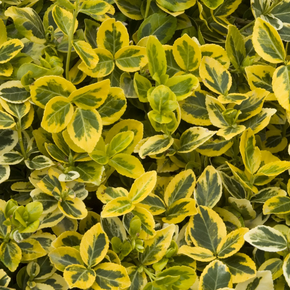
- Striking year-round variegated foliage featuring deep emerald green leaves boldly edged in creamy white, with leaf margins blushing soft pink in winter for season-long color interest.
- Exceptionally versatile growth habit functions as a mounding shrub, spreading groundcover, or climbing vine when given support against a wall, fence, or trellis.
- Outstanding cold hardiness in USDA Zones 5-9 combined with tolerance for a wide range of soils, urban conditions, and moderate drought once established.
- Winner of the Royal Horticultural Society Award of Garden Merit, recognized for its reliable ornamental performance and low-maintenance landscape appeal.
Euonymus fortunei 'Emerald Gaiety', commonly known as Emerald Gaiety Wintercreeper, is a densely branched, broadleaf evergreen shrub celebrated for its luminous, variegated foliage and unmatched landscape versatility. Each rounded, glossy leaf displays a rich, deep emerald green center framed by bold, irregular creamy-white margins that brighten any planting bed or shaded corner. As temperatures cool in autumn and winter, those white margins take on a beautiful rosy-pink blush, delivering unexpected seasonal color when most plants have faded. Reaching 4 to 5 feet tall and equally wide at maturity, this adaptable plant can be grown as a tidy, mounding shrub, trained as a vigorous climbing vine up walls and structures using its adventitious rootlets, or allowed to trail as a weed-suppressing groundcover. Native to the forests and scrublands of East Asia, it performs reliably across USDA Hardiness Zones 5 through 9, thriving in full sun to partial shade and tolerating a broad range of well-drained soil types. Whether used as a foundation planting, low hedge, border edging, slope cover, or wall accent, Emerald Gaiety Wintercreeper delivers four seasons of bold, bright color with minimal care, making it a trusted choice for both home gardeners and landscape professionals throughout Southern Oregon and Northern California.
Plant Description
Emerald Gaiety Wintercreeper (Euonymus fortunei 'Emerald Gaiety') is a small, bushy broadleaf evergreen shrub with an erect, densely branched, and slightly irregular growth habit. Its standout feature is the foliage: rounded, glossy, deep emerald green leaves up to 1-3/4 inches in diameter, each adorned with attractive, irregular creamy-white margins. In late fall and winter, these white margins take on warm pink tones, adding a subtle but welcome seasonal shift in color. The plant may produce inconspicuous, tiny greenish-white flowers in early summer, though blooms are often sparse or absent. Stems will readily root where they contact the ground, and the plant can attach to vertical surfaces using adventitious roots, allowing it to function as a shrub, groundcover, or climbing vine depending on its environment and training. The species name fortunei honors Scottish horticulturist and plant collector Robert Fortune (1812-1880), who introduced many Asian plants to Western gardens. This cultivar has received the prestigious Royal Horticultural Society Award of Garden Merit for its consistent ornamental excellence.
Mature Size
| Attribute | Measurement |
|---|---|
| Mature Height (shrub form) | 4 to 5 feet |
| Mature Spread | 4 to 6 feet |
| Typical Spacing | 48 to 60 inches apart |
| Growth Rate (horizontal spread) | Approximately 1 to 2 feet per year |
| Growth Habit | Mounding shrub, spreading groundcover, or climbing vine |
Final size varies depending on pruning, training, and growing conditions. Plants left unsupported tend to mound and spread outward. When grown against a wall, fence, or trellis with support, stems can climb considerably higher. Regular pruning easily keeps plants compact and within intended boundaries.
Hardiness Zones and Climate
Emerald Gaiety Wintercreeper is reliably cold hardy in USDA Hardiness Zones 5 through 9, tolerating winter temperatures as low as -20°F (-29°C). It also performs well across a broad range of AHS Heat Zones (2-9). This wide hardiness range makes it an excellent choice for the diverse climates of Southern Oregon and Northern California, from the cooler Rogue Valley and higher-elevation inland areas to warmer inland valleys and coastal zones. The plant maintains its evergreen character through most winters in these regions, with the added ornamental bonus of pink-flushed foliage margins during the coldest months. It demonstrates good tolerance for urban conditions and air pollution, making it well suited for suburban and residential landscapes alike.
Sunlight Requirements
Emerald Gaiety thrives in full sun to partial shade, giving it exceptional flexibility in the landscape. For the most vivid, high-contrast variegation - the brightest white leaf margins against the deepest green centers - provide a location with partial sun (4 to 6 hours of direct sunlight daily). Full sun is perfectly tolerated, especially in climates with moisture-retentive soils, but some afternoon shade can prevent leaf scorch during the hottest summer months in warmer inland regions. The plant will survive in full shade, but foliage color may become duller and the white margins can fade toward pale green, significantly reducing its ornamental value. For best results in shaded areas, select a spot with bright, indirect light or dappled sun rather than deep, dense shade.
Soil and pH Preferences
One of Emerald Gaiety's greatest strengths is its adaptability to a wide range of soil types. It performs well in chalk, clay, loam, and sandy soils, provided drainage is adequate. The single non-negotiable requirement is that the soil must not remain waterlogged; consistently saturated or boggy soils will lead to root rot and plant decline. For best establishment and long-term performance, aim for the following:
- Soil type: Any average to moderately fertile, well-drained soil
- Soil pH: Slightly acidic to neutral, ideally between 6.0 and 7.0; tolerates mildly alkaline conditions
- Drainage: Moist but well-drained to well-drained; avoid heavy, compacted, or poorly draining sites
- Amendments: Incorporating compost or organic matter at planting improves drainage, aeration, and root establishment in both heavy clay and sandy soils
Established plants demonstrate good tolerance for poor urban soils and even black walnut toxicity (juglone tolerance), expanding their usefulness in challenging planting situations.
Watering Guide
Proper watering is most critical during the first growing season while the root system is becoming established. Follow these guidelines for best results:
- At planting: Water deeply and thoroughly immediately after planting to settle the soil and eliminate air pockets around the roots.
- First season: Water regularly whenever the top inch of soil feels dry to the touch. Deep, infrequent watering encourages a strong, deep root system far more effectively than frequent shallow watering.
- Established plants: Once well established, Emerald Gaiety is moderately drought tolerant and requires significantly less supplemental irrigation. However, during extended dry spells or periods of extreme summer heat, deep supplemental watering is still beneficial to maintain foliage quality and plant vigor.
- Avoid overwatering: Signs of overwatering include yellowing leaves, wilting despite moist soil, and soggy conditions around the root zone. Ensure the site drains freely before and after watering.
- Watering method: Direct water at the root zone rather than overhead to help reduce the risk of foliar fungal issues.
Fertilizing
Emerald Gaiety Wintercreeper is a relatively low-maintenance feeder that does not require heavy fertilization. Follow these simple guidelines to support healthy, attractive growth:
- Timing: Apply fertilizer once annually in early spring, just as new growth begins to emerge.
- Product type: Use a balanced, slow-release granular fertilizer formulated for evergreen shrubs. A general-purpose product such as a 10-10-10 or a fertilizer labeled for broadleaf evergreens works well.
- Application: Follow the package directions for the correct rate based on the size of your plant and the planting area. Broadcast granules evenly under the canopy and water in thoroughly after application.
- Avoid over-fertilizing: Excess nitrogen can stimulate rapid, lush vegetative growth that may be more susceptible to pest and disease pressure, and can result in reduced foliage color quality. Less is more with this plant.
- New plantings: For newly planted specimens, incorporating a slow-release starter fertilizer or compost into the backfill at planting is generally sufficient for the first growing season.
Pruning and Maintenance
Emerald Gaiety is considered a low to medium maintenance shrub that responds well to pruning and benefits from occasional shaping to look its best. Key pruning and maintenance practices include:
- When to prune: The primary pruning window is late winter to early spring, just before new growth begins. A lighter follow-up trim can be performed in mid-summer to maintain shape and control any wayward runners.
- How to prune: Remove any dead, damaged, or crossing branches first. Then trim back the outer edges to achieve the desired shape or size. When grown as a groundcover, cutting back runners that extend beyond the intended planting area keeps growth tidy and contained.
- Spreading stems: Monitor stems that trail along the ground, as they root readily at nodes and can expand the planting footprint quickly. Lift and sever any rooted sections you do not want to spread.
- Climbing growth: If you do not want the plant to climb adjacent structures or trees, inspect regularly and redirect or remove climbing stems promptly, as the plant can become significantly more vigorous and reproductive once established vertically.
- Mulching: Apply a 2 to 3 inch layer of mulch around the root zone each year to retain moisture, regulate soil temperature, and suppress weeds. Keep mulch a few inches away from the base of the stems to prevent rot.
Planting Instructions
- Timing: Plant in spring or early fall when temperatures are moderate and soil moisture is more consistent, giving the plant time to establish roots before summer heat or winter cold arrives.
- Site selection: Choose a location with full sun to partial shade and well-drained soil. Avoid low-lying areas where water pools after rain.
- Dig the hole: Excavate a hole twice as wide as the root ball and approximately equal in depth. The top of the root ball should sit level with or very slightly above the surrounding soil grade.
- Amend the soil: If planting in heavy clay or very sandy soil, blend the removed soil with compost or well-rotted organic matter to improve texture and drainage.
- Place the plant: Remove the plant from its container, gently loosen any circling roots, and position it in the center of the hole at the correct depth.
- Backfill: Fill the hole with the amended soil in stages, lightly firming each layer to eliminate air pockets. Do not pack the soil tightly around the roots.
- Water in: Water deeply and thoroughly immediately after planting to settle the soil around the root ball.
- Mulch: Apply a 2 to 3 inch layer of organic mulch over the root zone, keeping it pulled back a few inches from the stem base.
- Spacing: For mass planting as a groundcover, space plants approximately 48 to 60 inches apart to allow for their mature spread while achieving relatively quick coverage.
Seasonal Interest
Emerald Gaiety Wintercreeper earns its place in the landscape by delivering year-round ornamental interest through all four seasons:
- Spring: Bright new growth emerges with vivid green centers and clean, fresh white margins, reinvigorating the planting bed after winter. Sparse, inconspicuous greenish-white flowers may appear in late spring to early summer.
- Summer: Dense, glossy foliage maintains its rich green-and-white variegation, offering a cool, bright contrast against summer perennials and flowering shrubs in the mixed border.
- Fall: As temperatures begin to drop, the creamy-white leaf margins gradually develop warm pink and rosy-red tones, creating a subtle but charming seasonal transition that adds unexpected warmth to the garden palette.
- Winter: The pink-blushed, evergreen foliage persists through winter, providing valuable color and structure when most other plants are dormant, making it especially valuable in winter garden design. The glossy leaves remain attractive even under frost conditions in the mild winters of Southern Oregon and Northern California.
Landscape Uses
Few evergreen shrubs offer the range of practical landscape applications that Emerald Gaiety provides. Its versatility makes it a go-to solution for a variety of design challenges:
- Foundation plantings: Its tidy, mounding habit and evergreen foliage make it an excellent choice to anchor the base of buildings and create a year-round finished appearance at the front of the home.
- Groundcover: Planted in masses, it spreads to form a dense, weed-suppressing carpet ideal for filling large beds, underplanting trees, or covering areas where lawn is impractical.
- Slopes and erosion control: The spreading, rooting stems stabilize soil effectively, making it a functional and attractive choice for hillsides and embankments.
- Low hedge and edging: Its dense branching responds well to shearing and can be maintained as a formal or informal low hedge along pathways, driveways, and property borders.
- Wall and trellis climber: When planted at the base of a shaded wall, fence, chimney, or trellis, it will attach and climb to create a lush, evergreen vertical accent.
- Mixed shrub borders: The bright, variegated foliage provides year-round contrast and lightens dark corners when combined with darker-leafed shrubs and perennials.
- Urban and street-side plantings: Tolerates compacted soils, air pollution, and the difficult conditions of urban environments better than many ornamental shrubs.
Companion Plants
Emerald Gaiety's bright green-and-white variegation and reliable evergreen structure pair beautifully with a wide range of plants. Consider these companion planting combinations for inspired results:
- Japanese Forest Grass (Hakonechloa macra): The soft, arching golden or green-and-white striped blades contrast beautifully with Emerald Gaiety's structured, glossy foliage in shaded borders.
- Purple Smokebush (Cotinus coggygria 'Royal Purple'): The deep burgundy foliage of smokebush creates a striking, high-contrast combination against the bright white-edged leaves.
- Lavender (Lavandula angustifolia): Planted in front of Emerald Gaiety in sunny spots, lavender's silver-green foliage and purple flower spikes complement the white-margined leaves beautifully.
- Hostas: In shaded settings, large-leafed hostas with blue, gold, or variegated foliage create layered textural interest alongside the fine-textured Euonymus leaves.
- Japanese Spurge (Pachysandra terminalis): A classic pairing in shaded groundcover plantings; the glossy, dark green pachysandra contrasts with Emerald Gaiety's lighter variegation.
- Ornamental Grasses: Fine-textured grasses like Blue Oat Grass (Helictotrichon sempervirens) or Blue Fescue (Festuca glauca) offer bold textural contrast alongside the rounded, glossy euonymus leaves.
- Conifers and Japanese Maples: Dark-needled dwarf conifers or deep red Japanese maples provide dramatic foliage color contrast in four-season mixed border plantings.
Pests and Diseases
Emerald Gaiety Wintercreeper is generally a durable, resilient plant, but gardeners should be aware of several potential pest and disease issues:
- Euonymus Scale (Unaspis euonymi): This is the most serious and common pest of Euonymus. Scale insects appear as small, waxy, shell-like bumps on stems and the undersides of leaves. Heavy infestations cause yellowing, premature leaf drop, and overall plant decline. Treat with horticultural oil or neem oil applied thoroughly to all plant surfaces, including stems and leaf undersides. Repeat applications may be necessary. Severe infestations may require a systemic insecticide. Monitor plants closely each spring and fall for early signs of scale.
- Aphids: These small, soft-bodied insects cluster on new growth and can cause distorted leaves and sticky honeydew. A strong spray of water or an application of insecticidal soap is usually sufficient to control them.
- Spider Mites: Most likely during hot, dry conditions. Look for fine webbing and a stippled, dull appearance to the leaves. Increase humidity, avoid overhead drought stress, and treat with miticidal soap if needed.
- Powdery Mildew: A fungal disease that appears as a white, dusty coating on foliage, typically in areas with poor air circulation and high humidity. Improve air circulation through pruning, avoid overhead watering, and treat with neem oil or a registered fungicide at the first sign of infection.
- Anthracnose: This fungal disease can cause leaf spots and dieback. Remove affected plant material and improve air circulation. Fungicide applications can help in severe cases.
- Crown Gall and Leaf Spot: Both conditions can occur occasionally. Remove and destroy affected tissue. Avoid wounding plants during maintenance to limit entry points for pathogens.
The best long-term pest and disease prevention strategy is maintaining good plant health through appropriate watering, proper site selection, and annual maintenance pruning to ensure good air circulation through the canopy.
Container Growing
Emerald Gaiety Wintercreeper adapts well to container culture and makes a handsome, long-lived addition to patio pots, planters, and entry containers. Its compact, mounding form, year-round evergreen color, and winter pink-blushed foliage make it especially valuable as a container specimen in climates with mild winters like those of Southern Oregon and Northern California. Follow these tips for success in containers:
- Container size: Choose a pot that is at least 12 to 18 inches in diameter with generous depth to accommodate root development. Larger containers allow for more root growth and reduce the frequency of watering.
- Drainage: Use a container with adequate drainage holes. Waterlogged roots in a container will lead to rapid decline. A well-draining potting mix formulated for shrubs or a blend of quality potting soil and perlite works well.
- Watering: Container-grown plants dry out faster than those in the ground and will require more frequent watering, especially in warm weather. Check soil moisture regularly and water when the top inch or two of the mix is dry.
- Fertilizing: Container plants benefit from a slow-release evergreen fertilizer applied in spring, with the option of a diluted liquid fertilizer applied once or twice during the growing season to compensate for nutrients lost through container irrigation.
- Winter care: Even in Zones 7-9, container roots are more vulnerable to cold than in-ground roots. Move containers to a sheltered spot near a building wall or insulate the pot during any hard freezes.
- Pruning: Trim trailing stems as needed to maintain an attractive form and prevent the plant from becoming root-bound or overly sprawling in its container.
Toxicity and Safety
Customers with children, pets, or livestock should be aware that all parts of Euonymus fortunei 'Emerald Gaiety', including the leaves, stems, and any fruit or seeds that may be produced, can cause severe gastrointestinal discomfort and other symptoms if ingested. The plant contains compounds that are considered toxic to humans, dogs, cats, and other animals when consumed in meaningful quantities. Symptoms of ingestion may include nausea, vomiting, diarrhea, and weakness. As a precaution, plant Emerald Gaiety in areas where unsupervised young children or pets are unlikely to graze or chew on the foliage. If ingestion is suspected, contact a physician or veterinarian promptly, or call the Poison Control Center at 1-800-222-1222.
- Striking year-round variegated foliage featuring deep emerald green leaves boldly edged in creamy white, with leaf margins blushing soft pink in winter for season-long color interest.
- Exceptionally versatile growth habit functions as a mounding shrub, spreading groundcover, or climbing vine when given support against a wall, fence, or trellis.
- Outstanding cold hardiness in USDA Zones 5-9 combined with tolerance for a wide range of soils, urban conditions, and moderate drought once established.
- Winner of the Royal Horticultural Society Award of Garden Merit, recognized for its reliable ornamental performance and low-maintenance landscape appeal.
Euonymus fortunei 'Emerald Gaiety', commonly known as Emerald Gaiety Wintercreeper, is a densely branched, broadleaf evergreen shrub celebrated for its luminous, variegated foliage and unmatched landscape versatility. Each rounded, glossy leaf displays a rich, deep emerald green center framed by bold, irregular creamy-white margins that brighten any planting bed or shaded corner. As temperatures cool in autumn and winter, those white margins take on a beautiful rosy-pink blush, delivering unexpected seasonal color when most plants have faded. Reaching 4 to 5 feet tall and equally wide at maturity, this adaptable plant can be grown as a tidy, mounding shrub, trained as a vigorous climbing vine up walls and structures using its adventitious rootlets, or allowed to trail as a weed-suppressing groundcover. Native to the forests and scrublands of East Asia, it performs reliably across USDA Hardiness Zones 5 through 9, thriving in full sun to partial shade and tolerating a broad range of well-drained soil types. Whether used as a foundation planting, low hedge, border edging, slope cover, or wall accent, Emerald Gaiety Wintercreeper delivers four seasons of bold, bright color with minimal care, making it a trusted choice for both home gardeners and landscape professionals throughout Southern Oregon and Northern California.
Plant Description
Emerald Gaiety Wintercreeper (Euonymus fortunei 'Emerald Gaiety') is a small, bushy broadleaf evergreen shrub with an erect, densely branched, and slightly irregular growth habit. Its standout feature is the foliage: rounded, glossy, deep emerald green leaves up to 1-3/4 inches in diameter, each adorned with attractive, irregular creamy-white margins. In late fall and winter, these white margins take on warm pink tones, adding a subtle but welcome seasonal shift in color. The plant may produce inconspicuous, tiny greenish-white flowers in early summer, though blooms are often sparse or absent. Stems will readily root where they contact the ground, and the plant can attach to vertical surfaces using adventitious roots, allowing it to function as a shrub, groundcover, or climbing vine depending on its environment and training. The species name fortunei honors Scottish horticulturist and plant collector Robert Fortune (1812-1880), who introduced many Asian plants to Western gardens. This cultivar has received the prestigious Royal Horticultural Society Award of Garden Merit for its consistent ornamental excellence.
Mature Size
| Attribute | Measurement |
|---|---|
| Mature Height (shrub form) | 4 to 5 feet |
| Mature Spread | 4 to 6 feet |
| Typical Spacing | 48 to 60 inches apart |
| Growth Rate (horizontal spread) | Approximately 1 to 2 feet per year |
| Growth Habit | Mounding shrub, spreading groundcover, or climbing vine |
Final size varies depending on pruning, training, and growing conditions. Plants left unsupported tend to mound and spread outward. When grown against a wall, fence, or trellis with support, stems can climb considerably higher. Regular pruning easily keeps plants compact and within intended boundaries.
Hardiness Zones and Climate
Emerald Gaiety Wintercreeper is reliably cold hardy in USDA Hardiness Zones 5 through 9, tolerating winter temperatures as low as -20°F (-29°C). It also performs well across a broad range of AHS Heat Zones (2-9). This wide hardiness range makes it an excellent choice for the diverse climates of Southern Oregon and Northern California, from the cooler Rogue Valley and higher-elevation inland areas to warmer inland valleys and coastal zones. The plant maintains its evergreen character through most winters in these regions, with the added ornamental bonus of pink-flushed foliage margins during the coldest months. It demonstrates good tolerance for urban conditions and air pollution, making it well suited for suburban and residential landscapes alike.
Sunlight Requirements
Emerald Gaiety thrives in full sun to partial shade, giving it exceptional flexibility in the landscape. For the most vivid, high-contrast variegation - the brightest white leaf margins against the deepest green centers - provide a location with partial sun (4 to 6 hours of direct sunlight daily). Full sun is perfectly tolerated, especially in climates with moisture-retentive soils, but some afternoon shade can prevent leaf scorch during the hottest summer months in warmer inland regions. The plant will survive in full shade, but foliage color may become duller and the white margins can fade toward pale green, significantly reducing its ornamental value. For best results in shaded areas, select a spot with bright, indirect light or dappled sun rather than deep, dense shade.
Soil and pH Preferences
One of Emerald Gaiety's greatest strengths is its adaptability to a wide range of soil types. It performs well in chalk, clay, loam, and sandy soils, provided drainage is adequate. The single non-negotiable requirement is that the soil must not remain waterlogged; consistently saturated or boggy soils will lead to root rot and plant decline. For best establishment and long-term performance, aim for the following:
- Soil type: Any average to moderately fertile, well-drained soil
- Soil pH: Slightly acidic to neutral, ideally between 6.0 and 7.0; tolerates mildly alkaline conditions
- Drainage: Moist but well-drained to well-drained; avoid heavy, compacted, or poorly draining sites
- Amendments: Incorporating compost or organic matter at planting improves drainage, aeration, and root establishment in both heavy clay and sandy soils
Established plants demonstrate good tolerance for poor urban soils and even black walnut toxicity (juglone tolerance), expanding their usefulness in challenging planting situations.
Watering Guide
Proper watering is most critical during the first growing season while the root system is becoming established. Follow these guidelines for best results:
- At planting: Water deeply and thoroughly immediately after planting to settle the soil and eliminate air pockets around the roots.
- First season: Water regularly whenever the top inch of soil feels dry to the touch. Deep, infrequent watering encourages a strong, deep root system far more effectively than frequent shallow watering.
- Established plants: Once well established, Emerald Gaiety is moderately drought tolerant and requires significantly less supplemental irrigation. However, during extended dry spells or periods of extreme summer heat, deep supplemental watering is still beneficial to maintain foliage quality and plant vigor.
- Avoid overwatering: Signs of overwatering include yellowing leaves, wilting despite moist soil, and soggy conditions around the root zone. Ensure the site drains freely before and after watering.
- Watering method: Direct water at the root zone rather than overhead to help reduce the risk of foliar fungal issues.
Fertilizing
Emerald Gaiety Wintercreeper is a relatively low-maintenance feeder that does not require heavy fertilization. Follow these simple guidelines to support healthy, attractive growth:
- Timing: Apply fertilizer once annually in early spring, just as new growth begins to emerge.
- Product type: Use a balanced, slow-release granular fertilizer formulated for evergreen shrubs. A general-purpose product such as a 10-10-10 or a fertilizer labeled for broadleaf evergreens works well.
- Application: Follow the package directions for the correct rate based on the size of your plant and the planting area. Broadcast granules evenly under the canopy and water in thoroughly after application.
- Avoid over-fertilizing: Excess nitrogen can stimulate rapid, lush vegetative growth that may be more susceptible to pest and disease pressure, and can result in reduced foliage color quality. Less is more with this plant.
- New plantings: For newly planted specimens, incorporating a slow-release starter fertilizer or compost into the backfill at planting is generally sufficient for the first growing season.
Pruning and Maintenance
Emerald Gaiety is considered a low to medium maintenance shrub that responds well to pruning and benefits from occasional shaping to look its best. Key pruning and maintenance practices include:
- When to prune: The primary pruning window is late winter to early spring, just before new growth begins. A lighter follow-up trim can be performed in mid-summer to maintain shape and control any wayward runners.
- How to prune: Remove any dead, damaged, or crossing branches first. Then trim back the outer edges to achieve the desired shape or size. When grown as a groundcover, cutting back runners that extend beyond the intended planting area keeps growth tidy and contained.
- Spreading stems: Monitor stems that trail along the ground, as they root readily at nodes and can expand the planting footprint quickly. Lift and sever any rooted sections you do not want to spread.
- Climbing growth: If you do not want the plant to climb adjacent structures or trees, inspect regularly and redirect or remove climbing stems promptly, as the plant can become significantly more vigorous and reproductive once established vertically.
- Mulching: Apply a 2 to 3 inch layer of mulch around the root zone each year to retain moisture, regulate soil temperature, and suppress weeds. Keep mulch a few inches away from the base of the stems to prevent rot.
Planting Instructions
- Timing: Plant in spring or early fall when temperatures are moderate and soil moisture is more consistent, giving the plant time to establish roots before summer heat or winter cold arrives.
- Site selection: Choose a location with full sun to partial shade and well-drained soil. Avoid low-lying areas where water pools after rain.
- Dig the hole: Excavate a hole twice as wide as the root ball and approximately equal in depth. The top of the root ball should sit level with or very slightly above the surrounding soil grade.
- Amend the soil: If planting in heavy clay or very sandy soil, blend the removed soil with compost or well-rotted organic matter to improve texture and drainage.
- Place the plant: Remove the plant from its container, gently loosen any circling roots, and position it in the center of the hole at the correct depth.
- Backfill: Fill the hole with the amended soil in stages, lightly firming each layer to eliminate air pockets. Do not pack the soil tightly around the roots.
- Water in: Water deeply and thoroughly immediately after planting to settle the soil around the root ball.
- Mulch: Apply a 2 to 3 inch layer of organic mulch over the root zone, keeping it pulled back a few inches from the stem base.
- Spacing: For mass planting as a groundcover, space plants approximately 48 to 60 inches apart to allow for their mature spread while achieving relatively quick coverage.
Seasonal Interest
Emerald Gaiety Wintercreeper earns its place in the landscape by delivering year-round ornamental interest through all four seasons:
- Spring: Bright new growth emerges with vivid green centers and clean, fresh white margins, reinvigorating the planting bed after winter. Sparse, inconspicuous greenish-white flowers may appear in late spring to early summer.
- Summer: Dense, glossy foliage maintains its rich green-and-white variegation, offering a cool, bright contrast against summer perennials and flowering shrubs in the mixed border.
- Fall: As temperatures begin to drop, the creamy-white leaf margins gradually develop warm pink and rosy-red tones, creating a subtle but charming seasonal transition that adds unexpected warmth to the garden palette.
- Winter: The pink-blushed, evergreen foliage persists through winter, providing valuable color and structure when most other plants are dormant, making it especially valuable in winter garden design. The glossy leaves remain attractive even under frost conditions in the mild winters of Southern Oregon and Northern California.
Landscape Uses
Few evergreen shrubs offer the range of practical landscape applications that Emerald Gaiety provides. Its versatility makes it a go-to solution for a variety of design challenges:
- Foundation plantings: Its tidy, mounding habit and evergreen foliage make it an excellent choice to anchor the base of buildings and create a year-round finished appearance at the front of the home.
- Groundcover: Planted in masses, it spreads to form a dense, weed-suppressing carpet ideal for filling large beds, underplanting trees, or covering areas where lawn is impractical.
- Slopes and erosion control: The spreading, rooting stems stabilize soil effectively, making it a functional and attractive choice for hillsides and embankments.
- Low hedge and edging: Its dense branching responds well to shearing and can be maintained as a formal or informal low hedge along pathways, driveways, and property borders.
- Wall and trellis climber: When planted at the base of a shaded wall, fence, chimney, or trellis, it will attach and climb to create a lush, evergreen vertical accent.
- Mixed shrub borders: The bright, variegated foliage provides year-round contrast and lightens dark corners when combined with darker-leafed shrubs and perennials.
- Urban and street-side plantings: Tolerates compacted soils, air pollution, and the difficult conditions of urban environments better than many ornamental shrubs.
Companion Plants
Emerald Gaiety's bright green-and-white variegation and reliable evergreen structure pair beautifully with a wide range of plants. Consider these companion planting combinations for inspired results:
- Japanese Forest Grass (Hakonechloa macra): The soft, arching golden or green-and-white striped blades contrast beautifully with Emerald Gaiety's structured, glossy foliage in shaded borders.
- Purple Smokebush (Cotinus coggygria 'Royal Purple'): The deep burgundy foliage of smokebush creates a striking, high-contrast combination against the bright white-edged leaves.
- Lavender (Lavandula angustifolia): Planted in front of Emerald Gaiety in sunny spots, lavender's silver-green foliage and purple flower spikes complement the white-margined leaves beautifully.
- Hostas: In shaded settings, large-leafed hostas with blue, gold, or variegated foliage create layered textural interest alongside the fine-textured Euonymus leaves.
- Japanese Spurge (Pachysandra terminalis): A classic pairing in shaded groundcover plantings; the glossy, dark green pachysandra contrasts with Emerald Gaiety's lighter variegation.
- Ornamental Grasses: Fine-textured grasses like Blue Oat Grass (Helictotrichon sempervirens) or Blue Fescue (Festuca glauca) offer bold textural contrast alongside the rounded, glossy euonymus leaves.
- Conifers and Japanese Maples: Dark-needled dwarf conifers or deep red Japanese maples provide dramatic foliage color contrast in four-season mixed border plantings.
Pests and Diseases
Emerald Gaiety Wintercreeper is generally a durable, resilient plant, but gardeners should be aware of several potential pest and disease issues:
- Euonymus Scale (Unaspis euonymi): This is the most serious and common pest of Euonymus. Scale insects appear as small, waxy, shell-like bumps on stems and the undersides of leaves. Heavy infestations cause yellowing, premature leaf drop, and overall plant decline. Treat with horticultural oil or neem oil applied thoroughly to all plant surfaces, including stems and leaf undersides. Repeat applications may be necessary. Severe infestations may require a systemic insecticide. Monitor plants closely each spring and fall for early signs of scale.
- Aphids: These small, soft-bodied insects cluster on new growth and can cause distorted leaves and sticky honeydew. A strong spray of water or an application of insecticidal soap is usually sufficient to control them.
- Spider Mites: Most likely during hot, dry conditions. Look for fine webbing and a stippled, dull appearance to the leaves. Increase humidity, avoid overhead drought stress, and treat with miticidal soap if needed.
- Powdery Mildew: A fungal disease that appears as a white, dusty coating on foliage, typically in areas with poor air circulation and high humidity. Improve air circulation through pruning, avoid overhead watering, and treat with neem oil or a registered fungicide at the first sign of infection.
- Anthracnose: This fungal disease can cause leaf spots and dieback. Remove affected plant material and improve air circulation. Fungicide applications can help in severe cases.
- Crown Gall and Leaf Spot: Both conditions can occur occasionally. Remove and destroy affected tissue. Avoid wounding plants during maintenance to limit entry points for pathogens.
The best long-term pest and disease prevention strategy is maintaining good plant health through appropriate watering, proper site selection, and annual maintenance pruning to ensure good air circulation through the canopy.
Container Growing
Emerald Gaiety Wintercreeper adapts well to container culture and makes a handsome, long-lived addition to patio pots, planters, and entry containers. Its compact, mounding form, year-round evergreen color, and winter pink-blushed foliage make it especially valuable as a container specimen in climates with mild winters like those of Southern Oregon and Northern California. Follow these tips for success in containers:
- Container size: Choose a pot that is at least 12 to 18 inches in diameter with generous depth to accommodate root development. Larger containers allow for more root growth and reduce the frequency of watering.
- Drainage: Use a container with adequate drainage holes. Waterlogged roots in a container will lead to rapid decline. A well-draining potting mix formulated for shrubs or a blend of quality potting soil and perlite works well.
- Watering: Container-grown plants dry out faster than those in the ground and will require more frequent watering, especially in warm weather. Check soil moisture regularly and water when the top inch or two of the mix is dry.
- Fertilizing: Container plants benefit from a slow-release evergreen fertilizer applied in spring, with the option of a diluted liquid fertilizer applied once or twice during the growing season to compensate for nutrients lost through container irrigation.
- Winter care: Even in Zones 7-9, container roots are more vulnerable to cold than in-ground roots. Move containers to a sheltered spot near a building wall or insulate the pot during any hard freezes.
- Pruning: Trim trailing stems as needed to maintain an attractive form and prevent the plant from becoming root-bound or overly sprawling in its container.
Toxicity and Safety
Customers with children, pets, or livestock should be aware that all parts of Euonymus fortunei 'Emerald Gaiety', including the leaves, stems, and any fruit or seeds that may be produced, can cause severe gastrointestinal discomfort and other symptoms if ingested. The plant contains compounds that are considered toxic to humans, dogs, cats, and other animals when consumed in meaningful quantities. Symptoms of ingestion may include nausea, vomiting, diarrhea, and weakness. As a precaution, plant Emerald Gaiety in areas where unsupervised young children or pets are unlikely to graze or chew on the foliage. If ingestion is suspected, contact a physician or veterinarian promptly, or call the Poison Control Center at 1-800-222-1222.