

Zoom the image with the mouse
Emerald Gaiety Wintercreeper - 1 Gallon
SKU:
104625
UPC:
651469520686
$11.99
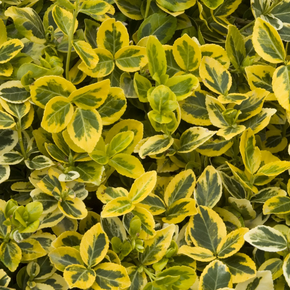
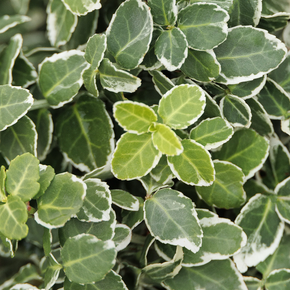
- Stunning year-round variegated foliage features deep emerald green leaves edged in creamy white, blushing soft pink along the margins in winter for multi-season color interest.
- Incredibly versatile growth habit functions as a mounding shrub, low-spreading groundcover, or climbing vine when given a wall or trellis for support.
- Tough and adaptable - tolerates full sun to deep shade, a wide range of soil types, urban conditions, and established drought, making it one of the most low-maintenance evergreens available.
- RHS Award of Garden Merit winner that thrives in USDA Zones 5-9, providing dependable cold hardiness down to -20F while staying evergreen through the winter months.
Emerald Gaiety Wintercreeper (Euonymus fortunei 'Emerald Gaiety') is a classic broadleaf evergreen shrub prized by gardeners and landscape professionals alike for its luminous, year-round variegated foliage and remarkable versatility in the landscape. Each rounded, glossy leaf displays rich emerald green coloring accented by irregular creamy white margins, and as temperatures cool in late fall and winter, those edges take on an appealing rosy pink blush that adds unexpected seasonal charm. Densely branched and erect in habit, this reliable evergreen slowly matures to roughly 4-5 feet tall and equally wide when grown as a freestanding shrub, though it can also be trained upward against walls, fences, or chimneys using its adhesive adventitious roots to achieve a climbing, ivy-like effect. Stems that contact the ground will readily root, giving it the ability to spread as a weed-suppressing groundcover on slopes or beneath trees where few other plants perform as well. Native to the forests and thickets of East Asia - including China, Japan, and Korea - and introduced to Western horticulture by Scottish plant collector Robert Fortune in the 1800s, this cultivar has earned its place as a garden staple due to its extraordinary tolerance for shade, urban pollution, dry spells, and a broad range of soil conditions. Whether used as a foundation planting, low formal hedge, border edging, erosion-control slope cover, or a striking accent in mixed beds, Emerald Gaiety Wintercreeper delivers consistent color, structure, and dependability across all four seasons in USDA Hardiness Zones 5 through 9.
Plant Description
Emerald Gaiety Wintercreeper is a densely branched, broadleaf evergreen shrub in the Celastraceae (staff vine) family. Its rounded, glossy leaves measure up to 1.75 inches in diameter and display deep emerald green centers framed by irregular creamy white margins - a variegation pattern that becomes more vivid and well-defined in brighter light. In late fall and winter, the white leaf margins transition to a soft rose-pink blush, adding a subtle warm tone to the winter garden. In early summer, the plant may produce sparse, tiny greenish-white flowers that are largely inconspicuous, occasionally followed by small ornamental fruits. Stems that contact the soil will root and spread, and if placed against a vertical structure the plant will climb using adhesive adventitious roots, much like English ivy. The species name fortunei honors Scottish horticulturist and plant explorer Robert Fortune (1812-1880), who introduced this East Asian species to Western gardens.
Mature Size
| Characteristic | Typical Range |
|---|---|
| Height (freestanding shrub) | 4 to 5 feet |
| Spread (freestanding shrub) | 4 to 6 feet |
| Height (trained as climber) | Can exceed 10 feet with support |
| Growth Rate | Moderate |
| Recommended Spacing | 48 to 60 inches on center |
Hardiness and Climate Zones
Emerald Gaiety Wintercreeper is exceptionally cold hardy and adaptable across a wide climate range:
- USDA Hardiness Zones: 5 to 9 (tolerates winter lows to approximately -20F)
- AHS Heat Zones: 2 to 9
- Sunset Climate Zones: 2, 2B, 3, 3A, 3B, 4, 5, 6, 7, 8, 9, 10, 11, 13, 14, 15, 16, 17, 18, 19, 20, 21, 22, 23, 24, H1
In our Southern Oregon and Northern California service area, this plant performs reliably across the region's varied microclimates, from the Rogue Valley floor to higher-elevation sites. It stays evergreen through mild coastal winters and is hardy enough to handle the colder interior valley and foothill winters without significant dieback.
Sunlight Requirements
Emerald Gaiety Wintercreeper thrives across a broad range of light conditions, making it one of the most flexible evergreen shrubs for challenging spots:
- Full Sun: Performs well in full sun, especially when soil retains consistent moisture. Strong sun exposure generally intensifies and sharpens the white leaf variegation.
- Partial Shade: The ideal balance for most landscapes. Dappled or filtered light showcases the bicolor foliage beautifully and helps prevent leaf scorch in hot summer regions.
- Full Shade: Tolerates significant shade better than most variegated shrubs, though deep shade may reduce the intensity of the white leaf margins, causing leaves to display predominantly green coloring.
For the boldest, most colorful foliage display, site this plant in morning sun with afternoon shade protection, particularly in hot inland valley locations.
Soil and pH Preferences
One of the great strengths of Emerald Gaiety Wintercreeper is its tolerance for a wide range of soil types and conditions:
- Soil Types: Adapts readily to chalk, clay, loam, and sandy soils. Amending planting soil with compost or aged organic matter will improve fertility, moisture retention, and drainage in any soil type.
- Drainage: Requires well-drained to moist but well-drained conditions. Will not tolerate prolonged waterlogging or boggy soils, which promote root rot.
- Soil pH: Grows well across a broad pH range - from slightly acidic to slightly alkaline - with an optimal range of approximately 6.0 to 7.5. It tolerates both acid and alkaline soils with equal ease.
- Urban Tolerance: Demonstrates excellent tolerance for compacted and poor urban soils, making it a reliable choice for streetscapes, commercial plantings, and challenging garden sites.
Watering Guide
Emerald Gaiety Wintercreeper has average water needs and develops good drought tolerance once established. Follow these guidelines for best results:
- At Planting and First Season: Water deeply and consistently during the first growing season to help the root system establish. Keep the root zone evenly moist but never waterlogged.
- Established Plants: Once established, the plant is notably drought tolerant and requires only supplemental watering during extended dry spells or periods of intense summer heat. Deep, infrequent watering is preferable to frequent shallow irrigation.
- Overwatering Warning: Avoid saturated or poorly drained conditions. Excess soil moisture is the most common cause of root rot and decline in this species.
- Mulching: Applying a 2-3 inch layer of organic mulch around the root zone helps conserve soil moisture, moderate soil temperature, and reduce watering frequency, while also inhibiting weed competition.
Fertilizing
Emerald Gaiety Wintercreeper is not a heavy feeder, but a modest, well-timed fertilization program supports vigorous growth and vibrant foliage color:
- Timing: Apply fertilizer once in early spring, just before new growth begins. This timing allows the plant to utilize nutrients during its most active growth phase.
- Fertilizer Type: Use a balanced, slow-release granular fertilizer formulated for evergreen shrubs, such as a 10-10-10 or 12-12-12 formula. Slow-release products reduce the risk of fertilizer burn and provide a steady, sustained nutrient supply.
- Organic Option: Topdressing with compost or aged manure in spring is an excellent organic alternative that improves soil structure alongside providing gentle nutrition.
- Avoid Over-fertilizing: Excess nitrogen encourages overly lush, soft growth that is more vulnerable to pest and disease problems. Follow label rates carefully and do not fertilize after midsummer, as late-season growth is more susceptible to frost damage.
Pruning and Maintenance
Emerald Gaiety Wintercreeper is a low- to medium-maintenance shrub that responds well to regular light pruning. Proper pruning keeps the plant tidy, dense, and vibrant:
- Best Time to Prune: Late winter to early spring, just before new growth emerges, is the ideal time for annual shaping and cleanup. Light tidying can also be done after the plant's early summer flowering period.
- Shaping: Trim back overgrown or wayward shoots to maintain a compact, bushy form. Cut to just above a leaf node for best results. Avoid cutting through individual leaves, as cut leaf edges will turn brown and appear unsightly.
- Reverting Shoots: Occasionally, stems may produce plain, all-green leaves without the white variegated margins (called reversion). These stems should be cut back to their point of origin immediately, as they are more vigorous and will eventually dominate the plant if left unchecked.
- Spread Management: Monitor stems that trail along the ground, as they will root at nodes and spread beyond the desired area. Simply cut or pull rooted stems to keep the plant within bounds.
- Rejuvenation Pruning: Older or leggy plants can be cut back hard to near ground level in early spring to encourage a fresh flush of new, vigorous growth. Initial regrowth may be predominantly green, with full variegation returning as the plant matures.
Planting Instructions
- Choose the Right Location: Select a site in full sun to partial shade with well-drained soil. Avoid low-lying areas where water collects after rain.
- Prepare the Soil: Loosen the soil in the planting area to a depth of at least 12 inches. Work in a generous amount of compost or aged organic matter to improve structure, drainage, and fertility.
- Dig the Planting Hole: Dig a hole two to three times wider than the root ball but no deeper than the root ball's height. The top of the root ball should sit at or very slightly above the surrounding soil grade.
- Position and Backfill: Set the plant in the center of the hole, remove any burlap or container material, and backfill with the amended native soil. Gently firm the soil as you fill to eliminate large air pockets.
- Water Thoroughly: Water deeply at planting to settle the soil around the roots. Check for settling and add more soil if needed to maintain proper grade.
- Mulch: Apply a 2-3 inch layer of bark or wood chip mulch in a ring around the plant, keeping mulch pulled back a few inches from the base of the stems to prevent moisture-related crown rot.
- Ongoing Establishment Watering: Water consistently throughout the first growing season, checking soil moisture regularly. Reduce frequency as the plant establishes but do not allow it to dry out completely during hot, dry periods.
Seasonal Interest
| Season | Ornamental Interest |
|---|---|
| Spring | Fresh new growth emerges, extending the creamy white-edged foliage on vigorous new shoots; ideal time to appreciate the clean contrast of the variegation after winter. |
| Early Summer | Small, inconspicuous greenish-white flowers may appear; foliage is at its densest and most lush. |
| Summer | Bright, bold bicolor foliage provides strong structural color and contrast in mixed beds and foundation plantings throughout the warm season. |
| Fall | White leaf margins begin to blush soft pink as temperatures cool, adding a warm rosy tint to the landscape. |
| Winter | Fully evergreen; pink-tinged white-margined leaves persist throughout winter, providing color and structure when most deciduous plants are bare. A standout in the winter garden. |
Landscape Uses
Emerald Gaiety Wintercreeper's combination of adaptability and visual appeal makes it suitable for a wide range of landscape applications:
- Foundation Plantings: Ideal for planting against building foundations where its evergreen foliage provides year-round structure and coverage.
- Groundcover: Spreading stems root where they contact soil, forming a dense, weed-suppressing mat ideal for covering large open areas, slopes, or difficult-to-mow embankments.
- Erosion Control: Excellent for stabilizing slopes and hillsides with its spreading, rooting habit and fibrous root system.
- Low Hedges and Edging: When lightly trimmed, it forms an attractive, formal low hedge along pathways, driveways, or garden bed borders.
- Climbing Vine: Provided with a support structure such as a wall, fence, chimney, or trellis, it climbs using adventitious roots to create a handsome, ivy-like covering on vertical surfaces.
- Shaded Areas: One of the few variegated shrubs that performs well in deep shade, making it invaluable for brightening dark garden corners and areas under tree canopies.
- Mixed Beds and Borders: The white-edged foliage provides a bright, neutral anchor around which flowering perennials, grasses, and other shrubs can be composed.
- Container Gardening: Works beautifully as a spiller in large patio containers, especially combined with flowering annuals or bold-leafed tropical accents.
Companion Plants
Emerald Gaiety Wintercreeper's white-edged green foliage pairs beautifully with a wide range of plants. Select companions that share similar light and moisture requirements for the best results:
- Hostas: Blue, gold, or white-variegated hosta varieties create stunning foliage contrast in shaded plantings. The bold, textured hosta leaves play off the fine, glossy wintercreeper foliage perfectly.
- Heuchera (Coral Bells): Deep burgundy, amber, or lime-green coral bells provide dramatic color contrast alongside the bright white-edged foliage; both perform well in partial shade.
- Ornamental Grasses: Fountain grass, maiden grass, or feather reed grass add movement and vertical height to compositions anchored by the mounding wintercreeper.
- Russian Sage: The silvery foliage and lavender-blue flower spikes of Russian sage create a cool, elegant combination with the white-margined leaves in sunnier locations.
- Ferns: Japanese painted fern and autumn fern contribute fine, delicate texture and complement the plant beautifully in shaded or woodland garden settings.
- Echinacea (Coneflower): Long-blooming purple or white coneflowers provide seasonal color contrast in sunnier beds; the combination also supports pollinators.
- Cotinus (Smokebush): Deep purple smokebush foliage creates a bold, striking backdrop that makes the creamy white leaf margins of Emerald Gaiety pop dramatically.
- Lavender: In full-sun situations, lavender's silvery foliage and purple blooms complement the white leaf edges while sharing the same preference for well-drained soils.
- Pachysandra: When used as a groundcover companion in shaded areas, Japanese pachysandra fills in around the wintercreeper and creates a uniform, low-maintenance evergreen carpet.
Pests and Diseases
Emerald Gaiety Wintercreeper is generally robust but is susceptible to a handful of common pests and diseases. Early detection and proper cultural practices are the best defenses:
- Euonymus Scale (Unaspis euonymi): The most significant pest concern for all Euonymus species. This armored scale insect attaches to stems and leaf undersides, causing yellowing, dieback, and disfigurement. Inspect plants regularly, especially on the undersides of branches. Treat with horticultural oil or systemic insecticide at the appropriate time when crawlers are active. Severe infestations may require repeated applications.
- Aphids: Soft-bodied insects that cluster on new growth and the undersides of young leaves. A strong stream of water, insecticidal soap, or neem oil spray generally provides effective control.
- Powdery Mildew: A fungal disease that produces a white, powdery coating on leaf surfaces, typically during periods of high humidity with poor air circulation. Improve air circulation through pruning and avoid overhead irrigation to reduce risk.
- Anthracnose: A fungal disease causing dark, irregular lesions on leaves and stems, most prevalent during wet spring conditions. Remove and dispose of affected material and avoid wetting foliage when irrigating.
- Crown Gall: A bacterial disease that causes abnormal, corky growths at the soil line or on roots. Avoid wounding the crown during planting and cultivation. Remove and destroy any infected plants; do not replant Euonymus in the same location.
- Leaf Spot: Various fungal leaf spot diseases can cause brown or black spots on foliage. Maintain good air circulation and avoid overhead watering. Remove heavily infected leaves and dispose of fallen leaf debris.
Container Growing
Emerald Gaiety Wintercreeper is well suited to container culture, where its variegated foliage, compact habit, and adaptability make it a standout in patio, deck, and entryway displays:
- Container Selection: Choose a container at least 12-16 inches in diameter with ample depth for root development. Ensure the container has drainage holes to prevent waterlogging. Durable materials such as glazed ceramic, resin, or fibreglass work well and help insulate roots in winter.
- Potting Mix: Use a high-quality, well-drained potting mix formulated for shrubs or general container use. Adding perlite to improve drainage is beneficial.
- Watering in Containers: Container plants dry out more quickly than in-ground plantings. Check moisture levels regularly and water when the top inch or two of the potting mix feels dry. Ensure water drains freely from the bottom of the pot.
- Fertilizing in Containers: Apply a balanced slow-release fertilizer in early spring. Container plants may also benefit from occasional liquid fertilizer applications during the growing season, as nutrients are depleted more quickly in containers than in the ground.
- Winter Protection: In Zone 5 or the colder edges of the plant's range, move containers to a sheltered location such as an unheated garage or against a south-facing wall during winter, as container roots are more exposed to freezing than in-ground roots.
- Design Ideas: Use Emerald Gaiety as a spiller in large mixed containers, allowing its stems to cascade gracefully over the edges. Combine with bold annuals such as begonias or geraniums for color, or with a tall, architectural specimen plant as a thriller.
Wildlife Value and Toxicity
Wildlife Value:
- The small summer flowers attract bees and other pollinators, though they are not a primary nectar source.
- When the plant produces fruit (more likely when grown in a climbing habit where it can flower more freely), birds such as robins and cedar waxwings may consume the seeds. Note that bird dispersal of seeds is one mechanism by which this plant can spread into wild areas, so this should be considered in landscapes adjacent to natural open spaces.
- The dense, evergreen foliage provides cover and nesting habitat for small birds and beneficial insects.
Deer Resistance: Emerald Gaiety Wintercreeper is considered deer resistant, making it a dependable choice for landscapes in areas with high deer pressure.
Toxicity Warning: All parts of this plant - including leaves, bark, and fruit - are toxic if ingested and may cause severe gastrointestinal distress in humans, dogs, and cats. Plant with caution in areas frequented by children or pets, and wash hands after handling.
- Stunning year-round variegated foliage features deep emerald green leaves edged in creamy white, blushing soft pink along the margins in winter for multi-season color interest.
- Incredibly versatile growth habit functions as a mounding shrub, low-spreading groundcover, or climbing vine when given a wall or trellis for support.
- Tough and adaptable - tolerates full sun to deep shade, a wide range of soil types, urban conditions, and established drought, making it one of the most low-maintenance evergreens available.
- RHS Award of Garden Merit winner that thrives in USDA Zones 5-9, providing dependable cold hardiness down to -20F while staying evergreen through the winter months.
Emerald Gaiety Wintercreeper (Euonymus fortunei 'Emerald Gaiety') is a classic broadleaf evergreen shrub prized by gardeners and landscape professionals alike for its luminous, year-round variegated foliage and remarkable versatility in the landscape. Each rounded, glossy leaf displays rich emerald green coloring accented by irregular creamy white margins, and as temperatures cool in late fall and winter, those edges take on an appealing rosy pink blush that adds unexpected seasonal charm. Densely branched and erect in habit, this reliable evergreen slowly matures to roughly 4-5 feet tall and equally wide when grown as a freestanding shrub, though it can also be trained upward against walls, fences, or chimneys using its adhesive adventitious roots to achieve a climbing, ivy-like effect. Stems that contact the ground will readily root, giving it the ability to spread as a weed-suppressing groundcover on slopes or beneath trees where few other plants perform as well. Native to the forests and thickets of East Asia - including China, Japan, and Korea - and introduced to Western horticulture by Scottish plant collector Robert Fortune in the 1800s, this cultivar has earned its place as a garden staple due to its extraordinary tolerance for shade, urban pollution, dry spells, and a broad range of soil conditions. Whether used as a foundation planting, low formal hedge, border edging, erosion-control slope cover, or a striking accent in mixed beds, Emerald Gaiety Wintercreeper delivers consistent color, structure, and dependability across all four seasons in USDA Hardiness Zones 5 through 9.
Plant Description
Emerald Gaiety Wintercreeper is a densely branched, broadleaf evergreen shrub in the Celastraceae (staff vine) family. Its rounded, glossy leaves measure up to 1.75 inches in diameter and display deep emerald green centers framed by irregular creamy white margins - a variegation pattern that becomes more vivid and well-defined in brighter light. In late fall and winter, the white leaf margins transition to a soft rose-pink blush, adding a subtle warm tone to the winter garden. In early summer, the plant may produce sparse, tiny greenish-white flowers that are largely inconspicuous, occasionally followed by small ornamental fruits. Stems that contact the soil will root and spread, and if placed against a vertical structure the plant will climb using adhesive adventitious roots, much like English ivy. The species name fortunei honors Scottish horticulturist and plant explorer Robert Fortune (1812-1880), who introduced this East Asian species to Western gardens.
Mature Size
| Characteristic | Typical Range |
|---|---|
| Height (freestanding shrub) | 4 to 5 feet |
| Spread (freestanding shrub) | 4 to 6 feet |
| Height (trained as climber) | Can exceed 10 feet with support |
| Growth Rate | Moderate |
| Recommended Spacing | 48 to 60 inches on center |
Hardiness and Climate Zones
Emerald Gaiety Wintercreeper is exceptionally cold hardy and adaptable across a wide climate range:
- USDA Hardiness Zones: 5 to 9 (tolerates winter lows to approximately -20F)
- AHS Heat Zones: 2 to 9
- Sunset Climate Zones: 2, 2B, 3, 3A, 3B, 4, 5, 6, 7, 8, 9, 10, 11, 13, 14, 15, 16, 17, 18, 19, 20, 21, 22, 23, 24, H1
In our Southern Oregon and Northern California service area, this plant performs reliably across the region's varied microclimates, from the Rogue Valley floor to higher-elevation sites. It stays evergreen through mild coastal winters and is hardy enough to handle the colder interior valley and foothill winters without significant dieback.
Sunlight Requirements
Emerald Gaiety Wintercreeper thrives across a broad range of light conditions, making it one of the most flexible evergreen shrubs for challenging spots:
- Full Sun: Performs well in full sun, especially when soil retains consistent moisture. Strong sun exposure generally intensifies and sharpens the white leaf variegation.
- Partial Shade: The ideal balance for most landscapes. Dappled or filtered light showcases the bicolor foliage beautifully and helps prevent leaf scorch in hot summer regions.
- Full Shade: Tolerates significant shade better than most variegated shrubs, though deep shade may reduce the intensity of the white leaf margins, causing leaves to display predominantly green coloring.
For the boldest, most colorful foliage display, site this plant in morning sun with afternoon shade protection, particularly in hot inland valley locations.
Soil and pH Preferences
One of the great strengths of Emerald Gaiety Wintercreeper is its tolerance for a wide range of soil types and conditions:
- Soil Types: Adapts readily to chalk, clay, loam, and sandy soils. Amending planting soil with compost or aged organic matter will improve fertility, moisture retention, and drainage in any soil type.
- Drainage: Requires well-drained to moist but well-drained conditions. Will not tolerate prolonged waterlogging or boggy soils, which promote root rot.
- Soil pH: Grows well across a broad pH range - from slightly acidic to slightly alkaline - with an optimal range of approximately 6.0 to 7.5. It tolerates both acid and alkaline soils with equal ease.
- Urban Tolerance: Demonstrates excellent tolerance for compacted and poor urban soils, making it a reliable choice for streetscapes, commercial plantings, and challenging garden sites.
Watering Guide
Emerald Gaiety Wintercreeper has average water needs and develops good drought tolerance once established. Follow these guidelines for best results:
- At Planting and First Season: Water deeply and consistently during the first growing season to help the root system establish. Keep the root zone evenly moist but never waterlogged.
- Established Plants: Once established, the plant is notably drought tolerant and requires only supplemental watering during extended dry spells or periods of intense summer heat. Deep, infrequent watering is preferable to frequent shallow irrigation.
- Overwatering Warning: Avoid saturated or poorly drained conditions. Excess soil moisture is the most common cause of root rot and decline in this species.
- Mulching: Applying a 2-3 inch layer of organic mulch around the root zone helps conserve soil moisture, moderate soil temperature, and reduce watering frequency, while also inhibiting weed competition.
Fertilizing
Emerald Gaiety Wintercreeper is not a heavy feeder, but a modest, well-timed fertilization program supports vigorous growth and vibrant foliage color:
- Timing: Apply fertilizer once in early spring, just before new growth begins. This timing allows the plant to utilize nutrients during its most active growth phase.
- Fertilizer Type: Use a balanced, slow-release granular fertilizer formulated for evergreen shrubs, such as a 10-10-10 or 12-12-12 formula. Slow-release products reduce the risk of fertilizer burn and provide a steady, sustained nutrient supply.
- Organic Option: Topdressing with compost or aged manure in spring is an excellent organic alternative that improves soil structure alongside providing gentle nutrition.
- Avoid Over-fertilizing: Excess nitrogen encourages overly lush, soft growth that is more vulnerable to pest and disease problems. Follow label rates carefully and do not fertilize after midsummer, as late-season growth is more susceptible to frost damage.
Pruning and Maintenance
Emerald Gaiety Wintercreeper is a low- to medium-maintenance shrub that responds well to regular light pruning. Proper pruning keeps the plant tidy, dense, and vibrant:
- Best Time to Prune: Late winter to early spring, just before new growth emerges, is the ideal time for annual shaping and cleanup. Light tidying can also be done after the plant's early summer flowering period.
- Shaping: Trim back overgrown or wayward shoots to maintain a compact, bushy form. Cut to just above a leaf node for best results. Avoid cutting through individual leaves, as cut leaf edges will turn brown and appear unsightly.
- Reverting Shoots: Occasionally, stems may produce plain, all-green leaves without the white variegated margins (called reversion). These stems should be cut back to their point of origin immediately, as they are more vigorous and will eventually dominate the plant if left unchecked.
- Spread Management: Monitor stems that trail along the ground, as they will root at nodes and spread beyond the desired area. Simply cut or pull rooted stems to keep the plant within bounds.
- Rejuvenation Pruning: Older or leggy plants can be cut back hard to near ground level in early spring to encourage a fresh flush of new, vigorous growth. Initial regrowth may be predominantly green, with full variegation returning as the plant matures.
Planting Instructions
- Choose the Right Location: Select a site in full sun to partial shade with well-drained soil. Avoid low-lying areas where water collects after rain.
- Prepare the Soil: Loosen the soil in the planting area to a depth of at least 12 inches. Work in a generous amount of compost or aged organic matter to improve structure, drainage, and fertility.
- Dig the Planting Hole: Dig a hole two to three times wider than the root ball but no deeper than the root ball's height. The top of the root ball should sit at or very slightly above the surrounding soil grade.
- Position and Backfill: Set the plant in the center of the hole, remove any burlap or container material, and backfill with the amended native soil. Gently firm the soil as you fill to eliminate large air pockets.
- Water Thoroughly: Water deeply at planting to settle the soil around the roots. Check for settling and add more soil if needed to maintain proper grade.
- Mulch: Apply a 2-3 inch layer of bark or wood chip mulch in a ring around the plant, keeping mulch pulled back a few inches from the base of the stems to prevent moisture-related crown rot.
- Ongoing Establishment Watering: Water consistently throughout the first growing season, checking soil moisture regularly. Reduce frequency as the plant establishes but do not allow it to dry out completely during hot, dry periods.
Seasonal Interest
| Season | Ornamental Interest |
|---|---|
| Spring | Fresh new growth emerges, extending the creamy white-edged foliage on vigorous new shoots; ideal time to appreciate the clean contrast of the variegation after winter. |
| Early Summer | Small, inconspicuous greenish-white flowers may appear; foliage is at its densest and most lush. |
| Summer | Bright, bold bicolor foliage provides strong structural color and contrast in mixed beds and foundation plantings throughout the warm season. |
| Fall | White leaf margins begin to blush soft pink as temperatures cool, adding a warm rosy tint to the landscape. |
| Winter | Fully evergreen; pink-tinged white-margined leaves persist throughout winter, providing color and structure when most deciduous plants are bare. A standout in the winter garden. |
Landscape Uses
Emerald Gaiety Wintercreeper's combination of adaptability and visual appeal makes it suitable for a wide range of landscape applications:
- Foundation Plantings: Ideal for planting against building foundations where its evergreen foliage provides year-round structure and coverage.
- Groundcover: Spreading stems root where they contact soil, forming a dense, weed-suppressing mat ideal for covering large open areas, slopes, or difficult-to-mow embankments.
- Erosion Control: Excellent for stabilizing slopes and hillsides with its spreading, rooting habit and fibrous root system.
- Low Hedges and Edging: When lightly trimmed, it forms an attractive, formal low hedge along pathways, driveways, or garden bed borders.
- Climbing Vine: Provided with a support structure such as a wall, fence, chimney, or trellis, it climbs using adventitious roots to create a handsome, ivy-like covering on vertical surfaces.
- Shaded Areas: One of the few variegated shrubs that performs well in deep shade, making it invaluable for brightening dark garden corners and areas under tree canopies.
- Mixed Beds and Borders: The white-edged foliage provides a bright, neutral anchor around which flowering perennials, grasses, and other shrubs can be composed.
- Container Gardening: Works beautifully as a spiller in large patio containers, especially combined with flowering annuals or bold-leafed tropical accents.
Companion Plants
Emerald Gaiety Wintercreeper's white-edged green foliage pairs beautifully with a wide range of plants. Select companions that share similar light and moisture requirements for the best results:
- Hostas: Blue, gold, or white-variegated hosta varieties create stunning foliage contrast in shaded plantings. The bold, textured hosta leaves play off the fine, glossy wintercreeper foliage perfectly.
- Heuchera (Coral Bells): Deep burgundy, amber, or lime-green coral bells provide dramatic color contrast alongside the bright white-edged foliage; both perform well in partial shade.
- Ornamental Grasses: Fountain grass, maiden grass, or feather reed grass add movement and vertical height to compositions anchored by the mounding wintercreeper.
- Russian Sage: The silvery foliage and lavender-blue flower spikes of Russian sage create a cool, elegant combination with the white-margined leaves in sunnier locations.
- Ferns: Japanese painted fern and autumn fern contribute fine, delicate texture and complement the plant beautifully in shaded or woodland garden settings.
- Echinacea (Coneflower): Long-blooming purple or white coneflowers provide seasonal color contrast in sunnier beds; the combination also supports pollinators.
- Cotinus (Smokebush): Deep purple smokebush foliage creates a bold, striking backdrop that makes the creamy white leaf margins of Emerald Gaiety pop dramatically.
- Lavender: In full-sun situations, lavender's silvery foliage and purple blooms complement the white leaf edges while sharing the same preference for well-drained soils.
- Pachysandra: When used as a groundcover companion in shaded areas, Japanese pachysandra fills in around the wintercreeper and creates a uniform, low-maintenance evergreen carpet.
Pests and Diseases
Emerald Gaiety Wintercreeper is generally robust but is susceptible to a handful of common pests and diseases. Early detection and proper cultural practices are the best defenses:
- Euonymus Scale (Unaspis euonymi): The most significant pest concern for all Euonymus species. This armored scale insect attaches to stems and leaf undersides, causing yellowing, dieback, and disfigurement. Inspect plants regularly, especially on the undersides of branches. Treat with horticultural oil or systemic insecticide at the appropriate time when crawlers are active. Severe infestations may require repeated applications.
- Aphids: Soft-bodied insects that cluster on new growth and the undersides of young leaves. A strong stream of water, insecticidal soap, or neem oil spray generally provides effective control.
- Powdery Mildew: A fungal disease that produces a white, powdery coating on leaf surfaces, typically during periods of high humidity with poor air circulation. Improve air circulation through pruning and avoid overhead irrigation to reduce risk.
- Anthracnose: A fungal disease causing dark, irregular lesions on leaves and stems, most prevalent during wet spring conditions. Remove and dispose of affected material and avoid wetting foliage when irrigating.
- Crown Gall: A bacterial disease that causes abnormal, corky growths at the soil line or on roots. Avoid wounding the crown during planting and cultivation. Remove and destroy any infected plants; do not replant Euonymus in the same location.
- Leaf Spot: Various fungal leaf spot diseases can cause brown or black spots on foliage. Maintain good air circulation and avoid overhead watering. Remove heavily infected leaves and dispose of fallen leaf debris.
Container Growing
Emerald Gaiety Wintercreeper is well suited to container culture, where its variegated foliage, compact habit, and adaptability make it a standout in patio, deck, and entryway displays:
- Container Selection: Choose a container at least 12-16 inches in diameter with ample depth for root development. Ensure the container has drainage holes to prevent waterlogging. Durable materials such as glazed ceramic, resin, or fibreglass work well and help insulate roots in winter.
- Potting Mix: Use a high-quality, well-drained potting mix formulated for shrubs or general container use. Adding perlite to improve drainage is beneficial.
- Watering in Containers: Container plants dry out more quickly than in-ground plantings. Check moisture levels regularly and water when the top inch or two of the potting mix feels dry. Ensure water drains freely from the bottom of the pot.
- Fertilizing in Containers: Apply a balanced slow-release fertilizer in early spring. Container plants may also benefit from occasional liquid fertilizer applications during the growing season, as nutrients are depleted more quickly in containers than in the ground.
- Winter Protection: In Zone 5 or the colder edges of the plant's range, move containers to a sheltered location such as an unheated garage or against a south-facing wall during winter, as container roots are more exposed to freezing than in-ground roots.
- Design Ideas: Use Emerald Gaiety as a spiller in large mixed containers, allowing its stems to cascade gracefully over the edges. Combine with bold annuals such as begonias or geraniums for color, or with a tall, architectural specimen plant as a thriller.
Wildlife Value and Toxicity
Wildlife Value:
- The small summer flowers attract bees and other pollinators, though they are not a primary nectar source.
- When the plant produces fruit (more likely when grown in a climbing habit where it can flower more freely), birds such as robins and cedar waxwings may consume the seeds. Note that bird dispersal of seeds is one mechanism by which this plant can spread into wild areas, so this should be considered in landscapes adjacent to natural open spaces.
- The dense, evergreen foliage provides cover and nesting habitat for small birds and beneficial insects.
Deer Resistance: Emerald Gaiety Wintercreeper is considered deer resistant, making it a dependable choice for landscapes in areas with high deer pressure.
Toxicity Warning: All parts of this plant - including leaves, bark, and fruit - are toxic if ingested and may cause severe gastrointestinal distress in humans, dogs, and cats. Plant with caution in areas frequented by children or pets, and wash hands after handling.