


Zoom the image with the mouse
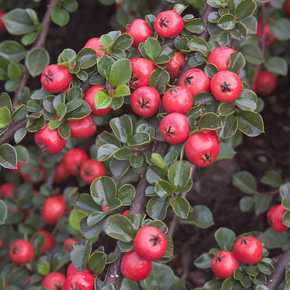
Prostrate Rock Cotoneaster - 5 Gallon
SKU:
2036855
UPC:
014949294550
$49.99
- Spectacular four-season interest with pale pink spring flowers, glossy dark green summer foliage, brilliant orange-red fall color, and bright scarlet berries that persist well into winter
- Ultra-low-growing groundcover variety reaching only about 12 inches tall but spreading 5 to 8 feet wide, with stiff, flat branches arranged in a striking herringbone pattern
- Exceptionally tough and adaptable — tolerates poor soils, drought once established, erosion-prone slopes, and urban conditions with minimal maintenance
- Attracts bees to its spring blooms and draws birds to its long-lasting scarlet berries, adding vibrant wildlife activity to the garden through the cold months
Prostrate Rock Cotoneaster (Cotoneaster horizontalis 'Perpusillus') is one of the most dependable and ornamentally rewarding low-growing groundcover shrubs available for Western gardens, offering something beautiful in every season. Native to western China, this very prostrate variety of the species stays remarkably low — typically around 12 inches in height — while spreading steadily outward 5 to 8 feet, forming a dense, weed-suppressing mat of finely textured, glossy dark green foliage carried on stiff, flat branches that fan outward in a captivating herringbone or fishbone arrangement. In late spring, small pale pink, five-petaled flowers emerge singly or in pairs along the stems, providing a delicate but showy floral display that bees find irresistible. By late summer and fall, those blossoms give way to a spectacular show of brilliant scarlet berries that ripen as the small rounded leaves ignite in vivid shades of orange and red — one of the most striking autumn displays in the shrub world. The berries linger well into winter, feeding robins, thrushes, and other birds long after the leaves have dropped to reveal the plant's beautiful architectural branch structure. Adaptable to a wide range of soil types including chalk, clay, loam, and sand, and tolerant of drought, poor soils, erosion, and rabbit browsing once established, Prostrate Rock Cotoneaster is an outstanding choice for rock gardens, dry banks and slopes, cascading over retaining walls, or massing as a woody groundcover in sunny landscape borders across USDA Zones 4 to 7.
Plant Description
Prostrate Rock Cotoneaster is a slow-growing, semi-prostrate deciduous shrub belonging to the rose family (Rosaceae). The cultivar 'Perpusillus' is notably flatter and more ground-hugging than the straight species, making it ideal as a true groundcover. Its most distinctive feature is its branching architecture: stiff, flattened stems radiate outward in evenly spaced, horizontal tiers, with secondary branchlets arranged in a precise herringbone or fishbone pattern that gives the plant an almost architectural quality even when bare in winter. The small, round to elliptic leaves — about half an inch long — are glossy and rich dark green throughout spring and summer, lending the plant a refined, fine-textured appearance. In cooler climates the plant is fully deciduous; in mild coastal regions it tends to be semi-evergreen, holding some foliage through winter. The plant is native to western China and has received the Royal Horticultural Society Award of Garden Merit in recognition of its exceptional ornamental value.
Mature Size
| Characteristic | Measurement |
|---|---|
| Mature Height | Approximately 12 inches (1 foot) |
| Mature Spread | 5 to 8 feet wide |
| Growth Rate | Slow to moderate; establishes slowly, then gains 12 to 18 inches per year once mature |
| Spacing for Mass Plantings | Space plants 4 to 5 feet apart; or 6 to 8 feet apart when room allows |
| Plant Type | Deciduous to semi-evergreen spreading shrub / groundcover |
| Lifespan | Typically 11 to 20 years |
Hardiness Zones
Prostrate Rock Cotoneaster is reliably hardy in USDA Zones 4 through 7. It performs best where summers are mild to moderate and winters are cold enough to provide dormancy. In Zones 4 through 6 the plant is fully deciduous, losing all of its leaves in winter and displaying its sculptural, herringbone branch structure. In the warmer reaches of Zone 7, particularly in mild coastal climates such as those found in Northern California and Southern Oregon, the plant may be semi-evergreen, retaining some foliage through winter. It generally struggles in Zone 8 and warmer, where prolonged summer heat can stress the plant. It is well suited to the Pacific Northwest and higher-elevation areas of Northern California and Southern Oregon.
Sunlight Requirements
Prostrate Rock Cotoneaster thrives in full sun to partial shade. Full sun (6 or more hours of direct sunlight per day) produces the best flowering, the most prolific berry set, and the most vivid fall foliage color. Partial shade (3 to 6 hours of direct sun) is tolerated well, particularly in hotter inland locations where some afternoon shade can reduce heat stress. The plant does not flower or fruit well in full shade, and deep shade should be avoided. In the mild coastal climates of Southern Oregon and Northern California, a full-sun position is ideal and presents no problems for plant health.
Soil and pH Preferences
One of the greatest strengths of Prostrate Rock Cotoneaster is its adaptability to a wide range of soil conditions. It performs well in chalk, clay, loam, and sandy soils, provided that drainage is adequate. Good drainage is essential — the plant does not tolerate waterlogged or consistently soggy soils, which can lead to root rot. While it prefers moist, loamy, well-drained soil for optimal growth, it is well known for thriving in poor soils where many other plants struggle. Over time, as the plant sheds its leaves each fall, it contributes organic matter and can gradually improve its own growing conditions. Soil pH can range from moderately acidic to moderately alkaline, with a neutral range being easiest to maintain. If planting into heavy clay, amend the planting hole and surrounding soil with compost to improve drainage and structure.
Watering Guide
Newly planted Prostrate Rock Cotoneaster requires consistent moisture during its first growing season to establish a strong root system. Water thoroughly at planting and continue to keep the soil evenly moist — but never waterlogged — throughout the first year. Once established, this plant is notably drought tolerant, especially in partially shaded positions. Plants in full sun will need slightly more supplemental irrigation during dry summer spells. Consistent, moderate watering is preferable to infrequent heavy drenching. Drip or soaker hose irrigation beneath the dense foliage is an efficient watering method. Avoid overhead irrigation if possible, as wet foliage can encourage some fungal issues. In the mild, coastal-influenced climates of Southern Oregon and Northern California, established plants often require little to no supplemental summer watering once their root systems are well developed.
Fertilizing
Prostrate Rock Cotoneaster is a low-maintenance plant that does not require heavy feeding. In most established landscape situations, a light annual application of a balanced, slow-release granular fertilizer in early spring — just as new growth begins to emerge — is sufficient to keep the plant healthy and encourage vigorous leafing out. Choose a fertilizer with a slightly higher nitrogen component to support lush, dark green foliage. Liquid fertilizers can also be used at half-strength once per growing season. Avoid over-fertilizing, as excessive nitrogen can promote overly aggressive spreading and may increase susceptibility to certain diseases. In fertile, amended soils, no fertilization at all may be necessary.
Pruning and Maintenance
Prostrate Rock Cotoneaster is a low-maintenance shrub, but periodic pruning helps keep it looking its best and within its intended boundaries. Follow these guidelines:
- Prune in late winter to early spring before new growth emerges, removing any dead, damaged, or diseased wood.
- Trim back wayward branches to maintain the desired spread and prevent the plant from encroaching on neighboring plantings or walkways.
- Always use clean, sharp pruning shears. When removing any disease-affected wood, sterilize your tools between cuts using a solution of one part bleach to nine parts water, held for at least 10 seconds.
- When cutting out diseased branches, remove at least 8 to 12 inches beyond the visibly affected tissue to ensure all infected material is eliminated.
- Avoid hard renovation pruning, as Cotoneaster does not regenerate as readily from old wood as some other shrubs. Light, consistent shaping over time is preferred over severe cutting back.
- Remove fallen leaves and debris from the interior of the planting in fall, as accumulated organic matter beneath the dense canopy can harbor pests and disease.
Planting Instructions
- Select a planting site with full sun to partial shade and well-drained soil. Avoid low spots or areas where water pools after rain.
- Dig a planting hole twice as wide as the root ball and equal in depth, so the top of the root ball sits level with or very slightly above the surrounding soil grade.
- If soil is heavy clay, mix in generous amounts of compost or other organic matter to improve drainage and structure before backfilling.
- Remove the plant from its container and gently loosen any circling or matted roots before placing it in the hole.
- Backfill with the amended native soil, firming it down gently in layers to eliminate air pockets around the roots.
- Water deeply and thoroughly immediately after planting to settle the soil around the roots.
- Apply a 2 to 3 inch layer of organic mulch (such as wood chips or shredded bark) in a wide ring around the plant, keeping the mulch several inches away from the crown and main stems to discourage rot.
- Water consistently throughout the first growing season. Reduce watering frequency in subsequent years as the plant establishes.
- For mass plantings, space plants 4 to 6 feet apart depending on how quickly you want coverage. Plants will fill in over two to three growing seasons.
Seasonal Interest
| Season | What to Expect |
|---|---|
| Spring | Fresh, glossy dark green leaves emerge along the distinctive herringbone branches. Delicate pale pink, five-petaled flowers bloom singly or in pairs in late spring (May to June), attracting bees and other pollinators. |
| Summer | Dense, fine-textured, rich dark green foliage provides an attractive, weed-suppressing groundcover mat. Small developing fruits begin to appear as the season progresses. |
| Fall | One of the plant's finest moments: leaves ignite in vivid shades of orange and red, while bright scarlet berries ripen and cover the branches for a spectacular dual display of color and fruit. |
| Winter | In colder areas the plant is leafless, revealing the striking architectural herringbone branch structure. Scarlet berries persist well into winter, providing color in the garden and food for birds. Semi-evergreen in mild climates. |
Landscape Uses
Prostrate Rock Cotoneaster is a remarkably versatile landscape plant. Its very low, spreading habit and adaptability to challenging conditions make it suitable for a wide variety of uses:
- Groundcover: An excellent woody groundcover for large, open, sunny areas where a low, weed-suppressing carpet of foliage is desired.
- Banks and Slopes: Particularly well suited for stabilizing steep, difficult-to-mow banks and slopes, where its spreading roots provide effective erosion control.
- Rock Gardens: A classic rock garden plant — its low profile and herringbone branches drape beautifully over and between boulders and outcroppings.
- Wall Cascading: Plant near the top of retaining walls or raised planters and allow the branches to cascade gracefully over the edges.
- Espalier: Can be trained flat against a wall or fence as an espalier for a dramatic, space-saving display.
- Border Edging: Useful at the front of mixed shrub borders where its low, spreading form contrasts beautifully with upright plants behind it.
- Low-Maintenance Areas: Ideal for areas of the landscape that receive minimal care, including commercial landscapes, roadside plantings, and utility areas.
Wildlife Value
Prostrate Rock Cotoneaster offers meaningful wildlife value throughout the year. The pale pink spring flowers are an excellent source of early nectar and pollen for bees, including honeybees and native bee species. The prolific scarlet berries that ripen in fall are a favorite food source for many bird species, including robins, thrushes, waxwings, and other berry-eating songbirds. The berries persist well into winter, providing a critical food source during the coldest months when other natural food supplies are scarce. The dense, low branching structure also provides useful ground-level cover and nesting habitat for small birds and beneficial insects. Note: While the berries are highly attractive to birds and other wildlife, they may cause mild stomach upset if ingested by humans or pets, and should be kept out of reach of children. The California Poison Control Center classifies Cotoneaster berries as mildly toxic.
Pests and Diseases
Prostrate Rock Cotoneaster is generally a tough and trouble-free plant, but it can be affected by the following pests and diseases:
- Fire Blight (Erwinia amylovora): The most serious disease concern for this variety. Symptoms include sticky ooze on twigs and limbs, blackened or wilted blossoms, shoots that curl into a "shepherd's crook" shape, and sunken cankers on stems. Control by removing infected branches with sterilized tools, cutting at least 8 to 12 inches beyond any visible infection. Sterilize pruning tools between every cut.
- Cotoneaster Webworm: A caterpillar that feeds on leaves and can cause significant defoliation. Treat with Bacillus thuringiensis (Bt) spray applied directly to affected areas.
- Lace Bugs: Small insects (common in western gardens) that suck moisture from leaves, leaving stippled, pale dots on leaf surfaces and sticky black excrement below. Treat with insecticidal soap or neem oil. Introducing beneficial lacewings provides natural predator control.
- Spider Mites: More prevalent in hot, dry conditions. Regular overhead misting of foliage reduces populations. Neem-based sprays are effective; a strong jet of water from a hose also dislodges mites.
- Scale Insects: Armored scale can attach to branches in late winter and early spring. Apply horticultural dormant oil or neem oil in fall or winter as a preventive treatment.
- Aphids: Occasionally present but cause limited direct damage. Remove with a strong stream of water or treat with neem oil.
- Entomosporium Leaf Spot: A fungal disease causing reddish spots, sometimes with purplish halos, on leaves. Remove and destroy all affected foliage and fallen leaves to prevent the spread of spores.
Companion Plants
Prostrate Rock Cotoneaster pairs beautifully with plants that share its preferences for well-drained soil and full sun to partial shade, and that complement its low, spreading form and outstanding fall and winter interest. Consider these combinations:
- Ornamental Grasses (such as Blue Oat Grass or Feather Reed Grass) — provide upright contrast and movement alongside the flat horizontal form of the cotoneaster.
- Lavender (Lavandula spp.) — shares the same preference for lean, well-drained soils and full sun; the purple flower spikes complement the cotoneaster's red berries beautifully.
- Creeping Thyme (Thymus serpyllum) — fills in gaps between spreading branches with a fragrant, low mat that shares the same tough, drought-tolerant character.
- Rockrose (Cistus spp.) — another sun-loving, drought-tolerant Mediterranean shrub that combines well on dry slopes and in rock gardens.
- Dwarf Conifers (such as Mugo Pine or Dwarf Alberta Spruce) — their vertical or mounded evergreen forms provide striking year-round structure above the horizontal cotoneaster mat.
- Autumn Joy Sedum (Hylotelephium 'Herbstfreude') — the succulent rosettes and copper-red fall flower heads echo the cotoneaster's fall berry color while tolerating the same dry, sunny conditions.
- Barberry (Berberis spp.) — bold, upright shrubs with their own outstanding fall color and berry interest that create excellent seasonal harmony with cotoneaster.
Propagation
Prostrate Rock Cotoneaster can be propagated by several methods, though vegetative propagation is preferred for maintaining the true characteristics of the 'Perpusillus' variety:
- Semi-Hardwood Cuttings (Preferred): Take 4 to 6 inch cuttings from healthy, vigorous stems in early to midsummer. Remove the lower leaves, dip the cut end in powdered rooting hormone (coating any lower leaf buds as well), and insert into a well-draining propagation mix. Keep consistently moist and lightly shaded until roots develop, typically in 6 to 10 weeks.
- Natural Layering: Low-lying branches that touch the soil will often self-layer, rooting where they make contact with moist ground. These naturally rooted sections can be severed from the parent plant and transplanted.
- Seed: Plants can be grown from seed, though seeds require cold stratification and germination rates can be variable. Seed-grown plants may not be true to the prostrate variety characteristics.
- Spectacular four-season interest with pale pink spring flowers, glossy dark green summer foliage, brilliant orange-red fall color, and bright scarlet berries that persist well into winter
- Ultra-low-growing groundcover variety reaching only about 12 inches tall but spreading 5 to 8 feet wide, with stiff, flat branches arranged in a striking herringbone pattern
- Exceptionally tough and adaptable — tolerates poor soils, drought once established, erosion-prone slopes, and urban conditions with minimal maintenance
- Attracts bees to its spring blooms and draws birds to its long-lasting scarlet berries, adding vibrant wildlife activity to the garden through the cold months
Prostrate Rock Cotoneaster (Cotoneaster horizontalis 'Perpusillus') is one of the most dependable and ornamentally rewarding low-growing groundcover shrubs available for Western gardens, offering something beautiful in every season. Native to western China, this very prostrate variety of the species stays remarkably low — typically around 12 inches in height — while spreading steadily outward 5 to 8 feet, forming a dense, weed-suppressing mat of finely textured, glossy dark green foliage carried on stiff, flat branches that fan outward in a captivating herringbone or fishbone arrangement. In late spring, small pale pink, five-petaled flowers emerge singly or in pairs along the stems, providing a delicate but showy floral display that bees find irresistible. By late summer and fall, those blossoms give way to a spectacular show of brilliant scarlet berries that ripen as the small rounded leaves ignite in vivid shades of orange and red — one of the most striking autumn displays in the shrub world. The berries linger well into winter, feeding robins, thrushes, and other birds long after the leaves have dropped to reveal the plant's beautiful architectural branch structure. Adaptable to a wide range of soil types including chalk, clay, loam, and sand, and tolerant of drought, poor soils, erosion, and rabbit browsing once established, Prostrate Rock Cotoneaster is an outstanding choice for rock gardens, dry banks and slopes, cascading over retaining walls, or massing as a woody groundcover in sunny landscape borders across USDA Zones 4 to 7.
Plant Description
Prostrate Rock Cotoneaster is a slow-growing, semi-prostrate deciduous shrub belonging to the rose family (Rosaceae). The cultivar 'Perpusillus' is notably flatter and more ground-hugging than the straight species, making it ideal as a true groundcover. Its most distinctive feature is its branching architecture: stiff, flattened stems radiate outward in evenly spaced, horizontal tiers, with secondary branchlets arranged in a precise herringbone or fishbone pattern that gives the plant an almost architectural quality even when bare in winter. The small, round to elliptic leaves — about half an inch long — are glossy and rich dark green throughout spring and summer, lending the plant a refined, fine-textured appearance. In cooler climates the plant is fully deciduous; in mild coastal regions it tends to be semi-evergreen, holding some foliage through winter. The plant is native to western China and has received the Royal Horticultural Society Award of Garden Merit in recognition of its exceptional ornamental value.
Mature Size
| Characteristic | Measurement |
|---|---|
| Mature Height | Approximately 12 inches (1 foot) |
| Mature Spread | 5 to 8 feet wide |
| Growth Rate | Slow to moderate; establishes slowly, then gains 12 to 18 inches per year once mature |
| Spacing for Mass Plantings | Space plants 4 to 5 feet apart; or 6 to 8 feet apart when room allows |
| Plant Type | Deciduous to semi-evergreen spreading shrub / groundcover |
| Lifespan | Typically 11 to 20 years |
Hardiness Zones
Prostrate Rock Cotoneaster is reliably hardy in USDA Zones 4 through 7. It performs best where summers are mild to moderate and winters are cold enough to provide dormancy. In Zones 4 through 6 the plant is fully deciduous, losing all of its leaves in winter and displaying its sculptural, herringbone branch structure. In the warmer reaches of Zone 7, particularly in mild coastal climates such as those found in Northern California and Southern Oregon, the plant may be semi-evergreen, retaining some foliage through winter. It generally struggles in Zone 8 and warmer, where prolonged summer heat can stress the plant. It is well suited to the Pacific Northwest and higher-elevation areas of Northern California and Southern Oregon.
Sunlight Requirements
Prostrate Rock Cotoneaster thrives in full sun to partial shade. Full sun (6 or more hours of direct sunlight per day) produces the best flowering, the most prolific berry set, and the most vivid fall foliage color. Partial shade (3 to 6 hours of direct sun) is tolerated well, particularly in hotter inland locations where some afternoon shade can reduce heat stress. The plant does not flower or fruit well in full shade, and deep shade should be avoided. In the mild coastal climates of Southern Oregon and Northern California, a full-sun position is ideal and presents no problems for plant health.
Soil and pH Preferences
One of the greatest strengths of Prostrate Rock Cotoneaster is its adaptability to a wide range of soil conditions. It performs well in chalk, clay, loam, and sandy soils, provided that drainage is adequate. Good drainage is essential — the plant does not tolerate waterlogged or consistently soggy soils, which can lead to root rot. While it prefers moist, loamy, well-drained soil for optimal growth, it is well known for thriving in poor soils where many other plants struggle. Over time, as the plant sheds its leaves each fall, it contributes organic matter and can gradually improve its own growing conditions. Soil pH can range from moderately acidic to moderately alkaline, with a neutral range being easiest to maintain. If planting into heavy clay, amend the planting hole and surrounding soil with compost to improve drainage and structure.
Watering Guide
Newly planted Prostrate Rock Cotoneaster requires consistent moisture during its first growing season to establish a strong root system. Water thoroughly at planting and continue to keep the soil evenly moist — but never waterlogged — throughout the first year. Once established, this plant is notably drought tolerant, especially in partially shaded positions. Plants in full sun will need slightly more supplemental irrigation during dry summer spells. Consistent, moderate watering is preferable to infrequent heavy drenching. Drip or soaker hose irrigation beneath the dense foliage is an efficient watering method. Avoid overhead irrigation if possible, as wet foliage can encourage some fungal issues. In the mild, coastal-influenced climates of Southern Oregon and Northern California, established plants often require little to no supplemental summer watering once their root systems are well developed.
Fertilizing
Prostrate Rock Cotoneaster is a low-maintenance plant that does not require heavy feeding. In most established landscape situations, a light annual application of a balanced, slow-release granular fertilizer in early spring — just as new growth begins to emerge — is sufficient to keep the plant healthy and encourage vigorous leafing out. Choose a fertilizer with a slightly higher nitrogen component to support lush, dark green foliage. Liquid fertilizers can also be used at half-strength once per growing season. Avoid over-fertilizing, as excessive nitrogen can promote overly aggressive spreading and may increase susceptibility to certain diseases. In fertile, amended soils, no fertilization at all may be necessary.
Pruning and Maintenance
Prostrate Rock Cotoneaster is a low-maintenance shrub, but periodic pruning helps keep it looking its best and within its intended boundaries. Follow these guidelines:
- Prune in late winter to early spring before new growth emerges, removing any dead, damaged, or diseased wood.
- Trim back wayward branches to maintain the desired spread and prevent the plant from encroaching on neighboring plantings or walkways.
- Always use clean, sharp pruning shears. When removing any disease-affected wood, sterilize your tools between cuts using a solution of one part bleach to nine parts water, held for at least 10 seconds.
- When cutting out diseased branches, remove at least 8 to 12 inches beyond the visibly affected tissue to ensure all infected material is eliminated.
- Avoid hard renovation pruning, as Cotoneaster does not regenerate as readily from old wood as some other shrubs. Light, consistent shaping over time is preferred over severe cutting back.
- Remove fallen leaves and debris from the interior of the planting in fall, as accumulated organic matter beneath the dense canopy can harbor pests and disease.
Planting Instructions
- Select a planting site with full sun to partial shade and well-drained soil. Avoid low spots or areas where water pools after rain.
- Dig a planting hole twice as wide as the root ball and equal in depth, so the top of the root ball sits level with or very slightly above the surrounding soil grade.
- If soil is heavy clay, mix in generous amounts of compost or other organic matter to improve drainage and structure before backfilling.
- Remove the plant from its container and gently loosen any circling or matted roots before placing it in the hole.
- Backfill with the amended native soil, firming it down gently in layers to eliminate air pockets around the roots.
- Water deeply and thoroughly immediately after planting to settle the soil around the roots.
- Apply a 2 to 3 inch layer of organic mulch (such as wood chips or shredded bark) in a wide ring around the plant, keeping the mulch several inches away from the crown and main stems to discourage rot.
- Water consistently throughout the first growing season. Reduce watering frequency in subsequent years as the plant establishes.
- For mass plantings, space plants 4 to 6 feet apart depending on how quickly you want coverage. Plants will fill in over two to three growing seasons.
Seasonal Interest
| Season | What to Expect |
|---|---|
| Spring | Fresh, glossy dark green leaves emerge along the distinctive herringbone branches. Delicate pale pink, five-petaled flowers bloom singly or in pairs in late spring (May to June), attracting bees and other pollinators. |
| Summer | Dense, fine-textured, rich dark green foliage provides an attractive, weed-suppressing groundcover mat. Small developing fruits begin to appear as the season progresses. |
| Fall | One of the plant's finest moments: leaves ignite in vivid shades of orange and red, while bright scarlet berries ripen and cover the branches for a spectacular dual display of color and fruit. |
| Winter | In colder areas the plant is leafless, revealing the striking architectural herringbone branch structure. Scarlet berries persist well into winter, providing color in the garden and food for birds. Semi-evergreen in mild climates. |
Landscape Uses
Prostrate Rock Cotoneaster is a remarkably versatile landscape plant. Its very low, spreading habit and adaptability to challenging conditions make it suitable for a wide variety of uses:
- Groundcover: An excellent woody groundcover for large, open, sunny areas where a low, weed-suppressing carpet of foliage is desired.
- Banks and Slopes: Particularly well suited for stabilizing steep, difficult-to-mow banks and slopes, where its spreading roots provide effective erosion control.
- Rock Gardens: A classic rock garden plant — its low profile and herringbone branches drape beautifully over and between boulders and outcroppings.
- Wall Cascading: Plant near the top of retaining walls or raised planters and allow the branches to cascade gracefully over the edges.
- Espalier: Can be trained flat against a wall or fence as an espalier for a dramatic, space-saving display.
- Border Edging: Useful at the front of mixed shrub borders where its low, spreading form contrasts beautifully with upright plants behind it.
- Low-Maintenance Areas: Ideal for areas of the landscape that receive minimal care, including commercial landscapes, roadside plantings, and utility areas.
Wildlife Value
Prostrate Rock Cotoneaster offers meaningful wildlife value throughout the year. The pale pink spring flowers are an excellent source of early nectar and pollen for bees, including honeybees and native bee species. The prolific scarlet berries that ripen in fall are a favorite food source for many bird species, including robins, thrushes, waxwings, and other berry-eating songbirds. The berries persist well into winter, providing a critical food source during the coldest months when other natural food supplies are scarce. The dense, low branching structure also provides useful ground-level cover and nesting habitat for small birds and beneficial insects. Note: While the berries are highly attractive to birds and other wildlife, they may cause mild stomach upset if ingested by humans or pets, and should be kept out of reach of children. The California Poison Control Center classifies Cotoneaster berries as mildly toxic.
Pests and Diseases
Prostrate Rock Cotoneaster is generally a tough and trouble-free plant, but it can be affected by the following pests and diseases:
- Fire Blight (Erwinia amylovora): The most serious disease concern for this variety. Symptoms include sticky ooze on twigs and limbs, blackened or wilted blossoms, shoots that curl into a "shepherd's crook" shape, and sunken cankers on stems. Control by removing infected branches with sterilized tools, cutting at least 8 to 12 inches beyond any visible infection. Sterilize pruning tools between every cut.
- Cotoneaster Webworm: A caterpillar that feeds on leaves and can cause significant defoliation. Treat with Bacillus thuringiensis (Bt) spray applied directly to affected areas.
- Lace Bugs: Small insects (common in western gardens) that suck moisture from leaves, leaving stippled, pale dots on leaf surfaces and sticky black excrement below. Treat with insecticidal soap or neem oil. Introducing beneficial lacewings provides natural predator control.
- Spider Mites: More prevalent in hot, dry conditions. Regular overhead misting of foliage reduces populations. Neem-based sprays are effective; a strong jet of water from a hose also dislodges mites.
- Scale Insects: Armored scale can attach to branches in late winter and early spring. Apply horticultural dormant oil or neem oil in fall or winter as a preventive treatment.
- Aphids: Occasionally present but cause limited direct damage. Remove with a strong stream of water or treat with neem oil.
- Entomosporium Leaf Spot: A fungal disease causing reddish spots, sometimes with purplish halos, on leaves. Remove and destroy all affected foliage and fallen leaves to prevent the spread of spores.
Companion Plants
Prostrate Rock Cotoneaster pairs beautifully with plants that share its preferences for well-drained soil and full sun to partial shade, and that complement its low, spreading form and outstanding fall and winter interest. Consider these combinations:
- Ornamental Grasses (such as Blue Oat Grass or Feather Reed Grass) — provide upright contrast and movement alongside the flat horizontal form of the cotoneaster.
- Lavender (Lavandula spp.) — shares the same preference for lean, well-drained soils and full sun; the purple flower spikes complement the cotoneaster's red berries beautifully.
- Creeping Thyme (Thymus serpyllum) — fills in gaps between spreading branches with a fragrant, low mat that shares the same tough, drought-tolerant character.
- Rockrose (Cistus spp.) — another sun-loving, drought-tolerant Mediterranean shrub that combines well on dry slopes and in rock gardens.
- Dwarf Conifers (such as Mugo Pine or Dwarf Alberta Spruce) — their vertical or mounded evergreen forms provide striking year-round structure above the horizontal cotoneaster mat.
- Autumn Joy Sedum (Hylotelephium 'Herbstfreude') — the succulent rosettes and copper-red fall flower heads echo the cotoneaster's fall berry color while tolerating the same dry, sunny conditions.
- Barberry (Berberis spp.) — bold, upright shrubs with their own outstanding fall color and berry interest that create excellent seasonal harmony with cotoneaster.
Propagation
Prostrate Rock Cotoneaster can be propagated by several methods, though vegetative propagation is preferred for maintaining the true characteristics of the 'Perpusillus' variety:
- Semi-Hardwood Cuttings (Preferred): Take 4 to 6 inch cuttings from healthy, vigorous stems in early to midsummer. Remove the lower leaves, dip the cut end in powdered rooting hormone (coating any lower leaf buds as well), and insert into a well-draining propagation mix. Keep consistently moist and lightly shaded until roots develop, typically in 6 to 10 weeks.
- Natural Layering: Low-lying branches that touch the soil will often self-layer, rooting where they make contact with moist ground. These naturally rooted sections can be severed from the parent plant and transplanted.
- Seed: Plants can be grown from seed, though seeds require cold stratification and germination rates can be variable. Seed-grown plants may not be true to the prostrate variety characteristics.


