Zoom the image with the mouse
Orange Peruvian Lily - 2 Gallon
SKU:
1955175
UPC:
014949451885
$32.99
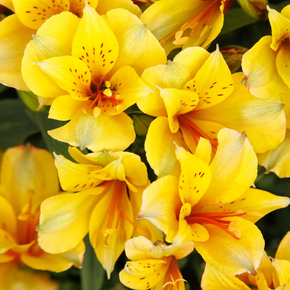
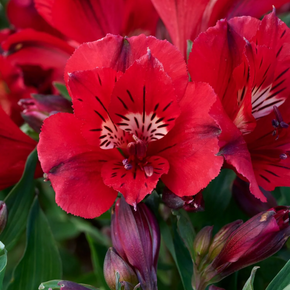
- Brilliant soft orange blooms with golden-yellow throats and vivid dark orange-to-red markings put on a continuous floral show from late spring all the way through the first frost of autumn.
- Compact, dwarf habit reaches only 8-12 inches tall while spreading 18-24 inches wide, making it a stunning front-of-border plant or a standout performer in patio containers.
- Long-lasting cut flowers with a vase life of two weeks or more - simply pull spent stems from the base to trigger a fresh flush of blooms and keep the display going all season.
- Deer resistant and irresistible to bees, butterflies, and hummingbirds, this easy-care herbaceous perennial thrives in full sun with moderate water once established.
Colorita Eliane Orange Peruvian Lily (Alstroemeria x 'Zaprieliaorange') is a showstopping, compact herbaceous perennial that brings a sustained blaze of warm color to gardens and containers throughout the long growing season. Part of the genetically dwarf Colorita series, this patented variety produces clusters of trumpet-shaped, soft orange blooms accented by subtle yellow throats and dramatic dark orange-to-red splashes on the inner petals - a color combination that rivals anything found in a florist's cooler. The bright, lance-shaped green foliage emerges in spring and provides a lush, contrasting backdrop that makes the flowers pop from late spring until autumn frost. Unlike taller Alstroemeria varieties, Colorita Eliane Orange stays neatly mounded at just 8-12 inches tall while spreading 18-24 inches wide, eliminating the need for staking and making it equally at home in mixed garden borders, mass plantings, pollinator gardens, and decorative containers on sunny patios and decks. It is prized not only for its ornamental value in the landscape but also as an exceptional long-lasting cut flower that brings the warmth of summer indoors. Hardy in USDA Zones 8-11 and moderately drought tolerant once established, this low-maintenance perennial is an outstanding choice for gardeners in Southern Oregon and Northern California who want season-long color with minimal effort.
Plant Description
Colorita Eliane Orange Peruvian Lily is a patented, genetically compact selection within the Alstroemeria genus, belonging to the family Alstroemeriaceae. It is an herbaceous tuberous-rooted perennial native to South America, bred specifically for its dwarf, self-supporting growth habit and exceptional flower production. The blooms are trumpet-shaped, up to 2 inches across, and borne in open clusters atop sturdy upright stems. Each flower displays a soft orange base color that lightens to a golden-yellow throat, with striking dark orange to red streaks and speckles on the inner petals. The foliage is a rich, bright green with lance-shaped leaves. Like all Alstroemeria, the leaves undergo resupination - they twist 180 degrees from the base as they unfurl, giving the foliage a distinctive appearance. Plants form a tidy, spreading mound that fills in beautifully over time as the tuberous root system expands.
Mature Size
| Characteristic | Measurement |
|---|---|
| Mature Height | 8-12 inches |
| Mature Spread | 18-24 inches |
| Growth Habit | Compact, dwarf, mounding |
| Growth Rate | Medium to fast |
| Plant Type | Herbaceous perennial |
The compact, dwarf stature of Colorita Eliane Orange sets it apart from standard Alstroemeria varieties, which can reach 2-4 feet tall. Its low, spreading mound requires no staking and is perfectly scaled for container arrangements, front-of-border plantings, and smaller garden spaces.
Hardiness Zones and Climate
Colorita Eliane Orange Peruvian Lily is hardy in USDA Hardiness Zones 8-11, making it a reliable perennial in most of Southern Oregon and Northern California. In these regions it will die back to the ground after hard frost and re-emerge vigorously each spring from its tuberous root system. In Zone 8 gardens, a light layer of mulch over the root zone in winter provides extra insurance during cold snaps. In frost-free areas within Zones 9-11, plants may remain semi-evergreen and bloom for extended periods, potentially cycling through the cooler months as well. Gardeners in marginal Zone 7 locations can overwinter plants by applying a generous 4-6 inch layer of mulch or by digging and storing tubers indoors. The plant handles the dry summers typical of the Pacific Coast region well once its root system is established.
Sunlight Requirements
Colorita Eliane Orange thrives in full sun to partial shade, performing best with a minimum of 6 hours of direct sunlight per day. In the mild coastal climates of Northern California and Southern Oregon, full sun exposure produces the most abundant flowering and the most vivid orange color. In hotter inland valleys where summer temperatures regularly exceed 90°F, a location with light afternoon shade will protect the flowers from bleaching and prolong each bloom cycle. Avoid deep shade, which results in weak, floppy stems and dramatically reduced flowering. When growing in containers on a south- or west-facing patio, monitor soil moisture carefully, as pots in full sun dry out more quickly than in-ground plantings.
Soil and pH Preferences
- Soil type: Adapts well to most soil types, but performs best in fertile, organically rich, well-drained soil. Heavy clay should be amended with compost and coarse sand or perlite to improve drainage.
- Drainage: Excellent drainage is essential. The fleshy tuberous roots are highly susceptible to rot in soggy or waterlogged conditions. Never plant in low-lying areas where water pools after rain.
- Soil pH: Prefers a slightly acidic to neutral pH of 6.0-7.0. Tolerates mildly acidic soils well.
- Amendments at planting: Incorporate 2-4 inches of compost into the planting area to improve both fertility and drainage. A layer of mulch around the root zone helps moderate soil temperature and retain moisture.
- Container mix: Use a high-quality, well-draining all-purpose potting mix. Adding a handful of perlite or pumice further improves drainage and helps prevent root rot in containers.
Watering Guide
During the first growing season after planting, water deeply and regularly to help the tuberous root system establish. Once established, Colorita Eliane Orange is moderately drought tolerant and requires only average watering. During dry spells or extended heat, provide approximately 1 inch of water per week, either through rainfall or supplemental irrigation. Always allow the top inch or two of soil to dry slightly between waterings - consistent moisture is ideal, but soggy soil must be avoided at all costs, as standing water will cause the fleshy tubers to rot. Container-grown plants dry out faster than in-ground plantings and may require watering every 1-3 days during hot summer weather; check the soil regularly by pressing a finger into the top inch. Reduce watering in autumn as the plant enters dormancy, and withhold water almost entirely from dormant in-ground plants over winter.
Fertilizing
Colorita Eliane Orange is not a heavy feeder, but regular fertilizing during the active growing season rewards gardeners with stronger stems and more profuse flowering. For in-ground plants, apply a balanced slow-release fertilizer formulated for flowering plants (such as a 10-10-10 or similar) once in early spring as new growth emerges. A second light application in midsummer can help sustain bloom production through the heat of the season. Avoid high-nitrogen fertilizers, which promote lush foliage at the expense of flowers. For container-grown plants, which have a more limited nutrient supply, feed with a balanced water-soluble fertilizer every 3-4 weeks throughout the growing season. Adding a 2-inch layer of compost around the base of in-ground plants each spring also gradually improves soil fertility and structure.
Pruning and Deadheading
Proper deadheading is the single most important maintenance task for keeping Colorita Eliane Orange blooming continuously from late spring through fall. Rather than snipping spent flower stems with scissors or pruners, grasp each faded stem near its base and pull it upward with a firm, gentle tug to remove it entirely from the base of the plant. This mimics the natural breaking point of the stem and stimulates the plant to produce new flowering shoots from the root crown. Cutting stems instead of pulling them can leave stubs that slow regrowth. In early spring, before new growth pushes up, remove any remaining old dead or brown stems from the previous season to tidy the plant and make room for fresh shoots. Divide crowded clumps every 2-3 years in early spring to rejuvenate growth and maintain vigor. Note: this is a patented variety, and vegetative propagation for any purpose is strictly prohibited by law.
Planting Instructions
- Choose a planting site with well-drained soil and at least 6 hours of sun per day.
- Loosen the soil to a depth of 12 inches and incorporate 2-4 inches of compost to improve fertility and drainage.
- Dig a hole as deep as the root ball and about twice as wide.
- Carefully remove the plant from its nursery container without disturbing or spreading the fragile tuberous roots - they break easily and should not be teased apart.
- Set the plant in the hole so the top of the root ball sits level with or very slightly above the surrounding soil surface.
- Backfill with the amended soil, gently firming it in to eliminate air pockets. Do not mound soil against the stems.
- Water thoroughly after planting to settle the soil around the roots.
- Apply a 2-inch layer of mulch around the plant, keeping mulch a few inches away from the base of the stems.
- Space multiple plants 18-24 inches apart to allow for their mature spread.
- Water regularly throughout the first growing season to establish a strong root system.
Seasonal Interest and Bloom Time
Colorita Eliane Orange delivers one of the longest bloom seasons of any perennial in the garden. Lily-like foliage emerges in spring, followed by the first flush of bright orange flowers in late spring to early summer. When spent stems are removed promptly by pulling them from the base, the plant continuously produces new flowering stems throughout the warm season, typically blooming well into autumn until the first hard frost. During peak summer heat, flowering may slow or temporarily pause, but it rebounds strongly once temperatures moderate in late summer and fall. In frost-free locations in Zones 9-11, the display may extend even longer. After frost knocks back the foliage, the plant goes dormant underground and returns reliably each spring.
Landscape Uses
- Front of the border: The compact mounding habit and vivid orange flowers make this an excellent front-of-border accent that will not obscure plants behind it.
- Mass planting: Planted in groups of 3, 5, or more, Colorita Eliane Orange creates a bold, continuous sweep of warm color that is highly effective in landscape beds.
- Container gardening: The dwarf size is perfectly suited to decorative pots, planters, and mixed container arrangements on patios, decks, and entryways.
- Cut flower gardens: An excellent addition to a cutting garden, producing long-lasting blooms with a vase life of two or more weeks.
- Pollinator gardens: The nectar-rich flowers attract bees, butterflies, and hummingbirds throughout the growing season.
- Cottage and mixed perennial gardens: Pairs beautifully with other warm-season perennials and annuals in informal cottage-style plantings.
- Slope and erosion control: The spreading root system and vigorous growth habit make it useful for stabilizing gentle slopes.
Container Growing
Colorita Eliane Orange is one of the best Peruvian lilies for container culture, thanks to its naturally compact, dwarf habit. Choose a pot that is slightly wider and deeper than the root ball, with multiple drainage holes to prevent waterlogging. Fill the container with a high-quality all-purpose potting mix amended with extra perlite for improved drainage. Position the plant so the top of the root ball sits about 1 inch below the pot rim, then backfill and firm the mix gently to remove air pockets. Container plants dry out faster than in-ground plants, especially during hot summer weather, so check soil moisture frequently and water whenever the top inch feels dry. Feed potted plants with a balanced water-soluble fertilizer every 3-4 weeks during the growing season. In climates colder than Zone 8, bring containers into a frost-free garage or shed before the first hard freeze, watering just enough to keep the soil from drying out completely. Move containers back outdoors after the last frost in spring.
Wildlife Value and Deer Resistance
Colorita Eliane Orange is a valuable plant for pollinators and wildlife. The trumpet-shaped orange flowers are rich in nectar and are regularly visited by bumblebees, honeybees, and a wide variety of butterfly species throughout the bloom season. The tubular flower form is especially attractive to hummingbirds, which are frequent visitors wherever this plant is grown. Despite its appeal to beneficial wildlife, Colorita Eliane Orange is notably resistant to deer browsing, making it a smart choice for gardens in rural and suburban areas of Southern Oregon and Northern California where deer pressure is common. The plant is not known to be attractive to rabbits, though young emerging shoots in spring may occasionally be nibbled. Maintaining established, vigorously growing plants is the best deterrent against opportunistic grazing.
Pests and Diseases
Colorita Eliane Orange is generally a healthy, trouble-free plant with good resistance to many common diseases. It shows high resistance to powdery mildew and root rot when planted in well-drained soil, and moderate resistance to leaf spot and leaf scorch. The most common pest threats to watch for include:
- Aphids: Occasionally cluster on new growth. Knock off with a strong stream of water or treat with insecticidal soap.
- Spider mites: More likely during hot, dry conditions. Increase humidity around plants and treat with insecticidal soap or neem oil if infestations occur.
- Thrips: Can cause stippling or distortion of flower petals. Treat with insecticidal soap or spinosad-based products.
- Slugs and snails: May feed on soft, tender foliage in spring, especially in cool, moist conditions. Use iron phosphate bait around plants as needed.
- Root rot: The most serious threat, caused by overwatering or poor drainage. Always plant in well-drained soil and avoid soggy conditions. There is no cure for advanced root rot; prevention through proper site selection and watering practices is essential.
Companion Plants
Colorita Eliane Orange pairs beautifully with a wide range of perennials and annuals that share its preference for full sun and well-drained soil. Consider these complementary partners for striking garden combinations:
- Salvia (Salvia spp.): Deep blue or purple salvias create a dramatic cool-warm contrast with the orange blooms.
- Agapanthus: Tall spikes of blue or white agapanthus flowers provide vertical contrast and bloom at a similar time.
- Catmint (Nepeta spp.): Soft lavender-blue catmint flowers complement the orange tones while both plants share similar low-water needs.
- Coreopsis: Yellow or gold coreopsis echoes the warm-toned throat of the Alstroemeria flowers while extending the season.
- Crocosmia: Another South American bulb with similar orange, flame, and yellow tones that blooms in succession with the Alstroemeria.
- Ornamental grasses: Fine-textured grasses such as blue oat grass or Mexican feather grass provide an airy, contrasting backdrop.
- Gaura / Oenothera lindheimeri: Its wispy white or pink wands float above the orange mounds for a delicate, cottage-garden effect.
Toxicity and Handling
Colorita Eliane Orange Peruvian Lily contains tulipalin A, a compound found throughout the plant that can cause contact dermatitis in sensitive individuals. When handling, pruning, or cutting stems, it is advisable to wear gloves to prevent skin irritation from the plant's sap. While the ASPCA does not list Alstroemeria as toxic to cats, dogs, or horses, ingestion of plant material can cause gastrointestinal upset in some animals. Keep the plant away from small children who may be tempted to chew on foliage or flowers. If accidental ingestion occurs, contact Poison Control (US: 800-222-1222) or your veterinarian promptly. Always wash hands thoroughly after working with the plant.
- Brilliant soft orange blooms with golden-yellow throats and vivid dark orange-to-red markings put on a continuous floral show from late spring all the way through the first frost of autumn.
- Compact, dwarf habit reaches only 8-12 inches tall while spreading 18-24 inches wide, making it a stunning front-of-border plant or a standout performer in patio containers.
- Long-lasting cut flowers with a vase life of two weeks or more - simply pull spent stems from the base to trigger a fresh flush of blooms and keep the display going all season.
- Deer resistant and irresistible to bees, butterflies, and hummingbirds, this easy-care herbaceous perennial thrives in full sun with moderate water once established.
Colorita Eliane Orange Peruvian Lily (Alstroemeria x 'Zaprieliaorange') is a showstopping, compact herbaceous perennial that brings a sustained blaze of warm color to gardens and containers throughout the long growing season. Part of the genetically dwarf Colorita series, this patented variety produces clusters of trumpet-shaped, soft orange blooms accented by subtle yellow throats and dramatic dark orange-to-red splashes on the inner petals - a color combination that rivals anything found in a florist's cooler. The bright, lance-shaped green foliage emerges in spring and provides a lush, contrasting backdrop that makes the flowers pop from late spring until autumn frost. Unlike taller Alstroemeria varieties, Colorita Eliane Orange stays neatly mounded at just 8-12 inches tall while spreading 18-24 inches wide, eliminating the need for staking and making it equally at home in mixed garden borders, mass plantings, pollinator gardens, and decorative containers on sunny patios and decks. It is prized not only for its ornamental value in the landscape but also as an exceptional long-lasting cut flower that brings the warmth of summer indoors. Hardy in USDA Zones 8-11 and moderately drought tolerant once established, this low-maintenance perennial is an outstanding choice for gardeners in Southern Oregon and Northern California who want season-long color with minimal effort.
Plant Description
Colorita Eliane Orange Peruvian Lily is a patented, genetically compact selection within the Alstroemeria genus, belonging to the family Alstroemeriaceae. It is an herbaceous tuberous-rooted perennial native to South America, bred specifically for its dwarf, self-supporting growth habit and exceptional flower production. The blooms are trumpet-shaped, up to 2 inches across, and borne in open clusters atop sturdy upright stems. Each flower displays a soft orange base color that lightens to a golden-yellow throat, with striking dark orange to red streaks and speckles on the inner petals. The foliage is a rich, bright green with lance-shaped leaves. Like all Alstroemeria, the leaves undergo resupination - they twist 180 degrees from the base as they unfurl, giving the foliage a distinctive appearance. Plants form a tidy, spreading mound that fills in beautifully over time as the tuberous root system expands.
Mature Size
| Characteristic | Measurement |
|---|---|
| Mature Height | 8-12 inches |
| Mature Spread | 18-24 inches |
| Growth Habit | Compact, dwarf, mounding |
| Growth Rate | Medium to fast |
| Plant Type | Herbaceous perennial |
The compact, dwarf stature of Colorita Eliane Orange sets it apart from standard Alstroemeria varieties, which can reach 2-4 feet tall. Its low, spreading mound requires no staking and is perfectly scaled for container arrangements, front-of-border plantings, and smaller garden spaces.
Hardiness Zones and Climate
Colorita Eliane Orange Peruvian Lily is hardy in USDA Hardiness Zones 8-11, making it a reliable perennial in most of Southern Oregon and Northern California. In these regions it will die back to the ground after hard frost and re-emerge vigorously each spring from its tuberous root system. In Zone 8 gardens, a light layer of mulch over the root zone in winter provides extra insurance during cold snaps. In frost-free areas within Zones 9-11, plants may remain semi-evergreen and bloom for extended periods, potentially cycling through the cooler months as well. Gardeners in marginal Zone 7 locations can overwinter plants by applying a generous 4-6 inch layer of mulch or by digging and storing tubers indoors. The plant handles the dry summers typical of the Pacific Coast region well once its root system is established.
Sunlight Requirements
Colorita Eliane Orange thrives in full sun to partial shade, performing best with a minimum of 6 hours of direct sunlight per day. In the mild coastal climates of Northern California and Southern Oregon, full sun exposure produces the most abundant flowering and the most vivid orange color. In hotter inland valleys where summer temperatures regularly exceed 90°F, a location with light afternoon shade will protect the flowers from bleaching and prolong each bloom cycle. Avoid deep shade, which results in weak, floppy stems and dramatically reduced flowering. When growing in containers on a south- or west-facing patio, monitor soil moisture carefully, as pots in full sun dry out more quickly than in-ground plantings.
Soil and pH Preferences
- Soil type: Adapts well to most soil types, but performs best in fertile, organically rich, well-drained soil. Heavy clay should be amended with compost and coarse sand or perlite to improve drainage.
- Drainage: Excellent drainage is essential. The fleshy tuberous roots are highly susceptible to rot in soggy or waterlogged conditions. Never plant in low-lying areas where water pools after rain.
- Soil pH: Prefers a slightly acidic to neutral pH of 6.0-7.0. Tolerates mildly acidic soils well.
- Amendments at planting: Incorporate 2-4 inches of compost into the planting area to improve both fertility and drainage. A layer of mulch around the root zone helps moderate soil temperature and retain moisture.
- Container mix: Use a high-quality, well-draining all-purpose potting mix. Adding a handful of perlite or pumice further improves drainage and helps prevent root rot in containers.
Watering Guide
During the first growing season after planting, water deeply and regularly to help the tuberous root system establish. Once established, Colorita Eliane Orange is moderately drought tolerant and requires only average watering. During dry spells or extended heat, provide approximately 1 inch of water per week, either through rainfall or supplemental irrigation. Always allow the top inch or two of soil to dry slightly between waterings - consistent moisture is ideal, but soggy soil must be avoided at all costs, as standing water will cause the fleshy tubers to rot. Container-grown plants dry out faster than in-ground plantings and may require watering every 1-3 days during hot summer weather; check the soil regularly by pressing a finger into the top inch. Reduce watering in autumn as the plant enters dormancy, and withhold water almost entirely from dormant in-ground plants over winter.
Fertilizing
Colorita Eliane Orange is not a heavy feeder, but regular fertilizing during the active growing season rewards gardeners with stronger stems and more profuse flowering. For in-ground plants, apply a balanced slow-release fertilizer formulated for flowering plants (such as a 10-10-10 or similar) once in early spring as new growth emerges. A second light application in midsummer can help sustain bloom production through the heat of the season. Avoid high-nitrogen fertilizers, which promote lush foliage at the expense of flowers. For container-grown plants, which have a more limited nutrient supply, feed with a balanced water-soluble fertilizer every 3-4 weeks throughout the growing season. Adding a 2-inch layer of compost around the base of in-ground plants each spring also gradually improves soil fertility and structure.
Pruning and Deadheading
Proper deadheading is the single most important maintenance task for keeping Colorita Eliane Orange blooming continuously from late spring through fall. Rather than snipping spent flower stems with scissors or pruners, grasp each faded stem near its base and pull it upward with a firm, gentle tug to remove it entirely from the base of the plant. This mimics the natural breaking point of the stem and stimulates the plant to produce new flowering shoots from the root crown. Cutting stems instead of pulling them can leave stubs that slow regrowth. In early spring, before new growth pushes up, remove any remaining old dead or brown stems from the previous season to tidy the plant and make room for fresh shoots. Divide crowded clumps every 2-3 years in early spring to rejuvenate growth and maintain vigor. Note: this is a patented variety, and vegetative propagation for any purpose is strictly prohibited by law.
Planting Instructions
- Choose a planting site with well-drained soil and at least 6 hours of sun per day.
- Loosen the soil to a depth of 12 inches and incorporate 2-4 inches of compost to improve fertility and drainage.
- Dig a hole as deep as the root ball and about twice as wide.
- Carefully remove the plant from its nursery container without disturbing or spreading the fragile tuberous roots - they break easily and should not be teased apart.
- Set the plant in the hole so the top of the root ball sits level with or very slightly above the surrounding soil surface.
- Backfill with the amended soil, gently firming it in to eliminate air pockets. Do not mound soil against the stems.
- Water thoroughly after planting to settle the soil around the roots.
- Apply a 2-inch layer of mulch around the plant, keeping mulch a few inches away from the base of the stems.
- Space multiple plants 18-24 inches apart to allow for their mature spread.
- Water regularly throughout the first growing season to establish a strong root system.
Seasonal Interest and Bloom Time
Colorita Eliane Orange delivers one of the longest bloom seasons of any perennial in the garden. Lily-like foliage emerges in spring, followed by the first flush of bright orange flowers in late spring to early summer. When spent stems are removed promptly by pulling them from the base, the plant continuously produces new flowering stems throughout the warm season, typically blooming well into autumn until the first hard frost. During peak summer heat, flowering may slow or temporarily pause, but it rebounds strongly once temperatures moderate in late summer and fall. In frost-free locations in Zones 9-11, the display may extend even longer. After frost knocks back the foliage, the plant goes dormant underground and returns reliably each spring.
Landscape Uses
- Front of the border: The compact mounding habit and vivid orange flowers make this an excellent front-of-border accent that will not obscure plants behind it.
- Mass planting: Planted in groups of 3, 5, or more, Colorita Eliane Orange creates a bold, continuous sweep of warm color that is highly effective in landscape beds.
- Container gardening: The dwarf size is perfectly suited to decorative pots, planters, and mixed container arrangements on patios, decks, and entryways.
- Cut flower gardens: An excellent addition to a cutting garden, producing long-lasting blooms with a vase life of two or more weeks.
- Pollinator gardens: The nectar-rich flowers attract bees, butterflies, and hummingbirds throughout the growing season.
- Cottage and mixed perennial gardens: Pairs beautifully with other warm-season perennials and annuals in informal cottage-style plantings.
- Slope and erosion control: The spreading root system and vigorous growth habit make it useful for stabilizing gentle slopes.
Container Growing
Colorita Eliane Orange is one of the best Peruvian lilies for container culture, thanks to its naturally compact, dwarf habit. Choose a pot that is slightly wider and deeper than the root ball, with multiple drainage holes to prevent waterlogging. Fill the container with a high-quality all-purpose potting mix amended with extra perlite for improved drainage. Position the plant so the top of the root ball sits about 1 inch below the pot rim, then backfill and firm the mix gently to remove air pockets. Container plants dry out faster than in-ground plants, especially during hot summer weather, so check soil moisture frequently and water whenever the top inch feels dry. Feed potted plants with a balanced water-soluble fertilizer every 3-4 weeks during the growing season. In climates colder than Zone 8, bring containers into a frost-free garage or shed before the first hard freeze, watering just enough to keep the soil from drying out completely. Move containers back outdoors after the last frost in spring.
Wildlife Value and Deer Resistance
Colorita Eliane Orange is a valuable plant for pollinators and wildlife. The trumpet-shaped orange flowers are rich in nectar and are regularly visited by bumblebees, honeybees, and a wide variety of butterfly species throughout the bloom season. The tubular flower form is especially attractive to hummingbirds, which are frequent visitors wherever this plant is grown. Despite its appeal to beneficial wildlife, Colorita Eliane Orange is notably resistant to deer browsing, making it a smart choice for gardens in rural and suburban areas of Southern Oregon and Northern California where deer pressure is common. The plant is not known to be attractive to rabbits, though young emerging shoots in spring may occasionally be nibbled. Maintaining established, vigorously growing plants is the best deterrent against opportunistic grazing.
Pests and Diseases
Colorita Eliane Orange is generally a healthy, trouble-free plant with good resistance to many common diseases. It shows high resistance to powdery mildew and root rot when planted in well-drained soil, and moderate resistance to leaf spot and leaf scorch. The most common pest threats to watch for include:
- Aphids: Occasionally cluster on new growth. Knock off with a strong stream of water or treat with insecticidal soap.
- Spider mites: More likely during hot, dry conditions. Increase humidity around plants and treat with insecticidal soap or neem oil if infestations occur.
- Thrips: Can cause stippling or distortion of flower petals. Treat with insecticidal soap or spinosad-based products.
- Slugs and snails: May feed on soft, tender foliage in spring, especially in cool, moist conditions. Use iron phosphate bait around plants as needed.
- Root rot: The most serious threat, caused by overwatering or poor drainage. Always plant in well-drained soil and avoid soggy conditions. There is no cure for advanced root rot; prevention through proper site selection and watering practices is essential.
Companion Plants
Colorita Eliane Orange pairs beautifully with a wide range of perennials and annuals that share its preference for full sun and well-drained soil. Consider these complementary partners for striking garden combinations:
- Salvia (Salvia spp.): Deep blue or purple salvias create a dramatic cool-warm contrast with the orange blooms.
- Agapanthus: Tall spikes of blue or white agapanthus flowers provide vertical contrast and bloom at a similar time.
- Catmint (Nepeta spp.): Soft lavender-blue catmint flowers complement the orange tones while both plants share similar low-water needs.
- Coreopsis: Yellow or gold coreopsis echoes the warm-toned throat of the Alstroemeria flowers while extending the season.
- Crocosmia: Another South American bulb with similar orange, flame, and yellow tones that blooms in succession with the Alstroemeria.
- Ornamental grasses: Fine-textured grasses such as blue oat grass or Mexican feather grass provide an airy, contrasting backdrop.
- Gaura / Oenothera lindheimeri: Its wispy white or pink wands float above the orange mounds for a delicate, cottage-garden effect.
Toxicity and Handling
Colorita Eliane Orange Peruvian Lily contains tulipalin A, a compound found throughout the plant that can cause contact dermatitis in sensitive individuals. When handling, pruning, or cutting stems, it is advisable to wear gloves to prevent skin irritation from the plant's sap. While the ASPCA does not list Alstroemeria as toxic to cats, dogs, or horses, ingestion of plant material can cause gastrointestinal upset in some animals. Keep the plant away from small children who may be tempted to chew on foliage or flowers. If accidental ingestion occurs, contact Poison Control (US: 800-222-1222) or your veterinarian promptly. Always wash hands thoroughly after working with the plant.