Zoom the image with the mouse
Colorita Katiana Peruvian Lily - 2 Gallon
SKU:
2055705
UPC:
014949457368
$32.99
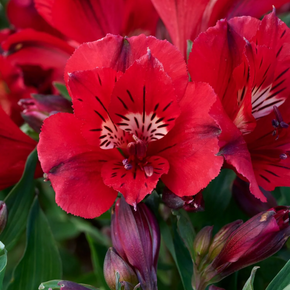
- Dramatic deep red trumpet-shaped blooms with creamy white overtones, burgundy speckles, and contrasting yellow throats bloom continuously from spring through fall — and double as exceptional long-lasting cut flowers.
- Distinctive glossy dark green foliage is neatly edged in white, giving Colorita Katiana standout ornamental appeal even when not in bloom.
- A compact, mounded, well-branched habit — reaching just 10 to 14 inches tall and spreading up to 18 to 24 inches wide — makes it ideal for garden borders, mass plantings, and patio containers alike.
- Proven pollinator magnet that draws bees, butterflies, and hummingbirds, while its mildly toxic foliage naturally deters deer and rabbits.
Alstroemeria Colorita Katiana (Alstroemeria x 'Zaprikatia'), commonly known as Peruvian Lily or Lily of the Incas, is a showstopping compact perennial bred from the celebrated Colorita series — a line of genetically dwarf Alstroemeria varieties engineered for outstanding container and garden performance. Katiana sets itself apart with richly colored, trumpet-shaped blossoms that open deep red, revealing a luminous interior of creamy white with bold burgundy speckles and a warm yellow throat. The blooms emerge on strongly branched, upright stems above a low mound of glossy, dark green foliage distinctively edged with crisp white margins, creating a striking variegated effect throughout the season. Unlike many Alstroemeria, this dwarf selection stays tidy and controlled — typically 10 to 14 inches in height with a spread of 18 to 24 inches — making it exceptionally versatile in mixed borders, mass plantings, and container arrangements. Flowering begins in spring and continues relentlessly until the first frost, providing months of vibrant color with minimal maintenance. Hardy in USDA Zones 8 through 11, Colorita Katiana thrives in the mild climates of Southern Oregon and Northern California, where it can return year after year with modest winter protection. Its long-stemmed, vase-worthy flowers remain fresh and vibrant for up to two weeks after cutting, making it a garden-to-vase favorite. Low-maintenance, pollinator-friendly, and deer-resistant, this exceptional Peruvian Lily is one of the most rewarding performers available for the modern mixed garden.
Plant Description
Colorita Katiana is a dwarf interspecific hybrid Peruvian Lily belonging to the Colorita series — a line of genetically compact Alstroemeria cultivars bred specifically for excellent performance in both garden beds and containers. The plant forms a tidy, upright-to-mounded clump of glossy, lance-shaped leaves that are dark green with a distinctive fine white edge, giving the foliage a variegated, ornamental appearance even out of bloom. From spring onward, strongly branched flower stems rise above the foliage bearing clusters of trumpet-shaped blossoms that are deep red on the outer petals, transitioning to creamy white interiors marked with bold burgundy-maroon spots and a warm yellow throat. The overall effect is tropical, jewel-like, and richly layered. Katiana's compact, controlled growth habit distinguishes it from larger, more spreading Alstroemeria types, making it well-suited for small-space gardening and container culture. It is an herbaceous perennial that grows from fleshy, tuberous rhizomes and spreads gradually to form a colony over time.
Mature Size
| Attribute | Measurement |
|---|---|
| Foliage Height | 8 to 10 inches |
| Height in Bloom | 10 to 14 inches |
| Spread | 18 to 24 inches |
| Recommended Spacing | 18 to 24 inches apart |
| Growth Habit | Compact, mounded, upright |
Hardiness Zones
Colorita Katiana is reliably hardy in USDA Plant Hardiness Zones 8 through 11, making it a strong perennial performer throughout Southern Oregon and Northern California. In Zone 8, the plant benefits from a 2 to 3 inch layer of mulch applied over the root zone before the first frost to protect the tuberous rhizomes during cold snaps. In Zones 9 through 11, it can typically be left in the ground year-round with little to no winter intervention. In colder fringe zones, growing in containers that can be moved to a sheltered location or cool garage before hard freezes is an excellent strategy for protecting plants through winter.
Sunlight Requirements
Colorita Katiana performs best in full sun to partial shade, requiring a minimum of 4 to 6 hours of direct sunlight per day for optimal flowering. In the mild coastal and valley climates of Southern Oregon and Northern California, a full-sun location — 6 to 8 hours — will reward you with the most prolific bloom production from spring through fall. In hotter inland areas where afternoon temperatures regularly exceed 90°F, a site with light afternoon shade will prevent heat stress and help the plant maintain consistent flowering through the warmest months. Avoid deep shade, which causes leggy, weak stems and dramatically reduces bloom output.
Soil and pH Preferences
Colorita Katiana thrives in rich, fertile, well-draining soil. Good drainage is non-negotiable — waterlogged or soggy conditions will quickly lead to tuberous rhizome rot and plant decline. Before planting, amend the soil with generous amounts of compost or well-rotted organic matter to improve both fertility and drainage. A slightly mounded planting area further encourages water to drain away from the root zone. The ideal soil pH range is 6.0 to 7.0 (slightly acidic to neutral). While the plant is adaptable to clay, sandy, and loam soils, any heavy clay should be amended with compost and coarse sand to open up drainage. For container planting, use a high-quality, well-draining potting mix.
Watering Guide
Colorita Katiana prefers consistently moist — but never waterlogged — soil. Water deeply and regularly during the growing season, allowing the top inch of soil to dry slightly between waterings. During hot, dry summers, more frequent watering is needed, especially for plants growing in containers, which may require daily watering in peak summer heat. Reduce watering frequency in fall as temperatures cool and the plant begins to slow its growth cycle. Always water at the base of the plant rather than overhead to minimize moisture on leaves and stems, which can invite fungal disease. A 2 to 3 inch layer of mulch around the base of the plant helps retain soil moisture, moderate soil temperature, and suppress competing weeds between waterings.
Fertilizing
Regular fertilizing supports the long bloom season that makes Colorita Katiana so impressive. Apply a balanced, slow-release granular fertilizer formulated for flowering perennials at planting time and again at the start of each growing season in early spring. Avoid fertilizers excessively high in nitrogen, as these promote lush leafy growth at the expense of flowers. For plants growing in containers, supplement with a liquid bloom-boosting fertilizer every 3 to 4 weeks throughout the active growing season, as nutrients in container media are depleted more quickly than in garden soil. An application of compost or aged organic mulch worked into the soil annually will also improve long-term soil fertility and overall plant vigor.
Pruning and Maintenance
Colorita Katiana is a low-maintenance plant that requires minimal pruning. The most important maintenance practice for maximizing blooms is the proper removal of spent flower stems. Rather than cutting stems with shears, grasp each spent stem near its base and twist-pull it firmly downward to detach it cleanly from the rhizome. This technique, preferred over cutting, stimulates the production of new flowering stems from the root system and is key to maintaining Katiana's famously long bloom season. Remove yellowed or damaged foliage as needed to keep the plant tidy and to promote good air circulation, which helps prevent fungal issues. Every 2 to 3 years, divide overcrowded clumps in early spring to rejuvenate the plant, improve air circulation, and generate new plants for other areas of the garden.
Planting Instructions
- Choose a planting site with full sun to partial shade and well-draining soil, ideally slightly elevated or mounded to encourage drainage away from the root zone.
- Prepare the soil by digging 12 to 15 inches deep and incorporating a generous amount of compost or aged organic matter.
- Dig a planting hole slightly larger than the root ball. Set the plant so the top of the root ball sits at or just slightly below the surrounding soil level.
- Space multiple plants 18 to 24 inches apart to allow adequate air circulation and room for spreading.
- Backfill the hole with the amended soil and firm gently around the base of the plant to eliminate air pockets.
- Water thoroughly immediately after planting.
- Apply a 2 to 3 inch layer of organic mulch around the planting area, keeping mulch a few inches away from the base of the stems to prevent crown rot.
- Continue regular watering until the plant is established — typically 4 to 6 weeks.
Bloom Season and Seasonal Interest
One of Colorita Katiana's most celebrated qualities is its exceptionally long bloom season. Flowering typically begins in mid to late spring and continues without interruption through summer and into fall, right up until the first frost. This makes it one of the longest-blooming perennials available for the mild-climate gardens of Southern Oregon and Northern California. The glossy white-edged foliage provides ornamental interest throughout the entire growing season, even between bloom flushes. In warmer zones where the plant is fully evergreen, it can provide year-round foliage interest. The combination of brilliant red-and-cream flowers against the dark variegated leaves creates a multi-season display that few other compact perennials can match.
Cut Flower Use
Colorita Katiana is an outstanding cut flower that rivals commercially sold florist stems in both appearance and longevity. The sturdy, well-branched stems hold multiple blooms per stem, and the flowers remain fresh and vibrant in a vase for up to two weeks — an exceptional vase life for any garden flower. To harvest, grasp the stem near its base and pull with a firm downward twist rather than cutting, which encourages the plant to produce replacement stems quickly. Once cut to your desired length, remove all foliage below the waterline and place immediately in cool, clean water. The jewel-toned red blooms with their creamy, spotted interiors pair beautifully with white, yellow, coral, and other warm-toned flowers in arrangements. They also work beautifully on their own as a bold mono-floral display.
Container Growing
Colorita Katiana is exceptionally well-suited to container growing and was specifically developed as part of the Colorita series for outstanding patio and deck performance. Choose a container at least 12 inches in diameter with adequate drainage holes. Fill with a high-quality, well-draining potting mix enriched with compost. Position the container in a full sun to partial shade location. Container plants dry out significantly faster than in-ground plants, so check soil moisture daily during warm weather and water as needed to keep the mix consistently moist. Fertilize container-grown plants every 3 to 4 weeks with a liquid bloom fertilizer throughout the growing season. In Zones 8 and colder, move containers to a cool garage or sheltered location before hard frosts to overwinter the rhizomes. Container growing also allows gardeners in marginal zones to enjoy this plant as a reliable returning perennial year after year.
Landscape Uses
The compact, tidy habit and spectacular long bloom season of Colorita Katiana make it one of the most versatile plants in the garden. Use it in the following ways:
- Front of border: Its low profile and non-invasive habit make it ideal for the front edge of perennial or mixed borders where its variegated foliage and vivid blooms can be admired up close.
- Mass planting: Planted in sweeping drifts, Katiana creates a carpet of bold red color from spring through fall — a high-impact landscape statement with low maintenance demands.
- Container and patio planting: A star performer in decorative pots, window boxes, and mixed patio planters alongside other sun-loving annuals and perennials.
- Cutting garden: A must-grow for gardeners who love arranging fresh flowers, providing a reliable source of long-lasting cut stems throughout the season.
- Pollinator garden: The nectar-rich blooms actively attract hummingbirds, butterflies, and bees, making it a valuable addition to any wildlife-friendly garden design.
Companion Plants
Colorita Katiana's rich red and cream tones pair beautifully with a wide range of companion plants. Consider the following combinations for the garden or container designs:
- Salvia (Salvia spp.): Blue and purple salvias create a stunning complementary contrast with Katiana's warm red tones while sharing similar sun and drainage preferences.
- Ornamental grasses: Fine-textured grasses such as Mexican feather grass provide airy, contrasting movement against Katiana's bold blooms and structured foliage.
- Lavender (Lavandula spp.): Shares the same well-drained soil and full sun requirements, and the silver-gray foliage highlights Katiana's deep red flowers beautifully.
- Peonies and roses: Larger-flowered companions that bloom in complementary warm tones and elevate the cutting garden appeal of Katiana.
- Agapanthus: The cool blue-violet globes of agapanthus against Katiana's hot red make a bold, sophisticated pairing in mild-climate gardens.
- Calibrachoa and petunias: For container combinations, trailing calibrachoa in coral or yellow tones spilling over the edge of a pot completes a vibrant seasonal display with Katiana as the centerpiece.
Pests and Diseases
Colorita Katiana is generally a robust and trouble-free plant when grown in the proper conditions. However, gardeners should be aware of the following potential issues:
- Aphids: Soft-bodied insects that cluster on new growth and undersides of leaves, causing distorted foliage. Treat with a strong blast of water or apply insecticidal soap spray.
- Spider mites: Most common during hot, dry spells. Look for fine webbing and stippled leaves. Improve irrigation consistency and apply insecticidal soap or neem oil as needed.
- Botrytis blight (gray mold): A fungal disease appearing as fuzzy gray-brown patches on foliage and flowers during cool, humid conditions. Prevent by spacing plants for good airflow and watering at the base. Remove and discard infected material promptly.
- Rhizoctonia root rot: Caused by soggy soil conditions. Symptoms include dry, wiry basal stems and wilting. Plant in well-draining soil and avoid overwatering to prevent this issue.
- Pythium root rot: Another fungal root disease that thrives in waterlogged soil. Symptoms include wilted leaves, blackened roots, and stunted growth. Improve drainage to prevent and treat early-stage infections.
- Mosaic viruses: Spread by aphids and thrips, causing mottled, discolored foliage. There is no cure — remove and dispose of infected plants and control insect vectors to prevent spread.
Wildlife Value and Toxicity
Colorita Katiana is a valuable addition to wildlife-friendly gardens. Its nectar-rich, tubular blooms are particularly attractive to hummingbirds, which are drawn to the bold red coloring that signals high nectar rewards. Butterflies and native bees also visit the flowers regularly, making Katiana a worthwhile addition to any pollinator garden. The plant's mildly toxic foliage provides a natural deterrent to deer and rabbits, giving it an advantage over many other flowering perennials in areas where browsing pressure is high. However, gardeners should be aware that all parts of the Alstroemeria plant are toxic to humans, dogs, and cats if ingested, and can cause skin irritation or allergic reactions upon contact. Always wear gloves when handling the plant, dividing the rhizomes, or harvesting cut stems, and keep the plant out of reach of children and pets.
Overwintering
In USDA Zones 9 through 11 — which includes much of Northern California — Colorita Katiana is a reliable evergreen to semi-evergreen perennial that requires no special winter care. The plant can be left in the ground year-round, and may even continue to bloom during mild winters. In Zone 8, including parts of Southern Oregon, apply a 2 to 3 inch layer of organic mulch over the root zone before the first hard frost to insulate the tuberous rhizomes through winter cold. Cut back any frost-damaged foliage in late winter before new growth emerges. For container-grown plants in any zone, move pots into a cool garage, shed, or sheltered area before hard freezes. Keep the soil barely moist — not wet and not fully dry — through winter dormancy. Resume regular watering and fertilizing when new growth emerges in spring.
- Dramatic deep red trumpet-shaped blooms with creamy white overtones, burgundy speckles, and contrasting yellow throats bloom continuously from spring through fall — and double as exceptional long-lasting cut flowers.
- Distinctive glossy dark green foliage is neatly edged in white, giving Colorita Katiana standout ornamental appeal even when not in bloom.
- A compact, mounded, well-branched habit — reaching just 10 to 14 inches tall and spreading up to 18 to 24 inches wide — makes it ideal for garden borders, mass plantings, and patio containers alike.
- Proven pollinator magnet that draws bees, butterflies, and hummingbirds, while its mildly toxic foliage naturally deters deer and rabbits.
Alstroemeria Colorita Katiana (Alstroemeria x 'Zaprikatia'), commonly known as Peruvian Lily or Lily of the Incas, is a showstopping compact perennial bred from the celebrated Colorita series — a line of genetically dwarf Alstroemeria varieties engineered for outstanding container and garden performance. Katiana sets itself apart with richly colored, trumpet-shaped blossoms that open deep red, revealing a luminous interior of creamy white with bold burgundy speckles and a warm yellow throat. The blooms emerge on strongly branched, upright stems above a low mound of glossy, dark green foliage distinctively edged with crisp white margins, creating a striking variegated effect throughout the season. Unlike many Alstroemeria, this dwarf selection stays tidy and controlled — typically 10 to 14 inches in height with a spread of 18 to 24 inches — making it exceptionally versatile in mixed borders, mass plantings, and container arrangements. Flowering begins in spring and continues relentlessly until the first frost, providing months of vibrant color with minimal maintenance. Hardy in USDA Zones 8 through 11, Colorita Katiana thrives in the mild climates of Southern Oregon and Northern California, where it can return year after year with modest winter protection. Its long-stemmed, vase-worthy flowers remain fresh and vibrant for up to two weeks after cutting, making it a garden-to-vase favorite. Low-maintenance, pollinator-friendly, and deer-resistant, this exceptional Peruvian Lily is one of the most rewarding performers available for the modern mixed garden.
Plant Description
Colorita Katiana is a dwarf interspecific hybrid Peruvian Lily belonging to the Colorita series — a line of genetically compact Alstroemeria cultivars bred specifically for excellent performance in both garden beds and containers. The plant forms a tidy, upright-to-mounded clump of glossy, lance-shaped leaves that are dark green with a distinctive fine white edge, giving the foliage a variegated, ornamental appearance even out of bloom. From spring onward, strongly branched flower stems rise above the foliage bearing clusters of trumpet-shaped blossoms that are deep red on the outer petals, transitioning to creamy white interiors marked with bold burgundy-maroon spots and a warm yellow throat. The overall effect is tropical, jewel-like, and richly layered. Katiana's compact, controlled growth habit distinguishes it from larger, more spreading Alstroemeria types, making it well-suited for small-space gardening and container culture. It is an herbaceous perennial that grows from fleshy, tuberous rhizomes and spreads gradually to form a colony over time.
Mature Size
| Attribute | Measurement |
|---|---|
| Foliage Height | 8 to 10 inches |
| Height in Bloom | 10 to 14 inches |
| Spread | 18 to 24 inches |
| Recommended Spacing | 18 to 24 inches apart |
| Growth Habit | Compact, mounded, upright |
Hardiness Zones
Colorita Katiana is reliably hardy in USDA Plant Hardiness Zones 8 through 11, making it a strong perennial performer throughout Southern Oregon and Northern California. In Zone 8, the plant benefits from a 2 to 3 inch layer of mulch applied over the root zone before the first frost to protect the tuberous rhizomes during cold snaps. In Zones 9 through 11, it can typically be left in the ground year-round with little to no winter intervention. In colder fringe zones, growing in containers that can be moved to a sheltered location or cool garage before hard freezes is an excellent strategy for protecting plants through winter.
Sunlight Requirements
Colorita Katiana performs best in full sun to partial shade, requiring a minimum of 4 to 6 hours of direct sunlight per day for optimal flowering. In the mild coastal and valley climates of Southern Oregon and Northern California, a full-sun location — 6 to 8 hours — will reward you with the most prolific bloom production from spring through fall. In hotter inland areas where afternoon temperatures regularly exceed 90°F, a site with light afternoon shade will prevent heat stress and help the plant maintain consistent flowering through the warmest months. Avoid deep shade, which causes leggy, weak stems and dramatically reduces bloom output.
Soil and pH Preferences
Colorita Katiana thrives in rich, fertile, well-draining soil. Good drainage is non-negotiable — waterlogged or soggy conditions will quickly lead to tuberous rhizome rot and plant decline. Before planting, amend the soil with generous amounts of compost or well-rotted organic matter to improve both fertility and drainage. A slightly mounded planting area further encourages water to drain away from the root zone. The ideal soil pH range is 6.0 to 7.0 (slightly acidic to neutral). While the plant is adaptable to clay, sandy, and loam soils, any heavy clay should be amended with compost and coarse sand to open up drainage. For container planting, use a high-quality, well-draining potting mix.
Watering Guide
Colorita Katiana prefers consistently moist — but never waterlogged — soil. Water deeply and regularly during the growing season, allowing the top inch of soil to dry slightly between waterings. During hot, dry summers, more frequent watering is needed, especially for plants growing in containers, which may require daily watering in peak summer heat. Reduce watering frequency in fall as temperatures cool and the plant begins to slow its growth cycle. Always water at the base of the plant rather than overhead to minimize moisture on leaves and stems, which can invite fungal disease. A 2 to 3 inch layer of mulch around the base of the plant helps retain soil moisture, moderate soil temperature, and suppress competing weeds between waterings.
Fertilizing
Regular fertilizing supports the long bloom season that makes Colorita Katiana so impressive. Apply a balanced, slow-release granular fertilizer formulated for flowering perennials at planting time and again at the start of each growing season in early spring. Avoid fertilizers excessively high in nitrogen, as these promote lush leafy growth at the expense of flowers. For plants growing in containers, supplement with a liquid bloom-boosting fertilizer every 3 to 4 weeks throughout the active growing season, as nutrients in container media are depleted more quickly than in garden soil. An application of compost or aged organic mulch worked into the soil annually will also improve long-term soil fertility and overall plant vigor.
Pruning and Maintenance
Colorita Katiana is a low-maintenance plant that requires minimal pruning. The most important maintenance practice for maximizing blooms is the proper removal of spent flower stems. Rather than cutting stems with shears, grasp each spent stem near its base and twist-pull it firmly downward to detach it cleanly from the rhizome. This technique, preferred over cutting, stimulates the production of new flowering stems from the root system and is key to maintaining Katiana's famously long bloom season. Remove yellowed or damaged foliage as needed to keep the plant tidy and to promote good air circulation, which helps prevent fungal issues. Every 2 to 3 years, divide overcrowded clumps in early spring to rejuvenate the plant, improve air circulation, and generate new plants for other areas of the garden.
Planting Instructions
- Choose a planting site with full sun to partial shade and well-draining soil, ideally slightly elevated or mounded to encourage drainage away from the root zone.
- Prepare the soil by digging 12 to 15 inches deep and incorporating a generous amount of compost or aged organic matter.
- Dig a planting hole slightly larger than the root ball. Set the plant so the top of the root ball sits at or just slightly below the surrounding soil level.
- Space multiple plants 18 to 24 inches apart to allow adequate air circulation and room for spreading.
- Backfill the hole with the amended soil and firm gently around the base of the plant to eliminate air pockets.
- Water thoroughly immediately after planting.
- Apply a 2 to 3 inch layer of organic mulch around the planting area, keeping mulch a few inches away from the base of the stems to prevent crown rot.
- Continue regular watering until the plant is established — typically 4 to 6 weeks.
Bloom Season and Seasonal Interest
One of Colorita Katiana's most celebrated qualities is its exceptionally long bloom season. Flowering typically begins in mid to late spring and continues without interruption through summer and into fall, right up until the first frost. This makes it one of the longest-blooming perennials available for the mild-climate gardens of Southern Oregon and Northern California. The glossy white-edged foliage provides ornamental interest throughout the entire growing season, even between bloom flushes. In warmer zones where the plant is fully evergreen, it can provide year-round foliage interest. The combination of brilliant red-and-cream flowers against the dark variegated leaves creates a multi-season display that few other compact perennials can match.
Cut Flower Use
Colorita Katiana is an outstanding cut flower that rivals commercially sold florist stems in both appearance and longevity. The sturdy, well-branched stems hold multiple blooms per stem, and the flowers remain fresh and vibrant in a vase for up to two weeks — an exceptional vase life for any garden flower. To harvest, grasp the stem near its base and pull with a firm downward twist rather than cutting, which encourages the plant to produce replacement stems quickly. Once cut to your desired length, remove all foliage below the waterline and place immediately in cool, clean water. The jewel-toned red blooms with their creamy, spotted interiors pair beautifully with white, yellow, coral, and other warm-toned flowers in arrangements. They also work beautifully on their own as a bold mono-floral display.
Container Growing
Colorita Katiana is exceptionally well-suited to container growing and was specifically developed as part of the Colorita series for outstanding patio and deck performance. Choose a container at least 12 inches in diameter with adequate drainage holes. Fill with a high-quality, well-draining potting mix enriched with compost. Position the container in a full sun to partial shade location. Container plants dry out significantly faster than in-ground plants, so check soil moisture daily during warm weather and water as needed to keep the mix consistently moist. Fertilize container-grown plants every 3 to 4 weeks with a liquid bloom fertilizer throughout the growing season. In Zones 8 and colder, move containers to a cool garage or sheltered location before hard frosts to overwinter the rhizomes. Container growing also allows gardeners in marginal zones to enjoy this plant as a reliable returning perennial year after year.
Landscape Uses
The compact, tidy habit and spectacular long bloom season of Colorita Katiana make it one of the most versatile plants in the garden. Use it in the following ways:
- Front of border: Its low profile and non-invasive habit make it ideal for the front edge of perennial or mixed borders where its variegated foliage and vivid blooms can be admired up close.
- Mass planting: Planted in sweeping drifts, Katiana creates a carpet of bold red color from spring through fall — a high-impact landscape statement with low maintenance demands.
- Container and patio planting: A star performer in decorative pots, window boxes, and mixed patio planters alongside other sun-loving annuals and perennials.
- Cutting garden: A must-grow for gardeners who love arranging fresh flowers, providing a reliable source of long-lasting cut stems throughout the season.
- Pollinator garden: The nectar-rich blooms actively attract hummingbirds, butterflies, and bees, making it a valuable addition to any wildlife-friendly garden design.
Companion Plants
Colorita Katiana's rich red and cream tones pair beautifully with a wide range of companion plants. Consider the following combinations for the garden or container designs:
- Salvia (Salvia spp.): Blue and purple salvias create a stunning complementary contrast with Katiana's warm red tones while sharing similar sun and drainage preferences.
- Ornamental grasses: Fine-textured grasses such as Mexican feather grass provide airy, contrasting movement against Katiana's bold blooms and structured foliage.
- Lavender (Lavandula spp.): Shares the same well-drained soil and full sun requirements, and the silver-gray foliage highlights Katiana's deep red flowers beautifully.
- Peonies and roses: Larger-flowered companions that bloom in complementary warm tones and elevate the cutting garden appeal of Katiana.
- Agapanthus: The cool blue-violet globes of agapanthus against Katiana's hot red make a bold, sophisticated pairing in mild-climate gardens.
- Calibrachoa and petunias: For container combinations, trailing calibrachoa in coral or yellow tones spilling over the edge of a pot completes a vibrant seasonal display with Katiana as the centerpiece.
Pests and Diseases
Colorita Katiana is generally a robust and trouble-free plant when grown in the proper conditions. However, gardeners should be aware of the following potential issues:
- Aphids: Soft-bodied insects that cluster on new growth and undersides of leaves, causing distorted foliage. Treat with a strong blast of water or apply insecticidal soap spray.
- Spider mites: Most common during hot, dry spells. Look for fine webbing and stippled leaves. Improve irrigation consistency and apply insecticidal soap or neem oil as needed.
- Botrytis blight (gray mold): A fungal disease appearing as fuzzy gray-brown patches on foliage and flowers during cool, humid conditions. Prevent by spacing plants for good airflow and watering at the base. Remove and discard infected material promptly.
- Rhizoctonia root rot: Caused by soggy soil conditions. Symptoms include dry, wiry basal stems and wilting. Plant in well-draining soil and avoid overwatering to prevent this issue.
- Pythium root rot: Another fungal root disease that thrives in waterlogged soil. Symptoms include wilted leaves, blackened roots, and stunted growth. Improve drainage to prevent and treat early-stage infections.
- Mosaic viruses: Spread by aphids and thrips, causing mottled, discolored foliage. There is no cure — remove and dispose of infected plants and control insect vectors to prevent spread.
Wildlife Value and Toxicity
Colorita Katiana is a valuable addition to wildlife-friendly gardens. Its nectar-rich, tubular blooms are particularly attractive to hummingbirds, which are drawn to the bold red coloring that signals high nectar rewards. Butterflies and native bees also visit the flowers regularly, making Katiana a worthwhile addition to any pollinator garden. The plant's mildly toxic foliage provides a natural deterrent to deer and rabbits, giving it an advantage over many other flowering perennials in areas where browsing pressure is high. However, gardeners should be aware that all parts of the Alstroemeria plant are toxic to humans, dogs, and cats if ingested, and can cause skin irritation or allergic reactions upon contact. Always wear gloves when handling the plant, dividing the rhizomes, or harvesting cut stems, and keep the plant out of reach of children and pets.
Overwintering
In USDA Zones 9 through 11 — which includes much of Northern California — Colorita Katiana is a reliable evergreen to semi-evergreen perennial that requires no special winter care. The plant can be left in the ground year-round, and may even continue to bloom during mild winters. In Zone 8, including parts of Southern Oregon, apply a 2 to 3 inch layer of organic mulch over the root zone before the first hard frost to insulate the tuberous rhizomes through winter cold. Cut back any frost-damaged foliage in late winter before new growth emerges. For container-grown plants in any zone, move pots into a cool garage, shed, or sheltered area before hard freezes. Keep the soil barely moist — not wet and not fully dry — through winter dormancy. Resume regular watering and fertilizing when new growth emerges in spring.