

Zoom the image with the mouse
Colorita Kate Peruvian Lily - 2 Gallon
SKU:
2055700
$32.99
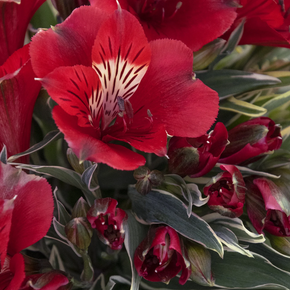
- Brilliant cherry-red blooms with a sunny yellow throat and burgundy striping light up the garden from late spring through the first frost, providing months of virtually non-stop color.
- Compact, mounding habit stays a tidy 12-18 inches tall, making it ideal for front-of-border plantings, mixed patio containers, window boxes, and cutting gardens without any staking required.
- Exceptional cut flower with a vase life of up to two weeks - simply pull spent stems from the base to trigger fresh flowering shoots and keep the show going all season long.
- A pollinator magnet that draws bees, butterflies, and hummingbirds, while its semi-toxic foliage naturally deters deer and rabbits from browsing.
Colorita Kate Peruvian Lily (Alstroemeria x 'Zaprikate', PP #25,214) is a show-stopping compact perennial from the acclaimed Colorita series, bred specifically for its extraordinary heat-season performance, dense mounding habit, and prolific bloom production from late spring all the way to the first hard frost. Each elegantly trumpet-shaped, 2-inch blossom bursts in saturated cherry-red tones, accented by a vivid yellow throat and fine burgundy stripes on the inner petals - a combination that delivers bold, jewel-toned color both in the landscape and in fresh-cut arrangements. Growing just 12 to 18 inches tall and wide, this genetically compact Peruvian lily fits effortlessly into mixed container designs, window boxes, and front-of-border beds, maintaining a self-supporting, rounded silhouette all season without the need for staking. Its glossy, rich green foliage features the botanical curiosity of resupinate leaves - each leaf twisting 180 degrees as it unfurls so the underside catches light from above - adding textural interest even between bloom flushes. Hardy in USDA Zones 7a through 10b, Colorita Kate thrives in the mild summers and winters of Southern Oregon and Northern California, returning reliably year after year when given well-drained soil and consistent moisture. Its long vase life of up to two weeks makes it one of the finest garden-to-vase flowers available, and its nectar-rich flowers are a proven draw for bees, butterflies, and hummingbirds, bringing vibrant wildlife activity to any sunny garden space.
Plant Description
Colorita Kate is a hybrid Peruvian lily belonging to the Alstroemeriaceae family - not a true lily, despite its common name and lily-like blossoms. It grows from fleshy underground rhizomes and forms a neat, rounded mound of glossy green stems that rise upright without flopping. The flowers are trumpet-shaped, up to 2 inches across, and emerge in clusters at the tips of sturdy stems. Each cherry-red petal is detailed with a bright yellow throat and delicate burgundy freckling on the inner petals, giving each bloom a sophisticated, almost orchid-like appearance. A fun botanical detail: Alstroemeria leaves are resupinate, meaning they twist 180 degrees from their base as they develop, so the leaf undersides face upward and catch light in a subtle, silvery sheen. The plant carries U.S. Plant Patent PP25,214 and was bred by Royal Van Zanten in the Netherlands as part of the compact, garden- and container-focused Colorita series.
Mature Size
| Attribute | Measurement |
|---|---|
| Height | 12 - 18 inches |
| Spread | 12 - 24 inches |
| Recommended Spacing | 12 - 18 inches apart |
| Growth Rate | Moderate; forms a fuller cushion of stems each season as rhizomes expand |
| Habit | Compact, rounded, self-supporting mound |
Hardiness Zones and Climate
Colorita Kate is rated for USDA Hardiness Zones 7a through 10b, making it an excellent long-lived perennial across most of Southern Oregon and Northern California. In Zone 7, apply a 3 to 4 inch layer of organic mulch over the crown after the first hard frost to insulate the rhizomes through winter cold snaps. In Zones 8 through 10, the plant is reliably perennial and will return each spring with minimal protection. During the hottest interior summers, providing light afternoon shade helps extend the bloom season and prevents petal scorch. In coastal and maritime climates, it tolerates mild salt spray and thrives with the naturally moderate temperatures. In very cold regions outside its hardiness range, Colorita Kate can be grown in containers and overwintered indoors in a frost-free space at 35 to 45°F with minimal watering.
Sunlight Requirements
Colorita Kate performs best in full sun to partial shade, requiring a minimum of 4 to 6 hours of direct sunlight per day to bloom well. In cooler coastal climates and mild inland valleys, a full-sun location (6 to 8 hours) maximizes flower production and keeps the mound compact and dense. In hotter interior locations with summer temperatures regularly exceeding 90°F, morning sun with dappled or light afternoon shade is ideal - this prevents petal scorch and keeps flowering going strong through midsummer when many perennials take a break. Avoid deep, dense shade, as insufficient light results in sparse, leggy growth and dramatically reduced bloom.
Soil and pH Preferences
This Peruvian lily thrives in fertile, loose, well-draining soil enriched with organic matter. It does not tolerate standing water or saturated soil, which can quickly cause the fleshy rhizomes to rot. At planting, work in generous amounts of compost to improve both drainage and nutrient availability. The ideal soil pH range is 6.0 to 7.0 (slightly acidic to neutral). In heavy clay soils, incorporate coarse grit or perlite along with compost to open the structure and improve drainage. In fast-draining sandy soils, add extra compost to improve water and nutrient retention. Raised beds and berms work especially well in areas with naturally poor drainage.
Watering Guide
Consistent, even moisture is the key to keeping Colorita Kate blooming vigorously from late spring through fall. Water deeply and then allow the top 1 inch of soil to dry slightly before watering again - this encourages the roots to grow deep and strong. During the establishment period (the first 4 to 6 weeks after planting), water once or twice per week, delivering a thorough soak each time rather than frequent shallow sprinkles. During midsummer heat spells, check soil moisture more frequently, particularly for container-grown plants, which dry out much faster than in-ground plantings. Always water at the base of the plant in the morning to keep foliage dry and reduce the risk of fungal issues. Once established, this plant can handle brief dry spells but will bloom most freely with regular irrigation. Avoid overwatering - soggy soil is the primary cause of rhizome rot and plant decline.
Fertilizing
Colorita Kate benefits from consistent feeding throughout the growing season to sustain its prolific bloom habit. Follow these guidelines for best results:
- At planting: Incorporate 1 to 2 cups of compost per planting hole to give the rhizomes a nutrient-rich start.
- Spring: Apply a balanced, slow-release granular fertilizer formulated for flowering perennials at the manufacturer's recommended rate. This feeds plants steadily through early summer.
- Through peak bloom: Supplement with a water-soluble, higher-potassium liquid fertilizer (such as a tomato or bloom booster formula) every 10 to 14 days for container-grown plants, or every 2 to 3 weeks for in-ground plants. Potassium supports strong bud development and vivid flower color.
- Avoid: High-nitrogen fertilizers, which push lush leafy growth at the expense of flowers.
- Late summer/fall: Reduce feeding frequency as temperatures cool and the plant begins winding down for the season.
Pruning and Maintenance
Colorita Kate is a low-maintenance perennial, but a simple grooming technique dramatically extends its bloom season. Rather than snipping off individual spent flower heads with scissors or shears, grasp each spent stem near its base and give it a firm, gentle upward tug to pull the entire stem free from the crown. This "pull, don't snip" method signals the plant to produce fresh new flowering shoots from the base rhizomes, keeping the display going for months. In spring, before new growth pushes up, clear away any remaining old or winter-damaged stems. Divide crowded clumps every 2 to 3 years in early spring to maintain vigor and encourage the best flowering. Note: Because this cultivar is protected by a U.S. plant patent, divisions are for personal garden use only and may not be propagated for resale.
Planting Instructions
- Choose a location with appropriate sun exposure and well-draining soil. Avoid low spots where water collects after rain.
- Dig a planting hole slightly wider than the root ball and at the same depth. Do not plant too deeply - the top of the root ball should sit level with or just slightly below the surrounding soil surface.
- Gently remove the plant from its container without disturbing the roots, as Alstroemeria roots are fleshy and brittle - rough handling can set back establishment significantly.
- Place the plant in the hole without spreading or pulling apart the root mass. Backfill with the native soil blended with compost.
- Firm the soil gently around the base to eliminate air pockets, then water deeply to settle the soil around the rhizomes. Top off with additional soil if settling occurs.
- Apply a 2 to 3 inch layer of organic mulch around the plant, keeping it a few inches away from the crown, to conserve moisture and moderate soil temperature.
- Space multiple plants 12 to 18 inches apart. A trio planted at this spacing will grow together into one lush, continuous cushion of color by midsummer.
- Plant in spring after the last frost date, or in fall in mild-winter climates (Zones 8 to 10).
Container Growing
Colorita Kate is one of the best Peruvian lilies for container culture, and its compact habit makes it an ideal "filler" or focal point in mixed patio pots, window boxes, and decorative urns. Choose a container at least 12 to 14 inches wide and deep with large drainage holes - waterlogged roots in a container will quickly cause decline. Use a premium, well-draining potting mix blended with 10 to 20 percent perlite for added aeration. Water containers whenever the top inch of soil feels dry, as pots dry out significantly faster than in-ground plantings, especially during hot summer weather. Feed container plants with a balanced liquid fertilizer every 10 to 14 days through the bloom season, or use a slow-release granular fertilizer at planting combined with monthly liquid feeding. Rotate containers a quarter turn every two weeks for even, symmetrical growth. In climates colder than Zone 7, move containers to a frost-free garage or cool indoor space (35 to 45°F) before the first hard frost. Water sparingly over winter - just enough to prevent the soil from completely drying out - then resume normal care when moved back outdoors in spring.
Seasonal Interest
| Season | What to Expect |
|---|---|
| Spring | Fresh green shoots emerge from the crown; tight flower buds begin rising above the foliage by late spring. Apply slow-release fertilizer and refresh mulch. |
| Early Summer | First flush of vivid cherry-red blooms opens in clusters. Begin liquid feeding for containers. Pull spent stems from the base to trigger new shoots. |
| Midsummer | Continuous waves of bloom; at peak ornamental display. In hot interior climates, afternoon shade helps sustain flowering. Glossy foliage remains attractive. |
| Late Summer/Fall | Flowering continues reliably until the first frost, often outlasting many other summer perennials. Reduce liquid feeding as nights cool. |
| Winter (Zones 8-10) | Plant rests but often retains some green foliage in mild climates. In Zone 7, mulch crowns for protection. |
Landscape Uses
Colorita Kate's compact, mounding habit and months-long color make it one of the most versatile perennials for a wide range of garden applications in Southern Oregon and Northern California:
- Front-of-border accent: Plant in drifts of three or five for a low ribbon of intense red that anchors and defines garden edges.
- Mixed patio containers: Use as the "filler" component in the thriller-filler-spiller formula alongside tall ornamental grasses, cannas, or dahlias, with trailing calibrachoa or bacopa at the edges.
- Cutting garden: Plant in dedicated rows for a steady harvest of long-lasting stems throughout summer and fall.
- Cottage and informal garden borders: Pairs beautifully with soft-textured perennials for a relaxed, romantic look.
- Pollinator garden: Its nectar-rich flowers are a reliable draw for bees, butterflies, and hummingbirds from early summer through fall.
- Window boxes: Its neat, self-supporting habit fills window boxes and troughs without sprawling over the edges.
- Mediterranean-style gardens: Thrives alongside lavender, salvia, and ornamental grasses in low-water, well-drained plantings.
Companion Plants
Colorita Kate pairs beautifully with a wide range of perennials, annuals, and shrubs. Consider these combinations to complement or contrast its bold cherry-red blooms and compact mounding habit:
- Cool contrast: Blue or purple catmint (Nepeta), lavender (Lavandula), salvia, scabiosa, and agapanthus create a striking cool-to-warm color pairing.
- Warm harmony: Golden yarrow (Achillea), orange or apricot daylilies (Hemerocallis), coral crocosmia, and tangerine calibrachoa echo and amplify the warmth of the red blooms.
- Foliage contrast: Silver-leaved plants like dusty miller (Senecio cineraria), artemisia, or stachys provide a luminous backdrop that makes the red flowers pop.
- Pollinator gardens: Pair with Gaura, aster, Echinacea, and agastache to create a multi-season pollinator-friendly border.
- Container companions: Works beautifully alongside trailing calibrachoa, bacopa, or verbena with an upright ornamental grass or canna as the thriller element.
- Classic combinations: Roses, peonies, and bearded iris share similar soil and sunlight preferences and create an elegant mixed-border pairing.
Pests and Diseases
Colorita Kate is generally a healthy, low-maintenance perennial, but watch for the following occasional issues:
- Aphids: May cluster on tender new shoots in spring. Dislodge with a firm spray of water or apply insecticidal soap. Reduce plant stress through consistent watering to discourage infestations.
- Thrips: Can mar petals during hot, dry periods, causing silvery streaking or distortion. Improve air circulation, maintain consistent soil moisture, and use yellow or blue sticky monitoring traps. Treat heavy infestations with insecticidal soap or spinosad.
- Spider mites: Most common during drought stress or in hot, dry conditions. Keep plants well-watered and treat with insecticidal soap or neem oil if detected.
- Slugs and snails: May chew young leaves, especially in moist conditions. Reduce excess mulch near the crown, hand-pick at dusk, or apply an iron phosphate bait.
- Botrytis blight (gray mold): A fungal disease favored by warm, humid conditions with poor air circulation. Space plants adequately, water at the base in the morning, and remove affected plant debris promptly.
- Root rot (Rhizoctonia, Pythium): Caused exclusively by waterlogged or poorly drained soil. Ensure sharp drainage and never allow the root zone to remain saturated. This is the single most preventable issue with Peruvian lilies.
- Mosaic viruses: Spread by aphids and thrips; symptoms include mosaic patterning or unusual spotting on leaves. Infected plants should be removed and disposed of, as there is no cure. Controlling aphid and thrip populations is the best prevention.
Wildlife Value
Colorita Kate is a valuable addition to pollinator-friendly gardens. Its trumpet-shaped flowers with their prominent yellow throat and nectar guides are highly attractive to a range of beneficial wildlife:
- Hummingbirds: The tubular shape and red coloring of the blooms are a natural beacon for hummingbirds, which are active pollinators in Southern Oregon and Northern California throughout the summer months.
- Bees: Both honeybees and native bumblebees forage actively on the nectar-rich flowers, supporting garden and orchard pollination.
- Butterflies: Various butterfly species, including swallowtails and skippers, visit the blooms regularly through summer and fall.
- Deer and rabbit resistance: The semi-toxic foliage of Alstroemeria is generally avoided by deer, rabbits, and most browsing mammals, making Colorita Kate a reliable choice for gardens in areas with heavy wildlife pressure.
Cut Flower Harvesting and Vase Life
One of Colorita Kate's standout qualities is its exceptional performance as a cut flower, with a vase life of up to two weeks - far outlasting most home garden blooms. Follow these tips to get the most from your harvest:
- Harvest in the early morning when stems are well-hydrated and temperatures are cool.
- Select stems that have at least one fully open bloom with several remaining buds showing color - these will continue to open in the vase, extending the display.
- Rather than cutting stems with shears at a random point, grasp each stem low and pull upward with a firm, gentle tug to remove it at the base. This "pulling" technique also stimulates the plant to produce fresh flowering shoots for continued garden display.
- Immediately place harvested stems in a bucket of cool, clean water.
- Before arranging, strip all foliage that will sit below the waterline and trim the stem end at an angle with clean shears.
- Add a floral preservative to the vase water and change the water every two to three days.
- Display in a cool room away from direct heat, drafts, and ripening fruit for the longest possible vase life.
- A note of caution: wear gloves when handling cut stems, as Alstroemeria sap can cause contact dermatitis in individuals with sensitive skin.
Toxicity and Safety
Colorita Kate Peruvian lily is not a true lily and does not carry the severe kidney toxicity risk associated with true lilies (Lilium) and daylilies (Hemerocallis) in cats. According to the ASPCA, Alstroemeria is not considered highly toxic to cats, dogs, or horses. However, ingestion of the plant material may still cause mild gastrointestinal upset (vomiting, diarrhea) in pets and children, so it is best to discourage nibbling. The sap of Alstroemeria is known to cause contact dermatitis - skin irritation, redness, or rash - in sensitive individuals. Always wear gardening gloves when pruning, dividing, or harvesting stems, and wash hands thoroughly after handling the plant. Keep cut flower arrangements out of reach of curious pets and children as a standard precaution.
- Brilliant cherry-red blooms with a sunny yellow throat and burgundy striping light up the garden from late spring through the first frost, providing months of virtually non-stop color.
- Compact, mounding habit stays a tidy 12-18 inches tall, making it ideal for front-of-border plantings, mixed patio containers, window boxes, and cutting gardens without any staking required.
- Exceptional cut flower with a vase life of up to two weeks - simply pull spent stems from the base to trigger fresh flowering shoots and keep the show going all season long.
- A pollinator magnet that draws bees, butterflies, and hummingbirds, while its semi-toxic foliage naturally deters deer and rabbits from browsing.
Colorita Kate Peruvian Lily (Alstroemeria x 'Zaprikate', PP #25,214) is a show-stopping compact perennial from the acclaimed Colorita series, bred specifically for its extraordinary heat-season performance, dense mounding habit, and prolific bloom production from late spring all the way to the first hard frost. Each elegantly trumpet-shaped, 2-inch blossom bursts in saturated cherry-red tones, accented by a vivid yellow throat and fine burgundy stripes on the inner petals - a combination that delivers bold, jewel-toned color both in the landscape and in fresh-cut arrangements. Growing just 12 to 18 inches tall and wide, this genetically compact Peruvian lily fits effortlessly into mixed container designs, window boxes, and front-of-border beds, maintaining a self-supporting, rounded silhouette all season without the need for staking. Its glossy, rich green foliage features the botanical curiosity of resupinate leaves - each leaf twisting 180 degrees as it unfurls so the underside catches light from above - adding textural interest even between bloom flushes. Hardy in USDA Zones 7a through 10b, Colorita Kate thrives in the mild summers and winters of Southern Oregon and Northern California, returning reliably year after year when given well-drained soil and consistent moisture. Its long vase life of up to two weeks makes it one of the finest garden-to-vase flowers available, and its nectar-rich flowers are a proven draw for bees, butterflies, and hummingbirds, bringing vibrant wildlife activity to any sunny garden space.
Plant Description
Colorita Kate is a hybrid Peruvian lily belonging to the Alstroemeriaceae family - not a true lily, despite its common name and lily-like blossoms. It grows from fleshy underground rhizomes and forms a neat, rounded mound of glossy green stems that rise upright without flopping. The flowers are trumpet-shaped, up to 2 inches across, and emerge in clusters at the tips of sturdy stems. Each cherry-red petal is detailed with a bright yellow throat and delicate burgundy freckling on the inner petals, giving each bloom a sophisticated, almost orchid-like appearance. A fun botanical detail: Alstroemeria leaves are resupinate, meaning they twist 180 degrees from their base as they develop, so the leaf undersides face upward and catch light in a subtle, silvery sheen. The plant carries U.S. Plant Patent PP25,214 and was bred by Royal Van Zanten in the Netherlands as part of the compact, garden- and container-focused Colorita series.
Mature Size
| Attribute | Measurement |
|---|---|
| Height | 12 - 18 inches |
| Spread | 12 - 24 inches |
| Recommended Spacing | 12 - 18 inches apart |
| Growth Rate | Moderate; forms a fuller cushion of stems each season as rhizomes expand |
| Habit | Compact, rounded, self-supporting mound |
Hardiness Zones and Climate
Colorita Kate is rated for USDA Hardiness Zones 7a through 10b, making it an excellent long-lived perennial across most of Southern Oregon and Northern California. In Zone 7, apply a 3 to 4 inch layer of organic mulch over the crown after the first hard frost to insulate the rhizomes through winter cold snaps. In Zones 8 through 10, the plant is reliably perennial and will return each spring with minimal protection. During the hottest interior summers, providing light afternoon shade helps extend the bloom season and prevents petal scorch. In coastal and maritime climates, it tolerates mild salt spray and thrives with the naturally moderate temperatures. In very cold regions outside its hardiness range, Colorita Kate can be grown in containers and overwintered indoors in a frost-free space at 35 to 45°F with minimal watering.
Sunlight Requirements
Colorita Kate performs best in full sun to partial shade, requiring a minimum of 4 to 6 hours of direct sunlight per day to bloom well. In cooler coastal climates and mild inland valleys, a full-sun location (6 to 8 hours) maximizes flower production and keeps the mound compact and dense. In hotter interior locations with summer temperatures regularly exceeding 90°F, morning sun with dappled or light afternoon shade is ideal - this prevents petal scorch and keeps flowering going strong through midsummer when many perennials take a break. Avoid deep, dense shade, as insufficient light results in sparse, leggy growth and dramatically reduced bloom.
Soil and pH Preferences
This Peruvian lily thrives in fertile, loose, well-draining soil enriched with organic matter. It does not tolerate standing water or saturated soil, which can quickly cause the fleshy rhizomes to rot. At planting, work in generous amounts of compost to improve both drainage and nutrient availability. The ideal soil pH range is 6.0 to 7.0 (slightly acidic to neutral). In heavy clay soils, incorporate coarse grit or perlite along with compost to open the structure and improve drainage. In fast-draining sandy soils, add extra compost to improve water and nutrient retention. Raised beds and berms work especially well in areas with naturally poor drainage.
Watering Guide
Consistent, even moisture is the key to keeping Colorita Kate blooming vigorously from late spring through fall. Water deeply and then allow the top 1 inch of soil to dry slightly before watering again - this encourages the roots to grow deep and strong. During the establishment period (the first 4 to 6 weeks after planting), water once or twice per week, delivering a thorough soak each time rather than frequent shallow sprinkles. During midsummer heat spells, check soil moisture more frequently, particularly for container-grown plants, which dry out much faster than in-ground plantings. Always water at the base of the plant in the morning to keep foliage dry and reduce the risk of fungal issues. Once established, this plant can handle brief dry spells but will bloom most freely with regular irrigation. Avoid overwatering - soggy soil is the primary cause of rhizome rot and plant decline.
Fertilizing
Colorita Kate benefits from consistent feeding throughout the growing season to sustain its prolific bloom habit. Follow these guidelines for best results:
- At planting: Incorporate 1 to 2 cups of compost per planting hole to give the rhizomes a nutrient-rich start.
- Spring: Apply a balanced, slow-release granular fertilizer formulated for flowering perennials at the manufacturer's recommended rate. This feeds plants steadily through early summer.
- Through peak bloom: Supplement with a water-soluble, higher-potassium liquid fertilizer (such as a tomato or bloom booster formula) every 10 to 14 days for container-grown plants, or every 2 to 3 weeks for in-ground plants. Potassium supports strong bud development and vivid flower color.
- Avoid: High-nitrogen fertilizers, which push lush leafy growth at the expense of flowers.
- Late summer/fall: Reduce feeding frequency as temperatures cool and the plant begins winding down for the season.
Pruning and Maintenance
Colorita Kate is a low-maintenance perennial, but a simple grooming technique dramatically extends its bloom season. Rather than snipping off individual spent flower heads with scissors or shears, grasp each spent stem near its base and give it a firm, gentle upward tug to pull the entire stem free from the crown. This "pull, don't snip" method signals the plant to produce fresh new flowering shoots from the base rhizomes, keeping the display going for months. In spring, before new growth pushes up, clear away any remaining old or winter-damaged stems. Divide crowded clumps every 2 to 3 years in early spring to maintain vigor and encourage the best flowering. Note: Because this cultivar is protected by a U.S. plant patent, divisions are for personal garden use only and may not be propagated for resale.
Planting Instructions
- Choose a location with appropriate sun exposure and well-draining soil. Avoid low spots where water collects after rain.
- Dig a planting hole slightly wider than the root ball and at the same depth. Do not plant too deeply - the top of the root ball should sit level with or just slightly below the surrounding soil surface.
- Gently remove the plant from its container without disturbing the roots, as Alstroemeria roots are fleshy and brittle - rough handling can set back establishment significantly.
- Place the plant in the hole without spreading or pulling apart the root mass. Backfill with the native soil blended with compost.
- Firm the soil gently around the base to eliminate air pockets, then water deeply to settle the soil around the rhizomes. Top off with additional soil if settling occurs.
- Apply a 2 to 3 inch layer of organic mulch around the plant, keeping it a few inches away from the crown, to conserve moisture and moderate soil temperature.
- Space multiple plants 12 to 18 inches apart. A trio planted at this spacing will grow together into one lush, continuous cushion of color by midsummer.
- Plant in spring after the last frost date, or in fall in mild-winter climates (Zones 8 to 10).
Container Growing
Colorita Kate is one of the best Peruvian lilies for container culture, and its compact habit makes it an ideal "filler" or focal point in mixed patio pots, window boxes, and decorative urns. Choose a container at least 12 to 14 inches wide and deep with large drainage holes - waterlogged roots in a container will quickly cause decline. Use a premium, well-draining potting mix blended with 10 to 20 percent perlite for added aeration. Water containers whenever the top inch of soil feels dry, as pots dry out significantly faster than in-ground plantings, especially during hot summer weather. Feed container plants with a balanced liquid fertilizer every 10 to 14 days through the bloom season, or use a slow-release granular fertilizer at planting combined with monthly liquid feeding. Rotate containers a quarter turn every two weeks for even, symmetrical growth. In climates colder than Zone 7, move containers to a frost-free garage or cool indoor space (35 to 45°F) before the first hard frost. Water sparingly over winter - just enough to prevent the soil from completely drying out - then resume normal care when moved back outdoors in spring.
Seasonal Interest
| Season | What to Expect |
|---|---|
| Spring | Fresh green shoots emerge from the crown; tight flower buds begin rising above the foliage by late spring. Apply slow-release fertilizer and refresh mulch. |
| Early Summer | First flush of vivid cherry-red blooms opens in clusters. Begin liquid feeding for containers. Pull spent stems from the base to trigger new shoots. |
| Midsummer | Continuous waves of bloom; at peak ornamental display. In hot interior climates, afternoon shade helps sustain flowering. Glossy foliage remains attractive. |
| Late Summer/Fall | Flowering continues reliably until the first frost, often outlasting many other summer perennials. Reduce liquid feeding as nights cool. |
| Winter (Zones 8-10) | Plant rests but often retains some green foliage in mild climates. In Zone 7, mulch crowns for protection. |
Landscape Uses
Colorita Kate's compact, mounding habit and months-long color make it one of the most versatile perennials for a wide range of garden applications in Southern Oregon and Northern California:
- Front-of-border accent: Plant in drifts of three or five for a low ribbon of intense red that anchors and defines garden edges.
- Mixed patio containers: Use as the "filler" component in the thriller-filler-spiller formula alongside tall ornamental grasses, cannas, or dahlias, with trailing calibrachoa or bacopa at the edges.
- Cutting garden: Plant in dedicated rows for a steady harvest of long-lasting stems throughout summer and fall.
- Cottage and informal garden borders: Pairs beautifully with soft-textured perennials for a relaxed, romantic look.
- Pollinator garden: Its nectar-rich flowers are a reliable draw for bees, butterflies, and hummingbirds from early summer through fall.
- Window boxes: Its neat, self-supporting habit fills window boxes and troughs without sprawling over the edges.
- Mediterranean-style gardens: Thrives alongside lavender, salvia, and ornamental grasses in low-water, well-drained plantings.
Companion Plants
Colorita Kate pairs beautifully with a wide range of perennials, annuals, and shrubs. Consider these combinations to complement or contrast its bold cherry-red blooms and compact mounding habit:
- Cool contrast: Blue or purple catmint (Nepeta), lavender (Lavandula), salvia, scabiosa, and agapanthus create a striking cool-to-warm color pairing.
- Warm harmony: Golden yarrow (Achillea), orange or apricot daylilies (Hemerocallis), coral crocosmia, and tangerine calibrachoa echo and amplify the warmth of the red blooms.
- Foliage contrast: Silver-leaved plants like dusty miller (Senecio cineraria), artemisia, or stachys provide a luminous backdrop that makes the red flowers pop.
- Pollinator gardens: Pair with Gaura, aster, Echinacea, and agastache to create a multi-season pollinator-friendly border.
- Container companions: Works beautifully alongside trailing calibrachoa, bacopa, or verbena with an upright ornamental grass or canna as the thriller element.
- Classic combinations: Roses, peonies, and bearded iris share similar soil and sunlight preferences and create an elegant mixed-border pairing.
Pests and Diseases
Colorita Kate is generally a healthy, low-maintenance perennial, but watch for the following occasional issues:
- Aphids: May cluster on tender new shoots in spring. Dislodge with a firm spray of water or apply insecticidal soap. Reduce plant stress through consistent watering to discourage infestations.
- Thrips: Can mar petals during hot, dry periods, causing silvery streaking or distortion. Improve air circulation, maintain consistent soil moisture, and use yellow or blue sticky monitoring traps. Treat heavy infestations with insecticidal soap or spinosad.
- Spider mites: Most common during drought stress or in hot, dry conditions. Keep plants well-watered and treat with insecticidal soap or neem oil if detected.
- Slugs and snails: May chew young leaves, especially in moist conditions. Reduce excess mulch near the crown, hand-pick at dusk, or apply an iron phosphate bait.
- Botrytis blight (gray mold): A fungal disease favored by warm, humid conditions with poor air circulation. Space plants adequately, water at the base in the morning, and remove affected plant debris promptly.
- Root rot (Rhizoctonia, Pythium): Caused exclusively by waterlogged or poorly drained soil. Ensure sharp drainage and never allow the root zone to remain saturated. This is the single most preventable issue with Peruvian lilies.
- Mosaic viruses: Spread by aphids and thrips; symptoms include mosaic patterning or unusual spotting on leaves. Infected plants should be removed and disposed of, as there is no cure. Controlling aphid and thrip populations is the best prevention.
Wildlife Value
Colorita Kate is a valuable addition to pollinator-friendly gardens. Its trumpet-shaped flowers with their prominent yellow throat and nectar guides are highly attractive to a range of beneficial wildlife:
- Hummingbirds: The tubular shape and red coloring of the blooms are a natural beacon for hummingbirds, which are active pollinators in Southern Oregon and Northern California throughout the summer months.
- Bees: Both honeybees and native bumblebees forage actively on the nectar-rich flowers, supporting garden and orchard pollination.
- Butterflies: Various butterfly species, including swallowtails and skippers, visit the blooms regularly through summer and fall.
- Deer and rabbit resistance: The semi-toxic foliage of Alstroemeria is generally avoided by deer, rabbits, and most browsing mammals, making Colorita Kate a reliable choice for gardens in areas with heavy wildlife pressure.
Cut Flower Harvesting and Vase Life
One of Colorita Kate's standout qualities is its exceptional performance as a cut flower, with a vase life of up to two weeks - far outlasting most home garden blooms. Follow these tips to get the most from your harvest:
- Harvest in the early morning when stems are well-hydrated and temperatures are cool.
- Select stems that have at least one fully open bloom with several remaining buds showing color - these will continue to open in the vase, extending the display.
- Rather than cutting stems with shears at a random point, grasp each stem low and pull upward with a firm, gentle tug to remove it at the base. This "pulling" technique also stimulates the plant to produce fresh flowering shoots for continued garden display.
- Immediately place harvested stems in a bucket of cool, clean water.
- Before arranging, strip all foliage that will sit below the waterline and trim the stem end at an angle with clean shears.
- Add a floral preservative to the vase water and change the water every two to three days.
- Display in a cool room away from direct heat, drafts, and ripening fruit for the longest possible vase life.
- A note of caution: wear gloves when handling cut stems, as Alstroemeria sap can cause contact dermatitis in individuals with sensitive skin.
Toxicity and Safety
Colorita Kate Peruvian lily is not a true lily and does not carry the severe kidney toxicity risk associated with true lilies (Lilium) and daylilies (Hemerocallis) in cats. According to the ASPCA, Alstroemeria is not considered highly toxic to cats, dogs, or horses. However, ingestion of the plant material may still cause mild gastrointestinal upset (vomiting, diarrhea) in pets and children, so it is best to discourage nibbling. The sap of Alstroemeria is known to cause contact dermatitis - skin irritation, redness, or rash - in sensitive individuals. Always wear gardening gloves when pruning, dividing, or harvesting stems, and wash hands thoroughly after handling the plant. Keep cut flower arrangements out of reach of curious pets and children as a standard precaution.