
Zoom the image with the mouse
Colorita Lisa Peruvian Lily - 2 Gallon
SKU:
2098870
UPC:
014949451908
$35.99
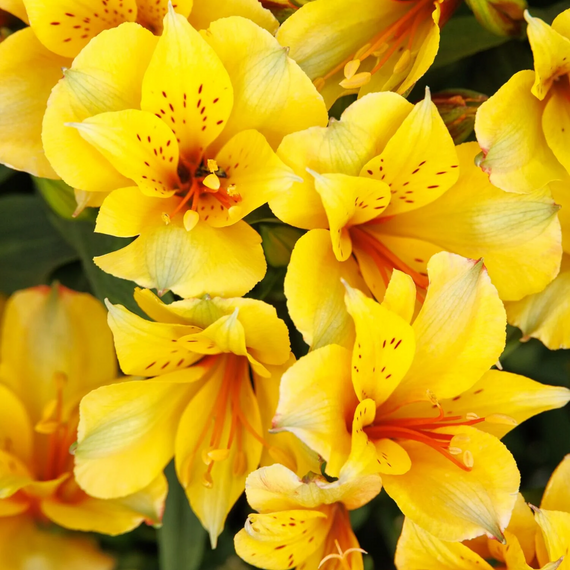
- Vivid, sunshine-yellow trumpet-shaped blooms with orange overtones, burgundy speckles, and a faintly spotted throat that dazzle from late spring through fall.
- Compact, mounding habit with dense, glossy blue-green foliage stays tidy and attractive all season long without staking or extensive pruning.
- Exceptional cut flower with a vase life of up to two weeks or more — harvest stems by gently pulling from the base to encourage continuous new blooms.
- A pollinator magnet that draws bees, butterflies, and hummingbirds, and performs beautifully in garden beds, borders, and container combinations alike.
Colorita Lisa Peruvian Lily (Alstroemeria x 'Zaprilisa') is a standout compact perennial that delivers months of bold, sun-drenched color in the garden. Its vivid yellow, trumpet-shaped flowers are accented with warm orange overtones and distinctive burgundy speckles, creating a rich, layered look that commands attention from late spring until the first frost. The tidy, mounded form — typically reaching 16 to 20 inches tall and spreading 20 to 24 inches wide — is clothed in thick, glossy blue-green foliage that provides striking contrast to the bright blooms. Unlike many seasonal perennials, Colorita Lisa blooms continuously throughout the warm season when spent flower stems are regularly removed, making it one of the hardest-working plants in the garden. Hardy in USDA Zones 8 through 11, it thrives in the mild climates of Southern Oregon and Northern California, performing equally well as a mass planting, a bold accent in mixed borders, or a striking focal point in outdoor containers. Its extraordinary cut flower quality, long vase life, and ability to attract pollinators make Colorita Lisa Peruvian Lily an essential addition to any cutting garden, pollinator planting, or vibrant landscape design.
Plant Description
Colorita Lisa is a compact, herbaceous perennial Peruvian lily belonging to the Alstroemeriaceae family. It is an interspecific hybrid (Alstroemeria x 'Zaprilisa') bred specifically for its tidy, mounded growth habit, extraordinary flower color, and exceptional cut flower performance. The blooms are large, trumpet-shaped flowers in bright yellow with warm orange reverses and distinctive burgundy speckles on the petals — a combination that gives each flower a jewel-like, layered appearance. The foliage consists of attractive, glossy, lance-shaped leaves in a rich blue-green tone that remain fresh and attractive from spring through fall. Like all Alstroemeria, the leaves undergo resupination — a natural twisting 180 degrees from the base as they unfurl, causing the underside to face upward. The plant grows from fleshy, tuberous rhizomes and will slowly spread to form an increasingly impressive clump over time.
Mature Size
| Attribute | Measurement |
|---|---|
| Foliage Height | 8 to 12 inches |
| Flower Height | 16 to 20 inches |
| Spread | 20 to 24 inches |
| Recommended Spacing | 18 inches apart |
| Growth Rate | Medium |
| Plant Form | Compact, mounded |
Hardiness Zones and Climate
Colorita Lisa is hardy in USDA Hardiness Zones 8 through 11, making it an excellent perennial choice throughout Southern Oregon and Northern California. It thrives in the mild, temperate climates common to these regions and will return reliably year after year. In Zone 8, applying a protective layer of mulch over the root zone in late fall will help insulate the tuberous rhizomes during cold spells. In Zone 9 through 11, the plant can remain largely evergreen, continuing to grow and bloom through much of the year. During the hottest stretches of summer, blooming may temporarily slow, but flowering resumes vigorously as temperatures moderate in early fall. The plant is not suited for areas with prolonged hard freezes below approximately 10 to 15 degrees Fahrenheit without significant root protection.
Sunlight Requirements
Colorita Lisa performs best in full sun to partial shade, requiring a minimum of six hours of direct sunlight each day for optimal flowering. In the warmer inland valleys of Southern Oregon and Northern California, a planting site that receives morning sun and some afternoon shade is ideal, as excessively hot afternoon sun can cause temporary stress and reduce bloom production during peak summer heat. In cooler coastal climates, full sun exposure throughout the day is perfectly suited and will maximize bloom output. Avoid deep shade, as insufficient light leads to sparse flowering, weak stems, and poor plant vigor.
Soil and pH Preferences
This Peruvian lily thrives in fertile, well-draining soil and will not tolerate standing water or consistently soggy conditions, which can quickly lead to rhizome rot. Amend heavy clay soils with generous amounts of compost or a blend of compost and perlite to improve drainage and aeration before planting. Sandy or loamy soils amended with organic matter provide near-ideal conditions. While Colorita Lisa is not particularly fussy about soil pH, it performs best in a slightly acidic to neutral range of approximately 6.0 to 7.0. Soils with a pH above 7.0 can lead to iron and manganese deficiencies, causing yellowing of the foliage. Adding a 2- to 3-inch layer of organic mulch around the root zone helps maintain consistent soil moisture, moderate soil temperature, and gradually enrich the soil as it decomposes.
Watering Guide
Consistent, moderate moisture is key to keeping Colorita Lisa healthy and blooming prolifically. Water deeply once a week during dry periods, delivering approximately one inch of water per week. Always allow the soil surface to begin drying slightly between waterings — waterlogged soil is the leading cause of root rot and plant decline in Peruvian lilies. Direct irrigation at the base of the plant rather than overhead to keep foliage and flowers dry, which helps prevent fungal diseases such as botrytis. During periods of regular rainfall, reduce or eliminate supplemental irrigation. Once well established, Colorita Lisa has a reasonable tolerance for short dry spells. Container-grown plants dry out more rapidly than in-ground plants and may need watering every one to two days during hot summer weather — check the top inch of soil and water when it feels dry to the touch.
Fertilizing
For the best flower production, feed Colorita Lisa regularly throughout the growing season. In early spring as new growth emerges, apply a balanced slow-release granular fertilizer formulated for flowering perennials to give the plant a strong nutritional foundation. Once blooming begins, switch to a high-potassium liquid fertilizer applied weekly or every two weeks to support continued flower production — potassium encourages strong blooms and sturdy stems. For container-grown plants, which exhaust soil nutrients more quickly, fertilize every three to four weeks throughout the season using a balanced water-soluble or liquid fertilizer. Cease fertilizing as the plant enters dormancy in late fall and do not apply fertilizer during winter dormancy. Avoid over-applying nitrogen-heavy fertilizers, which can promote lush foliage at the expense of flowers.
Pruning and Maintenance
Colorita Lisa is a low-maintenance perennial that rewards minimal but purposeful care. The most important maintenance task for maximizing bloom is promptly removing spent flower stems. Rather than snipping them off with scissors, grasp each spent stem near the base and gently pull upward with a firm tug to remove the entire stem from the crown — this method signals the plant to produce new flowering stems and is the key to continuous bloom throughout the warm season. In early spring, pull out any old or dead stems from the previous season to make room for fresh new growth. Thin out overcrowded stems periodically to improve air circulation, which reduces the risk of fungal disease. Outside of these tasks, little additional pruning is required. In Zone 8, cut foliage back to the ground after frost and apply a mulch layer for winter protection.
Planting Instructions
- Choose a site with well-draining soil and full sun to partial afternoon shade.
- Amend the planting area with a generous amount of compost worked into the top 10 to 12 inches of soil to improve fertility and drainage.
- Dig a hole slightly wider and at least 6 to 8 inches deep — wide enough to accommodate the root ball without bending or cramping the fleshy roots.
- Carefully remove the plant from its nursery container, disturbing the fragile tuberous roots as little as possible. Do not tease apart or spread the roots.
- Set the plant in the hole so the top of the root ball sits at or just slightly below the surrounding soil level.
- Backfill with the amended soil, firming it gently around the root ball to eliminate air pockets.
- Water thoroughly after planting to settle the soil around the roots.
- Apply a 2- to 3-inch layer of mulch around the plant, keeping it a few inches away from the crown to prevent rot.
- Space multiple plants approximately 18 inches apart for a massed planting or border display.
- Plant in spring once frost danger has passed, or in fall in mild-winter areas (Zones 9-11).
Seasonal Interest
Colorita Lisa delivers outstanding multi-season interest in the garden. In spring, bold yellow and orange blooms open atop sturdy stems as glossy blue-green foliage fills in to form a dense, attractive mound. Flowering continues prolifically through summer and well into fall, with the longest continuous bloom period achieved when spent stems are removed regularly. During the most intense summer heat, flowering may briefly slow, but cool early fall temperatures reliably trigger another flush of vibrant color. In frost-free climates, the plant can remain green and even continue to bloom through much of winter. In Zone 8 gardens, the foliage dies back to the ground after frost, and the plant re-emerges reliably from its rhizomes each spring — often earlier than expected, so take care not to disturb the crown area in late winter when new growth may not yet be visible at the surface.
Landscape Uses
The compact, mounded form and relentless flower production of Colorita Lisa make it highly versatile in the landscape. Consider these excellent uses:
- Mass Planting: Plant in groups of three or more for a bold sweep of golden yellow color in sunny borders or garden beds.
- Mixed Perennial Borders: Use as a mid-border accent plant, pairing the bright yellow blooms with contrasting flower colors and foliage textures.
- Container Gardens: Works beautifully as a "filler" or even a "thriller" in mixed patio containers alongside spillers and taller accent plants.
- Cut Flower Garden: An outstanding addition to the cutting garden, providing long-lasting stems with a vase life of up to two weeks or more.
- Pollinator Garden: Attracts bees, butterflies, and hummingbirds reliably throughout the season.
- Cottage Garden Style: The lush, layered blooms complement the informal, abundant aesthetic of cottage-style plantings.
- Edging and Borders: The tidy mounding habit makes it suitable as a front-of-border or bed-edge accent plant.
Companion Plants
Colorita Lisa pairs beautifully with plants that complement its bold yellow and orange tones or provide pleasing color contrast. Some excellent companion choices for Southern Oregon and Northern California gardens include:
- Salvia (Salvia nemorosa or S. greggii): The rich purple or red spikes of salvias create a classic complementary contrast with the warm yellow blooms.
- Agapanthus: Blue and white agapanthus blooms pair elegantly alongside the golden tones of Colorita Lisa in sunny borders.
- Coneflower (Echinacea purpurea): Purple coneflowers provide season-long contrast and similarly attract pollinators.
- Ornamental Grasses: Feather grass (Nassella tenuissima) or blue oat grass (Helictotrichon sempervirens) offer fine texture and soft movement that contrast beautifully with the bold blooms.
- Lavender: Shares similar sun and drainage preferences and provides complementary purple-blue color alongside the yellow flowers.
- Black-Eyed Susan (Rudbeckia): Echoes the warm yellow tones while extending the season of interest in a sunny planting.
- Catmint (Nepeta): Soft lavender-blue catmint blooms provide cool contrast and are similarly low-maintenance.
Container Growing
Colorita Lisa is exceptionally well-suited to container culture and thrives in outdoor pots, planters, and mixed combination containers. Choose a container that is at least 12 to 14 inches wide and deep with ample drainage holes in the bottom. Fill with a high-quality, well-draining potting mix — avoid using straight garden soil in containers, as it compacts and restricts drainage. Position the container in a spot that receives at least six hours of sunlight. Container plants dry out significantly faster than in-ground plantings, so check soil moisture regularly and water whenever the top inch of soil feels dry, which during hot summer weather may mean watering daily. Fertilize container-grown plants every three to four weeks throughout the growing season with a balanced liquid or water-soluble fertilizer, or use a slow-release granular formula incorporated into the potting mix at planting time. In Zone 8, move containers to a sheltered location or an unheated garage over winter to protect the roots from hard freezes.
Pests and Diseases
Colorita Lisa is generally a robust, trouble-free perennial, but a few common issues are worth monitoring:
- Aphids: Small, soft-bodied insects that cluster on new growth and flower stems, causing distortion and yellowing. Treat with insecticidal soap or a strong spray of water to dislodge colonies.
- Spider Mites: More common in hot, dry conditions. Look for fine webbing on leaves and stippled, yellowing foliage. Treat with insecticidal soap or neem oil and increase air circulation.
- Thrips: Tiny insects that rasp foliage and petals, leaving silvery streaking. Can also vector viral diseases. Treat with insecticidal soap and remove heavily affected plant material.
- Slugs and Snails: May chew tender foliage, especially in wet spring conditions. Hand-pick at night, use iron phosphate-based slug bait, or trap with beer traps.
- Rhizome Root Rot (Pythium or Rhizoctonia): Caused by overly wet or poorly drained soil. Prevent by ensuring excellent drainage and avoiding overwatering. Remove and discard affected plants.
- Botrytis (Gray Mold): A fungal disease favored by damp, cool conditions. Improve air circulation, avoid overhead watering, and remove any diseased plant material promptly.
- Mosaic Virus / Spotted Wilt Virus: Causes mottled patterns, distortion, or streaking on foliage. There is no cure — remove and destroy infected plants and disinfect tools with a diluted bleach solution.
Cut Flower Guide
Colorita Lisa is prized as one of the finest cut flowers available for the home garden, with stems that remain fresh and beautiful in a vase for up to two weeks or more. Follow these tips to get the most from your cut flowers:
- Harvest stems when one or two flowers on the cluster are fully open and the remaining buds are showing good color but have not yet opened.
- Rather than cutting stems with scissors or shears, grasp the stem near its base and pull upward with a firm but gentle tug to remove the entire stem from the crown — this method also stimulates the plant to produce new flowering stems.
- Immediately after pulling, trim off the white underground portion of the stem at the base, then cut the stem to the desired length at a 45-degree angle.
- Strip any foliage that would fall below the waterline in the vase, as submerged leaves promote bacterial growth and shorten vase life.
- Place stems in a clean vase filled with fresh water and a commercial floral preservative, or add a small amount of sugar and a drop of bleach to the water.
- Change the vase water every two to three days, re-trimming the stem ends slightly at each change.
- Keep the arrangement away from direct sunlight, heat sources, and ripening fruit (which emits ethylene gas) to maximize vase life.
Wildlife Value
Colorita Lisa Peruvian Lily is a valuable addition to pollinator-friendly gardens throughout Southern Oregon and Northern California. The nectar-rich, trumpet-shaped blooms are particularly attractive to hummingbirds, which are drawn to the warm yellow and orange coloration of the flowers. Bees — including native bumble bees and honey bees — actively forage the flowers throughout the long bloom season, making this plant a reliable and extended nectar source. Butterflies also visit the blooms regularly. Because Colorita Lisa blooms continuously from late spring through fall, it provides a sustained wildlife resource during a period when many other garden plants have finished flowering. The compact mounding habit does not significantly harbor pests that would be harmful to local ecosystems, and the plant is not known to be invasive in North American landscapes.
Toxicity and Handling
Alstroemeria, including Colorita Lisa, is generally considered to have low toxicity. According to standard horticultural references, the plant is not listed as severely toxic to cats, dogs, or horses, though ingestion may cause mild gastrointestinal upset such as vomiting or diarrhea in pets. It is best to keep pets from chewing on or ingesting any part of the plant, and if ingestion is suspected, contact a veterinarian. For people with sensitive skin, contact with the sap from freshly cut stems or broken foliage can occasionally cause contact dermatitis or skin irritation. It is recommended to wear gloves when handling the plant for prolonged periods, particularly when harvesting cut flowers or dividing the rhizomes. Wash hands thoroughly after working with the plant.
- Vivid, sunshine-yellow trumpet-shaped blooms with orange overtones, burgundy speckles, and a faintly spotted throat that dazzle from late spring through fall.
- Compact, mounding habit with dense, glossy blue-green foliage stays tidy and attractive all season long without staking or extensive pruning.
- Exceptional cut flower with a vase life of up to two weeks or more — harvest stems by gently pulling from the base to encourage continuous new blooms.
- A pollinator magnet that draws bees, butterflies, and hummingbirds, and performs beautifully in garden beds, borders, and container combinations alike.
Colorita Lisa Peruvian Lily (Alstroemeria x 'Zaprilisa') is a standout compact perennial that delivers months of bold, sun-drenched color in the garden. Its vivid yellow, trumpet-shaped flowers are accented with warm orange overtones and distinctive burgundy speckles, creating a rich, layered look that commands attention from late spring until the first frost. The tidy, mounded form — typically reaching 16 to 20 inches tall and spreading 20 to 24 inches wide — is clothed in thick, glossy blue-green foliage that provides striking contrast to the bright blooms. Unlike many seasonal perennials, Colorita Lisa blooms continuously throughout the warm season when spent flower stems are regularly removed, making it one of the hardest-working plants in the garden. Hardy in USDA Zones 8 through 11, it thrives in the mild climates of Southern Oregon and Northern California, performing equally well as a mass planting, a bold accent in mixed borders, or a striking focal point in outdoor containers. Its extraordinary cut flower quality, long vase life, and ability to attract pollinators make Colorita Lisa Peruvian Lily an essential addition to any cutting garden, pollinator planting, or vibrant landscape design.
Plant Description
Colorita Lisa is a compact, herbaceous perennial Peruvian lily belonging to the Alstroemeriaceae family. It is an interspecific hybrid (Alstroemeria x 'Zaprilisa') bred specifically for its tidy, mounded growth habit, extraordinary flower color, and exceptional cut flower performance. The blooms are large, trumpet-shaped flowers in bright yellow with warm orange reverses and distinctive burgundy speckles on the petals — a combination that gives each flower a jewel-like, layered appearance. The foliage consists of attractive, glossy, lance-shaped leaves in a rich blue-green tone that remain fresh and attractive from spring through fall. Like all Alstroemeria, the leaves undergo resupination — a natural twisting 180 degrees from the base as they unfurl, causing the underside to face upward. The plant grows from fleshy, tuberous rhizomes and will slowly spread to form an increasingly impressive clump over time.
Mature Size
| Attribute | Measurement |
|---|---|
| Foliage Height | 8 to 12 inches |
| Flower Height | 16 to 20 inches |
| Spread | 20 to 24 inches |
| Recommended Spacing | 18 inches apart |
| Growth Rate | Medium |
| Plant Form | Compact, mounded |
Hardiness Zones and Climate
Colorita Lisa is hardy in USDA Hardiness Zones 8 through 11, making it an excellent perennial choice throughout Southern Oregon and Northern California. It thrives in the mild, temperate climates common to these regions and will return reliably year after year. In Zone 8, applying a protective layer of mulch over the root zone in late fall will help insulate the tuberous rhizomes during cold spells. In Zone 9 through 11, the plant can remain largely evergreen, continuing to grow and bloom through much of the year. During the hottest stretches of summer, blooming may temporarily slow, but flowering resumes vigorously as temperatures moderate in early fall. The plant is not suited for areas with prolonged hard freezes below approximately 10 to 15 degrees Fahrenheit without significant root protection.
Sunlight Requirements
Colorita Lisa performs best in full sun to partial shade, requiring a minimum of six hours of direct sunlight each day for optimal flowering. In the warmer inland valleys of Southern Oregon and Northern California, a planting site that receives morning sun and some afternoon shade is ideal, as excessively hot afternoon sun can cause temporary stress and reduce bloom production during peak summer heat. In cooler coastal climates, full sun exposure throughout the day is perfectly suited and will maximize bloom output. Avoid deep shade, as insufficient light leads to sparse flowering, weak stems, and poor plant vigor.
Soil and pH Preferences
This Peruvian lily thrives in fertile, well-draining soil and will not tolerate standing water or consistently soggy conditions, which can quickly lead to rhizome rot. Amend heavy clay soils with generous amounts of compost or a blend of compost and perlite to improve drainage and aeration before planting. Sandy or loamy soils amended with organic matter provide near-ideal conditions. While Colorita Lisa is not particularly fussy about soil pH, it performs best in a slightly acidic to neutral range of approximately 6.0 to 7.0. Soils with a pH above 7.0 can lead to iron and manganese deficiencies, causing yellowing of the foliage. Adding a 2- to 3-inch layer of organic mulch around the root zone helps maintain consistent soil moisture, moderate soil temperature, and gradually enrich the soil as it decomposes.
Watering Guide
Consistent, moderate moisture is key to keeping Colorita Lisa healthy and blooming prolifically. Water deeply once a week during dry periods, delivering approximately one inch of water per week. Always allow the soil surface to begin drying slightly between waterings — waterlogged soil is the leading cause of root rot and plant decline in Peruvian lilies. Direct irrigation at the base of the plant rather than overhead to keep foliage and flowers dry, which helps prevent fungal diseases such as botrytis. During periods of regular rainfall, reduce or eliminate supplemental irrigation. Once well established, Colorita Lisa has a reasonable tolerance for short dry spells. Container-grown plants dry out more rapidly than in-ground plants and may need watering every one to two days during hot summer weather — check the top inch of soil and water when it feels dry to the touch.
Fertilizing
For the best flower production, feed Colorita Lisa regularly throughout the growing season. In early spring as new growth emerges, apply a balanced slow-release granular fertilizer formulated for flowering perennials to give the plant a strong nutritional foundation. Once blooming begins, switch to a high-potassium liquid fertilizer applied weekly or every two weeks to support continued flower production — potassium encourages strong blooms and sturdy stems. For container-grown plants, which exhaust soil nutrients more quickly, fertilize every three to four weeks throughout the season using a balanced water-soluble or liquid fertilizer. Cease fertilizing as the plant enters dormancy in late fall and do not apply fertilizer during winter dormancy. Avoid over-applying nitrogen-heavy fertilizers, which can promote lush foliage at the expense of flowers.
Pruning and Maintenance
Colorita Lisa is a low-maintenance perennial that rewards minimal but purposeful care. The most important maintenance task for maximizing bloom is promptly removing spent flower stems. Rather than snipping them off with scissors, grasp each spent stem near the base and gently pull upward with a firm tug to remove the entire stem from the crown — this method signals the plant to produce new flowering stems and is the key to continuous bloom throughout the warm season. In early spring, pull out any old or dead stems from the previous season to make room for fresh new growth. Thin out overcrowded stems periodically to improve air circulation, which reduces the risk of fungal disease. Outside of these tasks, little additional pruning is required. In Zone 8, cut foliage back to the ground after frost and apply a mulch layer for winter protection.
Planting Instructions
- Choose a site with well-draining soil and full sun to partial afternoon shade.
- Amend the planting area with a generous amount of compost worked into the top 10 to 12 inches of soil to improve fertility and drainage.
- Dig a hole slightly wider and at least 6 to 8 inches deep — wide enough to accommodate the root ball without bending or cramping the fleshy roots.
- Carefully remove the plant from its nursery container, disturbing the fragile tuberous roots as little as possible. Do not tease apart or spread the roots.
- Set the plant in the hole so the top of the root ball sits at or just slightly below the surrounding soil level.
- Backfill with the amended soil, firming it gently around the root ball to eliminate air pockets.
- Water thoroughly after planting to settle the soil around the roots.
- Apply a 2- to 3-inch layer of mulch around the plant, keeping it a few inches away from the crown to prevent rot.
- Space multiple plants approximately 18 inches apart for a massed planting or border display.
- Plant in spring once frost danger has passed, or in fall in mild-winter areas (Zones 9-11).
Seasonal Interest
Colorita Lisa delivers outstanding multi-season interest in the garden. In spring, bold yellow and orange blooms open atop sturdy stems as glossy blue-green foliage fills in to form a dense, attractive mound. Flowering continues prolifically through summer and well into fall, with the longest continuous bloom period achieved when spent stems are removed regularly. During the most intense summer heat, flowering may briefly slow, but cool early fall temperatures reliably trigger another flush of vibrant color. In frost-free climates, the plant can remain green and even continue to bloom through much of winter. In Zone 8 gardens, the foliage dies back to the ground after frost, and the plant re-emerges reliably from its rhizomes each spring — often earlier than expected, so take care not to disturb the crown area in late winter when new growth may not yet be visible at the surface.
Landscape Uses
The compact, mounded form and relentless flower production of Colorita Lisa make it highly versatile in the landscape. Consider these excellent uses:
- Mass Planting: Plant in groups of three or more for a bold sweep of golden yellow color in sunny borders or garden beds.
- Mixed Perennial Borders: Use as a mid-border accent plant, pairing the bright yellow blooms with contrasting flower colors and foliage textures.
- Container Gardens: Works beautifully as a "filler" or even a "thriller" in mixed patio containers alongside spillers and taller accent plants.
- Cut Flower Garden: An outstanding addition to the cutting garden, providing long-lasting stems with a vase life of up to two weeks or more.
- Pollinator Garden: Attracts bees, butterflies, and hummingbirds reliably throughout the season.
- Cottage Garden Style: The lush, layered blooms complement the informal, abundant aesthetic of cottage-style plantings.
- Edging and Borders: The tidy mounding habit makes it suitable as a front-of-border or bed-edge accent plant.
Companion Plants
Colorita Lisa pairs beautifully with plants that complement its bold yellow and orange tones or provide pleasing color contrast. Some excellent companion choices for Southern Oregon and Northern California gardens include:
- Salvia (Salvia nemorosa or S. greggii): The rich purple or red spikes of salvias create a classic complementary contrast with the warm yellow blooms.
- Agapanthus: Blue and white agapanthus blooms pair elegantly alongside the golden tones of Colorita Lisa in sunny borders.
- Coneflower (Echinacea purpurea): Purple coneflowers provide season-long contrast and similarly attract pollinators.
- Ornamental Grasses: Feather grass (Nassella tenuissima) or blue oat grass (Helictotrichon sempervirens) offer fine texture and soft movement that contrast beautifully with the bold blooms.
- Lavender: Shares similar sun and drainage preferences and provides complementary purple-blue color alongside the yellow flowers.
- Black-Eyed Susan (Rudbeckia): Echoes the warm yellow tones while extending the season of interest in a sunny planting.
- Catmint (Nepeta): Soft lavender-blue catmint blooms provide cool contrast and are similarly low-maintenance.
Container Growing
Colorita Lisa is exceptionally well-suited to container culture and thrives in outdoor pots, planters, and mixed combination containers. Choose a container that is at least 12 to 14 inches wide and deep with ample drainage holes in the bottom. Fill with a high-quality, well-draining potting mix — avoid using straight garden soil in containers, as it compacts and restricts drainage. Position the container in a spot that receives at least six hours of sunlight. Container plants dry out significantly faster than in-ground plantings, so check soil moisture regularly and water whenever the top inch of soil feels dry, which during hot summer weather may mean watering daily. Fertilize container-grown plants every three to four weeks throughout the growing season with a balanced liquid or water-soluble fertilizer, or use a slow-release granular formula incorporated into the potting mix at planting time. In Zone 8, move containers to a sheltered location or an unheated garage over winter to protect the roots from hard freezes.
Pests and Diseases
Colorita Lisa is generally a robust, trouble-free perennial, but a few common issues are worth monitoring:
- Aphids: Small, soft-bodied insects that cluster on new growth and flower stems, causing distortion and yellowing. Treat with insecticidal soap or a strong spray of water to dislodge colonies.
- Spider Mites: More common in hot, dry conditions. Look for fine webbing on leaves and stippled, yellowing foliage. Treat with insecticidal soap or neem oil and increase air circulation.
- Thrips: Tiny insects that rasp foliage and petals, leaving silvery streaking. Can also vector viral diseases. Treat with insecticidal soap and remove heavily affected plant material.
- Slugs and Snails: May chew tender foliage, especially in wet spring conditions. Hand-pick at night, use iron phosphate-based slug bait, or trap with beer traps.
- Rhizome Root Rot (Pythium or Rhizoctonia): Caused by overly wet or poorly drained soil. Prevent by ensuring excellent drainage and avoiding overwatering. Remove and discard affected plants.
- Botrytis (Gray Mold): A fungal disease favored by damp, cool conditions. Improve air circulation, avoid overhead watering, and remove any diseased plant material promptly.
- Mosaic Virus / Spotted Wilt Virus: Causes mottled patterns, distortion, or streaking on foliage. There is no cure — remove and destroy infected plants and disinfect tools with a diluted bleach solution.
Cut Flower Guide
Colorita Lisa is prized as one of the finest cut flowers available for the home garden, with stems that remain fresh and beautiful in a vase for up to two weeks or more. Follow these tips to get the most from your cut flowers:
- Harvest stems when one or two flowers on the cluster are fully open and the remaining buds are showing good color but have not yet opened.
- Rather than cutting stems with scissors or shears, grasp the stem near its base and pull upward with a firm but gentle tug to remove the entire stem from the crown — this method also stimulates the plant to produce new flowering stems.
- Immediately after pulling, trim off the white underground portion of the stem at the base, then cut the stem to the desired length at a 45-degree angle.
- Strip any foliage that would fall below the waterline in the vase, as submerged leaves promote bacterial growth and shorten vase life.
- Place stems in a clean vase filled with fresh water and a commercial floral preservative, or add a small amount of sugar and a drop of bleach to the water.
- Change the vase water every two to three days, re-trimming the stem ends slightly at each change.
- Keep the arrangement away from direct sunlight, heat sources, and ripening fruit (which emits ethylene gas) to maximize vase life.
Wildlife Value
Colorita Lisa Peruvian Lily is a valuable addition to pollinator-friendly gardens throughout Southern Oregon and Northern California. The nectar-rich, trumpet-shaped blooms are particularly attractive to hummingbirds, which are drawn to the warm yellow and orange coloration of the flowers. Bees — including native bumble bees and honey bees — actively forage the flowers throughout the long bloom season, making this plant a reliable and extended nectar source. Butterflies also visit the blooms regularly. Because Colorita Lisa blooms continuously from late spring through fall, it provides a sustained wildlife resource during a period when many other garden plants have finished flowering. The compact mounding habit does not significantly harbor pests that would be harmful to local ecosystems, and the plant is not known to be invasive in North American landscapes.
Toxicity and Handling
Alstroemeria, including Colorita Lisa, is generally considered to have low toxicity. According to standard horticultural references, the plant is not listed as severely toxic to cats, dogs, or horses, though ingestion may cause mild gastrointestinal upset such as vomiting or diarrhea in pets. It is best to keep pets from chewing on or ingesting any part of the plant, and if ingestion is suspected, contact a veterinarian. For people with sensitive skin, contact with the sap from freshly cut stems or broken foliage can occasionally cause contact dermatitis or skin irritation. It is recommended to wear gloves when handling the plant for prolonged periods, particularly when harvesting cut flowers or dividing the rhizomes. Wash hands thoroughly after working with the plant.