
Zoom the image with the mouse
Ice N' Roses Rosado Hellebore - 1 Gallon
SKU:
1979865
UPC:
014949481493
$17.99
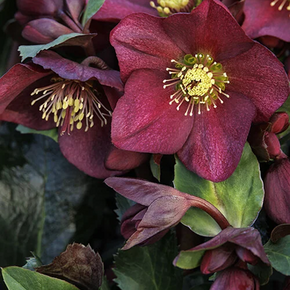
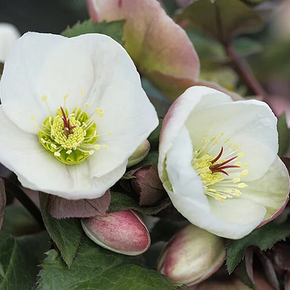
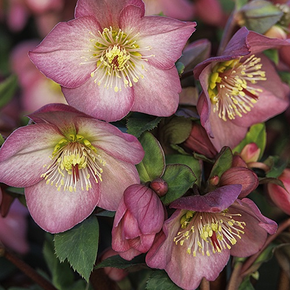
- Stunning bicolored blooms open creamy white at the center and deepen to vivid rose-pink at the petal edges, delivering eye-catching late-winter to spring color when little else is in flower.
- Outward- and upward-facing cup-shaped flowers on the Ice N' Roses series break the traditional downward-nodding hellebore habit, putting the blooms on full display above a mound of rich, dark evergreen foliage.
- Exceptionally tough and adaptable, this cold-hardy perennial tolerates deep shade, a wide range of soils, and is resistant to deer and rabbits, making it an easy-care workhorse for shady borders and woodland gardens.
- Evergreen, glossy, deeply lobed leaves provide year-round structure and develop attractive reddish-bronze undertones on the reverse after flowering, extending the ornamental season well beyond the blooms.
Helleborus Ice N' Roses Rosado (Helleborus x glandorfensis 'COSEH 5400') is a showstopping evergreen perennial that brings rare late-winter color to shady gardens with its large, outward-facing, cup-shaped flowers that transition gracefully from creamy white at the center to deep rose-pink at the scalloped edges, accented by pale buttery-yellow anthers and delicate purple streaks on the stems. A standout member of the acclaimed Helleborus Gold Collection, this hybrid was specifically bred to overcome the drooping-flower trait common in older hellebore varieties, elevating the blooms so gardeners can truly appreciate their bicolored beauty without having to lift a single petal. Blooming reliably from late winter through early to mid-spring, Ice N' Roses Rosado fills the garden gap between the last of the winter interest plants and the first flush of spring perennials, serving as a critical bridge for early-season pollinators including bees seeking nectar. Its clumping, upright-spreading habit reaches approximately 12 to 18 inches tall and up to 24 inches wide, and its thick, glossy, serrated dark green foliage holds its color and form year-round, with the added bonus of rich reddish tones developing on the leaf undersides after flowering. Hardy in USDA Zones 5 through 9, this low-maintenance perennial thrives in partial to full shade in moist, well-drained, organically rich soil and is well-suited to Southern Oregon and Northern California gardens where it will naturalize beautifully under deciduous trees, in shaded borders, and in containers on sheltered patios and terraces.
Plant Description
Helleborus Ice N' Roses Rosado is a bushy, clump-forming evergreen perennial belonging to the Ranunculaceae family. It is classified as Helleborus x glandorfensis, an interspecific hybrid developed as part of the Helleborus Gold Collection (HGC) breeding program. Unlike traditional hellebores that nod their flowers toward the ground, Ice N' Roses Rosado produces large, cup-shaped blooms that face outward and even upward, showcasing their striking bicolored pattern to full effect. Each flower opens creamy white at the center and blends to a deep, vivid rose-pink toward the petal edges, with soft yellow anthers at the heart and subtle purple veining along the flower stems. The foliage is equally attractive: dark, glossy, deeply lobed leaves with toothed margins remain evergreen throughout the year, and after flowering the undersides of the leaves develop an attractive reddish flush. The plant grows in an upright, spreading mound and is notably robust, disease-tolerant, and long-lived.
Mature Size
| Attribute | Measurement |
|---|---|
| Mature Height | 12 to 18 inches |
| Mature Spread | 18 to 24 inches |
| Growth Rate | Moderate (6 to 12 inches per year once established) |
| Time to Reach Mature Size | 2 to 5 years |
| Growth Habit | Upright, clumping, multi-stemmed mound |
Hardiness Zones
Helleborus Ice N' Roses Rosado is rated for USDA Hardiness Zones 5 through 9, making it well-suited to a very broad range of climates. It is exceptionally cold-tolerant, capable of surviving temperatures well below freezing without mulching in most climates, while also performing reliably in the milder winters of Northern California and Southern Oregon. It is rated H7 by the Royal Horticultural Society, signifying hardiness even in severe continental climates. For best results in hotter Zone 8 and 9 gardens, site the plant in a location with afternoon shade to protect it from the most intense summer heat and to preserve the longevity of its blooms.
Sunlight Requirements
Ice N' Roses Rosado thrives in partial shade to full shade and is an excellent choice for those challenging low-light areas of the garden where few other flowering perennials will perform. Ideal placements include the dappled light beneath deciduous trees, north- or east-facing borders, and the shaded edges of structures or fences. While it can tolerate some direct sun in cooler, mild climates, it generally does not appreciate full sun exposure, particularly during hot summer afternoons, which can scorch the foliage and shorten bloom time. A location receiving 2 to 4 hours of direct, gentle morning sun with shade for the remainder of the day is considered ideal.
Soil and pH Preferences
This hellebore is adaptable to a range of soil types including clay, loam, chalk, and sandy soils, but it performs best in well-drained, moist, humus-rich soil with a neutral to slightly alkaline pH between 6.0 and 7.5. Amending your planting site with generous amounts of compost or other organic matter before planting will significantly improve performance, especially in heavier clay or lighter sandy soils. Good drainage is essential, as Ice N' Roses Rosado will not tolerate waterlogged or consistently soggy conditions, which can lead to root and crown rot. It is noted to have a preference for organically fertile, chalky-style soils but adapts well when given adequate nutrition through amendments and regular feeding.
Watering Guide
Upon planting, give Ice N' Roses Rosado a thorough, deep watering to help the roots settle and begin establishment. During the first growing season, water regularly to maintain consistent soil moisture without allowing the soil to become waterlogged. Once established, hellebores are moderately drought-tolerant but perform best when kept evenly moist. During prolonged dry spells, especially in summer, supplemental irrigation is beneficial. In Southern Oregon and Northern California, natural rainfall during late fall and winter typically meets the plant's needs during its active growing and blooming period. In summer, when the plant is semi-dormant and local conditions can be hot and dry, a deep watering once or twice per week is recommended. Always avoid overhead watering directly onto the foliage to help prevent fungal issues.
Fertilizing
Helleborus Ice N' Roses Rosado responds well to a simple, consistent feeding schedule. Apply a balanced, slow-release granular fertilizer in early spring as new growth emerges to support the plant through its active growing and blooming season. A second light application of a balanced or slightly phosphorus-rich fertilizer in mid-summer can help build root and foliage strength heading into fall. Alternatively, top-dressing the root zone with a 1 to 2 inch layer of well-aged compost or leaf mold in autumn provides a slow, gentle nutrient release while also improving soil structure. Avoid excessive nitrogen fertilization, which can promote lush foliar growth at the expense of flower production. Plants grown in containers will benefit from more frequent feeding with a liquid balanced fertilizer throughout the growing season.
Pruning and Maintenance
Helleborus Ice N' Roses Rosado is a low-maintenance perennial that requires very little pruning. The most important maintenance task is the removal of old, tattered, or spotted foliage in late fall or very early winter, just before or as the new flower buds emerge. Cutting away the previous season's leaves serves two purposes: it showcases the emerging flowers to maximum effect and reduces the risk of hellebore leaf spot disease by removing overwintering spore material. Spent flower stalks can be deadheaded after blooming to encourage a tidier appearance and to prevent unwanted self-seeding, though the dried seed heads do have modest ornamental value. Divide large, congested clumps in early spring after flowering to rejuvenate the plant and propagate new divisions. This variety is a protected cultivar and should not be commercially propagated without authorization.
Planting Instructions
- Choose a sheltered planting site with partial to full shade and protection from cold, drying winds.
- Prepare the soil by digging to a depth of 12 to 15 inches and incorporating generous amounts of compost or well-rotted organic matter to improve drainage and fertility.
- Dig a planting hole slightly wider than the root ball and deep enough so that the crown of the plant sits level with the surrounding soil surface. Planting too deep can inhibit flowering.
- Place the plant in the hole, backfill with amended soil, and firm gently around the roots to eliminate air pockets.
- Water deeply and thoroughly immediately after planting.
- Apply a 2 to 3 inch layer of organic mulch (such as shredded bark or leaf mold) around the base of the plant, keeping mulch a few inches away from the crown to prevent rot.
- Space multiple plants approximately 18 to 24 inches apart for mass plantings or border groupings.
- The best planting times are early fall or early spring when the ground is workable and temperatures are moderate.
Seasonal Interest
Ice N' Roses Rosado delivers multi-season garden interest across the entire calendar year. In late winter, typically from February onward, the large bicolored blooms emerge and persist well into spring, providing a spectacular floral display at a time when most of the garden is still dormant. The outward-facing flowers hold their decorative sepals for an exceptionally long time, extending the bloom season well beyond that of many other perennials. As the flowers fade in mid-to-late spring, a flush of handsome new dark green glossy foliage emerges, refreshing the plant's appearance and maintaining its ornamental presence through summer and fall. A particularly distinctive feature is that the underside of the mature leaves develops a striking reddish-bronze tone after flowering, adding subtle color contrast through the warmer months. In winter, the evergreen foliage continues to provide structure and a rich, deep green backdrop in the dormant garden.
Landscape Uses
The versatility of Helleborus Ice N' Roses Rosado makes it a valuable plant for a wide range of landscape applications. Its shade tolerance and evergreen nature make it especially valuable in situations where many other flowering plants struggle. Recommended uses include:
- Shaded woodland and naturalized garden beds beneath deciduous or evergreen trees
- Front-of-border and edging plantings in shaded or partially shaded beds
- Mass plantings as a flowering ground cover under trees or large shrubs
- Mixed shade gardens alongside hostas, ferns, and other woodland perennials
- Underplanting beneath roses and open-canopied shrubs
- Container gardens and patio planters in sheltered, partially shaded spots
- Rock and alpine gardens with well-drained soils
- Cut flower gardens, as the blooms have good vase life when stems are seared immediately after cutting
- Coastal gardens and city courtyard gardens where shelter is available
- Winter and early-spring interest gardens designed for cool-season color
Companion Plants
Ice N' Roses Rosado pairs beautifully with other shade-tolerant plants that share similar growing requirements of moist, well-drained, organically rich soil in partial to full shade. Excellent companion choices include:
- Heuchera (Coral Bells) - Colorful foliage that complements the hellebore's dark green leaves and provides season-long interest
- Hosta - Bold, textural foliage that emerges as hellebore blooms fade, providing a seamless seasonal relay
- Ferns (Athyrium, Dryopteris) - Feathery, contrasting texture that pairs naturally in woodland settings
- Muscari (Grape Hyacinth) - Small spring bulbs that flower alongside the hellebore for a layered, multi-color effect
- Tulipa (Tulips) - Taller spring bulbs that rise above the hellebore mound, creating vertical contrast
- Hyacinthus (Hyacinth) - Fragrant spring bulbs that complement the hellebore's bloom timing
- Hebe - Evergreen shrub providing year-round structure in mixed plantings
- Epimedium - Low, evergreen groundcover that thrives in similar dry-to-moist shade conditions
- Pulmonaria (Lungwort) - Early-flowering, shade-loving perennial with attractive spotted foliage
Pests and Diseases
Helleborus Ice N' Roses Rosado is notably robust and disease-tolerant compared to many older hellebore cultivars, and it has no serious insect pest or disease problems under normal garden conditions. However, gardeners should be aware of the following occasional issues:
- Hellebore Leaf Spot (Coniothyrium hellebori): The most common disease issue, appearing as dark brown or black spots on leaves and stems. Prevent by removing and disposing of old foliage in late fall before flowering and avoiding overhead watering. Treat with a copper-based fungicide if needed.
- Crown and Root Rot: Caused by overwatering or poorly drained soils. Ensure excellent drainage at planting and avoid waterlogged conditions.
- Hellebore Aphids: Occasionally cluster on young stems and flower stalks in early spring. Treat with insecticidal soap or neem oil at first sign.
- Hellebore Leaf Miner: Larvae can tunnel through leaf tissue leaving pale, winding trails. Remove and destroy affected leaves promptly.
- Snails and Slugs: May nibble on young foliage, particularly in damp conditions. Use iron phosphate-based bait or other slug controls as needed.
- Spider Mites: Can appear in hot, dry conditions. Treat with neem oil or insecticidal soap and improve air circulation.
- Downy Mildew and Gray Mold (Botrytis): Can occur in overly wet, humid conditions with poor air circulation. Remove affected tissue promptly and improve spacing or airflow.
Container Growing
Helleborus Ice N' Roses Rosado is an excellent candidate for container cultivation and is well-suited to decorating shaded patios, entryways, terraces, and balconies with late-winter and spring color. For best results in containers, use a high-quality, well-draining potting mix amended with additional perlite for drainage and compost for fertility. Select a container with adequate drainage holes and a minimum diameter of 12 to 14 inches to give the roots sufficient room to establish. Position containers in a sheltered spot with partial shade, protected from harsh, direct afternoon sun and cold, drying winds. Container-grown plants dry out more quickly than in-ground plants, so check soil moisture regularly and water when the top inch of soil feels dry, but never allow the pot to sit in standing water. Feed container plants with a balanced liquid fertilizer every 3 to 4 weeks during the active growing season. In very hot summers, move containers to a cooler, shadier spot. Repot every 2 to 3 years or when the plant becomes rootbound, stepping up to the next pot size.
Wildlife Value
Ice N' Roses Rosado provides genuine ecological value in the garden, particularly for early-season pollinators. The flowers open in late winter and early spring when very few other nectar and pollen sources are available, making them an important early food resource for bees emerging from winter dormancy, including honeybees, bumblebees, and solitary native bee species. The plant has been recognized for its pollinator value and is designated as a plant for pollinators by leading horticultural authorities. The deep cup shape of the flowers provides pollinators with shelter as well as food during cold early-spring days. Importantly, the plant is also deer resistant and rabbit resistant, which is a significant practical advantage in gardens where browsing wildlife is a common problem in Southern Oregon and Northern California landscapes. The foliage is not consumed by these animals due to its known toxicity, making Ice N' Roses Rosado a reliable choice where deer pressure is a concern.
Toxicity Warning
All parts of Helleborus Ice N' Roses Rosado are considered toxic to humans, dogs, cats, and other animals if ingested. The plant contains toxic compounds including glycosides and saponins (including helleborin) that can have serious effects on the cardiovascular system. Symptoms of ingestion in humans may include nausea, vomiting, diarrhea, dizziness, and in severe cases, more serious systemic effects. Contact with the sap may also cause skin irritation in sensitive individuals. Gloves and protective clothing should be worn when handling the plant, especially when pruning or dividing. Keep children and pets away from the plant, and site it with awareness in gardens frequented by young children or animals. If accidental ingestion is suspected, contact Poison Control or seek veterinary care immediately. Despite its toxicity, the plant is safe to handle with appropriate precautions and is no more hazardous than many commonly grown garden plants when managed responsibly.
- Stunning bicolored blooms open creamy white at the center and deepen to vivid rose-pink at the petal edges, delivering eye-catching late-winter to spring color when little else is in flower.
- Outward- and upward-facing cup-shaped flowers on the Ice N' Roses series break the traditional downward-nodding hellebore habit, putting the blooms on full display above a mound of rich, dark evergreen foliage.
- Exceptionally tough and adaptable, this cold-hardy perennial tolerates deep shade, a wide range of soils, and is resistant to deer and rabbits, making it an easy-care workhorse for shady borders and woodland gardens.
- Evergreen, glossy, deeply lobed leaves provide year-round structure and develop attractive reddish-bronze undertones on the reverse after flowering, extending the ornamental season well beyond the blooms.
Helleborus Ice N' Roses Rosado (Helleborus x glandorfensis 'COSEH 5400') is a showstopping evergreen perennial that brings rare late-winter color to shady gardens with its large, outward-facing, cup-shaped flowers that transition gracefully from creamy white at the center to deep rose-pink at the scalloped edges, accented by pale buttery-yellow anthers and delicate purple streaks on the stems. A standout member of the acclaimed Helleborus Gold Collection, this hybrid was specifically bred to overcome the drooping-flower trait common in older hellebore varieties, elevating the blooms so gardeners can truly appreciate their bicolored beauty without having to lift a single petal. Blooming reliably from late winter through early to mid-spring, Ice N' Roses Rosado fills the garden gap between the last of the winter interest plants and the first flush of spring perennials, serving as a critical bridge for early-season pollinators including bees seeking nectar. Its clumping, upright-spreading habit reaches approximately 12 to 18 inches tall and up to 24 inches wide, and its thick, glossy, serrated dark green foliage holds its color and form year-round, with the added bonus of rich reddish tones developing on the leaf undersides after flowering. Hardy in USDA Zones 5 through 9, this low-maintenance perennial thrives in partial to full shade in moist, well-drained, organically rich soil and is well-suited to Southern Oregon and Northern California gardens where it will naturalize beautifully under deciduous trees, in shaded borders, and in containers on sheltered patios and terraces.
Plant Description
Helleborus Ice N' Roses Rosado is a bushy, clump-forming evergreen perennial belonging to the Ranunculaceae family. It is classified as Helleborus x glandorfensis, an interspecific hybrid developed as part of the Helleborus Gold Collection (HGC) breeding program. Unlike traditional hellebores that nod their flowers toward the ground, Ice N' Roses Rosado produces large, cup-shaped blooms that face outward and even upward, showcasing their striking bicolored pattern to full effect. Each flower opens creamy white at the center and blends to a deep, vivid rose-pink toward the petal edges, with soft yellow anthers at the heart and subtle purple veining along the flower stems. The foliage is equally attractive: dark, glossy, deeply lobed leaves with toothed margins remain evergreen throughout the year, and after flowering the undersides of the leaves develop an attractive reddish flush. The plant grows in an upright, spreading mound and is notably robust, disease-tolerant, and long-lived.
Mature Size
| Attribute | Measurement |
|---|---|
| Mature Height | 12 to 18 inches |
| Mature Spread | 18 to 24 inches |
| Growth Rate | Moderate (6 to 12 inches per year once established) |
| Time to Reach Mature Size | 2 to 5 years |
| Growth Habit | Upright, clumping, multi-stemmed mound |
Hardiness Zones
Helleborus Ice N' Roses Rosado is rated for USDA Hardiness Zones 5 through 9, making it well-suited to a very broad range of climates. It is exceptionally cold-tolerant, capable of surviving temperatures well below freezing without mulching in most climates, while also performing reliably in the milder winters of Northern California and Southern Oregon. It is rated H7 by the Royal Horticultural Society, signifying hardiness even in severe continental climates. For best results in hotter Zone 8 and 9 gardens, site the plant in a location with afternoon shade to protect it from the most intense summer heat and to preserve the longevity of its blooms.
Sunlight Requirements
Ice N' Roses Rosado thrives in partial shade to full shade and is an excellent choice for those challenging low-light areas of the garden where few other flowering perennials will perform. Ideal placements include the dappled light beneath deciduous trees, north- or east-facing borders, and the shaded edges of structures or fences. While it can tolerate some direct sun in cooler, mild climates, it generally does not appreciate full sun exposure, particularly during hot summer afternoons, which can scorch the foliage and shorten bloom time. A location receiving 2 to 4 hours of direct, gentle morning sun with shade for the remainder of the day is considered ideal.
Soil and pH Preferences
This hellebore is adaptable to a range of soil types including clay, loam, chalk, and sandy soils, but it performs best in well-drained, moist, humus-rich soil with a neutral to slightly alkaline pH between 6.0 and 7.5. Amending your planting site with generous amounts of compost or other organic matter before planting will significantly improve performance, especially in heavier clay or lighter sandy soils. Good drainage is essential, as Ice N' Roses Rosado will not tolerate waterlogged or consistently soggy conditions, which can lead to root and crown rot. It is noted to have a preference for organically fertile, chalky-style soils but adapts well when given adequate nutrition through amendments and regular feeding.
Watering Guide
Upon planting, give Ice N' Roses Rosado a thorough, deep watering to help the roots settle and begin establishment. During the first growing season, water regularly to maintain consistent soil moisture without allowing the soil to become waterlogged. Once established, hellebores are moderately drought-tolerant but perform best when kept evenly moist. During prolonged dry spells, especially in summer, supplemental irrigation is beneficial. In Southern Oregon and Northern California, natural rainfall during late fall and winter typically meets the plant's needs during its active growing and blooming period. In summer, when the plant is semi-dormant and local conditions can be hot and dry, a deep watering once or twice per week is recommended. Always avoid overhead watering directly onto the foliage to help prevent fungal issues.
Fertilizing
Helleborus Ice N' Roses Rosado responds well to a simple, consistent feeding schedule. Apply a balanced, slow-release granular fertilizer in early spring as new growth emerges to support the plant through its active growing and blooming season. A second light application of a balanced or slightly phosphorus-rich fertilizer in mid-summer can help build root and foliage strength heading into fall. Alternatively, top-dressing the root zone with a 1 to 2 inch layer of well-aged compost or leaf mold in autumn provides a slow, gentle nutrient release while also improving soil structure. Avoid excessive nitrogen fertilization, which can promote lush foliar growth at the expense of flower production. Plants grown in containers will benefit from more frequent feeding with a liquid balanced fertilizer throughout the growing season.
Pruning and Maintenance
Helleborus Ice N' Roses Rosado is a low-maintenance perennial that requires very little pruning. The most important maintenance task is the removal of old, tattered, or spotted foliage in late fall or very early winter, just before or as the new flower buds emerge. Cutting away the previous season's leaves serves two purposes: it showcases the emerging flowers to maximum effect and reduces the risk of hellebore leaf spot disease by removing overwintering spore material. Spent flower stalks can be deadheaded after blooming to encourage a tidier appearance and to prevent unwanted self-seeding, though the dried seed heads do have modest ornamental value. Divide large, congested clumps in early spring after flowering to rejuvenate the plant and propagate new divisions. This variety is a protected cultivar and should not be commercially propagated without authorization.
Planting Instructions
- Choose a sheltered planting site with partial to full shade and protection from cold, drying winds.
- Prepare the soil by digging to a depth of 12 to 15 inches and incorporating generous amounts of compost or well-rotted organic matter to improve drainage and fertility.
- Dig a planting hole slightly wider than the root ball and deep enough so that the crown of the plant sits level with the surrounding soil surface. Planting too deep can inhibit flowering.
- Place the plant in the hole, backfill with amended soil, and firm gently around the roots to eliminate air pockets.
- Water deeply and thoroughly immediately after planting.
- Apply a 2 to 3 inch layer of organic mulch (such as shredded bark or leaf mold) around the base of the plant, keeping mulch a few inches away from the crown to prevent rot.
- Space multiple plants approximately 18 to 24 inches apart for mass plantings or border groupings.
- The best planting times are early fall or early spring when the ground is workable and temperatures are moderate.
Seasonal Interest
Ice N' Roses Rosado delivers multi-season garden interest across the entire calendar year. In late winter, typically from February onward, the large bicolored blooms emerge and persist well into spring, providing a spectacular floral display at a time when most of the garden is still dormant. The outward-facing flowers hold their decorative sepals for an exceptionally long time, extending the bloom season well beyond that of many other perennials. As the flowers fade in mid-to-late spring, a flush of handsome new dark green glossy foliage emerges, refreshing the plant's appearance and maintaining its ornamental presence through summer and fall. A particularly distinctive feature is that the underside of the mature leaves develops a striking reddish-bronze tone after flowering, adding subtle color contrast through the warmer months. In winter, the evergreen foliage continues to provide structure and a rich, deep green backdrop in the dormant garden.
Landscape Uses
The versatility of Helleborus Ice N' Roses Rosado makes it a valuable plant for a wide range of landscape applications. Its shade tolerance and evergreen nature make it especially valuable in situations where many other flowering plants struggle. Recommended uses include:
- Shaded woodland and naturalized garden beds beneath deciduous or evergreen trees
- Front-of-border and edging plantings in shaded or partially shaded beds
- Mass plantings as a flowering ground cover under trees or large shrubs
- Mixed shade gardens alongside hostas, ferns, and other woodland perennials
- Underplanting beneath roses and open-canopied shrubs
- Container gardens and patio planters in sheltered, partially shaded spots
- Rock and alpine gardens with well-drained soils
- Cut flower gardens, as the blooms have good vase life when stems are seared immediately after cutting
- Coastal gardens and city courtyard gardens where shelter is available
- Winter and early-spring interest gardens designed for cool-season color
Companion Plants
Ice N' Roses Rosado pairs beautifully with other shade-tolerant plants that share similar growing requirements of moist, well-drained, organically rich soil in partial to full shade. Excellent companion choices include:
- Heuchera (Coral Bells) - Colorful foliage that complements the hellebore's dark green leaves and provides season-long interest
- Hosta - Bold, textural foliage that emerges as hellebore blooms fade, providing a seamless seasonal relay
- Ferns (Athyrium, Dryopteris) - Feathery, contrasting texture that pairs naturally in woodland settings
- Muscari (Grape Hyacinth) - Small spring bulbs that flower alongside the hellebore for a layered, multi-color effect
- Tulipa (Tulips) - Taller spring bulbs that rise above the hellebore mound, creating vertical contrast
- Hyacinthus (Hyacinth) - Fragrant spring bulbs that complement the hellebore's bloom timing
- Hebe - Evergreen shrub providing year-round structure in mixed plantings
- Epimedium - Low, evergreen groundcover that thrives in similar dry-to-moist shade conditions
- Pulmonaria (Lungwort) - Early-flowering, shade-loving perennial with attractive spotted foliage
Pests and Diseases
Helleborus Ice N' Roses Rosado is notably robust and disease-tolerant compared to many older hellebore cultivars, and it has no serious insect pest or disease problems under normal garden conditions. However, gardeners should be aware of the following occasional issues:
- Hellebore Leaf Spot (Coniothyrium hellebori): The most common disease issue, appearing as dark brown or black spots on leaves and stems. Prevent by removing and disposing of old foliage in late fall before flowering and avoiding overhead watering. Treat with a copper-based fungicide if needed.
- Crown and Root Rot: Caused by overwatering or poorly drained soils. Ensure excellent drainage at planting and avoid waterlogged conditions.
- Hellebore Aphids: Occasionally cluster on young stems and flower stalks in early spring. Treat with insecticidal soap or neem oil at first sign.
- Hellebore Leaf Miner: Larvae can tunnel through leaf tissue leaving pale, winding trails. Remove and destroy affected leaves promptly.
- Snails and Slugs: May nibble on young foliage, particularly in damp conditions. Use iron phosphate-based bait or other slug controls as needed.
- Spider Mites: Can appear in hot, dry conditions. Treat with neem oil or insecticidal soap and improve air circulation.
- Downy Mildew and Gray Mold (Botrytis): Can occur in overly wet, humid conditions with poor air circulation. Remove affected tissue promptly and improve spacing or airflow.
Container Growing
Helleborus Ice N' Roses Rosado is an excellent candidate for container cultivation and is well-suited to decorating shaded patios, entryways, terraces, and balconies with late-winter and spring color. For best results in containers, use a high-quality, well-draining potting mix amended with additional perlite for drainage and compost for fertility. Select a container with adequate drainage holes and a minimum diameter of 12 to 14 inches to give the roots sufficient room to establish. Position containers in a sheltered spot with partial shade, protected from harsh, direct afternoon sun and cold, drying winds. Container-grown plants dry out more quickly than in-ground plants, so check soil moisture regularly and water when the top inch of soil feels dry, but never allow the pot to sit in standing water. Feed container plants with a balanced liquid fertilizer every 3 to 4 weeks during the active growing season. In very hot summers, move containers to a cooler, shadier spot. Repot every 2 to 3 years or when the plant becomes rootbound, stepping up to the next pot size.
Wildlife Value
Ice N' Roses Rosado provides genuine ecological value in the garden, particularly for early-season pollinators. The flowers open in late winter and early spring when very few other nectar and pollen sources are available, making them an important early food resource for bees emerging from winter dormancy, including honeybees, bumblebees, and solitary native bee species. The plant has been recognized for its pollinator value and is designated as a plant for pollinators by leading horticultural authorities. The deep cup shape of the flowers provides pollinators with shelter as well as food during cold early-spring days. Importantly, the plant is also deer resistant and rabbit resistant, which is a significant practical advantage in gardens where browsing wildlife is a common problem in Southern Oregon and Northern California landscapes. The foliage is not consumed by these animals due to its known toxicity, making Ice N' Roses Rosado a reliable choice where deer pressure is a concern.
Toxicity Warning
All parts of Helleborus Ice N' Roses Rosado are considered toxic to humans, dogs, cats, and other animals if ingested. The plant contains toxic compounds including glycosides and saponins (including helleborin) that can have serious effects on the cardiovascular system. Symptoms of ingestion in humans may include nausea, vomiting, diarrhea, dizziness, and in severe cases, more serious systemic effects. Contact with the sap may also cause skin irritation in sensitive individuals. Gloves and protective clothing should be worn when handling the plant, especially when pruning or dividing. Keep children and pets away from the plant, and site it with awareness in gardens frequented by young children or animals. If accidental ingestion is suspected, contact Poison Control or seek veterinary care immediately. Despite its toxicity, the plant is safe to handle with appropriate precautions and is no more hazardous than many commonly grown garden plants when managed responsibly.