
Zoom the image with the mouse
Ice N' Roses Rose Hellebore - 1 Gallon
SKU:
1979870
UPC:
014949481509
$17.99
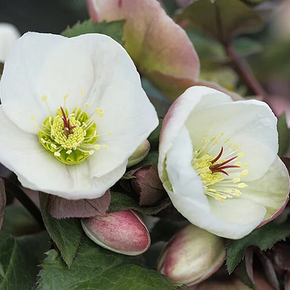
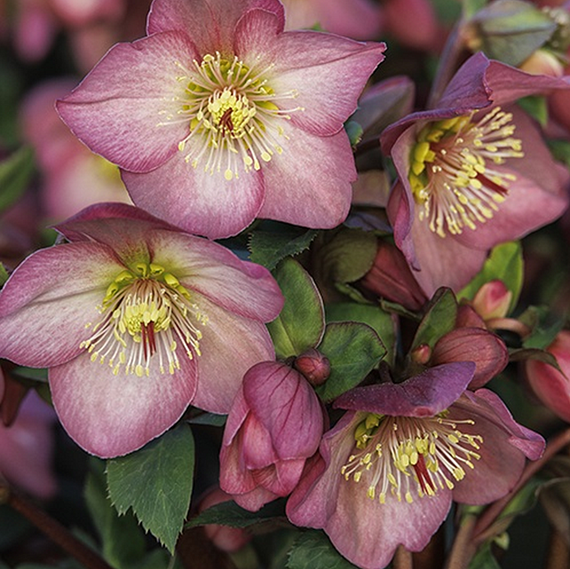
- Rosy-pink, outward-facing blooms emerge from late winter through spring — one of the earliest and longest-blooming perennials in the shade garden, often flowering for 3 months or more.
- Compact, clump-forming evergreen perennial reaching 12-24 inches tall and wide, with rich, leathery dark green foliage that provides year-round structure and interest.
- Exceptionally tough and low-maintenance — cold hardy in USDA Zones 5-9, naturally deer and rabbit resistant, and bred for extra vigor and robustness from the prestigious Helleborus Gold Collection.
- Versatile shade garden workhorse perfect for woodland borders, underplanting trees and shrubs, mass plantings, and containers — flowers even float beautifully in bowls as an elegant cut display.
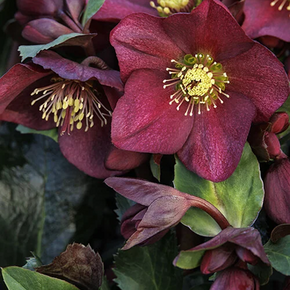
Helleborus Ice N' Roses Rose (HGC Ice N' Roses Rose, Helleborus x glandorfensis 'COSEH 4200') is a showstopping, award-winning shade perennial from the renowned Helleborus Gold Collection, bred in Germany for outstanding garden performance. From late winter through spring, this vigorous, clump-forming evergreen produces an abundance of single, cup-shaped, outward-facing blooms in soft to deep rose pink, accented by delicate violet petal edges and a cheerful central boss of golden-yellow stamens. Unlike many hellebores whose flowers nod shyly downward, Ice N' Roses Rose holds its blossoms in an upright, outward-facing orientation — making every rosy bloom easy to admire at a glance. New buds continue to emerge on sturdy branched stems throughout the bloom season, creating a layered color display as fresh pale pink buds open alongside the deeper rose tones of maturing flowers. The foliage is bold, deeply lobed, glossy, and leathery dark green, remaining attractive through all four seasons in mild climates. With its remarkably long bloom window, effortless care, and inherent resistance to deer and rabbits, Helleborus Ice N' Roses Rose is an indispensable addition to shade gardens, winter interest borders, woodland edges, and mixed containers across Southern Oregon and Northern California landscapes.
Plant Description
Ice N' Roses Rose is a compact, clump-forming, semi-evergreen to evergreen perennial hellebore belonging to the prestigious Helleborus Gold Collection (HGC), a line of premium hellebores developed through meticulous breeding in Germany by Josef Heuger. It is a hybrid of Helleborus x glandorfensis, a cross that brings together the best traits of several hellebore species for exceptional cold hardiness, vigor, and bloom quality. The flowers are single, cup-shaped, and distinctively outward-facing — a key feature of the Ice N' Roses series that sets it apart from traditional nodding hellebores. Each bloom displays soft to deep rose-pink petals (technically sepals) with subtle violet edging and a prominent central cluster of pale yellow stamens. As the season progresses, a unique and attractive interplay develops between the fresh pale pink of newly opened blooms and the deeper rose tones of older, mature flowers on the same plant. The foliage is bold and architectural — deeply divided, palm-shaped, leathery, and richly glossy dark green — providing elegant structure in the garden even when the plant is not in flower.
Mature Size
| Attribute | Measurement |
|---|---|
| Mature Height | 12 to 24 inches (approximately 50-60 cm) |
| Mature Spread | 12 to 24 inches (approximately 50-60 cm) |
| Growth Habit | Compact, clump-forming, multi-stemmed |
| Time to Mature Size | 2 to 5 years |
| Recommended Spacing | 24 inches (approximately 80 cm) on center |
Hardiness Zones and Climate
Ice N' Roses Rose is cold hardy in USDA Plant Hardiness Zones 5a through 9b, making it an excellent choice across a wide range of climates including Southern Oregon and Northern California. It tolerates temperatures well below 0°F when properly established, and the Royal Horticultural Society rates it at H7 — the hardiest classification for surviving the most severe European continental winters. In Zones 6-9, the foliage remains evergreen year-round. In Zone 5, foliage may become tattered in severe winters but will regrow from the crown in spring. Always site this plant in a location sheltered from harsh, desiccating winter winds, which can damage the blooms and foliage more than cold temperatures alone. In the warmer portions of Zone 9, provide afternoon shade and consistent summer moisture to keep the plant thriving through the heat.
Sunlight Requirements
Ice N' Roses Rose performs best in partial shade to dappled sunlight, ideally receiving 2 to 6 hours of indirect or filtered light per day. It thrives beautifully beneath deciduous trees, which provide open winter sun when the plant is actively flowering, and protective leafy shade through the hot summer months — mirroring the plant's native woodland habitat. Morning sun with afternoon shade is an excellent exposure, especially in warmer climates like Northern California. While it will tolerate deeper shade (less than 2 hours of direct sun), heavier shade may reduce flower production. Full sun is generally not recommended, as it can scorch the foliage and stress the plant, particularly during summer. A sheltered, east- or north-facing position near a wall, fence, or under a canopy of shrubs is ideal for protecting the early blooms from harsh late-winter conditions.
Soil and pH Preferences
This hellebore thrives in rich, humus-laden, well-drained soil that retains consistent moisture without becoming waterlogged. It prefers a neutral to slightly alkaline soil pH in the range of 6.5 to 8.0, though it will tolerate mildly acidic conditions. The ideal soil is a loamy blend with high organic matter content — a quality best achieved by amending the planting area with generous amounts of compost, aged leaf mold, or well-rotted manure before planting. Heavy clay soils must be amended to improve drainage, as standing water around the crown is the leading cause of plant failure. Sandy soils benefit from organic matter additions to improve water retention. Avoid compacted or nutrient-poor soils. A 2- to 3-inch layer of organic mulch (kept away from the crown itself) helps maintain ideal soil moisture and temperature throughout the year.
Watering Guide
- At planting and during establishment (Year 1): Water thoroughly after planting and continue regular, deep watering throughout the first growing season. Consistent moisture is critical while the root system develops.
- Established plants: Once established, Ice N' Roses Rose is quite drought tolerant, but it appreciates supplemental deep watering during extended dry spells, particularly in the heat of summer.
- Active growth and bloom period (winter-spring): Ensure consistent soil moisture during the flowering season for the best bloom performance.
- Summer dormancy period: Reduce watering frequency in summer as the plant enters a semi-dormant phase, but do not allow the soil to dry out completely, especially in Zone 8-9 climates.
- Key caution: Never allow the crown to sit in waterlogged soil. Crown rot is the most common problem with hellebores and is almost always linked to poor drainage or overwatering. Always water at the soil level rather than overhead to reduce the risk of fungal leaf spot.
Fertilizing
Ice N' Roses Rose is not a heavy feeder, but it does respond well to a modest fertilizing program. In early spring, just as new growth and flower stems begin to emerge, apply a balanced slow-release granular fertilizer (such as a 10-10-10 formula) according to label directions, or topdress the planting area with a generous 1- to 2-inch layer of compost or well-rotted manure. A second application of compost in the fall helps enrich the soil heading into the bloom season and insulates the crown through winter. Avoid high-nitrogen fertilizers, which promote lush leafy growth at the expense of flowers. In container plantings, a balanced liquid fertilizer applied monthly during the active growing season (late winter through spring) will support strong bloom production. Always water the plant thoroughly before and after fertilizing to prevent root burn.
Pruning and Maintenance
One of the most important annual maintenance tasks for Ice N' Roses Rose is the removal of old foliage in late winter, just as the new flower buds and fresh growth begin to emerge from the crown — typically January through March in Southern Oregon and Northern California. Cut back all old, tattered, or spotted leaves to the base of the plant at this time. This serves two key purposes: it dramatically showcases the beautiful blooms that would otherwise be hidden beneath last year's foliage, and it removes any overwintering fungal spores that cause hellebore leaf spot. Use clean, sharp pruners and wear gloves, as the plant sap can irritate skin. Deadheading spent flower stems after blooming is optional — removing them prevents unwanted self-sowing, while leaving them allows seedlings to naturalize around the parent plant. These volunteer seedlings typically take 2-3 years to bloom. Division is generally not necessary and hellebores are best left undisturbed, but clumps can be carefully divided in early fall if desired.
Planting Instructions
- Select a site with partial shade, well-drained soil, and shelter from strong winter winds.
- Amend the planting bed generously with compost or aged leaf mold to improve drainage and fertility.
- Dig a hole twice as wide as the root ball and equal in depth — no deeper.
- Remove the plant from its container and gently loosen any circling roots.
- Set the plant so the crown (where stems meet roots) sits at or just barely below the soil surface. Planting too deeply invites crown rot and reduces flowering.
- Backfill with amended soil, firm gently, and water deeply.
- Apply a 2- to 3-inch layer of organic mulch (shredded bark, leaf mold) around the plant, keeping mulch several inches away from the crown itself.
- Space plants 24 inches apart for mass plantings or border use.
- Best planting times are early spring or fall. Avoid planting during periods of extreme heat.
- Once planted, avoid moving the plant — hellebores are slow to recover from transplanting and prefer to remain undisturbed.
Bloom Season and Seasonal Interest
Ice N' Roses Rose is one of the most valuable plants in the garden calendar, delivering exceptional interest across multiple seasons. Its primary flowering season begins as early as December or January in mild areas of Northern California, and extends through winter and well into spring — often spanning 10 to 12 weeks or more of continuous bloom. The persistent sepals do not drop after pollination, meaning the colorful "petals" remain attractive on the plant for a remarkably long time. In spring and summer, the bold, dark green evergreen foliage fills in to create a lush, ground-covering mound that remains attractive and weed-suppressing through the warm season. In fall, the deep green foliage takes on richer tones and provides a reliable backdrop for other late-season plants. By late autumn to early winter, fresh buds begin to swell once more, signaling another spectacular bloom season is approaching. The continuous emergence of new buds alongside maturing blooms in pale and deep rose tones creates a unique, multi-toned color display throughout the flowering period.
Landscape Uses
- Woodland and shade gardens: A natural fit under deciduous trees and among woodland plantings where it receives protective summer shade and winter light.
- Mixed borders: Use at the front to middle of shade borders for winter and early spring color and year-round foliage interest.
- Mass plantings: Planted in drifts of 3, 5, or more, Ice N' Roses Rose creates a spectacular, low-maintenance evergreen groundcover with a breathtaking winter bloom display.
- Underplanting: Ideal for underplanting roses, shrubs, and ornamental trees, where its low profile and shade tolerance make it a natural fit.
- Container gardening: Grows beautifully in large decorative containers for patios, entryways, and balconies, providing structure and winter color in shaded outdoor spaces.
- Foundation plantings: Thrives on north- and east-facing foundations where few flowering plants succeed.
- Cut and float arrangements: The long-lasting blooms can be cut and floated in shallow bowls or used in floral arrangements for elegant indoor displays.
- Winter interest garden: A cornerstone plant for gardens designed to provide color and beauty during the dormant winter months.
Companion Plants
Ice N' Roses Rose pairs beautifully with a wide range of shade-tolerant and early-season plants to create layered, year-round interest in the garden. Some of the best companions include:
- Snowdrops (Galanthus): Bloom at the same time for a classic winter garden pairing of white and rose-pink.
- Winter Aconite (Eranthis hyemalis): Cheerful yellow blooms complement the rosy hellebore flowers in late winter.
- Pulmonaria (Lungwort): Silver-spotted foliage provides beautiful textural contrast alongside hellebore leaves.
- Hostas: Emerge just as hellebore blooms finish, neatly filling the shade garden with bold summer foliage.
- Ferns (Dryopteris, Polystichum): Provide elegant texture and a lush woodland feel alongside the leathery hellebore foliage.
- Bleeding Heart (Lamprocapnos spectabilis): Arching spring stems carry pink and white flowers that harmonize with late-season hellebore blooms.
- Bergenia: Bold, rounded evergreen leaves and early pink flowers complement the hellebore's form and color palette.
- Heuchera (Coral Bells): Colorful foliage varieties provide year-round contrast in the shade border.
- Ophiopogon (Mondo Grass): Low, grass-like dark foliage provides a striking textural contrast as an edging companion.
- Daffodils and early bulbs: Plant tulips, crocus, and daffodils among hellebores for an extended spring bulb and perennial color display.
Pests and Diseases
Ice N' Roses Rose is generally a very tough and pest-resistant plant, but gardeners should be aware of the following occasional issues:
- Hellebore Leaf Spot (Coniothyrium hellebori): The most common fungal issue, causing dark brown or black blotches on leaves and stems. Prevent it by cutting back all old foliage in late winter before new growth emerges, ensuring good air circulation, and avoiding overhead watering. Remove and dispose of (do not compost) any spotted leaves promptly.
- Crown Rot: Usually caused by poor drainage, waterlogged soil, or planting too deeply. Ensure excellent drainage and that the crown is never buried. There is no cure for severe crown rot — prevention through proper siting is essential.
- Hellebore Aphids: Can occasionally cluster on flower stems in early spring. A firm spray of water dislodges them effectively. Beneficial insects attracted by the hellebore's early blooms naturally help keep aphid populations in check.
- Hellebore Leaf Miner: Causes pale, winding trails within the leaf tissue. Remove and destroy affected leaves. Rarely causes serious harm to a healthy plant.
- Slugs and Snails: May occasionally damage young foliage in wet conditions. Use organic slug bait or diatomaceous earth around the base of plants if damage is observed.
- No serious insect pests: The toxic alkaloids present throughout all parts of the plant deter most insect feeding and virtually all deer and rabbit browsing.
Container Growing
Ice N' Roses Rose is an excellent choice for container culture, bringing elegant winter color to patios, entryways, courtyards, and shaded balconies. Choose a large container — at least 12 to 16 inches in diameter — with generous drainage holes, as hellebores cannot tolerate waterlogged roots. Use a high-quality, well-draining potting mix blended with perlite or coarse grit to ensure excellent drainage, and add a layer of compost to provide organic richness. Site the container in a partially shaded location sheltered from harsh winds. Water regularly, allowing the top inch of soil to dry slightly between waterings, and never allow the pot to sit in a drainage saucer filled with standing water. Feed monthly during the bloom and growth season with a balanced liquid fertilizer. In Southern Oregon winters, containers can remain outdoors in most years, but during severe cold snaps move pots against a sheltered wall or into an unheated garage to protect the roots, which are more vulnerable to freezing in a container than in the ground. Repot every 2-3 years or when the plant becomes noticeably root-bound.
Wildlife Value
Despite its toxicity to mammals, Ice N' Roses Rose is a valuable plant for beneficial wildlife — particularly pollinators. The flowers open during late winter and early spring when virtually no other nectar or pollen sources are available in the garden, making them a critical early food source for emerging queen bumblebees, honeybees, and other early-season pollinators. The Royal Horticultural Society has officially recognized hellebores as Plants for Pollinators for this reason. The flowers provide both nectar and abundant pollen, which are especially important for building up bee colony strength at the start of the season. Conversely, the plant's toxic alkaloids (helleborin, helleborein, and saponins) make it completely unpalatable to deer, rabbits, groundhogs, and other browsing animals, making it an ideal choice for gardens with significant wildlife pressure. It is not known to be host to any significant butterfly or moth larvae.
Toxicity and Handling
All parts of Helleborus Ice N' Roses Rose — including the leaves, stems, roots, flowers, and sap — are toxic if ingested by humans or animals. The plant contains cardiac glycosides (including helleborin and helleborein) as well as saponins, which can cause serious symptoms including nausea, vomiting, abdominal pain, and in severe cases, effects on the heart and nervous system. Keep this plant out of reach of young children and away from areas where pets might graze. The sap can also cause contact dermatitis and skin irritation in sensitive individuals. Always wear gloves when pruning, dividing, or handling the plant, and wash hands thoroughly after any contact. Despite these precautions, Ice N' Roses Rose is safe to grow in home gardens with normal care, and its toxicity is precisely what makes it so reliably resistant to deer and rabbit browsing. Dispose of clippings in the trash rather than leaving them accessible to animals or small children.
- Rosy-pink, outward-facing blooms emerge from late winter through spring — one of the earliest and longest-blooming perennials in the shade garden, often flowering for 3 months or more.
- Compact, clump-forming evergreen perennial reaching 12-24 inches tall and wide, with rich, leathery dark green foliage that provides year-round structure and interest.
- Exceptionally tough and low-maintenance — cold hardy in USDA Zones 5-9, naturally deer and rabbit resistant, and bred for extra vigor and robustness from the prestigious Helleborus Gold Collection.
- Versatile shade garden workhorse perfect for woodland borders, underplanting trees and shrubs, mass plantings, and containers — flowers even float beautifully in bowls as an elegant cut display.
Helleborus Ice N' Roses Rose (HGC Ice N' Roses Rose, Helleborus x glandorfensis 'COSEH 4200') is a showstopping, award-winning shade perennial from the renowned Helleborus Gold Collection, bred in Germany for outstanding garden performance. From late winter through spring, this vigorous, clump-forming evergreen produces an abundance of single, cup-shaped, outward-facing blooms in soft to deep rose pink, accented by delicate violet petal edges and a cheerful central boss of golden-yellow stamens. Unlike many hellebores whose flowers nod shyly downward, Ice N' Roses Rose holds its blossoms in an upright, outward-facing orientation — making every rosy bloom easy to admire at a glance. New buds continue to emerge on sturdy branched stems throughout the bloom season, creating a layered color display as fresh pale pink buds open alongside the deeper rose tones of maturing flowers. The foliage is bold, deeply lobed, glossy, and leathery dark green, remaining attractive through all four seasons in mild climates. With its remarkably long bloom window, effortless care, and inherent resistance to deer and rabbits, Helleborus Ice N' Roses Rose is an indispensable addition to shade gardens, winter interest borders, woodland edges, and mixed containers across Southern Oregon and Northern California landscapes.
Plant Description
Ice N' Roses Rose is a compact, clump-forming, semi-evergreen to evergreen perennial hellebore belonging to the prestigious Helleborus Gold Collection (HGC), a line of premium hellebores developed through meticulous breeding in Germany by Josef Heuger. It is a hybrid of Helleborus x glandorfensis, a cross that brings together the best traits of several hellebore species for exceptional cold hardiness, vigor, and bloom quality. The flowers are single, cup-shaped, and distinctively outward-facing — a key feature of the Ice N' Roses series that sets it apart from traditional nodding hellebores. Each bloom displays soft to deep rose-pink petals (technically sepals) with subtle violet edging and a prominent central cluster of pale yellow stamens. As the season progresses, a unique and attractive interplay develops between the fresh pale pink of newly opened blooms and the deeper rose tones of older, mature flowers on the same plant. The foliage is bold and architectural — deeply divided, palm-shaped, leathery, and richly glossy dark green — providing elegant structure in the garden even when the plant is not in flower.
Mature Size
| Attribute | Measurement |
|---|---|
| Mature Height | 12 to 24 inches (approximately 50-60 cm) |
| Mature Spread | 12 to 24 inches (approximately 50-60 cm) |
| Growth Habit | Compact, clump-forming, multi-stemmed |
| Time to Mature Size | 2 to 5 years |
| Recommended Spacing | 24 inches (approximately 80 cm) on center |
Hardiness Zones and Climate
Ice N' Roses Rose is cold hardy in USDA Plant Hardiness Zones 5a through 9b, making it an excellent choice across a wide range of climates including Southern Oregon and Northern California. It tolerates temperatures well below 0°F when properly established, and the Royal Horticultural Society rates it at H7 — the hardiest classification for surviving the most severe European continental winters. In Zones 6-9, the foliage remains evergreen year-round. In Zone 5, foliage may become tattered in severe winters but will regrow from the crown in spring. Always site this plant in a location sheltered from harsh, desiccating winter winds, which can damage the blooms and foliage more than cold temperatures alone. In the warmer portions of Zone 9, provide afternoon shade and consistent summer moisture to keep the plant thriving through the heat.
Sunlight Requirements
Ice N' Roses Rose performs best in partial shade to dappled sunlight, ideally receiving 2 to 6 hours of indirect or filtered light per day. It thrives beautifully beneath deciduous trees, which provide open winter sun when the plant is actively flowering, and protective leafy shade through the hot summer months — mirroring the plant's native woodland habitat. Morning sun with afternoon shade is an excellent exposure, especially in warmer climates like Northern California. While it will tolerate deeper shade (less than 2 hours of direct sun), heavier shade may reduce flower production. Full sun is generally not recommended, as it can scorch the foliage and stress the plant, particularly during summer. A sheltered, east- or north-facing position near a wall, fence, or under a canopy of shrubs is ideal for protecting the early blooms from harsh late-winter conditions.
Soil and pH Preferences
This hellebore thrives in rich, humus-laden, well-drained soil that retains consistent moisture without becoming waterlogged. It prefers a neutral to slightly alkaline soil pH in the range of 6.5 to 8.0, though it will tolerate mildly acidic conditions. The ideal soil is a loamy blend with high organic matter content — a quality best achieved by amending the planting area with generous amounts of compost, aged leaf mold, or well-rotted manure before planting. Heavy clay soils must be amended to improve drainage, as standing water around the crown is the leading cause of plant failure. Sandy soils benefit from organic matter additions to improve water retention. Avoid compacted or nutrient-poor soils. A 2- to 3-inch layer of organic mulch (kept away from the crown itself) helps maintain ideal soil moisture and temperature throughout the year.
Watering Guide
- At planting and during establishment (Year 1): Water thoroughly after planting and continue regular, deep watering throughout the first growing season. Consistent moisture is critical while the root system develops.
- Established plants: Once established, Ice N' Roses Rose is quite drought tolerant, but it appreciates supplemental deep watering during extended dry spells, particularly in the heat of summer.
- Active growth and bloom period (winter-spring): Ensure consistent soil moisture during the flowering season for the best bloom performance.
- Summer dormancy period: Reduce watering frequency in summer as the plant enters a semi-dormant phase, but do not allow the soil to dry out completely, especially in Zone 8-9 climates.
- Key caution: Never allow the crown to sit in waterlogged soil. Crown rot is the most common problem with hellebores and is almost always linked to poor drainage or overwatering. Always water at the soil level rather than overhead to reduce the risk of fungal leaf spot.
Fertilizing
Ice N' Roses Rose is not a heavy feeder, but it does respond well to a modest fertilizing program. In early spring, just as new growth and flower stems begin to emerge, apply a balanced slow-release granular fertilizer (such as a 10-10-10 formula) according to label directions, or topdress the planting area with a generous 1- to 2-inch layer of compost or well-rotted manure. A second application of compost in the fall helps enrich the soil heading into the bloom season and insulates the crown through winter. Avoid high-nitrogen fertilizers, which promote lush leafy growth at the expense of flowers. In container plantings, a balanced liquid fertilizer applied monthly during the active growing season (late winter through spring) will support strong bloom production. Always water the plant thoroughly before and after fertilizing to prevent root burn.
Pruning and Maintenance
One of the most important annual maintenance tasks for Ice N' Roses Rose is the removal of old foliage in late winter, just as the new flower buds and fresh growth begin to emerge from the crown — typically January through March in Southern Oregon and Northern California. Cut back all old, tattered, or spotted leaves to the base of the plant at this time. This serves two key purposes: it dramatically showcases the beautiful blooms that would otherwise be hidden beneath last year's foliage, and it removes any overwintering fungal spores that cause hellebore leaf spot. Use clean, sharp pruners and wear gloves, as the plant sap can irritate skin. Deadheading spent flower stems after blooming is optional — removing them prevents unwanted self-sowing, while leaving them allows seedlings to naturalize around the parent plant. These volunteer seedlings typically take 2-3 years to bloom. Division is generally not necessary and hellebores are best left undisturbed, but clumps can be carefully divided in early fall if desired.
Planting Instructions
- Select a site with partial shade, well-drained soil, and shelter from strong winter winds.
- Amend the planting bed generously with compost or aged leaf mold to improve drainage and fertility.
- Dig a hole twice as wide as the root ball and equal in depth — no deeper.
- Remove the plant from its container and gently loosen any circling roots.
- Set the plant so the crown (where stems meet roots) sits at or just barely below the soil surface. Planting too deeply invites crown rot and reduces flowering.
- Backfill with amended soil, firm gently, and water deeply.
- Apply a 2- to 3-inch layer of organic mulch (shredded bark, leaf mold) around the plant, keeping mulch several inches away from the crown itself.
- Space plants 24 inches apart for mass plantings or border use.
- Best planting times are early spring or fall. Avoid planting during periods of extreme heat.
- Once planted, avoid moving the plant — hellebores are slow to recover from transplanting and prefer to remain undisturbed.
Bloom Season and Seasonal Interest
Ice N' Roses Rose is one of the most valuable plants in the garden calendar, delivering exceptional interest across multiple seasons. Its primary flowering season begins as early as December or January in mild areas of Northern California, and extends through winter and well into spring — often spanning 10 to 12 weeks or more of continuous bloom. The persistent sepals do not drop after pollination, meaning the colorful "petals" remain attractive on the plant for a remarkably long time. In spring and summer, the bold, dark green evergreen foliage fills in to create a lush, ground-covering mound that remains attractive and weed-suppressing through the warm season. In fall, the deep green foliage takes on richer tones and provides a reliable backdrop for other late-season plants. By late autumn to early winter, fresh buds begin to swell once more, signaling another spectacular bloom season is approaching. The continuous emergence of new buds alongside maturing blooms in pale and deep rose tones creates a unique, multi-toned color display throughout the flowering period.
Landscape Uses
- Woodland and shade gardens: A natural fit under deciduous trees and among woodland plantings where it receives protective summer shade and winter light.
- Mixed borders: Use at the front to middle of shade borders for winter and early spring color and year-round foliage interest.
- Mass plantings: Planted in drifts of 3, 5, or more, Ice N' Roses Rose creates a spectacular, low-maintenance evergreen groundcover with a breathtaking winter bloom display.
- Underplanting: Ideal for underplanting roses, shrubs, and ornamental trees, where its low profile and shade tolerance make it a natural fit.
- Container gardening: Grows beautifully in large decorative containers for patios, entryways, and balconies, providing structure and winter color in shaded outdoor spaces.
- Foundation plantings: Thrives on north- and east-facing foundations where few flowering plants succeed.
- Cut and float arrangements: The long-lasting blooms can be cut and floated in shallow bowls or used in floral arrangements for elegant indoor displays.
- Winter interest garden: A cornerstone plant for gardens designed to provide color and beauty during the dormant winter months.
Companion Plants
Ice N' Roses Rose pairs beautifully with a wide range of shade-tolerant and early-season plants to create layered, year-round interest in the garden. Some of the best companions include:
- Snowdrops (Galanthus): Bloom at the same time for a classic winter garden pairing of white and rose-pink.
- Winter Aconite (Eranthis hyemalis): Cheerful yellow blooms complement the rosy hellebore flowers in late winter.
- Pulmonaria (Lungwort): Silver-spotted foliage provides beautiful textural contrast alongside hellebore leaves.
- Hostas: Emerge just as hellebore blooms finish, neatly filling the shade garden with bold summer foliage.
- Ferns (Dryopteris, Polystichum): Provide elegant texture and a lush woodland feel alongside the leathery hellebore foliage.
- Bleeding Heart (Lamprocapnos spectabilis): Arching spring stems carry pink and white flowers that harmonize with late-season hellebore blooms.
- Bergenia: Bold, rounded evergreen leaves and early pink flowers complement the hellebore's form and color palette.
- Heuchera (Coral Bells): Colorful foliage varieties provide year-round contrast in the shade border.
- Ophiopogon (Mondo Grass): Low, grass-like dark foliage provides a striking textural contrast as an edging companion.
- Daffodils and early bulbs: Plant tulips, crocus, and daffodils among hellebores for an extended spring bulb and perennial color display.
Pests and Diseases
Ice N' Roses Rose is generally a very tough and pest-resistant plant, but gardeners should be aware of the following occasional issues:
- Hellebore Leaf Spot (Coniothyrium hellebori): The most common fungal issue, causing dark brown or black blotches on leaves and stems. Prevent it by cutting back all old foliage in late winter before new growth emerges, ensuring good air circulation, and avoiding overhead watering. Remove and dispose of (do not compost) any spotted leaves promptly.
- Crown Rot: Usually caused by poor drainage, waterlogged soil, or planting too deeply. Ensure excellent drainage and that the crown is never buried. There is no cure for severe crown rot — prevention through proper siting is essential.
- Hellebore Aphids: Can occasionally cluster on flower stems in early spring. A firm spray of water dislodges them effectively. Beneficial insects attracted by the hellebore's early blooms naturally help keep aphid populations in check.
- Hellebore Leaf Miner: Causes pale, winding trails within the leaf tissue. Remove and destroy affected leaves. Rarely causes serious harm to a healthy plant.
- Slugs and Snails: May occasionally damage young foliage in wet conditions. Use organic slug bait or diatomaceous earth around the base of plants if damage is observed.
- No serious insect pests: The toxic alkaloids present throughout all parts of the plant deter most insect feeding and virtually all deer and rabbit browsing.
Container Growing
Ice N' Roses Rose is an excellent choice for container culture, bringing elegant winter color to patios, entryways, courtyards, and shaded balconies. Choose a large container — at least 12 to 16 inches in diameter — with generous drainage holes, as hellebores cannot tolerate waterlogged roots. Use a high-quality, well-draining potting mix blended with perlite or coarse grit to ensure excellent drainage, and add a layer of compost to provide organic richness. Site the container in a partially shaded location sheltered from harsh winds. Water regularly, allowing the top inch of soil to dry slightly between waterings, and never allow the pot to sit in a drainage saucer filled with standing water. Feed monthly during the bloom and growth season with a balanced liquid fertilizer. In Southern Oregon winters, containers can remain outdoors in most years, but during severe cold snaps move pots against a sheltered wall or into an unheated garage to protect the roots, which are more vulnerable to freezing in a container than in the ground. Repot every 2-3 years or when the plant becomes noticeably root-bound.
Wildlife Value
Despite its toxicity to mammals, Ice N' Roses Rose is a valuable plant for beneficial wildlife — particularly pollinators. The flowers open during late winter and early spring when virtually no other nectar or pollen sources are available in the garden, making them a critical early food source for emerging queen bumblebees, honeybees, and other early-season pollinators. The Royal Horticultural Society has officially recognized hellebores as Plants for Pollinators for this reason. The flowers provide both nectar and abundant pollen, which are especially important for building up bee colony strength at the start of the season. Conversely, the plant's toxic alkaloids (helleborin, helleborein, and saponins) make it completely unpalatable to deer, rabbits, groundhogs, and other browsing animals, making it an ideal choice for gardens with significant wildlife pressure. It is not known to be host to any significant butterfly or moth larvae.
Toxicity and Handling
All parts of Helleborus Ice N' Roses Rose — including the leaves, stems, roots, flowers, and sap — are toxic if ingested by humans or animals. The plant contains cardiac glycosides (including helleborin and helleborein) as well as saponins, which can cause serious symptoms including nausea, vomiting, abdominal pain, and in severe cases, effects on the heart and nervous system. Keep this plant out of reach of young children and away from areas where pets might graze. The sap can also cause contact dermatitis and skin irritation in sensitive individuals. Always wear gloves when pruning, dividing, or handling the plant, and wash hands thoroughly after any contact. Despite these precautions, Ice N' Roses Rose is safe to grow in home gardens with normal care, and its toxicity is precisely what makes it so reliably resistant to deer and rabbit browsing. Dispose of clippings in the trash rather than leaving them accessible to animals or small children.