
Zoom the image with the mouse
H. F. Young Clematis - 1 Gallon
SKU:
1931595
UPC:
651469652219
$21.99
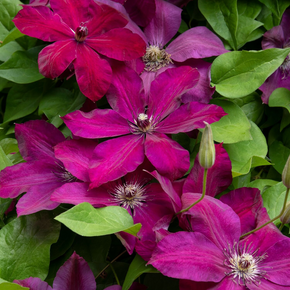
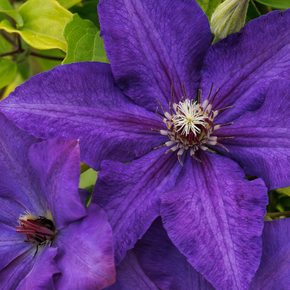
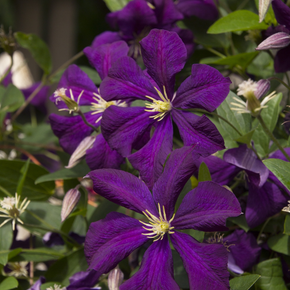
- Jaw-dropping, saucer-shaped flowers up to 6-8 inches across in a stunning soft lavender-blue with creamy anthers bloom in late spring to early summer and again in early fall
- A fast-growing, deciduous climbing vine reaching 8-10 feet tall, perfect for trellises, arbors, pergolas, fences, and obelisks
- Pruning Group 2 rebloomer - light pruning preserves the first flush of blooms on old wood while encouraging a second flush on new growth later in the season
- Deer and rabbit resistant with excellent pollinator appeal, attracting bees and other beneficial insects to the garden
Clematis 'H.F. Young' is one of the most beloved large-flowered clematis cultivars available, prized for its spectacular, saucer-shaped blooms that can reach an impressive 6 to 8 inches in diameter. Each flower displays 6 to 8 broad, overlapping petals in a rich yet soft lavender-blue to violet-blue hue, elegantly accented by a cluster of creamy white stamens at the center. A true rebloomer, this deciduous perennial vine delivers its most prolific display in late spring to early summer on the previous season's stems, then offers a second flush of color in early autumn on new growth - giving gardeners an extended season of breathtaking color. The glossy, mid-green foliage provides a handsome backdrop to the vivid blooms throughout the growing season. Vigorous and fast-growing, 'H.F. Young' climbs by way of its leaf stalks and will readily scale a trellis, arbor, pergola, obelisk, or wooden fence, or can be trained to scramble gracefully through roses and ornamental shrubs. Hardy in USDA Zones 4-9, it thrives in full sun to part shade and performs beautifully in both in-ground garden beds and large containers, making it an incredibly versatile selection for Southern Oregon and Northern California landscapes.
Plant Description
Clematis 'H.F. Young' is a large-flowered, deciduous climbing vine celebrated for its enormous, saucer-shaped blossoms. Each flower spans 6 to 8 inches across and features 6 to 8 broad petals in a captivating soft lavender-blue to blue-violet color, beautifully contrasted by a prominent central boss of creamy white stamens. The buds are elongated and tapered before opening into these eye-catching flowers. Foliage consists of glossy, mid-green leaves divided into 3 lance-shaped leaflets, each 4 to 6 inches long, that emerge in pairs along the twining stems. The vine climbs by wrapping its leaf stalks around any available support. 'H.F. Young' is a compact yet vigorous grower that brings an undeniable sense of elegance and drama to vertical garden spaces.
Mature Size
| Characteristic | Detail |
|---|---|
| Mature Height | 8-10 feet |
| Spread | 3-6 feet |
| Growth Rate | Fast |
| Growth Habit | Deciduous climbing vine |
| Climbing Method | Twining leaf stalks |
Hardiness Zones
Clematis 'H.F. Young' is cold-hardy in USDA Plant Hardiness Zones 4 through 9, tolerating winter lows down to approximately -30 degrees F at the cold end of its range. This makes it a highly adaptable vine well suited to the diverse climates found across Southern Oregon and Northern California, from the cooler mountain foothills to the warmer inland valleys. In hotter inland areas, providing some afternoon shade and keeping the root zone cool and moist will help the plant thrive through the heat of summer.
Sunlight Requirements
For the most abundant bloom production, plant 'H.F. Young' in a location that receives full sun to part shade, ideally a minimum of 6 hours of direct sunlight per day. The ideal situation follows the classic clematis rule: keep the flowering top of the vine in full sun while the root zone remains cool and shaded. In hotter summer climates, especially warmer inland regions, some protection from intense afternoon sun is beneficial and will help preserve flower color and reduce stress on the plant. Morning sun with light afternoon shade is often the perfect balance in warmer areas.
Soil and pH Preferences
This clematis thrives in fertile, medium-moisture, well-drained soil. It is adaptable to a range of soil textures from sandy loam to loam, provided drainage is adequate - standing water or waterlogged conditions will damage the roots. 'H.F. Young' prefers a soil pH in the range of 5.5 to 6.5, slightly acidic to neutral. Amending the planting site with compost or aged organic matter before planting will improve soil fertility, water retention, and drainage. Avoid heavy clay soils unless significantly amended. A slightly alkaline to neutral pH (up to 7.0) is also acceptable, as clematis generally prefer near-neutral conditions.
Watering Guide
Consistent, even moisture is key to keeping Clematis 'H.F. Young' healthy and floriferous. Water regularly, aiming to provide approximately 1 inch of water per week during the growing season, adjusting for rainfall and temperature. Deep, infrequent watering is preferable to frequent shallow watering, as it encourages deep, drought-resistant root development. Avoid overwatering or allowing the soil to become waterlogged, which can promote root rot and fungal diseases. During hot, dry spells common in Southern Oregon and Northern California summers, additional watering may be necessary. Applying a 2-3 inch layer of organic mulch around the root zone will help retain soil moisture, moderate soil temperature, and reduce the frequency of supplemental watering needed.
Fertilizing
Begin fertilizing 'H.F. Young' in spring as new growth emerges, using a balanced, slow-release granular fertilizer worked lightly into the soil around the base of the plant. A fertilizer with a higher potassium content can be applied during the growing season to help support and extend the bloom period. Avoid fertilizers that are excessively high in nitrogen, as this can promote lush leafy growth at the expense of flowers. Liquid fertilizers such as fish emulsion or seaweed extract, applied at half the recommended strength once monthly from spring through late summer, are also effective - particularly for container-grown specimens. Discontinue fertilizing in late summer to allow the vine to slow its growth and harden off before winter.
Pruning and Maintenance
Clematis 'H.F. Young' belongs to Pruning Group 2, which means it blooms first on the previous season's old wood and then again on new growth produced in the current season. Proper pruning preserves both flushes of bloom:
- Late Winter / Early Spring (February): Remove only dead, damaged, or weak stems. Work down each stem from the tip until you reach a pair of healthy, plump buds, and cut just above them. Avoid heavy pruning at this stage or the first flush of flowers will be lost.
- After the First Flush of Bloom: Lightly prune back some stems by cutting just below the spent flowers to a large bud or strong side shoot. This encourages the second flush of blooms in early autumn.
- Overgrown Plants: Top-heavy or overgrown plants can be gradually rejuvenated over two to three seasons by pruning harder after the first bloom. These plants may skip the second flush that season but will flower normally the following spring.
- Apply a layer of mulch over the root zone each year to insulate the crown and retain moisture.
Planting Instructions
- Choose a site with at least 6 hours of sun and good drainage. Install a trellis, arbor, obelisk, or other sturdy support structure before planting.
- Dig a planting hole approximately twice the width of the root ball and deep enough to allow the crown of the plant to be set 2 to 3 inches below the soil surface. Burying the crown helps protect the plant from clematis wilt and encourages new stems to emerge from below the soil if the top growth is damaged.
- Amend the backfill soil with compost to improve fertility and drainage.
- Place the plant in the hole, backfill with amended soil, and firm gently around the roots.
- Water thoroughly after planting.
- Apply a 2-3 inch layer of organic mulch (bark chips, shredded leaves, or compost) around the base, keeping mulch a few inches back from the main stems to prevent rot.
- Space multiple plants 3 to 4 feet apart for a full, lush effect on a fence or arbor.
- Gently guide the young stems toward the support structure and loosely tie them as needed until the plant begins to climb on its own.
Seasonal Interest
| Season | What to Expect |
|---|---|
| Spring | Lush new foliage emerges; large flower buds develop on old wood; first spectacular flush of lavender-blue blooms begins in late spring |
| Early Summer | Peak bloom period - the vine is covered in massive 6-8 inch saucer-shaped flowers; a showstopping display on trellises and arbors |
| Midsummer | Glossy green foliage remains attractive; sporadic blooms possible; second flush of buds developing on new growth |
| Early Fall | Second flush of blooms appears on the current season's new growth, extending the display into autumn |
| Winter | Deciduous; stems die back; the buried crown lies dormant until spring |
Landscape Uses
Clematis 'H.F. Young' is one of the most versatile flowering vines for ornamental garden design. Its moderate, compact habit and spectacular flowers make it appropriate for a wide range of applications:
- Trellises and Obelisks: Ideal for growing on a freestanding trellis or decorative obelisk as a garden focal point
- Arbors and Pergolas: Trains beautifully over archways and pergola uprights to create a floral canopy
- Fences and Walls: Excellent for adorning garden fences, split-rail fences, and lattice panels with cascading flowers
- Scrambling Through Shrubs: Can be trained to climb through larger ornamental shrubs or small trees for a naturalistic effect
- Vertical Accents in Small Gardens: Its upright, compact growth makes it ideal for adding vertical interest in narrow or small garden spaces
- Container Gardening: Well suited to large patio containers and planters with a trellis or support included
- Cottage and English-style Gardens: A natural fit for classic cottage garden designs, especially when combined with roses
Companion Plants
Clematis 'H.F. Young' pairs beautifully with a wide range of garden plants. The classic principle is to shade its roots with lower-growing companions while allowing its flowering stems to bask in the sun. Excellent companion choices include:
- Roses: The most classic pairing - climbing or shrub roses provide structure and complementary color, and their foliage helps shade the clematis roots
- Hydrangea: Tall, sturdy shrubs that make reliable support hosts and share similar moisture and soil preferences
- Peonies: Share similar bloom times and soil requirements; their bold foliage shades the base of the clematis beautifully
- Hostas and Hardy Geraniums: Low-growing perennials that shade the root zone, keeping the soil cool and moist
- Coneflowers and Daylilies: Great for hot, sunny spots at the base of the clematis; their spreading clumps keep roots shaded
- Ornamental Alliums: Add interesting spherical flowers in complementary purple tones that bloom alongside 'H.F. Young'
- Viburnum, Spirea, or Boxwood: Shrubs that provide a lush green or flowering backdrop to set off the blue blooms
- Larkspur and Salvia: Tall annuals and perennials that provide coordinating cool tones and mid-level structure
Pests and Diseases
Clematis 'H.F. Young' is generally a robust and resilient vine, but gardeners should be aware of the following potential issues:
- Clematis Wilt (Phoma clematidina): The most notable disease specific to large-flowered clematis. Stems may wilt and blacken suddenly. This is why planting the crown 2-3 inches below soil level is so important - new stems can regenerate from the buried crown. Remove and dispose of affected stems promptly; do not compost them. Good air circulation helps prevent this fungal issue.
- Powdery Mildew: A fungal issue that can appear in humid conditions or where air circulation is poor, causing a white powdery coating on leaves. Ensure adequate spacing and avoid overhead watering. Neem oil or a diluted baking soda solution can help manage outbreaks.
- Aphids: Small, soft-bodied insects that cluster on new growth and undersides of leaves. Treat with insecticidal soap or a strong blast of water. Avoid over-fertilizing with nitrogen, which promotes the soft new growth aphids prefer.
- Spider Mites: More common in hot, dry conditions. Look for fine webbing and stippled foliage. Increase humidity around the plant and treat with neem oil or insecticidal soap.
- Whiteflies: Can be managed with yellow sticky traps, insecticidal soap sprays, or by encouraging natural predators such as parasitic wasps.
- Verticillium or Fusarium Wilt: Soil-borne fungi that can cause wilting. Choose well-drained planting sites and avoid over-fertilizing with nitrogen-heavy products.
Container Growing
Clematis 'H.F. Young' adapts well to container culture and makes a spectacular addition to patios, decks, and entryways. Follow these guidelines for success in pots:
- Select a large container - at least 15 to 20 gallons - with drainage holes to accommodate the root system and prevent waterlogging.
- Use a high-quality, well-draining potting mix enriched with compost. A slightly heavier mix retains more moisture than a standard lightweight potting soil.
- Install a sturdy trellis, obelisk, or bamboo tepee in the container before or at planting time to give the vine something to climb.
- Container-grown clematis dry out faster than in-ground plants. Check soil moisture frequently and water when the top inch of soil is dry. Consistent moisture is critical.
- Fertilize with a diluted liquid fertilizer (fish emulsion or balanced liquid feed) at half the recommended strength once monthly from spring through late summer. Do not over-fertilize.
- Overwinter container-grown plants by moving them to a sheltered, frost-protected location such as an unheated garage or covered porch in colder zones, or insulating the pot with burlap or bubble wrap.
- Repot every 2-3 years in fresh potting mix as the root system fills the container.
Wildlife Value
Clematis 'H.F. Young' offers meaningful value to garden wildlife, particularly during its generous bloom periods in late spring and early fall. The large, open flowers with their prominent central stamens are easily accessible to a variety of beneficial insects. Bees - including both honeybees and native bumblebees - are frequent visitors, gathering both nectar and pollen. The flowers also attract butterflies and other beneficial pollinators, making 'H.F. Young' a rewarding choice for gardeners looking to support local pollinator populations. This variety is also noted to be both deer resistant and rabbit resistant, making it an excellent choice for gardens in rural and semi-rural areas of Southern Oregon and Northern California where browsing pressure from wildlife can be a challenge.
Propagation
Clematis 'H.F. Young' can be propagated at home using the following methods:
- Stem Cuttings: Take softwood or semi-ripe cuttings in early spring or late summer. Each cutting should include at least one pair of healthy leaves and a section of internode stem. Remove the lower leaves, dip the cut end in rooting hormone, and insert into a moist, well-draining propagation mix. Keep cuttings humid and warm until roots develop, which typically takes several weeks.
- Layering: In early spring or late summer, bend a long, flexible stem down to the ground, wound the stem slightly at the point of soil contact, and bury that section 2-3 inches deep while leaving the tip exposed. Pin the buried section with a U-shaped stake. Keep moist until a new root system forms, then sever from the parent plant and transplant.
- Note that 'H.F. Young' is a named cultivar; plants grown from seed will not reproduce true to the parent plant's characteristics. Vegetative propagation (cuttings or layering) is the correct method to preserve the cultivar's traits.
- Jaw-dropping, saucer-shaped flowers up to 6-8 inches across in a stunning soft lavender-blue with creamy anthers bloom in late spring to early summer and again in early fall
- A fast-growing, deciduous climbing vine reaching 8-10 feet tall, perfect for trellises, arbors, pergolas, fences, and obelisks
- Pruning Group 2 rebloomer - light pruning preserves the first flush of blooms on old wood while encouraging a second flush on new growth later in the season
- Deer and rabbit resistant with excellent pollinator appeal, attracting bees and other beneficial insects to the garden
Clematis 'H.F. Young' is one of the most beloved large-flowered clematis cultivars available, prized for its spectacular, saucer-shaped blooms that can reach an impressive 6 to 8 inches in diameter. Each flower displays 6 to 8 broad, overlapping petals in a rich yet soft lavender-blue to violet-blue hue, elegantly accented by a cluster of creamy white stamens at the center. A true rebloomer, this deciduous perennial vine delivers its most prolific display in late spring to early summer on the previous season's stems, then offers a second flush of color in early autumn on new growth - giving gardeners an extended season of breathtaking color. The glossy, mid-green foliage provides a handsome backdrop to the vivid blooms throughout the growing season. Vigorous and fast-growing, 'H.F. Young' climbs by way of its leaf stalks and will readily scale a trellis, arbor, pergola, obelisk, or wooden fence, or can be trained to scramble gracefully through roses and ornamental shrubs. Hardy in USDA Zones 4-9, it thrives in full sun to part shade and performs beautifully in both in-ground garden beds and large containers, making it an incredibly versatile selection for Southern Oregon and Northern California landscapes.
Plant Description
Clematis 'H.F. Young' is a large-flowered, deciduous climbing vine celebrated for its enormous, saucer-shaped blossoms. Each flower spans 6 to 8 inches across and features 6 to 8 broad petals in a captivating soft lavender-blue to blue-violet color, beautifully contrasted by a prominent central boss of creamy white stamens. The buds are elongated and tapered before opening into these eye-catching flowers. Foliage consists of glossy, mid-green leaves divided into 3 lance-shaped leaflets, each 4 to 6 inches long, that emerge in pairs along the twining stems. The vine climbs by wrapping its leaf stalks around any available support. 'H.F. Young' is a compact yet vigorous grower that brings an undeniable sense of elegance and drama to vertical garden spaces.
Mature Size
| Characteristic | Detail |
|---|---|
| Mature Height | 8-10 feet |
| Spread | 3-6 feet |
| Growth Rate | Fast |
| Growth Habit | Deciduous climbing vine |
| Climbing Method | Twining leaf stalks |
Hardiness Zones
Clematis 'H.F. Young' is cold-hardy in USDA Plant Hardiness Zones 4 through 9, tolerating winter lows down to approximately -30 degrees F at the cold end of its range. This makes it a highly adaptable vine well suited to the diverse climates found across Southern Oregon and Northern California, from the cooler mountain foothills to the warmer inland valleys. In hotter inland areas, providing some afternoon shade and keeping the root zone cool and moist will help the plant thrive through the heat of summer.
Sunlight Requirements
For the most abundant bloom production, plant 'H.F. Young' in a location that receives full sun to part shade, ideally a minimum of 6 hours of direct sunlight per day. The ideal situation follows the classic clematis rule: keep the flowering top of the vine in full sun while the root zone remains cool and shaded. In hotter summer climates, especially warmer inland regions, some protection from intense afternoon sun is beneficial and will help preserve flower color and reduce stress on the plant. Morning sun with light afternoon shade is often the perfect balance in warmer areas.
Soil and pH Preferences
This clematis thrives in fertile, medium-moisture, well-drained soil. It is adaptable to a range of soil textures from sandy loam to loam, provided drainage is adequate - standing water or waterlogged conditions will damage the roots. 'H.F. Young' prefers a soil pH in the range of 5.5 to 6.5, slightly acidic to neutral. Amending the planting site with compost or aged organic matter before planting will improve soil fertility, water retention, and drainage. Avoid heavy clay soils unless significantly amended. A slightly alkaline to neutral pH (up to 7.0) is also acceptable, as clematis generally prefer near-neutral conditions.
Watering Guide
Consistent, even moisture is key to keeping Clematis 'H.F. Young' healthy and floriferous. Water regularly, aiming to provide approximately 1 inch of water per week during the growing season, adjusting for rainfall and temperature. Deep, infrequent watering is preferable to frequent shallow watering, as it encourages deep, drought-resistant root development. Avoid overwatering or allowing the soil to become waterlogged, which can promote root rot and fungal diseases. During hot, dry spells common in Southern Oregon and Northern California summers, additional watering may be necessary. Applying a 2-3 inch layer of organic mulch around the root zone will help retain soil moisture, moderate soil temperature, and reduce the frequency of supplemental watering needed.
Fertilizing
Begin fertilizing 'H.F. Young' in spring as new growth emerges, using a balanced, slow-release granular fertilizer worked lightly into the soil around the base of the plant. A fertilizer with a higher potassium content can be applied during the growing season to help support and extend the bloom period. Avoid fertilizers that are excessively high in nitrogen, as this can promote lush leafy growth at the expense of flowers. Liquid fertilizers such as fish emulsion or seaweed extract, applied at half the recommended strength once monthly from spring through late summer, are also effective - particularly for container-grown specimens. Discontinue fertilizing in late summer to allow the vine to slow its growth and harden off before winter.
Pruning and Maintenance
Clematis 'H.F. Young' belongs to Pruning Group 2, which means it blooms first on the previous season's old wood and then again on new growth produced in the current season. Proper pruning preserves both flushes of bloom:
- Late Winter / Early Spring (February): Remove only dead, damaged, or weak stems. Work down each stem from the tip until you reach a pair of healthy, plump buds, and cut just above them. Avoid heavy pruning at this stage or the first flush of flowers will be lost.
- After the First Flush of Bloom: Lightly prune back some stems by cutting just below the spent flowers to a large bud or strong side shoot. This encourages the second flush of blooms in early autumn.
- Overgrown Plants: Top-heavy or overgrown plants can be gradually rejuvenated over two to three seasons by pruning harder after the first bloom. These plants may skip the second flush that season but will flower normally the following spring.
- Apply a layer of mulch over the root zone each year to insulate the crown and retain moisture.
Planting Instructions
- Choose a site with at least 6 hours of sun and good drainage. Install a trellis, arbor, obelisk, or other sturdy support structure before planting.
- Dig a planting hole approximately twice the width of the root ball and deep enough to allow the crown of the plant to be set 2 to 3 inches below the soil surface. Burying the crown helps protect the plant from clematis wilt and encourages new stems to emerge from below the soil if the top growth is damaged.
- Amend the backfill soil with compost to improve fertility and drainage.
- Place the plant in the hole, backfill with amended soil, and firm gently around the roots.
- Water thoroughly after planting.
- Apply a 2-3 inch layer of organic mulch (bark chips, shredded leaves, or compost) around the base, keeping mulch a few inches back from the main stems to prevent rot.
- Space multiple plants 3 to 4 feet apart for a full, lush effect on a fence or arbor.
- Gently guide the young stems toward the support structure and loosely tie them as needed until the plant begins to climb on its own.
Seasonal Interest
| Season | What to Expect |
|---|---|
| Spring | Lush new foliage emerges; large flower buds develop on old wood; first spectacular flush of lavender-blue blooms begins in late spring |
| Early Summer | Peak bloom period - the vine is covered in massive 6-8 inch saucer-shaped flowers; a showstopping display on trellises and arbors |
| Midsummer | Glossy green foliage remains attractive; sporadic blooms possible; second flush of buds developing on new growth |
| Early Fall | Second flush of blooms appears on the current season's new growth, extending the display into autumn |
| Winter | Deciduous; stems die back; the buried crown lies dormant until spring |
Landscape Uses
Clematis 'H.F. Young' is one of the most versatile flowering vines for ornamental garden design. Its moderate, compact habit and spectacular flowers make it appropriate for a wide range of applications:
- Trellises and Obelisks: Ideal for growing on a freestanding trellis or decorative obelisk as a garden focal point
- Arbors and Pergolas: Trains beautifully over archways and pergola uprights to create a floral canopy
- Fences and Walls: Excellent for adorning garden fences, split-rail fences, and lattice panels with cascading flowers
- Scrambling Through Shrubs: Can be trained to climb through larger ornamental shrubs or small trees for a naturalistic effect
- Vertical Accents in Small Gardens: Its upright, compact growth makes it ideal for adding vertical interest in narrow or small garden spaces
- Container Gardening: Well suited to large patio containers and planters with a trellis or support included
- Cottage and English-style Gardens: A natural fit for classic cottage garden designs, especially when combined with roses
Companion Plants
Clematis 'H.F. Young' pairs beautifully with a wide range of garden plants. The classic principle is to shade its roots with lower-growing companions while allowing its flowering stems to bask in the sun. Excellent companion choices include:
- Roses: The most classic pairing - climbing or shrub roses provide structure and complementary color, and their foliage helps shade the clematis roots
- Hydrangea: Tall, sturdy shrubs that make reliable support hosts and share similar moisture and soil preferences
- Peonies: Share similar bloom times and soil requirements; their bold foliage shades the base of the clematis beautifully
- Hostas and Hardy Geraniums: Low-growing perennials that shade the root zone, keeping the soil cool and moist
- Coneflowers and Daylilies: Great for hot, sunny spots at the base of the clematis; their spreading clumps keep roots shaded
- Ornamental Alliums: Add interesting spherical flowers in complementary purple tones that bloom alongside 'H.F. Young'
- Viburnum, Spirea, or Boxwood: Shrubs that provide a lush green or flowering backdrop to set off the blue blooms
- Larkspur and Salvia: Tall annuals and perennials that provide coordinating cool tones and mid-level structure
Pests and Diseases
Clematis 'H.F. Young' is generally a robust and resilient vine, but gardeners should be aware of the following potential issues:
- Clematis Wilt (Phoma clematidina): The most notable disease specific to large-flowered clematis. Stems may wilt and blacken suddenly. This is why planting the crown 2-3 inches below soil level is so important - new stems can regenerate from the buried crown. Remove and dispose of affected stems promptly; do not compost them. Good air circulation helps prevent this fungal issue.
- Powdery Mildew: A fungal issue that can appear in humid conditions or where air circulation is poor, causing a white powdery coating on leaves. Ensure adequate spacing and avoid overhead watering. Neem oil or a diluted baking soda solution can help manage outbreaks.
- Aphids: Small, soft-bodied insects that cluster on new growth and undersides of leaves. Treat with insecticidal soap or a strong blast of water. Avoid over-fertilizing with nitrogen, which promotes the soft new growth aphids prefer.
- Spider Mites: More common in hot, dry conditions. Look for fine webbing and stippled foliage. Increase humidity around the plant and treat with neem oil or insecticidal soap.
- Whiteflies: Can be managed with yellow sticky traps, insecticidal soap sprays, or by encouraging natural predators such as parasitic wasps.
- Verticillium or Fusarium Wilt: Soil-borne fungi that can cause wilting. Choose well-drained planting sites and avoid over-fertilizing with nitrogen-heavy products.
Container Growing
Clematis 'H.F. Young' adapts well to container culture and makes a spectacular addition to patios, decks, and entryways. Follow these guidelines for success in pots:
- Select a large container - at least 15 to 20 gallons - with drainage holes to accommodate the root system and prevent waterlogging.
- Use a high-quality, well-draining potting mix enriched with compost. A slightly heavier mix retains more moisture than a standard lightweight potting soil.
- Install a sturdy trellis, obelisk, or bamboo tepee in the container before or at planting time to give the vine something to climb.
- Container-grown clematis dry out faster than in-ground plants. Check soil moisture frequently and water when the top inch of soil is dry. Consistent moisture is critical.
- Fertilize with a diluted liquid fertilizer (fish emulsion or balanced liquid feed) at half the recommended strength once monthly from spring through late summer. Do not over-fertilize.
- Overwinter container-grown plants by moving them to a sheltered, frost-protected location such as an unheated garage or covered porch in colder zones, or insulating the pot with burlap or bubble wrap.
- Repot every 2-3 years in fresh potting mix as the root system fills the container.
Wildlife Value
Clematis 'H.F. Young' offers meaningful value to garden wildlife, particularly during its generous bloom periods in late spring and early fall. The large, open flowers with their prominent central stamens are easily accessible to a variety of beneficial insects. Bees - including both honeybees and native bumblebees - are frequent visitors, gathering both nectar and pollen. The flowers also attract butterflies and other beneficial pollinators, making 'H.F. Young' a rewarding choice for gardeners looking to support local pollinator populations. This variety is also noted to be both deer resistant and rabbit resistant, making it an excellent choice for gardens in rural and semi-rural areas of Southern Oregon and Northern California where browsing pressure from wildlife can be a challenge.
Propagation
Clematis 'H.F. Young' can be propagated at home using the following methods:
- Stem Cuttings: Take softwood or semi-ripe cuttings in early spring or late summer. Each cutting should include at least one pair of healthy leaves and a section of internode stem. Remove the lower leaves, dip the cut end in rooting hormone, and insert into a moist, well-draining propagation mix. Keep cuttings humid and warm until roots develop, which typically takes several weeks.
- Layering: In early spring or late summer, bend a long, flexible stem down to the ground, wound the stem slightly at the point of soil contact, and bury that section 2-3 inches deep while leaving the tip exposed. Pin the buried section with a U-shaped stake. Keep moist until a new root system forms, then sever from the parent plant and transplant.
- Note that 'H.F. Young' is a named cultivar; plants grown from seed will not reproduce true to the parent plant's characteristics. Vegetative propagation (cuttings or layering) is the correct method to preserve the cultivar's traits.
Related Products