
Zoom the image with the mouse
El Nino Hosta - 1 Gallon
SKU:
2154540
UPC:
014949451373
$14.99
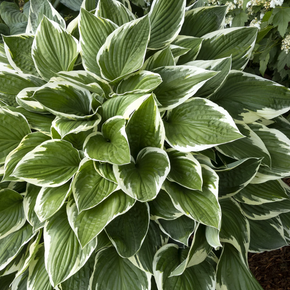
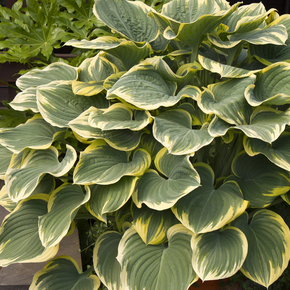
- Striking two-tone foliage features chalky powder-blue, heart-shaped leaves edged in crisp, bright white margins that intensify as the season progresses.
- Naturally thick, waxy leaves offer superior resistance to slug and snail damage compared to thinner-leaved hosta varieties.
- Lavender to violet-blue bell-shaped flowers rise on tall, upright scapes in mid to late summer, attracting bees and other pollinators to the shade garden.
- An exceptionally hardy and adaptable shade perennial, thriving in USDA Zones 3-9 and forming a tidy, dense mound that requires minimal maintenance.
El Nino Hosta (Hosta tardiflora 'El Nino') is a stunning medium-sized herbaceous perennial prized for its bold, two-tone foliage that brings year-round elegance to shaded garden spaces. Its broadly heart-shaped leaves emerge in a rich, chalky powder-blue tone accented by wide, creamy-yellow margins that gradually brighten to a pure, crisp white as the season matures, creating a striking contrast that commands attention from spring through fall. The thick, heavily textured leaf surface not only gives the foliage an eye-catching blue bloom but also provides exceptional resistance to slug and snail feeding — a major advantage over many thinner-leaved hosta varieties. In mid to late summer, graceful upright scapes rise 24 inches above the low, rounded foliage mound, bearing loose clusters of delicate lavender to violet-blue, bell-shaped flowers that attract bees and pollinators. Developed in the Netherlands in 1996 as a cross of Hosta tardiflora cultivars, El Nino forms a neat, dense mound approximately 18 inches tall and 30 inches wide at maturity, making it ideal for mass plantings, shaded borders, woodland gardens, and container displays across Southern Oregon and Northern California landscapes. Its adaptability to a wide range of soil conditions, cold hardiness down to USDA Zone 3, and low-maintenance nature make it one of the most reliable and rewarding shade perennials available for Pacific Northwest and Northern California gardeners.
Plant Description
El Nino Hosta is a medium-sized herbaceous perennial belonging to the family Hostaceae. It is an interspecific hybrid — a cross between Hosta tardiflora cultivar Halcyon (seed parent) and an unidentified Hosta tardiflora selection (pollen parent) — developed by Petrus Th. Warmerdam in Noordwijk, The Netherlands, in 1996. The plant forms a low, dense, symmetrical mound of basal foliage that remains visually interesting from spring emergence through fall dormancy. Leaves are broadly cordate (heart-shaped) with an apiculate apex, measuring approximately 5-7 inches long by 3-5 inches wide, and feature a distinctive two-tone pattern: a chalky, powder-blue center with wide, creamy-yellow to pure-white margins. The thick, waxy leaf surface gives the foliage its characteristic blue appearance and natural pest resistance. Gray-green petioles are 8-10 inches in length. In mid to late summer, slender, upright scapes rise 24 inches above the foliage, each bearing approximately 12 non-fragrant, violet-blue, bell-shaped (campanulate-funnelform) flowers. Woody scapes often persist on the plant through winter, adding subtle structural interest. El Nino Hosta begins to show its mature leaf characteristics after about three years and reaches full maturity around five years.
Mature Size
| Attribute | Measurement |
|---|---|
| Foliage Height | Approximately 18 inches |
| Height in Flower | Up to 24 inches |
| Spread | Approximately 30 inches |
| Recommended Spacing | 30 inches apart (mass plantings) |
| Growth Rate | Medium |
| Time to Full Maturity | Approximately 5 years |
The foliage mound is dense and remains full to the ground, so no facer plants are needed in front. The plant grows at a moderate rate and, under ideal conditions, can be expected to thrive for 10 years or more in the garden. Clumps gradually expand over time and become more impressive each year when left undivided.
Hardiness Zones
El Nino Hosta is hardy in USDA Plant Hardiness Zones 3 through 9, tolerating winter minimum temperatures as low as -40°F. This makes it an excellent choice for the wide climate range found across Southern Oregon and Northern California, from cooler mountain and inland valley gardens to milder coastal settings. It requires a period of winter cold to complete its dormancy cycle and perform optimally the following season. In regions with insufficient winter chill or extremely hot, dry summer conditions — such as low-elevation western desert areas — growth and vigor may be reduced. Plants in hotter Zone 8-9 locations benefit from additional summer shade and consistent moisture to look their best through the heat of the season.
Sunlight Requirements
El Nino Hosta performs best in partial shade to full shade. The ideal exposure provides 4-6 hours of gentle, filtered, or dappled sunlight per day, with protection from intense afternoon sun. Morning sun is well tolerated and can actually help enhance the contrast between the blue-green center and white leaf margins. Exposure to hot afternoon sun — particularly in summer — risks scorching and browning of the leaf margins and can cause the distinctive blue color to fade. In deep, full shade, the plant will remain healthy and lush but may produce fewer flowers and slower growth. In Southern Oregon and Northern California, positioning the plant beneath deciduous trees or on the north or east side of structures provides the most ideal light conditions.
- Best: Dappled or morning sun with afternoon shade
- Acceptable: Full shade (deep, all-day shade)
- Avoid: Hot, direct afternoon sun, especially in summer
Soil and pH Preferences
El Nino Hosta is adaptable to a wide range of soil types but thrives best in rich, moisture-retentive, well-drained soil amended with generous quantities of organic matter. The ideal soil pH range is 6.5 to 7.5 (slightly acidic to slightly alkaline). In higher-pH soils, incorporating Canadian peat moss or cottonseed meal at planting can help bring pH into the preferred range. Heavy clay soils benefit from amendment with compost, aged manure, or composted bark to improve drainage and aeration. Sandy soils should receive additional organic matter to improve moisture retention. When preparing a new planting bed, cultivate to a depth of 12-16 inches and incorporate 4-6 inches of compost or other organic matter throughout. The addition of organic material also raises the bed slightly, improving drainage around the root zone. El Nino Hosta has moderate tolerance of urban soil conditions and pollution.
Watering Guide
Consistent moisture is key to growing vigorous, attractive El Nino Hosta. The plant prefers evenly moist soil and should not be allowed to dry out for extended periods. A minimum of 1 inch of water per week is recommended, whether from rainfall, drip irrigation, or hand watering. Plants growing in sandy or fast-draining soils may require more frequent watering. The greatest growth and best leaf quality occur when soil moisture consistently exceeds the minimum threshold. Water in the early morning so that foliage and mulch surfaces have time to dry before evening, which reduces the risk of fungal disease and slug activity. Deep, infrequent watering encourages deeper root development, which improves drought tolerance over time. During the critical spring emergence and early-fall pre-dormancy periods, maintain consistent watering. If the plant experiences drought stress, it may wilt, brown at the leaf edges, or enter early dormancy. Avoid perpetually soggy or waterlogged conditions, which can cause crown and root rot.
Fertilizing
El Nino Hosta benefits from moderate fertilization to support lush, vigorous foliage growth. A balanced granular fertilizer such as 10-10-10 or 5-10-5 applied in early spring as new growth emerges is an excellent starting point. Follow with a second application approximately 6 weeks later, and a third application in midsummer if desired. A typical timing for Southern Oregon and Northern California gardeners might be early March to April, mid-May, and mid-July. Stop fertilizing in late summer to allow the plant to naturally slow growth and harden off before dormancy — continued fertilization into fall encourages tender new growth that is susceptible to frost damage. A soil test before fertilizing is always recommended to determine exactly what amendments your soil needs. In established beds with rich, organic soil, a single annual top-dressing of compost applied in fall is often sufficient to maintain healthy, vigorous plants without additional synthetic fertilizer inputs.
Pruning and Maintenance
El Nino Hosta is a low-maintenance perennial that requires very little pruning. The primary seasonal task is cleaning up dead foliage. Follow these steps for tidy, healthy plants:
- Fall cleanup: Once foliage has yellowed and lost all color — signaling that sugars have been fully stored back into the crown — remove dead leaves by hand or with scissors. This eliminates overwintering habitat for slugs, snails, and other pests. Woody flower scapes can be removed at the same time or left for winter interest.
- Spring cleanup: Before new growth emerges, remove any remaining dead foliage or winter mulch along with any accumulated leaf debris. Be careful not to disturb or damage the emerging crown shoots, which may not yet be visible through the soil surface.
- Summer mulching: Apply approximately 1 inch of loose organic mulch (shredded bark, compost, etc.) in early summer to suppress weeds, conserve moisture, and moderate soil temperature. Avoid deep mulch layers, which can promote slug populations and harbor crown rot if piled against plant stems.
- Division: Clumps can be divided every 3-5 years in spring or early fall to rejuvenate growth or increase plant numbers. Note that frequent division will restrict leaf size and prevent the plant from reaching its most impressive mature appearance.
Planting Instructions
Follow these steps for successful establishment of El Nino Hosta in the garden:
- Select a location with partial shade to full shade and protection from hot afternoon sun.
- Prepare the planting bed by cultivating the soil to a depth of 12-16 inches. Incorporate 4-6 inches of compost, leaf mold, or well-rotted manure to enrich the soil and improve drainage.
- Dig a planting hole slightly wider than the root ball and at the same depth as the container. The crown of the plant (where the roots meet the stem) should sit at or just slightly above soil level — planting too deeply can encourage rot.
- Remove the plant from its container, gently loosen any circling roots, and place it in the hole.
- Backfill with amended soil, firming lightly around the roots to eliminate air pockets.
- Water thoroughly after planting to settle the soil and establish good root-to-soil contact.
- Apply a 1-inch layer of organic mulch around (but not directly against) the base of the plant to conserve moisture and suppress weeds.
- Keep the plant consistently watered during the first growing season to encourage strong root establishment. Newly planted hostas are especially sensitive to drought stress while getting established.
Best planting times are spring (as soon as the ground can be worked) through early fall, allowing at least 6 weeks before the first expected frost for the plant to establish before dormancy.
Seasonal Interest
| Season | Garden Interest |
|---|---|
| Spring | Tightly furled, blue-green shoots emerge from the soil in late March to April, unfurling into the characteristic two-tone blue and white foliage by mid-spring. |
| Summer | Foliage mound reaches full size; white margins deepen and brighten to a pure, crisp white. Lavender to violet-blue flowers bloom on upright scapes in mid to late summer, attracting bees and pollinators. |
| Fall | Foliage transitions to a warm, pleasing golden-yellow as the plant prepares for dormancy, providing a soft seasonal color shift before the leaves drop. |
| Winter | Plant is dormant; persistent woody flower scapes may remain standing and add subtle textural interest. Crown is hardy underground awaiting spring emergence. |
Landscape Uses
El Nino Hosta is a highly versatile landscape plant suited to a wide range of applications in Southern Oregon and Northern California gardens:
- Shade and woodland gardens: An ideal anchor or accent plant in woodland settings, naturalistic shade gardens, or beneath the canopy of deciduous trees.
- Shaded borders: Works beautifully as a mid-border perennial, providing bold, long-lasting foliage interest between flowering shade perennials.
- Mass planting and groundcover: When planted in groups spaced 30 inches apart, the dense, ground-hugging mounds create an effective, weed-suppressing groundcover with striking visual impact.
- Foundation planting: The compact, tidy mound habit makes it an excellent foundation plant on the north or east-facing sides of buildings, where shade is consistent.
- Edging: Its dense, low foliage that hugs the ground makes it suitable as a bold edging plant along shaded pathways, streams, or garden beds.
- Container planting: Thrives in large containers and patio planters, adding dramatic, long-season foliage interest to shaded decks and patios.
- Rain gardens and moist areas: Well-suited to moist, low spots in the landscape where adequate drainage is maintained.
Companion Plants
El Nino Hosta's bold blue-and-white foliage pairs beautifully with a wide range of shade-loving perennials, shrubs, and bulbs. Consider these excellent companions:
- Other Hostas: Pair with chartreuse, gold, or bright green hosta varieties — such as 'Sum and Substance' or 'August Moon' — to create a striking foliage tapestry that highlights El Nino's cool blue tones.
- Coral Bells (Heuchera): Deep purple or burgundy Heuchera varieties provide dramatic color contrast against the blue-and-white foliage. Both share the same soil, moisture, and light requirements.
- Japanese Painted Fern (Athyrium niponicum): The silvery, arching fronds of Japanese painted fern echo the cool tones of El Nino's leaves while adding airy texture.
- Hydrangeas: Large-leaved hydrangeas in the background echo the lush, bold foliage feel while adding spectacular late-summer blooms in blue, pink, or white.
- Brunnera (Siberian Bugloss): Silvery, heart-shaped brunnera leaves create a beautiful complement in texture and color, and both thrive in the same cool, moist, shaded conditions.
- Astilbe: Feathery astilbe plumes in pink, red, or white provide contrasting texture and add color during the same mid-summer period when El Nino is in bloom.
- Hellebores: Early-blooming hellebores provide late-winter and early-spring color while the hosta is still dormant, extending seasonal interest in the same bed.
- Muscari (Grape Hyacinth): Planted among hosta clumps in fall, grape hyacinth blooms in early spring before hosta foliage emerges, then fades just as the hosta leaves expand to conceal the dying muscari foliage.
Pests and Diseases
El Nino Hosta's thick, waxy foliage provides it with notably better resistance to slug and snail damage than many thinner-leaved hosta varieties. However, gardeners should remain aware of the following potential issues:
- Slugs and Snails: The most common hosta pest. While El Nino's thick leaves are less appealing to slugs than thin-leaved varieties, slug pressure in wet conditions can still cause damage. Apply iron phosphate or other pet-safe slug bait in October and February for best control. Water in the morning, keep mulch layers thin, and rake mulch periodically to improve air circulation.
- Deer: Deer may browse hostas, though they tend to prefer thinner-leaved varieties. In high-deer-pressure areas, consider deer repellent sprays or physical barriers. El Nino's thicker, waxier leaves are somewhat less palatable.
- Hosta Virus X (HVX): A serious and incurable viral disease causing irregular mottling, yellow ring spots, or small yellow flecks on foliage. Infected plants must be removed and destroyed. Always disinfect tools between plants when dividing or pruning hostas to prevent spread.
- Crown Rot / Root Rot: Caused by Sclerotium rolfsii or Phytophthora species in waterlogged or poorly drained soils. Ensure good drainage, avoid overwatering, and never mulch directly against the crown.
- Foliar Nematodes: Can cause angular, water-soaked brown streaking between leaf veins. Remove and dispose of affected foliage. Avoid overhead watering and divide plants only in dry conditions to limit spread.
Container Growing
El Nino Hosta makes an outstanding container plant for shaded patios, porches, and decks. Its compact but bold mounding habit is well suited to large decorative planters, and the vivid blue-and-white foliage provides months of eye-catching interest without the need for flowers.
- Container size: Choose a container at least 12-16 inches in diameter and depth to accommodate the root system and support healthy growth. Larger containers reduce the need for frequent watering.
- Potting mix: Use a high-quality, well-draining potting mix amended with compost or aged bark to improve moisture retention and fertility.
- Watering: Containers dry out faster than in-ground plantings, especially during warm weather. Check moisture levels frequently and water thoroughly when the top inch of soil feels dry. Ensure containers have adequate drainage holes.
- Fertilizing: Feed container-grown plants with a balanced, slow-release granular fertilizer at planting and supplement with a diluted liquid fertilizer every 3-4 weeks through the growing season.
- Overwintering: In Zone 7 and colder, move containers to a sheltered, unheated garage or shed for winter to protect roots from extreme freezing. The crown will go dormant and resume growth in spring. In Zones 8-9, containers can often remain outdoors in a sheltered location.
- Repotting: Repot every 2-3 years, or when the plant becomes noticeably root-bound, to maintain vigor.
Wildlife Value
El Nino Hosta provides meaningful value to garden wildlife, particularly during its mid to late summer bloom period. The lavender to violet-blue, tubular bell-shaped flowers are a reliable nectar and pollen source for bumblebees and other native bees at a time of year when many other garden plants have finished flowering. The dense foliage mound also provides shelter and ground-level cover for small beneficial insects and other garden fauna. However, gardeners with pets should be aware that, like all hostas, El Nino contains saponins and is considered toxic to cats, dogs, and horses if ingested in significant quantities. Symptoms of ingestion in pets may include vomiting and diarrhea. The plant poses no known toxicity risk to humans, birds, or livestock. Hostas are generally not strongly favored by deer compared to many other garden plants, though in areas of high deer pressure some browsing may occur.
Dormancy and Winter Care
El Nino Hosta is a fully deciduous, herbaceous perennial that enters a natural dormancy cycle each fall and winter. Understanding and supporting this cycle is important for long-term plant health:
- Fall preparation: Begin winding down supplemental watering and stop fertilizing in late summer (typically August) to allow the plant to naturally slow and harden off. Foliage will begin to yellow and gradually decline through September and October.
- Foliage removal: Wait until all leaf color has been lost before removing foliage — this signals that the plant has finished translocating sugars back to the crown and roots. Dead foliage can then be cut or pulled away cleanly.
- Winter mulching: Newly planted hostas in colder microclimates benefit from a light layer of straw or shredded leaves applied over the crown after the ground has cooled in late fall. Remove winter mulch in early spring before growth resumes.
- Spring emergence: In Southern Oregon and Northern California, expect new shoots to emerge from late March through April. Be extremely careful not to disturb or damage the crown during early-spring garden cleanup, as the emerging buds may not yet be visible above the soil surface.
- Striking two-tone foliage features chalky powder-blue, heart-shaped leaves edged in crisp, bright white margins that intensify as the season progresses.
- Naturally thick, waxy leaves offer superior resistance to slug and snail damage compared to thinner-leaved hosta varieties.
- Lavender to violet-blue bell-shaped flowers rise on tall, upright scapes in mid to late summer, attracting bees and other pollinators to the shade garden.
- An exceptionally hardy and adaptable shade perennial, thriving in USDA Zones 3-9 and forming a tidy, dense mound that requires minimal maintenance.
El Nino Hosta (Hosta tardiflora 'El Nino') is a stunning medium-sized herbaceous perennial prized for its bold, two-tone foliage that brings year-round elegance to shaded garden spaces. Its broadly heart-shaped leaves emerge in a rich, chalky powder-blue tone accented by wide, creamy-yellow margins that gradually brighten to a pure, crisp white as the season matures, creating a striking contrast that commands attention from spring through fall. The thick, heavily textured leaf surface not only gives the foliage an eye-catching blue bloom but also provides exceptional resistance to slug and snail feeding — a major advantage over many thinner-leaved hosta varieties. In mid to late summer, graceful upright scapes rise 24 inches above the low, rounded foliage mound, bearing loose clusters of delicate lavender to violet-blue, bell-shaped flowers that attract bees and pollinators. Developed in the Netherlands in 1996 as a cross of Hosta tardiflora cultivars, El Nino forms a neat, dense mound approximately 18 inches tall and 30 inches wide at maturity, making it ideal for mass plantings, shaded borders, woodland gardens, and container displays across Southern Oregon and Northern California landscapes. Its adaptability to a wide range of soil conditions, cold hardiness down to USDA Zone 3, and low-maintenance nature make it one of the most reliable and rewarding shade perennials available for Pacific Northwest and Northern California gardeners.
Plant Description
El Nino Hosta is a medium-sized herbaceous perennial belonging to the family Hostaceae. It is an interspecific hybrid — a cross between Hosta tardiflora cultivar Halcyon (seed parent) and an unidentified Hosta tardiflora selection (pollen parent) — developed by Petrus Th. Warmerdam in Noordwijk, The Netherlands, in 1996. The plant forms a low, dense, symmetrical mound of basal foliage that remains visually interesting from spring emergence through fall dormancy. Leaves are broadly cordate (heart-shaped) with an apiculate apex, measuring approximately 5-7 inches long by 3-5 inches wide, and feature a distinctive two-tone pattern: a chalky, powder-blue center with wide, creamy-yellow to pure-white margins. The thick, waxy leaf surface gives the foliage its characteristic blue appearance and natural pest resistance. Gray-green petioles are 8-10 inches in length. In mid to late summer, slender, upright scapes rise 24 inches above the foliage, each bearing approximately 12 non-fragrant, violet-blue, bell-shaped (campanulate-funnelform) flowers. Woody scapes often persist on the plant through winter, adding subtle structural interest. El Nino Hosta begins to show its mature leaf characteristics after about three years and reaches full maturity around five years.
Mature Size
| Attribute | Measurement |
|---|---|
| Foliage Height | Approximately 18 inches |
| Height in Flower | Up to 24 inches |
| Spread | Approximately 30 inches |
| Recommended Spacing | 30 inches apart (mass plantings) |
| Growth Rate | Medium |
| Time to Full Maturity | Approximately 5 years |
The foliage mound is dense and remains full to the ground, so no facer plants are needed in front. The plant grows at a moderate rate and, under ideal conditions, can be expected to thrive for 10 years or more in the garden. Clumps gradually expand over time and become more impressive each year when left undivided.
Hardiness Zones
El Nino Hosta is hardy in USDA Plant Hardiness Zones 3 through 9, tolerating winter minimum temperatures as low as -40°F. This makes it an excellent choice for the wide climate range found across Southern Oregon and Northern California, from cooler mountain and inland valley gardens to milder coastal settings. It requires a period of winter cold to complete its dormancy cycle and perform optimally the following season. In regions with insufficient winter chill or extremely hot, dry summer conditions — such as low-elevation western desert areas — growth and vigor may be reduced. Plants in hotter Zone 8-9 locations benefit from additional summer shade and consistent moisture to look their best through the heat of the season.
Sunlight Requirements
El Nino Hosta performs best in partial shade to full shade. The ideal exposure provides 4-6 hours of gentle, filtered, or dappled sunlight per day, with protection from intense afternoon sun. Morning sun is well tolerated and can actually help enhance the contrast between the blue-green center and white leaf margins. Exposure to hot afternoon sun — particularly in summer — risks scorching and browning of the leaf margins and can cause the distinctive blue color to fade. In deep, full shade, the plant will remain healthy and lush but may produce fewer flowers and slower growth. In Southern Oregon and Northern California, positioning the plant beneath deciduous trees or on the north or east side of structures provides the most ideal light conditions.
- Best: Dappled or morning sun with afternoon shade
- Acceptable: Full shade (deep, all-day shade)
- Avoid: Hot, direct afternoon sun, especially in summer
Soil and pH Preferences
El Nino Hosta is adaptable to a wide range of soil types but thrives best in rich, moisture-retentive, well-drained soil amended with generous quantities of organic matter. The ideal soil pH range is 6.5 to 7.5 (slightly acidic to slightly alkaline). In higher-pH soils, incorporating Canadian peat moss or cottonseed meal at planting can help bring pH into the preferred range. Heavy clay soils benefit from amendment with compost, aged manure, or composted bark to improve drainage and aeration. Sandy soils should receive additional organic matter to improve moisture retention. When preparing a new planting bed, cultivate to a depth of 12-16 inches and incorporate 4-6 inches of compost or other organic matter throughout. The addition of organic material also raises the bed slightly, improving drainage around the root zone. El Nino Hosta has moderate tolerance of urban soil conditions and pollution.
Watering Guide
Consistent moisture is key to growing vigorous, attractive El Nino Hosta. The plant prefers evenly moist soil and should not be allowed to dry out for extended periods. A minimum of 1 inch of water per week is recommended, whether from rainfall, drip irrigation, or hand watering. Plants growing in sandy or fast-draining soils may require more frequent watering. The greatest growth and best leaf quality occur when soil moisture consistently exceeds the minimum threshold. Water in the early morning so that foliage and mulch surfaces have time to dry before evening, which reduces the risk of fungal disease and slug activity. Deep, infrequent watering encourages deeper root development, which improves drought tolerance over time. During the critical spring emergence and early-fall pre-dormancy periods, maintain consistent watering. If the plant experiences drought stress, it may wilt, brown at the leaf edges, or enter early dormancy. Avoid perpetually soggy or waterlogged conditions, which can cause crown and root rot.
Fertilizing
El Nino Hosta benefits from moderate fertilization to support lush, vigorous foliage growth. A balanced granular fertilizer such as 10-10-10 or 5-10-5 applied in early spring as new growth emerges is an excellent starting point. Follow with a second application approximately 6 weeks later, and a third application in midsummer if desired. A typical timing for Southern Oregon and Northern California gardeners might be early March to April, mid-May, and mid-July. Stop fertilizing in late summer to allow the plant to naturally slow growth and harden off before dormancy — continued fertilization into fall encourages tender new growth that is susceptible to frost damage. A soil test before fertilizing is always recommended to determine exactly what amendments your soil needs. In established beds with rich, organic soil, a single annual top-dressing of compost applied in fall is often sufficient to maintain healthy, vigorous plants without additional synthetic fertilizer inputs.
Pruning and Maintenance
El Nino Hosta is a low-maintenance perennial that requires very little pruning. The primary seasonal task is cleaning up dead foliage. Follow these steps for tidy, healthy plants:
- Fall cleanup: Once foliage has yellowed and lost all color — signaling that sugars have been fully stored back into the crown — remove dead leaves by hand or with scissors. This eliminates overwintering habitat for slugs, snails, and other pests. Woody flower scapes can be removed at the same time or left for winter interest.
- Spring cleanup: Before new growth emerges, remove any remaining dead foliage or winter mulch along with any accumulated leaf debris. Be careful not to disturb or damage the emerging crown shoots, which may not yet be visible through the soil surface.
- Summer mulching: Apply approximately 1 inch of loose organic mulch (shredded bark, compost, etc.) in early summer to suppress weeds, conserve moisture, and moderate soil temperature. Avoid deep mulch layers, which can promote slug populations and harbor crown rot if piled against plant stems.
- Division: Clumps can be divided every 3-5 years in spring or early fall to rejuvenate growth or increase plant numbers. Note that frequent division will restrict leaf size and prevent the plant from reaching its most impressive mature appearance.
Planting Instructions
Follow these steps for successful establishment of El Nino Hosta in the garden:
- Select a location with partial shade to full shade and protection from hot afternoon sun.
- Prepare the planting bed by cultivating the soil to a depth of 12-16 inches. Incorporate 4-6 inches of compost, leaf mold, or well-rotted manure to enrich the soil and improve drainage.
- Dig a planting hole slightly wider than the root ball and at the same depth as the container. The crown of the plant (where the roots meet the stem) should sit at or just slightly above soil level — planting too deeply can encourage rot.
- Remove the plant from its container, gently loosen any circling roots, and place it in the hole.
- Backfill with amended soil, firming lightly around the roots to eliminate air pockets.
- Water thoroughly after planting to settle the soil and establish good root-to-soil contact.
- Apply a 1-inch layer of organic mulch around (but not directly against) the base of the plant to conserve moisture and suppress weeds.
- Keep the plant consistently watered during the first growing season to encourage strong root establishment. Newly planted hostas are especially sensitive to drought stress while getting established.
Best planting times are spring (as soon as the ground can be worked) through early fall, allowing at least 6 weeks before the first expected frost for the plant to establish before dormancy.
Seasonal Interest
| Season | Garden Interest |
|---|---|
| Spring | Tightly furled, blue-green shoots emerge from the soil in late March to April, unfurling into the characteristic two-tone blue and white foliage by mid-spring. |
| Summer | Foliage mound reaches full size; white margins deepen and brighten to a pure, crisp white. Lavender to violet-blue flowers bloom on upright scapes in mid to late summer, attracting bees and pollinators. |
| Fall | Foliage transitions to a warm, pleasing golden-yellow as the plant prepares for dormancy, providing a soft seasonal color shift before the leaves drop. |
| Winter | Plant is dormant; persistent woody flower scapes may remain standing and add subtle textural interest. Crown is hardy underground awaiting spring emergence. |
Landscape Uses
El Nino Hosta is a highly versatile landscape plant suited to a wide range of applications in Southern Oregon and Northern California gardens:
- Shade and woodland gardens: An ideal anchor or accent plant in woodland settings, naturalistic shade gardens, or beneath the canopy of deciduous trees.
- Shaded borders: Works beautifully as a mid-border perennial, providing bold, long-lasting foliage interest between flowering shade perennials.
- Mass planting and groundcover: When planted in groups spaced 30 inches apart, the dense, ground-hugging mounds create an effective, weed-suppressing groundcover with striking visual impact.
- Foundation planting: The compact, tidy mound habit makes it an excellent foundation plant on the north or east-facing sides of buildings, where shade is consistent.
- Edging: Its dense, low foliage that hugs the ground makes it suitable as a bold edging plant along shaded pathways, streams, or garden beds.
- Container planting: Thrives in large containers and patio planters, adding dramatic, long-season foliage interest to shaded decks and patios.
- Rain gardens and moist areas: Well-suited to moist, low spots in the landscape where adequate drainage is maintained.
Companion Plants
El Nino Hosta's bold blue-and-white foliage pairs beautifully with a wide range of shade-loving perennials, shrubs, and bulbs. Consider these excellent companions:
- Other Hostas: Pair with chartreuse, gold, or bright green hosta varieties — such as 'Sum and Substance' or 'August Moon' — to create a striking foliage tapestry that highlights El Nino's cool blue tones.
- Coral Bells (Heuchera): Deep purple or burgundy Heuchera varieties provide dramatic color contrast against the blue-and-white foliage. Both share the same soil, moisture, and light requirements.
- Japanese Painted Fern (Athyrium niponicum): The silvery, arching fronds of Japanese painted fern echo the cool tones of El Nino's leaves while adding airy texture.
- Hydrangeas: Large-leaved hydrangeas in the background echo the lush, bold foliage feel while adding spectacular late-summer blooms in blue, pink, or white.
- Brunnera (Siberian Bugloss): Silvery, heart-shaped brunnera leaves create a beautiful complement in texture and color, and both thrive in the same cool, moist, shaded conditions.
- Astilbe: Feathery astilbe plumes in pink, red, or white provide contrasting texture and add color during the same mid-summer period when El Nino is in bloom.
- Hellebores: Early-blooming hellebores provide late-winter and early-spring color while the hosta is still dormant, extending seasonal interest in the same bed.
- Muscari (Grape Hyacinth): Planted among hosta clumps in fall, grape hyacinth blooms in early spring before hosta foliage emerges, then fades just as the hosta leaves expand to conceal the dying muscari foliage.
Pests and Diseases
El Nino Hosta's thick, waxy foliage provides it with notably better resistance to slug and snail damage than many thinner-leaved hosta varieties. However, gardeners should remain aware of the following potential issues:
- Slugs and Snails: The most common hosta pest. While El Nino's thick leaves are less appealing to slugs than thin-leaved varieties, slug pressure in wet conditions can still cause damage. Apply iron phosphate or other pet-safe slug bait in October and February for best control. Water in the morning, keep mulch layers thin, and rake mulch periodically to improve air circulation.
- Deer: Deer may browse hostas, though they tend to prefer thinner-leaved varieties. In high-deer-pressure areas, consider deer repellent sprays or physical barriers. El Nino's thicker, waxier leaves are somewhat less palatable.
- Hosta Virus X (HVX): A serious and incurable viral disease causing irregular mottling, yellow ring spots, or small yellow flecks on foliage. Infected plants must be removed and destroyed. Always disinfect tools between plants when dividing or pruning hostas to prevent spread.
- Crown Rot / Root Rot: Caused by Sclerotium rolfsii or Phytophthora species in waterlogged or poorly drained soils. Ensure good drainage, avoid overwatering, and never mulch directly against the crown.
- Foliar Nematodes: Can cause angular, water-soaked brown streaking between leaf veins. Remove and dispose of affected foliage. Avoid overhead watering and divide plants only in dry conditions to limit spread.
Container Growing
El Nino Hosta makes an outstanding container plant for shaded patios, porches, and decks. Its compact but bold mounding habit is well suited to large decorative planters, and the vivid blue-and-white foliage provides months of eye-catching interest without the need for flowers.
- Container size: Choose a container at least 12-16 inches in diameter and depth to accommodate the root system and support healthy growth. Larger containers reduce the need for frequent watering.
- Potting mix: Use a high-quality, well-draining potting mix amended with compost or aged bark to improve moisture retention and fertility.
- Watering: Containers dry out faster than in-ground plantings, especially during warm weather. Check moisture levels frequently and water thoroughly when the top inch of soil feels dry. Ensure containers have adequate drainage holes.
- Fertilizing: Feed container-grown plants with a balanced, slow-release granular fertilizer at planting and supplement with a diluted liquid fertilizer every 3-4 weeks through the growing season.
- Overwintering: In Zone 7 and colder, move containers to a sheltered, unheated garage or shed for winter to protect roots from extreme freezing. The crown will go dormant and resume growth in spring. In Zones 8-9, containers can often remain outdoors in a sheltered location.
- Repotting: Repot every 2-3 years, or when the plant becomes noticeably root-bound, to maintain vigor.
Wildlife Value
El Nino Hosta provides meaningful value to garden wildlife, particularly during its mid to late summer bloom period. The lavender to violet-blue, tubular bell-shaped flowers are a reliable nectar and pollen source for bumblebees and other native bees at a time of year when many other garden plants have finished flowering. The dense foliage mound also provides shelter and ground-level cover for small beneficial insects and other garden fauna. However, gardeners with pets should be aware that, like all hostas, El Nino contains saponins and is considered toxic to cats, dogs, and horses if ingested in significant quantities. Symptoms of ingestion in pets may include vomiting and diarrhea. The plant poses no known toxicity risk to humans, birds, or livestock. Hostas are generally not strongly favored by deer compared to many other garden plants, though in areas of high deer pressure some browsing may occur.
Dormancy and Winter Care
El Nino Hosta is a fully deciduous, herbaceous perennial that enters a natural dormancy cycle each fall and winter. Understanding and supporting this cycle is important for long-term plant health:
- Fall preparation: Begin winding down supplemental watering and stop fertilizing in late summer (typically August) to allow the plant to naturally slow and harden off. Foliage will begin to yellow and gradually decline through September and October.
- Foliage removal: Wait until all leaf color has been lost before removing foliage — this signals that the plant has finished translocating sugars back to the crown and roots. Dead foliage can then be cut or pulled away cleanly.
- Winter mulching: Newly planted hostas in colder microclimates benefit from a light layer of straw or shredded leaves applied over the crown after the ground has cooled in late fall. Remove winter mulch in early spring before growth resumes.
- Spring emergence: In Southern Oregon and Northern California, expect new shoots to emerge from late March through April. Be extremely careful not to disturb or damage the crown during early-spring garden cleanup, as the emerging buds may not yet be visible above the soil surface.
Related Products