
Zoom the image with the mouse
SunHosta Hosta - 1 Gallon
SKU:
2321240
UPC:
014949083444
$14.99
- A true breakthrough in hosta breeding - SunHosta thrives in full sun, making it the first hosta you can confidently plant in sunny beds and borders where traditional hostas would fail.
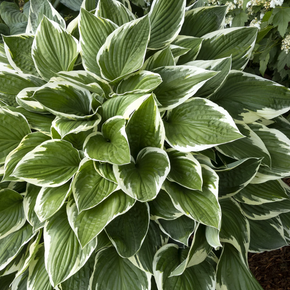
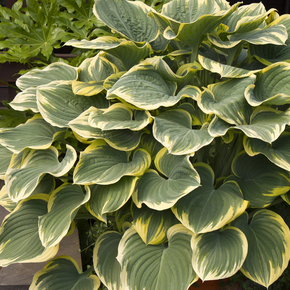
- Striking variegated foliage features bright green leaves with wide, creamy white-to-yellow margins that become bolder and more vivid with increased sun exposure.
- Trumpet-shaped pale pink blooms rise on tall scapes in summer, attracting hummingbirds, and the plant boasts exceptional heat, drought, and disease tolerance.
- Remarkably wide hardiness range from USDA Zones 4 through 10 lets gardeners from the Pacific Northwest to the Deep South enjoy this versatile, low-maintenance perennial.
SunHosta (Hosta 'HOST SUN 08' PPAF) is a groundbreaking medium-sized herbaceous perennial that shatters the traditional notion of hostas as strictly shade-loving plants. Developed through intentional hybridization, this patented cultivar produces a lush, mounded clump of glossy, bright green leaves adorned with distinctive wide, creamy yellow-to-white marginal variegation that is most vibrant and striking when the plant receives full sun - a feature virtually unmatched in the world of hostas. In summer, elegant tall scapes emerge from the foliage and bear clusters of pale pink, trumpet-shaped flowers that are a reliable draw for hummingbirds. Hardy across an exceptional range of USDA Zones 4 through 10, SunHosta performs beautifully in the cool, temperate climates of the Pacific Northwest and Northern California while also flourishing in the heat and humidity of warmer southern zones where most hostas simply cannot survive. Its strong drought tolerance, disease resistance, and low cold requirements make it an outstanding choice for landscape beds, mixed borders, water garden surrounds, and container displays alike, offering gardeners in nearly any region a stunning, virtually worry-free foliage perennial for both sunny and partially shaded spaces.
Plant Description
SunHosta is a medium-sized, mounded herbaceous perennial hosta with a bold, tropical character. Its large, glossy leaves are bright green at the center and edged with a wide, creamy yellow-to-white margin - a variegation pattern that intensifies rather than fades when exposed to full sun, setting it apart from all traditional hosta varieties. The leaf surface has a lush, slightly textured appearance. In summer, tall flower scapes rise well above the foliage and display clusters of elegant, trumpet-shaped pale pink to near-white blooms. Unlike most hostas bred for shade, SunHosta was developed specifically to handle the rigors of full sun and high heat, making it a genuinely versatile landscape perennial. It is a deciduous plant, dying back to the ground in winter and re-emerging vigorously in spring, often returning larger than the previous year.
Mature Size
| Attribute | Measurement |
|---|---|
| Mature Height | 18 to 24 inches tall |
| Mature Spread | 36 to 48 inches wide |
| Plant Form | Mounded, spreading clump |
| Flower Scape Height | 10 to 18 inches above foliage |
| Growth Rate | Moderate; reaches full size in approximately 3 to 4 years |
When spacing multiple plants in a landscape bed, plant 12 inches apart for a dense, filled look or 15 inches apart to allow individual plants more room to spread naturally. Clumps will continue to grow and fill in over the first several growing seasons.
Hardiness Zones and Temperature Tolerance
SunHosta is exceptionally hardy and adaptable across a remarkably wide range of climates. It is rated for USDA Hardiness Zones 4 through 10, tolerating winter minimum temperatures as low as -20 to -30 degrees Fahrenheit in the coldest end of its range. In regions with occasional freezes (Zones 4 through 8), the plant will go dormant through winter and re-emerge in early spring, often returning larger and fuller than before. In warmer, subtropical climates (Zones 9 and 10), it may remain semi-vegetative through the mild winter months rather than going fully dormant. SunHosta has notably low cold-requirement needs compared to other hosta varieties, giving it the flexibility to thrive in an unusually broad range of geographic regions, from the Pacific Northwest and Northern California all the way through the humid Southeast.
Sunlight Requirements
SunHosta is uniquely suited to a much wider range of light conditions than conventional hostas. For the most impressive leaf variegation, full sun (6 or more hours of direct sunlight per day) is strongly recommended. In full sun, the wide creamy white-to-yellow leaf margins become bold and dramatic. Without sufficient sun, the margins will appear thinner and far less colorful, reducing the plant's ornamental impact. SunHosta can also be grown in part shade (4 to 6 hours of sun), where it will still perform well, though the variegation will be less pronounced. While it can tolerate light shade, this is one hosta where more sunlight genuinely produces a better result. In hot inland climates, some afternoon shade can help prevent leaf edge scorch during the most intense heat of summer, particularly in areas with temperatures regularly exceeding 95 degrees Fahrenheit.
Soil and pH Preferences
SunHosta performs best in fertile, organically rich, well-aerated soil that retains consistent moisture without becoming waterlogged. A slightly acidic to neutral soil pH in the range of 6.0 to 7.0 is ideal. If your native soil is heavy clay, amend it generously with compost or pine bark fines to improve drainage and aeration. Sandy soils benefit from organic matter additions to improve moisture retention. Raised beds are an excellent option in areas with dense clay soils. Avoid planting in low-lying areas where water puddles and stands for extended periods, as consistently waterlogged roots can lead to crown rot. A 2 to 3 inch layer of organic mulch applied around (but not directly over) the crown helps moderate soil temperature, retain moisture, and gradually improve soil structure over time.
Watering Guide
SunHosta prefers consistently moist soil, especially when grown in full sun positions where it loses more moisture through its large leaf surface. In general, aim to provide approximately 1 inch of water per week, supplementing rainfall as needed. During the hottest months of summer or in drier inland climates like Southern Oregon and Northern California, more frequent deep watering may be required. One of SunHosta's standout traits is its notable drought tolerance once established - it can withstand periods of dryness that would cause traditional hostas to quickly decline. However, regular watering will always produce the most lush and vigorous growth. If leaf tips or margins begin to turn brown and papery, this is typically a sign the plant needs more water. Water at the base of the plant rather than overhead when possible, and water in the morning so foliage can dry before nightfall, which helps discourage slug activity and foliar disease.
Fertilizing
SunHosta is not a heavy feeder and will perform well in moderately fertile garden soil without aggressive fertilization. For the best foliage color and vigorous growth, apply a light application of a balanced, slow-release granular fertilizer (such as a 10-10-10 or similar formulation) once in early spring when new growth is emerging from the soil. Avoid over-fertilizing with high-nitrogen products, which can promote lush but weak growth that is more susceptible to pests and disease. An alternative approach is to side-dress the planting area with well-composted organic matter or aged manure each spring, which gently feeds the plant while improving soil structure. Do not fertilize after midsummer, as encouraging late-season growth can reduce the plant's ability to harden off properly before winter. Container-grown plants benefit from a diluted balanced liquid fertilizer applied monthly during the active growing season (spring through midsummer).
Planting Instructions
- Select a planting site in full sun to part shade with well-draining soil. Avoid low spots prone to standing water.
- Dig a planting hole approximately three times the width of the root ball and deep enough so the top of the root ball sits level with or just slightly above the surrounding soil surface.
- Amend the excavated soil with compost or other organic matter to improve fertility and drainage, especially in clay-heavy soils. In very dense clay, mix equal parts native soil and pine bark fines or compost.
- Gently loosen any tightly bound roots before placing the plant in the hole. Position the crown (where roots meet stems) so it is not buried below the soil surface.
- Backfill around the root ball with the amended soil mixture and gently firm the soil to eliminate air pockets, being careful not to compact the soil directly over the crown.
- Apply 2 to 3 inches of organic mulch around the planting area, keeping mulch pulled back several inches from the crown to allow air circulation.
- Water thoroughly after planting to settle the soil and hydrate the root system.
- Maintain consistent moisture through the first full growing season while the plant establishes its root system.
The best planting times are spring (after the last frost) or early fall, which allows roots to establish before summer heat or winter cold. SunHosta can also be successfully transplanted during summer with attentive follow-up watering.
Pruning and Maintenance
SunHosta is a genuinely low-maintenance perennial that requires very little intervention to look its best. During the growing season, remove any yellowed, tattered, or pest-damaged leaves as they appear to keep the planting tidy and to reduce habitat for slugs and other pests. After the flower scapes have finished blooming and the blossoms fade, cut spent flower stalks back to their base at the foliage line. This is primarily an aesthetic step, though it also tidies the plant and redirects energy into the foliage. In fall, after hard frost has killed the foliage, the leaves can be cut back to the ground. This is especially recommended in areas where slugs are active, as decaying foliage provides ideal overwintering habitat for them. Alternatively, in colder zones, leaving the dried foliage in place through winter can provide some insulating protection for the crown, particularly for newly established plants. No formal shaping or structural pruning is necessary.
Pests and Diseases
Slugs and snails are the most common pest problem for hostas in general, though SunHosta's glossy, relatively firm leaf texture provides some natural deterrence compared to soft-leaved varieties. In the moist, cool springs typical of Southern Oregon and Northern California, slug pressure can be significant. Preventative measures include watering in the morning rather than evening, pulling mulch back from the crown, hand-picking slugs after dark, applying iron phosphate-based slug bait around the plant perimeter, or using diatomaceous earth as a physical barrier. Deer may occasionally browse hosta foliage, though hostas are generally lower on a deer's preferred menu than many other perennials. Voles can cause damage by tunneling and feeding on roots; trap or repel as needed. SunHosta has good inherent disease tolerance. Potential foliar issues include anthracnose leaf spot or crown rot in conditions of consistently poor drainage or prolonged wet foliage. Ensure good air circulation and avoid overhead watering late in the day to minimize disease risk.
Container Growing
SunHosta makes an outstanding container specimen thanks to its bold, variegated foliage, compact mounding habit, and adaptability. Choose a container that is at least 12 to 16 inches in diameter with multiple drainage holes. Fill with a high-quality, moisture-retentive all-purpose potting mix; adding perlite or rice hulls can improve drainage while retaining adequate moisture. Container-grown hostas dry out more quickly than those in the ground, so check soil moisture regularly - especially during warm weather - and water thoroughly when the top inch of soil feels dry. Apply a diluted balanced liquid fertilizer monthly from spring through midsummer. Repot or divide the plant each spring as the clump fills the container, moving up one pot size or refreshing the soil in the same pot. In Zones 4 through 6, provide some winter insulation for container plants by moving them to an unheated garage or wrapping the pot in burlap and straw, as containers expose roots to more temperature extremes than in-ground plantings. SunHosta's sun tolerance makes it ideal for sunny decks, patios, and entryways where most hostas would struggle.
Landscape Uses
SunHosta's combination of sun tolerance, heat and drought resistance, and bold variegated foliage opens up a wealth of landscape applications that are simply not possible with traditional shade hostas. It is an excellent choice for:
- Sunny to partly shaded mixed perennial borders as a mid-front accent plant
- Mass plantings or ground cover sweeps along sunny slopes, pathways, or driveways
- Foundation plantings on south- or west-facing exposures
- Edging along sunny walkways and garden paths
- Water garden surrounds and pondside plantings where the glossy foliage reflects beautifully
- Container displays on sunny patios, decks, and entryways
- Coastal garden landscapes where combined heat and humidity tolerance is valued
- Transition zones between sunny open areas and lightly shaded woodland edges
In warmer climates such as those found in parts of Northern California, SunHosta can take on the role of a hardy tropical-style accent plant, adding lush, architectural texture to the summer garden.
Companion Plants
SunHosta pairs beautifully with a wide variety of sun-tolerant and part-shade perennials. Its bold, variegated foliage provides an excellent textural contrast to finer-textured or more upright plants. Consider pairing it with:
- Daylilies (Hemerocallis) - complement the summer bloom period and offer contrasting upright form
- Astilbe - feathery plumes contrast wonderfully with hosta's broad, flat leaves in part-shade situations
- Coneflowers (Echinacea) - bold summer color provides a lively contrast in sunnier mixed borders
- Ornamental grasses such as Hakonechloa (Japanese forest grass) - the fine-textured foliage creates an elegant contrast
- Ferns - classic shade companions for transitional or part-shade plantings
- Heuchera (coral bells) - ruffled, colorful foliage complements the variegated hosta leaves beautifully
- Spring bulbs such as daffodils, tulips, and alliums - hosta foliage emerges as bulb flowers fade, neatly masking the dying bulb foliage
- Hellebores - excellent for transitional shade-to-sun zone plantings
Seasonal Interest
SunHosta delivers ornamental value across three seasons in most climates:
- Spring: Tightly furled leaf spikes emerge from the ground as early as April, unfurling into fresh, vibrant green and cream-white variegated foliage. The re-emergence of a mature clump is one of the most rewarding sights in the spring garden, often larger than the prior year.
- Summer: The plant reaches its full, lush, mounded form. Tall flower scapes rise above the foliage bearing clusters of pale pink, trumpet-shaped blooms that attract hummingbirds. Foliage remains clean, glossy, and ornamental throughout the heat of summer - an attribute enhanced by SunHosta's notable heat and drought tolerance.
- Fall: Foliage gradually transitions and mellows as temperatures cool. In Zones 9 and 10, the plant may remain green through much of winter. In colder zones, frost causes the foliage to die back, and the plant enters dormancy.
- Winter: Plant is dormant in colder zones. In subtropical climates it may remain semi-vegetative, providing year-round greenery.
Wildlife Value
SunHosta provides meaningful value to local wildlife, particularly during its summer blooming period. The tall scapes of pale pink, trumpet-shaped flowers are shaped and positioned in a way that is particularly appealing to hummingbirds, which readily visit the blooms for nectar. The long, tubular flower form is also attractive to certain native bees and bumblebees. The dense, low mounding foliage can offer shelter for small ground-dwelling beneficial insects. Note that hosta foliage is toxic to dogs and cats and should be planted with pet safety in mind. Deer will occasionally sample hosta foliage, particularly in high-pressure areas, though hostas are generally considered less preferred than many other landscape plants.
- A true breakthrough in hosta breeding - SunHosta thrives in full sun, making it the first hosta you can confidently plant in sunny beds and borders where traditional hostas would fail.
- Striking variegated foliage features bright green leaves with wide, creamy white-to-yellow margins that become bolder and more vivid with increased sun exposure.
- Trumpet-shaped pale pink blooms rise on tall scapes in summer, attracting hummingbirds, and the plant boasts exceptional heat, drought, and disease tolerance.
- Remarkably wide hardiness range from USDA Zones 4 through 10 lets gardeners from the Pacific Northwest to the Deep South enjoy this versatile, low-maintenance perennial.
SunHosta (Hosta 'HOST SUN 08' PPAF) is a groundbreaking medium-sized herbaceous perennial that shatters the traditional notion of hostas as strictly shade-loving plants. Developed through intentional hybridization, this patented cultivar produces a lush, mounded clump of glossy, bright green leaves adorned with distinctive wide, creamy yellow-to-white marginal variegation that is most vibrant and striking when the plant receives full sun - a feature virtually unmatched in the world of hostas. In summer, elegant tall scapes emerge from the foliage and bear clusters of pale pink, trumpet-shaped flowers that are a reliable draw for hummingbirds. Hardy across an exceptional range of USDA Zones 4 through 10, SunHosta performs beautifully in the cool, temperate climates of the Pacific Northwest and Northern California while also flourishing in the heat and humidity of warmer southern zones where most hostas simply cannot survive. Its strong drought tolerance, disease resistance, and low cold requirements make it an outstanding choice for landscape beds, mixed borders, water garden surrounds, and container displays alike, offering gardeners in nearly any region a stunning, virtually worry-free foliage perennial for both sunny and partially shaded spaces.
Plant Description
SunHosta is a medium-sized, mounded herbaceous perennial hosta with a bold, tropical character. Its large, glossy leaves are bright green at the center and edged with a wide, creamy yellow-to-white margin - a variegation pattern that intensifies rather than fades when exposed to full sun, setting it apart from all traditional hosta varieties. The leaf surface has a lush, slightly textured appearance. In summer, tall flower scapes rise well above the foliage and display clusters of elegant, trumpet-shaped pale pink to near-white blooms. Unlike most hostas bred for shade, SunHosta was developed specifically to handle the rigors of full sun and high heat, making it a genuinely versatile landscape perennial. It is a deciduous plant, dying back to the ground in winter and re-emerging vigorously in spring, often returning larger than the previous year.
Mature Size
| Attribute | Measurement |
|---|---|
| Mature Height | 18 to 24 inches tall |
| Mature Spread | 36 to 48 inches wide |
| Plant Form | Mounded, spreading clump |
| Flower Scape Height | 10 to 18 inches above foliage |
| Growth Rate | Moderate; reaches full size in approximately 3 to 4 years |
When spacing multiple plants in a landscape bed, plant 12 inches apart for a dense, filled look or 15 inches apart to allow individual plants more room to spread naturally. Clumps will continue to grow and fill in over the first several growing seasons.
Hardiness Zones and Temperature Tolerance
SunHosta is exceptionally hardy and adaptable across a remarkably wide range of climates. It is rated for USDA Hardiness Zones 4 through 10, tolerating winter minimum temperatures as low as -20 to -30 degrees Fahrenheit in the coldest end of its range. In regions with occasional freezes (Zones 4 through 8), the plant will go dormant through winter and re-emerge in early spring, often returning larger and fuller than before. In warmer, subtropical climates (Zones 9 and 10), it may remain semi-vegetative through the mild winter months rather than going fully dormant. SunHosta has notably low cold-requirement needs compared to other hosta varieties, giving it the flexibility to thrive in an unusually broad range of geographic regions, from the Pacific Northwest and Northern California all the way through the humid Southeast.
Sunlight Requirements
SunHosta is uniquely suited to a much wider range of light conditions than conventional hostas. For the most impressive leaf variegation, full sun (6 or more hours of direct sunlight per day) is strongly recommended. In full sun, the wide creamy white-to-yellow leaf margins become bold and dramatic. Without sufficient sun, the margins will appear thinner and far less colorful, reducing the plant's ornamental impact. SunHosta can also be grown in part shade (4 to 6 hours of sun), where it will still perform well, though the variegation will be less pronounced. While it can tolerate light shade, this is one hosta where more sunlight genuinely produces a better result. In hot inland climates, some afternoon shade can help prevent leaf edge scorch during the most intense heat of summer, particularly in areas with temperatures regularly exceeding 95 degrees Fahrenheit.
Soil and pH Preferences
SunHosta performs best in fertile, organically rich, well-aerated soil that retains consistent moisture without becoming waterlogged. A slightly acidic to neutral soil pH in the range of 6.0 to 7.0 is ideal. If your native soil is heavy clay, amend it generously with compost or pine bark fines to improve drainage and aeration. Sandy soils benefit from organic matter additions to improve moisture retention. Raised beds are an excellent option in areas with dense clay soils. Avoid planting in low-lying areas where water puddles and stands for extended periods, as consistently waterlogged roots can lead to crown rot. A 2 to 3 inch layer of organic mulch applied around (but not directly over) the crown helps moderate soil temperature, retain moisture, and gradually improve soil structure over time.
Watering Guide
SunHosta prefers consistently moist soil, especially when grown in full sun positions where it loses more moisture through its large leaf surface. In general, aim to provide approximately 1 inch of water per week, supplementing rainfall as needed. During the hottest months of summer or in drier inland climates like Southern Oregon and Northern California, more frequent deep watering may be required. One of SunHosta's standout traits is its notable drought tolerance once established - it can withstand periods of dryness that would cause traditional hostas to quickly decline. However, regular watering will always produce the most lush and vigorous growth. If leaf tips or margins begin to turn brown and papery, this is typically a sign the plant needs more water. Water at the base of the plant rather than overhead when possible, and water in the morning so foliage can dry before nightfall, which helps discourage slug activity and foliar disease.
Fertilizing
SunHosta is not a heavy feeder and will perform well in moderately fertile garden soil without aggressive fertilization. For the best foliage color and vigorous growth, apply a light application of a balanced, slow-release granular fertilizer (such as a 10-10-10 or similar formulation) once in early spring when new growth is emerging from the soil. Avoid over-fertilizing with high-nitrogen products, which can promote lush but weak growth that is more susceptible to pests and disease. An alternative approach is to side-dress the planting area with well-composted organic matter or aged manure each spring, which gently feeds the plant while improving soil structure. Do not fertilize after midsummer, as encouraging late-season growth can reduce the plant's ability to harden off properly before winter. Container-grown plants benefit from a diluted balanced liquid fertilizer applied monthly during the active growing season (spring through midsummer).
Planting Instructions
- Select a planting site in full sun to part shade with well-draining soil. Avoid low spots prone to standing water.
- Dig a planting hole approximately three times the width of the root ball and deep enough so the top of the root ball sits level with or just slightly above the surrounding soil surface.
- Amend the excavated soil with compost or other organic matter to improve fertility and drainage, especially in clay-heavy soils. In very dense clay, mix equal parts native soil and pine bark fines or compost.
- Gently loosen any tightly bound roots before placing the plant in the hole. Position the crown (where roots meet stems) so it is not buried below the soil surface.
- Backfill around the root ball with the amended soil mixture and gently firm the soil to eliminate air pockets, being careful not to compact the soil directly over the crown.
- Apply 2 to 3 inches of organic mulch around the planting area, keeping mulch pulled back several inches from the crown to allow air circulation.
- Water thoroughly after planting to settle the soil and hydrate the root system.
- Maintain consistent moisture through the first full growing season while the plant establishes its root system.
The best planting times are spring (after the last frost) or early fall, which allows roots to establish before summer heat or winter cold. SunHosta can also be successfully transplanted during summer with attentive follow-up watering.
Pruning and Maintenance
SunHosta is a genuinely low-maintenance perennial that requires very little intervention to look its best. During the growing season, remove any yellowed, tattered, or pest-damaged leaves as they appear to keep the planting tidy and to reduce habitat for slugs and other pests. After the flower scapes have finished blooming and the blossoms fade, cut spent flower stalks back to their base at the foliage line. This is primarily an aesthetic step, though it also tidies the plant and redirects energy into the foliage. In fall, after hard frost has killed the foliage, the leaves can be cut back to the ground. This is especially recommended in areas where slugs are active, as decaying foliage provides ideal overwintering habitat for them. Alternatively, in colder zones, leaving the dried foliage in place through winter can provide some insulating protection for the crown, particularly for newly established plants. No formal shaping or structural pruning is necessary.
Pests and Diseases
Slugs and snails are the most common pest problem for hostas in general, though SunHosta's glossy, relatively firm leaf texture provides some natural deterrence compared to soft-leaved varieties. In the moist, cool springs typical of Southern Oregon and Northern California, slug pressure can be significant. Preventative measures include watering in the morning rather than evening, pulling mulch back from the crown, hand-picking slugs after dark, applying iron phosphate-based slug bait around the plant perimeter, or using diatomaceous earth as a physical barrier. Deer may occasionally browse hosta foliage, though hostas are generally lower on a deer's preferred menu than many other perennials. Voles can cause damage by tunneling and feeding on roots; trap or repel as needed. SunHosta has good inherent disease tolerance. Potential foliar issues include anthracnose leaf spot or crown rot in conditions of consistently poor drainage or prolonged wet foliage. Ensure good air circulation and avoid overhead watering late in the day to minimize disease risk.
Container Growing
SunHosta makes an outstanding container specimen thanks to its bold, variegated foliage, compact mounding habit, and adaptability. Choose a container that is at least 12 to 16 inches in diameter with multiple drainage holes. Fill with a high-quality, moisture-retentive all-purpose potting mix; adding perlite or rice hulls can improve drainage while retaining adequate moisture. Container-grown hostas dry out more quickly than those in the ground, so check soil moisture regularly - especially during warm weather - and water thoroughly when the top inch of soil feels dry. Apply a diluted balanced liquid fertilizer monthly from spring through midsummer. Repot or divide the plant each spring as the clump fills the container, moving up one pot size or refreshing the soil in the same pot. In Zones 4 through 6, provide some winter insulation for container plants by moving them to an unheated garage or wrapping the pot in burlap and straw, as containers expose roots to more temperature extremes than in-ground plantings. SunHosta's sun tolerance makes it ideal for sunny decks, patios, and entryways where most hostas would struggle.
Landscape Uses
SunHosta's combination of sun tolerance, heat and drought resistance, and bold variegated foliage opens up a wealth of landscape applications that are simply not possible with traditional shade hostas. It is an excellent choice for:
- Sunny to partly shaded mixed perennial borders as a mid-front accent plant
- Mass plantings or ground cover sweeps along sunny slopes, pathways, or driveways
- Foundation plantings on south- or west-facing exposures
- Edging along sunny walkways and garden paths
- Water garden surrounds and pondside plantings where the glossy foliage reflects beautifully
- Container displays on sunny patios, decks, and entryways
- Coastal garden landscapes where combined heat and humidity tolerance is valued
- Transition zones between sunny open areas and lightly shaded woodland edges
In warmer climates such as those found in parts of Northern California, SunHosta can take on the role of a hardy tropical-style accent plant, adding lush, architectural texture to the summer garden.
Companion Plants
SunHosta pairs beautifully with a wide variety of sun-tolerant and part-shade perennials. Its bold, variegated foliage provides an excellent textural contrast to finer-textured or more upright plants. Consider pairing it with:
- Daylilies (Hemerocallis) - complement the summer bloom period and offer contrasting upright form
- Astilbe - feathery plumes contrast wonderfully with hosta's broad, flat leaves in part-shade situations
- Coneflowers (Echinacea) - bold summer color provides a lively contrast in sunnier mixed borders
- Ornamental grasses such as Hakonechloa (Japanese forest grass) - the fine-textured foliage creates an elegant contrast
- Ferns - classic shade companions for transitional or part-shade plantings
- Heuchera (coral bells) - ruffled, colorful foliage complements the variegated hosta leaves beautifully
- Spring bulbs such as daffodils, tulips, and alliums - hosta foliage emerges as bulb flowers fade, neatly masking the dying bulb foliage
- Hellebores - excellent for transitional shade-to-sun zone plantings
Seasonal Interest
SunHosta delivers ornamental value across three seasons in most climates:
- Spring: Tightly furled leaf spikes emerge from the ground as early as April, unfurling into fresh, vibrant green and cream-white variegated foliage. The re-emergence of a mature clump is one of the most rewarding sights in the spring garden, often larger than the prior year.
- Summer: The plant reaches its full, lush, mounded form. Tall flower scapes rise above the foliage bearing clusters of pale pink, trumpet-shaped blooms that attract hummingbirds. Foliage remains clean, glossy, and ornamental throughout the heat of summer - an attribute enhanced by SunHosta's notable heat and drought tolerance.
- Fall: Foliage gradually transitions and mellows as temperatures cool. In Zones 9 and 10, the plant may remain green through much of winter. In colder zones, frost causes the foliage to die back, and the plant enters dormancy.
- Winter: Plant is dormant in colder zones. In subtropical climates it may remain semi-vegetative, providing year-round greenery.
Wildlife Value
SunHosta provides meaningful value to local wildlife, particularly during its summer blooming period. The tall scapes of pale pink, trumpet-shaped flowers are shaped and positioned in a way that is particularly appealing to hummingbirds, which readily visit the blooms for nectar. The long, tubular flower form is also attractive to certain native bees and bumblebees. The dense, low mounding foliage can offer shelter for small ground-dwelling beneficial insects. Note that hosta foliage is toxic to dogs and cats and should be planted with pet safety in mind. Deer will occasionally sample hosta foliage, particularly in high-pressure areas, though hostas are generally considered less preferred than many other landscape plants.
Related Products