

Zoom the image with the mouse
Eau De Parfum Bling Rose - 2 Gallon
SKU:
2154575
UPC:
014949484364
$34.99
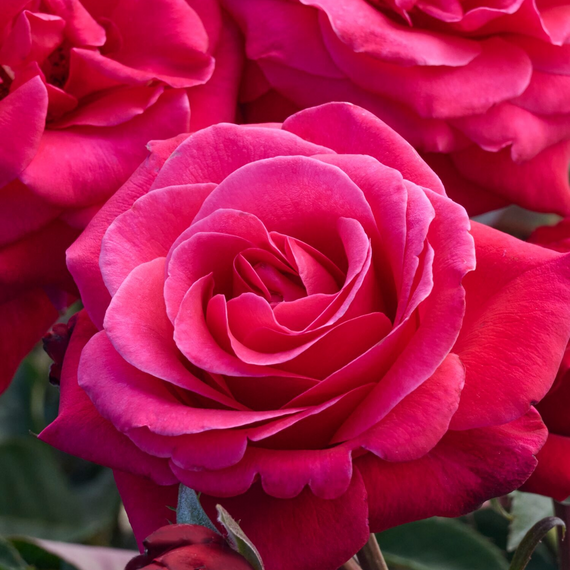
- Intoxicatingly fragrant, fuchsia-pink blooms up to 4 inches across unfurl from elegant buds and repeat from early spring all the way to first frost
- Bred in Germany for superior disease resistance, this modern shrub rose shrugs off common rose ailments with lush, healthy foliage season after season
- Compact, rounded form reaching 3-4 feet tall and wide makes it ideal for borders, foundation plantings, container displays, and cutting gardens alike
- Tolerates heat, humidity, and frost across USDA Zones 5a-10b, delivering reliable garden performance in a wide range of climates
Eau de Parfum Bling Rose (Rosa hybrida 'Noa16079', PP #33,304) is a showstopping deciduous shrub rose that brings together the timeless romance of old-fashioned fragrance with the ease and reliability of modern breeding. Hybridized in Germany and bearing the prestigious Eau de Parfum series name, this variety earns its title with intensely perfumed, deep fuchsia-pink blooms that fill the garden air from early spring through the first hard frost. Each blossom opens from a classically shaped bud, slowly unfurling into a lush semi-double to double flower measuring approximately 4 inches in diameter, often appearing in small, eye-catching clusters. The plant forms a tidy, rounded, upright habit reaching 3 to 4 feet in both height and spread, clothed in glossy, dark green foliage that resists common rose diseases including black spot and powdery mildew. Adapted to a remarkably wide range of climates from USDA Zone 5a through 10b, it tolerates heat, humidity, and frost with equal aplomb. Whether planted as a fragrant focal point in a cottage garden, massed along a walkway or entryway, used in a formal cutting garden, or showcased in a patio container, Eau de Parfum Bling Rose delivers season-long color, intoxicating fragrance, and dependable garden performance that gardeners of all experience levels will treasure.
Plant Description
Eau de Parfum Bling Rose is a deciduous shrub rose renowned for its deeply fragrant, rich fuchsia-pink blooms and outstanding disease resistance. Each flower opens from a perfectly formed, classic rose bud and gradually unfurls into a semi-double to double bloom approximately 4 inches in diameter, frequently appearing in small clusters along sturdy, upright canes. The blooms hold their intense fuchsia color remarkably well even in warm, sunny conditions. The plant's lush, glossy dark green foliage provides an attractive backdrop to the vivid flowers and remains clean and healthy throughout the entire growing season. Its rounded, upright growth habit produces a well-branched, full shrub that looks attractive in and out of bloom. This variety was hybridized in Germany and represents the next generation of garden roses — combining the nostalgic fragrance and flower form of heritage varieties with the vigor, disease resistance, and repeat-flowering performance of the best modern shrub roses.
Mature Size and Growth Habit
| Characteristic | Detail |
|---|---|
| Mature Height | 3 to 4 feet |
| Mature Width | 3 to 4 feet |
| Growth Habit | Rounded, upright |
| Growth Rate | Moderate |
| Plant Type | Deciduous shrub rose |
| Recommended Spacing | 3 feet on center |
Eau de Parfum Bling Rose grows at a moderate pace, ultimately forming a compact, well-branched shrub that is equally at home as a single specimen or planted in mass groupings. Its naturally tidy habit means it rarely requires hard corrective pruning to remain attractive, and it fits comfortably into smaller garden spaces without overwhelming neighboring plants.
Hardiness Zones and Climate Tolerance
This rose is adapted to a broad range of climates, rated hardy from USDA Zone 5a through Zone 10b. It endures hard winters in colder zones while also thriving in the heat and humidity of warmer regions. Tolerances include heat, humidity, frost, and disease — making it one of the more versatile and forgiving modern shrub roses available. In Southern Oregon and Northern California gardens, it performs exceptionally well, delivering reliable repeat blooms without the fussiness associated with traditional hybrid tea roses.
- USDA Hardiness Zone Minimum: Zone 5a (approximately -20 degrees F)
- USDA Hardiness Zone Maximum: Zone 10b
- Tolerates frost, heat, and humidity
- Disease resistant, reducing stress-related decline in difficult climates
Sunlight Requirements
Eau de Parfum Bling Rose thrives in full sun and should receive a minimum of 6 hours of direct sunlight each day for the best bloom production, strongest growth, and optimal disease resistance. In regions with intense summer heat, such as the inland valleys of Southern Oregon and Northern California, a location that receives morning sun with light afternoon shade can help prevent heat stress and preserve flower color. Insufficient sun results in fewer flowers, weaker canes, and increased susceptibility to fungal diseases. Choose the sunniest spot available in your garden for this rose to truly perform at its best.
Soil and pH Preferences
| Soil Factor | Preference |
|---|---|
| Soil Type | Loamy, well-drained |
| Soil Moisture | Moderate — consistently moist but never waterlogged |
| Soil pH (Slightly Acidic) | 6.0 to 6.4 (ideal) |
| Soil pH (Neutral) | 6.5 to 7.5 (acceptable) |
| Soil pH (Slightly Alkaline) | 7.6 to 8.0 (tolerated) |
| Drainage | Well-drained; standing water causes root rot |
For best results, amend heavy clay soils with compost and coarse sand to improve drainage before planting. In sandy soils, incorporate generous amounts of compost to improve moisture and nutrient retention. A slightly acidic to neutral soil pH is ideal for nutrient availability. If your soil pH is off, a simple soil test can guide amendments — sulfur to lower pH or garden lime to raise it.
Watering Guide
Consistent, deep watering is essential for Eau de Parfum Bling Rose, especially during the first growing season while the root system is establishing. Water deeply at the base of the plant once or twice a week, allowing the soil to approach dryness in the top inch or two between waterings. Avoid frequent shallow watering, which encourages shallow roots and heat stress. Drip irrigation or soaker hoses are strongly preferred over overhead watering, as keeping foliage dry dramatically reduces the incidence of fungal diseases. During prolonged heat spells, increase watering frequency. Once established, this rose has moderate water needs and shows good tolerance of brief dry periods, though consistent moisture during the bloom cycle produces the best flower display. Apply a 2- to 3-inch layer of organic mulch around the base, keeping it a few inches away from the canes, to conserve soil moisture, moderate soil temperature, and suppress weeds.
Fertilizing
Feed Eau de Parfum Bling Rose regularly throughout the growing season to fuel its impressive repeat-blooming performance. Begin fertilizing in early spring as new growth emerges, using a balanced, granular rose fertilizer or a slow-release fertilizer formulated for roses and flowering shrubs. Follow up with additional applications every 6 to 8 weeks through the summer. A liquid rose fertilizer applied every 2 to 3 weeks can supplement granular feeding for particularly vigorous bloom production. Stop fertilizing approximately 6 to 8 weeks before the first anticipated frost in your area to allow new growth to harden off properly and avoid frost damage to tender shoots. Avoid high-nitrogen fertilizers late in the season, as they stimulate soft growth vulnerable to cold injury. A top-dressing of compost each spring also enriches the soil and feeds beneficial soil microorganisms.
- Start feeding in early spring when new growth begins
- Use a balanced granular rose fertilizer or slow-release formula
- Repeat every 6 to 8 weeks throughout the growing season
- Stop feeding 6 to 8 weeks before first expected frost
- Supplement with compost top-dressing each spring
Pruning and Maintenance
Eau de Parfum Bling Rose is a repeat-blooming shrub rose and benefits from a simple, consistent maintenance pruning routine. In early spring, just as new buds are beginning to swell, perform the main annual pruning: remove any dead, damaged, or crossing canes back to healthy wood, and cut the remaining canes back by about one-third to one-half of their length to encourage vigorous new growth and abundant blooming. Make all cuts at a 45-degree angle just above an outward-facing bud to promote an open, airy structure with good air circulation — a key factor in disease prevention.
Throughout the blooming season, deadhead spent flowers by cutting back to the nearest outward-facing set of leaves with at least 5 leaflets. This removes the spent bloom cleanly and signals the plant to push a new flush of buds. In late fall, after the plant has gone dormant, lightly tidy the canes to remove any diseased or damaged material, but avoid heavy pruning in fall, as this encourages tender new growth that is vulnerable to winter damage. Always use clean, sharp pruning shears and disinfect blades between plants to prevent spreading disease.
Planting Instructions
- Select a planting site in full sun with at least 6 hours of direct sunlight daily and excellent drainage.
- Dig a planting hole approximately twice as wide as the root ball and equal in depth.
- Amend the native soil with compost to improve structure, drainage, and fertility.
- Set the plant in the hole at the same depth it was growing in its nursery container, ensuring the bud union (if visible) is at or just above the soil surface.
- Backfill with the amended soil mixture, gently firming around the roots to eliminate air pockets.
- Water deeply and thoroughly immediately after planting to settle the soil.
- Apply a 2- to 3-inch layer of organic mulch around the base, keeping it a few inches away from the canes to prevent rot.
- Space multiple plants approximately 3 feet on center for a mass planting, or allow a full 4-foot spread for individual specimens.
- Water regularly throughout the first growing season to establish a deep, healthy root system.
Seasonal Interest
Eau de Parfum Bling Rose provides outstanding garden interest across three full seasons. Its bloom cycle begins in early spring with the first spectacular flush of richly fragrant, fuchsia-pink flowers, and it continues to push new flushes reliably through summer and well into fall, often blooming until the first hard frost. The intensity of color and fragrance is especially notable in cooler morning temperatures. In autumn, the blooms may deepen slightly in hue and the fragrance remains as captivating as ever. The lush, dark green glossy foliage provides a handsome backdrop throughout the growing season. In winter, the dormant canes provide subtle architectural structure in the garden. This exceptional bloom persistence makes it one of the longest-performing shrub roses available, offering far more color and fragrance per season than once-blooming varieties.
- Spring: First major flush of large, intensely fragrant fuchsia blooms
- Summer: Continued repeat blooming in successive waves throughout the season
- Early to Mid-Fall: Blooms persist into September, October, and November before first frost
- Winter: Dormant; provides cane structure in the garden
Landscape Uses
The compact size, exceptional fragrance, bold fuchsia flower color, and long bloom season of Eau de Parfum Bling Rose make it one of the most versatile landscape roses available. It excels in a wide range of garden applications:
- Specimen Planting: Use as a fragrant focal point in a mixed border or garden bed
- Mass Planting: Plant in groups of 3 or more for a dramatic sweep of color and fragrance
- Foundation Planting: Its tidy size suits placement along building foundations without crowding windows or walkways
- Border and Bed Edging: Works beautifully along pathways, garden borders, and property edges
- Entryway Planting: Fragrant blooms at walkways and entries create a welcoming sensory experience
- Cutting Garden: Produces an abundance of long-stemmed, fragrant blooms ideal for fresh-cut arrangements throughout the season
- Courtyard and Patio: Thrives in container culture on patios, decks, and courtyard gardens
- Cottage, Formal, and Aromatic Garden Themes: The classic rose form and intense fragrance suit virtually any traditional or formal garden design
Container Growing
Eau de Parfum Bling Rose adapts well to container culture, making it an excellent choice for patios, courtyards, balconies, and entryways where in-ground planting is not possible. Its compact, rounded form and moderate size allow it to thrive in a large container without becoming rootbound quickly. Follow these guidelines for success:
- Choose a container at least 16 to 20 inches wide and deep with ample drainage holes
- Use a high-quality potting mix blended with compost and perlite for good drainage and fertility
- Place in a sunny location receiving a minimum of 6 hours of direct sunlight daily
- Water more frequently than in-ground plantings — check soil moisture every 1 to 2 days in warm weather, watering deeply when the top inch of soil is dry
- Feed with a liquid rose fertilizer every 2 to 3 weeks during the growing season, as container nutrients are depleted more quickly
- Deadhead spent blooms regularly to encourage continuous flowering
- In colder climates (Zone 5a through 6), move containers to a sheltered, unheated garage or covered porch over winter, watering occasionally to prevent complete desiccation
- Repot every 2 to 3 years into a slightly larger container to refresh soil and accommodate root growth
Companion Plants
Eau de Parfum Bling Rose pairs beautifully with a wide array of perennials, annuals, and shrubs that complement its bold fuchsia-pink color, lush texture, and long bloom season. The following companions work especially well in Southern Oregon and Northern California gardens:
- Lavender (Lavandula spp.): A classic rose companion with complementary fragrance, silvery foliage that contrasts with the rose's dark green leaves, and similar sun and drainage requirements
- Catmint (Nepeta spp.): Soft blue-purple flowers and gray-green foliage provide a cool color contrast that makes the fuchsia blooms pop; repeat blooms with the rose through summer
- Salvia (Salvia nemorosa and cultivars): Upright violet-blue spikes create a striking complementary color combination with the fuchsia-pink rose flowers
- Alyssum (Lobularia maritima): Low-growing, fragrant white or purple blooms make an ideal underplanting that covers bare soil and attracts beneficial insects
- Geranium (Hardy Geranium / Cranesbill): Mounding habit, delicate flowers, and attractive foliage fill the base of the rose beautifully
- Russian Sage (Perovskia atriplicifolia): Airy, aromatic silver-blue spires provide texture contrast and thrive in the same sunny, well-drained conditions
- Ornamental Grasses (fine-textured varieties): Add movement, texture, and seasonal interest without competing with the rose's blooms
- Agastache (Hyssop): Long-blooming, fragrant, and pollinator-friendly — a natural complement in aromatic or cottage garden settings
Pests and Diseases
Eau de Parfum Bling Rose was bred specifically for superior disease resistance, which significantly reduces the management burden compared to traditional rose varieties. Its foliage shows strong resistance to the most common rose ailments:
- Black Spot (Diplocarpon rosae): The primary fungal disease affecting roses; this variety's bred-in resistance greatly minimizes infection. Ensure good air circulation and avoid overhead watering as additional preventive measures.
- Powdery Mildew: Improved resistance reduces incidence, though crowded plantings with poor airflow can still encourage this fungus. Prune for an open canopy and space plants properly.
- Rust: Less common but possible in humid conditions; good sanitation and airflow minimize risk.
- Aphids: Small colonies of aphids may appear on new growth in spring. A strong blast of water from a hose or an application of insecticidal soap handles most infestations without systemic pesticides.
- Japanese Beetle: Where present, hand-pick adults in the early morning and drop into soapy water; avoid broad-spectrum pesticides that harm beneficial insects.
- Spider Mites: More common during hot, dry weather. Maintain adequate moisture and knock mites off with water; miticides are available for severe infestations.
- Rose Slug (Sawfly Larvae): Skeletonizes leaves; hand-pick or treat with spinosad or insecticidal soap at first sign.
In general, maintaining good cultural practices — proper spacing, full sun, drip irrigation, and annual pruning for airflow — will keep this rose healthy with minimal chemical intervention.
Wildlife and Pollinator Value
Eau de Parfum Bling Rose is a valuable addition to pollinator-friendly gardens. Its richly fragrant, semi-double to double blooms are accessible to a variety of pollinators, with the open flower form allowing bees and other beneficial insects to access pollen and nectar throughout the long bloom season. The rose is well suited to butterfly gardens, pollinator gardens, and cottage garden designs where supporting local insect populations is a priority. Bees, both native species and honeybees, are commonly attracted to the blooms, and the consistent flowering from spring through fall provides a reliable nectar source during critical pollinator foraging periods. While deer may occasionally browse rose foliage, the plant's thorny canes offer a natural degree of deterrence.
- Attracts bees, butterflies, and beneficial pollinators throughout the long bloom season
- Semi-double flower form allows pollinator access to pollen and nectar
- Suitable for pollinator gardens, butterfly gardens, and cottage-style landscapes
- Thorny canes provide some natural deer deterrence, though no rose is completely deer-proof
- Intoxicatingly fragrant, fuchsia-pink blooms up to 4 inches across unfurl from elegant buds and repeat from early spring all the way to first frost
- Bred in Germany for superior disease resistance, this modern shrub rose shrugs off common rose ailments with lush, healthy foliage season after season
- Compact, rounded form reaching 3-4 feet tall and wide makes it ideal for borders, foundation plantings, container displays, and cutting gardens alike
- Tolerates heat, humidity, and frost across USDA Zones 5a-10b, delivering reliable garden performance in a wide range of climates
Eau de Parfum Bling Rose (Rosa hybrida 'Noa16079', PP #33,304) is a showstopping deciduous shrub rose that brings together the timeless romance of old-fashioned fragrance with the ease and reliability of modern breeding. Hybridized in Germany and bearing the prestigious Eau de Parfum series name, this variety earns its title with intensely perfumed, deep fuchsia-pink blooms that fill the garden air from early spring through the first hard frost. Each blossom opens from a classically shaped bud, slowly unfurling into a lush semi-double to double flower measuring approximately 4 inches in diameter, often appearing in small, eye-catching clusters. The plant forms a tidy, rounded, upright habit reaching 3 to 4 feet in both height and spread, clothed in glossy, dark green foliage that resists common rose diseases including black spot and powdery mildew. Adapted to a remarkably wide range of climates from USDA Zone 5a through 10b, it tolerates heat, humidity, and frost with equal aplomb. Whether planted as a fragrant focal point in a cottage garden, massed along a walkway or entryway, used in a formal cutting garden, or showcased in a patio container, Eau de Parfum Bling Rose delivers season-long color, intoxicating fragrance, and dependable garden performance that gardeners of all experience levels will treasure.
Plant Description
Eau de Parfum Bling Rose is a deciduous shrub rose renowned for its deeply fragrant, rich fuchsia-pink blooms and outstanding disease resistance. Each flower opens from a perfectly formed, classic rose bud and gradually unfurls into a semi-double to double bloom approximately 4 inches in diameter, frequently appearing in small clusters along sturdy, upright canes. The blooms hold their intense fuchsia color remarkably well even in warm, sunny conditions. The plant's lush, glossy dark green foliage provides an attractive backdrop to the vivid flowers and remains clean and healthy throughout the entire growing season. Its rounded, upright growth habit produces a well-branched, full shrub that looks attractive in and out of bloom. This variety was hybridized in Germany and represents the next generation of garden roses — combining the nostalgic fragrance and flower form of heritage varieties with the vigor, disease resistance, and repeat-flowering performance of the best modern shrub roses.
Mature Size and Growth Habit
| Characteristic | Detail |
|---|---|
| Mature Height | 3 to 4 feet |
| Mature Width | 3 to 4 feet |
| Growth Habit | Rounded, upright |
| Growth Rate | Moderate |
| Plant Type | Deciduous shrub rose |
| Recommended Spacing | 3 feet on center |
Eau de Parfum Bling Rose grows at a moderate pace, ultimately forming a compact, well-branched shrub that is equally at home as a single specimen or planted in mass groupings. Its naturally tidy habit means it rarely requires hard corrective pruning to remain attractive, and it fits comfortably into smaller garden spaces without overwhelming neighboring plants.
Hardiness Zones and Climate Tolerance
This rose is adapted to a broad range of climates, rated hardy from USDA Zone 5a through Zone 10b. It endures hard winters in colder zones while also thriving in the heat and humidity of warmer regions. Tolerances include heat, humidity, frost, and disease — making it one of the more versatile and forgiving modern shrub roses available. In Southern Oregon and Northern California gardens, it performs exceptionally well, delivering reliable repeat blooms without the fussiness associated with traditional hybrid tea roses.
- USDA Hardiness Zone Minimum: Zone 5a (approximately -20 degrees F)
- USDA Hardiness Zone Maximum: Zone 10b
- Tolerates frost, heat, and humidity
- Disease resistant, reducing stress-related decline in difficult climates
Sunlight Requirements
Eau de Parfum Bling Rose thrives in full sun and should receive a minimum of 6 hours of direct sunlight each day for the best bloom production, strongest growth, and optimal disease resistance. In regions with intense summer heat, such as the inland valleys of Southern Oregon and Northern California, a location that receives morning sun with light afternoon shade can help prevent heat stress and preserve flower color. Insufficient sun results in fewer flowers, weaker canes, and increased susceptibility to fungal diseases. Choose the sunniest spot available in your garden for this rose to truly perform at its best.
Soil and pH Preferences
| Soil Factor | Preference |
|---|---|
| Soil Type | Loamy, well-drained |
| Soil Moisture | Moderate — consistently moist but never waterlogged |
| Soil pH (Slightly Acidic) | 6.0 to 6.4 (ideal) |
| Soil pH (Neutral) | 6.5 to 7.5 (acceptable) |
| Soil pH (Slightly Alkaline) | 7.6 to 8.0 (tolerated) |
| Drainage | Well-drained; standing water causes root rot |
For best results, amend heavy clay soils with compost and coarse sand to improve drainage before planting. In sandy soils, incorporate generous amounts of compost to improve moisture and nutrient retention. A slightly acidic to neutral soil pH is ideal for nutrient availability. If your soil pH is off, a simple soil test can guide amendments — sulfur to lower pH or garden lime to raise it.
Watering Guide
Consistent, deep watering is essential for Eau de Parfum Bling Rose, especially during the first growing season while the root system is establishing. Water deeply at the base of the plant once or twice a week, allowing the soil to approach dryness in the top inch or two between waterings. Avoid frequent shallow watering, which encourages shallow roots and heat stress. Drip irrigation or soaker hoses are strongly preferred over overhead watering, as keeping foliage dry dramatically reduces the incidence of fungal diseases. During prolonged heat spells, increase watering frequency. Once established, this rose has moderate water needs and shows good tolerance of brief dry periods, though consistent moisture during the bloom cycle produces the best flower display. Apply a 2- to 3-inch layer of organic mulch around the base, keeping it a few inches away from the canes, to conserve soil moisture, moderate soil temperature, and suppress weeds.
Fertilizing
Feed Eau de Parfum Bling Rose regularly throughout the growing season to fuel its impressive repeat-blooming performance. Begin fertilizing in early spring as new growth emerges, using a balanced, granular rose fertilizer or a slow-release fertilizer formulated for roses and flowering shrubs. Follow up with additional applications every 6 to 8 weeks through the summer. A liquid rose fertilizer applied every 2 to 3 weeks can supplement granular feeding for particularly vigorous bloom production. Stop fertilizing approximately 6 to 8 weeks before the first anticipated frost in your area to allow new growth to harden off properly and avoid frost damage to tender shoots. Avoid high-nitrogen fertilizers late in the season, as they stimulate soft growth vulnerable to cold injury. A top-dressing of compost each spring also enriches the soil and feeds beneficial soil microorganisms.
- Start feeding in early spring when new growth begins
- Use a balanced granular rose fertilizer or slow-release formula
- Repeat every 6 to 8 weeks throughout the growing season
- Stop feeding 6 to 8 weeks before first expected frost
- Supplement with compost top-dressing each spring
Pruning and Maintenance
Eau de Parfum Bling Rose is a repeat-blooming shrub rose and benefits from a simple, consistent maintenance pruning routine. In early spring, just as new buds are beginning to swell, perform the main annual pruning: remove any dead, damaged, or crossing canes back to healthy wood, and cut the remaining canes back by about one-third to one-half of their length to encourage vigorous new growth and abundant blooming. Make all cuts at a 45-degree angle just above an outward-facing bud to promote an open, airy structure with good air circulation — a key factor in disease prevention.
Throughout the blooming season, deadhead spent flowers by cutting back to the nearest outward-facing set of leaves with at least 5 leaflets. This removes the spent bloom cleanly and signals the plant to push a new flush of buds. In late fall, after the plant has gone dormant, lightly tidy the canes to remove any diseased or damaged material, but avoid heavy pruning in fall, as this encourages tender new growth that is vulnerable to winter damage. Always use clean, sharp pruning shears and disinfect blades between plants to prevent spreading disease.
Planting Instructions
- Select a planting site in full sun with at least 6 hours of direct sunlight daily and excellent drainage.
- Dig a planting hole approximately twice as wide as the root ball and equal in depth.
- Amend the native soil with compost to improve structure, drainage, and fertility.
- Set the plant in the hole at the same depth it was growing in its nursery container, ensuring the bud union (if visible) is at or just above the soil surface.
- Backfill with the amended soil mixture, gently firming around the roots to eliminate air pockets.
- Water deeply and thoroughly immediately after planting to settle the soil.
- Apply a 2- to 3-inch layer of organic mulch around the base, keeping it a few inches away from the canes to prevent rot.
- Space multiple plants approximately 3 feet on center for a mass planting, or allow a full 4-foot spread for individual specimens.
- Water regularly throughout the first growing season to establish a deep, healthy root system.
Seasonal Interest
Eau de Parfum Bling Rose provides outstanding garden interest across three full seasons. Its bloom cycle begins in early spring with the first spectacular flush of richly fragrant, fuchsia-pink flowers, and it continues to push new flushes reliably through summer and well into fall, often blooming until the first hard frost. The intensity of color and fragrance is especially notable in cooler morning temperatures. In autumn, the blooms may deepen slightly in hue and the fragrance remains as captivating as ever. The lush, dark green glossy foliage provides a handsome backdrop throughout the growing season. In winter, the dormant canes provide subtle architectural structure in the garden. This exceptional bloom persistence makes it one of the longest-performing shrub roses available, offering far more color and fragrance per season than once-blooming varieties.
- Spring: First major flush of large, intensely fragrant fuchsia blooms
- Summer: Continued repeat blooming in successive waves throughout the season
- Early to Mid-Fall: Blooms persist into September, October, and November before first frost
- Winter: Dormant; provides cane structure in the garden
Landscape Uses
The compact size, exceptional fragrance, bold fuchsia flower color, and long bloom season of Eau de Parfum Bling Rose make it one of the most versatile landscape roses available. It excels in a wide range of garden applications:
- Specimen Planting: Use as a fragrant focal point in a mixed border or garden bed
- Mass Planting: Plant in groups of 3 or more for a dramatic sweep of color and fragrance
- Foundation Planting: Its tidy size suits placement along building foundations without crowding windows or walkways
- Border and Bed Edging: Works beautifully along pathways, garden borders, and property edges
- Entryway Planting: Fragrant blooms at walkways and entries create a welcoming sensory experience
- Cutting Garden: Produces an abundance of long-stemmed, fragrant blooms ideal for fresh-cut arrangements throughout the season
- Courtyard and Patio: Thrives in container culture on patios, decks, and courtyard gardens
- Cottage, Formal, and Aromatic Garden Themes: The classic rose form and intense fragrance suit virtually any traditional or formal garden design
Container Growing
Eau de Parfum Bling Rose adapts well to container culture, making it an excellent choice for patios, courtyards, balconies, and entryways where in-ground planting is not possible. Its compact, rounded form and moderate size allow it to thrive in a large container without becoming rootbound quickly. Follow these guidelines for success:
- Choose a container at least 16 to 20 inches wide and deep with ample drainage holes
- Use a high-quality potting mix blended with compost and perlite for good drainage and fertility
- Place in a sunny location receiving a minimum of 6 hours of direct sunlight daily
- Water more frequently than in-ground plantings — check soil moisture every 1 to 2 days in warm weather, watering deeply when the top inch of soil is dry
- Feed with a liquid rose fertilizer every 2 to 3 weeks during the growing season, as container nutrients are depleted more quickly
- Deadhead spent blooms regularly to encourage continuous flowering
- In colder climates (Zone 5a through 6), move containers to a sheltered, unheated garage or covered porch over winter, watering occasionally to prevent complete desiccation
- Repot every 2 to 3 years into a slightly larger container to refresh soil and accommodate root growth
Companion Plants
Eau de Parfum Bling Rose pairs beautifully with a wide array of perennials, annuals, and shrubs that complement its bold fuchsia-pink color, lush texture, and long bloom season. The following companions work especially well in Southern Oregon and Northern California gardens:
- Lavender (Lavandula spp.): A classic rose companion with complementary fragrance, silvery foliage that contrasts with the rose's dark green leaves, and similar sun and drainage requirements
- Catmint (Nepeta spp.): Soft blue-purple flowers and gray-green foliage provide a cool color contrast that makes the fuchsia blooms pop; repeat blooms with the rose through summer
- Salvia (Salvia nemorosa and cultivars): Upright violet-blue spikes create a striking complementary color combination with the fuchsia-pink rose flowers
- Alyssum (Lobularia maritima): Low-growing, fragrant white or purple blooms make an ideal underplanting that covers bare soil and attracts beneficial insects
- Geranium (Hardy Geranium / Cranesbill): Mounding habit, delicate flowers, and attractive foliage fill the base of the rose beautifully
- Russian Sage (Perovskia atriplicifolia): Airy, aromatic silver-blue spires provide texture contrast and thrive in the same sunny, well-drained conditions
- Ornamental Grasses (fine-textured varieties): Add movement, texture, and seasonal interest without competing with the rose's blooms
- Agastache (Hyssop): Long-blooming, fragrant, and pollinator-friendly — a natural complement in aromatic or cottage garden settings
Pests and Diseases
Eau de Parfum Bling Rose was bred specifically for superior disease resistance, which significantly reduces the management burden compared to traditional rose varieties. Its foliage shows strong resistance to the most common rose ailments:
- Black Spot (Diplocarpon rosae): The primary fungal disease affecting roses; this variety's bred-in resistance greatly minimizes infection. Ensure good air circulation and avoid overhead watering as additional preventive measures.
- Powdery Mildew: Improved resistance reduces incidence, though crowded plantings with poor airflow can still encourage this fungus. Prune for an open canopy and space plants properly.
- Rust: Less common but possible in humid conditions; good sanitation and airflow minimize risk.
- Aphids: Small colonies of aphids may appear on new growth in spring. A strong blast of water from a hose or an application of insecticidal soap handles most infestations without systemic pesticides.
- Japanese Beetle: Where present, hand-pick adults in the early morning and drop into soapy water; avoid broad-spectrum pesticides that harm beneficial insects.
- Spider Mites: More common during hot, dry weather. Maintain adequate moisture and knock mites off with water; miticides are available for severe infestations.
- Rose Slug (Sawfly Larvae): Skeletonizes leaves; hand-pick or treat with spinosad or insecticidal soap at first sign.
In general, maintaining good cultural practices — proper spacing, full sun, drip irrigation, and annual pruning for airflow — will keep this rose healthy with minimal chemical intervention.
Wildlife and Pollinator Value
Eau de Parfum Bling Rose is a valuable addition to pollinator-friendly gardens. Its richly fragrant, semi-double to double blooms are accessible to a variety of pollinators, with the open flower form allowing bees and other beneficial insects to access pollen and nectar throughout the long bloom season. The rose is well suited to butterfly gardens, pollinator gardens, and cottage garden designs where supporting local insect populations is a priority. Bees, both native species and honeybees, are commonly attracted to the blooms, and the consistent flowering from spring through fall provides a reliable nectar source during critical pollinator foraging periods. While deer may occasionally browse rose foliage, the plant's thorny canes offer a natural degree of deterrence.
- Attracts bees, butterflies, and beneficial pollinators throughout the long bloom season
- Semi-double flower form allows pollinator access to pollen and nectar
- Suitable for pollinator gardens, butterfly gardens, and cottage-style landscapes
- Thorny canes provide some natural deer deterrence, though no rose is completely deer-proof
Related Products