

Zoom the image with the mouse
Eau De Parfum Blush Rose - 2 Gallon
SKU:
2154580
UPC:
014949484371
$34.99
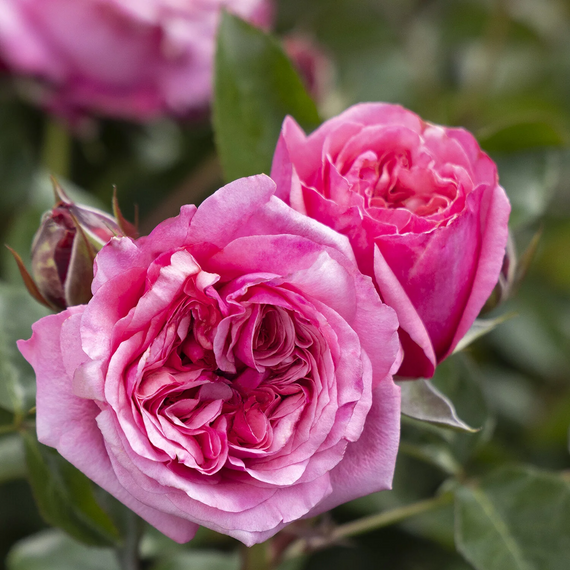
- Exceptionally fragrant, large blush pink blooms with 80 to 90 petals per flower unfurl from elegant buds in a classic, full-petaled form reminiscent of old-world romance
- Superior disease resistance with lush, glossy dark green foliage that stays attractive and healthy throughout the entire growing season
- Prolific repeat bloomer from early spring through the first frost, producing continuous flushes of cut-worthy flowers all season long
- Compact, rounded shrub habit reaching 3 to 4 feet tall and wide — perfectly suited for borders, containers, hedges, entryways, and cottage-style gardens
Eau de Parfum Blush Rose (Rosa 'Noa1811108') is a showstopping, award-worthy shrub rose bred by renowned German hybridizer Reinhard Noack that masterfully unites the rich, heady fragrance and full-petaled beauty of classic roses with the hardiness and disease resistance of modern breeding. Each spectacular bloom carries 80 to 90 velvety blush pink petals that slowly unfurl from a perfectly formed bud into a large, deeply fragrant flower averaging 4 inches across — making it a standout choice for both the garden landscape and the cut flower vase. Part of the Eau de Parfum series, this deciduous shrub produces wave after wave of blooms from early spring all the way through the first fall frost, ensuring your garden never lacks for color or fragrance. Its compact, rounded habit grows 3 to 4 feet tall and wide, filling in beautifully without overwhelming the surrounding landscape. The foliage is equally impressive — glossy, deep green leaves remain clean and vibrant thanks to outstanding resistance to common fungal issues like black spot and powdery mildew. Hardy in USDA Zones 5 through 10, Eau de Parfum Blush Rose thrives in full sun with well-drained soil and fits seamlessly into cottage gardens, formal borders, cutting gardens, patio containers, aromatic gardens, and entryway plantings wherever a dependable, fragrant, and visually captivating rose is desired.
Plant Description
Eau de Parfum Blush Rose is a deciduous shrub rose belonging to the Eau de Parfum series, bred by German rosarian Reinhard Noack and introduced under the cultivar name 'Noa1811108'. It is classified as a hybrid tea-type shrub and represents the best of two worlds: the lush, fragrant, high-petal-count blossoms associated with classic roses combined with the vigorous, disease-resistant, repeat-blooming qualities of the finest modern shrub roses. Blush pink flowers begin as elegantly tapered buds that slowly unfurl to reveal large, very full blooms carrying 80 to 90 petals each, with an average flower diameter of approximately 4 inches. The fragrance is rich, true, and moderate-to-strong — characteristic of fine European rose breeding. Blooms are borne in small clusters on sturdy stems ideal for cutting. The plant's habit is bushy and rounded, clothed in glossy, deep green foliage composed of 5 to 7 leaflets that remains clean and attractive across the full growing season thanks to exceptional disease resistance. The overall impression is one of timeless elegance and effortless beauty.
Mature Size and Growth Habit
| Characteristic | Detail |
|---|---|
| Mature Height | 3 to 4 feet |
| Mature Spread | 3 to 4 feet |
| Growth Habit | Compact and rounded |
| Growth Rate | Moderate |
| Plant Type | Deciduous shrub rose |
| Recommended Spacing | 3 feet apart |
This compact, well-mannered shrub stays neatly contained without aggressive spreading, making it an excellent fit for smaller gardens, mixed borders, and container plantings where larger roses would be out of scale. Its naturally rounded silhouette requires only light shaping to maintain a tidy, attractive appearance.
Hardiness Zones and Climate
Eau de Parfum Blush Rose is rated for USDA Hardiness Zones 5 through 10, making it adaptable across a wide range of climates. It performs well in the mild winters and warm summers typical of Southern Oregon and Northern California. In Zone 5 areas or colder microclimates, mounding 6 to 8 inches of mulch or compost around the base of the plant after the first hard frost will help insulate the root zone and crown through the winter months. Avoid planting in low-lying frost pockets where cold air pools, as late spring frosts can damage new growth and emerging buds. In the hottest portions of Zone 9 and Zone 10, providing afternoon filtered light or consistent moisture will help prevent flower scorch and keep the plant blooming strongly through the heat of summer.
Sunlight Requirements
Full sun is essential for the best performance from Eau de Parfum Blush Rose. A minimum of 6 to 8 hours of direct sunlight per day encourages the most vigorous growth, the heaviest flushes of bloom, and the deepest fragrance development. Morning sun is ideal because it helps dry dew from the foliage quickly, reducing the risk of fungal diseases. Sites that receive afternoon shade, particularly in the hottest inland climates, can help moderate heat stress and extend the life of individual blooms, but overall flower production will be greatest with a full-sun exposure. Avoid planting in spots that receive fewer than 4 to 5 hours of direct sun, as the plant will become leggy and bloom poorly under those conditions.
Soil and pH Preferences
Eau de Parfum Blush Rose performs best in loamy, fertile, well-drained soil that retains adequate moisture without becoming waterlogged. The ideal soil pH range is 6.0 to 6.5 (slightly acidic to neutral). Before planting, it is beneficial to work generous amounts of compost or well-rotted organic matter into the planting area to improve both drainage in clay-heavy soils and moisture retention in sandy soils. Adding a small amount of bone meal to the planting hole supports healthy root establishment. If your soil pH is too high (alkaline), incorporate granular sulfur according to a soil test recommendation to bring pH into the preferred range. Avoid heavy, compacted, or poorly drained soils, which promote root rot and reduce overall plant vigor. A soil test prior to planting is always recommended for the best results.
Watering Guide
Roses require consistent moisture to perform their best, and Eau de Parfum Blush is rated for moderate water needs. Established plants generally require the equivalent of 1 to 2 inches of water per week through rainfall or supplemental irrigation. Deep, infrequent watering is far more beneficial than frequent, shallow watering, as it encourages roots to grow deeply and makes the plant more drought-tolerant over time. To check soil moisture, insert a finger 2 inches into the soil near the root zone — if it feels dry at that depth, it is time to water thoroughly. Always water at the base of the plant rather than overhead to keep foliage dry and minimize fungal disease pressure. Newly planted roses should be watered more frequently (every 2 to 3 days) until they are fully established, typically within their first growing season. Applying a 2- to 3-inch layer of organic mulch around the base of the plant helps retain soil moisture, moderate soil temperature, and reduce the frequency of watering needed during summer heat.
Fertilizing
For the most abundant and fragrant blooms, regular feeding is recommended throughout the growing season. Follow these general guidelines:
- First year: Wait until new growth is actively emerging before applying fertilizer. Use a gentle, balanced fertilizer or a kelp/seaweed-based product to encourage root establishment without pushing excessive top growth.
- Established plants: Begin fertilizing in early spring as new growth emerges, using a fertilizer formulated specifically for roses or a balanced granular fertilizer with a good ratio of nitrogen, phosphorus, and potassium.
- During the season: Continue feeding every 4 to 6 weeks throughout the blooming season to support continuous flush after flush of flowers.
- Stop fertilizing: Cease all feeding 6 to 8 weeks before your average first fall frost date to allow the plant to harden off naturally and avoid frost damage to late tender growth.
- Mulch annually: Top-dress the root zone each spring with 1 to 2 inches of compost to add slow-release nutrients and improve soil health over time.
Pruning and Maintenance
Eau de Parfum Blush Rose blooms on new wood, so annual pruning in late winter to early spring — just as new growth buds begin to swell — is the key to the best flower production each season. Use clean, sharp pruning shears and follow these steps:
- Remove all dead, diseased, or damaged canes back to the base of the plant.
- Cut out any canes that are crossing or rubbing against one another to improve airflow through the center of the plant.
- Cut remaining healthy canes back by approximately one-third to one-half their length, making cuts just above an outward-facing bud to encourage an open, graceful growth habit.
- Throughout the blooming season, deadhead spent flowers regularly by cutting the stem back to just above the first set of five leaflets. This prevents hip formation and signals the plant to direct energy into producing the next flush of blooms.
- Remove any fallen leaves or plant debris from around the base of the plant regularly, as this reduces overwintering sites for fungal spores and pests.
- Lightly renew mulch around the plant each spring after pruning, keeping mulch a few inches away from the main canes to prevent crown rot.
Planting Instructions
- Select a planting site with full sun (6 to 8 hours minimum) and well-drained soil.
- Dig a planting hole approximately twice as wide and as deep as the root ball.
- Amend the excavated soil with generous amounts of compost and a handful of bone meal to support root establishment.
- Remove the plant from its container carefully and gently loosen any circling roots.
- Position the plant so the top of the root ball sits level with the surrounding soil surface. In colder zones (5 to 6), you may set the graft union 1 to 2 inches below the soil surface for added winter protection.
- Backfill with the amended soil, firming gently around the roots to eliminate air pockets.
- Water thoroughly and deeply immediately after planting.
- Apply a 2- to 3-inch layer of organic mulch around the planting area, keeping it pulled back a few inches from the base of the canes.
- Continue to water regularly every 2 to 3 days for the first several weeks as the plant establishes, then gradually transition to a deep, weekly watering schedule.
- The best times to plant are in spring after the danger of frost has passed, or in early fall while soil temperatures are still warm enough to encourage root growth before winter.
Bloom Season and Seasonal Interest
Eau de Parfum Blush Rose delivers an exceptionally long season of color and fragrance, making it one of the most rewarding shrubs in the garden from spring through fall:
- Spring: The first flush of blooms emerges in early spring, often coinciding with warmer days in late March through May depending on your local climate. Blooms are particularly large and deeply colored in the cool temperatures of spring.
- Summer: Continuous repeat flushes of blush pink blooms carry through the heat of summer, with the greatest abundance of flowers when the plant receives consistent sun, water, and regular deadheading.
- Fall: Blooming continues through early and mid-fall, with a particularly beautiful final flush as temperatures cool again in September and October. Cool autumn conditions enhance fragrance intensity and extend the life of individual blooms.
- Winter: The plant enters dormancy after the first frost, revealing its clean, well-structured branching habit. No ornamental hips are produced, keeping the winter look tidy.
Landscape Uses
The compact, rounded habit and unmatched fragrance of Eau de Parfum Blush Rose make it one of the most versatile roses available for residential and ornamental landscapes. Recommended uses include:
- Mixed borders: Pair in the middle of a perennial or mixed shrub border for season-long color and fragrance.
- Low hedges: Plant in a row 3 feet apart to create a soft, fragrant low hedge along pathways, fences, or property borders.
- Mass plantings: Planted in groups of 3 or more, this rose creates a bold, romantic statement of blush pink that is visible from a distance.
- Entryway and foundation plantings: Its compact size and tidy habit make it ideal flanking front doors, along walkways, or as a foundation accent planting.
- Cottage and formal gardens: The classic bloom form and rich fragrance feel right at home in both informal cottage-style and more structured formal garden designs.
- Cutting garden: Plant a dedicated cutting row to enjoy a steady supply of fragrant, long-stemmed blooms for fresh flower arrangements indoors from spring through fall.
- Courtyard and patio settings: Well-suited for smaller enclosed spaces where its fragrance can be fully appreciated at close range.
Container Growing
Eau de Parfum Blush Rose adapts well to life in a large container, making it an excellent choice for patios, courtyards, decks, and entryways where in-ground planting is not possible. For best results in containers:
- Choose a pot that is at least 18 to 20 inches in diameter and equally deep, with drainage holes in the bottom. A larger container will reduce the need for frequent watering and repotting.
- Use a premium quality potting mix formulated for roses or flowering shrubs. Mix in a cup of perlite to improve drainage and incorporate a slow-release rose fertilizer at planting time.
- Container-grown roses dry out more quickly than in-ground plants, particularly in warm weather. Check soil moisture frequently and water deeply whenever the top 1 to 2 inches feel dry.
- Fertilize container roses more frequently than in-ground plants — every 3 to 4 weeks during the growing season — because nutrients leach from containers faster with regular watering.
- In regions with hard freezes, move containers to a protected, unheated space such as a garage or covered porch during the coldest months to prevent the root zone from freezing solid.
- Repot into a slightly larger container every 2 to 3 years to refresh the potting mix and give the expanding root system more room to grow.
Pests and Diseases
Eau de Parfum Blush Rose was bred with outstanding disease resistance as a core trait, giving it a significant advantage over older rose varieties in the home garden. However, basic monitoring and preventive care will keep the plant looking its best:
- Black spot: This variety carries strong resistance to black spot, the most common fungal disease of roses. Good air circulation, avoiding overhead watering, and keeping fallen leaves cleaned up will further reduce any risk.
- Powdery mildew: Resistance to powdery mildew is built into the breeding. Planting in full sun with adequate spacing promotes the air movement that discourages this disease.
- Aphids: Small clusters of aphids may appear on new growth in spring. A strong stream of water from a hose or an application of insecticidal soap will quickly control minor infestations without the need for harsh chemicals.
- Japanese beetles: These beetles can skeletonize foliage and damage blooms in affected regions. Hand-pick in the early morning when beetles are sluggish, or use approved rose pest control products as directed.
- Spider mites: More common during hot, dry spells. Regular watering, mulching, and occasional foliar rinses help deter mite activity. Miticides are available for serious infestations.
- Deer and rabbit resistance: This variety is noted for resistance to browsing by deer and rabbits, though no rose is entirely deer-proof in areas of high pressure or when preferred food sources are scarce.
Companion Plants
The soft blush pink blooms and rich fragrance of Eau de Parfum Blush Rose pair beautifully with a wide variety of perennials, annuals, and shrubs. Consider these companion planting combinations for a cohesive and visually stunning garden display:
- Lavender (Lavandula spp.): The purple flower spikes and silvery foliage of lavender create a classic, fragrant pairing with blush roses while also helping to repel certain garden pests.
- Catmint (Nepeta spp.): Soft blue-purple catmint flowers echo the romantic mood of the rose while their low, spreading habit fills in at the base of the shrub beautifully.
- Salvia: Upright purple or blue salvias provide vertical contrast against the rounded form of the rose and extend the season of bloom interest.
- Alliums: Globe-shaped allium flower heads add architectural interest and a contrasting purple color that complements blush pink perfectly.
- Geraniums (Cranesbill): Low-growing hardy geraniums in pink, purple, or white tones make excellent edging plants at the feet of this rose.
- Ornamental grasses: Fine-textured grasses like Feather Reed Grass or Blue Oat Grass add movement and textural contrast to the bold blooms of the rose.
- Foxglove (Digitalis): The tall spikes and cottage-garden character of foxglove complement the classic bloom form of Eau de Parfum Blush perfectly in an informal mixed border.
Cut Flower Use
Eau de Parfum Blush Rose is an exceptional cut flower, producing long, sturdy stems topped with large, deeply fragrant blossoms that are perfect for fresh flower arrangements. To get the most from cut blooms:
- Cut stems in the early morning when temperatures are cool and the flowers are fully hydrated for the longest vase life.
- Harvest blooms when the buds are just beginning to unfurl — at approximately the "candle flame" stage — for the longest-lasting cut flowers. Fully open blooms are beautiful but will have a shorter vase life once cut.
- Use clean, sharp pruning shears or floral scissors and make cuts at a 45-degree angle just above an outward-facing leaflet.
- Immediately place stems in a bucket of clean, cool water and move to a cool, shaded location for at least an hour before arranging — a process called conditioning.
- Remove all foliage from the portion of the stem that will be submerged in the vase to prevent bacterial growth and water fouling.
- Change vase water every 2 days and recut the stems slightly each time to maximize vase life, which typically ranges from 5 to 10 days.
- Regular cutting of blooms also serves as deadheading, encouraging the plant to produce the next flush of flowers sooner.
- Exceptionally fragrant, large blush pink blooms with 80 to 90 petals per flower unfurl from elegant buds in a classic, full-petaled form reminiscent of old-world romance
- Superior disease resistance with lush, glossy dark green foliage that stays attractive and healthy throughout the entire growing season
- Prolific repeat bloomer from early spring through the first frost, producing continuous flushes of cut-worthy flowers all season long
- Compact, rounded shrub habit reaching 3 to 4 feet tall and wide — perfectly suited for borders, containers, hedges, entryways, and cottage-style gardens
Eau de Parfum Blush Rose (Rosa 'Noa1811108') is a showstopping, award-worthy shrub rose bred by renowned German hybridizer Reinhard Noack that masterfully unites the rich, heady fragrance and full-petaled beauty of classic roses with the hardiness and disease resistance of modern breeding. Each spectacular bloom carries 80 to 90 velvety blush pink petals that slowly unfurl from a perfectly formed bud into a large, deeply fragrant flower averaging 4 inches across — making it a standout choice for both the garden landscape and the cut flower vase. Part of the Eau de Parfum series, this deciduous shrub produces wave after wave of blooms from early spring all the way through the first fall frost, ensuring your garden never lacks for color or fragrance. Its compact, rounded habit grows 3 to 4 feet tall and wide, filling in beautifully without overwhelming the surrounding landscape. The foliage is equally impressive — glossy, deep green leaves remain clean and vibrant thanks to outstanding resistance to common fungal issues like black spot and powdery mildew. Hardy in USDA Zones 5 through 10, Eau de Parfum Blush Rose thrives in full sun with well-drained soil and fits seamlessly into cottage gardens, formal borders, cutting gardens, patio containers, aromatic gardens, and entryway plantings wherever a dependable, fragrant, and visually captivating rose is desired.
Plant Description
Eau de Parfum Blush Rose is a deciduous shrub rose belonging to the Eau de Parfum series, bred by German rosarian Reinhard Noack and introduced under the cultivar name 'Noa1811108'. It is classified as a hybrid tea-type shrub and represents the best of two worlds: the lush, fragrant, high-petal-count blossoms associated with classic roses combined with the vigorous, disease-resistant, repeat-blooming qualities of the finest modern shrub roses. Blush pink flowers begin as elegantly tapered buds that slowly unfurl to reveal large, very full blooms carrying 80 to 90 petals each, with an average flower diameter of approximately 4 inches. The fragrance is rich, true, and moderate-to-strong — characteristic of fine European rose breeding. Blooms are borne in small clusters on sturdy stems ideal for cutting. The plant's habit is bushy and rounded, clothed in glossy, deep green foliage composed of 5 to 7 leaflets that remains clean and attractive across the full growing season thanks to exceptional disease resistance. The overall impression is one of timeless elegance and effortless beauty.
Mature Size and Growth Habit
| Characteristic | Detail |
|---|---|
| Mature Height | 3 to 4 feet |
| Mature Spread | 3 to 4 feet |
| Growth Habit | Compact and rounded |
| Growth Rate | Moderate |
| Plant Type | Deciduous shrub rose |
| Recommended Spacing | 3 feet apart |
This compact, well-mannered shrub stays neatly contained without aggressive spreading, making it an excellent fit for smaller gardens, mixed borders, and container plantings where larger roses would be out of scale. Its naturally rounded silhouette requires only light shaping to maintain a tidy, attractive appearance.
Hardiness Zones and Climate
Eau de Parfum Blush Rose is rated for USDA Hardiness Zones 5 through 10, making it adaptable across a wide range of climates. It performs well in the mild winters and warm summers typical of Southern Oregon and Northern California. In Zone 5 areas or colder microclimates, mounding 6 to 8 inches of mulch or compost around the base of the plant after the first hard frost will help insulate the root zone and crown through the winter months. Avoid planting in low-lying frost pockets where cold air pools, as late spring frosts can damage new growth and emerging buds. In the hottest portions of Zone 9 and Zone 10, providing afternoon filtered light or consistent moisture will help prevent flower scorch and keep the plant blooming strongly through the heat of summer.
Sunlight Requirements
Full sun is essential for the best performance from Eau de Parfum Blush Rose. A minimum of 6 to 8 hours of direct sunlight per day encourages the most vigorous growth, the heaviest flushes of bloom, and the deepest fragrance development. Morning sun is ideal because it helps dry dew from the foliage quickly, reducing the risk of fungal diseases. Sites that receive afternoon shade, particularly in the hottest inland climates, can help moderate heat stress and extend the life of individual blooms, but overall flower production will be greatest with a full-sun exposure. Avoid planting in spots that receive fewer than 4 to 5 hours of direct sun, as the plant will become leggy and bloom poorly under those conditions.
Soil and pH Preferences
Eau de Parfum Blush Rose performs best in loamy, fertile, well-drained soil that retains adequate moisture without becoming waterlogged. The ideal soil pH range is 6.0 to 6.5 (slightly acidic to neutral). Before planting, it is beneficial to work generous amounts of compost or well-rotted organic matter into the planting area to improve both drainage in clay-heavy soils and moisture retention in sandy soils. Adding a small amount of bone meal to the planting hole supports healthy root establishment. If your soil pH is too high (alkaline), incorporate granular sulfur according to a soil test recommendation to bring pH into the preferred range. Avoid heavy, compacted, or poorly drained soils, which promote root rot and reduce overall plant vigor. A soil test prior to planting is always recommended for the best results.
Watering Guide
Roses require consistent moisture to perform their best, and Eau de Parfum Blush is rated for moderate water needs. Established plants generally require the equivalent of 1 to 2 inches of water per week through rainfall or supplemental irrigation. Deep, infrequent watering is far more beneficial than frequent, shallow watering, as it encourages roots to grow deeply and makes the plant more drought-tolerant over time. To check soil moisture, insert a finger 2 inches into the soil near the root zone — if it feels dry at that depth, it is time to water thoroughly. Always water at the base of the plant rather than overhead to keep foliage dry and minimize fungal disease pressure. Newly planted roses should be watered more frequently (every 2 to 3 days) until they are fully established, typically within their first growing season. Applying a 2- to 3-inch layer of organic mulch around the base of the plant helps retain soil moisture, moderate soil temperature, and reduce the frequency of watering needed during summer heat.
Fertilizing
For the most abundant and fragrant blooms, regular feeding is recommended throughout the growing season. Follow these general guidelines:
- First year: Wait until new growth is actively emerging before applying fertilizer. Use a gentle, balanced fertilizer or a kelp/seaweed-based product to encourage root establishment without pushing excessive top growth.
- Established plants: Begin fertilizing in early spring as new growth emerges, using a fertilizer formulated specifically for roses or a balanced granular fertilizer with a good ratio of nitrogen, phosphorus, and potassium.
- During the season: Continue feeding every 4 to 6 weeks throughout the blooming season to support continuous flush after flush of flowers.
- Stop fertilizing: Cease all feeding 6 to 8 weeks before your average first fall frost date to allow the plant to harden off naturally and avoid frost damage to late tender growth.
- Mulch annually: Top-dress the root zone each spring with 1 to 2 inches of compost to add slow-release nutrients and improve soil health over time.
Pruning and Maintenance
Eau de Parfum Blush Rose blooms on new wood, so annual pruning in late winter to early spring — just as new growth buds begin to swell — is the key to the best flower production each season. Use clean, sharp pruning shears and follow these steps:
- Remove all dead, diseased, or damaged canes back to the base of the plant.
- Cut out any canes that are crossing or rubbing against one another to improve airflow through the center of the plant.
- Cut remaining healthy canes back by approximately one-third to one-half their length, making cuts just above an outward-facing bud to encourage an open, graceful growth habit.
- Throughout the blooming season, deadhead spent flowers regularly by cutting the stem back to just above the first set of five leaflets. This prevents hip formation and signals the plant to direct energy into producing the next flush of blooms.
- Remove any fallen leaves or plant debris from around the base of the plant regularly, as this reduces overwintering sites for fungal spores and pests.
- Lightly renew mulch around the plant each spring after pruning, keeping mulch a few inches away from the main canes to prevent crown rot.
Planting Instructions
- Select a planting site with full sun (6 to 8 hours minimum) and well-drained soil.
- Dig a planting hole approximately twice as wide and as deep as the root ball.
- Amend the excavated soil with generous amounts of compost and a handful of bone meal to support root establishment.
- Remove the plant from its container carefully and gently loosen any circling roots.
- Position the plant so the top of the root ball sits level with the surrounding soil surface. In colder zones (5 to 6), you may set the graft union 1 to 2 inches below the soil surface for added winter protection.
- Backfill with the amended soil, firming gently around the roots to eliminate air pockets.
- Water thoroughly and deeply immediately after planting.
- Apply a 2- to 3-inch layer of organic mulch around the planting area, keeping it pulled back a few inches from the base of the canes.
- Continue to water regularly every 2 to 3 days for the first several weeks as the plant establishes, then gradually transition to a deep, weekly watering schedule.
- The best times to plant are in spring after the danger of frost has passed, or in early fall while soil temperatures are still warm enough to encourage root growth before winter.
Bloom Season and Seasonal Interest
Eau de Parfum Blush Rose delivers an exceptionally long season of color and fragrance, making it one of the most rewarding shrubs in the garden from spring through fall:
- Spring: The first flush of blooms emerges in early spring, often coinciding with warmer days in late March through May depending on your local climate. Blooms are particularly large and deeply colored in the cool temperatures of spring.
- Summer: Continuous repeat flushes of blush pink blooms carry through the heat of summer, with the greatest abundance of flowers when the plant receives consistent sun, water, and regular deadheading.
- Fall: Blooming continues through early and mid-fall, with a particularly beautiful final flush as temperatures cool again in September and October. Cool autumn conditions enhance fragrance intensity and extend the life of individual blooms.
- Winter: The plant enters dormancy after the first frost, revealing its clean, well-structured branching habit. No ornamental hips are produced, keeping the winter look tidy.
Landscape Uses
The compact, rounded habit and unmatched fragrance of Eau de Parfum Blush Rose make it one of the most versatile roses available for residential and ornamental landscapes. Recommended uses include:
- Mixed borders: Pair in the middle of a perennial or mixed shrub border for season-long color and fragrance.
- Low hedges: Plant in a row 3 feet apart to create a soft, fragrant low hedge along pathways, fences, or property borders.
- Mass plantings: Planted in groups of 3 or more, this rose creates a bold, romantic statement of blush pink that is visible from a distance.
- Entryway and foundation plantings: Its compact size and tidy habit make it ideal flanking front doors, along walkways, or as a foundation accent planting.
- Cottage and formal gardens: The classic bloom form and rich fragrance feel right at home in both informal cottage-style and more structured formal garden designs.
- Cutting garden: Plant a dedicated cutting row to enjoy a steady supply of fragrant, long-stemmed blooms for fresh flower arrangements indoors from spring through fall.
- Courtyard and patio settings: Well-suited for smaller enclosed spaces where its fragrance can be fully appreciated at close range.
Container Growing
Eau de Parfum Blush Rose adapts well to life in a large container, making it an excellent choice for patios, courtyards, decks, and entryways where in-ground planting is not possible. For best results in containers:
- Choose a pot that is at least 18 to 20 inches in diameter and equally deep, with drainage holes in the bottom. A larger container will reduce the need for frequent watering and repotting.
- Use a premium quality potting mix formulated for roses or flowering shrubs. Mix in a cup of perlite to improve drainage and incorporate a slow-release rose fertilizer at planting time.
- Container-grown roses dry out more quickly than in-ground plants, particularly in warm weather. Check soil moisture frequently and water deeply whenever the top 1 to 2 inches feel dry.
- Fertilize container roses more frequently than in-ground plants — every 3 to 4 weeks during the growing season — because nutrients leach from containers faster with regular watering.
- In regions with hard freezes, move containers to a protected, unheated space such as a garage or covered porch during the coldest months to prevent the root zone from freezing solid.
- Repot into a slightly larger container every 2 to 3 years to refresh the potting mix and give the expanding root system more room to grow.
Pests and Diseases
Eau de Parfum Blush Rose was bred with outstanding disease resistance as a core trait, giving it a significant advantage over older rose varieties in the home garden. However, basic monitoring and preventive care will keep the plant looking its best:
- Black spot: This variety carries strong resistance to black spot, the most common fungal disease of roses. Good air circulation, avoiding overhead watering, and keeping fallen leaves cleaned up will further reduce any risk.
- Powdery mildew: Resistance to powdery mildew is built into the breeding. Planting in full sun with adequate spacing promotes the air movement that discourages this disease.
- Aphids: Small clusters of aphids may appear on new growth in spring. A strong stream of water from a hose or an application of insecticidal soap will quickly control minor infestations without the need for harsh chemicals.
- Japanese beetles: These beetles can skeletonize foliage and damage blooms in affected regions. Hand-pick in the early morning when beetles are sluggish, or use approved rose pest control products as directed.
- Spider mites: More common during hot, dry spells. Regular watering, mulching, and occasional foliar rinses help deter mite activity. Miticides are available for serious infestations.
- Deer and rabbit resistance: This variety is noted for resistance to browsing by deer and rabbits, though no rose is entirely deer-proof in areas of high pressure or when preferred food sources are scarce.
Companion Plants
The soft blush pink blooms and rich fragrance of Eau de Parfum Blush Rose pair beautifully with a wide variety of perennials, annuals, and shrubs. Consider these companion planting combinations for a cohesive and visually stunning garden display:
- Lavender (Lavandula spp.): The purple flower spikes and silvery foliage of lavender create a classic, fragrant pairing with blush roses while also helping to repel certain garden pests.
- Catmint (Nepeta spp.): Soft blue-purple catmint flowers echo the romantic mood of the rose while their low, spreading habit fills in at the base of the shrub beautifully.
- Salvia: Upright purple or blue salvias provide vertical contrast against the rounded form of the rose and extend the season of bloom interest.
- Alliums: Globe-shaped allium flower heads add architectural interest and a contrasting purple color that complements blush pink perfectly.
- Geraniums (Cranesbill): Low-growing hardy geraniums in pink, purple, or white tones make excellent edging plants at the feet of this rose.
- Ornamental grasses: Fine-textured grasses like Feather Reed Grass or Blue Oat Grass add movement and textural contrast to the bold blooms of the rose.
- Foxglove (Digitalis): The tall spikes and cottage-garden character of foxglove complement the classic bloom form of Eau de Parfum Blush perfectly in an informal mixed border.
Cut Flower Use
Eau de Parfum Blush Rose is an exceptional cut flower, producing long, sturdy stems topped with large, deeply fragrant blossoms that are perfect for fresh flower arrangements. To get the most from cut blooms:
- Cut stems in the early morning when temperatures are cool and the flowers are fully hydrated for the longest vase life.
- Harvest blooms when the buds are just beginning to unfurl — at approximately the "candle flame" stage — for the longest-lasting cut flowers. Fully open blooms are beautiful but will have a shorter vase life once cut.
- Use clean, sharp pruning shears or floral scissors and make cuts at a 45-degree angle just above an outward-facing leaflet.
- Immediately place stems in a bucket of clean, cool water and move to a cool, shaded location for at least an hour before arranging — a process called conditioning.
- Remove all foliage from the portion of the stem that will be submerged in the vase to prevent bacterial growth and water fouling.
- Change vase water every 2 days and recut the stems slightly each time to maximize vase life, which typically ranges from 5 to 10 days.
- Regular cutting of blooms also serves as deadheading, encouraging the plant to produce the next flush of flowers sooner.
Related Products