
Zoom the image with the mouse
Flower Carpet Red Rose - 2 Gallon
SKU:
593551
UPC:
014949716021
$33.99
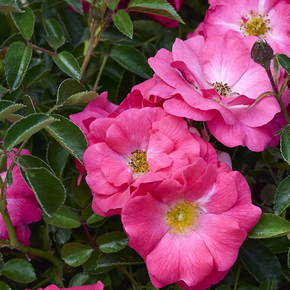
- Prolific bloomer producing masses of velvety, carmine red semi-double flowers with bright buttery yellow centers from late spring through fall — and up to 10 months of the year in mild climates
- Exceptional disease resistance to black spot, powdery mildew, and rust means no spraying required, making it one of the lowest-maintenance roses available
- Low, mounding groundcover habit naturally fills out to the ground, spreading 3-4 feet wide to suppress weeds and create a bold blanket of color on slopes, banks, and borders
- Award-winning, own-root shrub rose with glossy dark green foliage edged in burgundy, excellent heat tolerance, and the ability to thrive in a wide range of soils without fussy care
Flower Carpet Red Rose (Rosa x 'NOAre') is the ultimate easy-care groundcover rose for gardeners who want show-stopping, season-long color without the traditional demands of rose culture. This award-winning, own-root rose produces an extraordinary abundance of fragrant, semi-double carmine red blooms with cheerful buttery yellow centers that blanket the plant from late spring well into fall — and up to 10 months of the year in warmer climates. Growing into a dense, spreading mound 2-3 feet tall and 3-4 feet wide, Flower Carpet Red naturally fills in right to the ground, making it an outstanding choice for mass plantings, slope stabilization, front-of-border planting, edging pathways, or growing in large containers on a patio or deck. Its glossy, dark green foliage is elegantly edged in deep burgundy and boasts outstanding resistance to black spot, powdery mildew, and rust, eliminating the need for chemical spraying. Hardy in USDA Zones 4-10 and tolerant of a wide range of soil types, heat, and urban conditions, this vigorous spreader is a hardworking landscape performer that rewards even novice gardeners with reliable, brilliant color year after year.
Plant Description
Flower Carpet Red Rose is a dense, multi-stemmed deciduous shrub rose that grows in a low, spreading mound, filling in to the ground without gaps. Clusters of fragrant, semi-double blooms in a rich, velvety carmine red are accented by vivid buttery yellow centers and are held at the ends of arching branches. The glossy, oval compound leaves emerge with a reddish tinge, maturing to deep green with attractive burgundy-edged margins throughout the season. Its compact, upright-spreading growth habit gives it a tidy, uniform appearance in the landscape with very little intervention. Flower Carpet Red is an interspecific hybrid rose grown on its own roots — meaning it will not revert to rootstock if cut back hard, and the plant will regenerate true to form even after severe pruning or winter dieback.
Mature Size
| Attribute | Measurement |
|---|---|
| Mature Height | 2-3 feet |
| Mature Spread | 3-4 feet |
| Growth Rate | Medium |
| Growth Habit | Low mounding, upright spreading |
| Expected Lifespan | Approximately 20 years under ideal conditions |
Hardiness Zones
Flower Carpet Red Rose is reliably cold-hardy in USDA Hardiness Zones 4 through 10, making it adaptable to a very wide geographic range — from cold northern climates to warm coastal and inland regions. It is fully compatible with the Southern Oregon and Northern California growing climates and performs beautifully across Sunset Garden Zones 1-45. In colder zones, the plant will go fully dormant in winter and re-emerge vigorously in spring. In milder climates such as those found along the Pacific Coast and inland valleys of Northern California, it may retain some foliage through winter and bloom for up to 10 months of the year.
Sunlight Requirements
Flower Carpet Red Rose thrives in full sun and should receive a minimum of 6 hours of direct sunlight per day for the best bloom production and plant health. More sun generally equals more flowers. While it may tolerate as few as 4-5 hours of direct sunlight, performance — including flower quantity and disease resistance — will be maximized in full sun exposures. Avoid deeply shaded locations, as insufficient light encourages leggy growth and reduces the plant's natural disease tolerance.
Soil and pH Preferences
One of the most adaptable roses available, Flower Carpet Red is not particular about soil type or pH and performs well in clay, sandy, loamy, and silty soils. It prefers average to evenly moist, well-draining conditions and will not tolerate waterlogged or standing water. For best results, amend heavy clay soils with compost at planting to improve drainage and fertility. A layer of organic mulch around the root zone helps conserve soil moisture, moderate soil temperature, and reduce weed competition. This rose also shows a degree of tolerance to urban pollution, making it well-suited to streetscape and city garden settings.
Watering Guide
Water Flower Carpet Red Rose regularly, especially during its first growing season as it establishes a strong root system. Once established, it has good drought tolerance but will perform best and bloom most abundantly with consistent moisture. Water deeply — approximately 1 to 1.5 inches per week — allowing the soil to partially dry between waterings. Avoid overhead irrigation when possible, as wetting the foliage unnecessarily can invite the few disease issues this variety may occasionally encounter. Drip irrigation or soaker hoses placed at the base of the plant are ideal. Reduce watering frequency in fall as the plant prepares for dormancy, and water minimally during the winter months.
Fertilizing
Feed Flower Carpet Red Rose in early spring as new growth begins using a balanced, slow-release granular rose fertilizer or an all-purpose fertilizer with equal or slightly higher nitrogen content to support vigorous growth and heavy bloom. A second feeding in early to midsummer can help sustain the long blooming season. Avoid heavy nitrogen fertilization late in the season, as this can stimulate tender new growth that is vulnerable to early frost damage. Topdressing the root zone with compost in spring also provides gentle, slow-release nutrients throughout the season. Because this rose is grown on its own roots and requires no special coddling, it responds very well to straightforward fertilizing practices without the need for complicated feeding schedules.
Pruning and Maintenance
Flower Carpet Red Rose requires far less pruning than traditional hybrid tea or floribunda roses, making it a true low-maintenance choice. Follow these simple pruning guidelines:
- In late winter, once the threat of extreme cold has passed, cut the entire plant back by approximately one-third of its total height to encourage vigorous new growth and prolific blooming.
- Remove any dead, damaged, or crossing canes at the same time.
- No deadheading is required — spent blooms naturally drop and the plant continues to produce new flushes of flowers on its own.
- Lightly shaping the plant in midsummer can help maintain a tidy form and encourage additional bloom cycles.
- No chemical spraying program is necessary due to the plant's exceptional disease resistance.
- Wear thick gloves when pruning, as the canes have thorns.
Planting Instructions
- Choose a site that receives at least 6 hours of full sun per day with well-draining soil.
- Dig a planting hole twice as wide as the root ball and equal to its depth.
- Amend the backfill soil with compost if planting in heavy clay or very sandy soil.
- Set the plant in the hole so the crown (where roots meet stems) sits at or just slightly above the surrounding soil level.
- Backfill, firming gently around the roots to eliminate air pockets.
- Water deeply and thoroughly immediately after planting.
- Apply 2-3 inches of organic mulch around the base of the plant, keeping mulch a few inches away from the main stems to prevent rot.
- For groundcover mass plantings, space plants 3 feet apart to allow them to fill in and form a continuous carpet. For individual specimen use with some open space between plants, allow 4 feet between plants.
- Water regularly through the first growing season to establish a strong root system.
Seasonal Interest
Flower Carpet Red Rose offers outstanding multi-season interest in the garden. New foliage in spring emerges with a warm reddish tinge before maturing to deep, glossy green with burgundy-edged margins. Blooming begins in late spring and continues in prolific waves through summer and well into fall — often for up to 10 months of the year in mild climates like Southern Oregon and Northern California. The flowers are excellent for cutting and bring a cheerful, fragrant burst of carmine red indoors. In autumn, the bold flower display continues until frost, and in cooler zones the plant drops its leaves and rests through winter before re-emerging vigorously the following spring. Rose hips may develop after bloom cycles, adding additional ornamental interest and providing a food source for birds in autumn and winter.
Landscape Uses
Flower Carpet Red Rose is a remarkably versatile landscape plant suited to a wide range of design applications:
- Groundcover: Naturally fills in to the ground, suppressing weeds and covering large areas with minimal maintenance.
- Mass Planting: Creates a dramatic, uniform sweep of vivid red color when planted in groups.
- Slope and Bank Stabilization: The spreading root system helps anchor soil on slopes and hillsides while providing beautiful coverage.
- Border Edging: Works well as a front-of-border plant along garden paths, driveways, and property edges.
- Hedging and Low Screening: Dense growth habit creates an informal, thorny low hedge.
- Mixed Shrub Borders: Pairs well with ornamental grasses, lavender, salvia, and larger shrubs to add color contrast and texture.
- Container Planting: Thrives in large containers (minimum 24 inches in diameter) on patios, decks, and entryways.
- Cut Flower Garden: Produces fragrant blooms that are excellent for fresh-cut arrangements.
Container Growing
Flower Carpet Red Rose adapts well to container culture and makes a stunning patio or deck specimen. Choose a container at least 24 inches in diameter with adequate drainage holes to accommodate the plant's spreading root system. Use a high-quality, well-draining potting mix and consider adding perlite to improve drainage. Container-grown plants tend to dry out more quickly than those in the ground, so check soil moisture regularly and water more frequently during hot weather. Feed container plants with a slow-release granular fertilizer in spring and supplement with a balanced liquid fertilizer every 4-6 weeks during the blooming season. In cold-winter climates, move containers to a protected location or insulate the pot to prevent root damage from hard freezes.
Companion Plants
Flower Carpet Red Rose pairs beautifully with a wide variety of garden plants that share its sun and water requirements. Consider these complementary companions:
- Lavender (Lavandula spp.): The silvery foliage and purple spikes of lavender create a stunning color contrast with the red blooms and share similar sun and drought-tolerance preferences.
- Russian Sage (Perovskia atriplicifolia): Airy blue-purple flower spikes and silvery stems provide a soft, elegant backdrop to the bold red blooms.
- Catmint (Nepeta spp.): Low-growing with soft blue flowers, catmint echoes the groundcover habit and complements the red tones beautifully.
- Salvia (Salvia spp.): Upright spikes in blue, purple, or white contrast with the mounding form of the rose.
- Ornamental Grasses (Festuca, Pennisetum): Fine-textured grasses add movement and contrast to the dense, glossy rose foliage.
- Coneflower (Echinacea purpurea): Pollinator-friendly and long-blooming, a natural pairing for a wildlife-friendly garden.
- Veronica (Speedwell): Low-growing blue spikes provide a complementary color and bloom period overlap.
Pests and Diseases
Flower Carpet Red Rose was specifically bred for exceptional disease resistance, giving it a significant advantage over traditional rose varieties. Key points include:
- Black Spot: Highly resistant — one of its most celebrated attributes. Little to no fungicide spraying is required under normal conditions.
- Powdery Mildew: Very good resistance, particularly when grown in full sun with good air circulation.
- Rust: Resistant, making it especially well-suited to the wet winters and dry summers of the Pacific Northwest and Northern California.
- Aphids: May occasionally appear on new growth in spring. A strong blast of water from the hose or an application of insecticidal soap is usually sufficient to control them.
- Japanese Beetles: Can be a seasonal pest in some regions; handpicking or neem oil applications are effective controls.
- Spider Mites: More likely in hot, dry conditions. Consistent watering and overhead rinsing can help prevent infestations.
Overall, Flower Carpet Red is considered one of the most disease-resistant roses in commerce and requires no routine chemical spray program — a major advantage for eco-conscious gardeners.
Wildlife Value
Flower Carpet Red Rose is a valuable plant for supporting local wildlife and pollinators. Its open, semi-double flower form allows easy access for pollinators, unlike densely petaled hybrid tea varieties. Key wildlife benefits include:
- Bees: The open yellow-centered blooms are highly attractive to honeybees, native bees, and bumblebees throughout the long blooming season.
- Butterflies: A good nectar source for a variety of butterfly species.
- Birds: Rose hips that develop after bloom cycles provide a natural food source for birds, including finches and robins, in late fall and winter.
- Beneficial Insects: The flowers attract a range of beneficial insects that help control garden pests naturally.
While this rose attracts pollinators and birds, it is not considered a significant deer-resistant variety, so some protection may be warranted in areas with heavy deer pressure.
- Prolific bloomer producing masses of velvety, carmine red semi-double flowers with bright buttery yellow centers from late spring through fall — and up to 10 months of the year in mild climates
- Exceptional disease resistance to black spot, powdery mildew, and rust means no spraying required, making it one of the lowest-maintenance roses available
- Low, mounding groundcover habit naturally fills out to the ground, spreading 3-4 feet wide to suppress weeds and create a bold blanket of color on slopes, banks, and borders
- Award-winning, own-root shrub rose with glossy dark green foliage edged in burgundy, excellent heat tolerance, and the ability to thrive in a wide range of soils without fussy care
Flower Carpet Red Rose (Rosa x 'NOAre') is the ultimate easy-care groundcover rose for gardeners who want show-stopping, season-long color without the traditional demands of rose culture. This award-winning, own-root rose produces an extraordinary abundance of fragrant, semi-double carmine red blooms with cheerful buttery yellow centers that blanket the plant from late spring well into fall — and up to 10 months of the year in warmer climates. Growing into a dense, spreading mound 2-3 feet tall and 3-4 feet wide, Flower Carpet Red naturally fills in right to the ground, making it an outstanding choice for mass plantings, slope stabilization, front-of-border planting, edging pathways, or growing in large containers on a patio or deck. Its glossy, dark green foliage is elegantly edged in deep burgundy and boasts outstanding resistance to black spot, powdery mildew, and rust, eliminating the need for chemical spraying. Hardy in USDA Zones 4-10 and tolerant of a wide range of soil types, heat, and urban conditions, this vigorous spreader is a hardworking landscape performer that rewards even novice gardeners with reliable, brilliant color year after year.
Plant Description
Flower Carpet Red Rose is a dense, multi-stemmed deciduous shrub rose that grows in a low, spreading mound, filling in to the ground without gaps. Clusters of fragrant, semi-double blooms in a rich, velvety carmine red are accented by vivid buttery yellow centers and are held at the ends of arching branches. The glossy, oval compound leaves emerge with a reddish tinge, maturing to deep green with attractive burgundy-edged margins throughout the season. Its compact, upright-spreading growth habit gives it a tidy, uniform appearance in the landscape with very little intervention. Flower Carpet Red is an interspecific hybrid rose grown on its own roots — meaning it will not revert to rootstock if cut back hard, and the plant will regenerate true to form even after severe pruning or winter dieback.
Mature Size
| Attribute | Measurement |
|---|---|
| Mature Height | 2-3 feet |
| Mature Spread | 3-4 feet |
| Growth Rate | Medium |
| Growth Habit | Low mounding, upright spreading |
| Expected Lifespan | Approximately 20 years under ideal conditions |
Hardiness Zones
Flower Carpet Red Rose is reliably cold-hardy in USDA Hardiness Zones 4 through 10, making it adaptable to a very wide geographic range — from cold northern climates to warm coastal and inland regions. It is fully compatible with the Southern Oregon and Northern California growing climates and performs beautifully across Sunset Garden Zones 1-45. In colder zones, the plant will go fully dormant in winter and re-emerge vigorously in spring. In milder climates such as those found along the Pacific Coast and inland valleys of Northern California, it may retain some foliage through winter and bloom for up to 10 months of the year.
Sunlight Requirements
Flower Carpet Red Rose thrives in full sun and should receive a minimum of 6 hours of direct sunlight per day for the best bloom production and plant health. More sun generally equals more flowers. While it may tolerate as few as 4-5 hours of direct sunlight, performance — including flower quantity and disease resistance — will be maximized in full sun exposures. Avoid deeply shaded locations, as insufficient light encourages leggy growth and reduces the plant's natural disease tolerance.
Soil and pH Preferences
One of the most adaptable roses available, Flower Carpet Red is not particular about soil type or pH and performs well in clay, sandy, loamy, and silty soils. It prefers average to evenly moist, well-draining conditions and will not tolerate waterlogged or standing water. For best results, amend heavy clay soils with compost at planting to improve drainage and fertility. A layer of organic mulch around the root zone helps conserve soil moisture, moderate soil temperature, and reduce weed competition. This rose also shows a degree of tolerance to urban pollution, making it well-suited to streetscape and city garden settings.
Watering Guide
Water Flower Carpet Red Rose regularly, especially during its first growing season as it establishes a strong root system. Once established, it has good drought tolerance but will perform best and bloom most abundantly with consistent moisture. Water deeply — approximately 1 to 1.5 inches per week — allowing the soil to partially dry between waterings. Avoid overhead irrigation when possible, as wetting the foliage unnecessarily can invite the few disease issues this variety may occasionally encounter. Drip irrigation or soaker hoses placed at the base of the plant are ideal. Reduce watering frequency in fall as the plant prepares for dormancy, and water minimally during the winter months.
Fertilizing
Feed Flower Carpet Red Rose in early spring as new growth begins using a balanced, slow-release granular rose fertilizer or an all-purpose fertilizer with equal or slightly higher nitrogen content to support vigorous growth and heavy bloom. A second feeding in early to midsummer can help sustain the long blooming season. Avoid heavy nitrogen fertilization late in the season, as this can stimulate tender new growth that is vulnerable to early frost damage. Topdressing the root zone with compost in spring also provides gentle, slow-release nutrients throughout the season. Because this rose is grown on its own roots and requires no special coddling, it responds very well to straightforward fertilizing practices without the need for complicated feeding schedules.
Pruning and Maintenance
Flower Carpet Red Rose requires far less pruning than traditional hybrid tea or floribunda roses, making it a true low-maintenance choice. Follow these simple pruning guidelines:
- In late winter, once the threat of extreme cold has passed, cut the entire plant back by approximately one-third of its total height to encourage vigorous new growth and prolific blooming.
- Remove any dead, damaged, or crossing canes at the same time.
- No deadheading is required — spent blooms naturally drop and the plant continues to produce new flushes of flowers on its own.
- Lightly shaping the plant in midsummer can help maintain a tidy form and encourage additional bloom cycles.
- No chemical spraying program is necessary due to the plant's exceptional disease resistance.
- Wear thick gloves when pruning, as the canes have thorns.
Planting Instructions
- Choose a site that receives at least 6 hours of full sun per day with well-draining soil.
- Dig a planting hole twice as wide as the root ball and equal to its depth.
- Amend the backfill soil with compost if planting in heavy clay or very sandy soil.
- Set the plant in the hole so the crown (where roots meet stems) sits at or just slightly above the surrounding soil level.
- Backfill, firming gently around the roots to eliminate air pockets.
- Water deeply and thoroughly immediately after planting.
- Apply 2-3 inches of organic mulch around the base of the plant, keeping mulch a few inches away from the main stems to prevent rot.
- For groundcover mass plantings, space plants 3 feet apart to allow them to fill in and form a continuous carpet. For individual specimen use with some open space between plants, allow 4 feet between plants.
- Water regularly through the first growing season to establish a strong root system.
Seasonal Interest
Flower Carpet Red Rose offers outstanding multi-season interest in the garden. New foliage in spring emerges with a warm reddish tinge before maturing to deep, glossy green with burgundy-edged margins. Blooming begins in late spring and continues in prolific waves through summer and well into fall — often for up to 10 months of the year in mild climates like Southern Oregon and Northern California. The flowers are excellent for cutting and bring a cheerful, fragrant burst of carmine red indoors. In autumn, the bold flower display continues until frost, and in cooler zones the plant drops its leaves and rests through winter before re-emerging vigorously the following spring. Rose hips may develop after bloom cycles, adding additional ornamental interest and providing a food source for birds in autumn and winter.
Landscape Uses
Flower Carpet Red Rose is a remarkably versatile landscape plant suited to a wide range of design applications:
- Groundcover: Naturally fills in to the ground, suppressing weeds and covering large areas with minimal maintenance.
- Mass Planting: Creates a dramatic, uniform sweep of vivid red color when planted in groups.
- Slope and Bank Stabilization: The spreading root system helps anchor soil on slopes and hillsides while providing beautiful coverage.
- Border Edging: Works well as a front-of-border plant along garden paths, driveways, and property edges.
- Hedging and Low Screening: Dense growth habit creates an informal, thorny low hedge.
- Mixed Shrub Borders: Pairs well with ornamental grasses, lavender, salvia, and larger shrubs to add color contrast and texture.
- Container Planting: Thrives in large containers (minimum 24 inches in diameter) on patios, decks, and entryways.
- Cut Flower Garden: Produces fragrant blooms that are excellent for fresh-cut arrangements.
Container Growing
Flower Carpet Red Rose adapts well to container culture and makes a stunning patio or deck specimen. Choose a container at least 24 inches in diameter with adequate drainage holes to accommodate the plant's spreading root system. Use a high-quality, well-draining potting mix and consider adding perlite to improve drainage. Container-grown plants tend to dry out more quickly than those in the ground, so check soil moisture regularly and water more frequently during hot weather. Feed container plants with a slow-release granular fertilizer in spring and supplement with a balanced liquid fertilizer every 4-6 weeks during the blooming season. In cold-winter climates, move containers to a protected location or insulate the pot to prevent root damage from hard freezes.
Companion Plants
Flower Carpet Red Rose pairs beautifully with a wide variety of garden plants that share its sun and water requirements. Consider these complementary companions:
- Lavender (Lavandula spp.): The silvery foliage and purple spikes of lavender create a stunning color contrast with the red blooms and share similar sun and drought-tolerance preferences.
- Russian Sage (Perovskia atriplicifolia): Airy blue-purple flower spikes and silvery stems provide a soft, elegant backdrop to the bold red blooms.
- Catmint (Nepeta spp.): Low-growing with soft blue flowers, catmint echoes the groundcover habit and complements the red tones beautifully.
- Salvia (Salvia spp.): Upright spikes in blue, purple, or white contrast with the mounding form of the rose.
- Ornamental Grasses (Festuca, Pennisetum): Fine-textured grasses add movement and contrast to the dense, glossy rose foliage.
- Coneflower (Echinacea purpurea): Pollinator-friendly and long-blooming, a natural pairing for a wildlife-friendly garden.
- Veronica (Speedwell): Low-growing blue spikes provide a complementary color and bloom period overlap.
Pests and Diseases
Flower Carpet Red Rose was specifically bred for exceptional disease resistance, giving it a significant advantage over traditional rose varieties. Key points include:
- Black Spot: Highly resistant — one of its most celebrated attributes. Little to no fungicide spraying is required under normal conditions.
- Powdery Mildew: Very good resistance, particularly when grown in full sun with good air circulation.
- Rust: Resistant, making it especially well-suited to the wet winters and dry summers of the Pacific Northwest and Northern California.
- Aphids: May occasionally appear on new growth in spring. A strong blast of water from the hose or an application of insecticidal soap is usually sufficient to control them.
- Japanese Beetles: Can be a seasonal pest in some regions; handpicking or neem oil applications are effective controls.
- Spider Mites: More likely in hot, dry conditions. Consistent watering and overhead rinsing can help prevent infestations.
Overall, Flower Carpet Red is considered one of the most disease-resistant roses in commerce and requires no routine chemical spray program — a major advantage for eco-conscious gardeners.
Wildlife Value
Flower Carpet Red Rose is a valuable plant for supporting local wildlife and pollinators. Its open, semi-double flower form allows easy access for pollinators, unlike densely petaled hybrid tea varieties. Key wildlife benefits include:
- Bees: The open yellow-centered blooms are highly attractive to honeybees, native bees, and bumblebees throughout the long blooming season.
- Butterflies: A good nectar source for a variety of butterfly species.
- Birds: Rose hips that develop after bloom cycles provide a natural food source for birds, including finches and robins, in late fall and winter.
- Beneficial Insects: The flowers attract a range of beneficial insects that help control garden pests naturally.
While this rose attracts pollinators and birds, it is not considered a significant deer-resistant variety, so some protection may be warranted in areas with heavy deer pressure.