
Zoom the image with the mouse
Celestial Fig - 5 Gallon
SKU:
2094440
UPC:
014949318768
$79.99
- Exceptionally sweet, honey-rich figs with rose-colored flesh and a purplish-bronze skin ripen in early to mid-summer — one of the earliest-harvesting fig varieties available
- Self-fertile and cold-hardy down to about 0°F, requiring no second pollinator tree to produce generous crops of up to 50 pounds of fruit
- "Closed-eye" fruit structure naturally resists dried fruit beetles, insect entry, and fruit rot for cleaner, higher-quality harvests
- Compact, multi-stemmed form topping out at 7-10 feet makes it equally at home in the landscape or as a spectacular patio container specimen
The Celestial Fig (Ficus carica 'Celeste'), also affectionately known as the Sugar Fig or Honey Fig, is a time-honored deciduous fruiting tree celebrated for its outstanding cold hardiness, early-ripening sweetness, and compact, manageable size — making it one of the most sought-after fig varieties for home orchards and edible landscapes in USDA Zones 6-9. Large, deeply lobed, palmate leaves up to 12 inches long give this multi-stemmed tree a bold tropical character throughout the growing season, while small, teardrop-shaped fruits mature from bright green to a gorgeous purplish-bronze by early to mid-summer, revealing a luscious, jammy rose-pink interior flesh with an intensely sweet, honey-like flavor that is unrivaled for fresh eating, preserves, drying, and desserts. Unlike many fig varieties, 'Celeste' is entirely self-fertile, requiring no cross-pollination partner, and its signature "closed-eye" tip guards against insect damage and fruit spoilage that plague open-eye varieties. With vigorous, fast growth, remarkable pest and disease resistance, and adaptability to a wide range of soil conditions, the Celestial Fig is an outstanding, low-maintenance addition to edible gardens, courtyard plantings, Mediterranean-style landscapes, or large patio containers throughout Southern Oregon and Northern California.
Plant Description
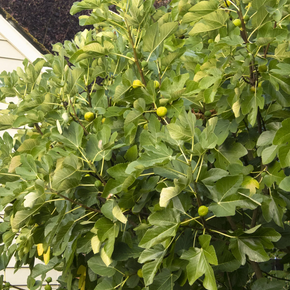
The Celestial Fig is a deciduous, multi-stemmed shrubby tree belonging to the Moraceae (mulberry) family. Its large, thick, bright dark green leaves are deeply palmately lobed with three to five sinuses and can reach 5-10 inches long and 4-7 inches wide, giving the tree a lush, bold-textured appearance. The upper leaf surface is slightly rough while the underside is paler and smoother. Smooth silver-gray bark adds subtle winter interest after leaf drop. Tiny, unisexual flowers are borne inside a hollow receptacle (the syconium) in spring — what we actually eat as the "fig" is the ripened, fleshy receptacle surrounding these hidden flowers. Fruits begin as small green nodules and mature to small-to-medium teardrop-shaped figs with purplish-bronze to light brown skin and an intensely sweet, rose-pink to amber interior. The plant is also known by the synonymous names 'Celestial', 'Blue Celeste', and 'Sugar Fig'. It is native in origin to Western Asia and the Mediterranean region, and has been cultivated in the United States since the late 17th century.
Mature Size
| Characteristic | Measurement |
|---|---|
| Mature Height | 7-10 feet (up to 15 feet if left unpruned) |
| Mature Spread | 6-10 feet |
| Growth Rate | Fast |
| Growth Habit | Erect, multi-stemmed, rounded and spreading |
| Years to Bear Fruit | 1-2 years with proper care |
Regular pruning is recommended to keep the tree at a manageable 7-10 feet and to maintain an open canopy for maximum light penetration and fruit production. Without pruning, trees can exceed 15 feet. The compact growth habit makes 'Celeste' one of the best fig varieties for smaller yards and patio containers.
Hardiness Zones and Temperature Tolerance
The Celestial Fig is best suited to USDA Hardiness Zones 6-9, and performs well into Zone 10 in warmer climates. With excellent care, winter mulching, and a sheltered planting location, it can survive in Zone 5. Mature trees can tolerate temperatures as low as 0°F (-18°C), making 'Celeste' one of the hardiest fig cultivars available. In zones 5-6, planting against a south- or west-facing wall, applying heavy root mulch in fall, and wrapping the trunk with burlap or horticultural fleece during hard freezes will greatly improve winter survival. Even if top growth is killed back by severe cold, established trees are often root-hardy and will re-sprout vigorously from the base in spring.
Sunlight Requirements
'Celeste' fig trees thrive in full sun and should receive a minimum of 6-8 hours of direct sunlight per day for the best fruit quality and yield. Choosing the sunniest location in your garden is strongly encouraged, as more sun directly translates to sweeter, more abundant fruit. While the tree can tolerate partial shade (2-6 hours of direct sun), fruit production and flavor will be noticeably reduced in shadier conditions. In regions with very intense summer heat, light afternoon shade can help prevent leaf scorch without significantly impacting fruit quality.
Soil and pH Preferences
'Celeste' is adaptable to a wide range of soil types including chalk, loam, and sandy soils, and even performs respectably in poor or rocky soils — a quality that makes it an excellent choice for challenging garden spots. For optimal growth and fruiting, however, organically rich, fertile, loamy soil with good drainage is ideal. Soil pH should be slightly acidic to neutral, in the range of 6.0-7.0, with a target of 6.0-6.5 for best results. Excellent drainage is essential, as fig roots do not tolerate prolonged waterlogging. Amend heavy clay soils with compost or coarse sand to improve drainage before planting.
Watering Guide
Consistent watering is most critical during the first two growing seasons while the tree establishes its root system. Newly planted trees benefit from deep weekly watering — a slow, steady drip over the course of an hour is ideal, allowing moisture to penetrate 8 or more inches into the soil to encourage deep root development. During hot, dry spells, increase frequency to every few days. Once fully established, 'Celeste' fig trees are notably drought-tolerant and can often survive on natural rainfall alone in many Pacific Coast climates; however, regular watering during dry periods will significantly improve fruit size, sweetness, and overall crop yield. As a general guide, established trees benefit from at least 1 to 1.5 inches of water per week during the growing season. Watch for yellowing, dropping leaves as a sign of water stress. Avoid overwatering or allowing roots to sit in soggy soil, which can lead to root rot.
Mulching
Applying a layer of mulch around the base of your Celestial Fig is one of the single most beneficial maintenance practices you can perform. Apply a 2-3 inch layer of organic mulch such as bark chips, wood shavings, or compost in spring after the first watering of the season and again in fall before the first frost. Mulching conserves soil moisture, moderates soil temperature, suppresses weeds, and in colder climates provides crucial insulation for the root system. Always keep mulch pulled back at least 4 inches from the trunk to prevent moisture-related rot and to discourage rodents from nesting at the base of the tree.
Fertilizing
Celestial Fig trees are light feeders and do not require heavy fertilization, particularly when planted in organically rich soil. Young trees in their first two years generally need no supplemental fertilizer. Once established, a single spring application of a balanced slow-release fertilizer — such as a 10-10-10 or 8-8-8 formulation — is usually sufficient to support healthy growth and fruit production. Container-grown trees are an exception and will benefit from more frequent feeding, as nutrients are depleted more quickly in pot culture; feed container figs once in early spring and again in early fall. Avoid excess nitrogen fertilization, as this promotes lush foliage at the expense of fruit production. Always follow label directions and water thoroughly after fertilizing.
Pruning and Maintenance
Pruning is key to maintaining a healthy, productive Celestial Fig tree, but 'Celeste' should not be pruned heavily, as aggressive cutting reduces fruit production. The best time to prune is in late winter or very early spring, just before new growth begins, when the tree is still dormant. Focus on:
- Removing any dead, damaged, or diseased branches entirely
- Cutting out branches that cross, rub together, or grow toward the center of the canopy
- Removing 1/4 to 1/3 of the oldest, least productive wood to encourage vigorous new fruiting shoots
- Trimming any branches growing in awkward directions that disrupt the tree's natural rounded form
Always use sharp, clean pruning shears and make cuts at a 45-degree angle just above an outward-facing leaf bud. Wear protective gloves when pruning, as cut stems exude a milky white sap (latex) that can cause contact dermatitis or phytophotodermatitis in sensitive individuals.
Planting Instructions
For best results, plant your Celestial Fig in early spring or fall when temperatures are cool and moisture is more reliable. Follow these steps for a successful planting:
- Select a site with full sun (6-8 hours daily) and well-draining soil. A south- or west-facing location near a wall or fence is ideal for added warmth and winter protection.
- Dig a planting hole as deep as the root ball and approximately three times as wide to encourage lateral root spread.
- Amend the native soil with generous amounts of compost or aged organic matter to enrich and loosen the planting area.
- Remove the tree from its container and gently loosen any circling roots. Place the tree in the hole so the top of the root ball sits level with or slightly above the surrounding soil grade.
- Backfill with the amended soil, firming gently to eliminate air pockets. Avoid planting too deeply.
- Water thoroughly after planting to settle the soil around the roots.
- Apply a 2-3 inch layer of organic mulch over the root zone, keeping it 4 inches back from the trunk.
- Space multiple trees 10-15 feet apart to allow adequate room for mature spread and air circulation.
Avoid planting near irrigation lines, walkways, or building foundations, as fig roots can be vigorous and spreading with maturity.
Fruit Description and Harvest
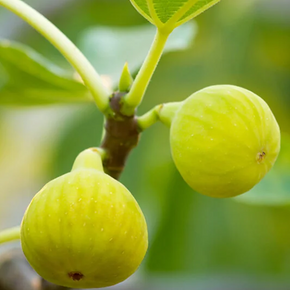
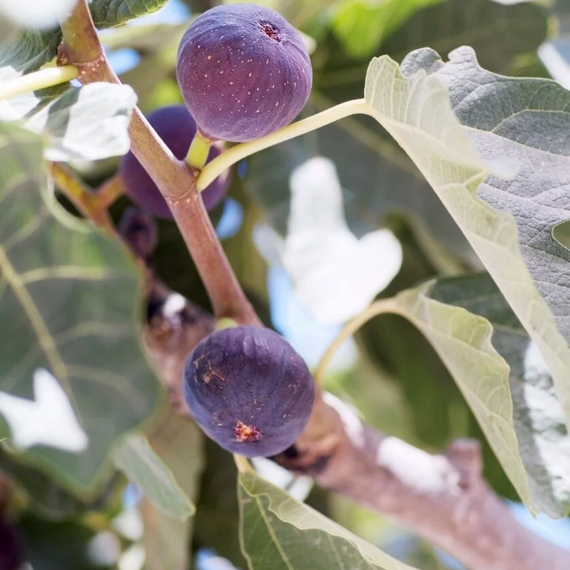
'Celeste' produces small to medium-sized figs, typically 1-2 inches in diameter, with a characteristic teardrop shape and a tapered neck. The skin is smooth and matures from green to a handsome purplish-bronze or light brown. Inside, the flesh is a vivid rose-pink to soft amber color with a texture that is soft, jammy, and richly sweet — often described as tasting remarkably like honey. This is why 'Celeste' earned the nickname "Sugar Fig." The fruits feature a "closed eye" (the small opening at the tip of the fig is tightly sealed), which dramatically reduces the entry of insects, dried fruit beetles, and fungal spores that cause rot — resulting in a much higher proportion of unblemished, shelf-worthy fruit compared to open-eye fig varieties.
Harvest timing: Fruits typically ripen in early to mid-summer (July to August), making 'Celeste' one of the earliest-producing fig varieties. A second, smaller breba crop may also appear on older wood in late spring. Figs are ready to harvest when they feel soft and yield gently to the touch, develop their full purplish-bronze color, and emit a sweet, rich fragrance. Harvest by clipping stems with pruners or gently twisting the fruit free. Figs do not continue to ripen once removed from the tree, so harvest when fully ripe. In warm, dry climates, figs may dry pleasantly on the tree. Fresh figs have a short shelf life of 2-3 days at room temperature or up to a week refrigerated. They preserve, dry, and jam exceptionally well.
Container Growing
The Celestial Fig is an outstanding candidate for container culture and is widely regarded as one of the best fig varieties for patio and deck growing. Its naturally compact habit and tolerance for restricted root volumes make it well-suited to large containers. Follow these tips for success:
- Choose a large, sturdy container at least 15-20 gallons in volume with generous drainage holes
- Use a high-quality, well-draining potting mix amended with perlite or coarse sand for extra drainage
- Position the container in the sunniest available spot, ideally receiving 6-8 hours of direct sun daily
- Container figs dry out faster than in-ground plantings and will need more frequent watering — check soil moisture regularly and water when the top 1-2 inches feel dry
- Fertilize container-grown trees in early spring and again in early fall with a balanced slow-release fertilizer, as nutrients leach quickly from containers
- In colder zones, containers can be moved indoors or to an unheated garage or basement during winter to protect the roots from freezing
- Repot every 2-3 years or when roots begin to circle the bottom of the container
Landscape Uses
The Celestial Fig is a highly versatile landscape plant that offers both ornamental and edible value. Its bold, tropical-looking foliage, attractive silver-gray bark, and productive fruiting habit make it a standout in many garden settings. Suggested uses include:
- Focal point or specimen tree in edible garden designs or food forests
- Espalier training against south- or west-facing fences and walls for a dramatic, space-saving presentation
- Courtyard, Mediterranean, or cottage garden centerpiece
- Patio or deck container specimen
- Informal screening hedge when planted in a row with 10-12 foot spacing
- Mixed border anchor providing bold textural contrast alongside ornamental grasses and flowering perennials
- Productive orchard component paired with other stone fruits and berries
Companion Plants
Pairing your Celestial Fig with the right companion plants can improve pollinator activity, enrich the surrounding soil, deter harmful nematodes, and create a more productive and visually appealing edible garden. Excellent companions include:
- Herbs: Rosemary, sage, mint, rue, chamomile, lemon balm, and comfrey — many of these aromatic herbs repel pests and attract beneficial insects
- Flowers: Marigolds and nasturtiums help deter root-knot nematodes; coneflower, bee balm, and sunflowers attract pollinators and beneficial predatory insects
- Edibles: Strawberries make excellent low-growing ground cover companions under fig trees, maximizing space in the edible garden
- Shrubs: Bottlebrush and other nectar-rich flowering shrubs nearby help support pollinator populations
Avoid planting shallow-rooted, moisture-sensitive plants directly beneath the fig's canopy, as the tree's root system can be competitive. Deep-rooted or drought-tolerant companions tend to coexist most harmoniously.
Pests and Diseases
'Celeste' is considered one of the most pest- and disease-resistant fig varieties available, and its closed-eye fruit structure provides an inherent physical barrier against many common insect pests. However, gardeners should remain aware of the following potential issues:
- Root-knot nematodes: Microscopic soil-dwelling worms that can infest roots, causing knots, galls, and swelling that impair water and nutrient uptake. Encourage healthy soil biology with heavy mulching and organic matter additions; companion planting with marigolds and rue may provide some suppression.
- Fig rust (Cerotelium fici): A fungal disease causing yellowish or rust-colored spots on the upper leaf surface and rusty-orange pustules on the undersides. Maintain consistent watering, improve air circulation through pruning, and remove fallen leaves and debris promptly.
- Leaf blight: Another fungal issue encouraged by excess moisture and poor air circulation. Addressed by the same cultural practices as fig rust.
- Birds: Ripening figs are attractive to songbirds. Netting the canopy during the harvest window is the most effective deterrent.
- Gophers and voles: Can damage roots in some areas; hardware cloth root barriers at planting time offer long-term protection in problem areas.
Maintaining good soil health, proper watering, annual pruning for air circulation, and prompt removal of fallen debris are the most effective preventive measures for keeping your Celestial Fig healthy and productive.
Wildlife Value
The Celestial Fig provides meaningful wildlife value in the home garden and edible landscape. Ripening figs are a favorite food source for many songbirds, making the tree a magnet for avian visitors during the summer harvest season. Insects, including native bees and wasps, are attracted to the fruit, contributing to the garden's overall pollinator ecosystem. The dense, multi-stemmed canopy also provides nesting and shelter habitat for small birds. The large foliage offers dappled shade and microhabitat for ground-dwelling beneficial insects beneath the canopy.
Toxicity and Safety
While the fruit of the Celestial Fig is delicious and safe for human consumption, other parts of the plant require some caution:
- Sap (latex): The milky white sap released from cut stems, leaves, and unripe fruit contains furanocoumarins, which can cause phytophotodermatitis — a skin reaction triggered by contact with the sap followed by sun exposure. Symptoms include redness, irritation, and blistering. Always wear protective gloves when pruning or handling cut stems.
- Pets: All parts of Ficus carica are considered toxic to dogs, cats, and horses. Keep pets away from fallen fruit, leaves, and pruned material. Contact with the sap may cause skin and mucous membrane irritation in animals.
- Edible fruit: Fully ripe fig fruit is safe and nutritious for human consumption. The fruit is an excellent source of dietary fiber, potassium, calcium, and natural sugars.
Propagation
'Celeste' fig trees are easily propagated by hardwood stem cuttings, which is the most reliable and widely used method. Take 8-12 inch cuttings of pencil-thick, dormant hardwood stems in late winter, just before new growth begins. Allow cut ends to dry briefly, then insert cuttings 2-3 inches deep into moist, well-draining propagation medium. Keep in a warm, bright location out of direct sun until rooting occurs, usually within 4-8 weeks. Trees can also be propagated by layering — a technique where a low-growing branch is partially buried or wrapped in moist moss until roots develop at the wound site. Seed propagation is possible but rarely used, as seeds are slow and produce variable offspring that may not faithfully reproduce the 'Celeste' cultivar's desirable traits.
- Exceptionally sweet, honey-rich figs with rose-colored flesh and a purplish-bronze skin ripen in early to mid-summer — one of the earliest-harvesting fig varieties available
- Self-fertile and cold-hardy down to about 0°F, requiring no second pollinator tree to produce generous crops of up to 50 pounds of fruit
- "Closed-eye" fruit structure naturally resists dried fruit beetles, insect entry, and fruit rot for cleaner, higher-quality harvests
- Compact, multi-stemmed form topping out at 7-10 feet makes it equally at home in the landscape or as a spectacular patio container specimen
The Celestial Fig (Ficus carica 'Celeste'), also affectionately known as the Sugar Fig or Honey Fig, is a time-honored deciduous fruiting tree celebrated for its outstanding cold hardiness, early-ripening sweetness, and compact, manageable size — making it one of the most sought-after fig varieties for home orchards and edible landscapes in USDA Zones 6-9. Large, deeply lobed, palmate leaves up to 12 inches long give this multi-stemmed tree a bold tropical character throughout the growing season, while small, teardrop-shaped fruits mature from bright green to a gorgeous purplish-bronze by early to mid-summer, revealing a luscious, jammy rose-pink interior flesh with an intensely sweet, honey-like flavor that is unrivaled for fresh eating, preserves, drying, and desserts. Unlike many fig varieties, 'Celeste' is entirely self-fertile, requiring no cross-pollination partner, and its signature "closed-eye" tip guards against insect damage and fruit spoilage that plague open-eye varieties. With vigorous, fast growth, remarkable pest and disease resistance, and adaptability to a wide range of soil conditions, the Celestial Fig is an outstanding, low-maintenance addition to edible gardens, courtyard plantings, Mediterranean-style landscapes, or large patio containers throughout Southern Oregon and Northern California.
Plant Description
The Celestial Fig is a deciduous, multi-stemmed shrubby tree belonging to the Moraceae (mulberry) family. Its large, thick, bright dark green leaves are deeply palmately lobed with three to five sinuses and can reach 5-10 inches long and 4-7 inches wide, giving the tree a lush, bold-textured appearance. The upper leaf surface is slightly rough while the underside is paler and smoother. Smooth silver-gray bark adds subtle winter interest after leaf drop. Tiny, unisexual flowers are borne inside a hollow receptacle (the syconium) in spring — what we actually eat as the "fig" is the ripened, fleshy receptacle surrounding these hidden flowers. Fruits begin as small green nodules and mature to small-to-medium teardrop-shaped figs with purplish-bronze to light brown skin and an intensely sweet, rose-pink to amber interior. The plant is also known by the synonymous names 'Celestial', 'Blue Celeste', and 'Sugar Fig'. It is native in origin to Western Asia and the Mediterranean region, and has been cultivated in the United States since the late 17th century.
Mature Size
| Characteristic | Measurement |
|---|---|
| Mature Height | 7-10 feet (up to 15 feet if left unpruned) |
| Mature Spread | 6-10 feet |
| Growth Rate | Fast |
| Growth Habit | Erect, multi-stemmed, rounded and spreading |
| Years to Bear Fruit | 1-2 years with proper care |
Regular pruning is recommended to keep the tree at a manageable 7-10 feet and to maintain an open canopy for maximum light penetration and fruit production. Without pruning, trees can exceed 15 feet. The compact growth habit makes 'Celeste' one of the best fig varieties for smaller yards and patio containers.
Hardiness Zones and Temperature Tolerance
The Celestial Fig is best suited to USDA Hardiness Zones 6-9, and performs well into Zone 10 in warmer climates. With excellent care, winter mulching, and a sheltered planting location, it can survive in Zone 5. Mature trees can tolerate temperatures as low as 0°F (-18°C), making 'Celeste' one of the hardiest fig cultivars available. In zones 5-6, planting against a south- or west-facing wall, applying heavy root mulch in fall, and wrapping the trunk with burlap or horticultural fleece during hard freezes will greatly improve winter survival. Even if top growth is killed back by severe cold, established trees are often root-hardy and will re-sprout vigorously from the base in spring.
Sunlight Requirements
'Celeste' fig trees thrive in full sun and should receive a minimum of 6-8 hours of direct sunlight per day for the best fruit quality and yield. Choosing the sunniest location in your garden is strongly encouraged, as more sun directly translates to sweeter, more abundant fruit. While the tree can tolerate partial shade (2-6 hours of direct sun), fruit production and flavor will be noticeably reduced in shadier conditions. In regions with very intense summer heat, light afternoon shade can help prevent leaf scorch without significantly impacting fruit quality.
Soil and pH Preferences
'Celeste' is adaptable to a wide range of soil types including chalk, loam, and sandy soils, and even performs respectably in poor or rocky soils — a quality that makes it an excellent choice for challenging garden spots. For optimal growth and fruiting, however, organically rich, fertile, loamy soil with good drainage is ideal. Soil pH should be slightly acidic to neutral, in the range of 6.0-7.0, with a target of 6.0-6.5 for best results. Excellent drainage is essential, as fig roots do not tolerate prolonged waterlogging. Amend heavy clay soils with compost or coarse sand to improve drainage before planting.
Watering Guide
Consistent watering is most critical during the first two growing seasons while the tree establishes its root system. Newly planted trees benefit from deep weekly watering — a slow, steady drip over the course of an hour is ideal, allowing moisture to penetrate 8 or more inches into the soil to encourage deep root development. During hot, dry spells, increase frequency to every few days. Once fully established, 'Celeste' fig trees are notably drought-tolerant and can often survive on natural rainfall alone in many Pacific Coast climates; however, regular watering during dry periods will significantly improve fruit size, sweetness, and overall crop yield. As a general guide, established trees benefit from at least 1 to 1.5 inches of water per week during the growing season. Watch for yellowing, dropping leaves as a sign of water stress. Avoid overwatering or allowing roots to sit in soggy soil, which can lead to root rot.
Mulching
Applying a layer of mulch around the base of your Celestial Fig is one of the single most beneficial maintenance practices you can perform. Apply a 2-3 inch layer of organic mulch such as bark chips, wood shavings, or compost in spring after the first watering of the season and again in fall before the first frost. Mulching conserves soil moisture, moderates soil temperature, suppresses weeds, and in colder climates provides crucial insulation for the root system. Always keep mulch pulled back at least 4 inches from the trunk to prevent moisture-related rot and to discourage rodents from nesting at the base of the tree.
Fertilizing
Celestial Fig trees are light feeders and do not require heavy fertilization, particularly when planted in organically rich soil. Young trees in their first two years generally need no supplemental fertilizer. Once established, a single spring application of a balanced slow-release fertilizer — such as a 10-10-10 or 8-8-8 formulation — is usually sufficient to support healthy growth and fruit production. Container-grown trees are an exception and will benefit from more frequent feeding, as nutrients are depleted more quickly in pot culture; feed container figs once in early spring and again in early fall. Avoid excess nitrogen fertilization, as this promotes lush foliage at the expense of fruit production. Always follow label directions and water thoroughly after fertilizing.
Pruning and Maintenance
Pruning is key to maintaining a healthy, productive Celestial Fig tree, but 'Celeste' should not be pruned heavily, as aggressive cutting reduces fruit production. The best time to prune is in late winter or very early spring, just before new growth begins, when the tree is still dormant. Focus on:
- Removing any dead, damaged, or diseased branches entirely
- Cutting out branches that cross, rub together, or grow toward the center of the canopy
- Removing 1/4 to 1/3 of the oldest, least productive wood to encourage vigorous new fruiting shoots
- Trimming any branches growing in awkward directions that disrupt the tree's natural rounded form
Always use sharp, clean pruning shears and make cuts at a 45-degree angle just above an outward-facing leaf bud. Wear protective gloves when pruning, as cut stems exude a milky white sap (latex) that can cause contact dermatitis or phytophotodermatitis in sensitive individuals.
Planting Instructions
For best results, plant your Celestial Fig in early spring or fall when temperatures are cool and moisture is more reliable. Follow these steps for a successful planting:
- Select a site with full sun (6-8 hours daily) and well-draining soil. A south- or west-facing location near a wall or fence is ideal for added warmth and winter protection.
- Dig a planting hole as deep as the root ball and approximately three times as wide to encourage lateral root spread.
- Amend the native soil with generous amounts of compost or aged organic matter to enrich and loosen the planting area.
- Remove the tree from its container and gently loosen any circling roots. Place the tree in the hole so the top of the root ball sits level with or slightly above the surrounding soil grade.
- Backfill with the amended soil, firming gently to eliminate air pockets. Avoid planting too deeply.
- Water thoroughly after planting to settle the soil around the roots.
- Apply a 2-3 inch layer of organic mulch over the root zone, keeping it 4 inches back from the trunk.
- Space multiple trees 10-15 feet apart to allow adequate room for mature spread and air circulation.
Avoid planting near irrigation lines, walkways, or building foundations, as fig roots can be vigorous and spreading with maturity.
Fruit Description and Harvest
'Celeste' produces small to medium-sized figs, typically 1-2 inches in diameter, with a characteristic teardrop shape and a tapered neck. The skin is smooth and matures from green to a handsome purplish-bronze or light brown. Inside, the flesh is a vivid rose-pink to soft amber color with a texture that is soft, jammy, and richly sweet — often described as tasting remarkably like honey. This is why 'Celeste' earned the nickname "Sugar Fig." The fruits feature a "closed eye" (the small opening at the tip of the fig is tightly sealed), which dramatically reduces the entry of insects, dried fruit beetles, and fungal spores that cause rot — resulting in a much higher proportion of unblemished, shelf-worthy fruit compared to open-eye fig varieties.
Harvest timing: Fruits typically ripen in early to mid-summer (July to August), making 'Celeste' one of the earliest-producing fig varieties. A second, smaller breba crop may also appear on older wood in late spring. Figs are ready to harvest when they feel soft and yield gently to the touch, develop their full purplish-bronze color, and emit a sweet, rich fragrance. Harvest by clipping stems with pruners or gently twisting the fruit free. Figs do not continue to ripen once removed from the tree, so harvest when fully ripe. In warm, dry climates, figs may dry pleasantly on the tree. Fresh figs have a short shelf life of 2-3 days at room temperature or up to a week refrigerated. They preserve, dry, and jam exceptionally well.
Container Growing
The Celestial Fig is an outstanding candidate for container culture and is widely regarded as one of the best fig varieties for patio and deck growing. Its naturally compact habit and tolerance for restricted root volumes make it well-suited to large containers. Follow these tips for success:
- Choose a large, sturdy container at least 15-20 gallons in volume with generous drainage holes
- Use a high-quality, well-draining potting mix amended with perlite or coarse sand for extra drainage
- Position the container in the sunniest available spot, ideally receiving 6-8 hours of direct sun daily
- Container figs dry out faster than in-ground plantings and will need more frequent watering — check soil moisture regularly and water when the top 1-2 inches feel dry
- Fertilize container-grown trees in early spring and again in early fall with a balanced slow-release fertilizer, as nutrients leach quickly from containers
- In colder zones, containers can be moved indoors or to an unheated garage or basement during winter to protect the roots from freezing
- Repot every 2-3 years or when roots begin to circle the bottom of the container
Landscape Uses
The Celestial Fig is a highly versatile landscape plant that offers both ornamental and edible value. Its bold, tropical-looking foliage, attractive silver-gray bark, and productive fruiting habit make it a standout in many garden settings. Suggested uses include:
- Focal point or specimen tree in edible garden designs or food forests
- Espalier training against south- or west-facing fences and walls for a dramatic, space-saving presentation
- Courtyard, Mediterranean, or cottage garden centerpiece
- Patio or deck container specimen
- Informal screening hedge when planted in a row with 10-12 foot spacing
- Mixed border anchor providing bold textural contrast alongside ornamental grasses and flowering perennials
- Productive orchard component paired with other stone fruits and berries
Companion Plants
Pairing your Celestial Fig with the right companion plants can improve pollinator activity, enrich the surrounding soil, deter harmful nematodes, and create a more productive and visually appealing edible garden. Excellent companions include:
- Herbs: Rosemary, sage, mint, rue, chamomile, lemon balm, and comfrey — many of these aromatic herbs repel pests and attract beneficial insects
- Flowers: Marigolds and nasturtiums help deter root-knot nematodes; coneflower, bee balm, and sunflowers attract pollinators and beneficial predatory insects
- Edibles: Strawberries make excellent low-growing ground cover companions under fig trees, maximizing space in the edible garden
- Shrubs: Bottlebrush and other nectar-rich flowering shrubs nearby help support pollinator populations
Avoid planting shallow-rooted, moisture-sensitive plants directly beneath the fig's canopy, as the tree's root system can be competitive. Deep-rooted or drought-tolerant companions tend to coexist most harmoniously.
Pests and Diseases
'Celeste' is considered one of the most pest- and disease-resistant fig varieties available, and its closed-eye fruit structure provides an inherent physical barrier against many common insect pests. However, gardeners should remain aware of the following potential issues:
- Root-knot nematodes: Microscopic soil-dwelling worms that can infest roots, causing knots, galls, and swelling that impair water and nutrient uptake. Encourage healthy soil biology with heavy mulching and organic matter additions; companion planting with marigolds and rue may provide some suppression.
- Fig rust (Cerotelium fici): A fungal disease causing yellowish or rust-colored spots on the upper leaf surface and rusty-orange pustules on the undersides. Maintain consistent watering, improve air circulation through pruning, and remove fallen leaves and debris promptly.
- Leaf blight: Another fungal issue encouraged by excess moisture and poor air circulation. Addressed by the same cultural practices as fig rust.
- Birds: Ripening figs are attractive to songbirds. Netting the canopy during the harvest window is the most effective deterrent.
- Gophers and voles: Can damage roots in some areas; hardware cloth root barriers at planting time offer long-term protection in problem areas.
Maintaining good soil health, proper watering, annual pruning for air circulation, and prompt removal of fallen debris are the most effective preventive measures for keeping your Celestial Fig healthy and productive.
Wildlife Value
The Celestial Fig provides meaningful wildlife value in the home garden and edible landscape. Ripening figs are a favorite food source for many songbirds, making the tree a magnet for avian visitors during the summer harvest season. Insects, including native bees and wasps, are attracted to the fruit, contributing to the garden's overall pollinator ecosystem. The dense, multi-stemmed canopy also provides nesting and shelter habitat for small birds. The large foliage offers dappled shade and microhabitat for ground-dwelling beneficial insects beneath the canopy.
Toxicity and Safety
While the fruit of the Celestial Fig is delicious and safe for human consumption, other parts of the plant require some caution:
- Sap (latex): The milky white sap released from cut stems, leaves, and unripe fruit contains furanocoumarins, which can cause phytophotodermatitis — a skin reaction triggered by contact with the sap followed by sun exposure. Symptoms include redness, irritation, and blistering. Always wear protective gloves when pruning or handling cut stems.
- Pets: All parts of Ficus carica are considered toxic to dogs, cats, and horses. Keep pets away from fallen fruit, leaves, and pruned material. Contact with the sap may cause skin and mucous membrane irritation in animals.
- Edible fruit: Fully ripe fig fruit is safe and nutritious for human consumption. The fruit is an excellent source of dietary fiber, potassium, calcium, and natural sugars.
Propagation
'Celeste' fig trees are easily propagated by hardwood stem cuttings, which is the most reliable and widely used method. Take 8-12 inch cuttings of pencil-thick, dormant hardwood stems in late winter, just before new growth begins. Allow cut ends to dry briefly, then insert cuttings 2-3 inches deep into moist, well-draining propagation medium. Keep in a warm, bright location out of direct sun until rooting occurs, usually within 4-8 weeks. Trees can also be propagated by layering — a technique where a low-growing branch is partially buried or wrapped in moist moss until roots develop at the wound site. Seed propagation is possible but rarely used, as seeds are slow and produce variable offspring that may not faithfully reproduce the 'Celeste' cultivar's desirable traits.
Related Products