

Zoom the image with the mouse
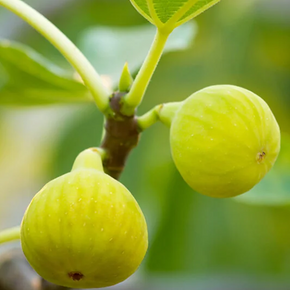
Kadota Fig - 5 Gallon
SKU:
104700
UPC:
014949367957
$79.99
- Self-fertile and prolific, the Kadota Fig reliably delivers two crops per season — a breba crop in early summer and a main harvest from late summer through fall — with no second tree required.
- Prized for its thin, golden-yellow skin and richly sweet, amber-colored, honey-like flesh with low seed content, making it exceptional for fresh eating, drying, canning, and preserving.
- A handsome deciduous tree with bold, deeply lobed tropical-looking foliage that provides striking ornamental interest in the landscape, edible garden, or large container throughout the growing season.
- Proven adaptable and low-maintenance once established — drought-tolerant, heat-loving, and perfectly suited to the warm Mediterranean-like climates of Southern Oregon and Northern California.
The Kadota Fig (Ficus carica 'Kadota') is one of the most celebrated and historically significant fig varieties in cultivation, treasured for thousands of years across the Mediterranean and now a beloved staple of warm-climate home gardens and edible landscapes. Known by its common aliases Honey Fig and Italian Honey Fig, this vigorous, self-fertile deciduous tree produces medium-sized fruits with distinctive thin, pale greenish-yellow to golden skin encasing sublimely sweet, amber-hued flesh that carries a genuine honey-like depth of flavor with minimal seeds. Where many fig varieties demand a single dedicated harvest window, the Kadota rewards patient gardeners with two distinct fruiting periods each season — an early breba crop borne on the previous year's wood in late spring to early summer, followed by the larger and more abundant main crop ripening on new wood from late summer well into fall. Reaching a mature height of 15 to 25 feet with a spreading canopy of equal width when unpruned, the Kadota Fig responds beautifully to regular pruning and can be maintained at a much more compact scale for smaller yards or large containers. Its broad, deeply palmately lobed leaves — often reaching 10 inches across — give the tree a lush, tropical character from spring through fall, while the silvery-gray, smooth bark adds quiet ornamental interest during winter dormancy. Thriving in USDA Hardiness Zones 7b through 11, this variety excels in the long, hot, dry summers characteristic of the Pacific Coast inland valleys, making it an ideal and rewarding investment for home orchardists, edible landscapers, and gardeners throughout the Siskiyou foothills and Rogue and Umpqua river valleys of Southern Oregon and the Klamath Mountains and upper Sacramento Valley region of Northern California.
Plant Description
The Kadota Fig is a robust, long-lived deciduous fruit tree in the family Moraceae, originating from the Mediterranean region where it has been cultivated for millennia. Botanically classified as Ficus carica 'Kadota', it is widely regarded as one of the premier white-type fig varieties for both home and commercial production. The tree features a spreading, multi-branched canopy clothed in large, palmate, three- to five-lobed leaves of rich mid-green, each measuring up to 10 inches across and providing bold textural presence in the landscape. The bark is smooth and silvery gray, becoming attractively gnarled and sculptural with age. Like all figs, the Kadota does not produce conventional flowers visible to the naked eye; instead, its tiny flowers develop entirely within the developing syconium — the unique inverted floral structure that becomes the edible fig fruit. The Kadota is parthenocarpic, meaning it sets fruit without the need for pollination by the specialized fig wasp (Blastophaga psenes), making it an exceptionally reliable fruiting tree in home garden settings far from its native range. The ripe fruits are small to medium in size, typically 1 to 1.5 inches in diameter, with thin, pale greenish-yellow to golden skin that develops a slight blush as it fully matures. The interior flesh is a warm amber to pinkish-amber, dense, very sweet, and honey-flavored with a mild, non-astringent character and unusually low seed content — qualities that distinguish it from darker-fruited varieties and make it a standout choice for the fresh market, drying, canning, and preserves.
Mature Size and Growth Rate
Left unpruned in ideal conditions, the Kadota Fig grows into a broad, spreading deciduous tree typically reaching 15 to 25 feet tall and 15 to 20 feet wide at full maturity. Growth is moderately vigorous, with well-established trees in warm climates putting on several feet of new shoot growth per season under favorable conditions. With light to moderate annual pruning, the tree can easily be kept at 10 to 15 feet tall, which improves harvestability, airflow, and overall fruit quality. For container culture or very small spaces, the Kadota can be maintained as a large shrub or espalier at 6 to 10 feet with consistent pruning. Trees typically begin producing their first small fruit crops within 2 to 3 years of planting from a well-rooted nursery specimen, with full productive maturity reached by years 4 to 5. A healthy, mature Kadota Fig in the ground can yield 50 to 100 or more fruits per season, making it one of the more productive home orchard trees for its size.
Hardiness Zones and Climate
The Kadota Fig performs best in USDA Hardiness Zones 7b through 11, thriving in climates that feature long, hot, dry summers and mild winters. It has a low chill-hour requirement (typically under 100 hours below 45 degrees F), making it ideally suited to the warm valley climates of Southern Oregon (including the Rogue, Illinois, and Umpqua valleys) and Northern California (including the Shasta, Trinity, and upper Sacramento regions). Mature, well-established trees can tolerate brief dips to approximately 10 to 15 degrees F with some bark damage, and in many cases will root-sprout and recover even if top growth is killed. Young trees are more frost-sensitive and should be protected during their first two winters in colder microclimates. In Zone 7b, planting in a south- or southwest-facing sheltered location against a wall or fence dramatically increases cold hardiness and heat accumulation for better fruit ripening. The tree is highly heat-tolerant and thrives in reflected-heat environments that would stress many other fruit trees.
Sunlight Requirements
Full sun is essential for the best fruit production and overall tree health. The Kadota Fig requires a minimum of 6 to 8 hours of direct sunlight daily, with 8 or more hours preferred during the growing season. More sun exposure directly translates to greater fruit set, faster ripening, and higher sugar content in the finished fruit. The tree will tolerate partial shade, but expect noticeably reduced fruiting, more vegetative growth at the expense of fruit, and a higher incidence of disease in shadier conditions. When selecting a planting site, choose the sunniest location available, ideally one that also benefits from reflected warmth from a south- or west-facing wall, fence, or paved surface. In the Pacific Coast inland valleys, a south-facing hillside or south wall exposure can help fully ripen the main crop before the first autumn frost in higher-elevation sites.
Soil and pH Preferences
The Kadota Fig is notably adaptable to a range of soil types but performs best in well-draining, loamy to sandy-loam soils. Good drainage is the single most critical soil requirement — prolonged waterlogging will cause root rot and serious decline. The tree tolerates moderately fertile soils and does not require rich conditions; overly fertile or nitrogen-rich soils tend to promote excessive leafy vegetative growth at the expense of fruit production. The preferred soil pH range is 6.0 to 7.0 (slightly acidic to neutral), though the Kadota Fig demonstrates reasonable tolerance of mildly alkaline soils up to pH 7.5, which is common in many Southern Oregon and Northern California garden soils. When planting, amend heavy clay soils with generous quantities of coarse perlite, grit, or coarse sand to improve drainage, or consider raising the planting site. In sandy, fast-draining soils, incorporate compost or aged manure to improve moisture and nutrient retention. Annual top-dressing with a 2- to 3-inch layer of organic mulch helps maintain soil structure, moderate temperature, and conserve moisture.
| Soil Type | Suitability | Notes |
|---|---|---|
| Sandy loam | Excellent | Ideal; amend with compost for moisture retention |
| Loam | Excellent | Best all-around soil type for figs |
| Clay loam | Fair | Amend heavily with grit or perlite; raise planting bed |
| Heavy clay | Poor | Avoid; very high risk of root rot without major amendment |
| Alkaline (pH 7.5+) | Fair | Watch for iron chlorosis; acidify with sulfur if needed |
Watering Guide
Young Kadota Fig trees require consistent, deep watering during their first two growing seasons to establish a strong root system. During this establishment period, water deeply once or twice per week, providing approximately 1 to 2 inches of water per session and allowing the soil to partially dry between waterings. Avoid waterlogging at any stage of growth. Once established — typically after 2 to 3 years in the ground — the Kadota Fig becomes highly drought-tolerant and can often sustain itself on rainfall alone during cooler months. During fruit development and summer heat, supplemental deep irrigation every 7 to 14 days will significantly improve fruit size, quality, and yield. As fruits approach ripeness, gradually reduce irrigation frequency; excessive watering near harvest can cause fruit splitting and diluted flavor. During winter dormancy, withhold irrigation almost entirely unless extended dry spells occur. Container-grown trees dry out much more quickly than those in the ground and will require more frequent monitoring and watering throughout the growing season, sometimes as often as every 2 to 3 days in peak summer heat.
Fertilizing
The Kadota Fig has modest fertilizer requirements and performs well without heavy feeding. Over-fertilization — particularly with high-nitrogen products — encourages excessive leafy growth at the direct expense of fruiting. A simple, effective approach is to apply a balanced granular fertilizer (such as 10-10-10 NPK) or a generous top-dressing of well-aged compost once in early spring just as new growth begins, and a second, lighter application in mid-summer (June or early July) if the tree appears to need a boost. For young trees in their first two years, avoid fertilizing entirely in the first year while roots establish, then begin with light applications in year two. Mature trees in fertile soils may need no supplemental fertilizer at all — let the tree's foliar appearance guide you. Pale, yellowing leaves may indicate nitrogen or micronutrient deficiency, in which case a light balanced fertilizer application or foliar spray is warranted. In containers, use a diluted liquid balanced fertilizer monthly from spring through midsummer, then taper off and stop by early August to allow the tree to harden before dormancy.
Pruning and Maintenance
The Kadota Fig is best pruned during winter dormancy — late January through early March before new buds break — when the branch structure is fully visible and the risk of stimulating growth before the last frost has passed. Light, annual pruning is all that is typically needed to maintain good health, shape, and fruit production. Key pruning goals include:
- Remove all dead, damaged, or crossing branches using clean, sharp loppers or pruning shears sterilized with isopropyl alcohol.
- Open up the canopy center by removing inward-growing branches to improve airflow and sunlight penetration, which reduces disease and improves fruit ripening.
- Aim for an open-vase or modified central-leader structure with 3 to 5 well-spaced main scaffold branches.
- Limit tree height to 10 to 12 feet for ease of harvesting by heading back the tallest upright shoots to an outward-facing bud.
- For container specimens, prune annually to maintain a compact, manageable framework and remove any roots circling the container interior.
- Always make pruning cuts at a 45-degree angle just above an outward-facing bud or branch union to encourage proper healing.
- Note: The Kadota produces its breba (first) crop on the previous season's wood, so excessive pruning in winter will reduce the early-summer crop. Restrained, selective pruning preserves the majority of fruiting wood.
Planting Instructions
The best time to plant a Kadota Fig in Southern Oregon and Northern California is early spring after the last frost risk has passed, or early fall (September to October) to allow root establishment before winter. Follow these steps for a successful planting:
- Select a site in full sun with well-draining soil, ideally with a south- or southwest-facing aspect and protection from drying north or east winds.
- Dig a planting hole 2 to 3 times as wide as the root ball and approximately the same depth — never deeper. The root flare (where the trunk meets the roots) must sit at or just slightly above the finished soil grade.
- Amend the backfill soil with one part compost to three parts native soil if your soil is poor; in fertile loam, no amendment may be needed.
- Remove the tree carefully from its nursery container, loosen any circling roots, and set the root ball in the center of the hole. Confirm correct depth before backfilling.
- Backfill in layers, firming the soil gently with your hands to eliminate large air pockets. Do not compact heavily.
- Build a shallow watering basin around the perimeter of the root zone to direct irrigation water to the roots.
- Water deeply and thoroughly immediately after planting to settle the soil.
- Apply a 3-inch layer of organic mulch (wood chips, straw, or shredded bark) over the root zone, keeping mulch at least 3 to 4 inches away from the trunk to prevent rot and rodent damage.
- If planting multiple trees, space them 15 to 20 feet apart for standard trees, or 8 to 10 feet apart for a managed hedge or espalier row.
Harvesting Figs
Harvesting at the right moment is the most important step in enjoying Kadota figs at their best, as figs do not continue to ripen once removed from the tree. A ripe Kadota fig will display the following signs:
- Skin color shifts fully from bright green to golden yellow or pale yellowish-green with a slight softening of the surface.
- The fig droops slightly on its stem rather than pointing upward or outward.
- The flesh yields gently to light finger pressure — ripe figs are soft but not mushy.
- A small drop of sweet nectar may appear at the eye (ostiole) of the fruit when fully ripe.
Harvest in the early morning when temperatures are cool to maximize fruit quality and shelf life. Gently twist and lift the fruit, or use clean scissors or pruning snips to cut the stem close to the fruit, being careful to avoid contact with the milky latex sap that can irritate skin. Handle harvested figs gently, as they bruise easily. Fresh Kadota figs are best enjoyed within 2 to 4 days at room temperature or up to 7 to 10 days when refrigerated in a single layer in a breathable container. A mature, established tree in full production can yield 50 to 100 or more fruits per season. The breba (first) crop typically ripens in June to early July; the larger main crop ripens from late July through October depending on climate and elevation.
Seasonal Interest and Ornamental Value
Beyond its edible bounty, the Kadota Fig contributes genuine ornamental value to the landscape across multiple seasons. In spring, deeply lobed, bright green leaves emerge dramatically on bare branches, giving the tree an almost tropical exuberance within just a few weeks of bud break. Through summer, the large, rich-green palmate foliage creates dense, cooling shade and a lush Mediterranean aesthetic. In fall, as temperatures drop, the leaves transition through shades of yellow and warm gold before dropping cleanly, revealing the tree's graceful, sculptural gray-barked framework — a quiet but distinctive element of winter garden structure. The smooth, light-gray bark develops attractive undulating muscle-like ridges and curves with age, providing year-round visual interest. The ripening golden-yellow figs themselves are highly ornamental against the dark green foliage in late summer and early fall. In short, the Kadota Fig earns its place in the landscape not only as a productive fruiting tree but as a genuinely beautiful specimen plant for four seasons of interest.
Landscape Uses
The Kadota Fig is an exceptionally versatile landscape tree that bridges the gap between ornamental and edible gardening with ease. Appropriate uses include:
- Specimen Tree: Plant as a focal point in a lawn or mixed border where the bold foliage and attractive winter silhouette can be fully appreciated.
- Edible Landscape: Pair with other Mediterranean fruiting trees such as olive, pomegranate, and persimmon for a productive, water-wise orchard with cohesive aesthetic character.
- Espalier: Train flat against a south- or west-facing wall or fence to maximize heat exposure and create a stunning living wall feature while keeping the footprint very small.
- Privacy Screen or Informal Hedge: Multiple trees planted 8 to 10 feet apart create a dense, leafy privacy screen in summer while remaining attractive in winter dormancy.
- Patio Tree: A single tree underplanted with low-growing herbs such as thyme or oregano creates a productive, fragrant patio anchor with deep shade in summer.
- Food Forest Canopy Layer: Serves excellently as a canopy or sub-canopy layer in a layered food forest design, providing shade for understory herbs and perennials.
- Xeriscape Gardens: Once established, the Kadota Fig's drought tolerance makes it an ideal candidate for water-wise garden designs.
Companion Plants
The Kadota Fig pairs beautifully with a range of plants that share its preference for full sun, well-draining soil, and moderate to low water needs once established. Consider these compatible companions:
- Lavender (Lavandula spp.): Shares the same sun and drainage needs; repels some insect pests and attracts pollinators; creates a classic Mediterranean garden pairing.
- Rosemary (Salvia rosmarinus): Drought-tolerant, aromatic, and deer-resistant; thrives in the same conditions as figs and complements them visually and culinarily.
- Thyme (Thymus spp.): Excellent low-growing groundcover companion beneath the fig canopy; culinary value and pollinator-friendly blooms.
- Sage (Salvia officinalis): Drought-tolerant Mediterranean herb with ornamental and culinary value; works well as an underplanting.
- Asparagus: Deep-rooted perennial vegetable that occupies a different soil horizon than fig roots; a classic productive combination in traditional Mediterranean kitchen gardens.
- Marigold (Tagetes spp.): Useful as a companion to deter nematodes; bright seasonal color underneath the fig canopy.
- Pomegranate (Punica granatum): Shares nearly identical climate, soil, and water requirements; creates a cohesive Mediterranean orchard with overlapping harvest seasons.
- Olive (Olea europaea): Compatible in water needs and aesthetic; a natural orchard pairing for warm, dry-summer climates.
Avoid planting Kadota Fig near black walnut trees (Juglans nigra), which produce allelopathic juglone compounds that are toxic to many plants, or near other large deep-rooted trees that will compete aggressively for water and nutrients.
Pests and Diseases
The Kadota Fig is one of the more pest- and disease-resistant fruiting trees for warm, dry climates, but a few issues warrant attention:
- Fig Beetle (Cotinis mutabilis): Large, metallic green beetles that feed on ripe and overripe figs. Control by harvesting fruit promptly, removing fallen figs, and deploying sweet-bait traps. Neem oil spray can reduce populations if infestations are heavy.
- Fig Scale (Ceroplastes species): Scale insects appearing as small waxy bumps on branches. Apply horticultural oil spray during the dormant season; prune and discard heavily infested wood.
- Spider Mites: More common in hot, dry conditions; cause stippled, yellowing foliage. Increase humidity with overhead irrigation; treat with neem oil or insecticidal soap for serious infestations.
- Aphids: Occasionally attack new growth; control with a strong water jet, insecticidal soap, or by encouraging natural predators such as ladybugs and lacewings.
- Root Rot (Phytophthora spp.): The primary disease threat; caused entirely by poorly draining or chronically waterlogged soil. Prevent with proper site selection and soil preparation — there is no effective chemical cure.
- Leaf Spot (various fungal species): Rarely serious in the dry summer climate of Southern Oregon and Northern California; remove affected foliage and improve air circulation through pruning if it appears.
- Rust (Cerotelium fici): Orange-brown pustules on leaf undersides; most common in humid conditions. Improve canopy airflow, remove affected leaves, and apply sulfur-based fungicide if necessary.
- Birds: Birds are attracted to ripe figs and can cause significant fruit loss. Drape bird netting over the canopy as fruits begin to ripen to protect your harvest.
Container Growing
The Kadota Fig adapts remarkably well to container culture, making it an excellent choice for patios, decks, courtyard gardens, or gardeners in marginally cold microclimates who want the option of moving the tree to a protected location in winter. Follow these guidelines for success in containers:
- Container Size: Start in a 15- to 25-gallon container with generous drainage holes. Terracotta, fabric grow bags, or high-quality plastic containers all work well. Avoid glazed ceramic pots with poor drainage.
- Potting Mix: Use a premium quality potting mix blended with 20 to 25% perlite or coarse horticultural sand to ensure fast drainage. Do not use native garden soil in containers.
- Watering: Container figs dry out far faster than in-ground trees and may require watering every 2 to 4 days during peak summer heat. Check soil moisture by inserting a finger 2 inches into the mix — water when the top 2 inches are dry.
- Fertilizing: Apply a diluted balanced liquid fertilizer every 2 to 4 weeks from spring through midsummer. Taper off and stop entirely by early August to harden the tree before fall.
- Repotting: Repot into a slightly larger container every 2 to 3 years to refresh the growing medium and accommodate root expansion. Root-pruning at repotting time can help maintain a manageable size.
- Winter Care: In areas with freezing winters, move container figs into an unheated garage, shed, or barn once they go dormant. The tree requires cool (not freezing) but dark storage through winter with minimal watering once or twice per month. Return to full sun outdoors after the last frost.
Wildlife and Ecological Value
The Kadota Fig contributes meaningfully to local garden ecology and wildlife habitat. The ripe figs are highly attractive to a wide range of birds, including American Robins, Cedar Waxwings, Northern Mockingbirds, and Orioles, providing a valuable high-energy late-summer and fall food source at a time when many other fruits have already been consumed. Overripe and split figs on or below the tree also attract beneficial insects, including native bees and butterflies, which feed on the exposed sugary pulp. The dense summer canopy of large, lobed leaves provides nesting cover and thermal refuge for small birds and beneficial insects. The Kadota Fig's flowering structure — an enclosed syconium — is self-fertile and does not require the specialized fig wasp (Blastophaga psenes) for fruit development, but the tree nevertheless supports broader pollinator populations through its nectar and pollen availability in the surrounding landscape. Underplanting the tree with flowering companion plants such as lavender and thyme further amplifies the tree's value as a pollinator corridor. The tree's extensive, fibrous root system also contributes to soil stabilization on slopes and in erosion-prone sites.
- Self-fertile and prolific, the Kadota Fig reliably delivers two crops per season — a breba crop in early summer and a main harvest from late summer through fall — with no second tree required.
- Prized for its thin, golden-yellow skin and richly sweet, amber-colored, honey-like flesh with low seed content, making it exceptional for fresh eating, drying, canning, and preserving.
- A handsome deciduous tree with bold, deeply lobed tropical-looking foliage that provides striking ornamental interest in the landscape, edible garden, or large container throughout the growing season.
- Proven adaptable and low-maintenance once established — drought-tolerant, heat-loving, and perfectly suited to the warm Mediterranean-like climates of Southern Oregon and Northern California.
The Kadota Fig (Ficus carica 'Kadota') is one of the most celebrated and historically significant fig varieties in cultivation, treasured for thousands of years across the Mediterranean and now a beloved staple of warm-climate home gardens and edible landscapes. Known by its common aliases Honey Fig and Italian Honey Fig, this vigorous, self-fertile deciduous tree produces medium-sized fruits with distinctive thin, pale greenish-yellow to golden skin encasing sublimely sweet, amber-hued flesh that carries a genuine honey-like depth of flavor with minimal seeds. Where many fig varieties demand a single dedicated harvest window, the Kadota rewards patient gardeners with two distinct fruiting periods each season — an early breba crop borne on the previous year's wood in late spring to early summer, followed by the larger and more abundant main crop ripening on new wood from late summer well into fall. Reaching a mature height of 15 to 25 feet with a spreading canopy of equal width when unpruned, the Kadota Fig responds beautifully to regular pruning and can be maintained at a much more compact scale for smaller yards or large containers. Its broad, deeply palmately lobed leaves — often reaching 10 inches across — give the tree a lush, tropical character from spring through fall, while the silvery-gray, smooth bark adds quiet ornamental interest during winter dormancy. Thriving in USDA Hardiness Zones 7b through 11, this variety excels in the long, hot, dry summers characteristic of the Pacific Coast inland valleys, making it an ideal and rewarding investment for home orchardists, edible landscapers, and gardeners throughout the Siskiyou foothills and Rogue and Umpqua river valleys of Southern Oregon and the Klamath Mountains and upper Sacramento Valley region of Northern California.
Plant Description
The Kadota Fig is a robust, long-lived deciduous fruit tree in the family Moraceae, originating from the Mediterranean region where it has been cultivated for millennia. Botanically classified as Ficus carica 'Kadota', it is widely regarded as one of the premier white-type fig varieties for both home and commercial production. The tree features a spreading, multi-branched canopy clothed in large, palmate, three- to five-lobed leaves of rich mid-green, each measuring up to 10 inches across and providing bold textural presence in the landscape. The bark is smooth and silvery gray, becoming attractively gnarled and sculptural with age. Like all figs, the Kadota does not produce conventional flowers visible to the naked eye; instead, its tiny flowers develop entirely within the developing syconium — the unique inverted floral structure that becomes the edible fig fruit. The Kadota is parthenocarpic, meaning it sets fruit without the need for pollination by the specialized fig wasp (Blastophaga psenes), making it an exceptionally reliable fruiting tree in home garden settings far from its native range. The ripe fruits are small to medium in size, typically 1 to 1.5 inches in diameter, with thin, pale greenish-yellow to golden skin that develops a slight blush as it fully matures. The interior flesh is a warm amber to pinkish-amber, dense, very sweet, and honey-flavored with a mild, non-astringent character and unusually low seed content — qualities that distinguish it from darker-fruited varieties and make it a standout choice for the fresh market, drying, canning, and preserves.
Mature Size and Growth Rate
Left unpruned in ideal conditions, the Kadota Fig grows into a broad, spreading deciduous tree typically reaching 15 to 25 feet tall and 15 to 20 feet wide at full maturity. Growth is moderately vigorous, with well-established trees in warm climates putting on several feet of new shoot growth per season under favorable conditions. With light to moderate annual pruning, the tree can easily be kept at 10 to 15 feet tall, which improves harvestability, airflow, and overall fruit quality. For container culture or very small spaces, the Kadota can be maintained as a large shrub or espalier at 6 to 10 feet with consistent pruning. Trees typically begin producing their first small fruit crops within 2 to 3 years of planting from a well-rooted nursery specimen, with full productive maturity reached by years 4 to 5. A healthy, mature Kadota Fig in the ground can yield 50 to 100 or more fruits per season, making it one of the more productive home orchard trees for its size.
Hardiness Zones and Climate
The Kadota Fig performs best in USDA Hardiness Zones 7b through 11, thriving in climates that feature long, hot, dry summers and mild winters. It has a low chill-hour requirement (typically under 100 hours below 45 degrees F), making it ideally suited to the warm valley climates of Southern Oregon (including the Rogue, Illinois, and Umpqua valleys) and Northern California (including the Shasta, Trinity, and upper Sacramento regions). Mature, well-established trees can tolerate brief dips to approximately 10 to 15 degrees F with some bark damage, and in many cases will root-sprout and recover even if top growth is killed. Young trees are more frost-sensitive and should be protected during their first two winters in colder microclimates. In Zone 7b, planting in a south- or southwest-facing sheltered location against a wall or fence dramatically increases cold hardiness and heat accumulation for better fruit ripening. The tree is highly heat-tolerant and thrives in reflected-heat environments that would stress many other fruit trees.
Sunlight Requirements
Full sun is essential for the best fruit production and overall tree health. The Kadota Fig requires a minimum of 6 to 8 hours of direct sunlight daily, with 8 or more hours preferred during the growing season. More sun exposure directly translates to greater fruit set, faster ripening, and higher sugar content in the finished fruit. The tree will tolerate partial shade, but expect noticeably reduced fruiting, more vegetative growth at the expense of fruit, and a higher incidence of disease in shadier conditions. When selecting a planting site, choose the sunniest location available, ideally one that also benefits from reflected warmth from a south- or west-facing wall, fence, or paved surface. In the Pacific Coast inland valleys, a south-facing hillside or south wall exposure can help fully ripen the main crop before the first autumn frost in higher-elevation sites.
Soil and pH Preferences
The Kadota Fig is notably adaptable to a range of soil types but performs best in well-draining, loamy to sandy-loam soils. Good drainage is the single most critical soil requirement — prolonged waterlogging will cause root rot and serious decline. The tree tolerates moderately fertile soils and does not require rich conditions; overly fertile or nitrogen-rich soils tend to promote excessive leafy vegetative growth at the expense of fruit production. The preferred soil pH range is 6.0 to 7.0 (slightly acidic to neutral), though the Kadota Fig demonstrates reasonable tolerance of mildly alkaline soils up to pH 7.5, which is common in many Southern Oregon and Northern California garden soils. When planting, amend heavy clay soils with generous quantities of coarse perlite, grit, or coarse sand to improve drainage, or consider raising the planting site. In sandy, fast-draining soils, incorporate compost or aged manure to improve moisture and nutrient retention. Annual top-dressing with a 2- to 3-inch layer of organic mulch helps maintain soil structure, moderate temperature, and conserve moisture.
| Soil Type | Suitability | Notes |
|---|---|---|
| Sandy loam | Excellent | Ideal; amend with compost for moisture retention |
| Loam | Excellent | Best all-around soil type for figs |
| Clay loam | Fair | Amend heavily with grit or perlite; raise planting bed |
| Heavy clay | Poor | Avoid; very high risk of root rot without major amendment |
| Alkaline (pH 7.5+) | Fair | Watch for iron chlorosis; acidify with sulfur if needed |
Watering Guide
Young Kadota Fig trees require consistent, deep watering during their first two growing seasons to establish a strong root system. During this establishment period, water deeply once or twice per week, providing approximately 1 to 2 inches of water per session and allowing the soil to partially dry between waterings. Avoid waterlogging at any stage of growth. Once established — typically after 2 to 3 years in the ground — the Kadota Fig becomes highly drought-tolerant and can often sustain itself on rainfall alone during cooler months. During fruit development and summer heat, supplemental deep irrigation every 7 to 14 days will significantly improve fruit size, quality, and yield. As fruits approach ripeness, gradually reduce irrigation frequency; excessive watering near harvest can cause fruit splitting and diluted flavor. During winter dormancy, withhold irrigation almost entirely unless extended dry spells occur. Container-grown trees dry out much more quickly than those in the ground and will require more frequent monitoring and watering throughout the growing season, sometimes as often as every 2 to 3 days in peak summer heat.
Fertilizing
The Kadota Fig has modest fertilizer requirements and performs well without heavy feeding. Over-fertilization — particularly with high-nitrogen products — encourages excessive leafy growth at the direct expense of fruiting. A simple, effective approach is to apply a balanced granular fertilizer (such as 10-10-10 NPK) or a generous top-dressing of well-aged compost once in early spring just as new growth begins, and a second, lighter application in mid-summer (June or early July) if the tree appears to need a boost. For young trees in their first two years, avoid fertilizing entirely in the first year while roots establish, then begin with light applications in year two. Mature trees in fertile soils may need no supplemental fertilizer at all — let the tree's foliar appearance guide you. Pale, yellowing leaves may indicate nitrogen or micronutrient deficiency, in which case a light balanced fertilizer application or foliar spray is warranted. In containers, use a diluted liquid balanced fertilizer monthly from spring through midsummer, then taper off and stop by early August to allow the tree to harden before dormancy.
Pruning and Maintenance
The Kadota Fig is best pruned during winter dormancy — late January through early March before new buds break — when the branch structure is fully visible and the risk of stimulating growth before the last frost has passed. Light, annual pruning is all that is typically needed to maintain good health, shape, and fruit production. Key pruning goals include:
- Remove all dead, damaged, or crossing branches using clean, sharp loppers or pruning shears sterilized with isopropyl alcohol.
- Open up the canopy center by removing inward-growing branches to improve airflow and sunlight penetration, which reduces disease and improves fruit ripening.
- Aim for an open-vase or modified central-leader structure with 3 to 5 well-spaced main scaffold branches.
- Limit tree height to 10 to 12 feet for ease of harvesting by heading back the tallest upright shoots to an outward-facing bud.
- For container specimens, prune annually to maintain a compact, manageable framework and remove any roots circling the container interior.
- Always make pruning cuts at a 45-degree angle just above an outward-facing bud or branch union to encourage proper healing.
- Note: The Kadota produces its breba (first) crop on the previous season's wood, so excessive pruning in winter will reduce the early-summer crop. Restrained, selective pruning preserves the majority of fruiting wood.
Planting Instructions
The best time to plant a Kadota Fig in Southern Oregon and Northern California is early spring after the last frost risk has passed, or early fall (September to October) to allow root establishment before winter. Follow these steps for a successful planting:
- Select a site in full sun with well-draining soil, ideally with a south- or southwest-facing aspect and protection from drying north or east winds.
- Dig a planting hole 2 to 3 times as wide as the root ball and approximately the same depth — never deeper. The root flare (where the trunk meets the roots) must sit at or just slightly above the finished soil grade.
- Amend the backfill soil with one part compost to three parts native soil if your soil is poor; in fertile loam, no amendment may be needed.
- Remove the tree carefully from its nursery container, loosen any circling roots, and set the root ball in the center of the hole. Confirm correct depth before backfilling.
- Backfill in layers, firming the soil gently with your hands to eliminate large air pockets. Do not compact heavily.
- Build a shallow watering basin around the perimeter of the root zone to direct irrigation water to the roots.
- Water deeply and thoroughly immediately after planting to settle the soil.
- Apply a 3-inch layer of organic mulch (wood chips, straw, or shredded bark) over the root zone, keeping mulch at least 3 to 4 inches away from the trunk to prevent rot and rodent damage.
- If planting multiple trees, space them 15 to 20 feet apart for standard trees, or 8 to 10 feet apart for a managed hedge or espalier row.
Harvesting Figs
Harvesting at the right moment is the most important step in enjoying Kadota figs at their best, as figs do not continue to ripen once removed from the tree. A ripe Kadota fig will display the following signs:
- Skin color shifts fully from bright green to golden yellow or pale yellowish-green with a slight softening of the surface.
- The fig droops slightly on its stem rather than pointing upward or outward.
- The flesh yields gently to light finger pressure — ripe figs are soft but not mushy.
- A small drop of sweet nectar may appear at the eye (ostiole) of the fruit when fully ripe.
Harvest in the early morning when temperatures are cool to maximize fruit quality and shelf life. Gently twist and lift the fruit, or use clean scissors or pruning snips to cut the stem close to the fruit, being careful to avoid contact with the milky latex sap that can irritate skin. Handle harvested figs gently, as they bruise easily. Fresh Kadota figs are best enjoyed within 2 to 4 days at room temperature or up to 7 to 10 days when refrigerated in a single layer in a breathable container. A mature, established tree in full production can yield 50 to 100 or more fruits per season. The breba (first) crop typically ripens in June to early July; the larger main crop ripens from late July through October depending on climate and elevation.
Seasonal Interest and Ornamental Value
Beyond its edible bounty, the Kadota Fig contributes genuine ornamental value to the landscape across multiple seasons. In spring, deeply lobed, bright green leaves emerge dramatically on bare branches, giving the tree an almost tropical exuberance within just a few weeks of bud break. Through summer, the large, rich-green palmate foliage creates dense, cooling shade and a lush Mediterranean aesthetic. In fall, as temperatures drop, the leaves transition through shades of yellow and warm gold before dropping cleanly, revealing the tree's graceful, sculptural gray-barked framework — a quiet but distinctive element of winter garden structure. The smooth, light-gray bark develops attractive undulating muscle-like ridges and curves with age, providing year-round visual interest. The ripening golden-yellow figs themselves are highly ornamental against the dark green foliage in late summer and early fall. In short, the Kadota Fig earns its place in the landscape not only as a productive fruiting tree but as a genuinely beautiful specimen plant for four seasons of interest.
Landscape Uses
The Kadota Fig is an exceptionally versatile landscape tree that bridges the gap between ornamental and edible gardening with ease. Appropriate uses include:
- Specimen Tree: Plant as a focal point in a lawn or mixed border where the bold foliage and attractive winter silhouette can be fully appreciated.
- Edible Landscape: Pair with other Mediterranean fruiting trees such as olive, pomegranate, and persimmon for a productive, water-wise orchard with cohesive aesthetic character.
- Espalier: Train flat against a south- or west-facing wall or fence to maximize heat exposure and create a stunning living wall feature while keeping the footprint very small.
- Privacy Screen or Informal Hedge: Multiple trees planted 8 to 10 feet apart create a dense, leafy privacy screen in summer while remaining attractive in winter dormancy.
- Patio Tree: A single tree underplanted with low-growing herbs such as thyme or oregano creates a productive, fragrant patio anchor with deep shade in summer.
- Food Forest Canopy Layer: Serves excellently as a canopy or sub-canopy layer in a layered food forest design, providing shade for understory herbs and perennials.
- Xeriscape Gardens: Once established, the Kadota Fig's drought tolerance makes it an ideal candidate for water-wise garden designs.
Companion Plants
The Kadota Fig pairs beautifully with a range of plants that share its preference for full sun, well-draining soil, and moderate to low water needs once established. Consider these compatible companions:
- Lavender (Lavandula spp.): Shares the same sun and drainage needs; repels some insect pests and attracts pollinators; creates a classic Mediterranean garden pairing.
- Rosemary (Salvia rosmarinus): Drought-tolerant, aromatic, and deer-resistant; thrives in the same conditions as figs and complements them visually and culinarily.
- Thyme (Thymus spp.): Excellent low-growing groundcover companion beneath the fig canopy; culinary value and pollinator-friendly blooms.
- Sage (Salvia officinalis): Drought-tolerant Mediterranean herb with ornamental and culinary value; works well as an underplanting.
- Asparagus: Deep-rooted perennial vegetable that occupies a different soil horizon than fig roots; a classic productive combination in traditional Mediterranean kitchen gardens.
- Marigold (Tagetes spp.): Useful as a companion to deter nematodes; bright seasonal color underneath the fig canopy.
- Pomegranate (Punica granatum): Shares nearly identical climate, soil, and water requirements; creates a cohesive Mediterranean orchard with overlapping harvest seasons.
- Olive (Olea europaea): Compatible in water needs and aesthetic; a natural orchard pairing for warm, dry-summer climates.
Avoid planting Kadota Fig near black walnut trees (Juglans nigra), which produce allelopathic juglone compounds that are toxic to many plants, or near other large deep-rooted trees that will compete aggressively for water and nutrients.
Pests and Diseases
The Kadota Fig is one of the more pest- and disease-resistant fruiting trees for warm, dry climates, but a few issues warrant attention:
- Fig Beetle (Cotinis mutabilis): Large, metallic green beetles that feed on ripe and overripe figs. Control by harvesting fruit promptly, removing fallen figs, and deploying sweet-bait traps. Neem oil spray can reduce populations if infestations are heavy.
- Fig Scale (Ceroplastes species): Scale insects appearing as small waxy bumps on branches. Apply horticultural oil spray during the dormant season; prune and discard heavily infested wood.
- Spider Mites: More common in hot, dry conditions; cause stippled, yellowing foliage. Increase humidity with overhead irrigation; treat with neem oil or insecticidal soap for serious infestations.
- Aphids: Occasionally attack new growth; control with a strong water jet, insecticidal soap, or by encouraging natural predators such as ladybugs and lacewings.
- Root Rot (Phytophthora spp.): The primary disease threat; caused entirely by poorly draining or chronically waterlogged soil. Prevent with proper site selection and soil preparation — there is no effective chemical cure.
- Leaf Spot (various fungal species): Rarely serious in the dry summer climate of Southern Oregon and Northern California; remove affected foliage and improve air circulation through pruning if it appears.
- Rust (Cerotelium fici): Orange-brown pustules on leaf undersides; most common in humid conditions. Improve canopy airflow, remove affected leaves, and apply sulfur-based fungicide if necessary.
- Birds: Birds are attracted to ripe figs and can cause significant fruit loss. Drape bird netting over the canopy as fruits begin to ripen to protect your harvest.
Container Growing
The Kadota Fig adapts remarkably well to container culture, making it an excellent choice for patios, decks, courtyard gardens, or gardeners in marginally cold microclimates who want the option of moving the tree to a protected location in winter. Follow these guidelines for success in containers:
- Container Size: Start in a 15- to 25-gallon container with generous drainage holes. Terracotta, fabric grow bags, or high-quality plastic containers all work well. Avoid glazed ceramic pots with poor drainage.
- Potting Mix: Use a premium quality potting mix blended with 20 to 25% perlite or coarse horticultural sand to ensure fast drainage. Do not use native garden soil in containers.
- Watering: Container figs dry out far faster than in-ground trees and may require watering every 2 to 4 days during peak summer heat. Check soil moisture by inserting a finger 2 inches into the mix — water when the top 2 inches are dry.
- Fertilizing: Apply a diluted balanced liquid fertilizer every 2 to 4 weeks from spring through midsummer. Taper off and stop entirely by early August to harden the tree before fall.
- Repotting: Repot into a slightly larger container every 2 to 3 years to refresh the growing medium and accommodate root expansion. Root-pruning at repotting time can help maintain a manageable size.
- Winter Care: In areas with freezing winters, move container figs into an unheated garage, shed, or barn once they go dormant. The tree requires cool (not freezing) but dark storage through winter with minimal watering once or twice per month. Return to full sun outdoors after the last frost.
Wildlife and Ecological Value
The Kadota Fig contributes meaningfully to local garden ecology and wildlife habitat. The ripe figs are highly attractive to a wide range of birds, including American Robins, Cedar Waxwings, Northern Mockingbirds, and Orioles, providing a valuable high-energy late-summer and fall food source at a time when many other fruits have already been consumed. Overripe and split figs on or below the tree also attract beneficial insects, including native bees and butterflies, which feed on the exposed sugary pulp. The dense summer canopy of large, lobed leaves provides nesting cover and thermal refuge for small birds and beneficial insects. The Kadota Fig's flowering structure — an enclosed syconium — is self-fertile and does not require the specialized fig wasp (Blastophaga psenes) for fruit development, but the tree nevertheless supports broader pollinator populations through its nectar and pollen availability in the surrounding landscape. Underplanting the tree with flowering companion plants such as lavender and thyme further amplifies the tree's value as a pollinator corridor. The tree's extensive, fibrous root system also contributes to soil stabilization on slopes and in erosion-prone sites.
Related Products