Zoom the image with the mouse
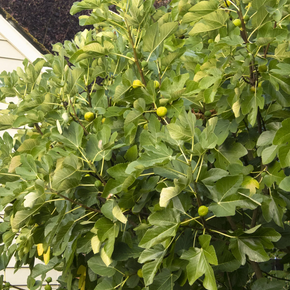
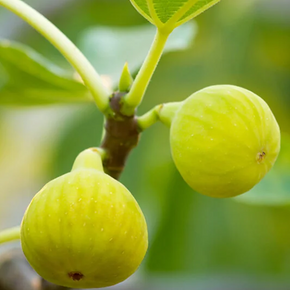
Mission Fig Tree - #5
SKU:
2055825
$69.99
- Classic deciduous fig tree with especially sweet, purplish-black fruit that ripens in summer
- Dense shade and an interesting winter silhouette add ornamental value year-round
- Highly adaptable, with best fruit production in hot inland areas
- Great for containers or espalier—enjoy figs even where winters are harsher
Mission Fig (Ficus carica ‘Mission’) is an attractive deciduous garden tree that earns its place in edible landscapes by pairing dense shade and a striking winter silhouette with especially sweet, purplish-black fruit that ripens in summer. Highly adaptable, it performs across many garden settings, though it bears best fruit in hot inland areas. In cooler regions, figs can still be enjoyed as container plants—kept in large tubs and moved to sheltered storage after leaf drop—while in suitable climates this larger-growing fig can be planted as a bold specimen or trained as an espalier. Provide full sun, water deeply when the soil is dry, and establish it with consistent moisture during the first growing season for strong, productive growth.
Overview
A classic, resilient fig tree valued for dense shade, handsome structure, and sweet, dark fruit in summer.
- Botanical name: Ficus carica ‘Mission’
- Deciduous: Yes
- Key feature: Edible, showy fruit
- Growth habit: Spreading
Blooms & Fragrance
Flowers are inconspicuous; this tree is grown primarily for its bold foliage and delicious fruit.
- Bloom note: Inconspicuous; prized for fruit and foliage
Plant Size
A substantial garden tree that can become a broad, shade-giving specimen when planted in the ground.
- Mature size: 20–35 ft. tall and wide
- Growth rate: Moderate
- Habit: Spreading canopy
Sunlight
Full sun supports the strongest growth and best fruiting.
- Light: Full sun
Water
Water deeply as needed, allowing the soil to dry between irrigations once established.
- Water needs: Water deeply when soil is dry
- Establishment: Water deeply and regularly in the first growing season
- After establishment: Reduce watering frequency
Soil & Drainage
Rich, well-drained soil helps figs establish quickly and supports healthy long-term performance.
- Preferred soil: Enriched, well-drained soil
Cold Hardiness
Best suited to warmer growing zones, though figs may be root-hardy in cooler areas when planted in a sheltered location.
- USDA zones: 7–9
- Cooler-zone note: Often root-hardy and prolific in zones 5–6 if planted in a sheltered location
Where to Plant
Choose a sunny site where the canopy can spread and fruit can be appreciated, harvested, and enjoyed.
- Orchards and edible landscapes
- As a single specimen tree for shade and seasonal interest
- Large containers for patios, decks, and urban spaces
- Along walls or supports for espalier training
Design Tips
Mission Fig blends ornamental structure with edible value—use it as a statement tree or keep it versatile in containers.
- Historically used in California missions; a classic landscape specimen
- Plant as a single focal point or among other fruit trees in an orchard
- Bears best fruit in hot inland areas
- In harsh winter climates, grow in large tubs and move to sheltered storage after leaf drop
Maintenance
Simple seasonal care supports healthy growth and consistent fruiting.
- Water regularly during the first growing season to establish roots
- Once established, reduce watering frequency
- Container-grown plants can be re-potted or root-pruned occasionally for long-term success
Wildlife & Resistance
A fruiting tree with additional garden advantages, including wildlife value and practical tolerance traits.
- Benefits: Birds
- Resistance/tolerance: Deer resistant; coastal exposure
- Special features: Easy care; showy fruit; edible
Pairs Well With
Pair with Mediterranean herbs and other edibles for a cohesive, fragrant, productive garden.
- Rosemary (Rosmarinus)
- Lavender (Lavandula)
- Grape (Vitis)
- Raspberry (Rubus)
- Strawberry (Fragaria)
- Classic deciduous fig tree with especially sweet, purplish-black fruit that ripens in summer
- Dense shade and an interesting winter silhouette add ornamental value year-round
- Highly adaptable, with best fruit production in hot inland areas
- Great for containers or espalier—enjoy figs even where winters are harsher
Mission Fig (Ficus carica ‘Mission’) is an attractive deciduous garden tree that earns its place in edible landscapes by pairing dense shade and a striking winter silhouette with especially sweet, purplish-black fruit that ripens in summer. Highly adaptable, it performs across many garden settings, though it bears best fruit in hot inland areas. In cooler regions, figs can still be enjoyed as container plants—kept in large tubs and moved to sheltered storage after leaf drop—while in suitable climates this larger-growing fig can be planted as a bold specimen or trained as an espalier. Provide full sun, water deeply when the soil is dry, and establish it with consistent moisture during the first growing season for strong, productive growth.
Overview
A classic, resilient fig tree valued for dense shade, handsome structure, and sweet, dark fruit in summer.
- Botanical name: Ficus carica ‘Mission’
- Deciduous: Yes
- Key feature: Edible, showy fruit
- Growth habit: Spreading
Blooms & Fragrance
Flowers are inconspicuous; this tree is grown primarily for its bold foliage and delicious fruit.
- Bloom note: Inconspicuous; prized for fruit and foliage
Plant Size
A substantial garden tree that can become a broad, shade-giving specimen when planted in the ground.
- Mature size: 20–35 ft. tall and wide
- Growth rate: Moderate
- Habit: Spreading canopy
Sunlight
Full sun supports the strongest growth and best fruiting.
- Light: Full sun
Water
Water deeply as needed, allowing the soil to dry between irrigations once established.
- Water needs: Water deeply when soil is dry
- Establishment: Water deeply and regularly in the first growing season
- After establishment: Reduce watering frequency
Soil & Drainage
Rich, well-drained soil helps figs establish quickly and supports healthy long-term performance.
- Preferred soil: Enriched, well-drained soil
Cold Hardiness
Best suited to warmer growing zones, though figs may be root-hardy in cooler areas when planted in a sheltered location.
- USDA zones: 7–9
- Cooler-zone note: Often root-hardy and prolific in zones 5–6 if planted in a sheltered location
Where to Plant
Choose a sunny site where the canopy can spread and fruit can be appreciated, harvested, and enjoyed.
- Orchards and edible landscapes
- As a single specimen tree for shade and seasonal interest
- Large containers for patios, decks, and urban spaces
- Along walls or supports for espalier training
Design Tips
Mission Fig blends ornamental structure with edible value—use it as a statement tree or keep it versatile in containers.
- Historically used in California missions; a classic landscape specimen
- Plant as a single focal point or among other fruit trees in an orchard
- Bears best fruit in hot inland areas
- In harsh winter climates, grow in large tubs and move to sheltered storage after leaf drop
Maintenance
Simple seasonal care supports healthy growth and consistent fruiting.
- Water regularly during the first growing season to establish roots
- Once established, reduce watering frequency
- Container-grown plants can be re-potted or root-pruned occasionally for long-term success
Wildlife & Resistance
A fruiting tree with additional garden advantages, including wildlife value and practical tolerance traits.
- Benefits: Birds
- Resistance/tolerance: Deer resistant; coastal exposure
- Special features: Easy care; showy fruit; edible
Pairs Well With
Pair with Mediterranean herbs and other edibles for a cohesive, fragrant, productive garden.
- Rosemary (Rosmarinus)
- Lavender (Lavandula)
- Grape (Vitis)
- Raspberry (Rubus)
- Strawberry (Fragaria)
Related Products