
Zoom the image with the mouse
Armstrong Gold Maple
SKU:
1079719-P
UPC:
757316064751
$99.99 - $109.99
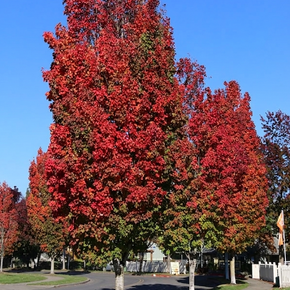
- Striking columnar form reaches up to 40 feet tall and just 12 feet wide, making it the perfect tall shade tree for narrow spaces, driveways, parkways, and urban streetscapes
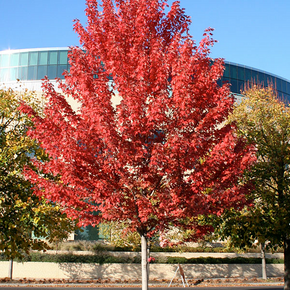
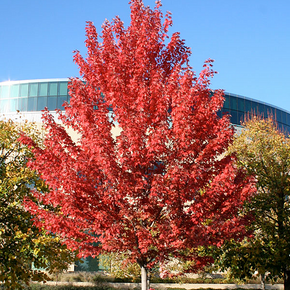
- Spectacular fall foliage transforms from lush medium-green summer leaves to brilliant shades of golden-yellow to orange, delivering a dramatic seasonal display that lasts for weeks
- Fast-growing, improved cultivar selected from hundreds of seedlings for superior foliage density, brighter color, and a tighter, less leggy branching habit than the original Armstrong Maple
- Widely adaptable and tough — thrives in USDA Zones 4-9, tolerates a broad range of soils, and earns high resistance ratings for leaf scorch, powdery mildew, and root rot
Armstrong Gold Maple (Acer rubrum 'JFS-KW78' PP25301) is a premier columnar red maple cultivar that brings together fast growth, refined structure, and breathtaking fall color in a single, versatile tree. Carefully selected from an evaluation of hundreds of seedlings of the classic 'Armstrong' Maple, this patented introduction delivers significant improvements over its parent — including brighter, more vivid foliage, denser branching, and a cleaner, more compact fastigiate silhouette that eliminates the leggy character of older columnar maples. During the growing season, the tree is adorned with attractive medium-green foliage that cloaks its tightly upright branches in lush, dense coverage. Come autumn, the canopy erupts into glowing shades of golden-yellow to rich orange, creating a towering flame of warm color that makes it one of the most eye-catching trees in any fall landscape. Growing 35 to 40 feet tall while spreading only 10 to 12 feet wide at maturity, Armstrong Gold Maple is a go-to solution for gardeners and landscape professionals who need the vertical drama and summer shade of a large tree without the wide footprint. Smooth gray bark adds year-round textural interest, while small yellow-green to red-tinged flowers emerge in early spring before the leaves unfurl. Hardy from USDA Zones 4 through 9 and adaptable to a wide range of soil types, this fast-growing deciduous tree is equally at home lining a residential driveway, anchoring a narrow side yard, or standing as a bold focal-point specimen in the home landscape.
Plant Description
Armstrong Gold Maple is a deciduous, narrowly columnar shade tree and an improved cultivar of the classic red maple selection 'Armstrong'. It was chosen from a rigorous evaluation of hundreds of seedlings specifically for its brighter foliage color, greater leaf density, and a more compact, upright growth habit that avoids the somewhat leggy branching structure of the original. The result is a tall, elegant, candle-flame-shaped tree with smooth gray bark, attractive medium-green summer foliage, and some of the most vivid golden-orange fall color available in any columnar maple. Small clusters of yellow-green to red-tinged flowers appear in early spring — among the earliest blooms of any deciduous tree — followed by paired winged samaras (the classic maple "helicopter" seeds) that mature in late spring and provide food for local wildlife. The overall effect across all four seasons makes Armstrong Gold one of the most refined and versatile large columnar trees available to home gardeners and landscape professionals alike.
Mature Size and Growth Rate
| Characteristic | Detail |
|---|---|
| Mature Height | 35 to 40 feet |
| Mature Spread | 10 to 12 feet |
| Growth Rate | Fast — typically 2 to 3 feet per year under good conditions |
| Growth Habit | Narrowly upright and tightly fastigiate (columnar) |
| Canopy Shape | Dense, uniform column — often described as a candle-flame silhouette |
| Trunk/Bark | Smooth and gray, providing year-round ornamental interest |
Because of its fast growth rate and strongly upright branching angles, Armstrong Gold can achieve significant height in a relatively short time while maintaining its refined narrow profile. This predictable columnar shape is genetic — no corrective pruning is needed to maintain the form.
Hardiness Zones
Armstrong Gold Maple is rated hardy in USDA Hardiness Zones 4 through 9, making it one of the most broadly adaptable columnar shade trees available. This wide range covers most of the continental United States, from the cold-winter climates of the upper Midwest and New England all the way through the heat and humidity of the Southeast and the mild, dry conditions of much of the Pacific Coast region, including Southern Oregon and Northern California. In the coldest zones (4 and 5), planting in spring is recommended to allow the tree a full growing season to establish before winter. In warmer zones (8 and 9), selecting a site with some afternoon relief from intense summer heat and maintaining consistent soil moisture through the first two summers will ensure the best establishment and long-term performance.
Sunlight Requirements
Armstrong Gold Maple performs best in full sun, defined as a minimum of 6 hours of direct sunlight per day. Full sun exposure produces the densest canopy, the strongest growth rate, and — most importantly — the richest, most vivid golden-orange fall color. The tree will tolerate partial shade (4 to 6 hours of direct sun), but reduced light often results in a less dense canopy, somewhat slower growth, and noticeably less intense fall color. In the hottest inland areas of Southern Oregon and Northern California, a site that receives full morning sun with some light afternoon shade during the peak of summer can be a good compromise, especially during the tree's first couple of establishment seasons. Avoid planting in deep or sustained shade, as this will significantly compromise the ornamental qualities that make this cultivar exceptional.
Soil and pH Preferences
One of the great strengths of Armstrong Gold Maple is its adaptability to a wide range of soil types. It will grow in clay, loam, or sandy soils and tolerates both moderately wet and moderately dry conditions once established — a trait inherited from its red maple parentage. However, like all red maples, it performs best in evenly moist, well-drained soil. Standing water or chronically waterlogged conditions should be avoided, as prolonged wet feet can stress the tree and invite root rot.
Regarding soil pH, Armstrong Gold prefers a slightly acidic to neutral range of approximately 5.5 to 6.5. It is notably tolerant of acidic soils, which are common throughout much of Southern Oregon and Northern California. Soils with a pH above 7.0 can trigger iron chlorosis — a condition where leaves yellow between the veins due to the tree's inability to absorb sufficient iron. If your soil tends toward alkalinity, a soil test before planting is worthwhile, and amendments such as elemental sulfur can be worked in to bring the pH into the preferred range.
Watering Guide
Consistent moisture is critical during the establishment period, which typically spans the first two to three growing seasons after planting. During this time, water deeply and slowly — using a soaker hose or slow-drip method — rather than relying on light surface irrigation, which does not penetrate deeply enough to encourage a strong root system. A general guide for the establishment period is as follows:
- Weeks 1-4 after planting: Water every 2 to 3 days in the absence of rain, applying 15 to 20 gallons per session to soak the entire root zone thoroughly.
- Months 2-3: Water deeply once per week if no significant rainfall has occurred.
- Year 2: Water every 10 to 14 days during dry spells, applying 20 to 25 gallons per session.
- Year 3 and beyond: Once fully established, the tree is moderately drought tolerant and generally only needs supplemental irrigation during extended dry periods of two weeks or more without rain.
In the dry summers common to Southern Oregon and Northern California, even established trees benefit from deep watering once or twice a month during the warmest months to maintain good vigor and preserve the quality of the fall color display. Avoid overwatering or allowing water to pool around the base of the trunk.
Planting Instructions
- Choose the right time: Plant in early spring after the last hard frost, or in early fall at least 6 to 8 weeks before the first expected frost. Spring planting is generally preferred in cooler zones (4-6), while fall planting works well in warmer zones (7-9).
- Select the ideal site: Choose a full-sun location with well-drained soil. Allow at least 8 to 10 feet of clearance from foundations, structures, or utilities, and at least 6 to 8 feet from paved surfaces such as sidewalks and driveways.
- Dig the hole correctly: Excavate a hole that is 2 to 3 times wider than the root ball but no deeper than the root ball height. The extra width encourages lateral root growth into loosened soil, which dramatically accelerates establishment.
- Set the planting depth: Position the tree so that the root flare — the point where the trunk widens at its base — sits at or just slightly above the surrounding soil grade. Planting too deeply is one of the most common causes of long-term decline in trees.
- Backfill and firm: Use the native soil removed from the hole to backfill. Tamp gently in layers to eliminate large air pockets without over-compacting. Do not add amendments to the backfill, as this can discourage roots from growing beyond the amended zone.
- Water thoroughly: Soak the entire root zone immediately after planting to settle the soil and eliminate air pockets around the roots.
- Apply mulch: Spread a 3- to 4-inch layer of organic mulch (wood chips, shredded bark, or composted wood) in a wide ring around the tree extending to the drip line. Keep the mulch 3 to 4 inches away from the trunk to prevent rot. Mulch conserves moisture, moderates soil temperature, and protects surface roots from mower and equipment damage.
- Staking: Only stake if the planting site is exposed to strong or persistent winds. Use two stakes placed just outside the root ball with wide, soft straps — never wire or twine directly against the bark. Remove stakes after one growing season.
Fertilizing
Armstrong Gold Maple is not a heavy feeder, but a modest fertilization program supports strong establishment and sustained vigor. Follow these guidelines for best results:
- First growing season: Apply a slow-release balanced fertilizer formulated for trees and shrubs (such as a 12-4-8 or similar formulation) in early spring. Avoid high-nitrogen fertilizers, which can push excessive soft growth at the expense of root development and fall color.
- Established trees (Year 3+): Fertilize once every two to three years in early spring, before new growth emerges. Annual fertilizing is generally unnecessary once the tree is established in decent soil and is not recommended, as excess nitrogen delays dormancy and reduces fall color intensity.
- Late-season tip: A light application of a potassium-rich fertilizer (such as sulfate of potash) in mid-to-late August can promote stronger cell walls and enhance the expression of golden-yellow fall pigments. Avoid any nitrogen applications after midsummer, as this encourages soft late-season growth vulnerable to early frosts.
- Iron deficiency: If yellowing between the leaf veins (chlorosis) is observed, the soil pH may be too high. Apply chelated iron as a soil drench or foliar spray in spring, and work to lower soil pH over time with elemental sulfur applications.
Pruning and Maintenance
One of the most appealing qualities of Armstrong Gold Maple is that its tightly columnar shape is entirely genetic — it requires virtually no pruning to maintain its classic upright form. In fact, heavy or unnecessary pruning should be avoided, as it can disrupt the natural branching architecture that gives the tree its elegant silhouette.
When pruning is warranted, follow these guidelines:
- Best time to prune: Late winter while the tree is fully dormant (February through early March) is the ideal window. Pruning during dormancy minimizes the risk of pest and disease entry through fresh wounds and allows cuts to compartmentalize efficiently before the spring growth surge.
- What to remove: Focus on dead, damaged, or crossing branches. Remove any water sprouts (vigorous, vertically growing shoots) that develop along the trunk or major scaffold branches, cutting them flush at their point of origin.
- Clearance pruning: Lower branches can be selectively removed over time to raise the canopy for pedestrian or vehicle clearance, but avoid removing more than 15% of the total canopy volume in a single growing season.
- Never top the tree: Topping — cutting back the main leader or large scaffold branches to stubs — permanently disfigures the form, creates large wound sites prone to decay, and stimulates weak, dense regrowth that is structurally inferior.
- General upkeep: Beyond occasional structural pruning, annual maintenance is minimal. Rake and remove fallen leaves in autumn to reduce overwintering habitat for fungal pathogens. Inspect the trunk and lower branches annually for any signs of cankers or physical damage.
Seasonal Interest
Armstrong Gold Maple earns its place in the landscape across all four seasons with consistent and varied ornamental appeal:
- Early Spring: Small clusters of yellow-green to red-tinged flowers emerge on bare branches as early as March or April — often among the very first blooms visible in the spring landscape. These are followed by clusters of attractive red winged samaras (seed pairs) that add additional color and texture before the leaves fully expand.
- Spring and Summer: Fresh, light-green leaves emerge in spring and deepen to an attractive, dense medium-green through the growing season. The uniformly upright canopy provides generous overhead shade while the smooth, light gray bark adds clean, sculptural contrast against darker backgrounds.
- Fall: The showstopper season. Foliage transitions through glowing shades of golden-yellow to warm orange, often holding its peak color for two to three weeks before leaf drop. Armstrong Gold is widely regarded as one of the most reliably and brilliantly gold-colored of all columnar maples.
- Winter: After leaf drop, the strongly upright branching structure and smooth gray bark create a striking architectural silhouette that reads well in the winter garden, especially against an open sky or light-colored structures.
Landscape Uses
The combination of a narrow footprint, fast growth, and spectacular seasonal interest makes Armstrong Gold Maple exceptionally versatile across a wide range of residential and commercial landscape applications:
- Street and parkway planting: The tightly upright form and tolerance for urban conditions make it one of the top choices for sidewalk strips, median plantings, and narrow roadside buffers where a large spreading tree would be impractical.
- Driveway lining: Planted in a formal row 15 to 20 feet apart, Armstrong Gold creates a dramatic allée effect — a living gateway of soaring golden columns in autumn.
- Narrow side yards and tight spaces: The 10- to 12-foot spread allows it to fit in spaces where most shade trees simply cannot go, providing meaningful canopy coverage without crowding structures or neighboring plants.
- Privacy screening: Planted in a row, these trees form a tall, semi-transparent summer screen and a brilliant autumn privacy barrier. Even in winter, the dense branching structure provides partial visual screening.
- Specimen and focal point: A single well-sited Armstrong Gold in a front lawn or garden bed serves as a commanding four-season specimen that anchors the entire property.
- Windbreak and sound barrier: The dense, upright branching architecture provides meaningful wind and noise buffering when planted in a row.
- Urban and commercial landscapes: High resistance to urban stresses including air pollution, compacted soils, and reflected heat from pavement makes it a reliable choice for commercial sites, parking lot perimeters, and corporate campuses.
Pests and Diseases
Armstrong Gold Maple is notably disease-resistant compared to many other maple cultivars, with documented high resistance to leaf scorch, powdery mildew, and root rot, and moderate resistance to leaf spot. Nonetheless, as with any tree, awareness of potential issues allows for early intervention:
- Aphids: Small clusters may appear on new growth in spring. Populations are usually kept in check by natural predators. A strong blast of water from a garden hose or an application of insecticidal soap will manage heavy infestations without harming beneficial insects.
- Scale insects: Armored or soft scales occasionally establish on branches. Apply a horticultural oil spray during late winter dormancy to smother overwintering scale populations before they hatch in spring.
- Caterpillars and leafhoppers: Occasional defoliators may cause cosmetic damage but rarely threaten the overall health of an established tree. Handpicking or targeted biological controls (such as Bt for caterpillars) are usually sufficient.
- Borers: Stressed or newly transplanted trees can be susceptible to flatheaded borers. Keeping the tree well-watered and vigorous is the best preventive measure. Avoid mechanical trunk damage from mowers and string trimmers, as wounds invite borer activity.
- Verticillium wilt: This soil-borne fungal disease attacks the vascular system and can be fatal. There is no cure once a tree is infected. Prevent exposure by purchasing trees from reputable sources and avoiding planting in sites where infected plants have recently been removed.
- Fungal leaf spot and canker: Generally cosmetic and not life-threatening to an otherwise healthy tree. Good air circulation and the removal of fallen leaves in autumn reduce overwintering inoculum. Avoid overhead irrigation.
- Iron chlorosis: Not a true disease but a physiological disorder caused by high soil pH that prevents iron uptake. Symptoms include yellowing leaf tissue with green veins remaining. Correct with chelated iron applications and soil pH adjustment.
Wildlife Value
Armstrong Gold Maple offers meaningful benefits to local wildlife throughout the year, making it a valuable addition to ecologically minded landscapes:
- Pollinators: The early spring flowers are among the first nectar and pollen sources of the season, providing a critical food resource for native bees, honeybees, and other early-emerging pollinators at a time when very little else is in bloom.
- Birds: The winged samaras produced in late spring are a favored food source for finches, grosbeaks, and other seed-eating birds. The dense branching structure also provides nesting habitat and shelter for a variety of songbirds.
- Small mammals: Squirrels and chipmunks actively forage for the samaras, making this tree a hub of small-mammal activity in spring.
- Deer resistance: Armstrong Gold Maple demonstrates good resistance to deer browsing, making it a practical choice for rural or suburban landscapes where deer pressure is a concern.
- Insects and food web: Like all native and near-native maple species, red maple foliage supports the larvae of dozens of native moth and butterfly species, contributing to the base of the local food web that songbirds depend on to feed their young.
Companion Plants
Selecting the right companion plants beneath and around Armstrong Gold Maple can create a cohesive, layered landscape with year-round interest. Because the tree casts moderate shade and has a somewhat competitive root system at maturity, choose companions that are adaptable to partial shade and moderate moisture competition. The following plants pair beautifully with Armstrong Gold:
- Ornamental grasses: Evergold sedge (Carex oshimensis 'Evergold') and Karl Foerster feather reed grass provide textural contrast and echo the golden fall color theme.
- Perennials: Black-eyed Susans, coneflowers (Echinacea), and autumn sedums bloom in the same warm golden and orange palette as the fall foliage, creating a seamless color story from the ground up.
- Shrubs: Compact viburnum varieties, native serviceberry (Amelanchier), and Little Lime or Incrediball hydrangeas complement the vertical form of the maple and provide multi-season interest at a lower height tier.
- Ground covers: Native wild ginger (Asarum caudatum), creeping phlox, or Pennsylvania sedge (Carex pensylvanica) work well beneath the canopy, suppressing weeds and covering exposed root zones attractively.
- Spring bulbs: Planting daffodils, tulips, or alliums in beds around the base of the tree creates a spring color show that bridges the gap between the maple's early blooms and the arrival of summer foliage.
Frequently Asked Questions
- Will Armstrong Gold Maple lift or damage my driveway or sidewalk? Unlike silver maple, which is notorious for aggressive surface roots, Armstrong Gold Maple has a relatively fibrous and well-behaved root system. When planted with the recommended 6 to 8 feet of clearance from paved surfaces, root conflicts are very unlikely.
- How is Armstrong Gold different from the original Armstrong Maple? Armstrong Gold was selected specifically for improvements over the original, including brighter and more consistent golden fall color, denser foliage, more compact branching (less leggy), and a tighter overall columnar form.
- Is it messy? All deciduous trees drop leaves in autumn and produce samaras in spring. Armstrong Gold produces far fewer samaras than silver maple or Autumn Blaze, and its concentrated upright form means leaf cleanup is relatively contained to the area beneath the canopy.
- Can I grow it in a container? While Armstrong Gold is a large tree at maturity and is not an ideal long-term container specimen, young trees can be grown in large containers (30 gallons or more) for a period of several years. Eventually, in-ground planting is strongly recommended to allow the tree to reach its full potential.
- Why is it sold under the species name Acer rubrum rather than Acer platanoides? Armstrong Gold Maple is a cultivar of Acer rubrum (red maple), not Norway maple (Acer platanoides). It is correctly identified as Acer rubrum 'JFS-KW78'. Some retailers have historically listed it with an incorrect species name — always verify the botanical name when purchasing.
- When will it reach full size? At a growth rate of 2 to 3 feet per year under good conditions, expect Armstrong Gold to reach 25 to 30 feet in height within 10 to 12 years and approach its full mature height of 35 to 40 feet within 15 to 20 years.
- Striking columnar form reaches up to 40 feet tall and just 12 feet wide, making it the perfect tall shade tree for narrow spaces, driveways, parkways, and urban streetscapes
- Spectacular fall foliage transforms from lush medium-green summer leaves to brilliant shades of golden-yellow to orange, delivering a dramatic seasonal display that lasts for weeks
- Fast-growing, improved cultivar selected from hundreds of seedlings for superior foliage density, brighter color, and a tighter, less leggy branching habit than the original Armstrong Maple
- Widely adaptable and tough — thrives in USDA Zones 4-9, tolerates a broad range of soils, and earns high resistance ratings for leaf scorch, powdery mildew, and root rot
Armstrong Gold Maple (Acer rubrum 'JFS-KW78' PP25301) is a premier columnar red maple cultivar that brings together fast growth, refined structure, and breathtaking fall color in a single, versatile tree. Carefully selected from an evaluation of hundreds of seedlings of the classic 'Armstrong' Maple, this patented introduction delivers significant improvements over its parent — including brighter, more vivid foliage, denser branching, and a cleaner, more compact fastigiate silhouette that eliminates the leggy character of older columnar maples. During the growing season, the tree is adorned with attractive medium-green foliage that cloaks its tightly upright branches in lush, dense coverage. Come autumn, the canopy erupts into glowing shades of golden-yellow to rich orange, creating a towering flame of warm color that makes it one of the most eye-catching trees in any fall landscape. Growing 35 to 40 feet tall while spreading only 10 to 12 feet wide at maturity, Armstrong Gold Maple is a go-to solution for gardeners and landscape professionals who need the vertical drama and summer shade of a large tree without the wide footprint. Smooth gray bark adds year-round textural interest, while small yellow-green to red-tinged flowers emerge in early spring before the leaves unfurl. Hardy from USDA Zones 4 through 9 and adaptable to a wide range of soil types, this fast-growing deciduous tree is equally at home lining a residential driveway, anchoring a narrow side yard, or standing as a bold focal-point specimen in the home landscape.
Plant Description
Armstrong Gold Maple is a deciduous, narrowly columnar shade tree and an improved cultivar of the classic red maple selection 'Armstrong'. It was chosen from a rigorous evaluation of hundreds of seedlings specifically for its brighter foliage color, greater leaf density, and a more compact, upright growth habit that avoids the somewhat leggy branching structure of the original. The result is a tall, elegant, candle-flame-shaped tree with smooth gray bark, attractive medium-green summer foliage, and some of the most vivid golden-orange fall color available in any columnar maple. Small clusters of yellow-green to red-tinged flowers appear in early spring — among the earliest blooms of any deciduous tree — followed by paired winged samaras (the classic maple "helicopter" seeds) that mature in late spring and provide food for local wildlife. The overall effect across all four seasons makes Armstrong Gold one of the most refined and versatile large columnar trees available to home gardeners and landscape professionals alike.
Mature Size and Growth Rate
| Characteristic | Detail |
|---|---|
| Mature Height | 35 to 40 feet |
| Mature Spread | 10 to 12 feet |
| Growth Rate | Fast — typically 2 to 3 feet per year under good conditions |
| Growth Habit | Narrowly upright and tightly fastigiate (columnar) |
| Canopy Shape | Dense, uniform column — often described as a candle-flame silhouette |
| Trunk/Bark | Smooth and gray, providing year-round ornamental interest |
Because of its fast growth rate and strongly upright branching angles, Armstrong Gold can achieve significant height in a relatively short time while maintaining its refined narrow profile. This predictable columnar shape is genetic — no corrective pruning is needed to maintain the form.
Hardiness Zones
Armstrong Gold Maple is rated hardy in USDA Hardiness Zones 4 through 9, making it one of the most broadly adaptable columnar shade trees available. This wide range covers most of the continental United States, from the cold-winter climates of the upper Midwest and New England all the way through the heat and humidity of the Southeast and the mild, dry conditions of much of the Pacific Coast region, including Southern Oregon and Northern California. In the coldest zones (4 and 5), planting in spring is recommended to allow the tree a full growing season to establish before winter. In warmer zones (8 and 9), selecting a site with some afternoon relief from intense summer heat and maintaining consistent soil moisture through the first two summers will ensure the best establishment and long-term performance.
Sunlight Requirements
Armstrong Gold Maple performs best in full sun, defined as a minimum of 6 hours of direct sunlight per day. Full sun exposure produces the densest canopy, the strongest growth rate, and — most importantly — the richest, most vivid golden-orange fall color. The tree will tolerate partial shade (4 to 6 hours of direct sun), but reduced light often results in a less dense canopy, somewhat slower growth, and noticeably less intense fall color. In the hottest inland areas of Southern Oregon and Northern California, a site that receives full morning sun with some light afternoon shade during the peak of summer can be a good compromise, especially during the tree's first couple of establishment seasons. Avoid planting in deep or sustained shade, as this will significantly compromise the ornamental qualities that make this cultivar exceptional.
Soil and pH Preferences
One of the great strengths of Armstrong Gold Maple is its adaptability to a wide range of soil types. It will grow in clay, loam, or sandy soils and tolerates both moderately wet and moderately dry conditions once established — a trait inherited from its red maple parentage. However, like all red maples, it performs best in evenly moist, well-drained soil. Standing water or chronically waterlogged conditions should be avoided, as prolonged wet feet can stress the tree and invite root rot.
Regarding soil pH, Armstrong Gold prefers a slightly acidic to neutral range of approximately 5.5 to 6.5. It is notably tolerant of acidic soils, which are common throughout much of Southern Oregon and Northern California. Soils with a pH above 7.0 can trigger iron chlorosis — a condition where leaves yellow between the veins due to the tree's inability to absorb sufficient iron. If your soil tends toward alkalinity, a soil test before planting is worthwhile, and amendments such as elemental sulfur can be worked in to bring the pH into the preferred range.
Watering Guide
Consistent moisture is critical during the establishment period, which typically spans the first two to three growing seasons after planting. During this time, water deeply and slowly — using a soaker hose or slow-drip method — rather than relying on light surface irrigation, which does not penetrate deeply enough to encourage a strong root system. A general guide for the establishment period is as follows:
- Weeks 1-4 after planting: Water every 2 to 3 days in the absence of rain, applying 15 to 20 gallons per session to soak the entire root zone thoroughly.
- Months 2-3: Water deeply once per week if no significant rainfall has occurred.
- Year 2: Water every 10 to 14 days during dry spells, applying 20 to 25 gallons per session.
- Year 3 and beyond: Once fully established, the tree is moderately drought tolerant and generally only needs supplemental irrigation during extended dry periods of two weeks or more without rain.
In the dry summers common to Southern Oregon and Northern California, even established trees benefit from deep watering once or twice a month during the warmest months to maintain good vigor and preserve the quality of the fall color display. Avoid overwatering or allowing water to pool around the base of the trunk.
Planting Instructions
- Choose the right time: Plant in early spring after the last hard frost, or in early fall at least 6 to 8 weeks before the first expected frost. Spring planting is generally preferred in cooler zones (4-6), while fall planting works well in warmer zones (7-9).
- Select the ideal site: Choose a full-sun location with well-drained soil. Allow at least 8 to 10 feet of clearance from foundations, structures, or utilities, and at least 6 to 8 feet from paved surfaces such as sidewalks and driveways.
- Dig the hole correctly: Excavate a hole that is 2 to 3 times wider than the root ball but no deeper than the root ball height. The extra width encourages lateral root growth into loosened soil, which dramatically accelerates establishment.
- Set the planting depth: Position the tree so that the root flare — the point where the trunk widens at its base — sits at or just slightly above the surrounding soil grade. Planting too deeply is one of the most common causes of long-term decline in trees.
- Backfill and firm: Use the native soil removed from the hole to backfill. Tamp gently in layers to eliminate large air pockets without over-compacting. Do not add amendments to the backfill, as this can discourage roots from growing beyond the amended zone.
- Water thoroughly: Soak the entire root zone immediately after planting to settle the soil and eliminate air pockets around the roots.
- Apply mulch: Spread a 3- to 4-inch layer of organic mulch (wood chips, shredded bark, or composted wood) in a wide ring around the tree extending to the drip line. Keep the mulch 3 to 4 inches away from the trunk to prevent rot. Mulch conserves moisture, moderates soil temperature, and protects surface roots from mower and equipment damage.
- Staking: Only stake if the planting site is exposed to strong or persistent winds. Use two stakes placed just outside the root ball with wide, soft straps — never wire or twine directly against the bark. Remove stakes after one growing season.
Fertilizing
Armstrong Gold Maple is not a heavy feeder, but a modest fertilization program supports strong establishment and sustained vigor. Follow these guidelines for best results:
- First growing season: Apply a slow-release balanced fertilizer formulated for trees and shrubs (such as a 12-4-8 or similar formulation) in early spring. Avoid high-nitrogen fertilizers, which can push excessive soft growth at the expense of root development and fall color.
- Established trees (Year 3+): Fertilize once every two to three years in early spring, before new growth emerges. Annual fertilizing is generally unnecessary once the tree is established in decent soil and is not recommended, as excess nitrogen delays dormancy and reduces fall color intensity.
- Late-season tip: A light application of a potassium-rich fertilizer (such as sulfate of potash) in mid-to-late August can promote stronger cell walls and enhance the expression of golden-yellow fall pigments. Avoid any nitrogen applications after midsummer, as this encourages soft late-season growth vulnerable to early frosts.
- Iron deficiency: If yellowing between the leaf veins (chlorosis) is observed, the soil pH may be too high. Apply chelated iron as a soil drench or foliar spray in spring, and work to lower soil pH over time with elemental sulfur applications.
Pruning and Maintenance
One of the most appealing qualities of Armstrong Gold Maple is that its tightly columnar shape is entirely genetic — it requires virtually no pruning to maintain its classic upright form. In fact, heavy or unnecessary pruning should be avoided, as it can disrupt the natural branching architecture that gives the tree its elegant silhouette.
When pruning is warranted, follow these guidelines:
- Best time to prune: Late winter while the tree is fully dormant (February through early March) is the ideal window. Pruning during dormancy minimizes the risk of pest and disease entry through fresh wounds and allows cuts to compartmentalize efficiently before the spring growth surge.
- What to remove: Focus on dead, damaged, or crossing branches. Remove any water sprouts (vigorous, vertically growing shoots) that develop along the trunk or major scaffold branches, cutting them flush at their point of origin.
- Clearance pruning: Lower branches can be selectively removed over time to raise the canopy for pedestrian or vehicle clearance, but avoid removing more than 15% of the total canopy volume in a single growing season.
- Never top the tree: Topping — cutting back the main leader or large scaffold branches to stubs — permanently disfigures the form, creates large wound sites prone to decay, and stimulates weak, dense regrowth that is structurally inferior.
- General upkeep: Beyond occasional structural pruning, annual maintenance is minimal. Rake and remove fallen leaves in autumn to reduce overwintering habitat for fungal pathogens. Inspect the trunk and lower branches annually for any signs of cankers or physical damage.
Seasonal Interest
Armstrong Gold Maple earns its place in the landscape across all four seasons with consistent and varied ornamental appeal:
- Early Spring: Small clusters of yellow-green to red-tinged flowers emerge on bare branches as early as March or April — often among the very first blooms visible in the spring landscape. These are followed by clusters of attractive red winged samaras (seed pairs) that add additional color and texture before the leaves fully expand.
- Spring and Summer: Fresh, light-green leaves emerge in spring and deepen to an attractive, dense medium-green through the growing season. The uniformly upright canopy provides generous overhead shade while the smooth, light gray bark adds clean, sculptural contrast against darker backgrounds.
- Fall: The showstopper season. Foliage transitions through glowing shades of golden-yellow to warm orange, often holding its peak color for two to three weeks before leaf drop. Armstrong Gold is widely regarded as one of the most reliably and brilliantly gold-colored of all columnar maples.
- Winter: After leaf drop, the strongly upright branching structure and smooth gray bark create a striking architectural silhouette that reads well in the winter garden, especially against an open sky or light-colored structures.
Landscape Uses
The combination of a narrow footprint, fast growth, and spectacular seasonal interest makes Armstrong Gold Maple exceptionally versatile across a wide range of residential and commercial landscape applications:
- Street and parkway planting: The tightly upright form and tolerance for urban conditions make it one of the top choices for sidewalk strips, median plantings, and narrow roadside buffers where a large spreading tree would be impractical.
- Driveway lining: Planted in a formal row 15 to 20 feet apart, Armstrong Gold creates a dramatic allée effect — a living gateway of soaring golden columns in autumn.
- Narrow side yards and tight spaces: The 10- to 12-foot spread allows it to fit in spaces where most shade trees simply cannot go, providing meaningful canopy coverage without crowding structures or neighboring plants.
- Privacy screening: Planted in a row, these trees form a tall, semi-transparent summer screen and a brilliant autumn privacy barrier. Even in winter, the dense branching structure provides partial visual screening.
- Specimen and focal point: A single well-sited Armstrong Gold in a front lawn or garden bed serves as a commanding four-season specimen that anchors the entire property.
- Windbreak and sound barrier: The dense, upright branching architecture provides meaningful wind and noise buffering when planted in a row.
- Urban and commercial landscapes: High resistance to urban stresses including air pollution, compacted soils, and reflected heat from pavement makes it a reliable choice for commercial sites, parking lot perimeters, and corporate campuses.
Pests and Diseases
Armstrong Gold Maple is notably disease-resistant compared to many other maple cultivars, with documented high resistance to leaf scorch, powdery mildew, and root rot, and moderate resistance to leaf spot. Nonetheless, as with any tree, awareness of potential issues allows for early intervention:
- Aphids: Small clusters may appear on new growth in spring. Populations are usually kept in check by natural predators. A strong blast of water from a garden hose or an application of insecticidal soap will manage heavy infestations without harming beneficial insects.
- Scale insects: Armored or soft scales occasionally establish on branches. Apply a horticultural oil spray during late winter dormancy to smother overwintering scale populations before they hatch in spring.
- Caterpillars and leafhoppers: Occasional defoliators may cause cosmetic damage but rarely threaten the overall health of an established tree. Handpicking or targeted biological controls (such as Bt for caterpillars) are usually sufficient.
- Borers: Stressed or newly transplanted trees can be susceptible to flatheaded borers. Keeping the tree well-watered and vigorous is the best preventive measure. Avoid mechanical trunk damage from mowers and string trimmers, as wounds invite borer activity.
- Verticillium wilt: This soil-borne fungal disease attacks the vascular system and can be fatal. There is no cure once a tree is infected. Prevent exposure by purchasing trees from reputable sources and avoiding planting in sites where infected plants have recently been removed.
- Fungal leaf spot and canker: Generally cosmetic and not life-threatening to an otherwise healthy tree. Good air circulation and the removal of fallen leaves in autumn reduce overwintering inoculum. Avoid overhead irrigation.
- Iron chlorosis: Not a true disease but a physiological disorder caused by high soil pH that prevents iron uptake. Symptoms include yellowing leaf tissue with green veins remaining. Correct with chelated iron applications and soil pH adjustment.
Wildlife Value
Armstrong Gold Maple offers meaningful benefits to local wildlife throughout the year, making it a valuable addition to ecologically minded landscapes:
- Pollinators: The early spring flowers are among the first nectar and pollen sources of the season, providing a critical food resource for native bees, honeybees, and other early-emerging pollinators at a time when very little else is in bloom.
- Birds: The winged samaras produced in late spring are a favored food source for finches, grosbeaks, and other seed-eating birds. The dense branching structure also provides nesting habitat and shelter for a variety of songbirds.
- Small mammals: Squirrels and chipmunks actively forage for the samaras, making this tree a hub of small-mammal activity in spring.
- Deer resistance: Armstrong Gold Maple demonstrates good resistance to deer browsing, making it a practical choice for rural or suburban landscapes where deer pressure is a concern.
- Insects and food web: Like all native and near-native maple species, red maple foliage supports the larvae of dozens of native moth and butterfly species, contributing to the base of the local food web that songbirds depend on to feed their young.
Companion Plants
Selecting the right companion plants beneath and around Armstrong Gold Maple can create a cohesive, layered landscape with year-round interest. Because the tree casts moderate shade and has a somewhat competitive root system at maturity, choose companions that are adaptable to partial shade and moderate moisture competition. The following plants pair beautifully with Armstrong Gold:
- Ornamental grasses: Evergold sedge (Carex oshimensis 'Evergold') and Karl Foerster feather reed grass provide textural contrast and echo the golden fall color theme.
- Perennials: Black-eyed Susans, coneflowers (Echinacea), and autumn sedums bloom in the same warm golden and orange palette as the fall foliage, creating a seamless color story from the ground up.
- Shrubs: Compact viburnum varieties, native serviceberry (Amelanchier), and Little Lime or Incrediball hydrangeas complement the vertical form of the maple and provide multi-season interest at a lower height tier.
- Ground covers: Native wild ginger (Asarum caudatum), creeping phlox, or Pennsylvania sedge (Carex pensylvanica) work well beneath the canopy, suppressing weeds and covering exposed root zones attractively.
- Spring bulbs: Planting daffodils, tulips, or alliums in beds around the base of the tree creates a spring color show that bridges the gap between the maple's early blooms and the arrival of summer foliage.
Frequently Asked Questions
- Will Armstrong Gold Maple lift or damage my driveway or sidewalk? Unlike silver maple, which is notorious for aggressive surface roots, Armstrong Gold Maple has a relatively fibrous and well-behaved root system. When planted with the recommended 6 to 8 feet of clearance from paved surfaces, root conflicts are very unlikely.
- How is Armstrong Gold different from the original Armstrong Maple? Armstrong Gold was selected specifically for improvements over the original, including brighter and more consistent golden fall color, denser foliage, more compact branching (less leggy), and a tighter overall columnar form.
- Is it messy? All deciduous trees drop leaves in autumn and produce samaras in spring. Armstrong Gold produces far fewer samaras than silver maple or Autumn Blaze, and its concentrated upright form means leaf cleanup is relatively contained to the area beneath the canopy.
- Can I grow it in a container? While Armstrong Gold is a large tree at maturity and is not an ideal long-term container specimen, young trees can be grown in large containers (30 gallons or more) for a period of several years. Eventually, in-ground planting is strongly recommended to allow the tree to reach its full potential.
- Why is it sold under the species name Acer rubrum rather than Acer platanoides? Armstrong Gold Maple is a cultivar of Acer rubrum (red maple), not Norway maple (Acer platanoides). It is correctly identified as Acer rubrum 'JFS-KW78'. Some retailers have historically listed it with an incorrect species name — always verify the botanical name when purchasing.
- When will it reach full size? At a growth rate of 2 to 3 feet per year under good conditions, expect Armstrong Gold to reach 25 to 30 feet in height within 10 to 12 years and approach its full mature height of 35 to 40 feet within 15 to 20 years.
Related Products