

Zoom the image with the mouse
October Glory Maple - 15 Gallon
SKU:
1741615
UPC:
757316146150
$229.99
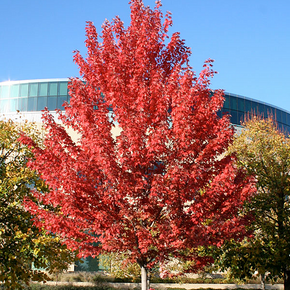
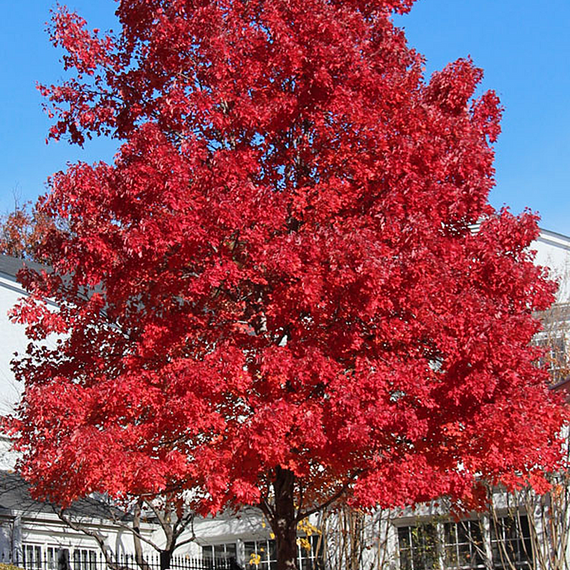
- Spectacular late-season fall color — one of the last maples to turn, delivering brilliant crimson-red and reddish-purple foliage long after other trees have faded
- Fast-growing shade tree with a symmetrical, broadly oval to rounded crown that matures to an impressive 40-45 feet tall and 30-35 feet wide
- Highly adaptable to a wide range of soil types and moisture conditions, thriving from moist lowlands to drier upland sites across USDA Zones 4-9
- Low-maintenance, four-season beauty — glossy medium-green summer foliage, showy small red spring flowers, and attractive red samaras before the iconic autumn display
October Glory Maple (Acer rubrum 'October Glory') is one of the most celebrated cultivars of native red maple, prized above all for being the last of its kind to ignite into fall color each year — extending the autumn season with an extraordinary display of deep scarlet, crimson, and reddish-purple leaves that can persist on the tree for several weeks. This fast-growing, broadly oval to rounded shade tree brings year-round visual interest, opening spring with clusters of small but vibrant red flowers before other trees have fully leafed out, then carrying lush, glossy medium-green foliage through the summer, and finally transforming into a towering bonfire of color each autumn. Maturing at 40-45 feet in height with a spread of 30-35 feet, it creates a commanding canopy that provides deep, cooling shade in residential lawns, parks, and streetscapes. Better adapted than many red maple cultivars to areas with mild winters and warmer summer temperatures, October Glory is an outstanding choice for Pacific Northwest and Northern California landscapes where it thrives with minimal intervention. Whether planted as a bold specimen, a formal street tree, or the centerpiece of a large yard, October Glory Maple is an investment in decades of breathtaking seasonal beauty and ecological value.
Plant Description
October Glory Maple is a named cultivar of Acer rubrum, the native red maple of eastern North America. It was selected specifically for its exceptional and long-lasting fall color display, which arrives later in the season than virtually any other red maple cultivar — often peaking in mid-to-late October and holding on into November. The tree forms a naturally symmetrical, broadly oval to rounded crown that requires little corrective pruning to maintain its attractive shape. Its medium-green summer leaves are glossy on the upper surface, giving the canopy a fresh, polished appearance throughout the warm months. In early spring, even before the leaves emerge, small clusters of rich red flowers adorn the bare branches, providing an early-season floral interest that also attracts pollinators. Following the flowers, pairs of winged red samaras (the distinctive helicopter-like seed pods) develop and add additional ornamental charm. The autumn transformation — from deep green to fiery shades of scarlet, crimson, and reddish-purple — is the tree's most celebrated feature, rivaling the sugar maple in color intensity while outpacing most other maples in adaptability to warmer climates.
Mature Size and Growth Rate
| Characteristic | Detail |
|---|---|
| Mature Height | 40-45 feet |
| Mature Spread | 30-35 feet |
| Tree Form | Broadly oval to rounded |
| Growth Rate | Fast — typically 2-3 feet per year under optimal conditions |
| Lifespan | 80-120 years with proper care |
Because of its vigorous growth rate, October Glory Maple can reach a useful shade-providing size relatively quickly compared to slower-growing hardwood trees. Plan for its full mature spread when selecting a planting site, keeping it well away from structures, overhead power lines, and pavement where surface roots could cause disruption over time.
Hardiness Zones and Climate Adaptability
October Glory Maple is hardy in USDA Zones 4-9, giving it one of the broadest cold-hardiness ranges of any ornamental shade tree. Notably, it performs better in warmer southern climates than most other red maple cultivars, making it the preferred red maple selection for Zone 7-9 regions including Southern Oregon, Northern California, and the broader Pacific Coast. It is particularly valued in areas with mild winters and warm summers, where less heat-tolerant cultivars often struggle. While it can survive in Zone 9, performance is best in Zones 4-8. In hotter, drier regions toward the southern end of its range, reliable irrigation during summer is important for sustained health and optimal fall color. Cool nights combined with sunny autumn days bring out the deepest, most vivid crimson and reddish-purple hues in the foliage.
Sunlight Requirements
October Glory Maple thrives in full sun to partial shade. For the most spectacular fall color display, a location receiving a minimum of 6 hours of direct sunlight per day is strongly recommended. Trees grown in shadier conditions will still perform reasonably well but may produce less intense autumn color. In hotter inland climates, some afternoon shade can be beneficial during the establishment period, helping to reduce heat stress on young trees while their root systems develop. Once established, the tree is quite resilient and tolerates full sun throughout the day.
Soil and pH Preferences
October Glory Maple is notably adaptable to a wide variety of soil types, including clay, loam, and sandy soils. However, there are a few key considerations for best performance:
- Drainage: Well-drained soil is ideal for long-term health. Although this tree can tolerate brief periods of wet or even flooded soil (earning it the nickname "swamp maple"), consistently waterlogged conditions are harmful. Good drainage should be the goal.
- pH: Slightly acidic to neutral soil (pH 5.0-6.5) is preferred and is important for achieving the tree's signature deep red fall color. Alkaline soils can cause chlorosis and result in pale yellow rather than vivid red autumn leaves.
- Organic Content: Rich, organically amended soil promotes the fastest growth and deepest foliage color. Incorporating compost at planting time benefits trees in sandy or nutrient-poor soils.
- Sandy Soil: In lighter, sandy soils, more frequent watering will be necessary to maintain adequate soil moisture.
If you are unsure of your soil's pH, a simple soil test — available through local county extension offices — is a worthwhile investment before planting.
Watering Guide
Consistent moisture is one of the most important factors in successfully establishing and maintaining a healthy October Glory Maple. Follow these guidelines:
- At Planting: Water deeply and thoroughly immediately after planting to settle the soil and hydrate the root ball.
- First 1-3 Years: Water deeply and regularly throughout the growing season. The goal is to keep the soil consistently moist but never waterlogged. During hot, dry spells, water frequency should be increased. Deep, infrequent watering encourages deep root development far better than shallow, frequent irrigation.
- Established Trees: Once fully established, October Glory Maple has moderate drought tolerance but is not considered drought-proof. During extended dry periods — a common occurrence in Southern Oregon and Northern California summers — supplemental irrigation is beneficial to prevent stress and maintain the tree's vigor.
- Signs of Underwatering: Leaf scorch (browning along leaf margins), premature leaf drop, and wilting are indicators that the tree needs more water.
- Avoid Overwatering: Constantly saturated soil promotes root rot and other fungal diseases. Always allow the top inch or two of soil to show slight drying between waterings once the tree is established.
Fertilizing
October Glory Maple is generally not a heavy feeder, and in most landscape settings little to no fertilization is needed. That said, targeted fertilization can be beneficial in specific situations:
- First Year: Withhold fertilizer during the first growing season after planting. Allow the tree to focus its energy on root establishment rather than top growth.
- Established Trees Showing Slow Growth or Pale Foliage: Apply a slow-release, balanced or slightly nitrogen-rich fertilizer (such as a 10-10-10 or tree-specific formulation) once per year in early spring, before new growth begins. Follow product label rates carefully — over-fertilizing promotes excessive, weak growth and can actually diminish fall color.
- Soil Test First: Always conduct a soil test before amending. This prevents over-application of nutrients and ensures that any amendments address actual deficiencies.
- Avoid Late-Season Fertilizing: Do not fertilize after midsummer. Late applications of nitrogen stimulate tender new growth that is vulnerable to early fall frost damage.
- Fall Color Tip: Excessive nitrogen can suppress the brilliance of autumn color. If vibrant fall foliage is a priority, lean toward lower-nitrogen formulations as the tree matures.
Planting Instructions
- Timing: Plant in spring or fall when temperatures are mild and soil moisture is naturally higher. Avoid planting during the heat of summer when possible.
- Site Selection: Choose a location with full sun to partial shade, well-drained soil, and ample room for the tree to reach its mature spread of 30-35 feet. Keep the tree at least 10-15 feet from structures and well away from overhead power lines and underground utilities.
- Dig the Hole: Dig a hole 2-3 times as wide as the root ball and equal in depth. A wide, shallow hole encourages lateral root spread better than a narrow, deep one.
- Prepare the Root Ball: Gently loosen any circling or compacted roots from container-grown trees before placing in the hole. Circling roots left uncorrected can eventually girdle and kill the tree.
- Set the Tree: Place the tree so the top of the root ball is level with or very slightly above the surrounding soil grade. Planting too deep is a leading cause of long-term tree decline.
- Backfill: Refill the hole with the original soil (amended with compost if the native soil is very poor), firming gently in layers to eliminate air pockets.
- Mulch: Apply a 2-3 inch layer of organic mulch (wood chips, shredded bark) in a ring extending 2-3 feet from the trunk. Keep mulch several inches away from the trunk to prevent moisture-related rot and rodent damage.
- Water In: Water deeply and thoroughly at planting. Continue a consistent watering schedule through the first growing season and beyond.
- Staking (if needed): Stake young trees only if necessary in windy sites. Use soft, wide tree straps rather than wire, and remove stakes after the first full growing season to allow the trunk to develop natural strength.
Pruning and Maintenance
October Glory Maple requires minimal pruning when given adequate space and a good planting site. Follow these best practices to maintain a healthy, structurally sound tree:
- Best Timing: Prune in late winter to early spring, just before new growth begins, or in late summer to early fall. Avoid heavy pruning in spring when sap is actively flowing, as maples can bleed sap profusely from fresh cuts at that time, though this is generally more cosmetic than harmful.
- Remove Problem Branches Early: When branches are still small, remove any that form narrow, tight angles with the trunk or other major scaffold branches. Wide branch angles are structurally stronger and far less prone to storm damage.
- Routine Pruning: Remove dead, damaged, or diseased branches as they are identified, regardless of season.
- Thinning: Periodically thin crowded interior branches to improve airflow and light penetration throughout the canopy, which reduces disease pressure and promotes uniform foliage development.
- Cutting Technique: Always cut just outside the branch collar — the slightly swollen ring of tissue at the branch base — to promote proper wound closure. Never leave stubs, as they invite decay and pest entry.
- Mature Trees: Never remove more than 25% of the total canopy in a single season. Heavy pruning stresses the tree and can trigger excessive, weakly attached regrowth called water sprouts.
- Mulch Annually: Refresh the mulch ring each year to continue suppressing weeds, retaining soil moisture, and moderating soil temperature around the root zone.
Seasonal Interest
| Season | Feature |
|---|---|
| Early Spring | Small but showy clusters of red flowers emerge on bare branches before the leaves, providing early-season color and attracting early pollinators |
| Spring | Paired red samaras (winged seeds) develop and add ornamental interest as fresh medium-green leaves unfurl |
| Summer | Full canopy of glossy, medium-green foliage provides dense, cooling shade; broadly rounded crown form is architecturally handsome |
| Fall | One of the last maples to color, producing a prolonged, brilliant display of deep scarlet, crimson, and reddish-purple — often peaking when other maples have already dropped their leaves |
| Winter | Clean, symmetrical branching structure provides architectural interest in the dormant landscape; gray to reddish-brown bark develops attractive texture with age |
Landscape Uses
October Glory Maple's combination of fast growth, symmetrical form, adaptability, and spectacular fall color makes it one of the most versatile large deciduous trees available for home and commercial landscapes. Common and effective uses include:
- Shade Tree: The large, dense rounded canopy provides excellent summer shade for patios, lawns, and outdoor living areas. Planted on the west or southwest side of a home, it can meaningfully reduce summer cooling costs.
- Specimen Tree: Its naturally symmetrical form and four-season appeal make it a perfect stand-alone focal point in a large yard or open lawn.
- Street and Parking Lot Planting: Its upright-to-rounded habit and heat adaptability make it a popular choice for boulevard, street, and parking lot islands where a tidy, manageable canopy is desired.
- Park and Campus Planting: Ideal for large open spaces where a majestic, long-lived shade tree is the goal.
- Naturalized and Riparian Settings: Its native origins and tolerance of occasional wet conditions make it suitable for planting near water features, detention basins, or in naturalized woodland edges.
- Fall Color Collections: Plant alongside other fall-interest trees and shrubs for a succession of autumn color that spans the entire season.
Note: Avoid planting directly adjacent to sidewalks or driveways where surface roots may eventually cause uplift over time. Allow adequate clearance from all structures.
Companion Plants
October Glory Maple pairs beautifully with plants that complement its bold fall presence, thrive in similar soil and moisture conditions, and provide multi-season interest at varying heights beneath and around its canopy. Excellent companion choices include:
- Hostas (Hosta spp.): Lush, bold-textured shade lovers that thrive beneath the canopy and provide a clean, contrasting green or variegated foliage backdrop in summer.
- Ferns: Native ferns such as Western sword fern or autumn fern naturalize beautifully in the dappled shade cast by a maturing maple.
- Azaleas and Rhododendrons (Rhododendron spp.): Acidic-soil lovers that thrive under similar conditions, providing spectacular spring bloom color before the maple leafs out fully.
- Serviceberry (Amelanchier spp.): A native companion with early white spring flowers, summer berries for wildlife, and its own orange-red fall color that complements the maple's crimson display.
- Astilbe (Astilbe spp.): Feathery plumes in summer shades of red, pink, and white that echo the maple's color palette while thriving in the moist, partially shaded root zone.
- Ornamental Grasses: Fine-textured grasses such as Japanese forest grass (Hakonechloa macra) or blue oat grass provide movement, texture contrast, and extended seasonal interest around the base of the tree.
- Dogwood (Cornus spp.): Multi-season shrub or small tree companions that share the maple's preference for moist, acidic soils and add layered spring flowering and fall berry interest.
Pests and Diseases
October Glory Maple is generally a robust and resilient tree with good resistance to most common pests and diseases. Staying observant and acting early is the best approach to keeping trees healthy. Here is what to watch for:
- Aphids: Small, soft-bodied insects that cluster on new growth and leaf undersides, causing leaf curl and sticky honeydew deposits. Usually controllable with a strong water spray or applications of insecticidal soap or neem oil. Natural predators such as ladybugs often manage populations without any intervention.
- Scale Insects: Small, brownish or grayish immobile pests found on bark and leaf undersides. They feed by sucking plant sap and can weaken branches over time. Treat with horticultural oil applied in late winter (dormant oil) or insecticidal soap during the growing season.
- Spider Mites: Tiny sap-sucking pests most prevalent during hot, dry weather. Look for stippled, bronzed foliage and fine webbing. Neem oil or insecticidal soap, combined with improved watering, is usually effective.
- Anthracnose: A fungal disease causing irregular brown spots or scorched patches on leaves, particularly during cool, wet spring weather. It is rarely fatal and usually subsides as weather warms. Rake and dispose of fallen infected leaves in autumn to reduce overwintering spores.
- Verticillium Wilt: A soilborne fungal disease that can cause wilting, branch dieback, and streaking in the sapwood. There is no cure; management focuses on improving tree vigor through proper watering and fertilization and removing dead wood promptly. Avoid planting in soils known to be infested.
- Tar Spot: A visually striking but generally harmless fungal condition causing large black spots on leaves in late summer. It does not threaten the health of established trees. Rake and dispose of fallen leaves in autumn to reduce recurrence.
- Leaf Scorch: Not a disease but a physiological response to drought, root stress, or compaction. Characterized by brown, crispy leaf margins. Address by improving soil drainage, maintaining an adequate mulch ring, and providing supplemental irrigation during dry periods.
Wildlife Value
As a cultivar of native red maple, October Glory Maple provides meaningful ecological value and supports a variety of wildlife throughout the seasons:
- Pollinators: The early red spring flowers are one of the first nectar and pollen sources available each year, providing vital early-season food for native bees, honeybees, and other emerging pollinators before most other flowering plants are in bloom.
- Birds: The winged red samaras that ripen in spring are an important food source for finches, grosbeaks, and other seed-eating birds. The branching structure also provides excellent nesting sites for songbirds.
- Mammals: Squirrels, chipmunks, and other small mammals collect and cache the seeds. White-tailed deer may browse the foliage and twigs, though mature trees are not typically threatened.
- Insects: Red maple foliage supports a significant number of native caterpillar species — including those of several silk moths and prominent butterflies — making it an important host plant for insects that in turn support the broader food web, including insectivorous birds.
- Canopy Habitat: Mature trees with their dense crown provide nesting, roosting, and foraging habitat for a wide range of birds and small mammals.
Winter Care and Cold Protection
October Glory Maple is a hardy, cold-tolerant tree across its recommended range and requires little special winter care once well established. A few simple steps will help protect younger trees and ensure continued health:
- Mulching: Maintain a 2-3 inch layer of organic mulch over the root zone year-round. In winter, mulch insulates the roots against freeze-thaw cycles that can be damaging to young root systems. Keep mulch pulled back a few inches from the trunk to discourage rodent nesting.
- Trunk Wrap for Young Trees: Wrap the trunk of newly planted trees with a light-colored tree wrap or burlap during their first one or two winters to prevent sunscald (bark cracking caused by rapid temperature fluctuations on sun-exposed bark surfaces) and discourage rodent bark chewing.
- Avoid Late-Season Fertilizing: Do not apply nitrogen-rich fertilizers after midsummer. Forcing new growth late in the season leaves the tree susceptible to frost damage.
- Salt Awareness: If the tree is planted near roads or driveways that receive deicing salt applications in winter, flush the soil with generous amounts of water in early spring to leach excess salt away from the root zone.
- Pre-Winter Pruning: A light inspection and removal of any dead, damaged, or weak branches in late fall helps reduce the risk of storm damage under heavy ice or snow loads.
- Spectacular late-season fall color — one of the last maples to turn, delivering brilliant crimson-red and reddish-purple foliage long after other trees have faded
- Fast-growing shade tree with a symmetrical, broadly oval to rounded crown that matures to an impressive 40-45 feet tall and 30-35 feet wide
- Highly adaptable to a wide range of soil types and moisture conditions, thriving from moist lowlands to drier upland sites across USDA Zones 4-9
- Low-maintenance, four-season beauty — glossy medium-green summer foliage, showy small red spring flowers, and attractive red samaras before the iconic autumn display
October Glory Maple (Acer rubrum 'October Glory') is one of the most celebrated cultivars of native red maple, prized above all for being the last of its kind to ignite into fall color each year — extending the autumn season with an extraordinary display of deep scarlet, crimson, and reddish-purple leaves that can persist on the tree for several weeks. This fast-growing, broadly oval to rounded shade tree brings year-round visual interest, opening spring with clusters of small but vibrant red flowers before other trees have fully leafed out, then carrying lush, glossy medium-green foliage through the summer, and finally transforming into a towering bonfire of color each autumn. Maturing at 40-45 feet in height with a spread of 30-35 feet, it creates a commanding canopy that provides deep, cooling shade in residential lawns, parks, and streetscapes. Better adapted than many red maple cultivars to areas with mild winters and warmer summer temperatures, October Glory is an outstanding choice for Pacific Northwest and Northern California landscapes where it thrives with minimal intervention. Whether planted as a bold specimen, a formal street tree, or the centerpiece of a large yard, October Glory Maple is an investment in decades of breathtaking seasonal beauty and ecological value.
Plant Description
October Glory Maple is a named cultivar of Acer rubrum, the native red maple of eastern North America. It was selected specifically for its exceptional and long-lasting fall color display, which arrives later in the season than virtually any other red maple cultivar — often peaking in mid-to-late October and holding on into November. The tree forms a naturally symmetrical, broadly oval to rounded crown that requires little corrective pruning to maintain its attractive shape. Its medium-green summer leaves are glossy on the upper surface, giving the canopy a fresh, polished appearance throughout the warm months. In early spring, even before the leaves emerge, small clusters of rich red flowers adorn the bare branches, providing an early-season floral interest that also attracts pollinators. Following the flowers, pairs of winged red samaras (the distinctive helicopter-like seed pods) develop and add additional ornamental charm. The autumn transformation — from deep green to fiery shades of scarlet, crimson, and reddish-purple — is the tree's most celebrated feature, rivaling the sugar maple in color intensity while outpacing most other maples in adaptability to warmer climates.
Mature Size and Growth Rate
| Characteristic | Detail |
|---|---|
| Mature Height | 40-45 feet |
| Mature Spread | 30-35 feet |
| Tree Form | Broadly oval to rounded |
| Growth Rate | Fast — typically 2-3 feet per year under optimal conditions |
| Lifespan | 80-120 years with proper care |
Because of its vigorous growth rate, October Glory Maple can reach a useful shade-providing size relatively quickly compared to slower-growing hardwood trees. Plan for its full mature spread when selecting a planting site, keeping it well away from structures, overhead power lines, and pavement where surface roots could cause disruption over time.
Hardiness Zones and Climate Adaptability
October Glory Maple is hardy in USDA Zones 4-9, giving it one of the broadest cold-hardiness ranges of any ornamental shade tree. Notably, it performs better in warmer southern climates than most other red maple cultivars, making it the preferred red maple selection for Zone 7-9 regions including Southern Oregon, Northern California, and the broader Pacific Coast. It is particularly valued in areas with mild winters and warm summers, where less heat-tolerant cultivars often struggle. While it can survive in Zone 9, performance is best in Zones 4-8. In hotter, drier regions toward the southern end of its range, reliable irrigation during summer is important for sustained health and optimal fall color. Cool nights combined with sunny autumn days bring out the deepest, most vivid crimson and reddish-purple hues in the foliage.
Sunlight Requirements
October Glory Maple thrives in full sun to partial shade. For the most spectacular fall color display, a location receiving a minimum of 6 hours of direct sunlight per day is strongly recommended. Trees grown in shadier conditions will still perform reasonably well but may produce less intense autumn color. In hotter inland climates, some afternoon shade can be beneficial during the establishment period, helping to reduce heat stress on young trees while their root systems develop. Once established, the tree is quite resilient and tolerates full sun throughout the day.
Soil and pH Preferences
October Glory Maple is notably adaptable to a wide variety of soil types, including clay, loam, and sandy soils. However, there are a few key considerations for best performance:
- Drainage: Well-drained soil is ideal for long-term health. Although this tree can tolerate brief periods of wet or even flooded soil (earning it the nickname "swamp maple"), consistently waterlogged conditions are harmful. Good drainage should be the goal.
- pH: Slightly acidic to neutral soil (pH 5.0-6.5) is preferred and is important for achieving the tree's signature deep red fall color. Alkaline soils can cause chlorosis and result in pale yellow rather than vivid red autumn leaves.
- Organic Content: Rich, organically amended soil promotes the fastest growth and deepest foliage color. Incorporating compost at planting time benefits trees in sandy or nutrient-poor soils.
- Sandy Soil: In lighter, sandy soils, more frequent watering will be necessary to maintain adequate soil moisture.
If you are unsure of your soil's pH, a simple soil test — available through local county extension offices — is a worthwhile investment before planting.
Watering Guide
Consistent moisture is one of the most important factors in successfully establishing and maintaining a healthy October Glory Maple. Follow these guidelines:
- At Planting: Water deeply and thoroughly immediately after planting to settle the soil and hydrate the root ball.
- First 1-3 Years: Water deeply and regularly throughout the growing season. The goal is to keep the soil consistently moist but never waterlogged. During hot, dry spells, water frequency should be increased. Deep, infrequent watering encourages deep root development far better than shallow, frequent irrigation.
- Established Trees: Once fully established, October Glory Maple has moderate drought tolerance but is not considered drought-proof. During extended dry periods — a common occurrence in Southern Oregon and Northern California summers — supplemental irrigation is beneficial to prevent stress and maintain the tree's vigor.
- Signs of Underwatering: Leaf scorch (browning along leaf margins), premature leaf drop, and wilting are indicators that the tree needs more water.
- Avoid Overwatering: Constantly saturated soil promotes root rot and other fungal diseases. Always allow the top inch or two of soil to show slight drying between waterings once the tree is established.
Fertilizing
October Glory Maple is generally not a heavy feeder, and in most landscape settings little to no fertilization is needed. That said, targeted fertilization can be beneficial in specific situations:
- First Year: Withhold fertilizer during the first growing season after planting. Allow the tree to focus its energy on root establishment rather than top growth.
- Established Trees Showing Slow Growth or Pale Foliage: Apply a slow-release, balanced or slightly nitrogen-rich fertilizer (such as a 10-10-10 or tree-specific formulation) once per year in early spring, before new growth begins. Follow product label rates carefully — over-fertilizing promotes excessive, weak growth and can actually diminish fall color.
- Soil Test First: Always conduct a soil test before amending. This prevents over-application of nutrients and ensures that any amendments address actual deficiencies.
- Avoid Late-Season Fertilizing: Do not fertilize after midsummer. Late applications of nitrogen stimulate tender new growth that is vulnerable to early fall frost damage.
- Fall Color Tip: Excessive nitrogen can suppress the brilliance of autumn color. If vibrant fall foliage is a priority, lean toward lower-nitrogen formulations as the tree matures.
Planting Instructions
- Timing: Plant in spring or fall when temperatures are mild and soil moisture is naturally higher. Avoid planting during the heat of summer when possible.
- Site Selection: Choose a location with full sun to partial shade, well-drained soil, and ample room for the tree to reach its mature spread of 30-35 feet. Keep the tree at least 10-15 feet from structures and well away from overhead power lines and underground utilities.
- Dig the Hole: Dig a hole 2-3 times as wide as the root ball and equal in depth. A wide, shallow hole encourages lateral root spread better than a narrow, deep one.
- Prepare the Root Ball: Gently loosen any circling or compacted roots from container-grown trees before placing in the hole. Circling roots left uncorrected can eventually girdle and kill the tree.
- Set the Tree: Place the tree so the top of the root ball is level with or very slightly above the surrounding soil grade. Planting too deep is a leading cause of long-term tree decline.
- Backfill: Refill the hole with the original soil (amended with compost if the native soil is very poor), firming gently in layers to eliminate air pockets.
- Mulch: Apply a 2-3 inch layer of organic mulch (wood chips, shredded bark) in a ring extending 2-3 feet from the trunk. Keep mulch several inches away from the trunk to prevent moisture-related rot and rodent damage.
- Water In: Water deeply and thoroughly at planting. Continue a consistent watering schedule through the first growing season and beyond.
- Staking (if needed): Stake young trees only if necessary in windy sites. Use soft, wide tree straps rather than wire, and remove stakes after the first full growing season to allow the trunk to develop natural strength.
Pruning and Maintenance
October Glory Maple requires minimal pruning when given adequate space and a good planting site. Follow these best practices to maintain a healthy, structurally sound tree:
- Best Timing: Prune in late winter to early spring, just before new growth begins, or in late summer to early fall. Avoid heavy pruning in spring when sap is actively flowing, as maples can bleed sap profusely from fresh cuts at that time, though this is generally more cosmetic than harmful.
- Remove Problem Branches Early: When branches are still small, remove any that form narrow, tight angles with the trunk or other major scaffold branches. Wide branch angles are structurally stronger and far less prone to storm damage.
- Routine Pruning: Remove dead, damaged, or diseased branches as they are identified, regardless of season.
- Thinning: Periodically thin crowded interior branches to improve airflow and light penetration throughout the canopy, which reduces disease pressure and promotes uniform foliage development.
- Cutting Technique: Always cut just outside the branch collar — the slightly swollen ring of tissue at the branch base — to promote proper wound closure. Never leave stubs, as they invite decay and pest entry.
- Mature Trees: Never remove more than 25% of the total canopy in a single season. Heavy pruning stresses the tree and can trigger excessive, weakly attached regrowth called water sprouts.
- Mulch Annually: Refresh the mulch ring each year to continue suppressing weeds, retaining soil moisture, and moderating soil temperature around the root zone.
Seasonal Interest
| Season | Feature |
|---|---|
| Early Spring | Small but showy clusters of red flowers emerge on bare branches before the leaves, providing early-season color and attracting early pollinators |
| Spring | Paired red samaras (winged seeds) develop and add ornamental interest as fresh medium-green leaves unfurl |
| Summer | Full canopy of glossy, medium-green foliage provides dense, cooling shade; broadly rounded crown form is architecturally handsome |
| Fall | One of the last maples to color, producing a prolonged, brilliant display of deep scarlet, crimson, and reddish-purple — often peaking when other maples have already dropped their leaves |
| Winter | Clean, symmetrical branching structure provides architectural interest in the dormant landscape; gray to reddish-brown bark develops attractive texture with age |
Landscape Uses
October Glory Maple's combination of fast growth, symmetrical form, adaptability, and spectacular fall color makes it one of the most versatile large deciduous trees available for home and commercial landscapes. Common and effective uses include:
- Shade Tree: The large, dense rounded canopy provides excellent summer shade for patios, lawns, and outdoor living areas. Planted on the west or southwest side of a home, it can meaningfully reduce summer cooling costs.
- Specimen Tree: Its naturally symmetrical form and four-season appeal make it a perfect stand-alone focal point in a large yard or open lawn.
- Street and Parking Lot Planting: Its upright-to-rounded habit and heat adaptability make it a popular choice for boulevard, street, and parking lot islands where a tidy, manageable canopy is desired.
- Park and Campus Planting: Ideal for large open spaces where a majestic, long-lived shade tree is the goal.
- Naturalized and Riparian Settings: Its native origins and tolerance of occasional wet conditions make it suitable for planting near water features, detention basins, or in naturalized woodland edges.
- Fall Color Collections: Plant alongside other fall-interest trees and shrubs for a succession of autumn color that spans the entire season.
Note: Avoid planting directly adjacent to sidewalks or driveways where surface roots may eventually cause uplift over time. Allow adequate clearance from all structures.
Companion Plants
October Glory Maple pairs beautifully with plants that complement its bold fall presence, thrive in similar soil and moisture conditions, and provide multi-season interest at varying heights beneath and around its canopy. Excellent companion choices include:
- Hostas (Hosta spp.): Lush, bold-textured shade lovers that thrive beneath the canopy and provide a clean, contrasting green or variegated foliage backdrop in summer.
- Ferns: Native ferns such as Western sword fern or autumn fern naturalize beautifully in the dappled shade cast by a maturing maple.
- Azaleas and Rhododendrons (Rhododendron spp.): Acidic-soil lovers that thrive under similar conditions, providing spectacular spring bloom color before the maple leafs out fully.
- Serviceberry (Amelanchier spp.): A native companion with early white spring flowers, summer berries for wildlife, and its own orange-red fall color that complements the maple's crimson display.
- Astilbe (Astilbe spp.): Feathery plumes in summer shades of red, pink, and white that echo the maple's color palette while thriving in the moist, partially shaded root zone.
- Ornamental Grasses: Fine-textured grasses such as Japanese forest grass (Hakonechloa macra) or blue oat grass provide movement, texture contrast, and extended seasonal interest around the base of the tree.
- Dogwood (Cornus spp.): Multi-season shrub or small tree companions that share the maple's preference for moist, acidic soils and add layered spring flowering and fall berry interest.
Pests and Diseases
October Glory Maple is generally a robust and resilient tree with good resistance to most common pests and diseases. Staying observant and acting early is the best approach to keeping trees healthy. Here is what to watch for:
- Aphids: Small, soft-bodied insects that cluster on new growth and leaf undersides, causing leaf curl and sticky honeydew deposits. Usually controllable with a strong water spray or applications of insecticidal soap or neem oil. Natural predators such as ladybugs often manage populations without any intervention.
- Scale Insects: Small, brownish or grayish immobile pests found on bark and leaf undersides. They feed by sucking plant sap and can weaken branches over time. Treat with horticultural oil applied in late winter (dormant oil) or insecticidal soap during the growing season.
- Spider Mites: Tiny sap-sucking pests most prevalent during hot, dry weather. Look for stippled, bronzed foliage and fine webbing. Neem oil or insecticidal soap, combined with improved watering, is usually effective.
- Anthracnose: A fungal disease causing irregular brown spots or scorched patches on leaves, particularly during cool, wet spring weather. It is rarely fatal and usually subsides as weather warms. Rake and dispose of fallen infected leaves in autumn to reduce overwintering spores.
- Verticillium Wilt: A soilborne fungal disease that can cause wilting, branch dieback, and streaking in the sapwood. There is no cure; management focuses on improving tree vigor through proper watering and fertilization and removing dead wood promptly. Avoid planting in soils known to be infested.
- Tar Spot: A visually striking but generally harmless fungal condition causing large black spots on leaves in late summer. It does not threaten the health of established trees. Rake and dispose of fallen leaves in autumn to reduce recurrence.
- Leaf Scorch: Not a disease but a physiological response to drought, root stress, or compaction. Characterized by brown, crispy leaf margins. Address by improving soil drainage, maintaining an adequate mulch ring, and providing supplemental irrigation during dry periods.
Wildlife Value
As a cultivar of native red maple, October Glory Maple provides meaningful ecological value and supports a variety of wildlife throughout the seasons:
- Pollinators: The early red spring flowers are one of the first nectar and pollen sources available each year, providing vital early-season food for native bees, honeybees, and other emerging pollinators before most other flowering plants are in bloom.
- Birds: The winged red samaras that ripen in spring are an important food source for finches, grosbeaks, and other seed-eating birds. The branching structure also provides excellent nesting sites for songbirds.
- Mammals: Squirrels, chipmunks, and other small mammals collect and cache the seeds. White-tailed deer may browse the foliage and twigs, though mature trees are not typically threatened.
- Insects: Red maple foliage supports a significant number of native caterpillar species — including those of several silk moths and prominent butterflies — making it an important host plant for insects that in turn support the broader food web, including insectivorous birds.
- Canopy Habitat: Mature trees with their dense crown provide nesting, roosting, and foraging habitat for a wide range of birds and small mammals.
Winter Care and Cold Protection
October Glory Maple is a hardy, cold-tolerant tree across its recommended range and requires little special winter care once well established. A few simple steps will help protect younger trees and ensure continued health:
- Mulching: Maintain a 2-3 inch layer of organic mulch over the root zone year-round. In winter, mulch insulates the roots against freeze-thaw cycles that can be damaging to young root systems. Keep mulch pulled back a few inches from the trunk to discourage rodent nesting.
- Trunk Wrap for Young Trees: Wrap the trunk of newly planted trees with a light-colored tree wrap or burlap during their first one or two winters to prevent sunscald (bark cracking caused by rapid temperature fluctuations on sun-exposed bark surfaces) and discourage rodent bark chewing.
- Avoid Late-Season Fertilizing: Do not apply nitrogen-rich fertilizers after midsummer. Forcing new growth late in the season leaves the tree susceptible to frost damage.
- Salt Awareness: If the tree is planted near roads or driveways that receive deicing salt applications in winter, flush the soil with generous amounts of water in early spring to leach excess salt away from the root zone.
- Pre-Winter Pruning: A light inspection and removal of any dead, damaged, or weak branches in late fall helps reduce the risk of storm damage under heavy ice or snow loads.
Related Products