Zoom the image with the mouse
Seaside Serenade Hanalei Bay Hydrangea - 2 Gallon
SKU:
2319275
UPC:
014949040362
$41.99
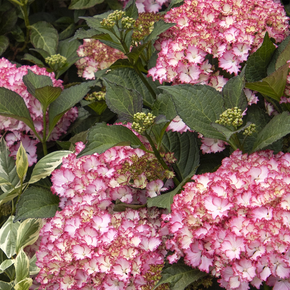
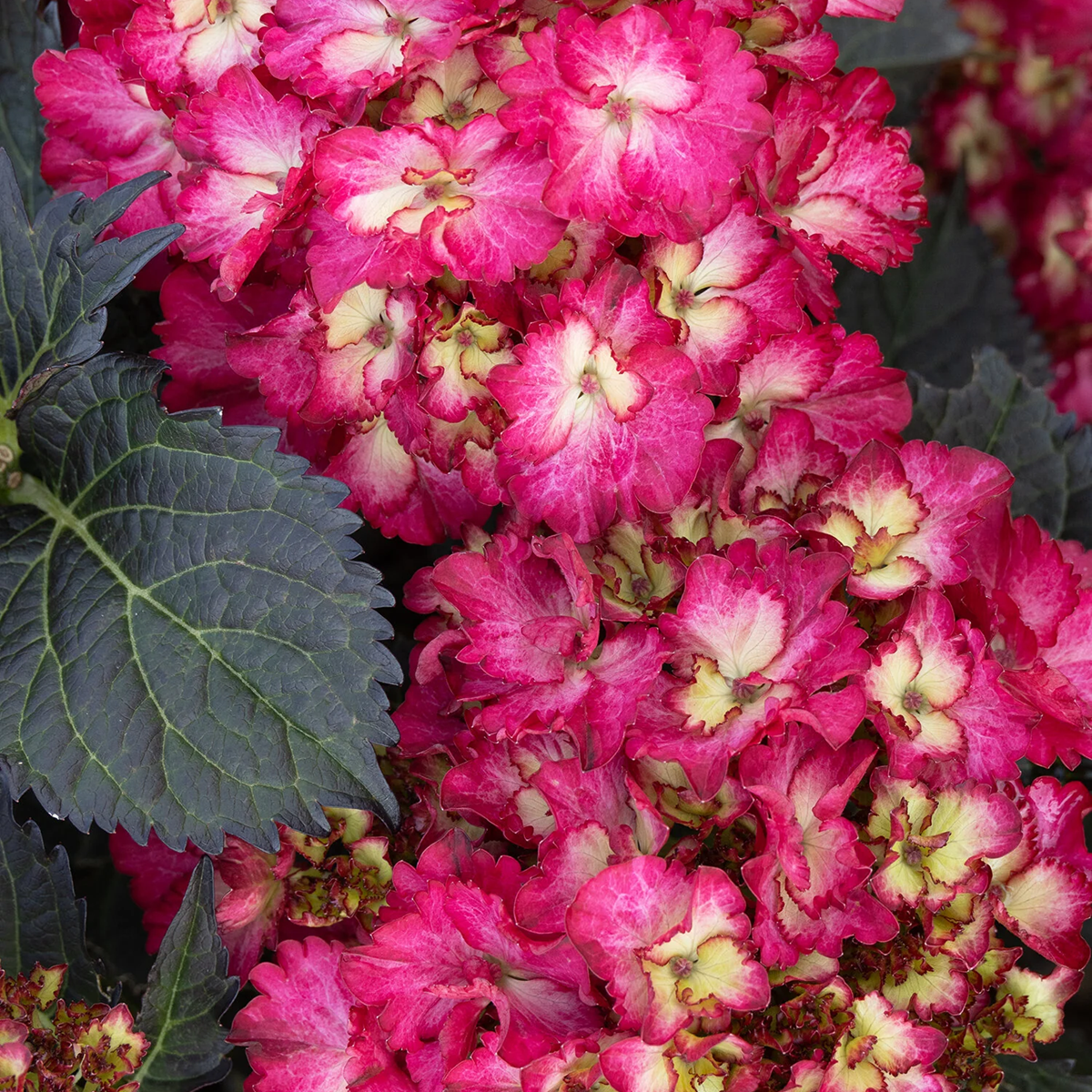
- Showstopping deep magenta mophead blooms with lightly frilled petals and striking light green to white centers put on a repeat performance from early summer through fall, making this one of the most eye-catching reblooming hydrangeas available.
- Exceptionally thick, dark green foliage naturally resists wilting, scorching, and wind damage — delivering a lush, tropical look even on the hottest summer days without extra coddling.
- A naturally compact, dense, rounded form topping out at approximately 3 feet tall and wide makes Hanalei Bay a perfect fit for foundation plantings, mixed borders, low hedges, and large patio containers.
- Sturdy, thick stems support the large, long-lasting mophead clusters beautifully — and cut stems bring florist-quality drama indoors in fresh or dried arrangements.
Seaside Serenade Hanalei Bay Hydrangea (Hydrangea macrophylla 'Hokomapian') is the bold newest addition to the acclaimed Seaside Serenade series of sturdy, reblooming bigleaf hydrangeas, and it may be the most dramatic yet. Hanalei Bay forms a dense, rounded deciduous shrub dressed in fantastically dark, thick, glossy green foliage that serves as a rich backdrop for enormous mophead flower clusters packed with deep magenta, slightly frilled blooms featuring eye-catching light green to white centers. Unlike traditional bigleaf hydrangeas that exhaust themselves in a single flush, this rebloomer delivers multiple waves of color from early summer through fall, flowering reliably on both old and new wood in mild climates. The thick, leathery leaves are notably resilient — resisting wilting, scorching, and wind damage in ways that typical hydrangeas simply cannot match — making Hanalei Bay especially well suited to the warm summers of Southern Oregon and Northern California. Blooms on this variety display rich deep magenta tones that are influenced by soil pH: expect the most saturated magenta-pink hues in neutral to slightly alkaline soils, with blossoms shifting toward deeper, cooler tones in more acidic conditions. Maturing at approximately 3 feet tall and wide, this compact gem thrives in part shade with morning sun and afternoon shelter, in consistently moist, well-drained, organically rich soil. Whether massed along a shaded foundation, tucked into a mixed shrub border, showcased in a large decorative container on a shaded patio, or cut for a stunning floral display, Seaside Serenade Hanalei Bay Hydrangea delivers season-long tropical elegance with the toughness and reliability modern gardeners demand.
Plant Description
Seaside Serenade Hanalei Bay is a deciduous bigleaf hydrangea (Hydrangea macrophylla) and the newest cultivar in the highly regarded Seaside Serenade series. It produces large, globe-shaped mophead flower clusters made up of deep magenta, slightly frilled florets surrounding distinctive light green to white centers — a color combination that gives it an exotic, almost tropical character. The blooms are held upright on notably thick, sturdy stems that resist flopping even when the clusters are fully loaded with flowers. The foliage is equally impressive: extra-thick, broad, glossy dark green leaves cover the entire shrub and provide exceptional resistance to heat-induced wilting, sunscorch, and wind damage that plague many other hydrangeas. The plant forms a tidy, dense, rounded mound and remains deciduous, losing its leaves in winter before rebounding vigorously each spring. As a rebloomer, it will flower in the initial flush on old wood and continue pushing new blooms on new growth throughout the summer and into fall in mild-climate gardens like those found across Southern Oregon and Northern California.
Mature Size
| Characteristic | Measurement |
|---|---|
| Mature Height | Approximately 3 feet |
| Mature Spread | Approximately 3 feet |
| Growth Habit | Dense, compact, rounded mound |
| Growth Rate | Moderate |
| Plant Type | Deciduous flowering shrub |
Hardiness Zones and Climate
Seaside Serenade Hanalei Bay Hydrangea is rated hardy in USDA Zones 5 through 9, making it an excellent choice across a wide range of climates including the mild, maritime-influenced conditions of Southern Oregon and Northern California. It performs beautifully in the moderate summers and mild winters typical of these regions, where it is capable of delivering multiple bloom flushes throughout the season. In the warmest parts of Zone 9, provide afternoon shade to protect both blooms and foliage from intense summer heat. In colder portions of Zone 5, a light layer of mulch around the root zone in late fall helps insulate roots and protect overwintering buds for the following season's bloom. The plant's thick foliage is an asset in both coastal and inland garden settings, standing up to salt-laden breezes and warm afternoons alike.
Sunlight Requirements
For the best combination of lush foliage, plentiful blooms, and flower longevity, plant Seaside Serenade Hanalei Bay in a location that receives morning sun with protection from intense afternoon sun. A site that gets 4 to 6 hours of gentle direct light in the morning followed by dappled or full shade in the afternoon is ideal. In the hotter inland valleys of Southern Oregon and Northern California, afternoon shade is especially important to prevent heat stress and preserve the rich deep magenta color of the blooms, which can bleach or fade under prolonged intense sun. Full shade is generally not recommended, as too little light will result in reduced flowering and a more open, leggy habit. In cooler coastal microclimates, slightly more sun exposure can be tolerated without harm.
Soil and pH Preferences
Hanalei Bay Hydrangea performs best in moist, loamy, well-drained soil that has been enriched with organic matter such as compost or aged bark fines. It does not tolerate waterlogged or compacted soils. Good drainage is essential to prevent root rot, while consistent moisture retention keeps the large leaves and flower clusters fully turgid and lush. As with all Hydrangea macrophylla cultivars, soil pH directly influences bloom color:
- Acidic soil (pH below 6.0) promotes aluminum uptake, shifting flower tones toward cooler, deeper hues and intensifying the magenta toward blue-purple tones.
- Neutral to mildly alkaline soil (pH 6.5 to 7.5) produces the richest, most saturated deep magenta-pink blooms that this variety is known for.
- To lower pH and encourage bluer tones, amend soil with aluminum sulfate or sulfur and water in thoroughly.
- To raise pH and maintain vivid magenta-pink color, apply ground garden lime and work into the top few inches of soil.
Test your soil pH before planting and amend accordingly for predictable, consistent bloom color from season to season.
Watering Guide
Bigleaf hydrangeas have some of the highest water needs of any common landscape shrub, and the Seaside Serenade Hanalei Bay is no exception. Although its thick, leathery foliage is considerably more drought-tolerant than that of standard hydrangeas, consistent moisture is the key to peak performance. Water deeply and thoroughly at least once or twice per week during the growing season, and more frequently during hot, dry spells typical of inland Southern Oregon and Northern California summers. Allow the top inch of soil to guide you — water before the soil fully dries out. Avoid overhead watering when possible, as wet foliage can promote fungal issues; instead, water at the base of the plant. Applying a 2 to 3 inch layer of organic mulch (bark, wood chips, or compost) around the root zone helps retain soil moisture, moderate soil temperature, and reduce watering frequency. Newly planted shrubs require especially attentive watering during the first growing season while the root system establishes. Established plants in-ground are somewhat more tolerant of brief dry periods, but prolonged drought will still cause wilting and reduced blooming.
Fertilizing
Feed Seaside Serenade Hanalei Bay Hydrangea two to three times during the growing season to support vigorous growth and an abundant rebloom cycle. Use a balanced, slow-release granular fertilizer formulated for flowering shrubs or a fertilizer with slightly higher phosphorus to support strong bloom production. Avoid fertilizers with excessively high nitrogen content, as this encourages lush vegetative growth at the expense of flowers.
- Early spring: Apply a balanced slow-release granular fertilizer (such as 10-10-10 or a specialty shrub formula) as new growth emerges to fuel the season ahead.
- Late spring to early summer: A second application just before or at the start of the first bloom flush supports flower development and stem strength.
- Midsummer: A light third feeding after the first bloom flush encourages the reblooming cycle on new wood through late summer and fall.
- Stop fertilizing by late summer to avoid stimulating tender new growth that could be damaged by early frosts.
- If adjusting soil pH for bloom color, apply soil amendments (aluminum sulfate or lime) separately from and at a different time than regular fertilizer applications.
Pruning and Maintenance
Pruning Seaside Serenade Hanalei Bay correctly is important for maintaining its compact, tidy form and maximizing its reblooming potential. Because this variety blooms on both old wood (stems that grew the previous season) and new wood (current season's growth), a light-handed approach is always preferable to hard cutting.
- Deadheading: Remove spent flower clusters promptly throughout the blooming season by cutting just below the spent head to a healthy pair of buds or leaves. This encourages new flowering stems and keeps the plant looking tidy.
- Late winter to early spring cleanup: Before new growth emerges, remove any stems that are clearly dead, damaged, or crossing. Cut dead stems back to their base or to a healthy bud. Leave all healthy, living stems intact — these carry the old-wood buds that produce the first and largest bloom flush of the season.
- Light shaping: If the plant has grown unevenly, lightly trim the outermost tips of healthy stems to shape after the first bloom flush. Never cut more than one-third of the plant's overall size in a single season.
- Avoid heavy fall pruning: Hard pruning in autumn removes old-wood buds that would have produced the spring bloom flush, significantly reducing the following season's flower display.
- General maintenance includes refreshing mulch annually, removing fallen leaves in autumn, and checking stems for winterkill after harsh freezes.
Planting Instructions
- Choose a site with morning sun and afternoon shade, protected from strong winds, with well-drained, organically rich soil.
- Test soil pH before planting and amend as needed to achieve your preferred bloom color range (see Soil and pH Preferences tab).
- Dig a planting hole two to three times as wide as the root ball and just as deep — the top of the root ball should sit level with or very slightly above the surrounding soil grade to ensure good drainage away from the crown.
- Gently loosen any circling or pot-bound roots before placing the plant in the hole.
- Backfill with a mixture of the native soil and compost (roughly 50/50), firming the soil lightly around the roots to eliminate air pockets.
- Water deeply and thoroughly immediately after planting to settle the soil around the roots.
- Apply a 2 to 3 inch layer of organic mulch (bark, shredded leaves, or compost) over the root zone, keeping mulch a few inches away from the main stem to prevent crown rot.
- Water consistently throughout the first growing season — newly planted shrubs require more frequent irrigation until the root system is fully established, typically after one full growing season.
- Space plants approximately 3 feet apart (center to center) for a continuous mass planting, or allow a full 3 feet of clearance from structures, walkways, and other shrubs for individual specimens.
Seasonal Interest
Seaside Serenade Hanalei Bay offers compelling garden interest across multiple seasons, making it a genuinely four-season shrub in mild climates like Southern Oregon and Northern California.
- Spring: Bold, deep green foliage emerges vigorously, filling out quickly into the plant's characteristic dense, rounded mound. The thick, glossy leaves provide lush texture even before blooms appear.
- Early to midsummer: The first and largest bloom flush arrives, with enormous deep magenta mophead clusters emerging from old-wood buds. The contrast between the dark foliage and the rich flower color is spectacular.
- Late summer through fall: New-wood buds produce additional flushes of fresh blooms, extending the flower display well into autumn. As the season progresses, older bloom heads take on attractive warm, dusky tones — ideal for dried arrangements.
- Fall: Spent flower heads develop papery, aged texture and warm vintage hues, offering dried-flower interest on the plant well into the cooler months. These can be cut and used in wreaths or floral arrangements.
- Winter: As a deciduous shrub, Hanalei Bay drops its foliage to reveal a clean, structured woody framework. Dried flower heads may persist attractively through winter if left on the plant.
Landscape Uses
Seaside Serenade Hanalei Bay's compact size, extraordinary foliage toughness, and spectacular repeat blooming make it one of the most versatile bigleaf hydrangeas available for Southern Oregon and Northern California gardens. Suggested uses include:
- Foundation plantings: Its compact, predictable size and lush dark foliage make it an excellent choice for planting along home foundations under eaves or in north- and east-facing exposures.
- Mixed shrub borders: Pairs beautifully with shade-tolerant companions in layered border plantings. The dark foliage provides a rich contrast to lighter-textured plants.
- Low informal hedges: When massed, Hanalei Bay creates a stunning flowering hedge that requires minimal maintenance to stay looking polished.
- Shaded patio or courtyard accent: The compact habit and tropical aesthetic make it a focal-point shrub for shaded outdoor entertaining spaces.
- Container growing: Thrives in large decorative containers on shaded patios, decks, and entryways — especially where in-ground planting space is limited.
- Cut flower garden: The large, long-lasting mophead clusters cut beautifully for fresh bouquets and also dry exceptionally well for long-lasting dried floral displays.
- Coastal gardens: The thick, wind-resistant foliage makes this an unusually suitable hydrangea for coastal planting strips and gardens exposed to salt air and sea breezes.
Companion Plants
Seaside Serenade Hanalei Bay's dark foliage, rich magenta blooms, and shade-preferring nature make it an easy plant to pair with a wide range of complementary shade and part-shade garden plants. Excellent companions include:
- Hostas: Their bold, textured foliage in blue-green, gold, or variegated tones creates a stunning contrast with Hanalei Bay's dark glossy leaves and deep magenta blooms.
- Japanese Forest Grass (Hakonechloa macra): The flowing, arching golden-yellow or variegated foliage of this ornamental grass adds softness and movement around the base of the hydrangea.
- Astilbe: Feathery plumes in pink, white, red, or purple provide vertical interest and bloom at a complementary time, filling the shade garden with color alongside the hydrangea.
- Ferns (Dryopteris, Polystichum, Athyrium): Lacy, architectural fern fronds create a fine-textured foil for the large, bold leaves of the hydrangea and thrive in the same moist, shaded conditions.
- Heuchera (Coral Bells): Colorful, low-mounding foliage in burgundy, caramel, or lime green offers striking color contrast at the feet of the hydrangea without competing for water or nutrients.
- Hellebores: These early-blooming shade perennials bridge the gap between winter and the hydrangea's spring leafout, offering year-round interest in the same planting bed.
- Rhododendrons and Azaleas: Fellow acid-to-neutral-soil lovers, these flowering shrubs pair naturally with hydrangeas in shaded woodland-style gardens and share similar care requirements.
- Tiarella and Epimedium: Low, spreading groundcovers that thrive in the dry shade beneath shrubs, filling gaps and suppressing weeds without crowding Hanalei Bay's root zone.
Container Growing
Seaside Serenade Hanalei Bay is exceptionally well suited to container culture, making it an outstanding choice for shaded patios, covered entryways, courtyard gardens, and rental spaces where in-ground planting is not possible. Follow these guidelines for success:
- Container size: Choose a large, heavy container with a minimum capacity of 15 to 20 gallons. Larger is better — a generous root zone helps buffer temperature extremes and reduces the frequency of watering needed.
- Drainage: Ensure the container has multiple large drainage holes. Standing water at the root zone is the most common cause of container hydrangea failure.
- Potting mix: Use a high-quality, well-draining potting mix enriched with compost. Adding perlite (about 20% by volume) improves drainage and aeration.
- Watering: Container plants dry out significantly faster than in-ground plants. Check soil moisture daily in summer and water thoroughly whenever the top 1 to 2 inches of soil are dry. Never allow the pot to completely dry out.
- Fertilizing: Container plants benefit from more frequent light feeding than in-ground specimens — apply a balanced liquid fertilizer every 3 to 4 weeks during the growing season, or use a slow-release granular fertilizer at the start of each season.
- Winter care: In areas with freezing winters, move containers to a sheltered, unheated space (such as a garage or covered porch) to prevent root damage from repeated freeze-thaw cycles. The roots in containers are far more vulnerable to freezing than roots insulated in the ground.
- Repotting: Repot every 2 to 3 years or whenever roots begin to circle the bottom of the container, stepping up to the next size pot and refreshing the potting mix.
Pests and Diseases
Seaside Serenade Hanalei Bay's thick, leathery foliage offers improved resistance to many of the common issues that affect standard bigleaf hydrangeas, but awareness of potential problems will help keep your plant at its best.
- Powdery mildew: A white, powdery fungal coating may appear on leaves in conditions of poor airflow and high humidity. Ensure adequate spacing between plants, avoid overhead watering, and apply a preventive fungicide if necessary. The Seaside Serenade series' thicker foliage provides some natural resistance.
- Leaf spot (Cercospora and Botrytis): Brown or tan spots with dark borders can develop during extended wet, humid periods. Remove and dispose of affected foliage promptly, avoid wetting leaves when watering, and apply a copper-based fungicide if the problem persists.
- Aphids: These soft-bodied insects may colonize new growth in spring, causing curled or distorted leaves. A strong blast of water from a hose is usually sufficient to dislodge them; persistent infestations can be treated with insecticidal soap.
- Spider mites: Most likely to appear during hot, dry weather. Look for fine webbing and stippled, discolored leaves. Increase humidity around the plant by watering consistently and treat with miticide or neem oil if needed.
- Scale insects: Armored or soft scales can attach to stems and reduce plant vigor. Treat with horticultural oil applied during dormancy or during active crawler stages.
- Deer: Bigleaf hydrangeas are moderately palatable to deer. In high-pressure areas, temporary fencing or deer repellent sprays may be needed to protect new growth in spring.
- Root rot (Phytophthora): Caused by poorly drained or constantly saturated soil. Always plant in well-drained soil or containers with excellent drainage, and avoid overwatering, especially in clay-heavy soils.
Cut Flower and Drying Use
One of the standout attributes of Seaside Serenade Hanalei Bay is the exceptional quality of its blooms as cut flowers and dried specimens. The thick, waxy sepals that give this variety its weather resistance also make its blooms extraordinarily long-lasting after cutting.
- Cutting for fresh arrangements: Cut stems early in the morning when temperatures are cool, choosing fully open mopheads that have reached their mature color. Use sharp, clean pruning shears and cut stems at a 45-degree angle. Immediately place cut stems in cool water. Re-cut stems underwater just before arranging to improve water uptake. Fresh blooms can last 1 to 2 weeks in a vase with regular water changes.
- Conditioning fresh cuts: Some gardeners recommend removing all foliage from the cut portion of the stem and briefly searing the cut end in boiling water for 30 seconds before placing in a vase to maximize vase life.
- Drying blooms: For dried arrangements, allow flower heads to mature on the plant until the petals take on a papery, parchment texture (typically late summer to early fall). Cut and hang upside down in a cool, dry location with good airflow for 2 to 3 weeks. Alternatively, stand cut stems in a small amount of water and allow it to slowly evaporate — this method produces dried blooms with excellent color and form retention.
- Dried arrangement use: Dried Hanalei Bay blooms retain warm, dusty pink and antique green tones and pair beautifully with dried grasses, seed heads, and eucalyptus in wreaths, swags, and centerpieces.
Wildlife Value
While Seaside Serenade Hanalei Bay is primarily a garden ornamental, it does offer modest but meaningful wildlife value in the landscape.
- Pollinators: The fertile inner flowers at the center of each mophead cluster, visible within the ring of showy sterile florets, attract bees and other beneficial insects seeking nectar and pollen during the long bloom season.
- Butterflies: Bigleaf hydrangeas are occasionally visited by butterflies, particularly species that favor shaded, moist garden environments.
- Birds: Dense hydrangea shrubs provide valuable nesting and sheltering habitat for songbirds. The branching structure offers protection from predators and weather throughout the year, even during dormancy when the woody framework remains in place.
- Deer note: While not a preferred browse plant, deer may nibble on tender spring growth when food sources are scarce. The thick foliage of the Seaside Serenade series is somewhat less appealing to deer than softer-leaved hydrangeas, but protection may still be warranted in high-pressure areas.
- Toxicity note: All parts of Hydrangea macrophylla contain low levels of cyanogenic glycosides and should be considered mildly toxic to pets (dogs and cats) and humans if ingested in quantity. Plant accordingly in households with curious pets or young children.
- Showstopping deep magenta mophead blooms with lightly frilled petals and striking light green to white centers put on a repeat performance from early summer through fall, making this one of the most eye-catching reblooming hydrangeas available.
- Exceptionally thick, dark green foliage naturally resists wilting, scorching, and wind damage — delivering a lush, tropical look even on the hottest summer days without extra coddling.
- A naturally compact, dense, rounded form topping out at approximately 3 feet tall and wide makes Hanalei Bay a perfect fit for foundation plantings, mixed borders, low hedges, and large patio containers.
- Sturdy, thick stems support the large, long-lasting mophead clusters beautifully — and cut stems bring florist-quality drama indoors in fresh or dried arrangements.
Seaside Serenade Hanalei Bay Hydrangea (Hydrangea macrophylla 'Hokomapian') is the bold newest addition to the acclaimed Seaside Serenade series of sturdy, reblooming bigleaf hydrangeas, and it may be the most dramatic yet. Hanalei Bay forms a dense, rounded deciduous shrub dressed in fantastically dark, thick, glossy green foliage that serves as a rich backdrop for enormous mophead flower clusters packed with deep magenta, slightly frilled blooms featuring eye-catching light green to white centers. Unlike traditional bigleaf hydrangeas that exhaust themselves in a single flush, this rebloomer delivers multiple waves of color from early summer through fall, flowering reliably on both old and new wood in mild climates. The thick, leathery leaves are notably resilient — resisting wilting, scorching, and wind damage in ways that typical hydrangeas simply cannot match — making Hanalei Bay especially well suited to the warm summers of Southern Oregon and Northern California. Blooms on this variety display rich deep magenta tones that are influenced by soil pH: expect the most saturated magenta-pink hues in neutral to slightly alkaline soils, with blossoms shifting toward deeper, cooler tones in more acidic conditions. Maturing at approximately 3 feet tall and wide, this compact gem thrives in part shade with morning sun and afternoon shelter, in consistently moist, well-drained, organically rich soil. Whether massed along a shaded foundation, tucked into a mixed shrub border, showcased in a large decorative container on a shaded patio, or cut for a stunning floral display, Seaside Serenade Hanalei Bay Hydrangea delivers season-long tropical elegance with the toughness and reliability modern gardeners demand.
Plant Description
Seaside Serenade Hanalei Bay is a deciduous bigleaf hydrangea (Hydrangea macrophylla) and the newest cultivar in the highly regarded Seaside Serenade series. It produces large, globe-shaped mophead flower clusters made up of deep magenta, slightly frilled florets surrounding distinctive light green to white centers — a color combination that gives it an exotic, almost tropical character. The blooms are held upright on notably thick, sturdy stems that resist flopping even when the clusters are fully loaded with flowers. The foliage is equally impressive: extra-thick, broad, glossy dark green leaves cover the entire shrub and provide exceptional resistance to heat-induced wilting, sunscorch, and wind damage that plague many other hydrangeas. The plant forms a tidy, dense, rounded mound and remains deciduous, losing its leaves in winter before rebounding vigorously each spring. As a rebloomer, it will flower in the initial flush on old wood and continue pushing new blooms on new growth throughout the summer and into fall in mild-climate gardens like those found across Southern Oregon and Northern California.
Mature Size
| Characteristic | Measurement |
|---|---|
| Mature Height | Approximately 3 feet |
| Mature Spread | Approximately 3 feet |
| Growth Habit | Dense, compact, rounded mound |
| Growth Rate | Moderate |
| Plant Type | Deciduous flowering shrub |
Hardiness Zones and Climate
Seaside Serenade Hanalei Bay Hydrangea is rated hardy in USDA Zones 5 through 9, making it an excellent choice across a wide range of climates including the mild, maritime-influenced conditions of Southern Oregon and Northern California. It performs beautifully in the moderate summers and mild winters typical of these regions, where it is capable of delivering multiple bloom flushes throughout the season. In the warmest parts of Zone 9, provide afternoon shade to protect both blooms and foliage from intense summer heat. In colder portions of Zone 5, a light layer of mulch around the root zone in late fall helps insulate roots and protect overwintering buds for the following season's bloom. The plant's thick foliage is an asset in both coastal and inland garden settings, standing up to salt-laden breezes and warm afternoons alike.
Sunlight Requirements
For the best combination of lush foliage, plentiful blooms, and flower longevity, plant Seaside Serenade Hanalei Bay in a location that receives morning sun with protection from intense afternoon sun. A site that gets 4 to 6 hours of gentle direct light in the morning followed by dappled or full shade in the afternoon is ideal. In the hotter inland valleys of Southern Oregon and Northern California, afternoon shade is especially important to prevent heat stress and preserve the rich deep magenta color of the blooms, which can bleach or fade under prolonged intense sun. Full shade is generally not recommended, as too little light will result in reduced flowering and a more open, leggy habit. In cooler coastal microclimates, slightly more sun exposure can be tolerated without harm.
Soil and pH Preferences
Hanalei Bay Hydrangea performs best in moist, loamy, well-drained soil that has been enriched with organic matter such as compost or aged bark fines. It does not tolerate waterlogged or compacted soils. Good drainage is essential to prevent root rot, while consistent moisture retention keeps the large leaves and flower clusters fully turgid and lush. As with all Hydrangea macrophylla cultivars, soil pH directly influences bloom color:
- Acidic soil (pH below 6.0) promotes aluminum uptake, shifting flower tones toward cooler, deeper hues and intensifying the magenta toward blue-purple tones.
- Neutral to mildly alkaline soil (pH 6.5 to 7.5) produces the richest, most saturated deep magenta-pink blooms that this variety is known for.
- To lower pH and encourage bluer tones, amend soil with aluminum sulfate or sulfur and water in thoroughly.
- To raise pH and maintain vivid magenta-pink color, apply ground garden lime and work into the top few inches of soil.
Test your soil pH before planting and amend accordingly for predictable, consistent bloom color from season to season.
Watering Guide
Bigleaf hydrangeas have some of the highest water needs of any common landscape shrub, and the Seaside Serenade Hanalei Bay is no exception. Although its thick, leathery foliage is considerably more drought-tolerant than that of standard hydrangeas, consistent moisture is the key to peak performance. Water deeply and thoroughly at least once or twice per week during the growing season, and more frequently during hot, dry spells typical of inland Southern Oregon and Northern California summers. Allow the top inch of soil to guide you — water before the soil fully dries out. Avoid overhead watering when possible, as wet foliage can promote fungal issues; instead, water at the base of the plant. Applying a 2 to 3 inch layer of organic mulch (bark, wood chips, or compost) around the root zone helps retain soil moisture, moderate soil temperature, and reduce watering frequency. Newly planted shrubs require especially attentive watering during the first growing season while the root system establishes. Established plants in-ground are somewhat more tolerant of brief dry periods, but prolonged drought will still cause wilting and reduced blooming.
Fertilizing
Feed Seaside Serenade Hanalei Bay Hydrangea two to three times during the growing season to support vigorous growth and an abundant rebloom cycle. Use a balanced, slow-release granular fertilizer formulated for flowering shrubs or a fertilizer with slightly higher phosphorus to support strong bloom production. Avoid fertilizers with excessively high nitrogen content, as this encourages lush vegetative growth at the expense of flowers.
- Early spring: Apply a balanced slow-release granular fertilizer (such as 10-10-10 or a specialty shrub formula) as new growth emerges to fuel the season ahead.
- Late spring to early summer: A second application just before or at the start of the first bloom flush supports flower development and stem strength.
- Midsummer: A light third feeding after the first bloom flush encourages the reblooming cycle on new wood through late summer and fall.
- Stop fertilizing by late summer to avoid stimulating tender new growth that could be damaged by early frosts.
- If adjusting soil pH for bloom color, apply soil amendments (aluminum sulfate or lime) separately from and at a different time than regular fertilizer applications.
Pruning and Maintenance
Pruning Seaside Serenade Hanalei Bay correctly is important for maintaining its compact, tidy form and maximizing its reblooming potential. Because this variety blooms on both old wood (stems that grew the previous season) and new wood (current season's growth), a light-handed approach is always preferable to hard cutting.
- Deadheading: Remove spent flower clusters promptly throughout the blooming season by cutting just below the spent head to a healthy pair of buds or leaves. This encourages new flowering stems and keeps the plant looking tidy.
- Late winter to early spring cleanup: Before new growth emerges, remove any stems that are clearly dead, damaged, or crossing. Cut dead stems back to their base or to a healthy bud. Leave all healthy, living stems intact — these carry the old-wood buds that produce the first and largest bloom flush of the season.
- Light shaping: If the plant has grown unevenly, lightly trim the outermost tips of healthy stems to shape after the first bloom flush. Never cut more than one-third of the plant's overall size in a single season.
- Avoid heavy fall pruning: Hard pruning in autumn removes old-wood buds that would have produced the spring bloom flush, significantly reducing the following season's flower display.
- General maintenance includes refreshing mulch annually, removing fallen leaves in autumn, and checking stems for winterkill after harsh freezes.
Planting Instructions
- Choose a site with morning sun and afternoon shade, protected from strong winds, with well-drained, organically rich soil.
- Test soil pH before planting and amend as needed to achieve your preferred bloom color range (see Soil and pH Preferences tab).
- Dig a planting hole two to three times as wide as the root ball and just as deep — the top of the root ball should sit level with or very slightly above the surrounding soil grade to ensure good drainage away from the crown.
- Gently loosen any circling or pot-bound roots before placing the plant in the hole.
- Backfill with a mixture of the native soil and compost (roughly 50/50), firming the soil lightly around the roots to eliminate air pockets.
- Water deeply and thoroughly immediately after planting to settle the soil around the roots.
- Apply a 2 to 3 inch layer of organic mulch (bark, shredded leaves, or compost) over the root zone, keeping mulch a few inches away from the main stem to prevent crown rot.
- Water consistently throughout the first growing season — newly planted shrubs require more frequent irrigation until the root system is fully established, typically after one full growing season.
- Space plants approximately 3 feet apart (center to center) for a continuous mass planting, or allow a full 3 feet of clearance from structures, walkways, and other shrubs for individual specimens.
Seasonal Interest
Seaside Serenade Hanalei Bay offers compelling garden interest across multiple seasons, making it a genuinely four-season shrub in mild climates like Southern Oregon and Northern California.
- Spring: Bold, deep green foliage emerges vigorously, filling out quickly into the plant's characteristic dense, rounded mound. The thick, glossy leaves provide lush texture even before blooms appear.
- Early to midsummer: The first and largest bloom flush arrives, with enormous deep magenta mophead clusters emerging from old-wood buds. The contrast between the dark foliage and the rich flower color is spectacular.
- Late summer through fall: New-wood buds produce additional flushes of fresh blooms, extending the flower display well into autumn. As the season progresses, older bloom heads take on attractive warm, dusky tones — ideal for dried arrangements.
- Fall: Spent flower heads develop papery, aged texture and warm vintage hues, offering dried-flower interest on the plant well into the cooler months. These can be cut and used in wreaths or floral arrangements.
- Winter: As a deciduous shrub, Hanalei Bay drops its foliage to reveal a clean, structured woody framework. Dried flower heads may persist attractively through winter if left on the plant.
Landscape Uses
Seaside Serenade Hanalei Bay's compact size, extraordinary foliage toughness, and spectacular repeat blooming make it one of the most versatile bigleaf hydrangeas available for Southern Oregon and Northern California gardens. Suggested uses include:
- Foundation plantings: Its compact, predictable size and lush dark foliage make it an excellent choice for planting along home foundations under eaves or in north- and east-facing exposures.
- Mixed shrub borders: Pairs beautifully with shade-tolerant companions in layered border plantings. The dark foliage provides a rich contrast to lighter-textured plants.
- Low informal hedges: When massed, Hanalei Bay creates a stunning flowering hedge that requires minimal maintenance to stay looking polished.
- Shaded patio or courtyard accent: The compact habit and tropical aesthetic make it a focal-point shrub for shaded outdoor entertaining spaces.
- Container growing: Thrives in large decorative containers on shaded patios, decks, and entryways — especially where in-ground planting space is limited.
- Cut flower garden: The large, long-lasting mophead clusters cut beautifully for fresh bouquets and also dry exceptionally well for long-lasting dried floral displays.
- Coastal gardens: The thick, wind-resistant foliage makes this an unusually suitable hydrangea for coastal planting strips and gardens exposed to salt air and sea breezes.
Companion Plants
Seaside Serenade Hanalei Bay's dark foliage, rich magenta blooms, and shade-preferring nature make it an easy plant to pair with a wide range of complementary shade and part-shade garden plants. Excellent companions include:
- Hostas: Their bold, textured foliage in blue-green, gold, or variegated tones creates a stunning contrast with Hanalei Bay's dark glossy leaves and deep magenta blooms.
- Japanese Forest Grass (Hakonechloa macra): The flowing, arching golden-yellow or variegated foliage of this ornamental grass adds softness and movement around the base of the hydrangea.
- Astilbe: Feathery plumes in pink, white, red, or purple provide vertical interest and bloom at a complementary time, filling the shade garden with color alongside the hydrangea.
- Ferns (Dryopteris, Polystichum, Athyrium): Lacy, architectural fern fronds create a fine-textured foil for the large, bold leaves of the hydrangea and thrive in the same moist, shaded conditions.
- Heuchera (Coral Bells): Colorful, low-mounding foliage in burgundy, caramel, or lime green offers striking color contrast at the feet of the hydrangea without competing for water or nutrients.
- Hellebores: These early-blooming shade perennials bridge the gap between winter and the hydrangea's spring leafout, offering year-round interest in the same planting bed.
- Rhododendrons and Azaleas: Fellow acid-to-neutral-soil lovers, these flowering shrubs pair naturally with hydrangeas in shaded woodland-style gardens and share similar care requirements.
- Tiarella and Epimedium: Low, spreading groundcovers that thrive in the dry shade beneath shrubs, filling gaps and suppressing weeds without crowding Hanalei Bay's root zone.
Container Growing
Seaside Serenade Hanalei Bay is exceptionally well suited to container culture, making it an outstanding choice for shaded patios, covered entryways, courtyard gardens, and rental spaces where in-ground planting is not possible. Follow these guidelines for success:
- Container size: Choose a large, heavy container with a minimum capacity of 15 to 20 gallons. Larger is better — a generous root zone helps buffer temperature extremes and reduces the frequency of watering needed.
- Drainage: Ensure the container has multiple large drainage holes. Standing water at the root zone is the most common cause of container hydrangea failure.
- Potting mix: Use a high-quality, well-draining potting mix enriched with compost. Adding perlite (about 20% by volume) improves drainage and aeration.
- Watering: Container plants dry out significantly faster than in-ground plants. Check soil moisture daily in summer and water thoroughly whenever the top 1 to 2 inches of soil are dry. Never allow the pot to completely dry out.
- Fertilizing: Container plants benefit from more frequent light feeding than in-ground specimens — apply a balanced liquid fertilizer every 3 to 4 weeks during the growing season, or use a slow-release granular fertilizer at the start of each season.
- Winter care: In areas with freezing winters, move containers to a sheltered, unheated space (such as a garage or covered porch) to prevent root damage from repeated freeze-thaw cycles. The roots in containers are far more vulnerable to freezing than roots insulated in the ground.
- Repotting: Repot every 2 to 3 years or whenever roots begin to circle the bottom of the container, stepping up to the next size pot and refreshing the potting mix.
Pests and Diseases
Seaside Serenade Hanalei Bay's thick, leathery foliage offers improved resistance to many of the common issues that affect standard bigleaf hydrangeas, but awareness of potential problems will help keep your plant at its best.
- Powdery mildew: A white, powdery fungal coating may appear on leaves in conditions of poor airflow and high humidity. Ensure adequate spacing between plants, avoid overhead watering, and apply a preventive fungicide if necessary. The Seaside Serenade series' thicker foliage provides some natural resistance.
- Leaf spot (Cercospora and Botrytis): Brown or tan spots with dark borders can develop during extended wet, humid periods. Remove and dispose of affected foliage promptly, avoid wetting leaves when watering, and apply a copper-based fungicide if the problem persists.
- Aphids: These soft-bodied insects may colonize new growth in spring, causing curled or distorted leaves. A strong blast of water from a hose is usually sufficient to dislodge them; persistent infestations can be treated with insecticidal soap.
- Spider mites: Most likely to appear during hot, dry weather. Look for fine webbing and stippled, discolored leaves. Increase humidity around the plant by watering consistently and treat with miticide or neem oil if needed.
- Scale insects: Armored or soft scales can attach to stems and reduce plant vigor. Treat with horticultural oil applied during dormancy or during active crawler stages.
- Deer: Bigleaf hydrangeas are moderately palatable to deer. In high-pressure areas, temporary fencing or deer repellent sprays may be needed to protect new growth in spring.
- Root rot (Phytophthora): Caused by poorly drained or constantly saturated soil. Always plant in well-drained soil or containers with excellent drainage, and avoid overwatering, especially in clay-heavy soils.
Cut Flower and Drying Use
One of the standout attributes of Seaside Serenade Hanalei Bay is the exceptional quality of its blooms as cut flowers and dried specimens. The thick, waxy sepals that give this variety its weather resistance also make its blooms extraordinarily long-lasting after cutting.
- Cutting for fresh arrangements: Cut stems early in the morning when temperatures are cool, choosing fully open mopheads that have reached their mature color. Use sharp, clean pruning shears and cut stems at a 45-degree angle. Immediately place cut stems in cool water. Re-cut stems underwater just before arranging to improve water uptake. Fresh blooms can last 1 to 2 weeks in a vase with regular water changes.
- Conditioning fresh cuts: Some gardeners recommend removing all foliage from the cut portion of the stem and briefly searing the cut end in boiling water for 30 seconds before placing in a vase to maximize vase life.
- Drying blooms: For dried arrangements, allow flower heads to mature on the plant until the petals take on a papery, parchment texture (typically late summer to early fall). Cut and hang upside down in a cool, dry location with good airflow for 2 to 3 weeks. Alternatively, stand cut stems in a small amount of water and allow it to slowly evaporate — this method produces dried blooms with excellent color and form retention.
- Dried arrangement use: Dried Hanalei Bay blooms retain warm, dusty pink and antique green tones and pair beautifully with dried grasses, seed heads, and eucalyptus in wreaths, swags, and centerpieces.
Wildlife Value
While Seaside Serenade Hanalei Bay is primarily a garden ornamental, it does offer modest but meaningful wildlife value in the landscape.
- Pollinators: The fertile inner flowers at the center of each mophead cluster, visible within the ring of showy sterile florets, attract bees and other beneficial insects seeking nectar and pollen during the long bloom season.
- Butterflies: Bigleaf hydrangeas are occasionally visited by butterflies, particularly species that favor shaded, moist garden environments.
- Birds: Dense hydrangea shrubs provide valuable nesting and sheltering habitat for songbirds. The branching structure offers protection from predators and weather throughout the year, even during dormancy when the woody framework remains in place.
- Deer note: While not a preferred browse plant, deer may nibble on tender spring growth when food sources are scarce. The thick foliage of the Seaside Serenade series is somewhat less appealing to deer than softer-leaved hydrangeas, but protection may still be warranted in high-pressure areas.
- Toxicity note: All parts of Hydrangea macrophylla contain low levels of cyanogenic glycosides and should be considered mildly toxic to pets (dogs and cats) and humans if ingested in quantity. Plant accordingly in households with curious pets or young children.