

Zoom the image with the mouse
Seaside Serenade Cape Hatteras Hydrangea - 2 Gallon
SKU:
2059550
UPC:
014949445457
$37.99
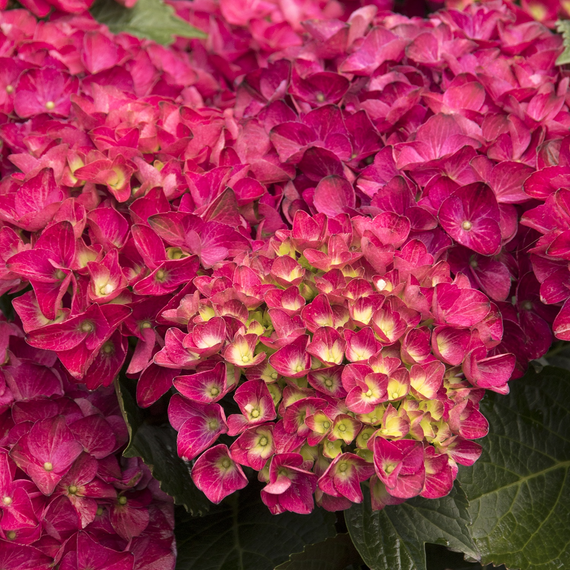
- Stunning ruby red mophead blooms that hold their bold, true color regardless of soil pH — no guesswork, just reliable season-long color from late spring through summer.
- Compact, tidy habit reaching just 3 to 4 feet tall and wide, making it a perfect fit for foundation beds, mixed borders, smaller garden spaces, and large patio containers.
- Exceptionally sturdy stems and thick, bright green foliage keep the large flower heads upright without flopping — ideal for fresh-cut flower arrangements as well as garden display.
- A true rebloomer that produces successive flushes of flowers from late spring through late summer, delivering consistent color impact across multiple seasons.
Seaside Serenade Cape Hatteras Hydrangea (Hydrangea macrophylla 'HORTHAT') is a standout compact bigleaf hydrangea that sets itself apart with its extraordinary, long-lasting ruby red mophead blooms — a color that remains bold and unwavering regardless of soil pH, making it a uniquely reliable choice for gardeners who want vibrant, predictable performance season after season. Part of the acclaimed Seaside Serenade series, Cape Hatteras was bred for superior hardiness, improved stem strength, and a naturally tidy, rounded habit that fits effortlessly into foundation plantings, mixed shrub borders, cottage gardens, and even large decorative containers. The large, rounded flower clusters emerge from distinctive chartreuse buds in late spring and continue reblooming through late summer atop notably stiff, upright stems that resist flopping even under the weight of the generous blooms. Thick, glossy forest-green foliage adds textural interest throughout the growing season and provides a lush, rich backdrop that makes the vivid ruby flowers pop. Thriving in USDA Hardiness Zones 5 through 9, this adaptable deciduous shrub performs beautifully across a wide range of climates when sited in a location with morning sun and afternoon shade, and when given consistently moist, well-drained, humus-rich soil. With its exceptional cut flower quality, rebloom potential, compact landscape footprint, and pH-stable color, Seaside Serenade Cape Hatteras Hydrangea is an outstanding choice for Southern Oregon and Northern California gardens seeking bold summer color with minimal fuss.
Plant Description
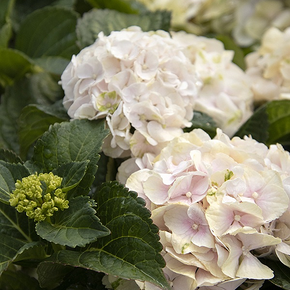
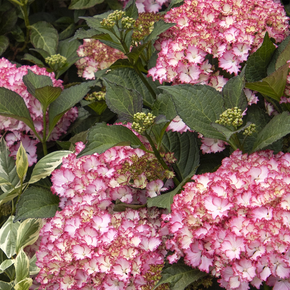
Seaside Serenade Cape Hatteras is a deciduous, multi-stemmed bigleaf hydrangea bearing large, rounded mophead flower clusters in a striking, long-lasting ruby red. The blooms emerge from distinctive chartreuse buds in late spring and continue through late summer, providing an extended season of vivid color. One of the most notable traits of this cultivar is that its ruby red flower color is not influenced by soil pH — it remains stable and vibrant regardless of whether the soil is acidic or alkaline, which distinguishes it from many other Hydrangea macrophylla varieties whose colors shift with soil chemistry. The flower heads are held upright on notably sturdy, thick stems that resist flopping, making them equally valuable as landscape plants and as cut flowers. Foliage is glossy, forest green, and coarsely textured, providing a bold, attractive backdrop to the blooms throughout the growing season. The plant has a naturally rounded, compact form and a relatively coarse texture in the landscape, which helps it stand out among plants with finer foliage.
Mature Size
| Attribute | Measurement |
|---|---|
| Mature Height | 3 to 4 feet |
| Mature Spread | 3 to 4 feet |
| Growth Rate | Fast |
| Form | Rounded, compact, multi-stemmed |
| Expected Lifespan | Approximately 20 years under ideal conditions |
The compact habit of Cape Hatteras makes it an ideal fit under windows, along walkways, and in smaller garden beds where larger hydrangeas would quickly outgrow their space. Its tidy, rounded form requires minimal pruning to maintain shape.
Hardiness Zones and Climate
Seaside Serenade Cape Hatteras Hydrangea is hardy in USDA Zones 5 through 9, which encompasses a broad range of climates from cold northern regions through warm Southern and Pacific Coast gardens. It is well suited to the mild, maritime-influenced climates of Southern Oregon and Northern California, where moderate winters and warm summers allow it to thrive with minimal cold protection. In areas with occasional late frosts, some protection of the swelling spring buds may be warranted, as late frost damage to emerging buds can reduce the first flush of blooms. This cultivar is notably tolerant of urban pollution and can thrive in inner-city garden environments. Siting in a sheltered location away from cold, drying winds will help the plant perform at its best in colder portions of its hardiness range.
Sunlight Requirements
Cape Hatteras Hydrangea performs best when given morning sun with afternoon shade. In the mild coastal and inland valley climates of Southern Oregon and Northern California, it can tolerate more sun exposure than in hotter southern regions, but direct afternoon sun — especially on south- or west-facing exposures with reflected heat — can scorch the large leaves and cause premature wilting of the blooms. Aim for a site that receives approximately 4 to 6 hours of direct sun in the cooler morning hours. In warmer inland locations, an eastern exposure or the filtered shade of taller trees provides ideal conditions. Deep shade should be avoided, as it will significantly reduce flowering. Dappled or partial shade beneath deciduous trees is generally acceptable and often produces excellent results.
Soil and pH Preferences
This hydrangea grows best in moist, well-drained soil that is rich in organic matter. It prefers slightly acidic to neutral soil (pH 5.5 to 7.0) for optimal overall health and nutrient uptake. Unlike most Hydrangea macrophylla cultivars, whose flower color shifts dramatically with soil pH, Cape Hatteras maintains its true ruby red color across a wide pH range — so gardeners do not need to acidify their soil to achieve the desired bloom color. However, maintaining a slightly acidic pH will support healthy growth and vigorous flowering by optimizing nutrient availability. Amend heavy clay soils with compost to improve drainage, and consider planting slightly high (with the root ball just above the surrounding soil grade) in poorly draining sites to prevent waterlogging. Sandy soils should be enriched with generous amounts of organic matter to improve moisture retention. A regular top-dressing of compost in spring will help maintain ideal soil structure and fertility over time.
Watering Guide
Consistent, even moisture is essential for healthy growth and abundant blooming. Cape Hatteras Hydrangea is not drought-tolerant and will show stress quickly through wilting of its large leaves if allowed to dry out, particularly during hot summer weather. Water deeply and thoroughly at the root zone, allowing water to penetrate at least 8 to 10 inches into the soil. Avoid frequent shallow watering, which encourages shallow root development. During the active growing season, water regularly — approximately once or twice per week in the absence of rainfall, adjusting for local conditions and summer heat. A 2 to 3 inch layer of organic mulch spread around the root zone (kept away from direct contact with the stems) will greatly help retain soil moisture, moderate soil temperature, and reduce watering frequency. Reduce watering in fall as the plant prepares for dormancy. Avoid overhead watering when possible, as wet foliage can promote fungal diseases.
Fertilizing
Feed Seaside Serenade Cape Hatteras Hydrangea in spring, just as new growth begins to emerge, with a balanced, slow-release granular fertilizer formulated for flowering shrubs. A product with an NPK ratio around 10-10-10 or a fertilizer specifically formulated for hydrangeas and acid-loving shrubs works well. A second, lighter application can be made in early summer to support continued reblooming. Avoid fertilizing after midsummer (late July or August), as late-season feeding can stimulate soft new growth that is susceptible to frost damage and may interfere with the plant's natural hardening off for winter. Do not over-fertilize with nitrogen-heavy products, as excessive nitrogen promotes lush leafy growth at the expense of flowers. An annual top-dressing of composted organic matter in spring is also beneficial for long-term soil health and plant vigor. Because the bloom color of Cape Hatteras is pH-stable, there is no need to apply aluminum sulfate to manipulate flower color.
Pruning and Maintenance
Because Cape Hatteras Hydrangea blooms primarily on old wood (stems produced during the previous growing season), timing is critical when it comes to pruning. Follow these guidelines to preserve the most blooms:
- Do not prune in fall or early spring — this removes the flower buds that formed on last season's wood and will result in a season with few or no blooms.
- Prune only after flowering — the best time to perform any shaping or deadheading is immediately after the first flush of blooms fades, typically in mid to late summer.
- Remove spent flower heads by cutting just above the first pair of healthy, plump buds below the old flower cluster.
- Remove dead or frost-damaged stems in spring once new growth clearly shows which branches have survived winter — cut damaged portions back to healthy wood or to the base.
- Avoid heavy cutting — never remove more than one-third of the plant at one time, as aggressive pruning can remove the buds for next season's flowers and result in weak, floppy regrowth.
- Mulch annually — replenish the organic mulch layer each spring to keep roots cool and moist throughout the season.
This is a relatively low-maintenance shrub that requires only occasional upkeep. Its naturally compact form means it rarely needs pruning purely for size control.
Planting Instructions
- Choose the right site — select a location with morning sun, afternoon shade, and shelter from drying winds. Avoid south- or west-facing walls with reflected heat.
- Prepare the soil — loosen the planting area to a depth of 12 to 18 inches and amend with generous amounts of compost or other organic matter to improve drainage and fertility.
- Hydrate the root ball — before planting, submerge the entire pot in a bucket of water until air bubbles stop rising. This ensures the root ball is fully saturated and reduces transplant shock.
- Dig the planting hole — dig a hole twice as wide as the root ball and just as deep. In areas with slower-draining soils, plant slightly high so the top of the root ball sits 1 to 2 inches above the surrounding soil grade.
- Position and backfill — set the plant in the hole so the top of the root ball is level with (or slightly above) the surrounding grade. Backfill with the amended soil, pressing gently to eliminate large air pockets.
- Water thoroughly — water deeply at planting to settle the soil around the roots.
- Mulch — apply a 2 to 3 inch layer of organic mulch (shredded bark, wood chips, or compost) around the root zone, keeping mulch a few inches away from the main stems.
- Monitor during establishment — water regularly for the first season to help the plant establish a deep, healthy root system. Most bigleaf hydrangeas establish best when planted in spring or fall during mild weather.
Seasonal Interest
Cape Hatteras delivers multi-season appeal with several distinct phases of ornamental interest throughout the year:
- Spring — fresh, glossy forest-green foliage emerges, and the first flower buds begin to swell. Distinctive chartreuse bud bracts are showy in their own right before the blooms fully open.
- Late Spring through Summer — large, rounded ruby red mophead flowers are the primary show, blooming in successive flushes from late spring through late summer. The blooms are long-lasting and hold their vivid color for an extended period on the plant.
- Late Summer into Fall — spent flower heads develop attractive papery, parchment-colored tones as they age and dry on the plant, providing subtle textural interest as the season winds down. The glossy green foliage remains handsome through the fall months.
- Winter — the plant is deciduous and drops its leaves for winter dormancy, but the dried flower heads and branching structure can provide some architectural interest in the winter garden.
Landscape Uses
The compact size, sturdy stems, and reliable ruby red color of Seaside Serenade Cape Hatteras Hydrangea make it one of the most versatile bigleaf hydrangeas available for landscape use. Recommended applications include:
- Foundation plantings — the compact habit fits comfortably under windows without outgrowing its space or blocking sight lines.
- Mixed shrub borders — use as a mid-border focal point or massed in groups of three or more for a bold seasonal statement.
- Accent or specimen planting — the vivid ruby blooms and tidy form make a strong standalone statement in a prominent garden position.
- Mass planting — planting multiples creates a dramatic, unified display of color across larger landscape areas.
- Low hedges or screening — the dense habit and reliable seasonal coverage make it effective as an informal low hedge.
- Container growing — large patio pots and decorative planters showcase the plant beautifully; use it as the "thriller" in a mixed container planting surrounded by shorter spillers and fillers.
- Cutting gardens — the sturdy stems and long-lasting blooms make Cape Hatteras an excellent source of fresh-cut hydrangea flowers for indoor arrangements.
- Coastal and urban gardens — tolerates urban pollution well and adapts to the maritime-influenced conditions common along the Southern Oregon and Northern California coasts.
Container Growing
Seaside Serenade Cape Hatteras Hydrangea is well suited for growing in large outdoor containers and decorative pots. Its compact, upright habit makes it an ideal "thriller" element in mixed patio container combinations, or it can be grown alone as a bold specimen in a suitable pot. For best results in containers, follow these guidelines:
- Choose a large container — at least 16 to 18 inches in diameter — with adequate drainage holes to prevent waterlogging.
- Use a high-quality, well-draining potting mix amended with extra organic matter or compost to support moisture retention and fertility.
- Container-grown plants dry out more quickly than in-ground plants and will require more frequent watering — check soil moisture daily during hot weather and water thoroughly whenever the top inch of soil feels dry.
- Fertilize container plants more frequently than in-ground plants, as nutrients are depleted more rapidly through regular watering. Apply a balanced liquid fertilizer every 3 to 4 weeks during the growing season.
- In colder winters (Zone 5 to 6), move containers to a sheltered, unheated garage or shed to protect the root ball from freezing solid, which can be fatal to container-grown plants even within their rated hardiness zones.
- Repot every 2 to 3 years or when the plant becomes root-bound, moving up one pot size and refreshing the potting mix.
Companion Plants
Cape Hatteras Hydrangea pairs beautifully with a variety of shade-tolerant and part-sun perennials, shrubs, and groundcovers. Consider the following companion plants to create a cohesive, layered garden composition:
- Hostas — the broad, bold foliage of hostas complements the coarse texture of the hydrangea and thrives in the same part-shade, moist-soil conditions. Blue or gold-leaved varieties create a striking color contrast.
- Astilbe — feathery plumes in white, pink, or red bloom earlier in the season and provide textural contrast to the rounded mophead flowers.
- Ferns — Japanese painted fern or autumn fern add fine-textured, arching foliage that softens the bold form of the hydrangea and thrives in similar moisture and shade conditions.
- Heuchera (Coral Bells) — colorful foliage in burgundy, caramel, or lime-green tones creates a vivid contrast to the ruby blooms and bright green hydrangea leaves.
- Hellebores — excellent early-season companions that bloom before the hydrangea wakes up, extending seasonal interest in the same shaded border.
- Camellia — evergreen structure and winter to early-spring blooms complement the hydrangea's summer season interest in the mild Pacific Coast climate.
- Beautyberry (Callicarpa) — grown as a backdrop shrub, its arching habit and brilliant purple or white fall berries extend the visual season long after the hydrangea blooms have faded.
- Japanese Forest Grass (Hakonechloa) — cascading golden or variegated foliage creates a graceful, contrasting edging at the feet of the hydrangea.
Pests and Diseases
Seaside Serenade Cape Hatteras Hydrangea has no significant negative characteristics and is relatively trouble-free when grown in appropriate conditions. The following pests and diseases may occasionally be encountered:
- Powdery Mildew — a fungal disease that appears as a white, powdery coating on leaf surfaces, most common in humid conditions with poor air circulation. Prevent by spacing plants adequately and avoiding overhead watering. Treat with neem oil or a sulfur-based fungicide if necessary.
- Botrytis (Gray Mold) — can affect flowers and foliage in cool, wet conditions. Remove affected plant material promptly and improve air circulation around the plant.
- Leaf Spot — various fungal leaf spot diseases may appear during wet seasons, causing brown or tan spots on the foliage. Avoid wetting leaves when watering and remove fallen debris around the plant base.
- Aphids — small, soft-bodied insects that may cluster on new growth in spring. Knock off with a strong spray of water or treat with insecticidal soap if populations are heavy.
- Spider Mites — more common during hot, dry weather; look for fine webbing and stippled foliage. Increase watering and humidity around the plant, and treat with neem oil or miticide if needed.
- Slugs and Snails — may feed on young foliage, especially in moist, shaded garden areas. Use iron phosphate-based slug bait as an environmentally safe control option.
- Root Rot — caused by consistently waterlogged soil; prevent by ensuring good drainage and avoiding overwatering. Plant in raised beds or mounded soil if drainage is a concern.
Overall, this is a robust, low-maintenance cultivar. Providing the right combination of morning sun, afternoon shade, good air circulation, and consistent but not excessive moisture will minimize most disease and pest issues.
Wildlife Value
Seaside Serenade Cape Hatteras Hydrangea provides meaningful wildlife value in the home garden. The large mophead flower clusters attract butterflies and other pollinators, offering nectar resources during the long summer blooming period. Bees — including native bumblebees and honeybees — are frequent visitors to the blooms. The dense, leafy structure of the shrub provides cover habitat for small birds and beneficial insects. Dried flower heads left on the plant through late fall and winter can offer very limited seed interest for birds, while also providing modest structural shelter. Hydrangeas are generally considered to have low to moderate palatability to deer, though hungry deer in high-pressure areas may browse on foliage and stems, particularly on newly planted specimens. If deer browsing is a concern, protecting young plants with wire caging or repellent sprays during the establishment period is advisable.
Cut Flower and Dried Flower Use
Cape Hatteras Hydrangea is prized in the cutting garden for its notably sturdy, upright stems and large, long-lasting flower heads that hold their shape and color exceptionally well after cutting. For the best results with fresh-cut flowers:
- Cut stems in the early morning when the plant is well-hydrated and temperatures are cool.
- Select blooms that are fully open or nearly fully open for the longest vase life.
- Use sharp, clean pruners to make a clean cut at an angle, then immediately place stems in a bucket of cool water.
- Re-cut the stem ends and place in a clean vase with fresh water, changing the water every day or two to maximize vase life.
- Some gardeners lightly score or split the bottom inch of the woody stem to improve water uptake.
For dried arrangements, allow the flower heads to begin the drying process while still on the plant in late summer, then cut and hang upside down in a cool, dry, well-ventilated space until completely dry. The dried blooms hold their shape beautifully and can be used in wreaths, dried bouquets, and other long-lasting floral arrangements.
Winter Care and Frost Protection
In the mild winter climates of Southern Oregon and Northern California (generally Zones 7 to 9), Seaside Serenade Cape Hatteras Hydrangea requires very little winter protection and will typically come through the season without difficulty. In cooler inland locations or in the colder end of its hardiness range (Zones 5 to 6), a few extra precautions will help protect the flower buds and ensure a strong bloom the following season:
- Do not cut the plant back in fall — the old stems protect the developing flower buds through winter and should be left intact until spring.
- Apply extra mulch — in fall, increase the mulch layer around the root zone to 4 to 6 inches to insulate the roots from hard freezes. Keep mulch away from direct contact with the main stems to prevent rot.
- Protect from late spring frosts — in areas where late frosts can occur after the buds have begun to swell in spring, cover the plant overnight with a frost cloth or old sheet if a hard frost is forecast. Even a brief hard freeze on swelling buds can eliminate the first flush of blooms.
- Sheltered siting — planting near a wall, fence, or other windbreak provides natural protection from cold, drying winds that can desiccate canes and buds over winter.
- Wait for new growth to appear in spring before assessing winter damage and removing any dead wood — this hydrangea can be slow to leaf out, and stems that appear dead may still be alive and productive.
- Stunning ruby red mophead blooms that hold their bold, true color regardless of soil pH — no guesswork, just reliable season-long color from late spring through summer.
- Compact, tidy habit reaching just 3 to 4 feet tall and wide, making it a perfect fit for foundation beds, mixed borders, smaller garden spaces, and large patio containers.
- Exceptionally sturdy stems and thick, bright green foliage keep the large flower heads upright without flopping — ideal for fresh-cut flower arrangements as well as garden display.
- A true rebloomer that produces successive flushes of flowers from late spring through late summer, delivering consistent color impact across multiple seasons.
Seaside Serenade Cape Hatteras Hydrangea (Hydrangea macrophylla 'HORTHAT') is a standout compact bigleaf hydrangea that sets itself apart with its extraordinary, long-lasting ruby red mophead blooms — a color that remains bold and unwavering regardless of soil pH, making it a uniquely reliable choice for gardeners who want vibrant, predictable performance season after season. Part of the acclaimed Seaside Serenade series, Cape Hatteras was bred for superior hardiness, improved stem strength, and a naturally tidy, rounded habit that fits effortlessly into foundation plantings, mixed shrub borders, cottage gardens, and even large decorative containers. The large, rounded flower clusters emerge from distinctive chartreuse buds in late spring and continue reblooming through late summer atop notably stiff, upright stems that resist flopping even under the weight of the generous blooms. Thick, glossy forest-green foliage adds textural interest throughout the growing season and provides a lush, rich backdrop that makes the vivid ruby flowers pop. Thriving in USDA Hardiness Zones 5 through 9, this adaptable deciduous shrub performs beautifully across a wide range of climates when sited in a location with morning sun and afternoon shade, and when given consistently moist, well-drained, humus-rich soil. With its exceptional cut flower quality, rebloom potential, compact landscape footprint, and pH-stable color, Seaside Serenade Cape Hatteras Hydrangea is an outstanding choice for Southern Oregon and Northern California gardens seeking bold summer color with minimal fuss.
Plant Description
Seaside Serenade Cape Hatteras is a deciduous, multi-stemmed bigleaf hydrangea bearing large, rounded mophead flower clusters in a striking, long-lasting ruby red. The blooms emerge from distinctive chartreuse buds in late spring and continue through late summer, providing an extended season of vivid color. One of the most notable traits of this cultivar is that its ruby red flower color is not influenced by soil pH — it remains stable and vibrant regardless of whether the soil is acidic or alkaline, which distinguishes it from many other Hydrangea macrophylla varieties whose colors shift with soil chemistry. The flower heads are held upright on notably sturdy, thick stems that resist flopping, making them equally valuable as landscape plants and as cut flowers. Foliage is glossy, forest green, and coarsely textured, providing a bold, attractive backdrop to the blooms throughout the growing season. The plant has a naturally rounded, compact form and a relatively coarse texture in the landscape, which helps it stand out among plants with finer foliage.
Mature Size
| Attribute | Measurement |
|---|---|
| Mature Height | 3 to 4 feet |
| Mature Spread | 3 to 4 feet |
| Growth Rate | Fast |
| Form | Rounded, compact, multi-stemmed |
| Expected Lifespan | Approximately 20 years under ideal conditions |
The compact habit of Cape Hatteras makes it an ideal fit under windows, along walkways, and in smaller garden beds where larger hydrangeas would quickly outgrow their space. Its tidy, rounded form requires minimal pruning to maintain shape.
Hardiness Zones and Climate
Seaside Serenade Cape Hatteras Hydrangea is hardy in USDA Zones 5 through 9, which encompasses a broad range of climates from cold northern regions through warm Southern and Pacific Coast gardens. It is well suited to the mild, maritime-influenced climates of Southern Oregon and Northern California, where moderate winters and warm summers allow it to thrive with minimal cold protection. In areas with occasional late frosts, some protection of the swelling spring buds may be warranted, as late frost damage to emerging buds can reduce the first flush of blooms. This cultivar is notably tolerant of urban pollution and can thrive in inner-city garden environments. Siting in a sheltered location away from cold, drying winds will help the plant perform at its best in colder portions of its hardiness range.
Sunlight Requirements
Cape Hatteras Hydrangea performs best when given morning sun with afternoon shade. In the mild coastal and inland valley climates of Southern Oregon and Northern California, it can tolerate more sun exposure than in hotter southern regions, but direct afternoon sun — especially on south- or west-facing exposures with reflected heat — can scorch the large leaves and cause premature wilting of the blooms. Aim for a site that receives approximately 4 to 6 hours of direct sun in the cooler morning hours. In warmer inland locations, an eastern exposure or the filtered shade of taller trees provides ideal conditions. Deep shade should be avoided, as it will significantly reduce flowering. Dappled or partial shade beneath deciduous trees is generally acceptable and often produces excellent results.
Soil and pH Preferences
This hydrangea grows best in moist, well-drained soil that is rich in organic matter. It prefers slightly acidic to neutral soil (pH 5.5 to 7.0) for optimal overall health and nutrient uptake. Unlike most Hydrangea macrophylla cultivars, whose flower color shifts dramatically with soil pH, Cape Hatteras maintains its true ruby red color across a wide pH range — so gardeners do not need to acidify their soil to achieve the desired bloom color. However, maintaining a slightly acidic pH will support healthy growth and vigorous flowering by optimizing nutrient availability. Amend heavy clay soils with compost to improve drainage, and consider planting slightly high (with the root ball just above the surrounding soil grade) in poorly draining sites to prevent waterlogging. Sandy soils should be enriched with generous amounts of organic matter to improve moisture retention. A regular top-dressing of compost in spring will help maintain ideal soil structure and fertility over time.
Watering Guide
Consistent, even moisture is essential for healthy growth and abundant blooming. Cape Hatteras Hydrangea is not drought-tolerant and will show stress quickly through wilting of its large leaves if allowed to dry out, particularly during hot summer weather. Water deeply and thoroughly at the root zone, allowing water to penetrate at least 8 to 10 inches into the soil. Avoid frequent shallow watering, which encourages shallow root development. During the active growing season, water regularly — approximately once or twice per week in the absence of rainfall, adjusting for local conditions and summer heat. A 2 to 3 inch layer of organic mulch spread around the root zone (kept away from direct contact with the stems) will greatly help retain soil moisture, moderate soil temperature, and reduce watering frequency. Reduce watering in fall as the plant prepares for dormancy. Avoid overhead watering when possible, as wet foliage can promote fungal diseases.
Fertilizing
Feed Seaside Serenade Cape Hatteras Hydrangea in spring, just as new growth begins to emerge, with a balanced, slow-release granular fertilizer formulated for flowering shrubs. A product with an NPK ratio around 10-10-10 or a fertilizer specifically formulated for hydrangeas and acid-loving shrubs works well. A second, lighter application can be made in early summer to support continued reblooming. Avoid fertilizing after midsummer (late July or August), as late-season feeding can stimulate soft new growth that is susceptible to frost damage and may interfere with the plant's natural hardening off for winter. Do not over-fertilize with nitrogen-heavy products, as excessive nitrogen promotes lush leafy growth at the expense of flowers. An annual top-dressing of composted organic matter in spring is also beneficial for long-term soil health and plant vigor. Because the bloom color of Cape Hatteras is pH-stable, there is no need to apply aluminum sulfate to manipulate flower color.
Pruning and Maintenance
Because Cape Hatteras Hydrangea blooms primarily on old wood (stems produced during the previous growing season), timing is critical when it comes to pruning. Follow these guidelines to preserve the most blooms:
- Do not prune in fall or early spring — this removes the flower buds that formed on last season's wood and will result in a season with few or no blooms.
- Prune only after flowering — the best time to perform any shaping or deadheading is immediately after the first flush of blooms fades, typically in mid to late summer.
- Remove spent flower heads by cutting just above the first pair of healthy, plump buds below the old flower cluster.
- Remove dead or frost-damaged stems in spring once new growth clearly shows which branches have survived winter — cut damaged portions back to healthy wood or to the base.
- Avoid heavy cutting — never remove more than one-third of the plant at one time, as aggressive pruning can remove the buds for next season's flowers and result in weak, floppy regrowth.
- Mulch annually — replenish the organic mulch layer each spring to keep roots cool and moist throughout the season.
This is a relatively low-maintenance shrub that requires only occasional upkeep. Its naturally compact form means it rarely needs pruning purely for size control.
Planting Instructions
- Choose the right site — select a location with morning sun, afternoon shade, and shelter from drying winds. Avoid south- or west-facing walls with reflected heat.
- Prepare the soil — loosen the planting area to a depth of 12 to 18 inches and amend with generous amounts of compost or other organic matter to improve drainage and fertility.
- Hydrate the root ball — before planting, submerge the entire pot in a bucket of water until air bubbles stop rising. This ensures the root ball is fully saturated and reduces transplant shock.
- Dig the planting hole — dig a hole twice as wide as the root ball and just as deep. In areas with slower-draining soils, plant slightly high so the top of the root ball sits 1 to 2 inches above the surrounding soil grade.
- Position and backfill — set the plant in the hole so the top of the root ball is level with (or slightly above) the surrounding grade. Backfill with the amended soil, pressing gently to eliminate large air pockets.
- Water thoroughly — water deeply at planting to settle the soil around the roots.
- Mulch — apply a 2 to 3 inch layer of organic mulch (shredded bark, wood chips, or compost) around the root zone, keeping mulch a few inches away from the main stems.
- Monitor during establishment — water regularly for the first season to help the plant establish a deep, healthy root system. Most bigleaf hydrangeas establish best when planted in spring or fall during mild weather.
Seasonal Interest
Cape Hatteras delivers multi-season appeal with several distinct phases of ornamental interest throughout the year:
- Spring — fresh, glossy forest-green foliage emerges, and the first flower buds begin to swell. Distinctive chartreuse bud bracts are showy in their own right before the blooms fully open.
- Late Spring through Summer — large, rounded ruby red mophead flowers are the primary show, blooming in successive flushes from late spring through late summer. The blooms are long-lasting and hold their vivid color for an extended period on the plant.
- Late Summer into Fall — spent flower heads develop attractive papery, parchment-colored tones as they age and dry on the plant, providing subtle textural interest as the season winds down. The glossy green foliage remains handsome through the fall months.
- Winter — the plant is deciduous and drops its leaves for winter dormancy, but the dried flower heads and branching structure can provide some architectural interest in the winter garden.
Landscape Uses
The compact size, sturdy stems, and reliable ruby red color of Seaside Serenade Cape Hatteras Hydrangea make it one of the most versatile bigleaf hydrangeas available for landscape use. Recommended applications include:
- Foundation plantings — the compact habit fits comfortably under windows without outgrowing its space or blocking sight lines.
- Mixed shrub borders — use as a mid-border focal point or massed in groups of three or more for a bold seasonal statement.
- Accent or specimen planting — the vivid ruby blooms and tidy form make a strong standalone statement in a prominent garden position.
- Mass planting — planting multiples creates a dramatic, unified display of color across larger landscape areas.
- Low hedges or screening — the dense habit and reliable seasonal coverage make it effective as an informal low hedge.
- Container growing — large patio pots and decorative planters showcase the plant beautifully; use it as the "thriller" in a mixed container planting surrounded by shorter spillers and fillers.
- Cutting gardens — the sturdy stems and long-lasting blooms make Cape Hatteras an excellent source of fresh-cut hydrangea flowers for indoor arrangements.
- Coastal and urban gardens — tolerates urban pollution well and adapts to the maritime-influenced conditions common along the Southern Oregon and Northern California coasts.
Container Growing
Seaside Serenade Cape Hatteras Hydrangea is well suited for growing in large outdoor containers and decorative pots. Its compact, upright habit makes it an ideal "thriller" element in mixed patio container combinations, or it can be grown alone as a bold specimen in a suitable pot. For best results in containers, follow these guidelines:
- Choose a large container — at least 16 to 18 inches in diameter — with adequate drainage holes to prevent waterlogging.
- Use a high-quality, well-draining potting mix amended with extra organic matter or compost to support moisture retention and fertility.
- Container-grown plants dry out more quickly than in-ground plants and will require more frequent watering — check soil moisture daily during hot weather and water thoroughly whenever the top inch of soil feels dry.
- Fertilize container plants more frequently than in-ground plants, as nutrients are depleted more rapidly through regular watering. Apply a balanced liquid fertilizer every 3 to 4 weeks during the growing season.
- In colder winters (Zone 5 to 6), move containers to a sheltered, unheated garage or shed to protect the root ball from freezing solid, which can be fatal to container-grown plants even within their rated hardiness zones.
- Repot every 2 to 3 years or when the plant becomes root-bound, moving up one pot size and refreshing the potting mix.
Companion Plants
Cape Hatteras Hydrangea pairs beautifully with a variety of shade-tolerant and part-sun perennials, shrubs, and groundcovers. Consider the following companion plants to create a cohesive, layered garden composition:
- Hostas — the broad, bold foliage of hostas complements the coarse texture of the hydrangea and thrives in the same part-shade, moist-soil conditions. Blue or gold-leaved varieties create a striking color contrast.
- Astilbe — feathery plumes in white, pink, or red bloom earlier in the season and provide textural contrast to the rounded mophead flowers.
- Ferns — Japanese painted fern or autumn fern add fine-textured, arching foliage that softens the bold form of the hydrangea and thrives in similar moisture and shade conditions.
- Heuchera (Coral Bells) — colorful foliage in burgundy, caramel, or lime-green tones creates a vivid contrast to the ruby blooms and bright green hydrangea leaves.
- Hellebores — excellent early-season companions that bloom before the hydrangea wakes up, extending seasonal interest in the same shaded border.
- Camellia — evergreen structure and winter to early-spring blooms complement the hydrangea's summer season interest in the mild Pacific Coast climate.
- Beautyberry (Callicarpa) — grown as a backdrop shrub, its arching habit and brilliant purple or white fall berries extend the visual season long after the hydrangea blooms have faded.
- Japanese Forest Grass (Hakonechloa) — cascading golden or variegated foliage creates a graceful, contrasting edging at the feet of the hydrangea.
Pests and Diseases
Seaside Serenade Cape Hatteras Hydrangea has no significant negative characteristics and is relatively trouble-free when grown in appropriate conditions. The following pests and diseases may occasionally be encountered:
- Powdery Mildew — a fungal disease that appears as a white, powdery coating on leaf surfaces, most common in humid conditions with poor air circulation. Prevent by spacing plants adequately and avoiding overhead watering. Treat with neem oil or a sulfur-based fungicide if necessary.
- Botrytis (Gray Mold) — can affect flowers and foliage in cool, wet conditions. Remove affected plant material promptly and improve air circulation around the plant.
- Leaf Spot — various fungal leaf spot diseases may appear during wet seasons, causing brown or tan spots on the foliage. Avoid wetting leaves when watering and remove fallen debris around the plant base.
- Aphids — small, soft-bodied insects that may cluster on new growth in spring. Knock off with a strong spray of water or treat with insecticidal soap if populations are heavy.
- Spider Mites — more common during hot, dry weather; look for fine webbing and stippled foliage. Increase watering and humidity around the plant, and treat with neem oil or miticide if needed.
- Slugs and Snails — may feed on young foliage, especially in moist, shaded garden areas. Use iron phosphate-based slug bait as an environmentally safe control option.
- Root Rot — caused by consistently waterlogged soil; prevent by ensuring good drainage and avoiding overwatering. Plant in raised beds or mounded soil if drainage is a concern.
Overall, this is a robust, low-maintenance cultivar. Providing the right combination of morning sun, afternoon shade, good air circulation, and consistent but not excessive moisture will minimize most disease and pest issues.
Wildlife Value
Seaside Serenade Cape Hatteras Hydrangea provides meaningful wildlife value in the home garden. The large mophead flower clusters attract butterflies and other pollinators, offering nectar resources during the long summer blooming period. Bees — including native bumblebees and honeybees — are frequent visitors to the blooms. The dense, leafy structure of the shrub provides cover habitat for small birds and beneficial insects. Dried flower heads left on the plant through late fall and winter can offer very limited seed interest for birds, while also providing modest structural shelter. Hydrangeas are generally considered to have low to moderate palatability to deer, though hungry deer in high-pressure areas may browse on foliage and stems, particularly on newly planted specimens. If deer browsing is a concern, protecting young plants with wire caging or repellent sprays during the establishment period is advisable.
Cut Flower and Dried Flower Use
Cape Hatteras Hydrangea is prized in the cutting garden for its notably sturdy, upright stems and large, long-lasting flower heads that hold their shape and color exceptionally well after cutting. For the best results with fresh-cut flowers:
- Cut stems in the early morning when the plant is well-hydrated and temperatures are cool.
- Select blooms that are fully open or nearly fully open for the longest vase life.
- Use sharp, clean pruners to make a clean cut at an angle, then immediately place stems in a bucket of cool water.
- Re-cut the stem ends and place in a clean vase with fresh water, changing the water every day or two to maximize vase life.
- Some gardeners lightly score or split the bottom inch of the woody stem to improve water uptake.
For dried arrangements, allow the flower heads to begin the drying process while still on the plant in late summer, then cut and hang upside down in a cool, dry, well-ventilated space until completely dry. The dried blooms hold their shape beautifully and can be used in wreaths, dried bouquets, and other long-lasting floral arrangements.
Winter Care and Frost Protection
In the mild winter climates of Southern Oregon and Northern California (generally Zones 7 to 9), Seaside Serenade Cape Hatteras Hydrangea requires very little winter protection and will typically come through the season without difficulty. In cooler inland locations or in the colder end of its hardiness range (Zones 5 to 6), a few extra precautions will help protect the flower buds and ensure a strong bloom the following season:
- Do not cut the plant back in fall — the old stems protect the developing flower buds through winter and should be left intact until spring.
- Apply extra mulch — in fall, increase the mulch layer around the root zone to 4 to 6 inches to insulate the roots from hard freezes. Keep mulch away from direct contact with the main stems to prevent rot.
- Protect from late spring frosts — in areas where late frosts can occur after the buds have begun to swell in spring, cover the plant overnight with a frost cloth or old sheet if a hard frost is forecast. Even a brief hard freeze on swelling buds can eliminate the first flush of blooms.
- Sheltered siting — planting near a wall, fence, or other windbreak provides natural protection from cold, drying winds that can desiccate canes and buds over winter.
- Wait for new growth to appear in spring before assessing winter damage and removing any dead wood — this hydrangea can be slow to leaf out, and stems that appear dead may still be alive and productive.