

Zoom the image with the mouse
Seaside Serenade Fire Island Hydrangea - 2 Gallon
SKU:
1929720
UPC:
014949434130
$41.99
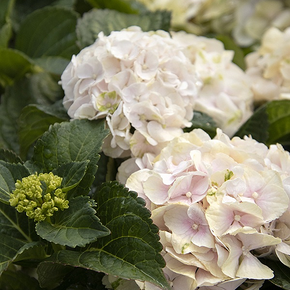
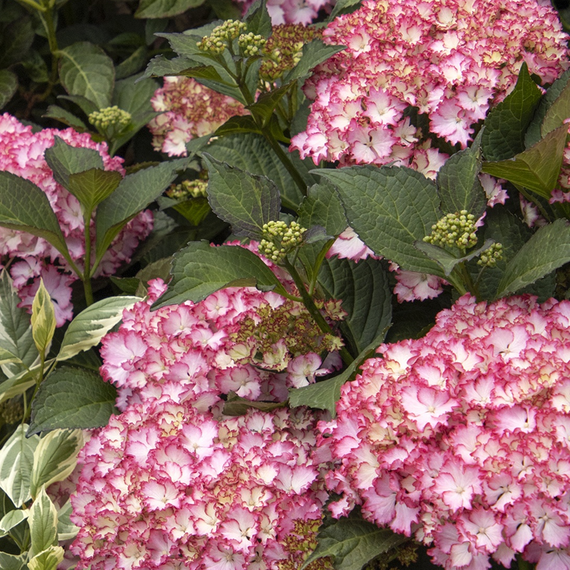
- Stunning bi-color mophead blooms open white with rich rosy-red edges, then mature to a warm, deep pink — delivering a parade of color from late spring through summer and into early fall.
- Unique color-stable genetics mean the vivid pink-and-red flower display remains consistent regardless of soil pH — no guesswork or soil amendments needed to maintain that signature look.
- Robust, leathery dark green foliage offers exceptional three-season interest, flushing with dramatic maroon tones in spring and again in fall, long after the blooms have faded.
- Compact, tidy rounded habit with notably sturdy, wind-resistant stems makes this an ideal choice for small-space landscaping, mixed borders, foundation plantings, and container gardening.
Seaside Serenade Fire Island Hydrangea (Hydrangea macrophylla 'HORTFIRE' PP29,058) is a standout compact mophead bigleaf hydrangea that delivers extraordinary color and multi-season garden interest in a well-behaved, manageable size. Bred in the Netherlands and introduced as part of the acclaimed Seaside Serenade series, this tetraploid cultivar was engineered with thicker leaves, stronger stems, and a dense, rounded habit that typically reaches 3 to 4 feet tall and wide at maturity. From late spring through early fall, it produces a continuous succession of large, rounded flower heads that open from chartreuse buds into striking bi-color mopheads — each floret displaying a clean white center framed by a vivid rosy-red to deep cerise edge, gradually maturing to a rich, saturated warm pink with soft green overtones. Because this cultivar blooms on both old and new wood, the flowering season is exceptionally long and reliable, even after a hard winter prunes away old growth. Unlike many bigleaf hydrangeas, Fire Island's bloom color is genetically fixed and will not shift to blue in acidic soils, making it one of the easiest hydrangeas to grow for predictable, repeatable results. The broad, leathery leaves emerge with a deep maroon-bronze flush in spring, transition to glossy dark green through summer, and return to maroon tones in autumn — ensuring the plant earns its keep in the garden bed long after the last bloom fades. With its tolerance for coastal conditions, sturdy self-supporting stems, low-maintenance needs, and exceptional versatility in the landscape, Seaside Serenade Fire Island Hydrangea is a must-have for gardeners seeking maximum floral impact in a compact, reliable package.
Plant Description
Seaside Serenade Fire Island Hydrangea is a compact, deciduous bigleaf hydrangea (Hydrangea macrophylla) in the Hydrangeaceae family. This tetraploid cultivar, bearing the registered name 'HORTFIRE' (Plant Patent PP29,058), was bred by Kolster BV in the Netherlands and introduced to North American gardeners as part of the Seaside Serenade series. It is a true mophead type, producing large, globe-shaped flower clusters made up of densely packed, four-petaled sterile florets. What sets Fire Island apart from most bigleaf hydrangeas is its genetically fixed bi-color bloom — each floret opens clean white at the center with a brilliantly defined rosy-red to deep cerise edge, then gradually matures to a rich, warm deep pink with subtle green undertones as the season progresses. The plant also blooms on both old and new wood, extending the flowering season from late spring well into early fall. The foliage is equally distinctive, with broad, leathery leaves that emerge with a showy maroon-bronze cast in spring, deepen to glossy dark green through summer, and return to attractive maroon tones in autumn. Sturdy, upright stems resist flopping even in wind and rain, making this one of the most structurally reliable mophead hydrangeas available.
Mature Size
Seaside Serenade Fire Island Hydrangea grows into a tidy, rounded, multi-stemmed shrub. At maturity, it typically reaches 3 to 4 feet tall and 3 to 4 feet wide, though some sources cite specimens reaching up to 4 feet in height under ideal growing conditions. Its compact, uniform habit makes it one of the better-behaved mophead hydrangeas for smaller modern gardens, tight foundation beds, and large containers. Individual flower heads measure approximately 6 to 8 inches across on thick, self-supporting stems that hold the blooms well above the foliage. The plant's consistent size and rounded outline require minimal corrective pruning to maintain a neat appearance.
Hardiness Zones and Climate
Seaside Serenade Fire Island Hydrangea is rated for USDA Hardiness Zones 4 through 9, making it adaptable to a wide range of climates across the continental United States, including the mild, maritime conditions of Southern Oregon and Northern California. Because it blooms on both old and new wood, gardeners in the colder end of its range (Zones 4 and 5) can still expect a reliable summer bloom on new wood even if old-wood buds are damaged by a late frost. In Zones 8 and 9, the plant benefits from afternoon shade protection and consistent moisture to prevent heat stress and leaf scorch during the hottest summer months. This cultivar also demonstrates good tolerance for coastal conditions, including salty ocean air and steady winds — a trait that inspired the Seaside Serenade series name.
Sunlight Requirements
For the best bloom performance and foliage health, plant Seaside Serenade Fire Island Hydrangea in a location that receives morning sun and afternoon shade. Ideally, aim for 4 to 6 hours of direct sunlight per day, preferably in the morning hours. In cooler coastal climates such as those found in Southern Oregon and Northern California, this hydrangea can tolerate more sun exposure throughout the day. In hotter inland areas, afternoon shade is especially important to prevent leaf scorch and premature wilting of the flower heads. Insufficient light — such as heavy, all-day shade — will reduce the number of blooms and can cause stems to stretch and become floppy. Light, filtered shade throughout the day is an acceptable alternative to direct morning sun in densely planted gardens.
Soil and pH Preferences
Seaside Serenade Fire Island Hydrangea performs best in enriched, organically rich, well-drained soil that retains consistent moisture without becoming waterlogged. Loamy ground amended generously with compost is ideal. In clay soils, loosen the planting bed to a depth of 12 to 16 inches and incorporate compost and coarse bark fines to improve both drainage and soil structure. In sandy or fast-draining soils, add compost to increase water retention. A soil pH in the neutral to slightly acidic range is appropriate, but unlike most bigleaf hydrangeas, Fire Island's bloom color is genetically stable and will not change to blue or purple in acidic soil — the vivid pink-and-red bi-color display remains consistent across a broad range of soil pH values. This means no aluminum sulfate or pH-adjusting treatments are needed to maintain the signature flower color.
Watering Guide
Consistent, even moisture is key to keeping Seaside Serenade Fire Island Hydrangea healthy and blooming. While this plant needs regular water, it will not tolerate soggy, waterlogged conditions, which can lead to root rot. Follow these guidelines for best results:
- Newly planted shrubs: Water deeply and regularly throughout the first growing season to help establish a strong root system. Deep watering encourages roots to grow downward rather than staying near the surface.
- Established plants in-ground: Water deeply once or twice per week during warm, dry periods, depending on soil type and heat. Check the top 1 to 2 inches of soil — if it feels dry, it's time to water.
- Container-grown plants: Containers dry out much faster than ground beds. During hot weather, potted Fire Island hydrangeas may need water every 1 to 3 days. Always check the soil before watering.
- Watering method: Direct water at the base of the plant rather than overhead to keep foliage dry and reduce the risk of fungal disease.
- Mulch to conserve moisture: A 2- to 3-inch layer of organic mulch around the root zone helps retain soil moisture between waterings and keeps roots cool during summer heat.
Fertilizing
Seaside Serenade Fire Island Hydrangea benefits from modest, well-timed fertilization rather than frequent heavy feeding. Over-fertilizing — especially with high-nitrogen products — will encourage lush leafy growth at the expense of flowers.
- Early spring: Scratch 1 to 2 inches of compost into the soil surface around the root zone and water in well. This provides a gentle, slow-release nutrition boost as growth resumes.
- If additional feeding is needed: Apply a slow-release, balanced fertilizer formulated for flowering shrubs at the recommended label rate in early to mid-spring.
- Stop feeding by late summer: Cease all fertilization by late July or early August so new growth has time to harden off before fall temperatures arrive. Late-season feeding can stimulate tender new growth that is vulnerable to frost damage.
- Avoid excess nitrogen: High-nitrogen fertilizers favor foliage growth over bloom production. If leaves appear large and lush but flower clusters are sparse, reduce nitrogen input in subsequent seasons.
- Container plants: Feed potted specimens lightly with a slow-release container fertilizer in spring. Container hydrangeas typically need somewhat more frequent feeding than in-ground plants because nutrients leach out with regular watering.
Pruning and Maintenance
Because Seaside Serenade Fire Island Hydrangea blooms on both old and new wood, it does not require aggressive annual pruning to produce flowers. The goal is to keep the plant tidy and healthy rather than to cut it back hard.
- Spring cleanup: Wait until buds begin to swell in early spring before pruning. Remove any dead, winter-killed, or weak stems by cutting them back to the base. This timing ensures you can clearly distinguish live wood from dead wood and avoid removing healthy buds.
- Deadheading: Snip spent flower clusters back to a strong set of leaves promptly after they fade. This encourages the plant to push new flower buds on current-season wood and extends the overall bloom season.
- Light shaping: After the first major flush of blooms in late spring or early summer, a few of the longer stems may be shortened slightly to maintain the shrub's compact, rounded shape.
- Avoid hard late-season cuts: Do not prune heavily after August. Cutting back in late summer or fall removes the developing buds that will produce the following spring's first flush of blooms on old wood.
- In the South: If any dead wood is present, prune it back to live wood in early spring once leaves have begun to unfurl.
- In the North: Cut off dead wood in late May after leaves have clearly leafed out, making it easy to identify which stems survived winter.
Planting Instructions
Follow these steps to give your Seaside Serenade Fire Island Hydrangea the best possible start:
- Choose the right site: Select a location with morning sun and afternoon shade, sheltered from harsh drying winds. Avoid low-lying spots where water pools after rain.
- Prepare the hole: Dig a planting hole twice as wide as the root ball and equal in depth. Loosening the surrounding soil encourages roots to spread outward.
- Amend the soil: Mix the removed soil with compost or a quality planting mix to improve fertility, drainage, and moisture retention. In heavy clay, also add coarse bark fines or perlite.
- Position the plant: Set the root ball in the hole so that the top of the root ball sits level with or very slightly above the surrounding soil grade. Do not plant too deeply.
- Backfill and firm: Fill the hole with the amended soil mix, gently firming it around the root ball to eliminate large air pockets. Avoid compacting the soil heavily.
- Water generously: Water slowly and deeply immediately after planting to settle the soil and initiate root-to-soil contact.
- Mulch: Apply a 2- to 3-inch layer of organic mulch (shredded bark, leaf mold, or compost) around the root zone, keeping mulch pulled back 2 to 3 inches from the base of the stems to prevent rot.
- Spacing: Space plants 3 to 4 feet apart when massing for a border or hedge effect. Allow at least 4 feet of space for single specimens to ensure good air circulation.
Seasonal Interest
| Season | What to Expect |
|---|---|
| Spring | Emerging leaves display a striking maroon-bronze flush. Chartreuse flower buds form and begin to open into bi-color white and rosy-red mopheads on old wood — the first flush of the season, typically in May or June depending on climate. |
| Summer | Foliage matures to glossy, leathery dark green. Continuous repeat blooming on new wood sustains the floral display through the hottest months. Flower heads progress through white-with-red-edges, deep pink, and warm rosy-pink tones simultaneously on a single shrub. |
| Fall | Blooming continues into early fall. Foliage returns to attractive maroon tones as temperatures cool. Aging flower heads develop a papery texture and antique greenish-pink hues, extending visual interest and providing excellent material for dried arrangements. |
| Winter | The plant is deciduous and drops its leaves. Sturdy stems with persistent dried flower heads provide subtle winter structure in the garden. In colder zones, a protective layer of mulch over the root zone helps preserve the old-wood buds for the following spring's first bloom flush. |
Landscape Uses
Seaside Serenade Fire Island Hydrangea's compact size, long bloom season, and bold bi-color flowers make it exceptionally versatile in the landscape. Recommended uses include:
- Foundation plantings: Its tidy, rounded habit and manageable size make it ideal for softening house corners and foundation lines without overwhelming the architecture.
- Mixed borders: Plant in the front to middle of a mixed shrub or perennial border where the vivid flower heads can be displayed prominently over a long season.
- Low hedges and massed plantings: Group three to five plants along a walkway, pathway edge, or terrace for a continuous, flower-rich hedge effect.
- Entryway accents: Place a pair flanking porch steps or a garden gate for a symmetrical, welcoming display.
- Container gardening: One of the most container-friendly mophead hydrangeas available; a single plant fills a large patio urn or decorative planter beautifully.
- Coastal gardens: Its tolerance for salt air and wind makes it a natural choice for seaside and coastal landscape settings.
- Cutting gardens: Excellent as a source of fresh-cut and dried floral stems for both home arrangements and floral design work.
- Urban gardens: Compact enough for city courtyards, small urban lots, and rooftop garden containers.
Container Growing
Seaside Serenade Fire Island Hydrangea is exceptionally well-suited to container cultivation and makes a dramatic statement on patios, decks, and entryways. Keep the following tips in mind for success in pots:
- Container size: Choose a pot that is at least 16 to 18 inches in diameter with generous drainage holes. Larger containers retain moisture more evenly and are more forgiving during hot weather.
- Potting mix: Use a high-quality, moisture-retentive potting mix with added pine bark for structure and drainage. Avoid heavy garden soil, which compacts in containers.
- Watering frequency: Containers dry out much faster than in-ground beds. During summer heat, daily watering may be necessary. Always check the top inch or two of soil and water deeply when it feels dry.
- Fertilizing in pots: Apply a slow-release fertilizer for flowering shrubs in spring. Nutrients leach from containers faster with regular irrigation, so a modest additional liquid feed in midsummer can be beneficial if growth appears pale.
- Winter protection in cold climates: After leaf drop, move containers into a sheltered, unheated garage or outbuilding. Water sparingly through winter to keep roots from desiccating. Return outdoors after the last hard freeze in spring.
- Container color: Lighter-colored containers absorb less heat and help keep roots cooler during summer, reducing moisture stress.
Companion Plants
Seaside Serenade Fire Island Hydrangea pairs beautifully with a wide range of plants that complement its bold, romantic color palette and extend seasonal garden interest. Consider these companion plant combinations:
- Hostas: Blue and blue-green hostas provide a cool contrast to Fire Island's vivid pink blooms and thrive in similar part-shade conditions.
- Heucheras (Coral Bells): Chartreuse, bronze, or deep burgundy heuchera cultivars echo the maroon tones of Fire Island's foliage while adding textural contrast at the front of the border.
- Astilbes: Lacy astilbe plumes in white, soft pink, or deep red bloom at a similar time and enjoy the same moist, part-shade conditions.
- Japanese Forest Grass (Hakonechloa macra): Cascading golden or variegated grasses add graceful movement and season-long textural contrast.
- Ferns: Shade-tolerant ferns such as autumn fern or Japanese painted fern provide feathery green or silvery contrast beneath the bold mophead blooms.
- Foxglove (Digitalis): Vertical foxglove spires in white or soft pink create an elegant cottage garden combination with Fire Island's rounded flower clusters.
- Evergreen structure plants: Holly (Ilex), Virginia sweetspire (Itea virginica), or compact azaleas provide year-round backbone and contrast in mixed borders.
- Spring bulbs: Interplant with tulips, alliums, or camassia; their foliage fades just as the hydrangea leafs out and the first blooms begin to open.
- Lady's Mantle (Alchemilla mollis): Soft chartreuse flowers and scalloped foliage make a romantic edging partner along the base of the hydrangea.
Pests and Diseases
Seaside Serenade Fire Island Hydrangea is generally a robust, low-maintenance shrub when planted in the right conditions. However, like all bigleaf hydrangeas, it can occasionally be affected by the following pests and diseases:
- Aphids: Small, soft-bodied insects that cluster on tender new growth and the undersides of leaves. They produce sticky honeydew that can lead to sooty mold. Treat with a strong blast of water or apply insecticidal soap if populations persist.
- Spider Mites: Most problematic on drought-stressed container plants during hot, dry weather. Symptoms include fine webbing and stippled, bronze-toned leaves. Keep pots consistently watered and use insecticidal soap or neem oil if needed.
- Scale Insects: May settle on older stems, appearing as small bumps. Prune out heavily infested stems and treat crawlers with horticultural oil.
- Slugs and Snails: Can damage new foliage in cool, wet spring weather. Hand-pick at dusk, use copper barriers, or deploy iron phosphate-based baits around the plant base.
- Japanese Beetles: Adult beetles may skeletonize leaves during summer. Hand-pick in the morning or use labeled insecticides if infestations are severe.
- Powdery Mildew: A fungal disease that shows as a white, powdery film on leaf surfaces, most common in still, humid, shaded conditions. Bigleaf hydrangeas (H. macrophylla) are relatively susceptible. Improve air circulation, water at the base rather than overhead, and treat with a labeled fungicide at the first sign of infection.
- Cercospora Leaf Spot and Anthracnose: Fungal leaf spots appear as tan to brown or purple lesions following warm, wet weather. Remove affected foliage, improve airflow between plants, and avoid wetting leaves when watering.
- Root Rot: Almost always caused by poorly drained or consistently waterlogged soil. Ensure well-draining planting conditions and avoid overwatering. If wilting occurs despite moist soil, check drainage and consider relocating the plant to a better-draining site.
- Botrytis (Gray Mold): Grayish-brown fuzzy mold may affect flowers and foliage in cool, humid conditions. Remove affected plant parts and improve air circulation.
Wildlife Value
While Seaside Serenade Fire Island Hydrangea's large mophead flowers are primarily composed of showy sterile florets (which produce limited pollen and nectar compared to lacecap types), the plant still offers meaningful wildlife value in the garden.
- Pollinators: Bees and butterflies are attracted to the open florets of mophead hydrangeas, particularly when some florets mature and open further through the season. The long bloom period provides a sustained nectar source throughout summer and into early fall.
- Birds: The sturdy, persistent dried flower heads offer minor shelter and winter perching structure. Dense shrub growth provides nesting cover for small songbirds.
- Deer resistance: Hydrangeas are generally browsed by deer, especially in areas with high deer pressure. Physical barriers or deer-deterrent companion plantings are recommended in areas where deer are a significant concern.
- Beneficial insects: The ground-level moisture and mulch around the root zone provide habitat for ground beetles and other beneficial predatory insects that help keep pest populations in check.
Cut Flower and Drying Tips
Seaside Serenade Fire Island Hydrangea produces exceptional stems for both fresh-cut floral arrangements and dried displays. Its sturdy, robust stems and long-lasting blooms are among its most celebrated qualities.
- Fresh cutting: Harvest stems in the early morning after the dew has dried. Cut when the flower heads are fully open and the individual florets feel slightly firm or papery to the touch. Use sharp, clean pruners and immediately plunge cut stems into a bucket of warm water.
- Conditioning: Recut the stems at a 45-degree angle under water before placing in a vase. Hydrangeas absorb water primarily through the outer stem tissue, so a fresh, clean cut is important to prevent wilting. Change vase water every 1 to 2 days for maximum vase life.
- If blooms wilt: Recut stems under water and submerge the entire flower head briefly in cool water to rehydrate.
- Drying: For dried arrangements, allow late-season flower heads to age on the plant until they feel papery and leathery — typically in late summer to early fall. Cut and stand stems upright in an empty vase indoors in a warm, dry location. They will air-dry completely within one to two weeks and retain beautiful antique pink, parchment, and soft green tones for months in dried floral arrangements.
- Stunning bi-color mophead blooms open white with rich rosy-red edges, then mature to a warm, deep pink — delivering a parade of color from late spring through summer and into early fall.
- Unique color-stable genetics mean the vivid pink-and-red flower display remains consistent regardless of soil pH — no guesswork or soil amendments needed to maintain that signature look.
- Robust, leathery dark green foliage offers exceptional three-season interest, flushing with dramatic maroon tones in spring and again in fall, long after the blooms have faded.
- Compact, tidy rounded habit with notably sturdy, wind-resistant stems makes this an ideal choice for small-space landscaping, mixed borders, foundation plantings, and container gardening.
Seaside Serenade Fire Island Hydrangea (Hydrangea macrophylla 'HORTFIRE' PP29,058) is a standout compact mophead bigleaf hydrangea that delivers extraordinary color and multi-season garden interest in a well-behaved, manageable size. Bred in the Netherlands and introduced as part of the acclaimed Seaside Serenade series, this tetraploid cultivar was engineered with thicker leaves, stronger stems, and a dense, rounded habit that typically reaches 3 to 4 feet tall and wide at maturity. From late spring through early fall, it produces a continuous succession of large, rounded flower heads that open from chartreuse buds into striking bi-color mopheads — each floret displaying a clean white center framed by a vivid rosy-red to deep cerise edge, gradually maturing to a rich, saturated warm pink with soft green overtones. Because this cultivar blooms on both old and new wood, the flowering season is exceptionally long and reliable, even after a hard winter prunes away old growth. Unlike many bigleaf hydrangeas, Fire Island's bloom color is genetically fixed and will not shift to blue in acidic soils, making it one of the easiest hydrangeas to grow for predictable, repeatable results. The broad, leathery leaves emerge with a deep maroon-bronze flush in spring, transition to glossy dark green through summer, and return to maroon tones in autumn — ensuring the plant earns its keep in the garden bed long after the last bloom fades. With its tolerance for coastal conditions, sturdy self-supporting stems, low-maintenance needs, and exceptional versatility in the landscape, Seaside Serenade Fire Island Hydrangea is a must-have for gardeners seeking maximum floral impact in a compact, reliable package.
Plant Description
Seaside Serenade Fire Island Hydrangea is a compact, deciduous bigleaf hydrangea (Hydrangea macrophylla) in the Hydrangeaceae family. This tetraploid cultivar, bearing the registered name 'HORTFIRE' (Plant Patent PP29,058), was bred by Kolster BV in the Netherlands and introduced to North American gardeners as part of the Seaside Serenade series. It is a true mophead type, producing large, globe-shaped flower clusters made up of densely packed, four-petaled sterile florets. What sets Fire Island apart from most bigleaf hydrangeas is its genetically fixed bi-color bloom — each floret opens clean white at the center with a brilliantly defined rosy-red to deep cerise edge, then gradually matures to a rich, warm deep pink with subtle green undertones as the season progresses. The plant also blooms on both old and new wood, extending the flowering season from late spring well into early fall. The foliage is equally distinctive, with broad, leathery leaves that emerge with a showy maroon-bronze cast in spring, deepen to glossy dark green through summer, and return to attractive maroon tones in autumn. Sturdy, upright stems resist flopping even in wind and rain, making this one of the most structurally reliable mophead hydrangeas available.
Mature Size
Seaside Serenade Fire Island Hydrangea grows into a tidy, rounded, multi-stemmed shrub. At maturity, it typically reaches 3 to 4 feet tall and 3 to 4 feet wide, though some sources cite specimens reaching up to 4 feet in height under ideal growing conditions. Its compact, uniform habit makes it one of the better-behaved mophead hydrangeas for smaller modern gardens, tight foundation beds, and large containers. Individual flower heads measure approximately 6 to 8 inches across on thick, self-supporting stems that hold the blooms well above the foliage. The plant's consistent size and rounded outline require minimal corrective pruning to maintain a neat appearance.
Hardiness Zones and Climate
Seaside Serenade Fire Island Hydrangea is rated for USDA Hardiness Zones 4 through 9, making it adaptable to a wide range of climates across the continental United States, including the mild, maritime conditions of Southern Oregon and Northern California. Because it blooms on both old and new wood, gardeners in the colder end of its range (Zones 4 and 5) can still expect a reliable summer bloom on new wood even if old-wood buds are damaged by a late frost. In Zones 8 and 9, the plant benefits from afternoon shade protection and consistent moisture to prevent heat stress and leaf scorch during the hottest summer months. This cultivar also demonstrates good tolerance for coastal conditions, including salty ocean air and steady winds — a trait that inspired the Seaside Serenade series name.
Sunlight Requirements
For the best bloom performance and foliage health, plant Seaside Serenade Fire Island Hydrangea in a location that receives morning sun and afternoon shade. Ideally, aim for 4 to 6 hours of direct sunlight per day, preferably in the morning hours. In cooler coastal climates such as those found in Southern Oregon and Northern California, this hydrangea can tolerate more sun exposure throughout the day. In hotter inland areas, afternoon shade is especially important to prevent leaf scorch and premature wilting of the flower heads. Insufficient light — such as heavy, all-day shade — will reduce the number of blooms and can cause stems to stretch and become floppy. Light, filtered shade throughout the day is an acceptable alternative to direct morning sun in densely planted gardens.
Soil and pH Preferences
Seaside Serenade Fire Island Hydrangea performs best in enriched, organically rich, well-drained soil that retains consistent moisture without becoming waterlogged. Loamy ground amended generously with compost is ideal. In clay soils, loosen the planting bed to a depth of 12 to 16 inches and incorporate compost and coarse bark fines to improve both drainage and soil structure. In sandy or fast-draining soils, add compost to increase water retention. A soil pH in the neutral to slightly acidic range is appropriate, but unlike most bigleaf hydrangeas, Fire Island's bloom color is genetically stable and will not change to blue or purple in acidic soil — the vivid pink-and-red bi-color display remains consistent across a broad range of soil pH values. This means no aluminum sulfate or pH-adjusting treatments are needed to maintain the signature flower color.
Watering Guide
Consistent, even moisture is key to keeping Seaside Serenade Fire Island Hydrangea healthy and blooming. While this plant needs regular water, it will not tolerate soggy, waterlogged conditions, which can lead to root rot. Follow these guidelines for best results:
- Newly planted shrubs: Water deeply and regularly throughout the first growing season to help establish a strong root system. Deep watering encourages roots to grow downward rather than staying near the surface.
- Established plants in-ground: Water deeply once or twice per week during warm, dry periods, depending on soil type and heat. Check the top 1 to 2 inches of soil — if it feels dry, it's time to water.
- Container-grown plants: Containers dry out much faster than ground beds. During hot weather, potted Fire Island hydrangeas may need water every 1 to 3 days. Always check the soil before watering.
- Watering method: Direct water at the base of the plant rather than overhead to keep foliage dry and reduce the risk of fungal disease.
- Mulch to conserve moisture: A 2- to 3-inch layer of organic mulch around the root zone helps retain soil moisture between waterings and keeps roots cool during summer heat.
Fertilizing
Seaside Serenade Fire Island Hydrangea benefits from modest, well-timed fertilization rather than frequent heavy feeding. Over-fertilizing — especially with high-nitrogen products — will encourage lush leafy growth at the expense of flowers.
- Early spring: Scratch 1 to 2 inches of compost into the soil surface around the root zone and water in well. This provides a gentle, slow-release nutrition boost as growth resumes.
- If additional feeding is needed: Apply a slow-release, balanced fertilizer formulated for flowering shrubs at the recommended label rate in early to mid-spring.
- Stop feeding by late summer: Cease all fertilization by late July or early August so new growth has time to harden off before fall temperatures arrive. Late-season feeding can stimulate tender new growth that is vulnerable to frost damage.
- Avoid excess nitrogen: High-nitrogen fertilizers favor foliage growth over bloom production. If leaves appear large and lush but flower clusters are sparse, reduce nitrogen input in subsequent seasons.
- Container plants: Feed potted specimens lightly with a slow-release container fertilizer in spring. Container hydrangeas typically need somewhat more frequent feeding than in-ground plants because nutrients leach out with regular watering.
Pruning and Maintenance
Because Seaside Serenade Fire Island Hydrangea blooms on both old and new wood, it does not require aggressive annual pruning to produce flowers. The goal is to keep the plant tidy and healthy rather than to cut it back hard.
- Spring cleanup: Wait until buds begin to swell in early spring before pruning. Remove any dead, winter-killed, or weak stems by cutting them back to the base. This timing ensures you can clearly distinguish live wood from dead wood and avoid removing healthy buds.
- Deadheading: Snip spent flower clusters back to a strong set of leaves promptly after they fade. This encourages the plant to push new flower buds on current-season wood and extends the overall bloom season.
- Light shaping: After the first major flush of blooms in late spring or early summer, a few of the longer stems may be shortened slightly to maintain the shrub's compact, rounded shape.
- Avoid hard late-season cuts: Do not prune heavily after August. Cutting back in late summer or fall removes the developing buds that will produce the following spring's first flush of blooms on old wood.
- In the South: If any dead wood is present, prune it back to live wood in early spring once leaves have begun to unfurl.
- In the North: Cut off dead wood in late May after leaves have clearly leafed out, making it easy to identify which stems survived winter.
Planting Instructions
Follow these steps to give your Seaside Serenade Fire Island Hydrangea the best possible start:
- Choose the right site: Select a location with morning sun and afternoon shade, sheltered from harsh drying winds. Avoid low-lying spots where water pools after rain.
- Prepare the hole: Dig a planting hole twice as wide as the root ball and equal in depth. Loosening the surrounding soil encourages roots to spread outward.
- Amend the soil: Mix the removed soil with compost or a quality planting mix to improve fertility, drainage, and moisture retention. In heavy clay, also add coarse bark fines or perlite.
- Position the plant: Set the root ball in the hole so that the top of the root ball sits level with or very slightly above the surrounding soil grade. Do not plant too deeply.
- Backfill and firm: Fill the hole with the amended soil mix, gently firming it around the root ball to eliminate large air pockets. Avoid compacting the soil heavily.
- Water generously: Water slowly and deeply immediately after planting to settle the soil and initiate root-to-soil contact.
- Mulch: Apply a 2- to 3-inch layer of organic mulch (shredded bark, leaf mold, or compost) around the root zone, keeping mulch pulled back 2 to 3 inches from the base of the stems to prevent rot.
- Spacing: Space plants 3 to 4 feet apart when massing for a border or hedge effect. Allow at least 4 feet of space for single specimens to ensure good air circulation.
Seasonal Interest
| Season | What to Expect |
|---|---|
| Spring | Emerging leaves display a striking maroon-bronze flush. Chartreuse flower buds form and begin to open into bi-color white and rosy-red mopheads on old wood — the first flush of the season, typically in May or June depending on climate. |
| Summer | Foliage matures to glossy, leathery dark green. Continuous repeat blooming on new wood sustains the floral display through the hottest months. Flower heads progress through white-with-red-edges, deep pink, and warm rosy-pink tones simultaneously on a single shrub. |
| Fall | Blooming continues into early fall. Foliage returns to attractive maroon tones as temperatures cool. Aging flower heads develop a papery texture and antique greenish-pink hues, extending visual interest and providing excellent material for dried arrangements. |
| Winter | The plant is deciduous and drops its leaves. Sturdy stems with persistent dried flower heads provide subtle winter structure in the garden. In colder zones, a protective layer of mulch over the root zone helps preserve the old-wood buds for the following spring's first bloom flush. |
Landscape Uses
Seaside Serenade Fire Island Hydrangea's compact size, long bloom season, and bold bi-color flowers make it exceptionally versatile in the landscape. Recommended uses include:
- Foundation plantings: Its tidy, rounded habit and manageable size make it ideal for softening house corners and foundation lines without overwhelming the architecture.
- Mixed borders: Plant in the front to middle of a mixed shrub or perennial border where the vivid flower heads can be displayed prominently over a long season.
- Low hedges and massed plantings: Group three to five plants along a walkway, pathway edge, or terrace for a continuous, flower-rich hedge effect.
- Entryway accents: Place a pair flanking porch steps or a garden gate for a symmetrical, welcoming display.
- Container gardening: One of the most container-friendly mophead hydrangeas available; a single plant fills a large patio urn or decorative planter beautifully.
- Coastal gardens: Its tolerance for salt air and wind makes it a natural choice for seaside and coastal landscape settings.
- Cutting gardens: Excellent as a source of fresh-cut and dried floral stems for both home arrangements and floral design work.
- Urban gardens: Compact enough for city courtyards, small urban lots, and rooftop garden containers.
Container Growing
Seaside Serenade Fire Island Hydrangea is exceptionally well-suited to container cultivation and makes a dramatic statement on patios, decks, and entryways. Keep the following tips in mind for success in pots:
- Container size: Choose a pot that is at least 16 to 18 inches in diameter with generous drainage holes. Larger containers retain moisture more evenly and are more forgiving during hot weather.
- Potting mix: Use a high-quality, moisture-retentive potting mix with added pine bark for structure and drainage. Avoid heavy garden soil, which compacts in containers.
- Watering frequency: Containers dry out much faster than in-ground beds. During summer heat, daily watering may be necessary. Always check the top inch or two of soil and water deeply when it feels dry.
- Fertilizing in pots: Apply a slow-release fertilizer for flowering shrubs in spring. Nutrients leach from containers faster with regular irrigation, so a modest additional liquid feed in midsummer can be beneficial if growth appears pale.
- Winter protection in cold climates: After leaf drop, move containers into a sheltered, unheated garage or outbuilding. Water sparingly through winter to keep roots from desiccating. Return outdoors after the last hard freeze in spring.
- Container color: Lighter-colored containers absorb less heat and help keep roots cooler during summer, reducing moisture stress.
Companion Plants
Seaside Serenade Fire Island Hydrangea pairs beautifully with a wide range of plants that complement its bold, romantic color palette and extend seasonal garden interest. Consider these companion plant combinations:
- Hostas: Blue and blue-green hostas provide a cool contrast to Fire Island's vivid pink blooms and thrive in similar part-shade conditions.
- Heucheras (Coral Bells): Chartreuse, bronze, or deep burgundy heuchera cultivars echo the maroon tones of Fire Island's foliage while adding textural contrast at the front of the border.
- Astilbes: Lacy astilbe plumes in white, soft pink, or deep red bloom at a similar time and enjoy the same moist, part-shade conditions.
- Japanese Forest Grass (Hakonechloa macra): Cascading golden or variegated grasses add graceful movement and season-long textural contrast.
- Ferns: Shade-tolerant ferns such as autumn fern or Japanese painted fern provide feathery green or silvery contrast beneath the bold mophead blooms.
- Foxglove (Digitalis): Vertical foxglove spires in white or soft pink create an elegant cottage garden combination with Fire Island's rounded flower clusters.
- Evergreen structure plants: Holly (Ilex), Virginia sweetspire (Itea virginica), or compact azaleas provide year-round backbone and contrast in mixed borders.
- Spring bulbs: Interplant with tulips, alliums, or camassia; their foliage fades just as the hydrangea leafs out and the first blooms begin to open.
- Lady's Mantle (Alchemilla mollis): Soft chartreuse flowers and scalloped foliage make a romantic edging partner along the base of the hydrangea.
Pests and Diseases
Seaside Serenade Fire Island Hydrangea is generally a robust, low-maintenance shrub when planted in the right conditions. However, like all bigleaf hydrangeas, it can occasionally be affected by the following pests and diseases:
- Aphids: Small, soft-bodied insects that cluster on tender new growth and the undersides of leaves. They produce sticky honeydew that can lead to sooty mold. Treat with a strong blast of water or apply insecticidal soap if populations persist.
- Spider Mites: Most problematic on drought-stressed container plants during hot, dry weather. Symptoms include fine webbing and stippled, bronze-toned leaves. Keep pots consistently watered and use insecticidal soap or neem oil if needed.
- Scale Insects: May settle on older stems, appearing as small bumps. Prune out heavily infested stems and treat crawlers with horticultural oil.
- Slugs and Snails: Can damage new foliage in cool, wet spring weather. Hand-pick at dusk, use copper barriers, or deploy iron phosphate-based baits around the plant base.
- Japanese Beetles: Adult beetles may skeletonize leaves during summer. Hand-pick in the morning or use labeled insecticides if infestations are severe.
- Powdery Mildew: A fungal disease that shows as a white, powdery film on leaf surfaces, most common in still, humid, shaded conditions. Bigleaf hydrangeas (H. macrophylla) are relatively susceptible. Improve air circulation, water at the base rather than overhead, and treat with a labeled fungicide at the first sign of infection.
- Cercospora Leaf Spot and Anthracnose: Fungal leaf spots appear as tan to brown or purple lesions following warm, wet weather. Remove affected foliage, improve airflow between plants, and avoid wetting leaves when watering.
- Root Rot: Almost always caused by poorly drained or consistently waterlogged soil. Ensure well-draining planting conditions and avoid overwatering. If wilting occurs despite moist soil, check drainage and consider relocating the plant to a better-draining site.
- Botrytis (Gray Mold): Grayish-brown fuzzy mold may affect flowers and foliage in cool, humid conditions. Remove affected plant parts and improve air circulation.
Wildlife Value
While Seaside Serenade Fire Island Hydrangea's large mophead flowers are primarily composed of showy sterile florets (which produce limited pollen and nectar compared to lacecap types), the plant still offers meaningful wildlife value in the garden.
- Pollinators: Bees and butterflies are attracted to the open florets of mophead hydrangeas, particularly when some florets mature and open further through the season. The long bloom period provides a sustained nectar source throughout summer and into early fall.
- Birds: The sturdy, persistent dried flower heads offer minor shelter and winter perching structure. Dense shrub growth provides nesting cover for small songbirds.
- Deer resistance: Hydrangeas are generally browsed by deer, especially in areas with high deer pressure. Physical barriers or deer-deterrent companion plantings are recommended in areas where deer are a significant concern.
- Beneficial insects: The ground-level moisture and mulch around the root zone provide habitat for ground beetles and other beneficial predatory insects that help keep pest populations in check.
Cut Flower and Drying Tips
Seaside Serenade Fire Island Hydrangea produces exceptional stems for both fresh-cut floral arrangements and dried displays. Its sturdy, robust stems and long-lasting blooms are among its most celebrated qualities.
- Fresh cutting: Harvest stems in the early morning after the dew has dried. Cut when the flower heads are fully open and the individual florets feel slightly firm or papery to the touch. Use sharp, clean pruners and immediately plunge cut stems into a bucket of warm water.
- Conditioning: Recut the stems at a 45-degree angle under water before placing in a vase. Hydrangeas absorb water primarily through the outer stem tissue, so a fresh, clean cut is important to prevent wilting. Change vase water every 1 to 2 days for maximum vase life.
- If blooms wilt: Recut stems under water and submerge the entire flower head briefly in cool water to rehydrate.
- Drying: For dried arrangements, allow late-season flower heads to age on the plant until they feel papery and leathery — typically in late summer to early fall. Cut and stand stems upright in an empty vase indoors in a warm, dry location. They will air-dry completely within one to two weeks and retain beautiful antique pink, parchment, and soft green tones for months in dried floral arrangements.