

Zoom the image with the mouse
Seaside Serenade Cape Cod Hydrangea - 2 Gallon
SKU:
2096570
UPC:
014949421932
$44.99
- Compact, repeat-blooming mophead hydrangea with large, lush flower clusters that put on a show from late spring all the way through summer
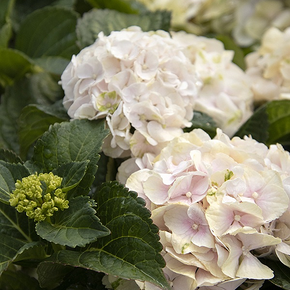
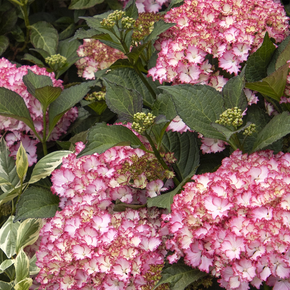
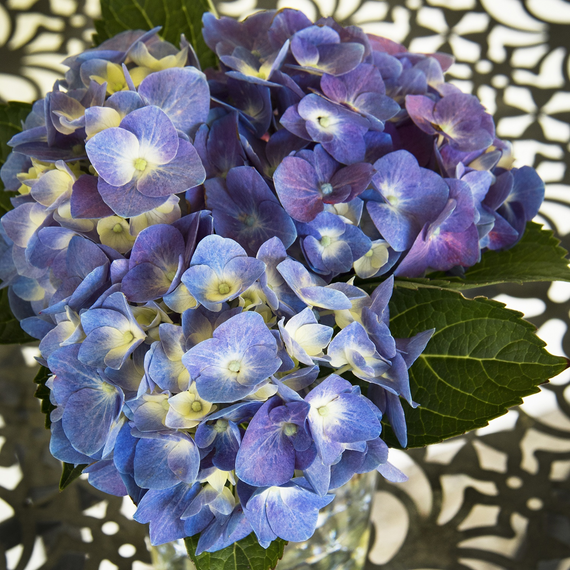
- Flower color is soil-pH responsive — rich blue in acidic soils or soft pink in neutral to alkaline soils — giving you personalized garden color
- Neat, rounded mounding habit with extra-dark, glossy green foliage makes it a standout choice for foundation plantings, borders, and containers
- Blooms produce strong stems ideal for cutting and creating long-lasting fresh or dried floral arrangements
Seaside Serenade Cape Cod Hydrangea (Hydrangea macrophylla 'HMUPSI', PP#28,974) is a standout compact mophead hydrangea bred specifically for smaller garden spaces without sacrificing any of the bold, garden-stopping beauty the bigleaf hydrangea is famous for. Growing into a tidy, rounded mound 3 to 4 feet tall and equally as wide, this deciduous shrub delivers impressively large, globe-shaped flower heads from late spring through summer, reliably reblooming throughout the season on a hardy framework of sturdy, upright stems. One of its most celebrated features is its color-responsive nature: in acidic soils the mophead clusters glow a vibrant cobalt blue with soft pink overtones and creamy white centers, while neutral to alkaline soils shift the palette toward warm, rosy pink — a trait that lets gardeners dial in their preferred display with simple soil adjustments. The deep, forest-green foliage provides an exceptional dark backdrop that makes the flower heads pop with remarkable contrast from the moment buds open through the long summer bloom season. Whether planted as a foundation anchor, massed in a shady border, tucked into a cottage garden bed, or showcased alone in a large patio container, Seaside Serenade Cape Cod Hydrangea delivers classic elegance, easy-care performance, and season-long color in a compact, landscape-friendly package.
Plant Description
Seaside Serenade Cape Cod Hydrangea is a deciduous, multi-stemmed mophead shrub belonging to the bigleaf hydrangea family (Hydrangea macrophylla). It was introduced as a new exclusive variety and carries plant patent PP#28,974 under the cultivar name 'HMUPSI'. It was bred to deliver the classic, romantic mophead flower form in a more compact, well-behaved plant well suited for today's smaller residential landscapes. The flower heads are large, rounded, and densely packed with showy florets, each cluster featuring bold color in blue or pink tones depending on soil chemistry, along with creamy white centers and subtle pink overtones. The foliage is notably deep forest green — darker than many hydrangea varieties — and the leaves are large, glossy, and pointed, giving the plant a lush, tropical appearance that persists throughout the growing season. The overall growth habit is a neat, rounded mound that looks tidy in the landscape with minimal intervention.
Mature Size
| Characteristic | Measurement |
|---|---|
| Mature Height | 3 to 4 feet |
| Mature Spread | 3 to 4 feet |
| Growth Rate | Fast |
| Growth Habit | Compact, rounded mound |
| Typical Lifespan | Approximately 20 years under ideal conditions |
Its compact stature makes it one of the most versatile bigleaf hydrangeas available, fitting comfortably in tight foundation beds, small borders, and large containers where full-sized hydrangeas would quickly outgrow the space.
Hardiness Zones
Seaside Serenade Cape Cod Hydrangea is rated for USDA Hardiness Zones 4b through 9, making it a reliably cold-hardy choice across a wide range of climates, including much of Southern Oregon and Northern California. In the warmer end of its range (Zones 8-9), it benefits from afternoon shade and consistent moisture to perform its best through the heat of summer. In colder zones, applying a generous layer of mulch around the root zone in late fall helps protect the root system and insulate overwintering flower buds. Planting in a location sheltered from harsh winter winds further improves cold-weather performance and helps preserve bloom potential for the following spring.
Sunlight Requirements
This hydrangea performs best in partial shade to partial sun. The ideal exposure is morning sun with dappled or sheltered afternoon shade, particularly in warmer climates with hot summers. Direct afternoon sun — especially from a south- or west-facing wall — can cause wilting, leaf scorch, and reduced bloom quality. In cooler, coastal, or northern regions, a fuller sun exposure can be tolerated, especially when soil moisture is kept consistently even. Avoid planting in dense, full shade, as insufficient light will significantly reduce flowering. An east-facing exposure or a spot beneath the light canopy of a tall deciduous tree is often ideal.
Soil and pH Preferences
Seaside Serenade Cape Cod Hydrangea grows best in rich, medium-moisture, well-drained soil with a high organic matter content. It is adaptable to a wide range of soil types but has a strong preference for consistently moist, slightly acidic conditions. Soil pH plays a direct and dramatic role in flower color:
- Acidic soil (pH 5.0 to 5.5): Produces vivid blue to blue-violet flower clusters — the most sought-after color for this variety. Aluminum availability in acidic soil is key to blue pigmentation.
- Neutral soil (pH 6.0 to 6.5): Tends to produce lavender, mauve, or mixed-tone blooms.
- Alkaline soil (pH 7.0 and above): Produces soft pink to deep pink blooms.
To lower soil pH and encourage blue blooms, incorporate aluminum sulfate or elemental sulfur according to soil test recommendations. To raise pH for pinker blooms, add ground dolomitic lime. Avoid high-phosphorus fertilizers if blue blooms are desired, as phosphorus inhibits aluminum uptake. Amending the planting hole and surrounding bed with compost or aged organic matter improves both moisture retention and soil structure. Heavy clay soils should be amended with coarse sand and compost to improve drainage and prevent root rot.
Watering Guide
Consistent, even soil moisture is essential for Seaside Serenade Cape Cod Hydrangea to thrive and rebloom reliably. Bigleaf hydrangeas are among the more water-demanding landscape shrubs and will visibly wilt during drought or heat stress. Follow these watering guidelines:
- Newly planted shrubs: Water deeply two to three times per week for the first growing season to establish a strong root system.
- Established plants: Provide approximately 1 inch of water per week through rainfall or supplemental irrigation. Water more frequently during hot, dry summer spells.
- Watering method: Water at the base of the plant, directing moisture to the root zone. Avoid overhead watering, which promotes fungal disease on foliage and blooms.
- Timing: Morning watering is preferred, allowing foliage to dry during the day.
- Container plants: Containers dry out significantly faster than in-ground plantings and will often require daily watering in hot summer weather.
Applying a 2 to 3 inch layer of organic mulch over the root zone is one of the most effective strategies for retaining consistent soil moisture between waterings.
Fertilizing
Feed Seaside Serenade Cape Cod Hydrangea in early spring as new shoots emerge, and again in late spring to early summer to support the primary bloom flush. A third light feeding in midsummer can encourage continued reblooming on established plants. Key fertilizing guidelines include:
- Use a balanced, slow-release granular fertilizer formulated for acid-loving shrubs (such as a 10-10-10 or similar analysis) to support healthy overall growth.
- To encourage and maintain blue blooms, select a fertilizer with a lower phosphorus content, as high phosphorus inhibits aluminum uptake necessary for blue pigmentation.
- To support blue blooms, aluminum sulfate can be worked lightly into the soil around the drip line according to package directions. Always follow label rates to avoid root burn.
- Avoid all fertilizing after midsummer. Late-season nitrogen pushes soft new growth that is vulnerable to cold damage and may reduce next season's bloom set.
- Gently incorporate a 2 to 3 inch layer of compost around the base each spring as a natural, slow-release nutrient boost and soil conditioner.
- If leaves show yellowing between the veins (interveinal chlorosis), the soil pH may be too high, limiting iron uptake. Apply chelated iron or a soil acidifier to correct the imbalance.
Pruning and Maintenance
Seaside Serenade Cape Cod Hydrangea blooms primarily on old wood — stems that developed and hardened off during the previous growing season — so pruning timing is critical to preserving next season's flower buds. Follow these guidelines to keep the plant healthy and blooming abundantly:
- When to prune: Prune immediately after the current season's blooms have faded, typically in mid to late summer. Do not prune in fall, winter, or spring, as this removes the developing buds for next year's flowers.
- Deadheading: Remove spent flower heads by cutting just above the next healthy set of leaves or bud. This tidies the plant and encourages additional bloom cycles throughout summer.
- Shaping: Remove any dead, damaged, or crossing branches at the base. Lightly thin the interior to improve air circulation. Avoid hard shearing or topping the shrub to stubs, which destroys the natural mounded form.
- Renovation: If the plant becomes overgrown over time, renovate gradually over two seasons by removing no more than one-third of the oldest, woodiest stems at the base each year.
- Winter cleanup: Leave spent flower heads on the plant through fall and winter — they provide ornamental interest in the winter garden and help protect developing buds from early cold snaps.
- Tools: Always use clean, sharp bypass pruners. Wipe blades with a disinfectant solution between plants to prevent spreading disease.
Planting Instructions
- Choose the site: Select a location with morning sun and afternoon shade, good drainage, and protection from strong, drying winds. Avoid low-lying areas where water pools after rain.
- Timing: Plant in spring after the last frost date or in early fall at least 6 to 8 weeks before the first hard freeze to allow root establishment before winter.
- Dig the hole: Dig a hole approximately twice as wide as the root ball and equal in depth. The crown of the plant (where stems meet roots) should sit at or just slightly above soil level to prevent crown rot.
- Amend the soil: Mix the removed native soil with a generous amount of compost or aged organic matter. If your soil is heavy clay, incorporate coarse sand and compost to improve drainage and aeration.
- Adjust pH if desired: Prior to planting, incorporate aluminum sulfate or sulfur to lower pH for blue blooms, or lime to raise pH for pink blooms, based on a soil test.
- Plant and backfill: Set the plant in the hole, backfill with the amended soil mixture, and gently firm the soil around the root ball to eliminate air pockets.
- Water thoroughly: Soak the root zone deeply immediately after planting to settle the soil and initiate root-to-soil contact.
- Mulch: Apply 2 to 3 inches of organic mulch such as shredded bark, wood chips, or pine needles around the base of the plant, keeping mulch pulled back 1 to 2 inches from the main stems.
- Spacing: Space plants 3 to 4 feet apart for a massed planting or hedge effect, or allow a full 4-foot buffer from structures and other plants for a specimen planting.
Seasonal Interest
| Season | Ornamental Interest |
|---|---|
| Spring | Fresh, deep green foliage emerges; first flower buds begin to swell and open in late spring with initial mophead bloom clusters |
| Summer | Peak bloom season with large, vibrant mophead clusters in blue or pink; repeat flowering continues through midsummer and into late summer |
| Late Summer / Fall | Spent flower heads take on antique parchment, pale green, or dusty rose tones; glossy dark foliage remains attractive through the season |
| Winter | Dried flower heads persist on bare stems, adding subtle texture and winter interest to the dormant landscape |
Landscape Uses
The compact, rounded habit and long bloom season of Seaside Serenade Cape Cod Hydrangea make it one of the most versatile flowering shrubs available for residential and commercial landscapes. Recommended uses include:
- Foundation planting: Its neat, mounded form and moderate size make it a classic choice along home foundations, especially under east- or north-facing eaves where it receives morning light and afternoon shelter.
- Mixed shrub borders: Use as a bold focal point or anchor in mixed perennial and shrub borders, providing reliable summer color when many other plants are past their peak.
- Mass planting: Plant in groups of three or more for a dramatic, high-impact display. Uniformity of habit makes massed plantings particularly tidy and low-maintenance.
- Hedge or screen: Space plants slightly closer than typical to create a lush, flowering summer hedge along property lines or to screen unwanted views.
- Cottage and informal gardens: A natural fit for the soft, layered aesthetic of cottage garden design.
- Container planting: Large patio containers or decorative planters showcase this shrub beautifully on decks, patios, and entryways. Use it as a thriller in combination plantings.
- Cutting garden: Plant a dedicated cutting patch to harvest large, stunning blooms for fresh or dried floral arrangements.
- Woodland garden edges: Works beautifully at the transition between open lawn and wooded areas where dappled light is available.
Companion Plants
Seaside Serenade Cape Cod Hydrangea pairs beautifully with plants that share its preference for partial shade, consistent moisture, and slightly acidic, organically rich soil. Consider these companion planting combinations:
- Hostas: Large-leaved hosta varieties provide a bold textural contrast at the base of the shrub and thrive in the same shaded, moist conditions.
- Astilbe: Feathery plumes in pink, red, or white bloom in early to midsummer, complementing the hydrangea's large mopheads with delicate contrast.
- Japanese Forest Grass (Hakonechloa macra): Cascading golden or variegated foliage adds a graceful, flowing element that contrasts with the shrub's bold form.
- Ferns (Athyrium, Dryopteris): The fine, arching texture of ferns softens the base planting and thrives in the shaded, moist environment under the shrub's canopy.
- Heuchera (Coral Bells): Colorful, long-lasting foliage in burgundy, caramel, or lime green provides season-long color and textural contrast at the border edge.
- Rhododendrons and Azaleas: Fellow acid-loving shrubs with similar site requirements; their spring bloom season transitions beautifully into the hydrangea's summer flowering period.
- Bleeding Heart (Lamprocapnos spectabilis): Cool-season blooms in spring bridge the gap before the hydrangea comes into full flower.
- Impatiens or Begonias: Low-growing annuals in complementary or contrasting colors fill in the foreground of a border and extend the color display at ground level.
Container Growing
Seaside Serenade Cape Cod Hydrangea is well suited to growing in large outdoor containers and makes a dramatic statement on patios, decks, and entryways. Keep these container-growing tips in mind for best results:
- Container size: Choose a container that is at least 16 to 24 inches in diameter with adequate drainage holes. A larger pot retains moisture better and reduces the need for constant watering.
- Potting mix: Use a high-quality, well-draining potting mix formulated for acid-loving plants. Amend with perlite or coarse sand if drainage is a concern.
- Watering: Container plants dry out much faster than in-ground plants. Check soil moisture daily in warm weather and water when the top inch of soil feels dry. Never allow the pot to dry out completely.
- Fertilizing: Container plants require more frequent feeding. Apply a slow-release granular fertilizer at planting and supplement with a diluted liquid fertilizer for acid-loving shrubs every 3 to 4 weeks during the growing season.
- Winter protection: In cold climates, move containers into an unheated garage or shed during winter to protect roots from hard freezes. The pot provides far less insulation than the surrounding ground soil.
- Repotting: Repot every 2 to 3 years or when roots begin to circle the container or emerge from drain holes. Move up one container size at each repotting.
- Placement: Situate containers where the plant receives morning sun and is shielded from hot, direct afternoon sun, which dries containers rapidly and can scorch foliage.
Pests and Diseases
Seaside Serenade Cape Cod Hydrangea is generally robust and resistant to most common pest and disease problems when sited appropriately and given good cultural care. Be aware of the following potential issues:
- Powdery mildew: A white, powdery fungal coating may appear on foliage in conditions of poor air circulation and high humidity. Improve spacing and airflow; avoid overhead watering. Fungicidal sprays can be used in severe cases.
- Botrytis blight (gray mold): Gray, fuzzy mold on spent flowers or foliage, most common in cool, humid conditions. Remove and discard affected material promptly. Water at the base of the plant.
- Cercospora leaf spot: Small, circular brown or purple spots on foliage. Typically a cosmetic issue; improve air circulation and avoid overhead watering to reduce incidence.
- Phytophthora root rot: A serious root disease that develops in poorly drained or consistently waterlogged soils. Prevent by ensuring excellent drainage at the planting site. There is no cure once established; affected plants must be removed.
- Aphids: Small soft-bodied insects may cluster on new growth in spring. A strong spray of water or an application of insecticidal soap typically resolves minor infestations.
- Deer: Hydrangeas are browsed by deer in areas with high deer pressure. Consider deer repellent sprays or physical barriers where deer are a concern.
- Spider mites: May appear in hot, dry conditions, causing stippled or bronzed foliage. Consistent watering and adequate humidity reduce mite pressure. Horticultural oil or miticide sprays address active infestations.
Cut Flower and Drying Guide
One of the most beloved features of Seaside Serenade Cape Cod Hydrangea is its exceptional value as a cut flower. The large, sturdy mophead clusters last impressively well in fresh arrangements and are equally prized for dried and preserved uses.
- Harvesting for fresh use: Cut stems in the morning when temperatures are cool. Select flower heads that have fully opened but are still at their peak color. Cut at a sharp angle with clean pruners, choosing stems that are at least 12 inches long. Immediately place stems in a bucket of cool water.
- Conditioning: Before arranging, re-cut the stem ends and submerge the entire flower head briefly in cool water for 30 to 60 minutes to fully hydrate the blooms. Change vase water every two days to prolong vase life.
- Vase life: With proper conditioning and fresh water changes, cut blooms can last 7 to 14 days in a vase.
- Harvesting for drying: Allow flower heads to remain on the plant into late summer or early fall until they begin to develop a papery, slightly faded texture — this indicates the flowers are beginning to dry naturally. Cut and hang stems upside down in a dry, dark, well-ventilated location for 2 to 3 weeks, or simply stand them upright in an empty vase to air dry in place.
- Dried arrangements: Dried mophead clusters retain beautiful soft hues of parchment, pale green, dusty rose, and antique blue, making them ideal for long-lasting seasonal arrangements and wreaths.
Wildlife Value
While Seaside Serenade Cape Cod Hydrangea is not a primary wildlife food source, it does provide meaningful ecological value in the garden landscape. The fertile florets nestled within each mophead cluster attract a variety of pollinators, including bumblebees and other native bee species, which forage for pollen throughout the extended bloom season from late spring to late summer. Butterflies also visit the blooms for nectar. The dense, leafy canopy of the shrub offers shelter and nesting cover for small songbirds. Spent flower heads left standing through winter provide subtle structural habitat and can accumulate leaf litter and insects that serve as food for overwintering birds. The plant is not known to be a preferred food source for deer, though browsing may occur in areas with extremely high deer populations.
- Compact, repeat-blooming mophead hydrangea with large, lush flower clusters that put on a show from late spring all the way through summer
- Flower color is soil-pH responsive — rich blue in acidic soils or soft pink in neutral to alkaline soils — giving you personalized garden color
- Neat, rounded mounding habit with extra-dark, glossy green foliage makes it a standout choice for foundation plantings, borders, and containers
- Blooms produce strong stems ideal for cutting and creating long-lasting fresh or dried floral arrangements
Seaside Serenade Cape Cod Hydrangea (Hydrangea macrophylla 'HMUPSI', PP#28,974) is a standout compact mophead hydrangea bred specifically for smaller garden spaces without sacrificing any of the bold, garden-stopping beauty the bigleaf hydrangea is famous for. Growing into a tidy, rounded mound 3 to 4 feet tall and equally as wide, this deciduous shrub delivers impressively large, globe-shaped flower heads from late spring through summer, reliably reblooming throughout the season on a hardy framework of sturdy, upright stems. One of its most celebrated features is its color-responsive nature: in acidic soils the mophead clusters glow a vibrant cobalt blue with soft pink overtones and creamy white centers, while neutral to alkaline soils shift the palette toward warm, rosy pink — a trait that lets gardeners dial in their preferred display with simple soil adjustments. The deep, forest-green foliage provides an exceptional dark backdrop that makes the flower heads pop with remarkable contrast from the moment buds open through the long summer bloom season. Whether planted as a foundation anchor, massed in a shady border, tucked into a cottage garden bed, or showcased alone in a large patio container, Seaside Serenade Cape Cod Hydrangea delivers classic elegance, easy-care performance, and season-long color in a compact, landscape-friendly package.
Plant Description
Seaside Serenade Cape Cod Hydrangea is a deciduous, multi-stemmed mophead shrub belonging to the bigleaf hydrangea family (Hydrangea macrophylla). It was introduced as a new exclusive variety and carries plant patent PP#28,974 under the cultivar name 'HMUPSI'. It was bred to deliver the classic, romantic mophead flower form in a more compact, well-behaved plant well suited for today's smaller residential landscapes. The flower heads are large, rounded, and densely packed with showy florets, each cluster featuring bold color in blue or pink tones depending on soil chemistry, along with creamy white centers and subtle pink overtones. The foliage is notably deep forest green — darker than many hydrangea varieties — and the leaves are large, glossy, and pointed, giving the plant a lush, tropical appearance that persists throughout the growing season. The overall growth habit is a neat, rounded mound that looks tidy in the landscape with minimal intervention.
Mature Size
| Characteristic | Measurement |
|---|---|
| Mature Height | 3 to 4 feet |
| Mature Spread | 3 to 4 feet |
| Growth Rate | Fast |
| Growth Habit | Compact, rounded mound |
| Typical Lifespan | Approximately 20 years under ideal conditions |
Its compact stature makes it one of the most versatile bigleaf hydrangeas available, fitting comfortably in tight foundation beds, small borders, and large containers where full-sized hydrangeas would quickly outgrow the space.
Hardiness Zones
Seaside Serenade Cape Cod Hydrangea is rated for USDA Hardiness Zones 4b through 9, making it a reliably cold-hardy choice across a wide range of climates, including much of Southern Oregon and Northern California. In the warmer end of its range (Zones 8-9), it benefits from afternoon shade and consistent moisture to perform its best through the heat of summer. In colder zones, applying a generous layer of mulch around the root zone in late fall helps protect the root system and insulate overwintering flower buds. Planting in a location sheltered from harsh winter winds further improves cold-weather performance and helps preserve bloom potential for the following spring.
Sunlight Requirements
This hydrangea performs best in partial shade to partial sun. The ideal exposure is morning sun with dappled or sheltered afternoon shade, particularly in warmer climates with hot summers. Direct afternoon sun — especially from a south- or west-facing wall — can cause wilting, leaf scorch, and reduced bloom quality. In cooler, coastal, or northern regions, a fuller sun exposure can be tolerated, especially when soil moisture is kept consistently even. Avoid planting in dense, full shade, as insufficient light will significantly reduce flowering. An east-facing exposure or a spot beneath the light canopy of a tall deciduous tree is often ideal.
Soil and pH Preferences
Seaside Serenade Cape Cod Hydrangea grows best in rich, medium-moisture, well-drained soil with a high organic matter content. It is adaptable to a wide range of soil types but has a strong preference for consistently moist, slightly acidic conditions. Soil pH plays a direct and dramatic role in flower color:
- Acidic soil (pH 5.0 to 5.5): Produces vivid blue to blue-violet flower clusters — the most sought-after color for this variety. Aluminum availability in acidic soil is key to blue pigmentation.
- Neutral soil (pH 6.0 to 6.5): Tends to produce lavender, mauve, or mixed-tone blooms.
- Alkaline soil (pH 7.0 and above): Produces soft pink to deep pink blooms.
To lower soil pH and encourage blue blooms, incorporate aluminum sulfate or elemental sulfur according to soil test recommendations. To raise pH for pinker blooms, add ground dolomitic lime. Avoid high-phosphorus fertilizers if blue blooms are desired, as phosphorus inhibits aluminum uptake. Amending the planting hole and surrounding bed with compost or aged organic matter improves both moisture retention and soil structure. Heavy clay soils should be amended with coarse sand and compost to improve drainage and prevent root rot.
Watering Guide
Consistent, even soil moisture is essential for Seaside Serenade Cape Cod Hydrangea to thrive and rebloom reliably. Bigleaf hydrangeas are among the more water-demanding landscape shrubs and will visibly wilt during drought or heat stress. Follow these watering guidelines:
- Newly planted shrubs: Water deeply two to three times per week for the first growing season to establish a strong root system.
- Established plants: Provide approximately 1 inch of water per week through rainfall or supplemental irrigation. Water more frequently during hot, dry summer spells.
- Watering method: Water at the base of the plant, directing moisture to the root zone. Avoid overhead watering, which promotes fungal disease on foliage and blooms.
- Timing: Morning watering is preferred, allowing foliage to dry during the day.
- Container plants: Containers dry out significantly faster than in-ground plantings and will often require daily watering in hot summer weather.
Applying a 2 to 3 inch layer of organic mulch over the root zone is one of the most effective strategies for retaining consistent soil moisture between waterings.
Fertilizing
Feed Seaside Serenade Cape Cod Hydrangea in early spring as new shoots emerge, and again in late spring to early summer to support the primary bloom flush. A third light feeding in midsummer can encourage continued reblooming on established plants. Key fertilizing guidelines include:
- Use a balanced, slow-release granular fertilizer formulated for acid-loving shrubs (such as a 10-10-10 or similar analysis) to support healthy overall growth.
- To encourage and maintain blue blooms, select a fertilizer with a lower phosphorus content, as high phosphorus inhibits aluminum uptake necessary for blue pigmentation.
- To support blue blooms, aluminum sulfate can be worked lightly into the soil around the drip line according to package directions. Always follow label rates to avoid root burn.
- Avoid all fertilizing after midsummer. Late-season nitrogen pushes soft new growth that is vulnerable to cold damage and may reduce next season's bloom set.
- Gently incorporate a 2 to 3 inch layer of compost around the base each spring as a natural, slow-release nutrient boost and soil conditioner.
- If leaves show yellowing between the veins (interveinal chlorosis), the soil pH may be too high, limiting iron uptake. Apply chelated iron or a soil acidifier to correct the imbalance.
Pruning and Maintenance
Seaside Serenade Cape Cod Hydrangea blooms primarily on old wood — stems that developed and hardened off during the previous growing season — so pruning timing is critical to preserving next season's flower buds. Follow these guidelines to keep the plant healthy and blooming abundantly:
- When to prune: Prune immediately after the current season's blooms have faded, typically in mid to late summer. Do not prune in fall, winter, or spring, as this removes the developing buds for next year's flowers.
- Deadheading: Remove spent flower heads by cutting just above the next healthy set of leaves or bud. This tidies the plant and encourages additional bloom cycles throughout summer.
- Shaping: Remove any dead, damaged, or crossing branches at the base. Lightly thin the interior to improve air circulation. Avoid hard shearing or topping the shrub to stubs, which destroys the natural mounded form.
- Renovation: If the plant becomes overgrown over time, renovate gradually over two seasons by removing no more than one-third of the oldest, woodiest stems at the base each year.
- Winter cleanup: Leave spent flower heads on the plant through fall and winter — they provide ornamental interest in the winter garden and help protect developing buds from early cold snaps.
- Tools: Always use clean, sharp bypass pruners. Wipe blades with a disinfectant solution between plants to prevent spreading disease.
Planting Instructions
- Choose the site: Select a location with morning sun and afternoon shade, good drainage, and protection from strong, drying winds. Avoid low-lying areas where water pools after rain.
- Timing: Plant in spring after the last frost date or in early fall at least 6 to 8 weeks before the first hard freeze to allow root establishment before winter.
- Dig the hole: Dig a hole approximately twice as wide as the root ball and equal in depth. The crown of the plant (where stems meet roots) should sit at or just slightly above soil level to prevent crown rot.
- Amend the soil: Mix the removed native soil with a generous amount of compost or aged organic matter. If your soil is heavy clay, incorporate coarse sand and compost to improve drainage and aeration.
- Adjust pH if desired: Prior to planting, incorporate aluminum sulfate or sulfur to lower pH for blue blooms, or lime to raise pH for pink blooms, based on a soil test.
- Plant and backfill: Set the plant in the hole, backfill with the amended soil mixture, and gently firm the soil around the root ball to eliminate air pockets.
- Water thoroughly: Soak the root zone deeply immediately after planting to settle the soil and initiate root-to-soil contact.
- Mulch: Apply 2 to 3 inches of organic mulch such as shredded bark, wood chips, or pine needles around the base of the plant, keeping mulch pulled back 1 to 2 inches from the main stems.
- Spacing: Space plants 3 to 4 feet apart for a massed planting or hedge effect, or allow a full 4-foot buffer from structures and other plants for a specimen planting.
Seasonal Interest
| Season | Ornamental Interest |
|---|---|
| Spring | Fresh, deep green foliage emerges; first flower buds begin to swell and open in late spring with initial mophead bloom clusters |
| Summer | Peak bloom season with large, vibrant mophead clusters in blue or pink; repeat flowering continues through midsummer and into late summer |
| Late Summer / Fall | Spent flower heads take on antique parchment, pale green, or dusty rose tones; glossy dark foliage remains attractive through the season |
| Winter | Dried flower heads persist on bare stems, adding subtle texture and winter interest to the dormant landscape |
Landscape Uses
The compact, rounded habit and long bloom season of Seaside Serenade Cape Cod Hydrangea make it one of the most versatile flowering shrubs available for residential and commercial landscapes. Recommended uses include:
- Foundation planting: Its neat, mounded form and moderate size make it a classic choice along home foundations, especially under east- or north-facing eaves where it receives morning light and afternoon shelter.
- Mixed shrub borders: Use as a bold focal point or anchor in mixed perennial and shrub borders, providing reliable summer color when many other plants are past their peak.
- Mass planting: Plant in groups of three or more for a dramatic, high-impact display. Uniformity of habit makes massed plantings particularly tidy and low-maintenance.
- Hedge or screen: Space plants slightly closer than typical to create a lush, flowering summer hedge along property lines or to screen unwanted views.
- Cottage and informal gardens: A natural fit for the soft, layered aesthetic of cottage garden design.
- Container planting: Large patio containers or decorative planters showcase this shrub beautifully on decks, patios, and entryways. Use it as a thriller in combination plantings.
- Cutting garden: Plant a dedicated cutting patch to harvest large, stunning blooms for fresh or dried floral arrangements.
- Woodland garden edges: Works beautifully at the transition between open lawn and wooded areas where dappled light is available.
Companion Plants
Seaside Serenade Cape Cod Hydrangea pairs beautifully with plants that share its preference for partial shade, consistent moisture, and slightly acidic, organically rich soil. Consider these companion planting combinations:
- Hostas: Large-leaved hosta varieties provide a bold textural contrast at the base of the shrub and thrive in the same shaded, moist conditions.
- Astilbe: Feathery plumes in pink, red, or white bloom in early to midsummer, complementing the hydrangea's large mopheads with delicate contrast.
- Japanese Forest Grass (Hakonechloa macra): Cascading golden or variegated foliage adds a graceful, flowing element that contrasts with the shrub's bold form.
- Ferns (Athyrium, Dryopteris): The fine, arching texture of ferns softens the base planting and thrives in the shaded, moist environment under the shrub's canopy.
- Heuchera (Coral Bells): Colorful, long-lasting foliage in burgundy, caramel, or lime green provides season-long color and textural contrast at the border edge.
- Rhododendrons and Azaleas: Fellow acid-loving shrubs with similar site requirements; their spring bloom season transitions beautifully into the hydrangea's summer flowering period.
- Bleeding Heart (Lamprocapnos spectabilis): Cool-season blooms in spring bridge the gap before the hydrangea comes into full flower.
- Impatiens or Begonias: Low-growing annuals in complementary or contrasting colors fill in the foreground of a border and extend the color display at ground level.
Container Growing
Seaside Serenade Cape Cod Hydrangea is well suited to growing in large outdoor containers and makes a dramatic statement on patios, decks, and entryways. Keep these container-growing tips in mind for best results:
- Container size: Choose a container that is at least 16 to 24 inches in diameter with adequate drainage holes. A larger pot retains moisture better and reduces the need for constant watering.
- Potting mix: Use a high-quality, well-draining potting mix formulated for acid-loving plants. Amend with perlite or coarse sand if drainage is a concern.
- Watering: Container plants dry out much faster than in-ground plants. Check soil moisture daily in warm weather and water when the top inch of soil feels dry. Never allow the pot to dry out completely.
- Fertilizing: Container plants require more frequent feeding. Apply a slow-release granular fertilizer at planting and supplement with a diluted liquid fertilizer for acid-loving shrubs every 3 to 4 weeks during the growing season.
- Winter protection: In cold climates, move containers into an unheated garage or shed during winter to protect roots from hard freezes. The pot provides far less insulation than the surrounding ground soil.
- Repotting: Repot every 2 to 3 years or when roots begin to circle the container or emerge from drain holes. Move up one container size at each repotting.
- Placement: Situate containers where the plant receives morning sun and is shielded from hot, direct afternoon sun, which dries containers rapidly and can scorch foliage.
Pests and Diseases
Seaside Serenade Cape Cod Hydrangea is generally robust and resistant to most common pest and disease problems when sited appropriately and given good cultural care. Be aware of the following potential issues:
- Powdery mildew: A white, powdery fungal coating may appear on foliage in conditions of poor air circulation and high humidity. Improve spacing and airflow; avoid overhead watering. Fungicidal sprays can be used in severe cases.
- Botrytis blight (gray mold): Gray, fuzzy mold on spent flowers or foliage, most common in cool, humid conditions. Remove and discard affected material promptly. Water at the base of the plant.
- Cercospora leaf spot: Small, circular brown or purple spots on foliage. Typically a cosmetic issue; improve air circulation and avoid overhead watering to reduce incidence.
- Phytophthora root rot: A serious root disease that develops in poorly drained or consistently waterlogged soils. Prevent by ensuring excellent drainage at the planting site. There is no cure once established; affected plants must be removed.
- Aphids: Small soft-bodied insects may cluster on new growth in spring. A strong spray of water or an application of insecticidal soap typically resolves minor infestations.
- Deer: Hydrangeas are browsed by deer in areas with high deer pressure. Consider deer repellent sprays or physical barriers where deer are a concern.
- Spider mites: May appear in hot, dry conditions, causing stippled or bronzed foliage. Consistent watering and adequate humidity reduce mite pressure. Horticultural oil or miticide sprays address active infestations.
Cut Flower and Drying Guide
One of the most beloved features of Seaside Serenade Cape Cod Hydrangea is its exceptional value as a cut flower. The large, sturdy mophead clusters last impressively well in fresh arrangements and are equally prized for dried and preserved uses.
- Harvesting for fresh use: Cut stems in the morning when temperatures are cool. Select flower heads that have fully opened but are still at their peak color. Cut at a sharp angle with clean pruners, choosing stems that are at least 12 inches long. Immediately place stems in a bucket of cool water.
- Conditioning: Before arranging, re-cut the stem ends and submerge the entire flower head briefly in cool water for 30 to 60 minutes to fully hydrate the blooms. Change vase water every two days to prolong vase life.
- Vase life: With proper conditioning and fresh water changes, cut blooms can last 7 to 14 days in a vase.
- Harvesting for drying: Allow flower heads to remain on the plant into late summer or early fall until they begin to develop a papery, slightly faded texture — this indicates the flowers are beginning to dry naturally. Cut and hang stems upside down in a dry, dark, well-ventilated location for 2 to 3 weeks, or simply stand them upright in an empty vase to air dry in place.
- Dried arrangements: Dried mophead clusters retain beautiful soft hues of parchment, pale green, dusty rose, and antique blue, making them ideal for long-lasting seasonal arrangements and wreaths.
Wildlife Value
While Seaside Serenade Cape Cod Hydrangea is not a primary wildlife food source, it does provide meaningful ecological value in the garden landscape. The fertile florets nestled within each mophead cluster attract a variety of pollinators, including bumblebees and other native bee species, which forage for pollen throughout the extended bloom season from late spring to late summer. Butterflies also visit the blooms for nectar. The dense, leafy canopy of the shrub offers shelter and nesting cover for small songbirds. Spent flower heads left standing through winter provide subtle structural habitat and can accumulate leaf litter and insects that serve as food for overwintering birds. The plant is not known to be a preferred food source for deer, though browsing may occur in areas with extremely high deer populations.