
Zoom the image with the mouse
Praying Hands Hosta - 1 Gallon
SKU:
2018070
UPC:
014949392195
$12.99
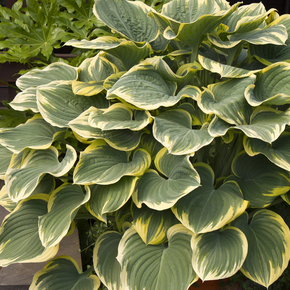
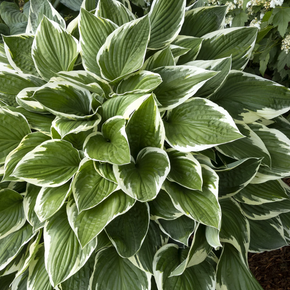
- Strikingly unique upright foliage with narrow, tightly folded dark olive-green leaves edged in a thin golden-yellow margin — resembling hands folded in prayer
- Award-winning cultivar honored as the 2011 Hosta of the Year and recipient of the Royal Horticultural Society's prestigious Award of Garden Merit
- Exceptionally low-maintenance shade perennial with notable slug resistance thanks to its thick, waxy, tightly folded leaf structure
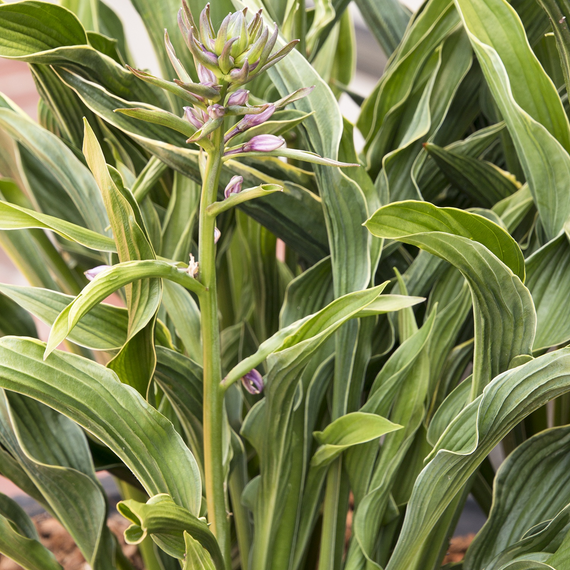
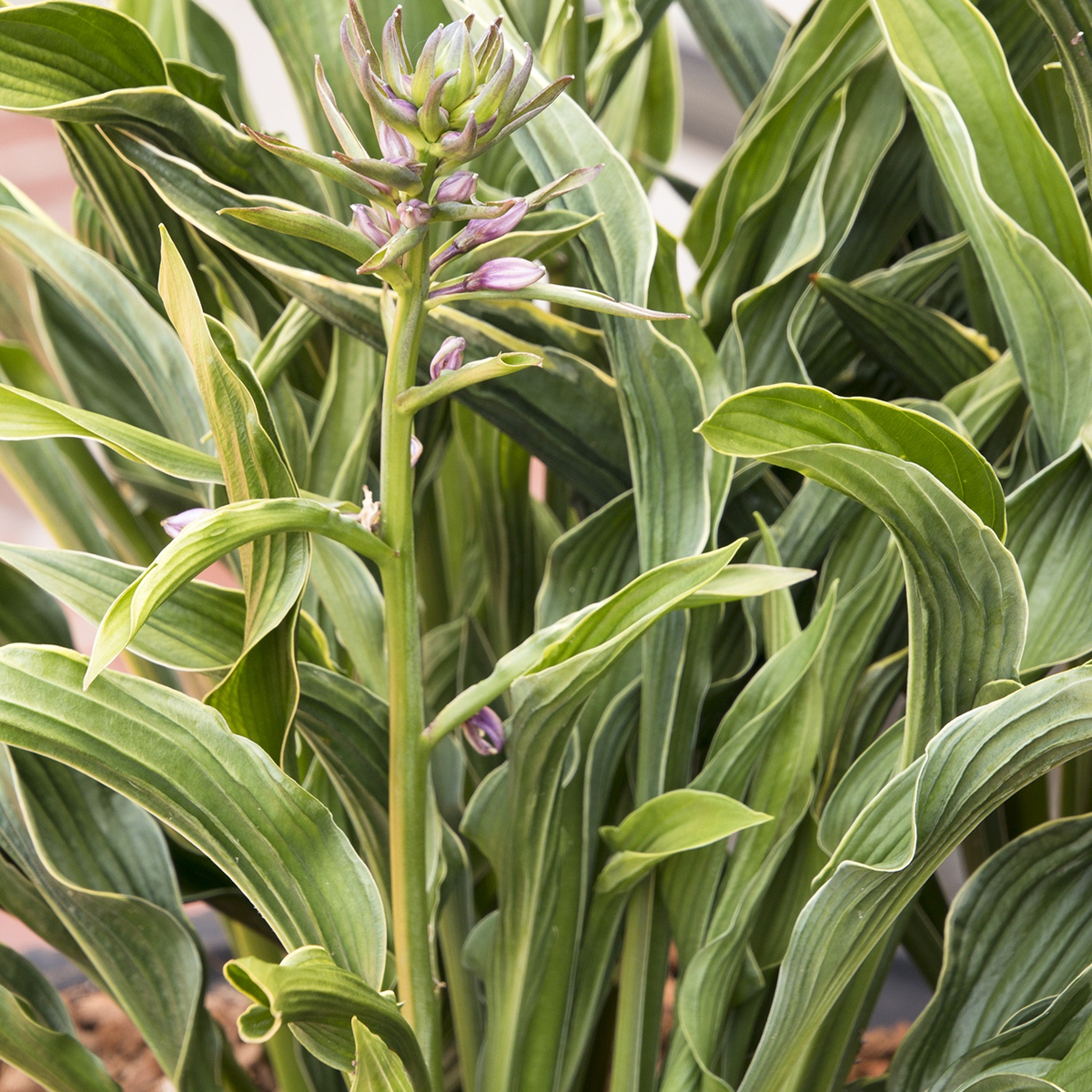
- Pale lavender bell-shaped blooms rise on 16-18 inch scapes in late summer, attracting hummingbirds and songbirds to the garden
Hosta 'Praying Hands' is one of the most distinctive and conversation-starting shade perennials available to home gardeners, earning its name from its narrow, tightly folded dark olive-green leaves that stand upright and clasp together in a gesture unmistakably reminiscent of hands folded in prayer. Each heavily rippled leaf features a matte topside with a contrasting glossy, almost mirror-like underside that becomes visible as the foliage curves inward, all highlighted by a very narrow golden-yellow margin that adds a luminous edge to the deep green. This medium-sized herbaceous perennial forms a tidy, semi-upright clump and is remarkably versatile — equally at home as a specimen planting, a refined container accent, or a textural focal point in a shaded border. In late summer, pale lavender, bell-shaped flowers emerge atop slender 16-18 inch scapes, extending the seasonal interest well into fall and offering a nectar source for hummingbirds. Hardy in USDA Zones 3-9, 'Praying Hands' is a tough, adaptable perennial that thrives in partial to full shade with consistently moist, well-drained soil rich in organic matter. Its thicker-than-average leaf texture provides above-average resistance to slug damage, making it a reliable choice even in gardens where slugs are a persistent challenge. Awarded the American Hosta Growers Association Hosta of the Year in 2011 and the Royal Horticultural Society Award of Garden Merit, this cultivar has earned its place as a must-have for hosta enthusiasts and shade gardeners alike throughout Southern Oregon and Northern California.
Plant Description
Hosta 'Praying Hands' is a truly one-of-a-kind herbaceous perennial that stands apart from all other hostas by its remarkable, sculptural foliage. The leaves are narrow and elongated, folded tightly along their length in an upright, almost vertical orientation that gives the plant its iconic "praying hands" silhouette. The leaf surface is dark olive-green with a satiny matte finish on top, while the undersides are distinctly shiny and glossy — a detail made visible as the leaves fold and curl inward. Each leaf is edged with a very narrow golden-yellow to creamy-white margin that outlines the rippled, undulating leaf edges. The overall plant habit is semi-upright and clump-forming, creating a dense, architectural mound. In late summer, slender green scapes rise 16-18 inches above the foliage and bear racemes of pale lavender, nodding bell-shaped flowers. This cultivar was discovered by Gerald Englerth of Minnesota, registered in 1996, and went on to win the American Hosta Growers Association Hosta of the Year award in 2011 and the Royal Horticultural Society Award of Garden Merit in 2012.
Mature Size
| Attribute | Measurement |
|---|---|
| Mature Height (foliage) | 14-18 inches (35-45 cm) |
| Mature Spread | 12-24 inches (30-60 cm) |
| Flower Scape Height | 16-18 inches above foliage |
| Size Classification | Medium |
| Plant Habit | Upright, clump-forming |
| Growth Rate | Moderate (slower in early years due to narrow leaf structure) |
| Time to Reach Mature Size | Approximately 2-5 years |
| Recommended Spacing | 16 inches (40 cm) on center; 12 inches apart for mass plantings |
Hardiness Zones
Hosta 'Praying Hands' is a remarkably cold-hardy perennial suitable for a wide range of climates across the United States. It is rated for USDA Hardiness Zones 3-9, tolerating winter temperatures as low as -40°F in its coldest range. It also performs well across AHS Heat Zones 2-9. Like all hostas, 'Praying Hands' requires a period of winter dormancy — ideally at least 3-4 weeks of temperatures at or below 40°F — in order to emerge vigorously in spring. In warmer areas such as Zones 8-9, including parts of Northern California, afternoon shade is especially critical to protect the foliage from sun scorch and heat stress. This cultivar is well suited to the mild winters and warm summers typical of Southern Oregon and Northern California, provided it is sited in a sheltered spot with adequate shade during the hottest part of the day.
Sunlight Requirements
Hosta 'Praying Hands' performs best in partial shade to full shade, making it an outstanding choice for those challenging low-light areas of the garden. It thrives with dappled or filtered light throughout the day, or with direct morning sun followed by shade in the afternoon. Afternoon shade is particularly important in warmer climates and during the heat of summer, as direct midday or afternoon sun can scorch the foliage and dull its rich color. Compared to many other hostas, 'Praying Hands' can tolerate a bit more light than average — a touch of morning sun can actually enhance the golden-yellow leaf margins — but it should never be exposed to prolonged direct afternoon sunlight. North-facing, east-facing, and west-facing aspects with shelter from hot afternoon exposure are all ideal. Avoid full sun locations entirely, as this will cause leaf bleaching, browning of the margins, and overall decline.
Soil and pH Preferences
For best performance, plant 'Praying Hands' hosta in fertile, humus-rich soil that is consistently moist yet well-drained. Soggy or waterlogged conditions should be avoided, as standing water around the crown can lead to rot. This cultivar grows in a wide range of soil pH levels — from acidic to neutral to slightly alkaline — though it tends to thrive most vigorously in slightly acidic soil in the pH range of 6.0 to 6.8. It is tolerant of clay and loamy soils, though it establishes and grows most quickly in well-amended sandy loam. Before planting, work 2-3 inches of compost or other organic matter into the planting area to improve drainage in heavy clay soils and to increase moisture retention in sandy soils. Avoid compacted soils, as good aeration around the roots is essential for healthy growth. Shelter the planting site from cold, drying winds, which can desiccate the foliage.
Watering Guide
Consistent soil moisture is key to keeping 'Praying Hands' hosta looking its best. The soil should remain evenly moist to a depth of about 6 inches, but never waterlogged. During the first growing season after planting, water regularly to help establish a strong root system — checking soil moisture every few days and watering whenever the top inch of soil feels dry. Once established, 'Praying Hands' develops reasonable drought tolerance, though it will still benefit from supplemental watering during prolonged hot or dry spells. Water deeply at the base of the plant rather than overhead to keep foliage dry and reduce the risk of fungal disease. Drip irrigation or a watering wand directed at the soil surface is ideal. Container-grown plants dry out more quickly than in-ground plants, especially in summer, and may need watering every 2-3 days during peak heat. Browning along leaf margins is often the first sign that the plant is not receiving adequate moisture.
Fertilizing
Hosta 'Praying Hands' is a relatively light feeder, but it will reward you with lusher, more vibrant foliage when given a modest fertilization program. Apply a balanced, slow-release granular fertilizer in early spring just as the new shoots emerge from the ground. A fertilizer with a higher nitrogen content (the first number in the N-P-K ratio) will promote the rich, deep green foliage this cultivar is known for. A second, lighter application of a slow-release or water-soluble balanced fertilizer can be made in late spring to early summer. Avoid fertilizing after mid-summer, as late-season feeding can stimulate tender new growth that may be damaged by early frosts. Always water fertilizer in well after application. Incorporating compost into the soil at planting and as an annual top dressing is an excellent organic alternative that improves both soil structure and fertility over time. Avoid over-fertilizing, as excessive nitrogen can make the plant more susceptible to pests and disease.
Pruning and Maintenance
Hosta 'Praying Hands' is a low-maintenance perennial that requires minimal pruning to look its best throughout the growing season. During the growing season, remove any dead, yellowing, or damaged leaves at their base to keep the plant tidy and to improve air circulation. After the flowers finish blooming, the spent flower scapes can be cut off at the base — since 'Praying Hands' rarely sets viable seed, removing the scapes helps direct the plant's energy back into foliage development. In late fall, after the first hard frost causes the foliage to die back, cut the entire plant back to the ground and remove the dead leaves from the garden to reduce overwintering habitat for slugs, snails, and other pests. Alternatively, some gardeners leave the foliage through winter to act as natural insulation for the crown and clean up in early spring before new growth emerges. Apply a 2-3 inch layer of organic mulch such as shredded bark or wood chips around the plant (keeping mulch away from the crown) to help retain soil moisture, moderate soil temperature, and suppress weeds.
Planting Instructions
- Choose a site with partial to full shade and shelter from hot afternoon sun and cold, drying winds.
- Amend the planting area by working 2-3 inches of compost deeply into the soil to improve drainage and fertility.
- Dig a planting hole approximately twice the width of the root ball and no deeper than the root ball itself.
- Water the plant thoroughly in its container before removing it, then gently slide the root ball free. Loosen any circling or tightly wound roots with your fingers.
- Set the plant in the hole so that the top of the root ball is level with the surrounding soil — do not plant deeper than it was growing in the container, and be careful not to bury the crown where the leaves emerge.
- Backfill with amended soil, firming gently around the base to eliminate air pockets.
- Water deeply and thoroughly after planting to settle the soil and encourage root establishment.
- Apply a 2-3 inch layer of mulch around the plant, keeping it a few inches away from the crown to prevent rot.
- Spring and fall are the best planting times; if planting in fall, allow at least 6 weeks before the first expected frost for roots to establish.
Seasonal Interest
Hosta 'Praying Hands' offers exceptional multi-season appeal in the shade garden. In mid to late spring, the tightly folded, spear-like new shoots emerge from the ground, unfurling into the unique upright, praying-hands form that makes this cultivar so distinctive. The foliage is at its peak through spring and summer, providing a bold, architectural accent with its deep olive-green color and shimmering golden-yellow margins. In mid to late summer — typically July through August — pale lavender bell-shaped flowers rise on slender 16-18 inch scapes above the foliage, adding a delicate floral element and attracting hummingbirds and songbirds. As temperatures cool in autumn, the foliage takes on warm golden-yellow tones before the plant goes dormant for the winter, adding a final flourish of fall color to the shade garden before dying back gracefully to the ground.
Landscape Uses
The unique upright, sculptural form of 'Praying Hands' hosta makes it a standout choice for a wide range of landscape applications. Its narrow, vertical silhouette provides a dramatic textural contrast when combined with the broader, flatter foliage of other hosta varieties or the soft, feathery texture of ferns. Ideal uses include:
- Specimen or focal point planting in a shaded border or woodland garden
- Mixed shade perennial beds and borders for textural contrast
- Container gardening — excellent as a "thriller" in mixed patio planters or as a solo specimen in a decorative pot
- City and courtyard gardens where space is limited
- Cottage and informal garden settings
- Edging along shaded pathways or walkways
- Mass planting under deciduous trees, spaced approximately 12 inches apart for a dense ground cover effect
- Naturalistic woodland or shade garden designs alongside ferns, astilbe, and bleeding heart
Companion Plants
The upright, narrow form and dark olive-green foliage of 'Praying Hands' hosta pairs beautifully with a wide variety of shade-loving plants, offering striking textural and color contrasts. Consider the following companions for a layered, visually dynamic shade garden:
- Ferns (Athyrium, Dryopteris, Osmunda): Feathery, arching fronds provide a soft contrast to the bold, upright form of 'Praying Hands'
- Bleeding Heart (Lamprocapnos spectabilis): Delicate, arching stems with heart-shaped flowers complement the hosta's dense foliage in spring
- Coral Bells (Heuchera): Colorful foliage in burgundy, caramel, or lime green provides vivid color contrast in the shade garden
- Siberian Bugloss (Brunnera macrophylla): Heart-shaped, silver-splashed leaves and tiny blue forget-me-not flowers are a classic pairing
- Ligularia: Bold, large leaves and tall yellow flower spikes make a dramatic statement alongside 'Praying Hands'
- Liriope: Grass-like texture helps define edges and provides excellent ground-level contrast
- Japanese Sedge (Carex oshimensis): Fine-textured, arching grass-like foliage creates an elegant understory companion
- Impatiens: Adds seasonal color while helping to keep the soil cool and moist
- Other Hostas: Pair with broad-leaved, heart-shaped varieties like 'Sum and Substance' or blue-leaved hostas for maximum textural contrast
Pests and Diseases
Hosta 'Praying Hands' is notably more resistant to pests than many other hosta cultivars, largely due to its thick, tightly folded leaves. However, gardeners should remain watchful for the following issues:
- Slugs and Snails: The most common hosta pest. While 'Praying Hands' has above-average slug resistance thanks to its thick leaf texture, heavy infestations can still cause irregular holes in the foliage. Reduce slug habitat by removing leaf litter and debris, water in the morning to allow the soil surface to dry by evening, and use iron phosphate-based slug baits if needed. Beer traps are an effective organic control.
- Deer and Rabbits: Hostas are a preferred food source for deer, which tear ragged holes in leaves; rabbits leave clean-cut petioles. Fencing, repellent sprays, and strategic siting close to the house can help deter browsing animals.
- Aphids: Can cluster on soft new growth; dislodge with a strong stream of water or treat with insecticidal soap.
- Vine Weevil: Primarily a concern for container-grown plants; larvae feed on roots. Use biological controls (beneficial nematodes) or appropriate soil drenches.
- Anthracnose and Leaf Spot (Cercospora, Alternaria): Fungal diseases favored by warm, wet conditions. Avoid overhead watering, improve air circulation, and remove infected leaves promptly. Fungicide applications may be warranted in severe cases.
- Petiole and Crown Rot (Sclerotium rolfsii): A serious fungal disease causing collapse of leaves at the base; remove and destroy affected plants and replace surrounding soil.
- Hosta Virus X (HVX) and other viruses: Cause mottled, distorted, or puckered foliage. There is no cure; remove and destroy infected plants to prevent spread. Always purchase plants from reputable, virus-tested sources.
Container Growing
Hosta 'Praying Hands' is an excellent candidate for container gardening, and its striking upright form makes it especially effective as a focal "thriller" plant in a mixed patio planter or as a solo specimen in a decorative pot. Choose a container with ample drainage holes and a diameter at least 12-16 inches wide to allow room for the root system to develop. Use a high-quality, well-draining potting mix amended with compost or slow-release fertilizer at planting. Container-grown hostas dry out more quickly than those in the ground, so check soil moisture frequently — daily during summer heat waves — and water thoroughly when the top inch of soil feels dry. Apply a liquid balanced fertilizer every 3-4 weeks during the active growing season, or use a slow-release granular fertilizer incorporated into the potting mix at the start of the season. In winter, containers in colder climates should be moved to an unheated garage or sheltered location to protect the roots from hard freezes, or the plant can be sunk into the ground in its pot. Repot every 2-3 years or when the plant becomes root-bound.
Wildlife Value
Despite being a primarily foliage-focused ornamental, Hosta 'Praying Hands' contributes meaningful value to the garden ecosystem. The pale lavender, bell-shaped flowers produced in mid to late summer on tall scapes are a known attractant for hummingbirds, which are drawn to the tubular blooms for their nectar. Songbirds are also attracted to the plant, particularly during and after flowering. The dense, low mound of foliage can provide shelter and microhabitat for beneficial ground-dwelling insects. However, it is important to note that all parts of the hosta plant are toxic to dogs, cats, and horses if ingested, so placement should be considered in households with pets that have access to garden areas.
Toxicity and Safety
Hosta 'Praying Hands', like all hosta species and cultivars, contains saponins and other compounds that are toxic to companion animals. All parts of the plant — including the leaves, stems, and flowers — are considered toxic to dogs, cats, and horses if ingested. Symptoms of hosta ingestion in pets can include vomiting, diarrhea, depression, and loss of appetite. The plant is not considered toxic to humans. Gardeners with pets that roam freely in garden areas should consider the placement of hostas carefully, or use low barriers to discourage access. If you suspect your pet has consumed any part of this plant, contact your veterinarian or an emergency animal poison control hotline promptly.
- Strikingly unique upright foliage with narrow, tightly folded dark olive-green leaves edged in a thin golden-yellow margin — resembling hands folded in prayer
- Award-winning cultivar honored as the 2011 Hosta of the Year and recipient of the Royal Horticultural Society's prestigious Award of Garden Merit
- Exceptionally low-maintenance shade perennial with notable slug resistance thanks to its thick, waxy, tightly folded leaf structure
- Pale lavender bell-shaped blooms rise on 16-18 inch scapes in late summer, attracting hummingbirds and songbirds to the garden
Hosta 'Praying Hands' is one of the most distinctive and conversation-starting shade perennials available to home gardeners, earning its name from its narrow, tightly folded dark olive-green leaves that stand upright and clasp together in a gesture unmistakably reminiscent of hands folded in prayer. Each heavily rippled leaf features a matte topside with a contrasting glossy, almost mirror-like underside that becomes visible as the foliage curves inward, all highlighted by a very narrow golden-yellow margin that adds a luminous edge to the deep green. This medium-sized herbaceous perennial forms a tidy, semi-upright clump and is remarkably versatile — equally at home as a specimen planting, a refined container accent, or a textural focal point in a shaded border. In late summer, pale lavender, bell-shaped flowers emerge atop slender 16-18 inch scapes, extending the seasonal interest well into fall and offering a nectar source for hummingbirds. Hardy in USDA Zones 3-9, 'Praying Hands' is a tough, adaptable perennial that thrives in partial to full shade with consistently moist, well-drained soil rich in organic matter. Its thicker-than-average leaf texture provides above-average resistance to slug damage, making it a reliable choice even in gardens where slugs are a persistent challenge. Awarded the American Hosta Growers Association Hosta of the Year in 2011 and the Royal Horticultural Society Award of Garden Merit, this cultivar has earned its place as a must-have for hosta enthusiasts and shade gardeners alike throughout Southern Oregon and Northern California.
Plant Description
Hosta 'Praying Hands' is a truly one-of-a-kind herbaceous perennial that stands apart from all other hostas by its remarkable, sculptural foliage. The leaves are narrow and elongated, folded tightly along their length in an upright, almost vertical orientation that gives the plant its iconic "praying hands" silhouette. The leaf surface is dark olive-green with a satiny matte finish on top, while the undersides are distinctly shiny and glossy — a detail made visible as the leaves fold and curl inward. Each leaf is edged with a very narrow golden-yellow to creamy-white margin that outlines the rippled, undulating leaf edges. The overall plant habit is semi-upright and clump-forming, creating a dense, architectural mound. In late summer, slender green scapes rise 16-18 inches above the foliage and bear racemes of pale lavender, nodding bell-shaped flowers. This cultivar was discovered by Gerald Englerth of Minnesota, registered in 1996, and went on to win the American Hosta Growers Association Hosta of the Year award in 2011 and the Royal Horticultural Society Award of Garden Merit in 2012.
Mature Size
| Attribute | Measurement |
|---|---|
| Mature Height (foliage) | 14-18 inches (35-45 cm) |
| Mature Spread | 12-24 inches (30-60 cm) |
| Flower Scape Height | 16-18 inches above foliage |
| Size Classification | Medium |
| Plant Habit | Upright, clump-forming |
| Growth Rate | Moderate (slower in early years due to narrow leaf structure) |
| Time to Reach Mature Size | Approximately 2-5 years |
| Recommended Spacing | 16 inches (40 cm) on center; 12 inches apart for mass plantings |
Hardiness Zones
Hosta 'Praying Hands' is a remarkably cold-hardy perennial suitable for a wide range of climates across the United States. It is rated for USDA Hardiness Zones 3-9, tolerating winter temperatures as low as -40°F in its coldest range. It also performs well across AHS Heat Zones 2-9. Like all hostas, 'Praying Hands' requires a period of winter dormancy — ideally at least 3-4 weeks of temperatures at or below 40°F — in order to emerge vigorously in spring. In warmer areas such as Zones 8-9, including parts of Northern California, afternoon shade is especially critical to protect the foliage from sun scorch and heat stress. This cultivar is well suited to the mild winters and warm summers typical of Southern Oregon and Northern California, provided it is sited in a sheltered spot with adequate shade during the hottest part of the day.
Sunlight Requirements
Hosta 'Praying Hands' performs best in partial shade to full shade, making it an outstanding choice for those challenging low-light areas of the garden. It thrives with dappled or filtered light throughout the day, or with direct morning sun followed by shade in the afternoon. Afternoon shade is particularly important in warmer climates and during the heat of summer, as direct midday or afternoon sun can scorch the foliage and dull its rich color. Compared to many other hostas, 'Praying Hands' can tolerate a bit more light than average — a touch of morning sun can actually enhance the golden-yellow leaf margins — but it should never be exposed to prolonged direct afternoon sunlight. North-facing, east-facing, and west-facing aspects with shelter from hot afternoon exposure are all ideal. Avoid full sun locations entirely, as this will cause leaf bleaching, browning of the margins, and overall decline.
Soil and pH Preferences
For best performance, plant 'Praying Hands' hosta in fertile, humus-rich soil that is consistently moist yet well-drained. Soggy or waterlogged conditions should be avoided, as standing water around the crown can lead to rot. This cultivar grows in a wide range of soil pH levels — from acidic to neutral to slightly alkaline — though it tends to thrive most vigorously in slightly acidic soil in the pH range of 6.0 to 6.8. It is tolerant of clay and loamy soils, though it establishes and grows most quickly in well-amended sandy loam. Before planting, work 2-3 inches of compost or other organic matter into the planting area to improve drainage in heavy clay soils and to increase moisture retention in sandy soils. Avoid compacted soils, as good aeration around the roots is essential for healthy growth. Shelter the planting site from cold, drying winds, which can desiccate the foliage.
Watering Guide
Consistent soil moisture is key to keeping 'Praying Hands' hosta looking its best. The soil should remain evenly moist to a depth of about 6 inches, but never waterlogged. During the first growing season after planting, water regularly to help establish a strong root system — checking soil moisture every few days and watering whenever the top inch of soil feels dry. Once established, 'Praying Hands' develops reasonable drought tolerance, though it will still benefit from supplemental watering during prolonged hot or dry spells. Water deeply at the base of the plant rather than overhead to keep foliage dry and reduce the risk of fungal disease. Drip irrigation or a watering wand directed at the soil surface is ideal. Container-grown plants dry out more quickly than in-ground plants, especially in summer, and may need watering every 2-3 days during peak heat. Browning along leaf margins is often the first sign that the plant is not receiving adequate moisture.
Fertilizing
Hosta 'Praying Hands' is a relatively light feeder, but it will reward you with lusher, more vibrant foliage when given a modest fertilization program. Apply a balanced, slow-release granular fertilizer in early spring just as the new shoots emerge from the ground. A fertilizer with a higher nitrogen content (the first number in the N-P-K ratio) will promote the rich, deep green foliage this cultivar is known for. A second, lighter application of a slow-release or water-soluble balanced fertilizer can be made in late spring to early summer. Avoid fertilizing after mid-summer, as late-season feeding can stimulate tender new growth that may be damaged by early frosts. Always water fertilizer in well after application. Incorporating compost into the soil at planting and as an annual top dressing is an excellent organic alternative that improves both soil structure and fertility over time. Avoid over-fertilizing, as excessive nitrogen can make the plant more susceptible to pests and disease.
Pruning and Maintenance
Hosta 'Praying Hands' is a low-maintenance perennial that requires minimal pruning to look its best throughout the growing season. During the growing season, remove any dead, yellowing, or damaged leaves at their base to keep the plant tidy and to improve air circulation. After the flowers finish blooming, the spent flower scapes can be cut off at the base — since 'Praying Hands' rarely sets viable seed, removing the scapes helps direct the plant's energy back into foliage development. In late fall, after the first hard frost causes the foliage to die back, cut the entire plant back to the ground and remove the dead leaves from the garden to reduce overwintering habitat for slugs, snails, and other pests. Alternatively, some gardeners leave the foliage through winter to act as natural insulation for the crown and clean up in early spring before new growth emerges. Apply a 2-3 inch layer of organic mulch such as shredded bark or wood chips around the plant (keeping mulch away from the crown) to help retain soil moisture, moderate soil temperature, and suppress weeds.
Planting Instructions
- Choose a site with partial to full shade and shelter from hot afternoon sun and cold, drying winds.
- Amend the planting area by working 2-3 inches of compost deeply into the soil to improve drainage and fertility.
- Dig a planting hole approximately twice the width of the root ball and no deeper than the root ball itself.
- Water the plant thoroughly in its container before removing it, then gently slide the root ball free. Loosen any circling or tightly wound roots with your fingers.
- Set the plant in the hole so that the top of the root ball is level with the surrounding soil — do not plant deeper than it was growing in the container, and be careful not to bury the crown where the leaves emerge.
- Backfill with amended soil, firming gently around the base to eliminate air pockets.
- Water deeply and thoroughly after planting to settle the soil and encourage root establishment.
- Apply a 2-3 inch layer of mulch around the plant, keeping it a few inches away from the crown to prevent rot.
- Spring and fall are the best planting times; if planting in fall, allow at least 6 weeks before the first expected frost for roots to establish.
Seasonal Interest
Hosta 'Praying Hands' offers exceptional multi-season appeal in the shade garden. In mid to late spring, the tightly folded, spear-like new shoots emerge from the ground, unfurling into the unique upright, praying-hands form that makes this cultivar so distinctive. The foliage is at its peak through spring and summer, providing a bold, architectural accent with its deep olive-green color and shimmering golden-yellow margins. In mid to late summer — typically July through August — pale lavender bell-shaped flowers rise on slender 16-18 inch scapes above the foliage, adding a delicate floral element and attracting hummingbirds and songbirds. As temperatures cool in autumn, the foliage takes on warm golden-yellow tones before the plant goes dormant for the winter, adding a final flourish of fall color to the shade garden before dying back gracefully to the ground.
Landscape Uses
The unique upright, sculptural form of 'Praying Hands' hosta makes it a standout choice for a wide range of landscape applications. Its narrow, vertical silhouette provides a dramatic textural contrast when combined with the broader, flatter foliage of other hosta varieties or the soft, feathery texture of ferns. Ideal uses include:
- Specimen or focal point planting in a shaded border or woodland garden
- Mixed shade perennial beds and borders for textural contrast
- Container gardening — excellent as a "thriller" in mixed patio planters or as a solo specimen in a decorative pot
- City and courtyard gardens where space is limited
- Cottage and informal garden settings
- Edging along shaded pathways or walkways
- Mass planting under deciduous trees, spaced approximately 12 inches apart for a dense ground cover effect
- Naturalistic woodland or shade garden designs alongside ferns, astilbe, and bleeding heart
Companion Plants
The upright, narrow form and dark olive-green foliage of 'Praying Hands' hosta pairs beautifully with a wide variety of shade-loving plants, offering striking textural and color contrasts. Consider the following companions for a layered, visually dynamic shade garden:
- Ferns (Athyrium, Dryopteris, Osmunda): Feathery, arching fronds provide a soft contrast to the bold, upright form of 'Praying Hands'
- Bleeding Heart (Lamprocapnos spectabilis): Delicate, arching stems with heart-shaped flowers complement the hosta's dense foliage in spring
- Coral Bells (Heuchera): Colorful foliage in burgundy, caramel, or lime green provides vivid color contrast in the shade garden
- Siberian Bugloss (Brunnera macrophylla): Heart-shaped, silver-splashed leaves and tiny blue forget-me-not flowers are a classic pairing
- Ligularia: Bold, large leaves and tall yellow flower spikes make a dramatic statement alongside 'Praying Hands'
- Liriope: Grass-like texture helps define edges and provides excellent ground-level contrast
- Japanese Sedge (Carex oshimensis): Fine-textured, arching grass-like foliage creates an elegant understory companion
- Impatiens: Adds seasonal color while helping to keep the soil cool and moist
- Other Hostas: Pair with broad-leaved, heart-shaped varieties like 'Sum and Substance' or blue-leaved hostas for maximum textural contrast
Pests and Diseases
Hosta 'Praying Hands' is notably more resistant to pests than many other hosta cultivars, largely due to its thick, tightly folded leaves. However, gardeners should remain watchful for the following issues:
- Slugs and Snails: The most common hosta pest. While 'Praying Hands' has above-average slug resistance thanks to its thick leaf texture, heavy infestations can still cause irregular holes in the foliage. Reduce slug habitat by removing leaf litter and debris, water in the morning to allow the soil surface to dry by evening, and use iron phosphate-based slug baits if needed. Beer traps are an effective organic control.
- Deer and Rabbits: Hostas are a preferred food source for deer, which tear ragged holes in leaves; rabbits leave clean-cut petioles. Fencing, repellent sprays, and strategic siting close to the house can help deter browsing animals.
- Aphids: Can cluster on soft new growth; dislodge with a strong stream of water or treat with insecticidal soap.
- Vine Weevil: Primarily a concern for container-grown plants; larvae feed on roots. Use biological controls (beneficial nematodes) or appropriate soil drenches.
- Anthracnose and Leaf Spot (Cercospora, Alternaria): Fungal diseases favored by warm, wet conditions. Avoid overhead watering, improve air circulation, and remove infected leaves promptly. Fungicide applications may be warranted in severe cases.
- Petiole and Crown Rot (Sclerotium rolfsii): A serious fungal disease causing collapse of leaves at the base; remove and destroy affected plants and replace surrounding soil.
- Hosta Virus X (HVX) and other viruses: Cause mottled, distorted, or puckered foliage. There is no cure; remove and destroy infected plants to prevent spread. Always purchase plants from reputable, virus-tested sources.
Container Growing
Hosta 'Praying Hands' is an excellent candidate for container gardening, and its striking upright form makes it especially effective as a focal "thriller" plant in a mixed patio planter or as a solo specimen in a decorative pot. Choose a container with ample drainage holes and a diameter at least 12-16 inches wide to allow room for the root system to develop. Use a high-quality, well-draining potting mix amended with compost or slow-release fertilizer at planting. Container-grown hostas dry out more quickly than those in the ground, so check soil moisture frequently — daily during summer heat waves — and water thoroughly when the top inch of soil feels dry. Apply a liquid balanced fertilizer every 3-4 weeks during the active growing season, or use a slow-release granular fertilizer incorporated into the potting mix at the start of the season. In winter, containers in colder climates should be moved to an unheated garage or sheltered location to protect the roots from hard freezes, or the plant can be sunk into the ground in its pot. Repot every 2-3 years or when the plant becomes root-bound.
Wildlife Value
Despite being a primarily foliage-focused ornamental, Hosta 'Praying Hands' contributes meaningful value to the garden ecosystem. The pale lavender, bell-shaped flowers produced in mid to late summer on tall scapes are a known attractant for hummingbirds, which are drawn to the tubular blooms for their nectar. Songbirds are also attracted to the plant, particularly during and after flowering. The dense, low mound of foliage can provide shelter and microhabitat for beneficial ground-dwelling insects. However, it is important to note that all parts of the hosta plant are toxic to dogs, cats, and horses if ingested, so placement should be considered in households with pets that have access to garden areas.
Toxicity and Safety
Hosta 'Praying Hands', like all hosta species and cultivars, contains saponins and other compounds that are toxic to companion animals. All parts of the plant — including the leaves, stems, and flowers — are considered toxic to dogs, cats, and horses if ingested. Symptoms of hosta ingestion in pets can include vomiting, diarrhea, depression, and loss of appetite. The plant is not considered toxic to humans. Gardeners with pets that roam freely in garden areas should consider the placement of hostas carefully, or use low barriers to discourage access. If you suspect your pet has consumed any part of this plant, contact your veterinarian or an emergency animal poison control hotline promptly.
Related Products