Zoom the image with the mouse
Earth Angel Hosta - 1 Gallon
SKU:
2106070
UPC:
014949392133
$14.99
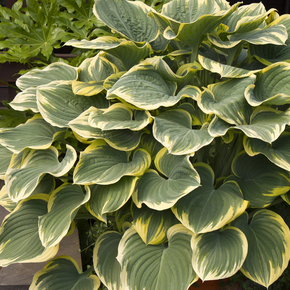
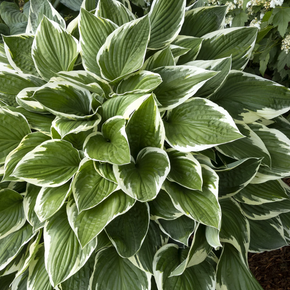
- Award-winning 2009 Hosta of the Year - a bold, giant sport of the legendary 'Blue Angel' hosta featuring enormous blue-green, heart-shaped leaves with striking creamy white margins that widen dramatically as the plant matures
- Exceptionally cold-hardy perennial thriving in USDA Zones 3-9, tolerating temperatures as low as -40°F and returning reliably each spring with increasing size and grandeur
- Pale lavender flower scapes rise above the lush foliage mounds in mid to late summer, attracting hummingbirds and butterflies to shaded garden spaces
- Low-maintenance, fast-growing shade garden showstopper ideal as a bold specimen, massed planting, or mixed border anchor - adaptable to everything from clay to sandy soils
Hosta x 'Earth Angel' is a magnificent giant shade perennial and the celebrated 2009 Hosta of the Year, earning its angelic name with some of the most breathtaking foliage in the hosta world. A spectacular sport of the beloved 'Blue Angel', this award-winning cultivar was introduced by Hans Hansen and stands apart as the first giant blue hosta to feature a border - a true breakthrough in hosta breeding. Each dramatic leaf is thick, wide, deeply ribbed, and broadly heart-shaped, displaying a rich blue-green center that transitions into a wide creamy white margin that begins as a warm golden-yellow in spring before lightening to soft cream by summer. As the plant matures over the years, that creamy border grows increasingly wide, sometimes sending streaks of cream toward the midrib for an even more painterly effect. Mature clumps reach an impressive 24 to 36 inches tall and can spread 3 to 5 feet wide, forming a bold, architectural presence in any shaded landscape. In mid to late summer, elegant pale lavender flower scapes rise gracefully above the foliage, adding a delicate floral element that draws in hummingbirds and pollinators. Remarkably cold-hardy down to -40°F and adaptable across USDA Zones 3-9, Earth Angel Hosta thrives in partial to full shade with consistently moist, humus-rich, well-drained soil, and once established, it even demonstrates surprising drought tolerance. Whether used as a commanding specimen plant, a lush mass planting under a canopy of trees, or a dramatic anchor in a mixed shade border, Hosta 'Earth Angel' delivers season-long textural beauty and effortless elegance with minimal care.
Plant Description
Hosta 'Earth Angel' is a clump-forming herbaceous perennial and a sport of the iconic 'Blue Angel' hosta, introduced by Hans Hansen. It is recognized as a landmark cultivar - the first giant blue hosta ever to carry a border variegation. Its enormous, thick, deeply ribbed leaves are broadly heart-shaped with a distinctly pointed tip, displaying a blue-green central coloration surrounded by a wide creamy white margin. In spring, that margin emerges as a warm golden-yellow before transitioning to soft cream through summer. With age and maturity, the margin becomes even wider and may streak inward toward the midrib, creating a stunning, ever-evolving foliage display. The leaves can reach up to 12 inches across, giving the plant a truly bold, sculptural quality. In mid to late summer, tall scapes bearing pale lavender to near-white tubular flowers rise above the foliage, providing a graceful, airy contrast to the heavy leaves below. Named the 2009 Hosta of the Year, 'Earth Angel' has earned a permanent place among the most celebrated hostas in cultivation.
Mature Size
| Attribute | Measurement |
|---|---|
| Mature Height | 24 to 36 inches |
| Mature Spread | 36 to 60 inches (3 to 5 feet) |
| Individual Leaf Width | Up to 12 inches across |
| Size Classification | Giant hosta |
| Growth Rate | Fast; clumps expand noticeably each season |
Earth Angel is considered a giant-class hosta. Allow generous spacing of at least 36 to 48 inches between plants to accommodate its eventual spread and to promote good air circulation. Like all hostas, it takes several years to reach its full mature size, growing increasingly impressive and more dramatically variegated with each passing season.
Hardiness Zones
Hosta 'Earth Angel' is an exceptionally cold-hardy perennial suited to a very wide range of climates across North America. It is reliably hardy in USDA Plant Hardiness Zones 3 through 9, tolerating winter temperatures as low as -40°F. This makes it one of the most broadly adaptable hostas available, performing beautifully in everything from the frigid winters of the Upper Midwest and the Pacific Northwest to the milder winters of the South. In Zones 8 and 9, providing afternoon shade and consistent soil moisture is especially important to help the plant cope with summer heat. In all zones, it will go fully dormant in winter and re-emerge each spring, often returning with a larger, more impressive clump than the year before.
Sunlight Requirements
Earth Angel Hosta performs best in partial shade to full shade. Its large blue-green leaves, like those of all blue-toned hostas, are most vibrant and retain their richest color in cool, dappled shade. Ideal exposures include:
- Dappled shade: Filtered light beneath a high tree canopy is the ideal situation, providing gentle, indirect brightness throughout the day.
- Morning sun / afternoon shade: A few hours of gentle morning sun are tolerated and can even enhance the golden spring margin color, but afternoon sun - especially in warmer climates - should be avoided.
- Full shade: Tolerated well, though foliage color and variegation contrast may be slightly less vivid in very deep shade.
Avoid locations with intense afternoon sun or full western exposure. Excessive sun exposure can cause leaf scorch, bleaching of the blue-green color, and browning of the creamy margins. In the Pacific Northwest and other cooler, cloudier regions, Earth Angel can handle more light than in hotter, sunnier climates like California's Central Valley or the Southwest.
Soil and pH Preferences
Earth Angel Hosta is adaptable to a wide range of soil conditions but performs at its very best in rich, humus-laden, consistently moist, well-drained soil. Key soil considerations include:
- Ideal soil type: Loamy, organically rich soil amended with compost, leaf mold, or well-rotted manure
- Drainage: Good drainage is essential - this hosta will not tolerate standing water or chronically saturated roots, which can cause crown and root rot
- pH range: Slightly acidic to neutral, approximately 6.0 to 7.0
- Clay soils: Tolerated but should be amended with organic matter to improve drainage and aeration
- Sandy soils: Tolerated but benefit from generous compost additions to improve moisture and nutrient retention
- Black walnut tolerance: Earth Angel is one of the few shade perennials that can be grown successfully near black walnut trees, which produce the allelopathic compound juglone
Watering Guide
Consistent moisture is key to keeping Earth Angel Hosta looking its lush, full best. However, proper watering technique matters as much as frequency.
- Established plants: Water deeply and infrequently, allowing the top 2 to 3 inches of soil to begin drying between waterings. Deep watering encourages roots to grow downward, building drought resilience.
- Newly planted hostas: Water more frequently during the first growing season to help establish a strong root system.
- Water at the base: Direct water to the soil at the base of the plant rather than overhead to reduce the risk of foliar fungal diseases.
- Mulching: Apply a 2 to 4 inch layer of organic mulch around the plant, keeping it a few inches away from the crown, to conserve soil moisture, moderate soil temperature, and suppress weeds.
- Drought tolerance: Once well established, Earth Angel displays good drought tolerance, though leaves may flag in extreme dry heat. Always keep mulch in place to minimize moisture stress.
- Signs of underwatering: Wilting, drooping leaves, and brown, crispy leaf margins.
- Signs of overwatering: Yellowing leaves, mushy crown, and persistently wet soil.
Fertilizing
Earth Angel Hosta is not a heavy feeder and rewards even modest fertilization with vigorous, lush growth. A simple, consistent routine is all that is needed.
- When to fertilize: Apply fertilizer once in early spring as new growth begins to emerge from the soil. A mid-summer application may be given if growth seems sluggish or foliage looks pale.
- What to use: A balanced, slow-release granular fertilizer such as a 10-10-10 formulation is ideal. Organic alternatives such as compost, worm castings, or well-rotted manure also work beautifully and improve soil structure over time.
- Application method: Broadcast granules evenly around the drip line of the plant and gently scratch into the soil surface. Water thoroughly afterward to move nutrients into the root zone.
- Avoid late-season feeding: Do not fertilize in late summer or fall, as this promotes tender new growth that is vulnerable to early frost damage.
- Avoid over-fertilizing: Excess nitrogen can cause overly soft, lush growth that is more attractive to slugs and more susceptible to disease. Always follow product label directions.
Pruning and Maintenance
One of Earth Angel's greatest attributes is its minimal maintenance requirement. A few simple seasonal tasks keep it looking pristine year after year.
- Deadheading: Remove spent flower scapes after blooming if preferred for a tidier appearance. This is entirely optional and does not harm the plant.
- Damaged leaves: Remove individual leaves that have been damaged by sun scorch, slug feeding, or mechanical injury at any time during the growing season to improve appearance.
- Fall cleanup: After the first hard frost causes the foliage to collapse and yellow, cut the entire clump back to the ground. Removing old foliage reduces slug egg overwintering habitat and gives the garden a neat winter appearance. Alternatively, leave foliage in place to act as natural mulch and remove it in early spring before new growth emerges.
- Division: Divide clumps every 3 to 5 years to rejuvenate growth and propagate new plants. The best times to divide are early spring before the leaves fully unfurl, or in early fall at least 6 weeks before the first expected frost. Use a sharp spade or garden fork to lift and separate the crown into sections, each with several growth eyes.
Planting Instructions
- Choose the right location: Select a spot with partial to full shade, protected from hot afternoon sun, with room for a spread of up to 5 feet at maturity.
- Prepare the soil: Dig the planting area to a depth of 12 to 15 inches. Amend generously with compost or other organic matter to improve drainage, aeration, and nutrient content.
- Dig the planting hole: Make the hole as deep as the root ball and at least twice as wide to allow roots to spread freely into the loosened, amended soil.
- Set the plant: Position the hosta so the top of the root ball sits level with or very slightly above the surrounding soil. Do not bury the crown - planting too deeply encourages crown rot.
- Backfill and firm: Fill the hole with amended soil, gently firming it around the root ball to eliminate large air pockets without compacting the soil.
- Water thoroughly: After planting, water deeply to settle the soil and ensure good root-to-soil contact.
- Apply mulch: Spread a 2 to 4 inch layer of organic mulch over the root zone, keeping it a few inches clear of the crown, to retain moisture and protect roots.
- Spacing: When planting multiple hostas, space Earth Angel at least 36 to 48 inches apart to allow for its impressive mature spread.
- Best planting time: Spring or early summer are preferred, though fall planting at least 6 weeks before the first frost is also successful.
Seasonal Interest
| Season | What to Expect |
|---|---|
| Early Spring | Pointed, tightly furled shoots emerge from the ground, displaying bright golden-yellow margins - the most vivid contrast of the entire season |
| Late Spring | Leaves expand rapidly into their full giant size; the blue-green centers deepen as the creamy margins begin to lighten from gold to pale yellow-cream |
| Summer | Mature foliage displays rich blue-green with wide creamy white margins; tall lavender flower scapes rise above the mound in mid to late summer |
| Fall | Foliage transitions to warm golden-yellow and tan tones before collapsing with frost, offering a final burst of seasonal color |
| Winter | Plant is fully dormant; the crown rests underground and returns reliably the following spring |
Landscape Uses
The bold scale and stunning bicolor foliage of Earth Angel Hosta make it an exceptionally versatile and impactful landscape plant. Consider these proven uses:
- Specimen or focal point: Plant a single large clump where it can be admired on its own - along a shaded walkway, at the base of a large tree, or beside a garden bench
- Mixed shade border: Use as an anchor or backdrop plant among smaller shade perennials, ferns, and groundcovers
- Mass planting: A sweeping mass of Earth Angel creates a dramatic, low-maintenance groundcover effect under a woodland canopy
- Near water features: Its love of consistent moisture makes it an excellent choice beside ponds, streams, or rain gardens
- Understory planting: Thrives naturally beneath the canopy of deciduous trees where light is filtered and soil moisture is reliable
- Erosion control on slopes: Dense clumps help stabilize shaded slopes with their spreading root mass
- Container planting: Stunning in large decorative containers on shaded patios and porches
- Under power lines: Its ultimate height remains well within clearance zones, making it ideal in these restricted spaces
Companion Plants
Earth Angel Hosta combines beautifully with a wide range of shade-loving perennials, shrubs, and groundcovers. Its large blue-green and cream foliage provides a dramatic backdrop or contrast to finer-textured and colorful companions. Excellent partners include:
- Astilbe: Feathery plumes in pink, red, or white provide striking vertical contrast to hosta's bold, horizontal foliage
- Bleeding Heart (Dicentra): Delicate, arching stems and ferny foliage create beautiful textural contrast in spring
- Ferns (Japanese Painted Fern, Ostrich Fern): Fine, lacy fronds offer elegant textural contrast alongside hosta's broad leaves
- Coral Bells (Heuchera): Richly colored foliage in burgundy, caramel, or lime creates striking color combinations at the border edge
- Lungwort (Pulmonaria): Low-growing, spotted foliage and early spring flowers fill in at the feet of larger hostas
- Tiarella and Foamflower: Delicate groundcover that naturalizes beautifully alongside giant hostas in woodland settings
- Smaller hosta varieties: Pairing Earth Angel with miniature or small hostas like 'Blue Mouse Ears' creates a dramatic sense of scale
- Hydrangeas: Large-leaved shade shrubs like bigleaf and oakleaf hydrangeas make magnificent structural companions
- Caladiums: In warmer zones, the colorful tropical foliage of caladiums complements hosta perfectly in summer containers and borders
Pests and Diseases
Earth Angel Hosta is a robust and relatively pest-resistant cultivar with notably high resistance to powdery mildew and root rot, and moderate resistance to leaf spot. However, a few common issues should be monitored.
- Slugs and Snails: The most common and damaging pest of hostas. These nocturnal feeders chew irregular holes in leaves, especially in cool, moist conditions. Control methods include:
- Hand-picking at night or on overcast days
- Applying diatomaceous earth or crushed eggshells around the base
- Using iron phosphate-based slug baits (pet- and wildlife-safe)
- Removing leaf litter and debris where slugs overwinter
- Avoiding late-evening watering, which creates ideal slug conditions
- Deer: Hostas are a known deer favorite. Earth Angel is not considered deer-resistant. Deterrents include motion-activated sprinklers, deer repellent sprays, and physical fencing in areas with high deer pressure.
- Voles: May tunnel through root zones and feed on crowns, especially in winter. Reduce habitat by keeping mulch a few inches away from the crown.
- Hosta Virus X (HVX): A serious viral disease causing mottled, distorted, or inky-blotched foliage. There is no cure; infected plants must be removed and destroyed. Never divide or share tools between suspect and healthy plants. Purchase only from reputable sources.
- Leaf Scorch: Not a disease but a cultural problem caused by too much sun or reflected heat. Move affected plants to deeper shade if scorching is persistent.
- Crown Rot: Rare with proper planting depth and well-drained soil. Avoid planting too deeply and ensure mulch does not pile against the crown.
Container Growing
Earth Angel Hosta is an excellent candidate for large container culture on shaded patios, porches, and decks. Its dramatic foliage creates an impressive display even when grown in pots. Follow these guidelines for success:
- Container size: Use a very large container - at least 18 to 24 inches in diameter and depth - to accommodate Earth Angel's substantial root system and mature spread
- Drainage: Ensure the container has multiple drainage holes; hostas will not tolerate sitting in water
- Potting mix: Use a high-quality, well-draining potting mix blended with compost or other organic matter for moisture retention and fertility
- Watering: Container plants dry out faster than in-ground plants, especially in warm weather. Check soil moisture frequently and water when the top inch or two feels dry
- Fertilizing: Feed container-grown hostas with a balanced, slow-release fertilizer in spring, or use a diluted liquid fertilizer every 2 to 4 weeks through the growing season
- Winter care: In Zones 6 and colder, container-grown hostas are more vulnerable to freeze-thaw damage than in-ground plants. Move pots to an unheated garage or shed, or insulate them with burlap and mulch for winter protection. The plant will go dormant but the roots must be protected from hard freezes
- Repotting: Repot into a larger container every 2 to 3 years as the clump fills its current pot
Wildlife Value
Despite being a target of some garden pests, Earth Angel Hosta offers genuine value to beneficial wildlife throughout the growing season.
- Hummingbirds: The tubular pale lavender flowers produced in mid to late summer are visited by hummingbirds seeking nectar, making this hosta a welcome addition to hummingbird-friendly shade gardens
- Butterflies and bees: The flowers attract butterflies and bumblebees, providing a late-summer nectar source in shaded areas where pollinator-friendly plants are often sparse
- Wildlife habitat: Dense hosta clumps provide ground-level cover and shelter for beneficial insects, small amphibians like toads and salamanders, and other small garden wildlife
- Note on deer: While Earth Angel is not deer-resistant and its foliage is palatable to deer, the presence of hostas in a garden can serve as a "sacrifice" planting to draw deer away from more valuable garden specimens - though active deterrent measures are recommended in high-pressure areas
- Award-winning 2009 Hosta of the Year - a bold, giant sport of the legendary 'Blue Angel' hosta featuring enormous blue-green, heart-shaped leaves with striking creamy white margins that widen dramatically as the plant matures
- Exceptionally cold-hardy perennial thriving in USDA Zones 3-9, tolerating temperatures as low as -40°F and returning reliably each spring with increasing size and grandeur
- Pale lavender flower scapes rise above the lush foliage mounds in mid to late summer, attracting hummingbirds and butterflies to shaded garden spaces
- Low-maintenance, fast-growing shade garden showstopper ideal as a bold specimen, massed planting, or mixed border anchor - adaptable to everything from clay to sandy soils
Hosta x 'Earth Angel' is a magnificent giant shade perennial and the celebrated 2009 Hosta of the Year, earning its angelic name with some of the most breathtaking foliage in the hosta world. A spectacular sport of the beloved 'Blue Angel', this award-winning cultivar was introduced by Hans Hansen and stands apart as the first giant blue hosta to feature a border - a true breakthrough in hosta breeding. Each dramatic leaf is thick, wide, deeply ribbed, and broadly heart-shaped, displaying a rich blue-green center that transitions into a wide creamy white margin that begins as a warm golden-yellow in spring before lightening to soft cream by summer. As the plant matures over the years, that creamy border grows increasingly wide, sometimes sending streaks of cream toward the midrib for an even more painterly effect. Mature clumps reach an impressive 24 to 36 inches tall and can spread 3 to 5 feet wide, forming a bold, architectural presence in any shaded landscape. In mid to late summer, elegant pale lavender flower scapes rise gracefully above the foliage, adding a delicate floral element that draws in hummingbirds and pollinators. Remarkably cold-hardy down to -40°F and adaptable across USDA Zones 3-9, Earth Angel Hosta thrives in partial to full shade with consistently moist, humus-rich, well-drained soil, and once established, it even demonstrates surprising drought tolerance. Whether used as a commanding specimen plant, a lush mass planting under a canopy of trees, or a dramatic anchor in a mixed shade border, Hosta 'Earth Angel' delivers season-long textural beauty and effortless elegance with minimal care.
Plant Description
Hosta 'Earth Angel' is a clump-forming herbaceous perennial and a sport of the iconic 'Blue Angel' hosta, introduced by Hans Hansen. It is recognized as a landmark cultivar - the first giant blue hosta ever to carry a border variegation. Its enormous, thick, deeply ribbed leaves are broadly heart-shaped with a distinctly pointed tip, displaying a blue-green central coloration surrounded by a wide creamy white margin. In spring, that margin emerges as a warm golden-yellow before transitioning to soft cream through summer. With age and maturity, the margin becomes even wider and may streak inward toward the midrib, creating a stunning, ever-evolving foliage display. The leaves can reach up to 12 inches across, giving the plant a truly bold, sculptural quality. In mid to late summer, tall scapes bearing pale lavender to near-white tubular flowers rise above the foliage, providing a graceful, airy contrast to the heavy leaves below. Named the 2009 Hosta of the Year, 'Earth Angel' has earned a permanent place among the most celebrated hostas in cultivation.
Mature Size
| Attribute | Measurement |
|---|---|
| Mature Height | 24 to 36 inches |
| Mature Spread | 36 to 60 inches (3 to 5 feet) |
| Individual Leaf Width | Up to 12 inches across |
| Size Classification | Giant hosta |
| Growth Rate | Fast; clumps expand noticeably each season |
Earth Angel is considered a giant-class hosta. Allow generous spacing of at least 36 to 48 inches between plants to accommodate its eventual spread and to promote good air circulation. Like all hostas, it takes several years to reach its full mature size, growing increasingly impressive and more dramatically variegated with each passing season.
Hardiness Zones
Hosta 'Earth Angel' is an exceptionally cold-hardy perennial suited to a very wide range of climates across North America. It is reliably hardy in USDA Plant Hardiness Zones 3 through 9, tolerating winter temperatures as low as -40°F. This makes it one of the most broadly adaptable hostas available, performing beautifully in everything from the frigid winters of the Upper Midwest and the Pacific Northwest to the milder winters of the South. In Zones 8 and 9, providing afternoon shade and consistent soil moisture is especially important to help the plant cope with summer heat. In all zones, it will go fully dormant in winter and re-emerge each spring, often returning with a larger, more impressive clump than the year before.
Sunlight Requirements
Earth Angel Hosta performs best in partial shade to full shade. Its large blue-green leaves, like those of all blue-toned hostas, are most vibrant and retain their richest color in cool, dappled shade. Ideal exposures include:
- Dappled shade: Filtered light beneath a high tree canopy is the ideal situation, providing gentle, indirect brightness throughout the day.
- Morning sun / afternoon shade: A few hours of gentle morning sun are tolerated and can even enhance the golden spring margin color, but afternoon sun - especially in warmer climates - should be avoided.
- Full shade: Tolerated well, though foliage color and variegation contrast may be slightly less vivid in very deep shade.
Avoid locations with intense afternoon sun or full western exposure. Excessive sun exposure can cause leaf scorch, bleaching of the blue-green color, and browning of the creamy margins. In the Pacific Northwest and other cooler, cloudier regions, Earth Angel can handle more light than in hotter, sunnier climates like California's Central Valley or the Southwest.
Soil and pH Preferences
Earth Angel Hosta is adaptable to a wide range of soil conditions but performs at its very best in rich, humus-laden, consistently moist, well-drained soil. Key soil considerations include:
- Ideal soil type: Loamy, organically rich soil amended with compost, leaf mold, or well-rotted manure
- Drainage: Good drainage is essential - this hosta will not tolerate standing water or chronically saturated roots, which can cause crown and root rot
- pH range: Slightly acidic to neutral, approximately 6.0 to 7.0
- Clay soils: Tolerated but should be amended with organic matter to improve drainage and aeration
- Sandy soils: Tolerated but benefit from generous compost additions to improve moisture and nutrient retention
- Black walnut tolerance: Earth Angel is one of the few shade perennials that can be grown successfully near black walnut trees, which produce the allelopathic compound juglone
Watering Guide
Consistent moisture is key to keeping Earth Angel Hosta looking its lush, full best. However, proper watering technique matters as much as frequency.
- Established plants: Water deeply and infrequently, allowing the top 2 to 3 inches of soil to begin drying between waterings. Deep watering encourages roots to grow downward, building drought resilience.
- Newly planted hostas: Water more frequently during the first growing season to help establish a strong root system.
- Water at the base: Direct water to the soil at the base of the plant rather than overhead to reduce the risk of foliar fungal diseases.
- Mulching: Apply a 2 to 4 inch layer of organic mulch around the plant, keeping it a few inches away from the crown, to conserve soil moisture, moderate soil temperature, and suppress weeds.
- Drought tolerance: Once well established, Earth Angel displays good drought tolerance, though leaves may flag in extreme dry heat. Always keep mulch in place to minimize moisture stress.
- Signs of underwatering: Wilting, drooping leaves, and brown, crispy leaf margins.
- Signs of overwatering: Yellowing leaves, mushy crown, and persistently wet soil.
Fertilizing
Earth Angel Hosta is not a heavy feeder and rewards even modest fertilization with vigorous, lush growth. A simple, consistent routine is all that is needed.
- When to fertilize: Apply fertilizer once in early spring as new growth begins to emerge from the soil. A mid-summer application may be given if growth seems sluggish or foliage looks pale.
- What to use: A balanced, slow-release granular fertilizer such as a 10-10-10 formulation is ideal. Organic alternatives such as compost, worm castings, or well-rotted manure also work beautifully and improve soil structure over time.
- Application method: Broadcast granules evenly around the drip line of the plant and gently scratch into the soil surface. Water thoroughly afterward to move nutrients into the root zone.
- Avoid late-season feeding: Do not fertilize in late summer or fall, as this promotes tender new growth that is vulnerable to early frost damage.
- Avoid over-fertilizing: Excess nitrogen can cause overly soft, lush growth that is more attractive to slugs and more susceptible to disease. Always follow product label directions.
Pruning and Maintenance
One of Earth Angel's greatest attributes is its minimal maintenance requirement. A few simple seasonal tasks keep it looking pristine year after year.
- Deadheading: Remove spent flower scapes after blooming if preferred for a tidier appearance. This is entirely optional and does not harm the plant.
- Damaged leaves: Remove individual leaves that have been damaged by sun scorch, slug feeding, or mechanical injury at any time during the growing season to improve appearance.
- Fall cleanup: After the first hard frost causes the foliage to collapse and yellow, cut the entire clump back to the ground. Removing old foliage reduces slug egg overwintering habitat and gives the garden a neat winter appearance. Alternatively, leave foliage in place to act as natural mulch and remove it in early spring before new growth emerges.
- Division: Divide clumps every 3 to 5 years to rejuvenate growth and propagate new plants. The best times to divide are early spring before the leaves fully unfurl, or in early fall at least 6 weeks before the first expected frost. Use a sharp spade or garden fork to lift and separate the crown into sections, each with several growth eyes.
Planting Instructions
- Choose the right location: Select a spot with partial to full shade, protected from hot afternoon sun, with room for a spread of up to 5 feet at maturity.
- Prepare the soil: Dig the planting area to a depth of 12 to 15 inches. Amend generously with compost or other organic matter to improve drainage, aeration, and nutrient content.
- Dig the planting hole: Make the hole as deep as the root ball and at least twice as wide to allow roots to spread freely into the loosened, amended soil.
- Set the plant: Position the hosta so the top of the root ball sits level with or very slightly above the surrounding soil. Do not bury the crown - planting too deeply encourages crown rot.
- Backfill and firm: Fill the hole with amended soil, gently firming it around the root ball to eliminate large air pockets without compacting the soil.
- Water thoroughly: After planting, water deeply to settle the soil and ensure good root-to-soil contact.
- Apply mulch: Spread a 2 to 4 inch layer of organic mulch over the root zone, keeping it a few inches clear of the crown, to retain moisture and protect roots.
- Spacing: When planting multiple hostas, space Earth Angel at least 36 to 48 inches apart to allow for its impressive mature spread.
- Best planting time: Spring or early summer are preferred, though fall planting at least 6 weeks before the first frost is also successful.
Seasonal Interest
| Season | What to Expect |
|---|---|
| Early Spring | Pointed, tightly furled shoots emerge from the ground, displaying bright golden-yellow margins - the most vivid contrast of the entire season |
| Late Spring | Leaves expand rapidly into their full giant size; the blue-green centers deepen as the creamy margins begin to lighten from gold to pale yellow-cream |
| Summer | Mature foliage displays rich blue-green with wide creamy white margins; tall lavender flower scapes rise above the mound in mid to late summer |
| Fall | Foliage transitions to warm golden-yellow and tan tones before collapsing with frost, offering a final burst of seasonal color |
| Winter | Plant is fully dormant; the crown rests underground and returns reliably the following spring |
Landscape Uses
The bold scale and stunning bicolor foliage of Earth Angel Hosta make it an exceptionally versatile and impactful landscape plant. Consider these proven uses:
- Specimen or focal point: Plant a single large clump where it can be admired on its own - along a shaded walkway, at the base of a large tree, or beside a garden bench
- Mixed shade border: Use as an anchor or backdrop plant among smaller shade perennials, ferns, and groundcovers
- Mass planting: A sweeping mass of Earth Angel creates a dramatic, low-maintenance groundcover effect under a woodland canopy
- Near water features: Its love of consistent moisture makes it an excellent choice beside ponds, streams, or rain gardens
- Understory planting: Thrives naturally beneath the canopy of deciduous trees where light is filtered and soil moisture is reliable
- Erosion control on slopes: Dense clumps help stabilize shaded slopes with their spreading root mass
- Container planting: Stunning in large decorative containers on shaded patios and porches
- Under power lines: Its ultimate height remains well within clearance zones, making it ideal in these restricted spaces
Companion Plants
Earth Angel Hosta combines beautifully with a wide range of shade-loving perennials, shrubs, and groundcovers. Its large blue-green and cream foliage provides a dramatic backdrop or contrast to finer-textured and colorful companions. Excellent partners include:
- Astilbe: Feathery plumes in pink, red, or white provide striking vertical contrast to hosta's bold, horizontal foliage
- Bleeding Heart (Dicentra): Delicate, arching stems and ferny foliage create beautiful textural contrast in spring
- Ferns (Japanese Painted Fern, Ostrich Fern): Fine, lacy fronds offer elegant textural contrast alongside hosta's broad leaves
- Coral Bells (Heuchera): Richly colored foliage in burgundy, caramel, or lime creates striking color combinations at the border edge
- Lungwort (Pulmonaria): Low-growing, spotted foliage and early spring flowers fill in at the feet of larger hostas
- Tiarella and Foamflower: Delicate groundcover that naturalizes beautifully alongside giant hostas in woodland settings
- Smaller hosta varieties: Pairing Earth Angel with miniature or small hostas like 'Blue Mouse Ears' creates a dramatic sense of scale
- Hydrangeas: Large-leaved shade shrubs like bigleaf and oakleaf hydrangeas make magnificent structural companions
- Caladiums: In warmer zones, the colorful tropical foliage of caladiums complements hosta perfectly in summer containers and borders
Pests and Diseases
Earth Angel Hosta is a robust and relatively pest-resistant cultivar with notably high resistance to powdery mildew and root rot, and moderate resistance to leaf spot. However, a few common issues should be monitored.
- Slugs and Snails: The most common and damaging pest of hostas. These nocturnal feeders chew irregular holes in leaves, especially in cool, moist conditions. Control methods include:
- Hand-picking at night or on overcast days
- Applying diatomaceous earth or crushed eggshells around the base
- Using iron phosphate-based slug baits (pet- and wildlife-safe)
- Removing leaf litter and debris where slugs overwinter
- Avoiding late-evening watering, which creates ideal slug conditions
- Deer: Hostas are a known deer favorite. Earth Angel is not considered deer-resistant. Deterrents include motion-activated sprinklers, deer repellent sprays, and physical fencing in areas with high deer pressure.
- Voles: May tunnel through root zones and feed on crowns, especially in winter. Reduce habitat by keeping mulch a few inches away from the crown.
- Hosta Virus X (HVX): A serious viral disease causing mottled, distorted, or inky-blotched foliage. There is no cure; infected plants must be removed and destroyed. Never divide or share tools between suspect and healthy plants. Purchase only from reputable sources.
- Leaf Scorch: Not a disease but a cultural problem caused by too much sun or reflected heat. Move affected plants to deeper shade if scorching is persistent.
- Crown Rot: Rare with proper planting depth and well-drained soil. Avoid planting too deeply and ensure mulch does not pile against the crown.
Container Growing
Earth Angel Hosta is an excellent candidate for large container culture on shaded patios, porches, and decks. Its dramatic foliage creates an impressive display even when grown in pots. Follow these guidelines for success:
- Container size: Use a very large container - at least 18 to 24 inches in diameter and depth - to accommodate Earth Angel's substantial root system and mature spread
- Drainage: Ensure the container has multiple drainage holes; hostas will not tolerate sitting in water
- Potting mix: Use a high-quality, well-draining potting mix blended with compost or other organic matter for moisture retention and fertility
- Watering: Container plants dry out faster than in-ground plants, especially in warm weather. Check soil moisture frequently and water when the top inch or two feels dry
- Fertilizing: Feed container-grown hostas with a balanced, slow-release fertilizer in spring, or use a diluted liquid fertilizer every 2 to 4 weeks through the growing season
- Winter care: In Zones 6 and colder, container-grown hostas are more vulnerable to freeze-thaw damage than in-ground plants. Move pots to an unheated garage or shed, or insulate them with burlap and mulch for winter protection. The plant will go dormant but the roots must be protected from hard freezes
- Repotting: Repot into a larger container every 2 to 3 years as the clump fills its current pot
Wildlife Value
Despite being a target of some garden pests, Earth Angel Hosta offers genuine value to beneficial wildlife throughout the growing season.
- Hummingbirds: The tubular pale lavender flowers produced in mid to late summer are visited by hummingbirds seeking nectar, making this hosta a welcome addition to hummingbird-friendly shade gardens
- Butterflies and bees: The flowers attract butterflies and bumblebees, providing a late-summer nectar source in shaded areas where pollinator-friendly plants are often sparse
- Wildlife habitat: Dense hosta clumps provide ground-level cover and shelter for beneficial insects, small amphibians like toads and salamanders, and other small garden wildlife
- Note on deer: While Earth Angel is not deer-resistant and its foliage is palatable to deer, the presence of hostas in a garden can serve as a "sacrifice" planting to draw deer away from more valuable garden specimens - though active deterrent measures are recommended in high-pressure areas
Related Products