Zoom the image with the mouse
Kleim's Hardy Gardenia
SKU:
1207060-P
UPC:
541537550373
$19.99 - $39.99
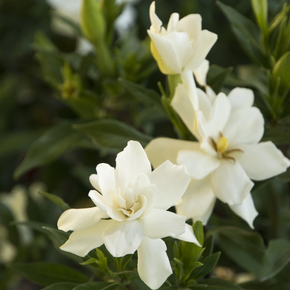
- Intensely fragrant, star-shaped ivory-white blooms with bright golden stamens appear in late spring and continue sporadically through summer, filling the garden with a classic gardenia perfume.
- One of the most cold-hardy gardenias available, rated for USDA Zones 7-11 and known to withstand temperatures down to 0 degrees F with proper mulching.
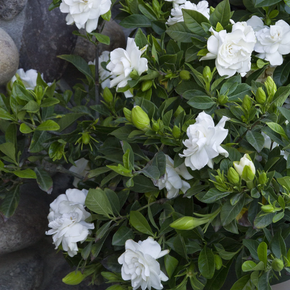
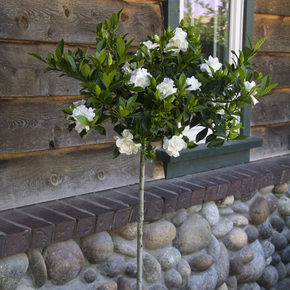
- Compact, mounding evergreen habit growing just 2-3 feet tall and wide, making it ideal for containers, borders, patio plantings, and small-space gardens.
- Thick, lustrous dark emerald-green foliage provides year-round visual interest, while orange berry-like fruit in fall and winter attracts songbirds to the garden.
Kleim's Hardy Gardenia (Gardenia jasminoides 'Kleim's Hardy') is a standout dwarf evergreen shrub beloved for delivering the classic gardenia experience in a more compact, cold-tolerant package. Discovered and introduced by Don Kleim of the Henderson Experimental Garden in California, this exceptional cultivar was selected specifically for its superior hardiness and performance in a wider range of climates than traditional gardenias. Its single, star-shaped, ivory-white flowers measure up to 2 inches across and are accented by showy golden stamens, blooming reliably from late spring into early summer and then sporadically throughout the warm season. The thick, glossy, lance-shaped dark green leaves remain attractive all year, creating a refined backdrop for the luminous blossoms. Naturally forming a tidy, rounded mound of just 2 to 3 feet tall and wide, Kleim's Hardy Gardenia is the perfect choice for patio containers, low borders, walkway edging, foundation plantings, and small garden spaces where its intoxicating fragrance can be enjoyed up close. Hardy in USDA Zones 7-11 and reportedly surviving temperatures as low as 0 degrees F with adequate mulching, this is the gardenia for gardeners in Southern Oregon and Northern California who want spectacular fragrance, glossy evergreen foliage, and a refined, manageable size without sacrificing cold resilience.
Plant Description
Kleim's Hardy Gardenia is a compact, broadleaf evergreen shrub in the Rubiaceae (coffee) family, native to southern China and Japan. This cultivar was selected for exceptional cold hardiness and a tidy, mounding growth habit. Its thick, lance-shaped leaves are deeply lustrous and dark emerald green, arranged in opposite or whorled pairs along the stems. In late spring, the plant erupts in single, star-shaped ivory-white flowers up to 2 inches across, each centered with a cluster of bright golden stamens that add warmth to the creamy blooms. The flowers carry the intensely sweet, classic gardenia fragrance for which the species is famous. After blooming, small oblong orange berries develop, providing ornamental interest into fall and winter. The overall form is a neat, rounded mound that rarely requires pruning to maintain its shape, making it one of the most garden-friendly gardenias available.
Mature Size
| Characteristic | Detail |
|---|---|
| Mature Height | 2 to 3 feet |
| Mature Spread | 2 to 3 feet |
| Growth Rate | Slow |
| Habit | Compact, rounded, mounding |
| Recommended Spacing | 36 inches on center |
Hardiness and Climate
Kleim's Hardy Gardenia is rated for USDA Hardiness Zones 7 through 11, making it one of the most cold-tolerant gardenias commercially available. It is documented to withstand temperatures as low as 0 degrees F when roots are protected with a generous layer of organic mulch. Gardeners in Zone 6 have grown it successfully with proper winter protection. Heat Zones 7-12 apply, and it performs beautifully in the mild, dry-summer climates of Southern Oregon and Northern California. For best cold-weather performance, mulch the root zone thoroughly in late fall and choose a planting site with some shelter from harsh winter winds. Daytime temperatures of 68 to 74 degrees F promote the healthiest growth, while slightly cooler nights (below 60 degrees F) encourage the most prolific flower bud set.
Sunlight Requirements
Kleim's Hardy Gardenia thrives in full sun to partial shade, ideally receiving 6 to 8 hours of direct sunlight. In warmer inland climates such as those found in Southern Oregon and Northern California, a position with morning sun and afternoon shade is ideal, as intense afternoon heat can cause leaf scorch and bud drop. In cooler coastal or foothill locations, the plant tolerates full sun well, especially when its root zone is protected with mulch. Avoid deep shade, as insufficient light significantly reduces flower production. Indoors as a container plant, place it in the brightest available window, rotating occasionally for even growth.
Soil and pH Preferences
This gardenia demands well-drained, organically rich, consistently moist soil with an acidic pH. Chlorosis (yellowing of leaves) is a common sign that the soil pH is too high or that available iron is too low. Follow these soil guidelines for the best results:
- Preferred soil pH: below 6.0 (acidic); a range of 5.0 to 6.0 is ideal
- Acceptable soil textures: clay, loam, or sandy soils, all amended with abundant organic matter
- Amend planting areas generously with compost, ground bark, peat, or coco coir to increase organic content and improve moisture retention
- Avoid alkaline soils and areas with heavy lime content, which will cause nutrient deficiencies
- Apply 1 to 2 inches of organic mulch over the root zone to maintain moisture, moderate soil temperature, and gradually add organic matter as it breaks down
- Test soil pH before planting and adjust with sulfur amendments if needed
Watering Guide
Consistent moisture is essential for Kleim's Hardy Gardenia to thrive and produce abundant blooms. Irregular watering is a leading cause of bud drop and leaf browning in gardenias. Follow these watering practices:
- Water thoroughly and deeply whenever the top inch of soil feels dry to the touch
- Maintain consistently moist — but never waterlogged — soil throughout the growing season
- Use drip irrigation when possible to keep water off the foliage and flowers, which helps prevent leaf spot diseases
- Use room-temperature water; cold water can stress the plant and cause bud drop
- Reduce watering frequency in fall and winter as the plant enters a period of reduced growth
- Container-grown plants dry out faster and may need more frequent monitoring, especially during summer heat
- Mulching the root zone helps retain soil moisture between waterings, particularly during hot, dry spells
Fertilizing
Gardenias are heavy feeders that benefit from regular fertilization with products formulated for acid-loving plants. Proper feeding supports deep green foliage, robust root development, and generous flowering.
- Begin fertilizing in mid-March using an acid plant food, fish emulsion, or blood meal
- Apply a second feeding approximately 6 weeks later (around late spring or early summer) to encourage additional blooms and vigorous growth in young plants
- Choose fertilizers labeled for acid-loving plants — the same products used for azaleas, rhododendrons, or blueberries work well; look for an NPK ratio around 2-1-1
- If yellowing leaves (chlorosis) appear despite proper pH, apply an iron chelate or iron sulfate supplement to correct iron deficiency
- Do not fertilize in fall, as this stimulates tender new growth that is vulnerable to cold damage
- For container-grown plants, use a mild acid liquid fertilizer from March through August, following label directions carefully
Pruning and Maintenance
Kleim's Hardy Gardenia naturally forms a compact, rounded mound and requires minimal pruning to maintain its shape. However, light pruning at the right time improves appearance, air circulation, and flowering performance.
- Deadhead spent blooms just below the leaf node to encourage continued flowering throughout the season
- Prune lightly after the main flowering flush to remove straggly branches, improve the plant's shape, and eliminate faded flowers
- Avoid heavy pruning in fall, as this can stimulate new growth that will be damaged by frost
- A light cleanup in late winter before new spring growth begins can help remove any winter-damaged tips and promote fresh, compact growth
- Never cultivate deeply around the roots; gardenias have sensitive, shallow root systems that are easily disturbed — use mulch instead of hoeing or tilling near the base
- Repot container specimens every two years using fresh acidic potting mix; allow the plant time to recover from transplant stress before heavy feeding
Planting Instructions
For the best establishment, plant Kleim's Hardy Gardenia in fall or spring when temperatures are mild. Avoid planting during summer heat extremes or when hard frost is expected.
- Choose a site with morning sun and afternoon shade in warmer climates, or full sun in cooler coastal areas
- Test soil pH and adjust to between 5.0 and 6.0 with sulfur amendments if needed before planting
- Dig a hole two to three times as wide as the root ball and only as deep as the root ball height — planting too deep is a common mistake
- Amend the backfill generously with compost or ground bark to enrich organic matter and improve drainage
- Set the plant so the top of the root ball is level with or very slightly above the surrounding soil grade to promote good drainage and prevent crown rot
- Backfill, firm gently, and water in deeply to eliminate air pockets
- Apply 1 to 2 inches of organic mulch (pine bark, pine straw, or shredded wood) over the root zone, keeping mulch away from the stem to prevent rot
- Water regularly during the establishment period — the first growing season is critical; do not allow the soil to dry out
- Minimize root disturbance once planted, as gardenias resent being moved
Seasonal Interest
| Season | What to Expect |
|---|---|
| Spring (Late) | Main flush of intensely fragrant, star-shaped ivory-white flowers with golden stamens; fresh new foliage growth |
| Summer | Sporadic continued blooming through early, mid, and late summer; deep glossy green foliage remains lush |
| Fall | Ornamental orange oblong berries develop, attracting songbirds; evergreen foliage remains rich and green |
| Winter | Persistent glossy evergreen foliage provides structure and color in the garden; berries may persist into winter |
Landscape Uses
The compact, refined habit and year-round evergreen appeal of Kleim's Hardy Gardenia make it a versatile choice across a wide range of landscape applications:
- Mass planting in beds and borders for a fragrant, low-growing evergreen ground layer
- Foundation plantings alongside entrances, porches, and building facades
- Low informal hedging or edging along walkways and pathways, where passersby can enjoy the fragrance
- Patio and deck container planting, allowing the scent to drift indoors through open doors and windows
- Specimen planting in small garden spaces, courtyards, and enclosed gardens
- Cutting garden — the blooms are exceptional as fresh-cut flowers and fill rooms with fragrance
- Asian-inspired garden designs, nighttime gardens, and sensory gardens for the blind due to the powerful scent
- Children's garden plantings, as the plant is non-toxic to humans
Container Growing
Kleim's Hardy Gardenia is one of the best gardenias for container culture, and its naturally compact size makes it well suited to life in a pot both outdoors and indoors.
- Select a container with ample drainage holes to prevent waterlogging
- Use an azalea or gardenia potting mix blended with equal parts perlite or coarse sand to ensure excellent drainage while retaining moisture
- Maintain the soil pH between 5.0 and 6.0 by using an acidic potting medium and fertilizing with acid-formulated plant food
- Position containers where the plant receives bright morning light; avoid harsh afternoon sun exposure through hot windows or on reflective pavers
- Monitor soil moisture closely — containers dry out much faster than garden beds, especially in summer
- Maintain higher humidity around indoor plants by placing the pot on a pebble tray filled with water or using a nearby humidifier; misting is acceptable but avoid misting during direct sun exposure
- Move container plants indoors or to a protected area before the first frost if growing at the edge of the plant's cold hardiness range
- Repot every two years using fresh acidic potting mix; gardenias are sensitive to transplant disturbance, so handle roots gently
Companion Plants
Kleim's Hardy Gardenia pairs beautifully with plants that share its preference for acidic, well-drained, organically rich soil and complement its white blooms and glossy dark foliage:
- Camellias — Share the same acidic soil requirements and alternate blooming periods, ensuring nearly year-round floral color; glossy foliage provides a harmonious texture match
- Hydrangeas — Colorful blooms in blue, pink, white, and lavender provide a bold color contrast alongside the gardenia's white flowers; both prefer moist, rich, acidic soil
- Azaleas and Rhododendrons — Classic acid-loving companions with similar cultural needs; spring-blooming varieties create a spectacular show alongside early gardenia flowers
- Japanese Maples — Provide dramatic foliage contrast and dappled overhead shade that gardenias appreciate in hot summer climates
- Salvia — Deer-resistant, pollinator-attracting spikes of colorful blooms complement the white gardenia flowers while sharing the sunny border
- Signet Marigolds — Their lemon-scented foliage and warm-toned blooms complement the gardenia's fragrance while naturally deterring aphids
- Ferns — Shade-tolerant varieties create a lush, layered understory planting beneath the gardenia's canopy in part-shade garden beds
- Loropetalum — Acid-loving evergreen shrub with burgundy foliage that creates a stunning dark backdrop for the gardenia's white blooms
Pests and Diseases
Kleim's Hardy Gardenia is susceptible to several common insect pests and fungal diseases. Regular monitoring and prompt action help keep the plant healthy and attractive.
Common Insect Pests:
- Aphids — Cluster on tender new growth and flower buds; treat with insecticidal soap or neem oil
- Whiteflies — Found on the undersides of leaves; use yellow sticky traps and insecticidal soap for control
- Mealybugs — Appear as white cottony masses on stems and leaves; treat with neem oil or isopropyl alcohol applied with a cotton swab
- Scale insects — Barnacle-like pests on stems; treat with horticultural oil during the crawler stage
- Spider mites — Thrive in hot, dry conditions; increase humidity and apply neem oil or insecticidal soap
- Thrips — Cause silvery streaking on leaves and petals; control with insecticidal soap or spinosad-based products
Common Diseases:
- Powdery mildew — White powdery coating on leaves; improve air circulation and avoid overhead watering
- Leaf spots and anthracnose — Fungal spots on foliage; use drip irrigation to keep foliage dry and apply a copper-based fungicide if severe
- Sooty mold — Black coating on leaves caused by honeydew secreted by sap-sucking insects; control the pest population to eliminate the mold
- Dieback — Caused by fungal pathogens or stress; prune affected branches back to healthy tissue and improve drainage
Cultural Problems:
- Yellow leaves (chlorosis) — Typically caused by high soil pH, iron deficiency, or hard water; correct pH and apply iron chelate
- Bud drop — Often triggered by temperature fluctuations, inconsistent watering, low humidity, or root disturbance
- Black leaf tips — Usually indicate cold damage, overwatering, or abrupt environmental changes
Wildlife Value
Despite its refined, ornamental appearance, Kleim's Hardy Gardenia offers meaningful benefits to local wildlife:
- Pollinators — The richly fragrant flowers attract bees and butterflies, making this an excellent addition to pollinator-friendly garden designs
- Songbirds — The small orange berries that develop after flowering provide a food source for songbirds and other wildlife in fall and winter
- Deer resistance — This cultivar is considered deer resistant, making it a reliable choice for gardens in areas with deer pressure
- Nighttime pollinators — The strong evening fragrance is particularly attractive to moths and other nocturnal pollinators, making it an excellent choice for moonlit and sensory garden designs
Toxicity Note: While non-toxic to humans and suitable for children's garden plantings, gardenia is mildly toxic to dogs, cats, and horses. If ingested by pets it may cause mild gastrointestinal upset. Plant with this in mind in households with pets that roam garden areas.
- Intensely fragrant, star-shaped ivory-white blooms with bright golden stamens appear in late spring and continue sporadically through summer, filling the garden with a classic gardenia perfume.
- One of the most cold-hardy gardenias available, rated for USDA Zones 7-11 and known to withstand temperatures down to 0 degrees F with proper mulching.
- Compact, mounding evergreen habit growing just 2-3 feet tall and wide, making it ideal for containers, borders, patio plantings, and small-space gardens.
- Thick, lustrous dark emerald-green foliage provides year-round visual interest, while orange berry-like fruit in fall and winter attracts songbirds to the garden.
Kleim's Hardy Gardenia (Gardenia jasminoides 'Kleim's Hardy') is a standout dwarf evergreen shrub beloved for delivering the classic gardenia experience in a more compact, cold-tolerant package. Discovered and introduced by Don Kleim of the Henderson Experimental Garden in California, this exceptional cultivar was selected specifically for its superior hardiness and performance in a wider range of climates than traditional gardenias. Its single, star-shaped, ivory-white flowers measure up to 2 inches across and are accented by showy golden stamens, blooming reliably from late spring into early summer and then sporadically throughout the warm season. The thick, glossy, lance-shaped dark green leaves remain attractive all year, creating a refined backdrop for the luminous blossoms. Naturally forming a tidy, rounded mound of just 2 to 3 feet tall and wide, Kleim's Hardy Gardenia is the perfect choice for patio containers, low borders, walkway edging, foundation plantings, and small garden spaces where its intoxicating fragrance can be enjoyed up close. Hardy in USDA Zones 7-11 and reportedly surviving temperatures as low as 0 degrees F with adequate mulching, this is the gardenia for gardeners in Southern Oregon and Northern California who want spectacular fragrance, glossy evergreen foliage, and a refined, manageable size without sacrificing cold resilience.
Plant Description
Kleim's Hardy Gardenia is a compact, broadleaf evergreen shrub in the Rubiaceae (coffee) family, native to southern China and Japan. This cultivar was selected for exceptional cold hardiness and a tidy, mounding growth habit. Its thick, lance-shaped leaves are deeply lustrous and dark emerald green, arranged in opposite or whorled pairs along the stems. In late spring, the plant erupts in single, star-shaped ivory-white flowers up to 2 inches across, each centered with a cluster of bright golden stamens that add warmth to the creamy blooms. The flowers carry the intensely sweet, classic gardenia fragrance for which the species is famous. After blooming, small oblong orange berries develop, providing ornamental interest into fall and winter. The overall form is a neat, rounded mound that rarely requires pruning to maintain its shape, making it one of the most garden-friendly gardenias available.
Mature Size
| Characteristic | Detail |
|---|---|
| Mature Height | 2 to 3 feet |
| Mature Spread | 2 to 3 feet |
| Growth Rate | Slow |
| Habit | Compact, rounded, mounding |
| Recommended Spacing | 36 inches on center |
Hardiness and Climate
Kleim's Hardy Gardenia is rated for USDA Hardiness Zones 7 through 11, making it one of the most cold-tolerant gardenias commercially available. It is documented to withstand temperatures as low as 0 degrees F when roots are protected with a generous layer of organic mulch. Gardeners in Zone 6 have grown it successfully with proper winter protection. Heat Zones 7-12 apply, and it performs beautifully in the mild, dry-summer climates of Southern Oregon and Northern California. For best cold-weather performance, mulch the root zone thoroughly in late fall and choose a planting site with some shelter from harsh winter winds. Daytime temperatures of 68 to 74 degrees F promote the healthiest growth, while slightly cooler nights (below 60 degrees F) encourage the most prolific flower bud set.
Sunlight Requirements
Kleim's Hardy Gardenia thrives in full sun to partial shade, ideally receiving 6 to 8 hours of direct sunlight. In warmer inland climates such as those found in Southern Oregon and Northern California, a position with morning sun and afternoon shade is ideal, as intense afternoon heat can cause leaf scorch and bud drop. In cooler coastal or foothill locations, the plant tolerates full sun well, especially when its root zone is protected with mulch. Avoid deep shade, as insufficient light significantly reduces flower production. Indoors as a container plant, place it in the brightest available window, rotating occasionally for even growth.
Soil and pH Preferences
This gardenia demands well-drained, organically rich, consistently moist soil with an acidic pH. Chlorosis (yellowing of leaves) is a common sign that the soil pH is too high or that available iron is too low. Follow these soil guidelines for the best results:
- Preferred soil pH: below 6.0 (acidic); a range of 5.0 to 6.0 is ideal
- Acceptable soil textures: clay, loam, or sandy soils, all amended with abundant organic matter
- Amend planting areas generously with compost, ground bark, peat, or coco coir to increase organic content and improve moisture retention
- Avoid alkaline soils and areas with heavy lime content, which will cause nutrient deficiencies
- Apply 1 to 2 inches of organic mulch over the root zone to maintain moisture, moderate soil temperature, and gradually add organic matter as it breaks down
- Test soil pH before planting and adjust with sulfur amendments if needed
Watering Guide
Consistent moisture is essential for Kleim's Hardy Gardenia to thrive and produce abundant blooms. Irregular watering is a leading cause of bud drop and leaf browning in gardenias. Follow these watering practices:
- Water thoroughly and deeply whenever the top inch of soil feels dry to the touch
- Maintain consistently moist — but never waterlogged — soil throughout the growing season
- Use drip irrigation when possible to keep water off the foliage and flowers, which helps prevent leaf spot diseases
- Use room-temperature water; cold water can stress the plant and cause bud drop
- Reduce watering frequency in fall and winter as the plant enters a period of reduced growth
- Container-grown plants dry out faster and may need more frequent monitoring, especially during summer heat
- Mulching the root zone helps retain soil moisture between waterings, particularly during hot, dry spells
Fertilizing
Gardenias are heavy feeders that benefit from regular fertilization with products formulated for acid-loving plants. Proper feeding supports deep green foliage, robust root development, and generous flowering.
- Begin fertilizing in mid-March using an acid plant food, fish emulsion, or blood meal
- Apply a second feeding approximately 6 weeks later (around late spring or early summer) to encourage additional blooms and vigorous growth in young plants
- Choose fertilizers labeled for acid-loving plants — the same products used for azaleas, rhododendrons, or blueberries work well; look for an NPK ratio around 2-1-1
- If yellowing leaves (chlorosis) appear despite proper pH, apply an iron chelate or iron sulfate supplement to correct iron deficiency
- Do not fertilize in fall, as this stimulates tender new growth that is vulnerable to cold damage
- For container-grown plants, use a mild acid liquid fertilizer from March through August, following label directions carefully
Pruning and Maintenance
Kleim's Hardy Gardenia naturally forms a compact, rounded mound and requires minimal pruning to maintain its shape. However, light pruning at the right time improves appearance, air circulation, and flowering performance.
- Deadhead spent blooms just below the leaf node to encourage continued flowering throughout the season
- Prune lightly after the main flowering flush to remove straggly branches, improve the plant's shape, and eliminate faded flowers
- Avoid heavy pruning in fall, as this can stimulate new growth that will be damaged by frost
- A light cleanup in late winter before new spring growth begins can help remove any winter-damaged tips and promote fresh, compact growth
- Never cultivate deeply around the roots; gardenias have sensitive, shallow root systems that are easily disturbed — use mulch instead of hoeing or tilling near the base
- Repot container specimens every two years using fresh acidic potting mix; allow the plant time to recover from transplant stress before heavy feeding
Planting Instructions
For the best establishment, plant Kleim's Hardy Gardenia in fall or spring when temperatures are mild. Avoid planting during summer heat extremes or when hard frost is expected.
- Choose a site with morning sun and afternoon shade in warmer climates, or full sun in cooler coastal areas
- Test soil pH and adjust to between 5.0 and 6.0 with sulfur amendments if needed before planting
- Dig a hole two to three times as wide as the root ball and only as deep as the root ball height — planting too deep is a common mistake
- Amend the backfill generously with compost or ground bark to enrich organic matter and improve drainage
- Set the plant so the top of the root ball is level with or very slightly above the surrounding soil grade to promote good drainage and prevent crown rot
- Backfill, firm gently, and water in deeply to eliminate air pockets
- Apply 1 to 2 inches of organic mulch (pine bark, pine straw, or shredded wood) over the root zone, keeping mulch away from the stem to prevent rot
- Water regularly during the establishment period — the first growing season is critical; do not allow the soil to dry out
- Minimize root disturbance once planted, as gardenias resent being moved
Seasonal Interest
| Season | What to Expect |
|---|---|
| Spring (Late) | Main flush of intensely fragrant, star-shaped ivory-white flowers with golden stamens; fresh new foliage growth |
| Summer | Sporadic continued blooming through early, mid, and late summer; deep glossy green foliage remains lush |
| Fall | Ornamental orange oblong berries develop, attracting songbirds; evergreen foliage remains rich and green |
| Winter | Persistent glossy evergreen foliage provides structure and color in the garden; berries may persist into winter |
Landscape Uses
The compact, refined habit and year-round evergreen appeal of Kleim's Hardy Gardenia make it a versatile choice across a wide range of landscape applications:
- Mass planting in beds and borders for a fragrant, low-growing evergreen ground layer
- Foundation plantings alongside entrances, porches, and building facades
- Low informal hedging or edging along walkways and pathways, where passersby can enjoy the fragrance
- Patio and deck container planting, allowing the scent to drift indoors through open doors and windows
- Specimen planting in small garden spaces, courtyards, and enclosed gardens
- Cutting garden — the blooms are exceptional as fresh-cut flowers and fill rooms with fragrance
- Asian-inspired garden designs, nighttime gardens, and sensory gardens for the blind due to the powerful scent
- Children's garden plantings, as the plant is non-toxic to humans
Container Growing
Kleim's Hardy Gardenia is one of the best gardenias for container culture, and its naturally compact size makes it well suited to life in a pot both outdoors and indoors.
- Select a container with ample drainage holes to prevent waterlogging
- Use an azalea or gardenia potting mix blended with equal parts perlite or coarse sand to ensure excellent drainage while retaining moisture
- Maintain the soil pH between 5.0 and 6.0 by using an acidic potting medium and fertilizing with acid-formulated plant food
- Position containers where the plant receives bright morning light; avoid harsh afternoon sun exposure through hot windows or on reflective pavers
- Monitor soil moisture closely — containers dry out much faster than garden beds, especially in summer
- Maintain higher humidity around indoor plants by placing the pot on a pebble tray filled with water or using a nearby humidifier; misting is acceptable but avoid misting during direct sun exposure
- Move container plants indoors or to a protected area before the first frost if growing at the edge of the plant's cold hardiness range
- Repot every two years using fresh acidic potting mix; gardenias are sensitive to transplant disturbance, so handle roots gently
Companion Plants
Kleim's Hardy Gardenia pairs beautifully with plants that share its preference for acidic, well-drained, organically rich soil and complement its white blooms and glossy dark foliage:
- Camellias — Share the same acidic soil requirements and alternate blooming periods, ensuring nearly year-round floral color; glossy foliage provides a harmonious texture match
- Hydrangeas — Colorful blooms in blue, pink, white, and lavender provide a bold color contrast alongside the gardenia's white flowers; both prefer moist, rich, acidic soil
- Azaleas and Rhododendrons — Classic acid-loving companions with similar cultural needs; spring-blooming varieties create a spectacular show alongside early gardenia flowers
- Japanese Maples — Provide dramatic foliage contrast and dappled overhead shade that gardenias appreciate in hot summer climates
- Salvia — Deer-resistant, pollinator-attracting spikes of colorful blooms complement the white gardenia flowers while sharing the sunny border
- Signet Marigolds — Their lemon-scented foliage and warm-toned blooms complement the gardenia's fragrance while naturally deterring aphids
- Ferns — Shade-tolerant varieties create a lush, layered understory planting beneath the gardenia's canopy in part-shade garden beds
- Loropetalum — Acid-loving evergreen shrub with burgundy foliage that creates a stunning dark backdrop for the gardenia's white blooms
Pests and Diseases
Kleim's Hardy Gardenia is susceptible to several common insect pests and fungal diseases. Regular monitoring and prompt action help keep the plant healthy and attractive.
Common Insect Pests:
- Aphids — Cluster on tender new growth and flower buds; treat with insecticidal soap or neem oil
- Whiteflies — Found on the undersides of leaves; use yellow sticky traps and insecticidal soap for control
- Mealybugs — Appear as white cottony masses on stems and leaves; treat with neem oil or isopropyl alcohol applied with a cotton swab
- Scale insects — Barnacle-like pests on stems; treat with horticultural oil during the crawler stage
- Spider mites — Thrive in hot, dry conditions; increase humidity and apply neem oil or insecticidal soap
- Thrips — Cause silvery streaking on leaves and petals; control with insecticidal soap or spinosad-based products
Common Diseases:
- Powdery mildew — White powdery coating on leaves; improve air circulation and avoid overhead watering
- Leaf spots and anthracnose — Fungal spots on foliage; use drip irrigation to keep foliage dry and apply a copper-based fungicide if severe
- Sooty mold — Black coating on leaves caused by honeydew secreted by sap-sucking insects; control the pest population to eliminate the mold
- Dieback — Caused by fungal pathogens or stress; prune affected branches back to healthy tissue and improve drainage
Cultural Problems:
- Yellow leaves (chlorosis) — Typically caused by high soil pH, iron deficiency, or hard water; correct pH and apply iron chelate
- Bud drop — Often triggered by temperature fluctuations, inconsistent watering, low humidity, or root disturbance
- Black leaf tips — Usually indicate cold damage, overwatering, or abrupt environmental changes
Wildlife Value
Despite its refined, ornamental appearance, Kleim's Hardy Gardenia offers meaningful benefits to local wildlife:
- Pollinators — The richly fragrant flowers attract bees and butterflies, making this an excellent addition to pollinator-friendly garden designs
- Songbirds — The small orange berries that develop after flowering provide a food source for songbirds and other wildlife in fall and winter
- Deer resistance — This cultivar is considered deer resistant, making it a reliable choice for gardens in areas with deer pressure
- Nighttime pollinators — The strong evening fragrance is particularly attractive to moths and other nocturnal pollinators, making it an excellent choice for moonlit and sensory garden designs
Toxicity Note: While non-toxic to humans and suitable for children's garden plantings, gardenia is mildly toxic to dogs, cats, and horses. If ingested by pets it may cause mild gastrointestinal upset. Plant with this in mind in households with pets that roam garden areas.
Related Products