
Zoom the image with the mouse
Frostproof Gardenia - 1 Gallon
SKU:
1614495
UPC:
541537559536
$19.99
- Exceptionally cold-hardy gardenia cultivar with frost-resistant flower buds that withstand late spring freezes, reliable in USDA Zones 7-10
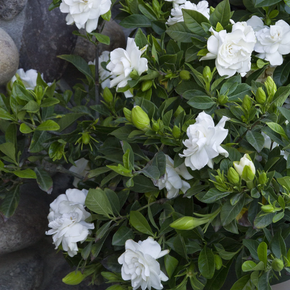
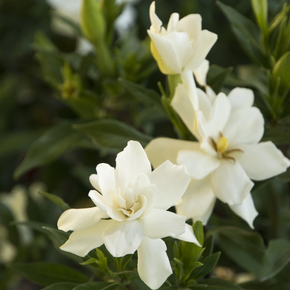
- Large, intensely fragrant double white flowers, 2-3 inches across, bloom from late spring through summer against a backdrop of thick, lustrous dark green foliage
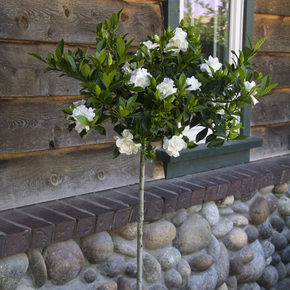
- Naturally deer-resistant evergreen shrub with a tidy, upright-bushy habit — ideal for fragrant hedges, foundation plantings, and container gardens
- More sun-tolerant than most gardenias, offering versatility in the landscape while maintaining the classic Southern gardenia look and scent
Frostproof Gardenia (Gardenia jasminoides 'Frostproof') is the gold standard for gardeners who love the intoxicating fragrance and creamy-white beauty of gardenias but live where late-spring frosts or colder winters would defeat less hardy cultivars. Unlike typical gardenias that struggle below 20°F, 'Frostproof' tolerates temperatures well into the single digits, making it the most reliably cold-hardy gardenia widely available today — performing beautifully in USDA Zones 7 through 10. Its large, double white flowers measure 2 to 3 inches across and open from frost-tolerant buds beginning in early summer, continuing to bloom sporadically through the remainder of the warm season. Each bloom releases the unmistakable, deeply sweet gardenia fragrance that makes this shrub legendary in Southern gardens. The thick, lance-shaped, dark green leaves are evergreen and retain their rich gloss year-round, providing outstanding texture even when the plant is not in bloom. Growing 4 to 5 feet tall and 3 to 4 feet wide with a more upright, bushy habit than many other gardenias, 'Frostproof' fits naturally into foundation plantings, formal hedges, mixed shrub borders, and patio containers where its scent can be enjoyed up close. It is notably more tolerant of direct sun than other gardenia varieties and is naturally resistant to deer browse, making it as practical as it is beautiful. Plant 'Frostproof' Gardenia near entryways, along walkways, or as an anchor in an acid-loving shrub border for a landscape feature that delivers fragrance, four-season evergreen structure, and stunning floral display season after season.
Plant Description
Frostproof Gardenia is a medium-sized, evergreen flowering shrub in the Rubiaceae family, native to southern China and Japan. It is distinguished from other gardenias by its exceptional cold hardiness, its more upright and bushy growth habit, and its notably greater tolerance for direct sun exposure. The foliage is thick, lustrous, and lance-shaped — a deep, rich green that stays attractive in all seasons. Flower buds are uniquely frost-tolerant, resisting damage from late spring cold snaps that would ruin the blooms of other cultivars. The flowers themselves are large double blooms with narrow, overlapping petals that open creamy white and carry the iconic, intensely sweet gardenia fragrance. This cultivar blooms most heavily in early summer and then continues to produce scattered flowers through mid- to late summer. Its common names include Frostproof Cape Jasmine and Frostproof Cape Jessamine.
Mature Size and Growth Habit
| Characteristic | Detail |
|---|---|
| Mature Height | 4 to 5 feet |
| Mature Spread | 3 to 4 feet |
| Growth Habit | Upright, bushy, compact |
| Growth Rate | Moderate to slow |
| Plant Type | Broadleaf evergreen shrub |
| Recommended Spacing | 48 inches on center for hedges |
Hardiness and Climate
Frostproof Gardenia is hardy in USDA Zones 7 through 10, with heat zone tolerance from 7 through 12. Its most remarkable trait is cold hardiness far beyond typical gardenias — while standard cultivars are damaged or killed below 20°F, 'Frostproof' withstands temperatures down to roughly 0-10°F, making it the cultivar of choice for Zone 7 gardeners and even those in sheltered Zone 6 microclimates. The frost-resistant flower buds allow the plant to set blooms even after late spring cold snaps, a feature that gives this cultivar its name. In Zones 8-10 the foliage remains fully evergreen through winter. In Zone 7, some leaf drop may occur during severe cold snaps but the plant recovers vigorously in spring. It is native to warm, humid regions and performs best where summers are warm, but its adaptations make it considerably more versatile than nearly any other gardenia on the market.
Sunlight Requirements
'Frostproof' is one of the more sun-tolerant gardenias available, performing well in full sun to partial shade. The ideal exposure depends on your regional climate:
- Cooler climates (Zones 7-8): Full sun all day is generally well tolerated, especially when roots are mulched.
- Warmer climates (Zones 9-10): Morning sun with afternoon shade is preferred. Intense afternoon sun in hot climates can cause leaf scorch and bud drop.
- Minimum light: At least 4-6 hours of direct sunlight is needed for strong flowering. Too much shade results in reduced blooms and leggy growth.
- Tip: An eastern or southeastern exposure that captures morning light while offering some protection from the harshest afternoon rays is often ideal across all zones.
Soil and pH Preferences
Like all gardenias, 'Frostproof' has specific soil requirements that must be met for it to thrive and flower well. Getting the soil right at planting time is the single most important factor for long-term success.
- Soil pH: Strongly prefers acidic soil in the range of 5.0 to 6.5. A pH above 7.0 locks up iron in the soil and causes the characteristic yellowing (iron chlorosis) commonly seen on gardenias planted in alkaline ground.
- Soil texture: Grows in clay, loam, or sandy soils as long as drainage is adequate. Heavy clay should be amended with coarse sand or organic matter to prevent waterlogging.
- Organic content: Thrives in organically rich soil. Incorporate compost, peat moss, or aged bark fines at planting to enrich the root zone.
- Drainage: Excellent drainage is non-negotiable. Standing water encourages Phytophthora and Pythium root rots. In poorly drained sites, plant in a raised bed or mounded bed.
- Salt tolerance: Low — avoid planting in salty soils or areas where road salt accumulates.
Watering Guide
Consistent soil moisture is essential for healthy growth, abundant flowering, and prevention of bud drop — one of the most common complaints with gardenias.
- Establishment period: Water deeply and regularly for the first full growing season to help roots establish. Keep the soil evenly moist but never waterlogged.
- Mature plants: Deep watering once or twice per week during active growth and flowering is generally sufficient. Frequency increases during hot, dry spells and for container-grown plants.
- Method: Water at the base of the plant rather than overhead to minimize fungal disease pressure and the spread of spores.
- Overwatering signs: Yellowing leaves and soggy soil. Check drainage if this occurs.
- Underwatering signs: Wilting, bud drop, and dry soil. Inconsistent moisture is a leading cause of flower bud drop.
- Mulching: Apply a 2 to 3 inch layer of organic mulch — pine straw, shredded bark, or wood chips — over the root zone to retain moisture, regulate soil temperature, and gradually acidify the soil as it breaks down.
Fertilizing
Gardenias are heavy feeders with a strong preference for acid-forming fertilizers. Proper fertilization maintains the rich, dark green foliage and fuels the heavy bloom set that makes this shrub so rewarding.
- Fertilizer type: Use a fertilizer formulated for acid-loving plants — products labeled for azaleas, camellias, rhododendrons, or gardenias are ideal. Look for formulations such as 4-8-8, 10-8-8, or 10-5-4 that contain sulfur to help maintain soil acidity.
- Timing: Begin fertilizing in early spring after the last frost. Apply monthly through August. Do not fertilize after late summer, as new growth stimulated in fall is vulnerable to frost damage.
- Iron supplementation: Yellowing leaves with green veins (interveinal chlorosis) signal iron deficiency caused by soil pH that is too high. Treat with chelated iron applied to the soil or as a foliar spray. Adding a couple of drops of dish soap per gallon improves foliar absorption.
- Avoid over-fertilizing: Excess nitrogen promotes lush leafy growth at the expense of flowers and can also lead to bud drop. Follow label rates carefully.
- Tip: Keep lime from lawn fertilizer applications away from the root zone of gardenias, as lime raises soil pH and quickly causes chlorosis.
Pruning and Maintenance
Frostproof Gardenia requires moderate pruning to maintain a tidy shape and encourage the best flowering. Understanding when to prune is critical — pruning at the wrong time removes next season's buds.
- When to prune: Prune immediately after the main summer bloom flush ends. Gardenias set flower buds for the following year on old wood, so pruning after midsummer will remove next year's buds and significantly reduce flowering.
- Deadheading: Remove spent flowers just below the leaf node to encourage the plant to channel energy into new bud development rather than seed production.
- Shaping: Light shaping to maintain hedge form or a tidy silhouette should be done directly after blooming. Avoid hard pruning, which can weaken the plant and reduce the following year's bloom.
- Dormant pruning: Removal of dead, damaged, or crossing branches can be done when the plant is dormant. Use clean, sterilized tools — dip blades in a 10% bleach solution or 70% alcohol between cuts, especially if disease is present.
- Mulch renewal: Refresh the organic mulch layer each spring to maintain moisture retention and gradual soil acidification.
Planting Instructions
- Choose the site: Select a location with the appropriate sun exposure for your climate (see Sunlight Requirements). Ensure the area has good drainage and no competition from large tree roots for water and nutrients.
- Test and amend soil: Test soil pH before planting. If the pH is above 6.5, incorporate sulfur or aluminum sulfate into the planting area and retest before planting. Work in generous amounts of compost or peat moss to enrich the planting bed.
- Dig the hole: Dig a hole two to three times as wide as the root ball and no deeper than the root ball's height. Planting too deep is a leading cause of root rot in gardenias.
- Position the plant: Set the plant so the top of the root ball is at or very slightly above the surrounding soil grade to encourage drainage away from the crown.
- Backfill: Fill the hole with the amended native soil, firming it gently around the roots to eliminate air pockets. Do not pile soil against the stem.
- Water thoroughly: Water deeply immediately after planting, then maintain consistent moisture throughout the establishment period.
- Mulch: Apply a 2 to 3 inch layer of organic mulch over the root zone, keeping mulch a few inches away from the base of the stem to prevent crown rot.
- Spacing for hedges: Space plants approximately 48 inches on center for a dense, fragrant hedge that fills in over two to three seasons.
Seasonal Interest
| Season | What to Expect |
|---|---|
| Spring | Flush of fresh, glossy new growth emerges; mature flower buds begin to swell; frost-resistant buds withstand late cold snaps that would damage other gardenias |
| Early Summer | Primary and most prolific bloom period; large, intensely fragrant double white flowers open against the dark green foliage |
| Mid to Late Summer | Sporadic rebloom continues; foliage provides bold evergreen structure and texture in the landscape |
| Fall | Evergreen foliage remains rich and glossy; some older leaves naturally yellow and drop as new growth matures — this is normal |
| Winter | Retains evergreen foliage in Zones 8-10; in Zone 7 some leaf drop may occur during hard freezes but the plant leafs out again in spring |
Landscape Uses
The upright, tidy habit and year-round evergreen foliage of 'Frostproof' make it one of the most versatile gardenias for landscape applications. Recommended uses include:
- Foundation planting: Excellent near entryways, porches, and building foundations where the fragrance greets visitors and the evergreen foliage provides year-round curb appeal.
- Fragrant hedge or screen: Plant at 48-inch spacing to create a dense, beautifully scented hedge along property lines, fences, or walkways.
- Mixed shrub border: Combines beautifully with other acid-loving shrubs for a layered, multi-season display.
- Specimen plant: The bold, glossy foliage and showy flowers make it a strong standalone specimen in a garden bed.
- Container planting: Ideal for large patio containers placed near outdoor living areas to maximize enjoyment of the fragrance (see Container Growing tab).
- Cut flower garden: Blooms are prized as cut flowers and fill indoor spaces with exceptional fragrance.
- Near water features: The glossy foliage and white flowers are especially striking reflected near garden ponds or fountains.
Container Growing
Frostproof Gardenia performs well in containers and this approach offers Zone 6 gardeners the opportunity to enjoy true gardenias by overwintering containers in a sheltered location.
- Container size: Use a container at least 16 to 18 inches in diameter with generous drainage holes. Gardenias resent soggy roots.
- Potting mix: Use an acidic potting mix formulated for azaleas, camellias, or gardenias. Avoid standard all-purpose mixes, which are often too alkaline and poorly draining for gardenias.
- Watering in containers: Container-grown gardenias dry out faster than in-ground plants. Check soil moisture regularly and water when the top inch of soil begins to dry, but never allow the pot to sit in standing water.
- Fertilizing in containers: Feed with an acid-forming liquid fertilizer every 3 to 4 weeks during the growing season. Container plants exhaust nutrients faster than in-ground specimens.
- Placement: Position containers in morning sun with afternoon shade in hot climates. Place near patios, seating areas, or doorways to enjoy the fragrance at its best.
- Winter care (Zone 6-7): Move containers to an unheated but frost-protected garage, shed, or against a south-facing wall during the coldest months. Reduce watering but do not allow the root ball to dry out completely.
- Repotting: Repot every 2 to 3 years in spring before active growth begins, moving up only one container size at a time.
Companion Plants
Because Frostproof Gardenia thrives in acidic, organically rich, well-drained soil with morning sun, it pairs best with plants that share similar cultural requirements. The white flowers and dark glossy foliage also complement a wide range of colors and textures. Excellent companions include:
- Azaleas and Rhododendrons: Share identical soil pH and moisture needs; their spring bloom complements the gardenia's early summer show for near-continuous color.
- Camellias: Alternate blooming seasons (camellias in fall and winter, gardenias in summer) ensure the border never lacks flowers. Both prefer acidic, well-drained soil.
- Hydrangeas: Bold flower heads in blue, pink, and white create a stunning contrast alongside gardenia's glossy foliage; both thrive in acidic soil with consistent moisture.
- Japanese Maples: Provide dramatic foliage color and dappled shade that benefits gardenias in hotter climates.
- Salvia: Deer-resistant like the gardenia; attracts pollinators and provides spikes of summer color in blue, purple, or red that contrast beautifully with the white gardenia blooms.
- Signet Marigolds: Their lemony fragrance pairs well with gardenia's sweetness; they deter aphids and other soft-bodied pests that can trouble gardenias.
- Loropetalum: Dark burgundy foliage makes the white gardenia flowers and green leaves pop; shares a preference for acidic, well-drained soil.
- Ferns: Ideal for underplanting gardenias in shadier spots; add lush, fine texture and thrive in the same acidic, moisture-retentive conditions.
Pests and Diseases
Frostproof Gardenia is considered relatively durable among gardenias, with good tolerance for heat, mildew, drought, and deer. However, it shares the susceptibility to certain pests and cultural problems common to the genus.
Common Pests:
- Whiteflies: Small white insects on the undersides of leaves that weaken plants by sucking sap; their honeydew secretions encourage sooty mold. Treat with insecticidal soap or neem oil.
- Aphids: Cluster on new growth and flower buds; a strong stream of water dislodges small infestations. Severe cases warrant neem oil or insecticidal soap.
- Scale insects: Appear as raised bumps on stems; treat with horticultural oil applied when the plant is not heat-stressed.
- Mealybugs: White, cottony clusters in leaf axils; remove with alcohol-dipped cotton swabs or apply neem oil.
- Spider mites: Most prevalent in hot, dry conditions; fine webbing on leaf undersides is the telltale sign. Increase humidity and apply miticide or neem oil.
Common Diseases and Cultural Problems:
- Iron chlorosis: Yellowing leaves with green veins, caused by soil pH that is too high. Treat with chelated iron and correct soil pH with sulfur applications.
- Root rot (Phytophthora, Pythium, Rhizoctonia): Caused by poor drainage and overwatering. Prevent by ensuring excellent drainage at planting. There is no cure for severely affected plants.
- Powdery mildew: White powdery coating on leaves and young shoots; favored by high humidity and poor air circulation. Improve spacing and airflow; treat with neem oil, sulfur, or propiconazole fungicide.
- Sooty mold: Black coating on leaves fed by insect honeydew; wipes off easily. Control the underlying insect infestation to eliminate it.
- Stem canker: Dark, sunken lesions on stems caused by the fungus Phomopsis gardeniae. Prune out affected stems with sterilized tools and avoid overhead irrigation.
- Bud drop: Unopened buds falling before they open can be caused by inconsistent watering, rapid temperature fluctuations, thrips, aphids, insufficient light, or over-fertilization.
Wildlife Value and Toxicity
Wildlife Value:
- Pollinators: The heavily fragrant flowers attract butterflies and some native bees during the summer bloom period. The scent is especially effective at drawing pollinators in the early morning and evening hours.
- Deer resistance: Frostproof Gardenia is considered deer resistant. Bitter compounds in the foliage deter browsing by deer in most landscapes, making it a reliable choice in areas with significant deer pressure. Note that no plant is completely deer-proof under extreme conditions.
- Birds: Dense evergreen foliage provides shelter and nesting habitat for small songbirds year-round.
Toxicity:
Gardenia jasminoides contains compounds — including geniposide and gardenoside — that are toxic to dogs, cats, and horses. Ingestion can cause mild to moderate gastrointestinal upset including vomiting, diarrhea, and lethargy in pets. Contact with the sap may cause mild skin irritation in sensitive individuals. Plant in locations that are not accessible to pets, or choose alternate plants for households with animals that graze on garden plants.
- Exceptionally cold-hardy gardenia cultivar with frost-resistant flower buds that withstand late spring freezes, reliable in USDA Zones 7-10
- Large, intensely fragrant double white flowers, 2-3 inches across, bloom from late spring through summer against a backdrop of thick, lustrous dark green foliage
- Naturally deer-resistant evergreen shrub with a tidy, upright-bushy habit — ideal for fragrant hedges, foundation plantings, and container gardens
- More sun-tolerant than most gardenias, offering versatility in the landscape while maintaining the classic Southern gardenia look and scent
Frostproof Gardenia (Gardenia jasminoides 'Frostproof') is the gold standard for gardeners who love the intoxicating fragrance and creamy-white beauty of gardenias but live where late-spring frosts or colder winters would defeat less hardy cultivars. Unlike typical gardenias that struggle below 20°F, 'Frostproof' tolerates temperatures well into the single digits, making it the most reliably cold-hardy gardenia widely available today — performing beautifully in USDA Zones 7 through 10. Its large, double white flowers measure 2 to 3 inches across and open from frost-tolerant buds beginning in early summer, continuing to bloom sporadically through the remainder of the warm season. Each bloom releases the unmistakable, deeply sweet gardenia fragrance that makes this shrub legendary in Southern gardens. The thick, lance-shaped, dark green leaves are evergreen and retain their rich gloss year-round, providing outstanding texture even when the plant is not in bloom. Growing 4 to 5 feet tall and 3 to 4 feet wide with a more upright, bushy habit than many other gardenias, 'Frostproof' fits naturally into foundation plantings, formal hedges, mixed shrub borders, and patio containers where its scent can be enjoyed up close. It is notably more tolerant of direct sun than other gardenia varieties and is naturally resistant to deer browse, making it as practical as it is beautiful. Plant 'Frostproof' Gardenia near entryways, along walkways, or as an anchor in an acid-loving shrub border for a landscape feature that delivers fragrance, four-season evergreen structure, and stunning floral display season after season.
Plant Description
Frostproof Gardenia is a medium-sized, evergreen flowering shrub in the Rubiaceae family, native to southern China and Japan. It is distinguished from other gardenias by its exceptional cold hardiness, its more upright and bushy growth habit, and its notably greater tolerance for direct sun exposure. The foliage is thick, lustrous, and lance-shaped — a deep, rich green that stays attractive in all seasons. Flower buds are uniquely frost-tolerant, resisting damage from late spring cold snaps that would ruin the blooms of other cultivars. The flowers themselves are large double blooms with narrow, overlapping petals that open creamy white and carry the iconic, intensely sweet gardenia fragrance. This cultivar blooms most heavily in early summer and then continues to produce scattered flowers through mid- to late summer. Its common names include Frostproof Cape Jasmine and Frostproof Cape Jessamine.
Mature Size and Growth Habit
| Characteristic | Detail |
|---|---|
| Mature Height | 4 to 5 feet |
| Mature Spread | 3 to 4 feet |
| Growth Habit | Upright, bushy, compact |
| Growth Rate | Moderate to slow |
| Plant Type | Broadleaf evergreen shrub |
| Recommended Spacing | 48 inches on center for hedges |
Hardiness and Climate
Frostproof Gardenia is hardy in USDA Zones 7 through 10, with heat zone tolerance from 7 through 12. Its most remarkable trait is cold hardiness far beyond typical gardenias — while standard cultivars are damaged or killed below 20°F, 'Frostproof' withstands temperatures down to roughly 0-10°F, making it the cultivar of choice for Zone 7 gardeners and even those in sheltered Zone 6 microclimates. The frost-resistant flower buds allow the plant to set blooms even after late spring cold snaps, a feature that gives this cultivar its name. In Zones 8-10 the foliage remains fully evergreen through winter. In Zone 7, some leaf drop may occur during severe cold snaps but the plant recovers vigorously in spring. It is native to warm, humid regions and performs best where summers are warm, but its adaptations make it considerably more versatile than nearly any other gardenia on the market.
Sunlight Requirements
'Frostproof' is one of the more sun-tolerant gardenias available, performing well in full sun to partial shade. The ideal exposure depends on your regional climate:
- Cooler climates (Zones 7-8): Full sun all day is generally well tolerated, especially when roots are mulched.
- Warmer climates (Zones 9-10): Morning sun with afternoon shade is preferred. Intense afternoon sun in hot climates can cause leaf scorch and bud drop.
- Minimum light: At least 4-6 hours of direct sunlight is needed for strong flowering. Too much shade results in reduced blooms and leggy growth.
- Tip: An eastern or southeastern exposure that captures morning light while offering some protection from the harshest afternoon rays is often ideal across all zones.
Soil and pH Preferences
Like all gardenias, 'Frostproof' has specific soil requirements that must be met for it to thrive and flower well. Getting the soil right at planting time is the single most important factor for long-term success.
- Soil pH: Strongly prefers acidic soil in the range of 5.0 to 6.5. A pH above 7.0 locks up iron in the soil and causes the characteristic yellowing (iron chlorosis) commonly seen on gardenias planted in alkaline ground.
- Soil texture: Grows in clay, loam, or sandy soils as long as drainage is adequate. Heavy clay should be amended with coarse sand or organic matter to prevent waterlogging.
- Organic content: Thrives in organically rich soil. Incorporate compost, peat moss, or aged bark fines at planting to enrich the root zone.
- Drainage: Excellent drainage is non-negotiable. Standing water encourages Phytophthora and Pythium root rots. In poorly drained sites, plant in a raised bed or mounded bed.
- Salt tolerance: Low — avoid planting in salty soils or areas where road salt accumulates.
Watering Guide
Consistent soil moisture is essential for healthy growth, abundant flowering, and prevention of bud drop — one of the most common complaints with gardenias.
- Establishment period: Water deeply and regularly for the first full growing season to help roots establish. Keep the soil evenly moist but never waterlogged.
- Mature plants: Deep watering once or twice per week during active growth and flowering is generally sufficient. Frequency increases during hot, dry spells and for container-grown plants.
- Method: Water at the base of the plant rather than overhead to minimize fungal disease pressure and the spread of spores.
- Overwatering signs: Yellowing leaves and soggy soil. Check drainage if this occurs.
- Underwatering signs: Wilting, bud drop, and dry soil. Inconsistent moisture is a leading cause of flower bud drop.
- Mulching: Apply a 2 to 3 inch layer of organic mulch — pine straw, shredded bark, or wood chips — over the root zone to retain moisture, regulate soil temperature, and gradually acidify the soil as it breaks down.
Fertilizing
Gardenias are heavy feeders with a strong preference for acid-forming fertilizers. Proper fertilization maintains the rich, dark green foliage and fuels the heavy bloom set that makes this shrub so rewarding.
- Fertilizer type: Use a fertilizer formulated for acid-loving plants — products labeled for azaleas, camellias, rhododendrons, or gardenias are ideal. Look for formulations such as 4-8-8, 10-8-8, or 10-5-4 that contain sulfur to help maintain soil acidity.
- Timing: Begin fertilizing in early spring after the last frost. Apply monthly through August. Do not fertilize after late summer, as new growth stimulated in fall is vulnerable to frost damage.
- Iron supplementation: Yellowing leaves with green veins (interveinal chlorosis) signal iron deficiency caused by soil pH that is too high. Treat with chelated iron applied to the soil or as a foliar spray. Adding a couple of drops of dish soap per gallon improves foliar absorption.
- Avoid over-fertilizing: Excess nitrogen promotes lush leafy growth at the expense of flowers and can also lead to bud drop. Follow label rates carefully.
- Tip: Keep lime from lawn fertilizer applications away from the root zone of gardenias, as lime raises soil pH and quickly causes chlorosis.
Pruning and Maintenance
Frostproof Gardenia requires moderate pruning to maintain a tidy shape and encourage the best flowering. Understanding when to prune is critical — pruning at the wrong time removes next season's buds.
- When to prune: Prune immediately after the main summer bloom flush ends. Gardenias set flower buds for the following year on old wood, so pruning after midsummer will remove next year's buds and significantly reduce flowering.
- Deadheading: Remove spent flowers just below the leaf node to encourage the plant to channel energy into new bud development rather than seed production.
- Shaping: Light shaping to maintain hedge form or a tidy silhouette should be done directly after blooming. Avoid hard pruning, which can weaken the plant and reduce the following year's bloom.
- Dormant pruning: Removal of dead, damaged, or crossing branches can be done when the plant is dormant. Use clean, sterilized tools — dip blades in a 10% bleach solution or 70% alcohol between cuts, especially if disease is present.
- Mulch renewal: Refresh the organic mulch layer each spring to maintain moisture retention and gradual soil acidification.
Planting Instructions
- Choose the site: Select a location with the appropriate sun exposure for your climate (see Sunlight Requirements). Ensure the area has good drainage and no competition from large tree roots for water and nutrients.
- Test and amend soil: Test soil pH before planting. If the pH is above 6.5, incorporate sulfur or aluminum sulfate into the planting area and retest before planting. Work in generous amounts of compost or peat moss to enrich the planting bed.
- Dig the hole: Dig a hole two to three times as wide as the root ball and no deeper than the root ball's height. Planting too deep is a leading cause of root rot in gardenias.
- Position the plant: Set the plant so the top of the root ball is at or very slightly above the surrounding soil grade to encourage drainage away from the crown.
- Backfill: Fill the hole with the amended native soil, firming it gently around the roots to eliminate air pockets. Do not pile soil against the stem.
- Water thoroughly: Water deeply immediately after planting, then maintain consistent moisture throughout the establishment period.
- Mulch: Apply a 2 to 3 inch layer of organic mulch over the root zone, keeping mulch a few inches away from the base of the stem to prevent crown rot.
- Spacing for hedges: Space plants approximately 48 inches on center for a dense, fragrant hedge that fills in over two to three seasons.
Seasonal Interest
| Season | What to Expect |
|---|---|
| Spring | Flush of fresh, glossy new growth emerges; mature flower buds begin to swell; frost-resistant buds withstand late cold snaps that would damage other gardenias |
| Early Summer | Primary and most prolific bloom period; large, intensely fragrant double white flowers open against the dark green foliage |
| Mid to Late Summer | Sporadic rebloom continues; foliage provides bold evergreen structure and texture in the landscape |
| Fall | Evergreen foliage remains rich and glossy; some older leaves naturally yellow and drop as new growth matures — this is normal |
| Winter | Retains evergreen foliage in Zones 8-10; in Zone 7 some leaf drop may occur during hard freezes but the plant leafs out again in spring |
Landscape Uses
The upright, tidy habit and year-round evergreen foliage of 'Frostproof' make it one of the most versatile gardenias for landscape applications. Recommended uses include:
- Foundation planting: Excellent near entryways, porches, and building foundations where the fragrance greets visitors and the evergreen foliage provides year-round curb appeal.
- Fragrant hedge or screen: Plant at 48-inch spacing to create a dense, beautifully scented hedge along property lines, fences, or walkways.
- Mixed shrub border: Combines beautifully with other acid-loving shrubs for a layered, multi-season display.
- Specimen plant: The bold, glossy foliage and showy flowers make it a strong standalone specimen in a garden bed.
- Container planting: Ideal for large patio containers placed near outdoor living areas to maximize enjoyment of the fragrance (see Container Growing tab).
- Cut flower garden: Blooms are prized as cut flowers and fill indoor spaces with exceptional fragrance.
- Near water features: The glossy foliage and white flowers are especially striking reflected near garden ponds or fountains.
Container Growing
Frostproof Gardenia performs well in containers and this approach offers Zone 6 gardeners the opportunity to enjoy true gardenias by overwintering containers in a sheltered location.
- Container size: Use a container at least 16 to 18 inches in diameter with generous drainage holes. Gardenias resent soggy roots.
- Potting mix: Use an acidic potting mix formulated for azaleas, camellias, or gardenias. Avoid standard all-purpose mixes, which are often too alkaline and poorly draining for gardenias.
- Watering in containers: Container-grown gardenias dry out faster than in-ground plants. Check soil moisture regularly and water when the top inch of soil begins to dry, but never allow the pot to sit in standing water.
- Fertilizing in containers: Feed with an acid-forming liquid fertilizer every 3 to 4 weeks during the growing season. Container plants exhaust nutrients faster than in-ground specimens.
- Placement: Position containers in morning sun with afternoon shade in hot climates. Place near patios, seating areas, or doorways to enjoy the fragrance at its best.
- Winter care (Zone 6-7): Move containers to an unheated but frost-protected garage, shed, or against a south-facing wall during the coldest months. Reduce watering but do not allow the root ball to dry out completely.
- Repotting: Repot every 2 to 3 years in spring before active growth begins, moving up only one container size at a time.
Companion Plants
Because Frostproof Gardenia thrives in acidic, organically rich, well-drained soil with morning sun, it pairs best with plants that share similar cultural requirements. The white flowers and dark glossy foliage also complement a wide range of colors and textures. Excellent companions include:
- Azaleas and Rhododendrons: Share identical soil pH and moisture needs; their spring bloom complements the gardenia's early summer show for near-continuous color.
- Camellias: Alternate blooming seasons (camellias in fall and winter, gardenias in summer) ensure the border never lacks flowers. Both prefer acidic, well-drained soil.
- Hydrangeas: Bold flower heads in blue, pink, and white create a stunning contrast alongside gardenia's glossy foliage; both thrive in acidic soil with consistent moisture.
- Japanese Maples: Provide dramatic foliage color and dappled shade that benefits gardenias in hotter climates.
- Salvia: Deer-resistant like the gardenia; attracts pollinators and provides spikes of summer color in blue, purple, or red that contrast beautifully with the white gardenia blooms.
- Signet Marigolds: Their lemony fragrance pairs well with gardenia's sweetness; they deter aphids and other soft-bodied pests that can trouble gardenias.
- Loropetalum: Dark burgundy foliage makes the white gardenia flowers and green leaves pop; shares a preference for acidic, well-drained soil.
- Ferns: Ideal for underplanting gardenias in shadier spots; add lush, fine texture and thrive in the same acidic, moisture-retentive conditions.
Pests and Diseases
Frostproof Gardenia is considered relatively durable among gardenias, with good tolerance for heat, mildew, drought, and deer. However, it shares the susceptibility to certain pests and cultural problems common to the genus.
Common Pests:
- Whiteflies: Small white insects on the undersides of leaves that weaken plants by sucking sap; their honeydew secretions encourage sooty mold. Treat with insecticidal soap or neem oil.
- Aphids: Cluster on new growth and flower buds; a strong stream of water dislodges small infestations. Severe cases warrant neem oil or insecticidal soap.
- Scale insects: Appear as raised bumps on stems; treat with horticultural oil applied when the plant is not heat-stressed.
- Mealybugs: White, cottony clusters in leaf axils; remove with alcohol-dipped cotton swabs or apply neem oil.
- Spider mites: Most prevalent in hot, dry conditions; fine webbing on leaf undersides is the telltale sign. Increase humidity and apply miticide or neem oil.
Common Diseases and Cultural Problems:
- Iron chlorosis: Yellowing leaves with green veins, caused by soil pH that is too high. Treat with chelated iron and correct soil pH with sulfur applications.
- Root rot (Phytophthora, Pythium, Rhizoctonia): Caused by poor drainage and overwatering. Prevent by ensuring excellent drainage at planting. There is no cure for severely affected plants.
- Powdery mildew: White powdery coating on leaves and young shoots; favored by high humidity and poor air circulation. Improve spacing and airflow; treat with neem oil, sulfur, or propiconazole fungicide.
- Sooty mold: Black coating on leaves fed by insect honeydew; wipes off easily. Control the underlying insect infestation to eliminate it.
- Stem canker: Dark, sunken lesions on stems caused by the fungus Phomopsis gardeniae. Prune out affected stems with sterilized tools and avoid overhead irrigation.
- Bud drop: Unopened buds falling before they open can be caused by inconsistent watering, rapid temperature fluctuations, thrips, aphids, insufficient light, or over-fertilization.
Wildlife Value and Toxicity
Wildlife Value:
- Pollinators: The heavily fragrant flowers attract butterflies and some native bees during the summer bloom period. The scent is especially effective at drawing pollinators in the early morning and evening hours.
- Deer resistance: Frostproof Gardenia is considered deer resistant. Bitter compounds in the foliage deter browsing by deer in most landscapes, making it a reliable choice in areas with significant deer pressure. Note that no plant is completely deer-proof under extreme conditions.
- Birds: Dense evergreen foliage provides shelter and nesting habitat for small songbirds year-round.
Toxicity:
Gardenia jasminoides contains compounds — including geniposide and gardenoside — that are toxic to dogs, cats, and horses. Ingestion can cause mild to moderate gastrointestinal upset including vomiting, diarrhea, and lethargy in pets. Contact with the sap may cause mild skin irritation in sensitive individuals. Plant in locations that are not accessible to pets, or choose alternate plants for households with animals that graze on garden plants.
Related Products