

Zoom the image with the mouse
Grafted Everblooming Gardenia - 2 Gallon
SKU:
2054335
$59.99
- Grafted onto superior nematode-resistant Gardenia thunbergii rootstock for exceptional vigor, even in poor or challenging soils
- Produces an abundance of intensely fragrant, creamy white blooms from spring through fall — far outlasting standard gardenia varieties
- Lustrous, dark evergreen foliage provides year-round beauty and makes a stunning backdrop for the lavish white flowers
- Versatile in the landscape or in patio containers — blooms make exceptional cut flowers and the powerful fragrance perfumes the surrounding garden
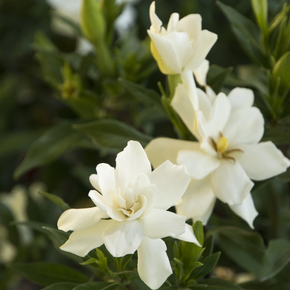
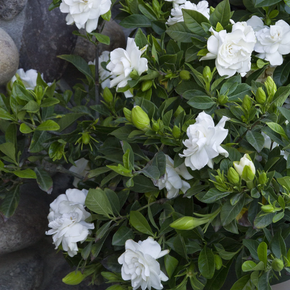
The Grafted Everblooming Gardenia (Gardenia jasminoides 'Veitchii') is the gold standard for gardeners who want all the timeless beauty and intoxicating fragrance of a classic gardenia without the fussiness. Unlike ordinary gardenias, this cultivar is grafted onto a robust Gardenia thunbergii rootstock, giving it remarkable advantages: superior uptake of soil nutrients, exceptional nematode resistance, and the ability to thrive where standard gardenias struggle. From late spring well into autumn, the plant erupts in waves of lush, fully double, creamy white flowers — waxy, rose-like blooms whose rich, heady perfume is strongest in the early morning and evening hours. The mounding, compact evergreen shrub is dressed year-round in glossy, deep green foliage that provides a refined, polished look in any setting. Hardy in USDA Zones 8 through 11, it performs beautifully as a landscape specimen, a low hedge, a foundation planting, or a showstopping patio container plant positioned near doorways or seating areas where its legendary scent can be fully enjoyed. Whether you are a seasoned gardenia grower or someone who has struggled with this genus before, the Grafted Everblooming Gardenia's improved adaptability and extended blooming season make it the most rewarding gardenia you can grow in Southern Oregon and Northern California gardens.
Plant Description
Gardenia jasminoides 'Veitchii', commonly known as the Everblooming Gardenia or Veitchii Cape Jasmine, is a member of the Rubiaceae (coffee) family and originates from Japan and southern China. What sets this cultivar apart from standard gardenias is its unique grafted form: the flowering top is grafted onto a sturdy Gardenia thunbergii rootstock, which dramatically improves nutrient uptake, soil adaptability, and resistance to soil-borne nematodes. The result is a plant that delivers everything a gardenia lover dreams of — richly fragrant, fully double white flowers and glossy, deep green evergreen foliage — but with greater reliability, extended bloom time, and improved performance in a wider range of soil conditions. The flowers are waxy and rose-like, creamy white in color, and carry one of the most iconic fragrances in horticulture, particularly powerful in the early morning and at dusk. This is a mounding, well-branched evergreen shrub with a refined, dense habit that contributes ornamental value throughout all four seasons.
Mature Size
| Attribute | Measurement |
|---|---|
| Mature Height | 2 to 6 feet (typically 4 to 6 feet in ideal conditions) |
| Mature Spread | 3 to 4 feet wide |
| Growth Rate | Moderate |
| Growth Habit | Mounding, compact, and well-branched evergreen shrub |
Hardiness Zones and Temperature
The Grafted Everblooming Gardenia is hardy in USDA Zones 8b through 11, making it an excellent choice for the mild-winter climates of Southern Oregon and Northern California. It can tolerate brief temperature dips to approximately 20 degrees Fahrenheit, but sustained freezing temperatures will damage or kill the plant. In Zone 8a or colder microclimates, a sheltered south-facing location with heavy organic mulch around the root zone can help provide additional winter protection. In areas colder than Zone 8, growing this gardenia in a large container and overwintering it in a frost-free garage, greenhouse, or bright indoor space is the ideal strategy. Gardenias set their flower buds most reliably when daytime temperatures range between 60 and 75 degrees Fahrenheit and nighttime temperatures hold near 60 to 62 degrees Fahrenheit — conditions that align well with the mild coastal and valley climates of the Pacific Coast and northern California foothills.
Sunlight Requirements
The Grafted Everblooming Gardenia performs best in full sun to partial shade, and the ideal exposure depends on your local climate. In the milder coastal climates of Northern California and Southern Oregon, full sun (6 or more hours per day) is generally well tolerated and encourages the most prolific bloom. In hotter inland valley locations, partial sun with morning light and afternoon shade is strongly preferred to prevent leaf scorch, flower bleaching, and stress-related bud drop. Dappled or filtered light under high-canopy trees is also a good option in warmer areas. Avoid deep shade, which will significantly reduce flowering. A location that catches the morning sun is ideal — the blooms and their fragrance are at their most spectacular in morning light.
Soil and pH Preferences
Like all gardenias, the Everblooming Gardenia demands acidic, organically rich, and well-draining soil. The optimal soil pH range is 5.0 to 6.5. Soil that is too alkaline (above pH 6.5) will cause iron and manganese to become chemically unavailable to the plant, leading to the characteristic yellowing between leaf veins (chlorosis) that gardenias are prone to. Before planting, test your soil pH and amend as needed. To lower pH and improve soil structure, work in generous amounts of well-rotted compost, pine fines (fine pine bark), or peat moss. In heavy clay or compacted soils, also incorporate elemental sulfur or iron sulfate to bring the pH into the ideal range. The grafted rootstock of this variety gives it a distinct advantage — it can extract nutrients more efficiently than standard rootstocks, making it more forgiving in less-than-perfect soil situations. Avoid planting in low-lying areas prone to water pooling, as gardenias will not tolerate waterlogged roots.
Watering Guide
- Water deeply and thoroughly when the top 1 inch of soil feels dry to the touch.
- Aim to keep soil consistently and evenly moist — never allow the root zone to fully dry out, but equally avoid waterlogged or saturated conditions.
- Water at the base of the plant rather than overhead to minimize the risk of fungal leaf spots and sooty mold.
- During hot summer weather, more frequent watering may be necessary, especially for container-grown plants.
- Reduce watering frequency in winter when the plant enters a semi-dormant state and growth slows.
- If your tap water is hard or alkaline, consider using collected rainwater or filtered water for container-grown gardenias to prevent gradual pH rise in the potting mix.
- Maintain a 2- to 3-inch layer of organic mulch (pine bark, pine needles, or shredded leaves) around the base of the plant to conserve soil moisture, regulate root temperature, and reduce watering frequency. Keep mulch pulled a few inches away from the main stem to prevent rot.
Fertilizing
Feed the Grafted Everblooming Gardenia with a quality fertilizer formulated for acid-loving plants, such as an azalea and camellia fertilizer or a dedicated gardenia food. Look for a product with a roughly 2-1-1 NPK ratio to support robust vegetative growth and prolific flowering. Apply fertilizer in mid-spring (after the last frost) and again approximately six weeks later in mid-summer. Avoid fertilizing in late summer or fall, as this can stimulate tender new growth that is vulnerable to cold damage and can interfere with the plant's natural preparation for winter dormancy. For container-grown plants, a liquid acid fertilizer applied every two to four weeks during the active growing season (spring through summer) works well. If your plant shows yellowing between the leaf veins (interveinal chlorosis), supplement with a chelated iron or iron sulfate product in addition to your regular fertilizer program — this is a common sign that iron is not being properly absorbed, often due to pH being too high.
Pruning and Maintenance
Pruning the Grafted Everblooming Gardenia is straightforward when done at the right time. The most important rule: prune immediately after the main bloom cycle concludes — typically in late summer — and avoid any significant pruning in late summer through fall, as this risks cutting off the flower buds that have been set for the following season. Follow these guidelines for best results:
- Deadhead spent blooms by snipping just below the faded flower to tidy the plant and reduce energy directed to seed production.
- After the primary bloom flush, lightly trim straggly or wayward branches back to a main stem or just above a healthy leaf node to maintain a compact, tidy shape.
- Thin a few interior branches each year to improve airflow through the canopy and reduce the likelihood of fungal problems.
- Remove any dead, damaged, or diseased wood at any time of year, making clean cuts at a slight angle to discourage water pooling on the cut surface.
- Avoid heavy pruning — gardenias flower most abundantly on the current season's new growth, and severe cutting back will significantly reduce bloom production.
- For grafted plants, monitor the base of the graft union and promptly remove any shoots that emerge from below the graft line, as these are from the rootstock and will not produce the desired flowers.
Planting Instructions
- Choose a planting location with the appropriate light exposure (full sun to partial shade) and good air circulation. Avoid frost pockets and areas with standing water.
- Test soil pH before planting. Amend to reach a pH of 5.0 to 6.5 by working in compost, pine fines, and elemental sulfur or iron sulfate as needed.
- Dig a planting hole twice as wide as the root ball and equal in depth. Wide holes encourage lateral root spread in the amended soil.
- Gently remove the plant from its container and loosen any circling roots before placing it in the hole.
- Set the plant so the top of the root ball sits level with or very slightly above the surrounding grade — never plant below grade, as this can lead to crown rot.
- Backfill with the amended soil, firming gently as you go to remove air pockets. Do not compact the soil heavily.
- Water thoroughly immediately after planting to settle the soil around the roots.
- Apply a 2- to 3-inch layer of pine bark or pine needle mulch over the root zone, keeping it several inches away from the main stem.
- For grafted plants, ensure the graft union (the slight swelling or angled joint near the base of the main stem) remains above the soil line at all times.
- Spring and early fall are the best planting times to allow establishment before summer heat or winter cold arrives.
Seasonal Interest
| Season | Ornamental Feature |
|---|---|
| Spring | First flush of large, fully double, creamy white blooms begins; fresh new foliage emerges bright green against the older dark leaves |
| Summer | Continuous waves of fragrant white flowers throughout the season; rich, glossy dark green foliage remains lush and ornamental |
| Fall | Blooming continues well into autumn — far longer than standard gardenias; evergreen foliage holds its deep green color |
| Winter | Dense, glossy evergreen foliage provides structure and year-round greenery in the garden even when the plant is not in bloom |
Landscape Uses
The Grafted Everblooming Gardenia is one of the most versatile flowering shrubs for warm-climate gardens and offers a wide range of landscape applications:
- Foundation Plantings: Its refined mounding habit and glossy foliage make it an elegant choice for planting against home foundations, fences, and walls.
- Low Hedges and Borders: Plant in a row for a fragrant, informal flowering hedge along walkways, driveways, or garden borders.
- Specimen Plant: Use as a standalone focal point in mixed borders or island beds where the layered bloom display and evergreen structure can be fully appreciated.
- Patio and Entryway Containers: Outstanding when grown in large decorative containers positioned near doorways, patios, and outdoor seating areas, where the heavenly fragrance fills the air.
- Cut Flower Garden: The blooms are exceptional cut flowers with a vase life of several days and a fragrance that fills an entire room.
- Courtyard and Cottage Gardens: Perfectly suited to enclosed courtyard gardens where the fragrance concentrates in the warm air and the formal evergreen structure complements architectural elements.
- Woodland Garden Edges: Can be tucked at the bright edge of a lightly shaded woodland garden where it receives dappled light and cool, moist root conditions.
Container Growing
The Grafted Everblooming Gardenia is an outstanding container plant and actually thrives in pots when given proper care. Growing in a container offers the added benefit of complete control over soil pH and drainage — the two most critical factors for gardenia success. Use a large container (at least 12 to 16 inches in diameter) with excellent drainage holes to allow for root development and prevent waterlogging. Fill with a premium acid-formulated potting mix designed for azaleas, camellias, or rhododendrons. In areas colder than Zone 8, container growing is highly recommended so the plant can be moved indoors or into a frost-protected space during cold snaps. Place containers in a location that receives appropriate light — morning sun with afternoon shade in hot climates. Water container gardenias more frequently than in-ground plants, as pots dry out faster. Feed with a liquid acid fertilizer every two to four weeks during spring and summer. Check the soil pH of your container annually and refresh or replace the potting mix every one to two years to prevent salt buildup and maintain proper pH. Raise humidity around container-grown plants by grouping them with other plants or by setting the pot on a pebble tray filled with water.
Pests and Diseases
One of the key advantages of the grafted form of this gardenia is its superior nematode resistance, significantly reducing one of the most damaging soil-borne threats to standard gardenias. However, gardeners should remain watchful for the following common issues:
- Aphids: Small, soft-bodied insects that cluster on new growth and flower buds. Treat with a strong spray of water to dislodge, or apply insecticidal soap or neem oil.
- Mealybugs: White, cottony masses in leaf axils and on stems. Remove with a cotton swab dipped in rubbing alcohol, or treat with insecticidal soap or neem oil.
- Whiteflies: Tiny white insects that flutter from foliage when disturbed. Use yellow sticky traps, insecticidal soap, or neem oil sprays.
- Scale Insects: Brown or tan shell-like bumps on stems and leaves. Treat with horticultural oil during the dormant season or insecticidal soap during the growing season.
- Sooty Mold: A black fungal coating that develops on the sticky honeydew secreted by aphids, whiteflies, and scale. Control the underlying insect pest to eliminate the mold.
- Powdery Mildew: White powdery coating on leaves in humid, low-airflow conditions. Improve air circulation by pruning the interior of the plant and avoiding overhead irrigation.
- Root Rot: Caused by overly wet, poorly draining soil. Ensure excellent drainage and avoid overwatering.
- Bud Drop: A common frustration caused by inconsistent watering, sudden temperature swings, low humidity, or moving the plant during bud development. Keep conditions stable once buds appear.
- Interveinal Chlorosis (Yellow Leaves): Yellowing between the leaf veins, typically caused by soil pH that is too high, locking out iron. Correct by lowering soil pH and applying chelated iron.
Companion Plants
The Grafted Everblooming Gardenia pairs beautifully with other acid-loving plants that share its preference for well-drained, humus-rich, acidic soil. Consider these companions for a cohesive and stunning planting:
- Azaleas and Rhododendrons: Share identical soil pH and moisture requirements; create a layered, multi-season flowering display in the same bed.
- Camellias: Evergreen structure and fall-to-spring bloom time complement the gardenia's spring-to-fall bloom cycle for nearly year-round color.
- Japanese Maples (Acer palmatum): Provide delicate textural contrast and light dappled shade beneficial to gardenias in hotter inland locations.
- Hydrangeas (Hydrangea macrophylla): Thrive in similar acidic, moist soil conditions; the bold mophead or lacecap blooms complement the refined gardenia flowers.
- Ferns: Shade-tolerant companions for the shaded edges of a gardenia planting; prefer the same cool, moist, acidic conditions.
- Hostas: Bold, lush foliage provides a handsome low-growing underplanting in partially shaded spots.
- Loropetalum (Chinese Fringe Flower): Acid-loving, evergreen, and visually complementary — the deep burgundy foliage of purple-leaved varieties creates a striking contrast with the gardenia's white blooms and bright green leaves.
- Nandina (Heavenly Bamboo): Provides upright vertical contrast and vibrant fall and winter color alongside the mounding gardenia habit.
Wildlife Value
While the Grafted Everblooming Gardenia is primarily valued for its ornamental and sensory qualities, it does offer meaningful benefits to local wildlife and pollinators. The richly fragrant white flowers attract bees, butterflies, and other beneficial pollinators during the long blooming season from spring through fall. Hummingbirds may also visit the flowers for nectar. The dense, glossy evergreen foliage provides cover and potential nesting habitat for small birds. The plant is noted to be deer-resistant in most settings, making it a reliable choice for gardens in areas of Southern Oregon and Northern California where deer pressure is a concern. Note that all parts of the plant are toxic to cats, dogs, and horses if ingested, and can cause mild gastrointestinal upset including diarrhea, hives, and vomiting. Individuals with sensitive skin may also experience mild contact irritation and should wear gloves when handling the plant.
- Grafted onto superior nematode-resistant Gardenia thunbergii rootstock for exceptional vigor, even in poor or challenging soils
- Produces an abundance of intensely fragrant, creamy white blooms from spring through fall — far outlasting standard gardenia varieties
- Lustrous, dark evergreen foliage provides year-round beauty and makes a stunning backdrop for the lavish white flowers
- Versatile in the landscape or in patio containers — blooms make exceptional cut flowers and the powerful fragrance perfumes the surrounding garden
The Grafted Everblooming Gardenia (Gardenia jasminoides 'Veitchii') is the gold standard for gardeners who want all the timeless beauty and intoxicating fragrance of a classic gardenia without the fussiness. Unlike ordinary gardenias, this cultivar is grafted onto a robust Gardenia thunbergii rootstock, giving it remarkable advantages: superior uptake of soil nutrients, exceptional nematode resistance, and the ability to thrive where standard gardenias struggle. From late spring well into autumn, the plant erupts in waves of lush, fully double, creamy white flowers — waxy, rose-like blooms whose rich, heady perfume is strongest in the early morning and evening hours. The mounding, compact evergreen shrub is dressed year-round in glossy, deep green foliage that provides a refined, polished look in any setting. Hardy in USDA Zones 8 through 11, it performs beautifully as a landscape specimen, a low hedge, a foundation planting, or a showstopping patio container plant positioned near doorways or seating areas where its legendary scent can be fully enjoyed. Whether you are a seasoned gardenia grower or someone who has struggled with this genus before, the Grafted Everblooming Gardenia's improved adaptability and extended blooming season make it the most rewarding gardenia you can grow in Southern Oregon and Northern California gardens.
Plant Description
Gardenia jasminoides 'Veitchii', commonly known as the Everblooming Gardenia or Veitchii Cape Jasmine, is a member of the Rubiaceae (coffee) family and originates from Japan and southern China. What sets this cultivar apart from standard gardenias is its unique grafted form: the flowering top is grafted onto a sturdy Gardenia thunbergii rootstock, which dramatically improves nutrient uptake, soil adaptability, and resistance to soil-borne nematodes. The result is a plant that delivers everything a gardenia lover dreams of — richly fragrant, fully double white flowers and glossy, deep green evergreen foliage — but with greater reliability, extended bloom time, and improved performance in a wider range of soil conditions. The flowers are waxy and rose-like, creamy white in color, and carry one of the most iconic fragrances in horticulture, particularly powerful in the early morning and at dusk. This is a mounding, well-branched evergreen shrub with a refined, dense habit that contributes ornamental value throughout all four seasons.
Mature Size
| Attribute | Measurement |
|---|---|
| Mature Height | 2 to 6 feet (typically 4 to 6 feet in ideal conditions) |
| Mature Spread | 3 to 4 feet wide |
| Growth Rate | Moderate |
| Growth Habit | Mounding, compact, and well-branched evergreen shrub |
Hardiness Zones and Temperature
The Grafted Everblooming Gardenia is hardy in USDA Zones 8b through 11, making it an excellent choice for the mild-winter climates of Southern Oregon and Northern California. It can tolerate brief temperature dips to approximately 20 degrees Fahrenheit, but sustained freezing temperatures will damage or kill the plant. In Zone 8a or colder microclimates, a sheltered south-facing location with heavy organic mulch around the root zone can help provide additional winter protection. In areas colder than Zone 8, growing this gardenia in a large container and overwintering it in a frost-free garage, greenhouse, or bright indoor space is the ideal strategy. Gardenias set their flower buds most reliably when daytime temperatures range between 60 and 75 degrees Fahrenheit and nighttime temperatures hold near 60 to 62 degrees Fahrenheit — conditions that align well with the mild coastal and valley climates of the Pacific Coast and northern California foothills.
Sunlight Requirements
The Grafted Everblooming Gardenia performs best in full sun to partial shade, and the ideal exposure depends on your local climate. In the milder coastal climates of Northern California and Southern Oregon, full sun (6 or more hours per day) is generally well tolerated and encourages the most prolific bloom. In hotter inland valley locations, partial sun with morning light and afternoon shade is strongly preferred to prevent leaf scorch, flower bleaching, and stress-related bud drop. Dappled or filtered light under high-canopy trees is also a good option in warmer areas. Avoid deep shade, which will significantly reduce flowering. A location that catches the morning sun is ideal — the blooms and their fragrance are at their most spectacular in morning light.
Soil and pH Preferences
Like all gardenias, the Everblooming Gardenia demands acidic, organically rich, and well-draining soil. The optimal soil pH range is 5.0 to 6.5. Soil that is too alkaline (above pH 6.5) will cause iron and manganese to become chemically unavailable to the plant, leading to the characteristic yellowing between leaf veins (chlorosis) that gardenias are prone to. Before planting, test your soil pH and amend as needed. To lower pH and improve soil structure, work in generous amounts of well-rotted compost, pine fines (fine pine bark), or peat moss. In heavy clay or compacted soils, also incorporate elemental sulfur or iron sulfate to bring the pH into the ideal range. The grafted rootstock of this variety gives it a distinct advantage — it can extract nutrients more efficiently than standard rootstocks, making it more forgiving in less-than-perfect soil situations. Avoid planting in low-lying areas prone to water pooling, as gardenias will not tolerate waterlogged roots.
Watering Guide
- Water deeply and thoroughly when the top 1 inch of soil feels dry to the touch.
- Aim to keep soil consistently and evenly moist — never allow the root zone to fully dry out, but equally avoid waterlogged or saturated conditions.
- Water at the base of the plant rather than overhead to minimize the risk of fungal leaf spots and sooty mold.
- During hot summer weather, more frequent watering may be necessary, especially for container-grown plants.
- Reduce watering frequency in winter when the plant enters a semi-dormant state and growth slows.
- If your tap water is hard or alkaline, consider using collected rainwater or filtered water for container-grown gardenias to prevent gradual pH rise in the potting mix.
- Maintain a 2- to 3-inch layer of organic mulch (pine bark, pine needles, or shredded leaves) around the base of the plant to conserve soil moisture, regulate root temperature, and reduce watering frequency. Keep mulch pulled a few inches away from the main stem to prevent rot.
Fertilizing
Feed the Grafted Everblooming Gardenia with a quality fertilizer formulated for acid-loving plants, such as an azalea and camellia fertilizer or a dedicated gardenia food. Look for a product with a roughly 2-1-1 NPK ratio to support robust vegetative growth and prolific flowering. Apply fertilizer in mid-spring (after the last frost) and again approximately six weeks later in mid-summer. Avoid fertilizing in late summer or fall, as this can stimulate tender new growth that is vulnerable to cold damage and can interfere with the plant's natural preparation for winter dormancy. For container-grown plants, a liquid acid fertilizer applied every two to four weeks during the active growing season (spring through summer) works well. If your plant shows yellowing between the leaf veins (interveinal chlorosis), supplement with a chelated iron or iron sulfate product in addition to your regular fertilizer program — this is a common sign that iron is not being properly absorbed, often due to pH being too high.
Pruning and Maintenance
Pruning the Grafted Everblooming Gardenia is straightforward when done at the right time. The most important rule: prune immediately after the main bloom cycle concludes — typically in late summer — and avoid any significant pruning in late summer through fall, as this risks cutting off the flower buds that have been set for the following season. Follow these guidelines for best results:
- Deadhead spent blooms by snipping just below the faded flower to tidy the plant and reduce energy directed to seed production.
- After the primary bloom flush, lightly trim straggly or wayward branches back to a main stem or just above a healthy leaf node to maintain a compact, tidy shape.
- Thin a few interior branches each year to improve airflow through the canopy and reduce the likelihood of fungal problems.
- Remove any dead, damaged, or diseased wood at any time of year, making clean cuts at a slight angle to discourage water pooling on the cut surface.
- Avoid heavy pruning — gardenias flower most abundantly on the current season's new growth, and severe cutting back will significantly reduce bloom production.
- For grafted plants, monitor the base of the graft union and promptly remove any shoots that emerge from below the graft line, as these are from the rootstock and will not produce the desired flowers.
Planting Instructions
- Choose a planting location with the appropriate light exposure (full sun to partial shade) and good air circulation. Avoid frost pockets and areas with standing water.
- Test soil pH before planting. Amend to reach a pH of 5.0 to 6.5 by working in compost, pine fines, and elemental sulfur or iron sulfate as needed.
- Dig a planting hole twice as wide as the root ball and equal in depth. Wide holes encourage lateral root spread in the amended soil.
- Gently remove the plant from its container and loosen any circling roots before placing it in the hole.
- Set the plant so the top of the root ball sits level with or very slightly above the surrounding grade — never plant below grade, as this can lead to crown rot.
- Backfill with the amended soil, firming gently as you go to remove air pockets. Do not compact the soil heavily.
- Water thoroughly immediately after planting to settle the soil around the roots.
- Apply a 2- to 3-inch layer of pine bark or pine needle mulch over the root zone, keeping it several inches away from the main stem.
- For grafted plants, ensure the graft union (the slight swelling or angled joint near the base of the main stem) remains above the soil line at all times.
- Spring and early fall are the best planting times to allow establishment before summer heat or winter cold arrives.
Seasonal Interest
| Season | Ornamental Feature |
|---|---|
| Spring | First flush of large, fully double, creamy white blooms begins; fresh new foliage emerges bright green against the older dark leaves |
| Summer | Continuous waves of fragrant white flowers throughout the season; rich, glossy dark green foliage remains lush and ornamental |
| Fall | Blooming continues well into autumn — far longer than standard gardenias; evergreen foliage holds its deep green color |
| Winter | Dense, glossy evergreen foliage provides structure and year-round greenery in the garden even when the plant is not in bloom |
Landscape Uses
The Grafted Everblooming Gardenia is one of the most versatile flowering shrubs for warm-climate gardens and offers a wide range of landscape applications:
- Foundation Plantings: Its refined mounding habit and glossy foliage make it an elegant choice for planting against home foundations, fences, and walls.
- Low Hedges and Borders: Plant in a row for a fragrant, informal flowering hedge along walkways, driveways, or garden borders.
- Specimen Plant: Use as a standalone focal point in mixed borders or island beds where the layered bloom display and evergreen structure can be fully appreciated.
- Patio and Entryway Containers: Outstanding when grown in large decorative containers positioned near doorways, patios, and outdoor seating areas, where the heavenly fragrance fills the air.
- Cut Flower Garden: The blooms are exceptional cut flowers with a vase life of several days and a fragrance that fills an entire room.
- Courtyard and Cottage Gardens: Perfectly suited to enclosed courtyard gardens where the fragrance concentrates in the warm air and the formal evergreen structure complements architectural elements.
- Woodland Garden Edges: Can be tucked at the bright edge of a lightly shaded woodland garden where it receives dappled light and cool, moist root conditions.
Container Growing
The Grafted Everblooming Gardenia is an outstanding container plant and actually thrives in pots when given proper care. Growing in a container offers the added benefit of complete control over soil pH and drainage — the two most critical factors for gardenia success. Use a large container (at least 12 to 16 inches in diameter) with excellent drainage holes to allow for root development and prevent waterlogging. Fill with a premium acid-formulated potting mix designed for azaleas, camellias, or rhododendrons. In areas colder than Zone 8, container growing is highly recommended so the plant can be moved indoors or into a frost-protected space during cold snaps. Place containers in a location that receives appropriate light — morning sun with afternoon shade in hot climates. Water container gardenias more frequently than in-ground plants, as pots dry out faster. Feed with a liquid acid fertilizer every two to four weeks during spring and summer. Check the soil pH of your container annually and refresh or replace the potting mix every one to two years to prevent salt buildup and maintain proper pH. Raise humidity around container-grown plants by grouping them with other plants or by setting the pot on a pebble tray filled with water.
Pests and Diseases
One of the key advantages of the grafted form of this gardenia is its superior nematode resistance, significantly reducing one of the most damaging soil-borne threats to standard gardenias. However, gardeners should remain watchful for the following common issues:
- Aphids: Small, soft-bodied insects that cluster on new growth and flower buds. Treat with a strong spray of water to dislodge, or apply insecticidal soap or neem oil.
- Mealybugs: White, cottony masses in leaf axils and on stems. Remove with a cotton swab dipped in rubbing alcohol, or treat with insecticidal soap or neem oil.
- Whiteflies: Tiny white insects that flutter from foliage when disturbed. Use yellow sticky traps, insecticidal soap, or neem oil sprays.
- Scale Insects: Brown or tan shell-like bumps on stems and leaves. Treat with horticultural oil during the dormant season or insecticidal soap during the growing season.
- Sooty Mold: A black fungal coating that develops on the sticky honeydew secreted by aphids, whiteflies, and scale. Control the underlying insect pest to eliminate the mold.
- Powdery Mildew: White powdery coating on leaves in humid, low-airflow conditions. Improve air circulation by pruning the interior of the plant and avoiding overhead irrigation.
- Root Rot: Caused by overly wet, poorly draining soil. Ensure excellent drainage and avoid overwatering.
- Bud Drop: A common frustration caused by inconsistent watering, sudden temperature swings, low humidity, or moving the plant during bud development. Keep conditions stable once buds appear.
- Interveinal Chlorosis (Yellow Leaves): Yellowing between the leaf veins, typically caused by soil pH that is too high, locking out iron. Correct by lowering soil pH and applying chelated iron.
Companion Plants
The Grafted Everblooming Gardenia pairs beautifully with other acid-loving plants that share its preference for well-drained, humus-rich, acidic soil. Consider these companions for a cohesive and stunning planting:
- Azaleas and Rhododendrons: Share identical soil pH and moisture requirements; create a layered, multi-season flowering display in the same bed.
- Camellias: Evergreen structure and fall-to-spring bloom time complement the gardenia's spring-to-fall bloom cycle for nearly year-round color.
- Japanese Maples (Acer palmatum): Provide delicate textural contrast and light dappled shade beneficial to gardenias in hotter inland locations.
- Hydrangeas (Hydrangea macrophylla): Thrive in similar acidic, moist soil conditions; the bold mophead or lacecap blooms complement the refined gardenia flowers.
- Ferns: Shade-tolerant companions for the shaded edges of a gardenia planting; prefer the same cool, moist, acidic conditions.
- Hostas: Bold, lush foliage provides a handsome low-growing underplanting in partially shaded spots.
- Loropetalum (Chinese Fringe Flower): Acid-loving, evergreen, and visually complementary — the deep burgundy foliage of purple-leaved varieties creates a striking contrast with the gardenia's white blooms and bright green leaves.
- Nandina (Heavenly Bamboo): Provides upright vertical contrast and vibrant fall and winter color alongside the mounding gardenia habit.
Wildlife Value
While the Grafted Everblooming Gardenia is primarily valued for its ornamental and sensory qualities, it does offer meaningful benefits to local wildlife and pollinators. The richly fragrant white flowers attract bees, butterflies, and other beneficial pollinators during the long blooming season from spring through fall. Hummingbirds may also visit the flowers for nectar. The dense, glossy evergreen foliage provides cover and potential nesting habitat for small birds. The plant is noted to be deer-resistant in most settings, making it a reliable choice for gardens in areas of Southern Oregon and Northern California where deer pressure is a concern. Note that all parts of the plant are toxic to cats, dogs, and horses if ingested, and can cause mild gastrointestinal upset including diarrhea, hives, and vomiting. Individuals with sensitive skin may also experience mild contact irritation and should wear gloves when handling the plant.
Related Products