
Zoom the image with the mouse
Vancouver Mystic Gem Clematis - 1 Gallon
SKU:
1932825
$17.99
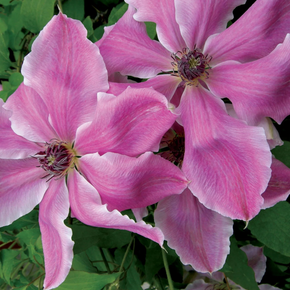
- Showstopping 6-8" bicolor blooms display shades of soft blush to deep rose pink over crisp white petals with striking burgundy-red anthers — among the largest flowers in the clematis world
- Compact, well-behaved vine reaches just 6-8 feet tall, making it ideal for trellises, obelisks, containers, and smaller garden spaces
- Long bloom season with flushes of flowers in late spring through early summer, then again in fall — old vines can even produce stunning semi-double blooms in spring
- Hardy in USDA Zones 4-9, easy to grow, and irresistible to bees, butterflies, and hummingbirds — a true showpiece for patios, fences, and cottage gardens
Vancouver Mystic Gem Clematis (Clematis x 'Mystic Gem') is a breathtaking flowering vine from the renowned Vancouver Series, celebrated for its enormous 6-8 inch bicolor flowers that transition from soft blush to deep rose pink across pristine white petals, all centered with a bold eye of rich burgundy-red anthers. Part of a series prized by collectors and casual gardeners alike, this compact deciduous climber reaches a mature height of 6-8 feet with a tidy 24-inch spread, making it perfectly suited to trellises, garden obelisks, fences, arbors, and patio containers. Blooming prolifically from late spring through early summer and again in fall, established vines can produce spectacular semi-double flowers on older wood in spring, adding another dimension of floral interest. With broad hardiness across USDA Zones 4-9, excellent tolerance of urban conditions, and a reputation as a rewarding plant for both beginners and expert gardeners, Vancouver Mystic Gem Clematis brings effortless elegance and season-long vertical color to any landscape.
Plant Description
Vancouver Mystic Gem Clematis is a multi-stemmed, deciduous woody vine belonging to the prestigious Vancouver Series, a group of clematis cultivars celebrated for their compact, free-flowering nature and suitability for modern container gardening. This interspecific hybrid features twining stems that wind easily around supports, producing medium green, compound leaves arranged alternately and oppositely along the stems. The foliage provides a clean, simple backdrop that allows the extraordinary flowers to truly steal the scene. Because it tends to be somewhat open and leggy near its base — as is typical for climbing clematis — it pairs beautifully with low-growing underplanting companions that fill in the lower portion of the display while the vine climbs upward. Under ideal conditions, Vancouver Mystic Gem Clematis can be expected to thrive for approximately 20 years, making it a long-term investment in your garden's beauty.
Flower Details and Bloom Time
The blooms of Vancouver Mystic Gem are the true star of the show. Each flower measures an impressive 6-8 inches (15-20 cm) across — enormous even by large-flowered clematis standards — and faces outward in a flat, disc-shaped form that shows off every detail. The petals display a captivating range of pink on white, from a delicate light blush at the margins to a deeper rose pink toward the center, with a prominent boss of rich burgundy-red stamens adding dramatic contrast at the heart of each bloom. Established vines growing on retained old wood can produce breathtaking semi-double flowers in spring. The primary bloom period runs from late spring through early summer (May-June), with a reliable rebloom flush in fall (September). Removing spent flowers during the bloom period helps encourage continuous color throughout the season.
Mature Size and Growth Habit
| Characteristic | Detail |
|---|---|
| Mature Height | 6-8 feet (approximately 2-3 meters) |
| Mature Spread | 24 inches |
| Growth Rate | Medium to fast once established |
| Habit | Twining, upright climbing vine |
| Foliage Type | Deciduous |
| Stem Type | Multi-stemmed woody vine |
| Expected Lifespan | Approximately 20 years under ideal conditions |
As a climbing vine, Vancouver Mystic Gem climbs by twining its stems and leaf petioles around supports. It tends to be somewhat open near the base, so underplanting with low-growing companions is recommended to create a full, layered look. New plantings may appear to "sleep and creep" in their first season or two as roots develop, but vigorous growth and flowering typically follows by the second or third year.
Hardiness Zones and Climate
Vancouver Mystic Gem Clematis is reliably hardy in USDA Hardiness Zones 4-9, making it an excellent choice across a wide range of climates, including the Pacific Northwest, Northern California, Southern Oregon, and much of the continental United States. It demonstrates good tolerance of urban growing conditions and adapts well to various regional microclimates. In colder zones (4-5), applying a generous layer of mulch around the root zone in late fall will provide added winter protection. In the warmer end of its range (Zones 8-9), light afternoon shade can help protect blooms from the most intense summer heat and extend the display. The plant is not suitable for tropical climates or regions with mild, frost-free winters where it cannot achieve the necessary dormancy period.
Sunlight Requirements
For the best flowering performance, Vancouver Mystic Gem Clematis thrives in full sun to partial shade, ideally receiving 6 or more hours of direct sunlight each day. The classic clematis principle applies here: "head in the sun, feet in the shade." This means the top growth and flowering stems perform best with good sun exposure, while the root zone benefits from being kept cool and shaded. This can be easily achieved by underplanting with low-growing ground cover plants, ornamental grasses, or shallow-rooted perennials that shade the soil without competing aggressively with the clematis roots. In hotter inland areas of Southern Oregon and Northern California, a site with morning sun and some light afternoon shade will help prevent flower color from fading and reduce stress on the plant during peak summer heat.
Soil and pH Preferences
Vancouver Mystic Gem Clematis is not overly fussy about soil type, but it performs best in rich, organically amended, well-drained soil that retains consistent moisture without becoming waterlogged. Standing water around the roots is one of the most common causes of decline, so good drainage is essential. While clematis broadly prefer a neutral to slightly alkaline soil pH, this variety is noted for adaptability to a range of soil conditions. Amending planting holes with compost or well-rotted organic matter will improve both drainage in heavy clay soils and moisture retention in sandy soils. A 2-3 inch layer of mulch applied over the root zone — kept a few inches away from the base of the stems — helps regulate soil temperature, conserve moisture, and suppress weeds throughout the growing season.
Watering Guide
Consistent moisture is key to keeping Vancouver Mystic Gem Clematis healthy and flowering abundantly. During the establishment period (the first one to two growing seasons), water deeply and regularly — approximately once per week, or more frequently during periods of extreme heat or drought. Once established, the plant is somewhat more tolerant of brief dry periods, but consistently evenly moist soil will always produce the best results. Avoid overwatering or allowing water to pool around the base of the plant, as saturated soils promote root rot. Water at the base of the plant rather than overhead to minimize wet foliage, which can contribute to fungal diseases. Container-grown plants will require more frequent watering than those planted in the ground, as pots dry out significantly faster — check soil moisture daily during warm weather.
Fertilizing
Vancouver Mystic Gem Clematis is a moderately heavy feeder that benefits from regular fertilization to support its vigorous growth and extended bloom season. Begin feeding in early spring as new growth emerges, using a balanced, slow-release granular fertilizer or a fertilizer formulated for flowering vines and climbers. A fertilizer with an N-P-K ratio such as 3-5-4 or similar, with moderate nitrogen and higher phosphorus and potassium, encourages strong root development and prolific flowering without producing excessive weak, leafy growth. Avoid over-applying high-nitrogen fertilizers, which can make plants more susceptible to fungal diseases and reduce flowering. After the first flush of blooms, a light liquid fertilizer application can help support and strengthen the fall rebloom. Reduce or stop feeding in late summer to allow the plant to begin hardening off for winter.
Pruning Guide (Pruning Group 2)
Vancouver Mystic Gem Clematis belongs to Pruning Group 2 (also referred to as Group B1 by some growers), which means it blooms on both old wood from the previous season and new wood produced in the current year. This pruning group requires the lightest hand of all clematis groups. Follow these guidelines for best results:
- Late winter / early spring: Do not cut back hard. Instead, wait until you can see the buds beginning to swell, then carefully remove only dead, damaged, or very weak stems. Retain as much healthy old wood as possible, as this is where the first and most impressive spring bloom — including potential semi-double flowers — will occur.
- After the first flush of bloom (late spring/early summer): Lightly trim back the stems that have just flowered by about one-third to encourage fresh new growth and stimulate the fall rebloom.
- Throughout the season: Remove spent flower heads as blooms fade to tidy the plant and encourage ongoing flowering.
- Important: Always use clean, sharp pruning tools and sanitize blades between cuts to prevent the spread of fungal disease, particularly clematis wilt.
Planting Instructions
- Choose a location with full sun to partial shade and well-drained soil, ideally near a fence, trellis, or other structure the vine can climb.
- Dig a planting hole approximately twice as wide and slightly deeper than the root ball — for clematis, plant the crown 2-4 inches deeper than it was growing in its nursery container. Planting deep encourages new shoots to emerge from below ground level, helping the plant recover if it ever experiences clematis wilt or stem damage.
- Amend the backfill soil with compost or well-rotted organic matter to improve drainage and fertility.
- Set the plant in the hole, backfill, and firm the soil gently around the roots. Water in thoroughly.
- Apply a 2-3 inch layer of mulch over the root zone, keeping it several inches clear of the base of the stems to prevent rot.
- Install your support structure (trellis, obelisk, wires, or fence) at planting time, and gently guide the young stems toward it. Space plants 24-36 inches apart if planting multiple vines.
- Water regularly throughout the first growing season to help the plant establish a strong root system.
Container Growing
Vancouver Mystic Gem Clematis is an excellent candidate for container growing, making it a standout choice for patios, balconies, entryways, and other outdoor living spaces. Its compact habit means it won't quickly outgrow a large pot, and its outward-facing, disc-shaped flowers look spectacular at eye level near a seating area. For best results in containers, observe the following tips:
- Choose a pot that is at least 18-24 inches deep and wide to accommodate the extensive root system and provide some insulation from temperature extremes.
- Use a high-quality, well-draining potting mix amended with perlite and compost for good drainage and nutrition.
- Ensure the container has adequate drainage holes — clematis will not tolerate waterlogged roots.
- Provide a support structure such as an obelisk, tripod, or wall-mounted trellis within or behind the container.
- Water more frequently than you would for in-ground plants, as containers dry out quickly; check soil moisture daily in warm weather.
- Feed regularly throughout the growing season with a balanced liquid fertilizer formulated for flowering plants.
- In colder winters (Zones 4-6), move containers to a sheltered location or wrap the pot to protect the root zone from hard freezes.
Landscape Uses
The compact size and spectacular flowers of Vancouver Mystic Gem Clematis open up a wide range of creative landscape applications. Because it grows to a manageable 6-8 feet without overwhelming a space, it is ideally suited for smaller gardens and focused accent plantings. Recommended uses include:
- Vertical accent: Train up a decorative obelisk, garden tripod, or tuteur for a striking focal point in a border or container.
- Fence and trellis coverage: Weave along a fence panel or trellis to create a flowering screen or privacy barrier with seasonal interest.
- Cottage garden: Allow it to casually thread through the branches of medium-sized shrubs or roses for a romantic, layered look.
- Patio and courtyard: Grow in a large container near a sitting area, where the outward-facing blooms can be enjoyed up close and the plant can benefit from some wind protection.
- Retaining wall or slope: Allowed to trail, the vining stems can cascade attractively over the face of a wall or slope.
- Espalier: Train along horizontal wires against a fence or wall for a structured, formal display.
Companion Plants
Vancouver Mystic Gem's soft pink and white blooms pair beautifully with a wide variety of garden plants. Since clematis performs best with its root zone kept cool and shaded, companion planting is both practical and aesthetically valuable. Consider these pairings:
- Roses: A classic combination — climbing or shrub roses in white, deep red, or purple tones create a romantic cottage effect while helping to shade the clematis roots. The vine can weave beautifully through rose canes.
- Salvia and Catmint (Nepeta): Low-growing and aromatic, these plants shade the root zone effectively while their blue-purple flower spikes create a stunning color contrast with the pink and white blooms of Mystic Gem.
- Lavender: Provides cool root shade and attractive silver-green foliage; the purple flowers complement the clematis blooms while also attracting pollinators.
- Hostas: Ideal for shading the base of the vine in partially shaded spots; bold, textured foliage provides strong contrast to the delicate clematis flowers.
- Ornamental Grasses: Fine-textured grasses such as Blue Oat Grass or Mexican Feather Grass provide root shade and an attractive, airy contrast in form and texture.
- Allium: Spring-blooming alliums complement the late-spring flowering of Mystic Gem and provide visual interest at the base of the vine.
Wildlife Value
Vancouver Mystic Gem Clematis is a rewarding plant for gardeners interested in supporting local wildlife and pollinators. The large, nectar-rich flowers are particularly attractive to bees and butterflies, making this vine a valuable addition to pollinator gardens. Hummingbirds are also drawn to the flowers, especially during their peak spring and fall bloom periods. The dense climbing growth habit can provide cover for beneficial insects. For maximum wildlife benefit, place the plant near other pollinator-friendly plants such as salvia, lavender, and coneflowers, and avoid the use of broad-spectrum pesticides during bloom time to protect visiting bees and butterflies.
Pests and Diseases
Vancouver Mystic Gem Clematis is generally a robust and relatively low-maintenance vine, but like all clematis, it can occasionally be affected by the following pests and diseases:
- Clematis Wilt (Phoma clematidina): The most serious disease specific to clematis, particularly large-flowered hybrids. Stems and leaves suddenly blacken and collapse, often just before flowers open. Cut all affected stems back to healthy white-green tissue at or below ground level, sanitize tools between cuts, and dispose of all infected material. The plant often recovers from the roots the following season. Deep planting (crown 2-4 inches below soil) helps ensure recovery.
- Powdery Mildew: Appears as a white, dusty coating on leaves, especially in warm, dry conditions with poor air circulation. Improve airflow through pruning, avoid overhead watering, and treat early with neem oil or a bicarbonate-based fungicide.
- Leaf Spot: Brown or black spots on foliage caused by fungal pathogens. Remove affected leaves, water at the base, and improve air circulation.
- Root Rot: Caused by poorly drained or consistently waterlogged soil. Ensure good drainage at planting and avoid overwatering.
- Aphids: Small, soft-bodied insects that cluster on new growth in spring. Blast off with a strong stream of water or treat with insecticidal soap.
- Slugs and Snails: Can damage new spring growth at the base of the plant. Use iron phosphate-based slug bait or hand pick in the evening.
- Vine Weevils: Grubs can damage roots, particularly in container-grown plants. Use biological controls or appropriate soil drenches if infestations are detected.
Seasonal Interest and Care Calendar
| Season | What to Expect | Care Tasks |
|---|---|---|
| Early Spring | Buds begin to swell on old wood; new shoots emerge from the base | Inspect for winter damage; remove only dead or weak stems; apply balanced fertilizer; refresh mulch layer |
| Late Spring / Early Summer | Peak bloom — enormous pink-on-white flowers; old vines may produce semi-double blooms | Deadhead spent flowers regularly; water consistently; begin feeding with liquid fertilizer after peak bloom; guide new stems onto support |
| Midsummer | Foliage actively growing; rest period between bloom flushes | Lightly trim back stems that have finished blooming by up to one-third; maintain consistent watering; continue feeding |
| Fall | Second flush of blooms in September; foliage begins to decline as temperatures cool | Enjoy rebloom; deadhead as needed; taper off fertilizing in late summer/early fall; allow plant to begin hardening off |
| Winter | Deciduous — plant goes dormant; foliage drops | Apply a protective mulch over the root zone in colder climates; do not cut back hard — retain old wood for spring blooms; clean up fallen debris |
- Showstopping 6-8" bicolor blooms display shades of soft blush to deep rose pink over crisp white petals with striking burgundy-red anthers — among the largest flowers in the clematis world
- Compact, well-behaved vine reaches just 6-8 feet tall, making it ideal for trellises, obelisks, containers, and smaller garden spaces
- Long bloom season with flushes of flowers in late spring through early summer, then again in fall — old vines can even produce stunning semi-double blooms in spring
- Hardy in USDA Zones 4-9, easy to grow, and irresistible to bees, butterflies, and hummingbirds — a true showpiece for patios, fences, and cottage gardens
Vancouver Mystic Gem Clematis (Clematis x 'Mystic Gem') is a breathtaking flowering vine from the renowned Vancouver Series, celebrated for its enormous 6-8 inch bicolor flowers that transition from soft blush to deep rose pink across pristine white petals, all centered with a bold eye of rich burgundy-red anthers. Part of a series prized by collectors and casual gardeners alike, this compact deciduous climber reaches a mature height of 6-8 feet with a tidy 24-inch spread, making it perfectly suited to trellises, garden obelisks, fences, arbors, and patio containers. Blooming prolifically from late spring through early summer and again in fall, established vines can produce spectacular semi-double flowers on older wood in spring, adding another dimension of floral interest. With broad hardiness across USDA Zones 4-9, excellent tolerance of urban conditions, and a reputation as a rewarding plant for both beginners and expert gardeners, Vancouver Mystic Gem Clematis brings effortless elegance and season-long vertical color to any landscape.
Plant Description
Vancouver Mystic Gem Clematis is a multi-stemmed, deciduous woody vine belonging to the prestigious Vancouver Series, a group of clematis cultivars celebrated for their compact, free-flowering nature and suitability for modern container gardening. This interspecific hybrid features twining stems that wind easily around supports, producing medium green, compound leaves arranged alternately and oppositely along the stems. The foliage provides a clean, simple backdrop that allows the extraordinary flowers to truly steal the scene. Because it tends to be somewhat open and leggy near its base — as is typical for climbing clematis — it pairs beautifully with low-growing underplanting companions that fill in the lower portion of the display while the vine climbs upward. Under ideal conditions, Vancouver Mystic Gem Clematis can be expected to thrive for approximately 20 years, making it a long-term investment in your garden's beauty.
Flower Details and Bloom Time
The blooms of Vancouver Mystic Gem are the true star of the show. Each flower measures an impressive 6-8 inches (15-20 cm) across — enormous even by large-flowered clematis standards — and faces outward in a flat, disc-shaped form that shows off every detail. The petals display a captivating range of pink on white, from a delicate light blush at the margins to a deeper rose pink toward the center, with a prominent boss of rich burgundy-red stamens adding dramatic contrast at the heart of each bloom. Established vines growing on retained old wood can produce breathtaking semi-double flowers in spring. The primary bloom period runs from late spring through early summer (May-June), with a reliable rebloom flush in fall (September). Removing spent flowers during the bloom period helps encourage continuous color throughout the season.
Mature Size and Growth Habit
| Characteristic | Detail |
|---|---|
| Mature Height | 6-8 feet (approximately 2-3 meters) |
| Mature Spread | 24 inches |
| Growth Rate | Medium to fast once established |
| Habit | Twining, upright climbing vine |
| Foliage Type | Deciduous |
| Stem Type | Multi-stemmed woody vine |
| Expected Lifespan | Approximately 20 years under ideal conditions |
As a climbing vine, Vancouver Mystic Gem climbs by twining its stems and leaf petioles around supports. It tends to be somewhat open near the base, so underplanting with low-growing companions is recommended to create a full, layered look. New plantings may appear to "sleep and creep" in their first season or two as roots develop, but vigorous growth and flowering typically follows by the second or third year.
Hardiness Zones and Climate
Vancouver Mystic Gem Clematis is reliably hardy in USDA Hardiness Zones 4-9, making it an excellent choice across a wide range of climates, including the Pacific Northwest, Northern California, Southern Oregon, and much of the continental United States. It demonstrates good tolerance of urban growing conditions and adapts well to various regional microclimates. In colder zones (4-5), applying a generous layer of mulch around the root zone in late fall will provide added winter protection. In the warmer end of its range (Zones 8-9), light afternoon shade can help protect blooms from the most intense summer heat and extend the display. The plant is not suitable for tropical climates or regions with mild, frost-free winters where it cannot achieve the necessary dormancy period.
Sunlight Requirements
For the best flowering performance, Vancouver Mystic Gem Clematis thrives in full sun to partial shade, ideally receiving 6 or more hours of direct sunlight each day. The classic clematis principle applies here: "head in the sun, feet in the shade." This means the top growth and flowering stems perform best with good sun exposure, while the root zone benefits from being kept cool and shaded. This can be easily achieved by underplanting with low-growing ground cover plants, ornamental grasses, or shallow-rooted perennials that shade the soil without competing aggressively with the clematis roots. In hotter inland areas of Southern Oregon and Northern California, a site with morning sun and some light afternoon shade will help prevent flower color from fading and reduce stress on the plant during peak summer heat.
Soil and pH Preferences
Vancouver Mystic Gem Clematis is not overly fussy about soil type, but it performs best in rich, organically amended, well-drained soil that retains consistent moisture without becoming waterlogged. Standing water around the roots is one of the most common causes of decline, so good drainage is essential. While clematis broadly prefer a neutral to slightly alkaline soil pH, this variety is noted for adaptability to a range of soil conditions. Amending planting holes with compost or well-rotted organic matter will improve both drainage in heavy clay soils and moisture retention in sandy soils. A 2-3 inch layer of mulch applied over the root zone — kept a few inches away from the base of the stems — helps regulate soil temperature, conserve moisture, and suppress weeds throughout the growing season.
Watering Guide
Consistent moisture is key to keeping Vancouver Mystic Gem Clematis healthy and flowering abundantly. During the establishment period (the first one to two growing seasons), water deeply and regularly — approximately once per week, or more frequently during periods of extreme heat or drought. Once established, the plant is somewhat more tolerant of brief dry periods, but consistently evenly moist soil will always produce the best results. Avoid overwatering or allowing water to pool around the base of the plant, as saturated soils promote root rot. Water at the base of the plant rather than overhead to minimize wet foliage, which can contribute to fungal diseases. Container-grown plants will require more frequent watering than those planted in the ground, as pots dry out significantly faster — check soil moisture daily during warm weather.
Fertilizing
Vancouver Mystic Gem Clematis is a moderately heavy feeder that benefits from regular fertilization to support its vigorous growth and extended bloom season. Begin feeding in early spring as new growth emerges, using a balanced, slow-release granular fertilizer or a fertilizer formulated for flowering vines and climbers. A fertilizer with an N-P-K ratio such as 3-5-4 or similar, with moderate nitrogen and higher phosphorus and potassium, encourages strong root development and prolific flowering without producing excessive weak, leafy growth. Avoid over-applying high-nitrogen fertilizers, which can make plants more susceptible to fungal diseases and reduce flowering. After the first flush of blooms, a light liquid fertilizer application can help support and strengthen the fall rebloom. Reduce or stop feeding in late summer to allow the plant to begin hardening off for winter.
Pruning Guide (Pruning Group 2)
Vancouver Mystic Gem Clematis belongs to Pruning Group 2 (also referred to as Group B1 by some growers), which means it blooms on both old wood from the previous season and new wood produced in the current year. This pruning group requires the lightest hand of all clematis groups. Follow these guidelines for best results:
- Late winter / early spring: Do not cut back hard. Instead, wait until you can see the buds beginning to swell, then carefully remove only dead, damaged, or very weak stems. Retain as much healthy old wood as possible, as this is where the first and most impressive spring bloom — including potential semi-double flowers — will occur.
- After the first flush of bloom (late spring/early summer): Lightly trim back the stems that have just flowered by about one-third to encourage fresh new growth and stimulate the fall rebloom.
- Throughout the season: Remove spent flower heads as blooms fade to tidy the plant and encourage ongoing flowering.
- Important: Always use clean, sharp pruning tools and sanitize blades between cuts to prevent the spread of fungal disease, particularly clematis wilt.
Planting Instructions
- Choose a location with full sun to partial shade and well-drained soil, ideally near a fence, trellis, or other structure the vine can climb.
- Dig a planting hole approximately twice as wide and slightly deeper than the root ball — for clematis, plant the crown 2-4 inches deeper than it was growing in its nursery container. Planting deep encourages new shoots to emerge from below ground level, helping the plant recover if it ever experiences clematis wilt or stem damage.
- Amend the backfill soil with compost or well-rotted organic matter to improve drainage and fertility.
- Set the plant in the hole, backfill, and firm the soil gently around the roots. Water in thoroughly.
- Apply a 2-3 inch layer of mulch over the root zone, keeping it several inches clear of the base of the stems to prevent rot.
- Install your support structure (trellis, obelisk, wires, or fence) at planting time, and gently guide the young stems toward it. Space plants 24-36 inches apart if planting multiple vines.
- Water regularly throughout the first growing season to help the plant establish a strong root system.
Container Growing
Vancouver Mystic Gem Clematis is an excellent candidate for container growing, making it a standout choice for patios, balconies, entryways, and other outdoor living spaces. Its compact habit means it won't quickly outgrow a large pot, and its outward-facing, disc-shaped flowers look spectacular at eye level near a seating area. For best results in containers, observe the following tips:
- Choose a pot that is at least 18-24 inches deep and wide to accommodate the extensive root system and provide some insulation from temperature extremes.
- Use a high-quality, well-draining potting mix amended with perlite and compost for good drainage and nutrition.
- Ensure the container has adequate drainage holes — clematis will not tolerate waterlogged roots.
- Provide a support structure such as an obelisk, tripod, or wall-mounted trellis within or behind the container.
- Water more frequently than you would for in-ground plants, as containers dry out quickly; check soil moisture daily in warm weather.
- Feed regularly throughout the growing season with a balanced liquid fertilizer formulated for flowering plants.
- In colder winters (Zones 4-6), move containers to a sheltered location or wrap the pot to protect the root zone from hard freezes.
Landscape Uses
The compact size and spectacular flowers of Vancouver Mystic Gem Clematis open up a wide range of creative landscape applications. Because it grows to a manageable 6-8 feet without overwhelming a space, it is ideally suited for smaller gardens and focused accent plantings. Recommended uses include:
- Vertical accent: Train up a decorative obelisk, garden tripod, or tuteur for a striking focal point in a border or container.
- Fence and trellis coverage: Weave along a fence panel or trellis to create a flowering screen or privacy barrier with seasonal interest.
- Cottage garden: Allow it to casually thread through the branches of medium-sized shrubs or roses for a romantic, layered look.
- Patio and courtyard: Grow in a large container near a sitting area, where the outward-facing blooms can be enjoyed up close and the plant can benefit from some wind protection.
- Retaining wall or slope: Allowed to trail, the vining stems can cascade attractively over the face of a wall or slope.
- Espalier: Train along horizontal wires against a fence or wall for a structured, formal display.
Companion Plants
Vancouver Mystic Gem's soft pink and white blooms pair beautifully with a wide variety of garden plants. Since clematis performs best with its root zone kept cool and shaded, companion planting is both practical and aesthetically valuable. Consider these pairings:
- Roses: A classic combination — climbing or shrub roses in white, deep red, or purple tones create a romantic cottage effect while helping to shade the clematis roots. The vine can weave beautifully through rose canes.
- Salvia and Catmint (Nepeta): Low-growing and aromatic, these plants shade the root zone effectively while their blue-purple flower spikes create a stunning color contrast with the pink and white blooms of Mystic Gem.
- Lavender: Provides cool root shade and attractive silver-green foliage; the purple flowers complement the clematis blooms while also attracting pollinators.
- Hostas: Ideal for shading the base of the vine in partially shaded spots; bold, textured foliage provides strong contrast to the delicate clematis flowers.
- Ornamental Grasses: Fine-textured grasses such as Blue Oat Grass or Mexican Feather Grass provide root shade and an attractive, airy contrast in form and texture.
- Allium: Spring-blooming alliums complement the late-spring flowering of Mystic Gem and provide visual interest at the base of the vine.
Wildlife Value
Vancouver Mystic Gem Clematis is a rewarding plant for gardeners interested in supporting local wildlife and pollinators. The large, nectar-rich flowers are particularly attractive to bees and butterflies, making this vine a valuable addition to pollinator gardens. Hummingbirds are also drawn to the flowers, especially during their peak spring and fall bloom periods. The dense climbing growth habit can provide cover for beneficial insects. For maximum wildlife benefit, place the plant near other pollinator-friendly plants such as salvia, lavender, and coneflowers, and avoid the use of broad-spectrum pesticides during bloom time to protect visiting bees and butterflies.
Pests and Diseases
Vancouver Mystic Gem Clematis is generally a robust and relatively low-maintenance vine, but like all clematis, it can occasionally be affected by the following pests and diseases:
- Clematis Wilt (Phoma clematidina): The most serious disease specific to clematis, particularly large-flowered hybrids. Stems and leaves suddenly blacken and collapse, often just before flowers open. Cut all affected stems back to healthy white-green tissue at or below ground level, sanitize tools between cuts, and dispose of all infected material. The plant often recovers from the roots the following season. Deep planting (crown 2-4 inches below soil) helps ensure recovery.
- Powdery Mildew: Appears as a white, dusty coating on leaves, especially in warm, dry conditions with poor air circulation. Improve airflow through pruning, avoid overhead watering, and treat early with neem oil or a bicarbonate-based fungicide.
- Leaf Spot: Brown or black spots on foliage caused by fungal pathogens. Remove affected leaves, water at the base, and improve air circulation.
- Root Rot: Caused by poorly drained or consistently waterlogged soil. Ensure good drainage at planting and avoid overwatering.
- Aphids: Small, soft-bodied insects that cluster on new growth in spring. Blast off with a strong stream of water or treat with insecticidal soap.
- Slugs and Snails: Can damage new spring growth at the base of the plant. Use iron phosphate-based slug bait or hand pick in the evening.
- Vine Weevils: Grubs can damage roots, particularly in container-grown plants. Use biological controls or appropriate soil drenches if infestations are detected.
Seasonal Interest and Care Calendar
| Season | What to Expect | Care Tasks |
|---|---|---|
| Early Spring | Buds begin to swell on old wood; new shoots emerge from the base | Inspect for winter damage; remove only dead or weak stems; apply balanced fertilizer; refresh mulch layer |
| Late Spring / Early Summer | Peak bloom — enormous pink-on-white flowers; old vines may produce semi-double blooms | Deadhead spent flowers regularly; water consistently; begin feeding with liquid fertilizer after peak bloom; guide new stems onto support |
| Midsummer | Foliage actively growing; rest period between bloom flushes | Lightly trim back stems that have finished blooming by up to one-third; maintain consistent watering; continue feeding |
| Fall | Second flush of blooms in September; foliage begins to decline as temperatures cool | Enjoy rebloom; deadhead as needed; taper off fertilizing in late summer/early fall; allow plant to begin hardening off |
| Winter | Deciduous — plant goes dormant; foliage drops | Apply a protective mulch over the root zone in colder climates; do not cut back hard — retain old wood for spring blooms; clean up fallen debris |
Related Products