


Zoom the image with the mouse
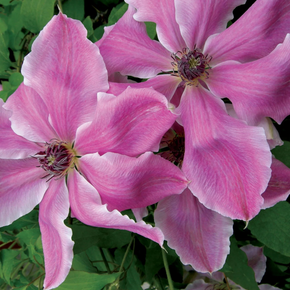
Vancouver Starry Nights Clematis
SKU:
1879985-P
UPC:
014949339930
$21.99 - $59.99
- Spectacular 5-8" star-shaped blooms in brilliant violet-blue with a striking dark reddish-purple central bar — color intensity shifts beautifully with light and temperature throughout the season
- Compact, well-behaved vine growing 6-9 feet tall, ideal for trellises, arbors, obelisks, fences, and large patio containers in smaller garden spaces
- Extended bloom season from late spring through early summer with a generous second flush of flowers in early fall, attracting bees, butterflies, and hummingbirds
- Exceptionally cold-hardy to USDA Zone 4, a collector-favorite variety from the acclaimed Vancouver Series bred for outstanding flower power and reliable performance
Clematis Vancouver Starry Nights is a showstopping deciduous climbing vine that earns its place as one of the most captivating additions to any Pacific Northwest or Northern California garden. Part of the highly regarded Vancouver Series — a group of free-flowering, resilient cultivars bred in the Fraser Valley for maximum garden performance — this variety dazzles with its enormous 5-8 inch star-shaped flowers that open in a rich violet-blue adorned with a bold dark reddish-purple central bar, while the contrasting white-and-red-flushed stamens add an extra layer of jewel-like detail. Bloom color varies with local sunlight intensity and seasonal temperatures, lending each display a one-of-a-kind character. The vigorous twining vine climbs to a manageable 6-9 feet and spans roughly 24 inches wide, making it the perfect scale for urban gardens, cottage borders, and container arrangements on patios and decks. Its long season of interest begins in late spring, continues through early summer, and returns for a second flush of blooms in the fall, ensuring months of eye-catching vertical color. Classified as a Pruning Group 2 (light prune) clematis, it blooms primarily on previous season's wood and requires only minimal tidying rather than hard cutting back. Hardy from USDA Zones 4-9, Clematis Vancouver Starry Nights thrives across a wide range of climates and is a sought-after, sometimes hard-to-find selection that serious vine enthusiasts and casual gardeners alike will treasure for years to come.
Plant Description
Clematis Vancouver Starry Nights is a deciduous woody climbing vine belonging to the Ranunculaceae (buttercup) family. Its large, star-shaped flowers measure 5-8 inches across and are composed of 5-7 elongated, slightly textured petals (technically sepals) in a rich violet-blue to purple hue, each accented by a prominent dark reddish-purple central bar running the length of the petal. The center of each bloom is filled with a crown of white stamens flushed with red, adding a luminous, jewel-like quality. Bloom color is dynamic — the intensity and exact hue shift depending on available sunlight, ambient temperature, and the season, meaning flowers in spring may appear deeper violet while those in the second fall flush can lean more blue or mauve. The foliage is medium green, with compound pinnate to palmate leaves arranged alternately along the twining stems. The vine climbs by wrapping its leaf petioles around any available support structure. It is classified as an interspecific hybrid and belongs to the early large-flowered group of clematis.
Mature Size
| Characteristic | Measurement |
|---|---|
| Mature Height | 6-9 feet (approximately 7 feet on average) |
| Mature Spread | 24-36 inches |
| Growth Rate | Medium; vigorous once established |
| Plant Type | Deciduous woody climbing vine |
| Growth Habit | Twining and trailing; tends to be leggy near the base |
| Expected Lifespan | Approximately 20+ years with proper care |
Because this vine tends to produce little foliage near its base as it matures, underplanting with low-growing perennials or groundcovers is strongly recommended to fill in the lower portion and help keep the root zone cool and shaded.
Hardiness Zones and Climate
Clematis Vancouver Starry Nights is hardy in USDA Plant Hardiness Zones 4-9, making it an excellent choice for gardens across a broad range of climates, including the Pacific Northwest, Northern California, the Mountain West, the Midwest, and much of the Southeast. It tolerates harsh winter cold reliably without needing heavy protection in most parts of its range. In Zone 4 gardens, applying a layer of mulch over the root zone each fall adds an extra margin of protection. In Southern Oregon and Northern California (typically Zones 7-9), this vine performs exceptionally well, benefiting from the long growing season to produce its impressive double flush of blooms. It shows moderate tolerance of urban conditions and air pollution. Avoid planting in frost pockets or locations with poor air circulation, which can increase the risk of disease.
Sunlight Requirements
For the best flowering performance, plant Clematis Vancouver Starry Nights where it receives full sun to partial shade, ideally a minimum of 6 hours of direct sunlight per day on the upper portion of the vine. The classic guidance for clematis holds well here: keep the head (upper vine and foliage) in the sun and the roots cool and shaded. In warmer climates such as Zones 8-9, a location that receives afternoon shade will help protect blooms from bleaching and extend the display. In cooler Pacific Northwest climates, a full-sun exposure encourages the richest, deepest bloom color and the most robust flowering. Avoid deep, full shade, which will significantly reduce flowering and overall vigor.
Soil and pH Preferences
Clematis Vancouver Starry Nights performs best in well-drained, fertile, evenly moist soil. It is adaptable to a range of soil types — including loam, sandy loam, and clay-amended soils — as long as drainage is adequate. Standing water around the root zone can lead to root rot and should be avoided. The preferred soil pH range is 5.5 to 7.0 (slightly acidic to neutral). If your soil is overly acidic, incorporate agricultural lime to raise the pH before planting. At planting time, amend the soil generously with compost or other organic matter to improve structure, moisture retention, and nutrient availability. Applying a 2-3 inch layer of mulch around the base of the plant (keeping mulch away from the crown) is highly beneficial — it conserves moisture, moderates soil temperature, suppresses weeds, and keeps the root zone cool, which this vine greatly appreciates.
Watering Guide
Consistent, even moisture is key to a healthy and floriferous Clematis Vancouver Starry Nights. Water deeply once or twice per week during the growing season, allowing the top inch or two of soil to dry slightly between waterings but never letting the soil become completely dry. During periods of extreme heat or drought — which can be common in Southern Oregon and Northern California summers — increase watering frequency and monitor closely for wilting. Good drainage is equally important; roots sitting in waterlogged soil will decline rapidly. Container-grown plants require more frequent watering than those planted in the ground, as pots dry out much faster. Applying mulch over the root zone dramatically reduces water loss and helps maintain consistent soil moisture. Reduce watering as the plant enters dormancy in late fall.
Fertilizing
Clematis Vancouver Starry Nights is a moderately hungry plant that benefits from regular feeding throughout the growing season. Follow this feeding schedule for optimal bloom production:
- Early spring (as new growth emerges): Apply a balanced slow-release granular fertilizer such as 10-10-10 or a low-nitrogen formula such as 5-10-5. This fuels strong stem and leaf development without pushing excessive foliage at the expense of flowers.
- As buds begin to form (late spring): Switch to or supplement with a fertilizer lower in nitrogen and higher in phosphorus and potassium to encourage maximum bud set and bloom quality. Avoid high-nitrogen fertilizers at this stage, as they promote leafy growth over flowering.
- Through the growing season: Continue with a liquid balanced fertilizer (10-10-10) every 4-6 weeks through mid-summer (around August). Always water thoroughly before and after applying fertilizer.
- Fall: Discontinue fertilizing as the plant prepares for dormancy.
Organic amendments such as compost, bone meal, and fish emulsion are excellent choices that are gentle on soil biology. Adding compost annually as a top dressing around the root zone continues to improve soil health over time.
Pruning and Maintenance
Clematis Vancouver Starry Nights belongs to Pruning Group 2 (also referred to as Light Pruning or the "Yellow" category in some pruning guides). This is critically important to understand, because incorrect pruning will cost you the spectacular early-season flower display.
- Why Group 2 matters: This clematis blooms first and most abundantly on old wood — stems that grew the previous season. Hard pruning in late winter or early fall will remove this flowering wood and result in a vine with only a late-season secondary flush.
- When to prune: Perform maintenance pruning in late winter to very early spring, just as the buds begin to swell and become visible.
- How to prune: Remove only dead, damaged, or extremely weak stems. Trace each stem downward from the tip until you find the first set of healthy, swelling buds, then cut just above those buds. Retain as much of the healthy previous-season wood as possible.
- After the first bloom flush: Lightly deadhead or trim spent flowers to encourage tidiness and support the development of the fall rebloom.
- Fall: Do not cut the vine back hard in autumn. Leaving the stems intact through winter protects the dormant buds that will produce next spring's flowers.
General maintenance includes checking for and removing any dead or crossing stems, ensuring support structures remain secure, and keeping the base of the plant clear of debris to improve air circulation.
Planting Instructions
- Choose the right location: Select a site with at least 6 hours of sun, access to a fence, trellis, arbor, obelisk, or wall, and well-drained soil.
- Prepare the planting hole: Dig a hole approximately twice the width and 2-4 inches deeper than the root ball. This deeper planting encourages new shoots to emerge from the crown if the upper vine is ever damaged by frost or disease.
- Amend the soil: Mix generous amounts of compost or aged organic matter into the backfill soil. Adjust pH if needed (target 5.5-7.0).
- Plant deep: Set the crown of the plant 2-4 inches below the soil surface. This promotes a healthy crown with multiple stems and provides some insurance against clematis wilt.
- Water thoroughly: Soak the planting area deeply immediately after planting to settle the soil and eliminate air pockets.
- Mulch: Apply a 2-3 inch layer of organic mulch around the root zone, keeping it a few inches away from the stem to prevent crown rot.
- Provide support immediately: Guide young stems toward the trellis or support structure and loosely tie them in place if needed. The vine will begin to grip on its own as it grows.
- Spacing: Allow 36-48 inches between plants when planting multiple specimens to ensure good air circulation.
Note: Spacing of 12 inches or more from nearby shrubs allows the vine and companion plants to intermingle attractively while maintaining healthy airflow around all plants.
Seasonal Interest
| Season | What to Expect |
|---|---|
| Early Spring | New growth emerges from dormant buds along last season's stems; foliage develops rapidly |
| Late Spring - Early Summer (May - July) | Primary and most spectacular bloom flush; large 5-8" violet-blue flowers with dark red bars cover the vine profusely |
| Midsummer | Vine maintains attractive medium-green foliage; some scattered blooms may continue |
| Late Summer - Fall (September - October) | Second generous flush of blooms; flowers may appear slightly lighter or more blue-mauve in cooler fall temperatures |
| Late Fall - Winter | Vine goes fully deciduous; dried seed heads may add subtle textural interest; stems should be left in place to protect dormant buds |
Landscape Uses
Clematis Vancouver Starry Nights is a versatile performer in the landscape. Its compact size relative to many clematis makes it especially well-suited for a variety of design situations:
- Trellises, obelisks, and arbors: The classic use — train the vine upward on any sturdy vertical structure to create a dramatic floral column or arch
- Fences and walls: An ideal choice for dressing up bare fence lines or lending cottage-garden character to a garden wall
- Retaining walls and slopes: Can be allowed to trail over the edge of a retaining wall or cascade down a slope for a softening effect
- Container gardening: Well-suited to large patio pots and decorative planters with an obelisk or trellis insert; perfect as the "thriller" in a mixed container planting
- Small garden spaces: The manageable 6-9 foot height makes it ideal for townhouse gardens, courtyard plantings, and narrow side yards
- Accent planting: Makes a striking focal point when planted at the corner of a structure or at the end of a garden path
- Screening: Can be used to provide seasonal screening on a trellis or fence panel
Companion Plants
Pairing the right plants with Clematis Vancouver Starry Nights enhances the overall garden design and supports the vine's need for cool roots and good air circulation. Choose companions that thrive in similar conditions: well-drained, moderately fertile soil, neutral to slightly acidic pH, and full sun to partial shade.
- Roses (climbing or shrub): The most classic and complementary combination; roses provide sturdy support and bloom simultaneously for an unbeatable display. The deep violet-blue of the clematis looks stunning against pink, white, or red rose blooms.
- Hydrangea: Large-leafed hydrangeas shade the base of the vine beautifully while their bold blooms complement the clematis overhead
- Butterfly Bush (Buddleia): Sturdy enough to support the vine while also attracting the same pollinators the clematis draws
- Coneflower (Echinacea) and Daylilies: Great low-growing perennials to plant at the base; they shade the root zone and provide a colorful foreground planting
- Salvia and Penstemon: Complement the violet-blue blooms with similar cool tones and help shade the root zone
- Low-growing annuals (Alyssum, Petunias, Nasurtiums): Excellent for filling in at the base of the vine in containers or garden beds; their shallow roots do not compete with the clematis
- Ornamental grasses: Fine-textured grasses provide a beautiful soft backdrop that contrasts with the bold clematis blooms
Avoid pairing with extremely drought-tolerant Mediterranean herbs such as lavender, rosemary, or thyme, as their low-water, low-nutrient requirements conflict with the consistent moisture and feeding needs of this clematis.
Container Growing
Clematis Vancouver Starry Nights is an excellent choice for container gardening and is well-suited to patio, deck, and courtyard settings. Its compact stature compared to many large-flowered clematis makes it one of the better varieties to feature in a pot. Follow these tips for success in containers:
- Container size: Use a large pot — at least 16-20 inches in diameter and equally deep — to accommodate the extensive root system and provide the root insulation this vine needs
- Support: Insert an obelisk, tall trellis, or stake system at planting time. The vine will twine around the support as it grows
- Potting mix: Use a high-quality, well-draining potting mix amended with compost. Avoid heavy, poorly draining mixes
- Watering: Container plants dry out significantly faster than in-ground plants. Check moisture daily during hot summer weather and water thoroughly whenever the top inch of soil feels dry
- Fertilizing: Container plants need more frequent feeding. Apply a diluted liquid fertilizer (such as fish emulsion or liquid 10-10-10) every 3-4 weeks during the growing season
- Winter protection: In colder climates (Zones 4-6), move containers to a protected, unheated garage or basement for winter to prevent the root ball from freezing solid. In Zones 7-9, containers can generally remain outdoors with mulching around the pot
- Mixed containers: Pair with shallow-rooted annuals such as alyssum, snapdragons, or trailing verbena for a striking combination
Wildlife Value
Clematis Vancouver Starry Nights is a valuable plant for supporting backyard wildlife, particularly pollinators. The large, open blooms and prominent stamens provide easy access to nectar and pollen for a wide range of beneficial insects and visiting wildlife:
- Bees: Both native bees and honey bees are strongly attracted to the pollen-rich flowers throughout the extended bloom season
- Butterflies: The bright violet-blue blooms attract butterflies, making this vine an excellent addition to a dedicated pollinator or butterfly garden
- Hummingbirds: The large, colorful flowers draw hummingbirds, particularly during the spring and fall bloom flushes that coincide with hummingbird activity in the Pacific Northwest and Northern California
- Beneficial insects: The open flower structure supports a variety of beneficial insects, including parasitoid wasps and other natural predators that help keep garden pest populations in check
This vine has no significant negative characteristics regarding invasiveness or toxicity to livestock and local ecosystems when grown in its intended garden setting. As with all clematis, the foliage and sap can cause mild skin irritation in sensitive individuals, so gloves are recommended when handling the plant extensively.
Pests and Diseases
Clematis Vancouver Starry Nights is relatively low-maintenance with regard to pests and diseases, but gardeners should be aware of the following common issues:
- Clematis Wilt (Phoma clematidina): The most notorious clematis disease. Affected stems suddenly wilt and blacken, often during the growing season. Deeply planted crowns (2-4 inches below soil level) greatly reduce the impact, as new shoots will emerge from the protected crown. Remove and dispose of affected stems immediately; do not compost. The plant will typically recover and produce new growth.
- Aphids: Small, soft-bodied insects that cluster on new growth and flower buds. Dislodge with a strong jet of water or apply neem oil or insecticidal soap. Natural predators such as ladybugs and lacewings provide good biological control.
- Scale insects: Appear as small waxy lumps on stems. Treat with horticultural oil applied in the crawler stage (spring/summer) or as a dormant oil spray in early spring.
- Slugs and snails: Can chew irregular holes in leaves, particularly on young plants or in shady, moist conditions. Use iron phosphate-based slug bait, hand-pick at night, or apply diatomaceous earth around the base.
- Powdery mildew: A fungal coating that can appear on foliage in late summer, especially in dry conditions with low air circulation. Improve airflow around the plant, avoid overhead watering, and apply a fungicide if needed.
- Rabbits: Rabbits may browse young stems and foliage, especially in spring. Use wire mesh barriers around newly planted specimens until the vine is well established.
The best prevention for most issues is proper planting technique (deep crown, good drainage), adequate air circulation, consistent watering, and regular monitoring for early signs of trouble.
- Spectacular 5-8" star-shaped blooms in brilliant violet-blue with a striking dark reddish-purple central bar — color intensity shifts beautifully with light and temperature throughout the season
- Compact, well-behaved vine growing 6-9 feet tall, ideal for trellises, arbors, obelisks, fences, and large patio containers in smaller garden spaces
- Extended bloom season from late spring through early summer with a generous second flush of flowers in early fall, attracting bees, butterflies, and hummingbirds
- Exceptionally cold-hardy to USDA Zone 4, a collector-favorite variety from the acclaimed Vancouver Series bred for outstanding flower power and reliable performance
Clematis Vancouver Starry Nights is a showstopping deciduous climbing vine that earns its place as one of the most captivating additions to any Pacific Northwest or Northern California garden. Part of the highly regarded Vancouver Series — a group of free-flowering, resilient cultivars bred in the Fraser Valley for maximum garden performance — this variety dazzles with its enormous 5-8 inch star-shaped flowers that open in a rich violet-blue adorned with a bold dark reddish-purple central bar, while the contrasting white-and-red-flushed stamens add an extra layer of jewel-like detail. Bloom color varies with local sunlight intensity and seasonal temperatures, lending each display a one-of-a-kind character. The vigorous twining vine climbs to a manageable 6-9 feet and spans roughly 24 inches wide, making it the perfect scale for urban gardens, cottage borders, and container arrangements on patios and decks. Its long season of interest begins in late spring, continues through early summer, and returns for a second flush of blooms in the fall, ensuring months of eye-catching vertical color. Classified as a Pruning Group 2 (light prune) clematis, it blooms primarily on previous season's wood and requires only minimal tidying rather than hard cutting back. Hardy from USDA Zones 4-9, Clematis Vancouver Starry Nights thrives across a wide range of climates and is a sought-after, sometimes hard-to-find selection that serious vine enthusiasts and casual gardeners alike will treasure for years to come.
Plant Description
Clematis Vancouver Starry Nights is a deciduous woody climbing vine belonging to the Ranunculaceae (buttercup) family. Its large, star-shaped flowers measure 5-8 inches across and are composed of 5-7 elongated, slightly textured petals (technically sepals) in a rich violet-blue to purple hue, each accented by a prominent dark reddish-purple central bar running the length of the petal. The center of each bloom is filled with a crown of white stamens flushed with red, adding a luminous, jewel-like quality. Bloom color is dynamic — the intensity and exact hue shift depending on available sunlight, ambient temperature, and the season, meaning flowers in spring may appear deeper violet while those in the second fall flush can lean more blue or mauve. The foliage is medium green, with compound pinnate to palmate leaves arranged alternately along the twining stems. The vine climbs by wrapping its leaf petioles around any available support structure. It is classified as an interspecific hybrid and belongs to the early large-flowered group of clematis.
Mature Size
| Characteristic | Measurement |
|---|---|
| Mature Height | 6-9 feet (approximately 7 feet on average) |
| Mature Spread | 24-36 inches |
| Growth Rate | Medium; vigorous once established |
| Plant Type | Deciduous woody climbing vine |
| Growth Habit | Twining and trailing; tends to be leggy near the base |
| Expected Lifespan | Approximately 20+ years with proper care |
Because this vine tends to produce little foliage near its base as it matures, underplanting with low-growing perennials or groundcovers is strongly recommended to fill in the lower portion and help keep the root zone cool and shaded.
Hardiness Zones and Climate
Clematis Vancouver Starry Nights is hardy in USDA Plant Hardiness Zones 4-9, making it an excellent choice for gardens across a broad range of climates, including the Pacific Northwest, Northern California, the Mountain West, the Midwest, and much of the Southeast. It tolerates harsh winter cold reliably without needing heavy protection in most parts of its range. In Zone 4 gardens, applying a layer of mulch over the root zone each fall adds an extra margin of protection. In Southern Oregon and Northern California (typically Zones 7-9), this vine performs exceptionally well, benefiting from the long growing season to produce its impressive double flush of blooms. It shows moderate tolerance of urban conditions and air pollution. Avoid planting in frost pockets or locations with poor air circulation, which can increase the risk of disease.
Sunlight Requirements
For the best flowering performance, plant Clematis Vancouver Starry Nights where it receives full sun to partial shade, ideally a minimum of 6 hours of direct sunlight per day on the upper portion of the vine. The classic guidance for clematis holds well here: keep the head (upper vine and foliage) in the sun and the roots cool and shaded. In warmer climates such as Zones 8-9, a location that receives afternoon shade will help protect blooms from bleaching and extend the display. In cooler Pacific Northwest climates, a full-sun exposure encourages the richest, deepest bloom color and the most robust flowering. Avoid deep, full shade, which will significantly reduce flowering and overall vigor.
Soil and pH Preferences
Clematis Vancouver Starry Nights performs best in well-drained, fertile, evenly moist soil. It is adaptable to a range of soil types — including loam, sandy loam, and clay-amended soils — as long as drainage is adequate. Standing water around the root zone can lead to root rot and should be avoided. The preferred soil pH range is 5.5 to 7.0 (slightly acidic to neutral). If your soil is overly acidic, incorporate agricultural lime to raise the pH before planting. At planting time, amend the soil generously with compost or other organic matter to improve structure, moisture retention, and nutrient availability. Applying a 2-3 inch layer of mulch around the base of the plant (keeping mulch away from the crown) is highly beneficial — it conserves moisture, moderates soil temperature, suppresses weeds, and keeps the root zone cool, which this vine greatly appreciates.
Watering Guide
Consistent, even moisture is key to a healthy and floriferous Clematis Vancouver Starry Nights. Water deeply once or twice per week during the growing season, allowing the top inch or two of soil to dry slightly between waterings but never letting the soil become completely dry. During periods of extreme heat or drought — which can be common in Southern Oregon and Northern California summers — increase watering frequency and monitor closely for wilting. Good drainage is equally important; roots sitting in waterlogged soil will decline rapidly. Container-grown plants require more frequent watering than those planted in the ground, as pots dry out much faster. Applying mulch over the root zone dramatically reduces water loss and helps maintain consistent soil moisture. Reduce watering as the plant enters dormancy in late fall.
Fertilizing
Clematis Vancouver Starry Nights is a moderately hungry plant that benefits from regular feeding throughout the growing season. Follow this feeding schedule for optimal bloom production:
- Early spring (as new growth emerges): Apply a balanced slow-release granular fertilizer such as 10-10-10 or a low-nitrogen formula such as 5-10-5. This fuels strong stem and leaf development without pushing excessive foliage at the expense of flowers.
- As buds begin to form (late spring): Switch to or supplement with a fertilizer lower in nitrogen and higher in phosphorus and potassium to encourage maximum bud set and bloom quality. Avoid high-nitrogen fertilizers at this stage, as they promote leafy growth over flowering.
- Through the growing season: Continue with a liquid balanced fertilizer (10-10-10) every 4-6 weeks through mid-summer (around August). Always water thoroughly before and after applying fertilizer.
- Fall: Discontinue fertilizing as the plant prepares for dormancy.
Organic amendments such as compost, bone meal, and fish emulsion are excellent choices that are gentle on soil biology. Adding compost annually as a top dressing around the root zone continues to improve soil health over time.
Pruning and Maintenance
Clematis Vancouver Starry Nights belongs to Pruning Group 2 (also referred to as Light Pruning or the "Yellow" category in some pruning guides). This is critically important to understand, because incorrect pruning will cost you the spectacular early-season flower display.
- Why Group 2 matters: This clematis blooms first and most abundantly on old wood — stems that grew the previous season. Hard pruning in late winter or early fall will remove this flowering wood and result in a vine with only a late-season secondary flush.
- When to prune: Perform maintenance pruning in late winter to very early spring, just as the buds begin to swell and become visible.
- How to prune: Remove only dead, damaged, or extremely weak stems. Trace each stem downward from the tip until you find the first set of healthy, swelling buds, then cut just above those buds. Retain as much of the healthy previous-season wood as possible.
- After the first bloom flush: Lightly deadhead or trim spent flowers to encourage tidiness and support the development of the fall rebloom.
- Fall: Do not cut the vine back hard in autumn. Leaving the stems intact through winter protects the dormant buds that will produce next spring's flowers.
General maintenance includes checking for and removing any dead or crossing stems, ensuring support structures remain secure, and keeping the base of the plant clear of debris to improve air circulation.
Planting Instructions
- Choose the right location: Select a site with at least 6 hours of sun, access to a fence, trellis, arbor, obelisk, or wall, and well-drained soil.
- Prepare the planting hole: Dig a hole approximately twice the width and 2-4 inches deeper than the root ball. This deeper planting encourages new shoots to emerge from the crown if the upper vine is ever damaged by frost or disease.
- Amend the soil: Mix generous amounts of compost or aged organic matter into the backfill soil. Adjust pH if needed (target 5.5-7.0).
- Plant deep: Set the crown of the plant 2-4 inches below the soil surface. This promotes a healthy crown with multiple stems and provides some insurance against clematis wilt.
- Water thoroughly: Soak the planting area deeply immediately after planting to settle the soil and eliminate air pockets.
- Mulch: Apply a 2-3 inch layer of organic mulch around the root zone, keeping it a few inches away from the stem to prevent crown rot.
- Provide support immediately: Guide young stems toward the trellis or support structure and loosely tie them in place if needed. The vine will begin to grip on its own as it grows.
- Spacing: Allow 36-48 inches between plants when planting multiple specimens to ensure good air circulation.
Note: Spacing of 12 inches or more from nearby shrubs allows the vine and companion plants to intermingle attractively while maintaining healthy airflow around all plants.
Seasonal Interest
| Season | What to Expect |
|---|---|
| Early Spring | New growth emerges from dormant buds along last season's stems; foliage develops rapidly |
| Late Spring - Early Summer (May - July) | Primary and most spectacular bloom flush; large 5-8" violet-blue flowers with dark red bars cover the vine profusely |
| Midsummer | Vine maintains attractive medium-green foliage; some scattered blooms may continue |
| Late Summer - Fall (September - October) | Second generous flush of blooms; flowers may appear slightly lighter or more blue-mauve in cooler fall temperatures |
| Late Fall - Winter | Vine goes fully deciduous; dried seed heads may add subtle textural interest; stems should be left in place to protect dormant buds |
Landscape Uses
Clematis Vancouver Starry Nights is a versatile performer in the landscape. Its compact size relative to many clematis makes it especially well-suited for a variety of design situations:
- Trellises, obelisks, and arbors: The classic use — train the vine upward on any sturdy vertical structure to create a dramatic floral column or arch
- Fences and walls: An ideal choice for dressing up bare fence lines or lending cottage-garden character to a garden wall
- Retaining walls and slopes: Can be allowed to trail over the edge of a retaining wall or cascade down a slope for a softening effect
- Container gardening: Well-suited to large patio pots and decorative planters with an obelisk or trellis insert; perfect as the "thriller" in a mixed container planting
- Small garden spaces: The manageable 6-9 foot height makes it ideal for townhouse gardens, courtyard plantings, and narrow side yards
- Accent planting: Makes a striking focal point when planted at the corner of a structure or at the end of a garden path
- Screening: Can be used to provide seasonal screening on a trellis or fence panel
Companion Plants
Pairing the right plants with Clematis Vancouver Starry Nights enhances the overall garden design and supports the vine's need for cool roots and good air circulation. Choose companions that thrive in similar conditions: well-drained, moderately fertile soil, neutral to slightly acidic pH, and full sun to partial shade.
- Roses (climbing or shrub): The most classic and complementary combination; roses provide sturdy support and bloom simultaneously for an unbeatable display. The deep violet-blue of the clematis looks stunning against pink, white, or red rose blooms.
- Hydrangea: Large-leafed hydrangeas shade the base of the vine beautifully while their bold blooms complement the clematis overhead
- Butterfly Bush (Buddleia): Sturdy enough to support the vine while also attracting the same pollinators the clematis draws
- Coneflower (Echinacea) and Daylilies: Great low-growing perennials to plant at the base; they shade the root zone and provide a colorful foreground planting
- Salvia and Penstemon: Complement the violet-blue blooms with similar cool tones and help shade the root zone
- Low-growing annuals (Alyssum, Petunias, Nasurtiums): Excellent for filling in at the base of the vine in containers or garden beds; their shallow roots do not compete with the clematis
- Ornamental grasses: Fine-textured grasses provide a beautiful soft backdrop that contrasts with the bold clematis blooms
Avoid pairing with extremely drought-tolerant Mediterranean herbs such as lavender, rosemary, or thyme, as their low-water, low-nutrient requirements conflict with the consistent moisture and feeding needs of this clematis.
Container Growing
Clematis Vancouver Starry Nights is an excellent choice for container gardening and is well-suited to patio, deck, and courtyard settings. Its compact stature compared to many large-flowered clematis makes it one of the better varieties to feature in a pot. Follow these tips for success in containers:
- Container size: Use a large pot — at least 16-20 inches in diameter and equally deep — to accommodate the extensive root system and provide the root insulation this vine needs
- Support: Insert an obelisk, tall trellis, or stake system at planting time. The vine will twine around the support as it grows
- Potting mix: Use a high-quality, well-draining potting mix amended with compost. Avoid heavy, poorly draining mixes
- Watering: Container plants dry out significantly faster than in-ground plants. Check moisture daily during hot summer weather and water thoroughly whenever the top inch of soil feels dry
- Fertilizing: Container plants need more frequent feeding. Apply a diluted liquid fertilizer (such as fish emulsion or liquid 10-10-10) every 3-4 weeks during the growing season
- Winter protection: In colder climates (Zones 4-6), move containers to a protected, unheated garage or basement for winter to prevent the root ball from freezing solid. In Zones 7-9, containers can generally remain outdoors with mulching around the pot
- Mixed containers: Pair with shallow-rooted annuals such as alyssum, snapdragons, or trailing verbena for a striking combination
Wildlife Value
Clematis Vancouver Starry Nights is a valuable plant for supporting backyard wildlife, particularly pollinators. The large, open blooms and prominent stamens provide easy access to nectar and pollen for a wide range of beneficial insects and visiting wildlife:
- Bees: Both native bees and honey bees are strongly attracted to the pollen-rich flowers throughout the extended bloom season
- Butterflies: The bright violet-blue blooms attract butterflies, making this vine an excellent addition to a dedicated pollinator or butterfly garden
- Hummingbirds: The large, colorful flowers draw hummingbirds, particularly during the spring and fall bloom flushes that coincide with hummingbird activity in the Pacific Northwest and Northern California
- Beneficial insects: The open flower structure supports a variety of beneficial insects, including parasitoid wasps and other natural predators that help keep garden pest populations in check
This vine has no significant negative characteristics regarding invasiveness or toxicity to livestock and local ecosystems when grown in its intended garden setting. As with all clematis, the foliage and sap can cause mild skin irritation in sensitive individuals, so gloves are recommended when handling the plant extensively.
Pests and Diseases
Clematis Vancouver Starry Nights is relatively low-maintenance with regard to pests and diseases, but gardeners should be aware of the following common issues:
- Clematis Wilt (Phoma clematidina): The most notorious clematis disease. Affected stems suddenly wilt and blacken, often during the growing season. Deeply planted crowns (2-4 inches below soil level) greatly reduce the impact, as new shoots will emerge from the protected crown. Remove and dispose of affected stems immediately; do not compost. The plant will typically recover and produce new growth.
- Aphids: Small, soft-bodied insects that cluster on new growth and flower buds. Dislodge with a strong jet of water or apply neem oil or insecticidal soap. Natural predators such as ladybugs and lacewings provide good biological control.
- Scale insects: Appear as small waxy lumps on stems. Treat with horticultural oil applied in the crawler stage (spring/summer) or as a dormant oil spray in early spring.
- Slugs and snails: Can chew irregular holes in leaves, particularly on young plants or in shady, moist conditions. Use iron phosphate-based slug bait, hand-pick at night, or apply diatomaceous earth around the base.
- Powdery mildew: A fungal coating that can appear on foliage in late summer, especially in dry conditions with low air circulation. Improve airflow around the plant, avoid overhead watering, and apply a fungicide if needed.
- Rabbits: Rabbits may browse young stems and foliage, especially in spring. Use wire mesh barriers around newly planted specimens until the vine is well established.
The best prevention for most issues is proper planting technique (deep crown, good drainage), adequate air circulation, consistent watering, and regular monitoring for early signs of trouble.
Related Products


