
Zoom the image with the mouse
Surreal Destiny Semponium - 1 Gallon
SKU:
2325180
UPC:
014949042649
$19.99
- A revolutionary first-ever intergeneric hybrid between Aeonium and Sempervivum, delivering the dramatic, glossy rosette appeal of Aeonium with significantly improved cold hardiness down to about 20F.
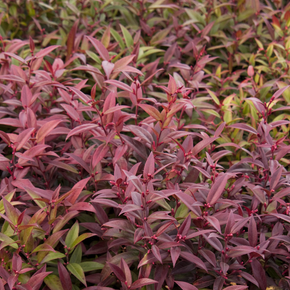
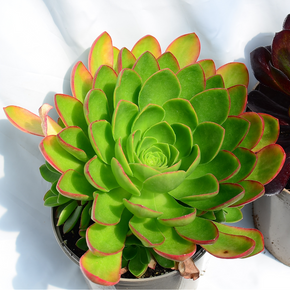
- Strikingly bold, dark purple-red foliage with distinctive veining holds its deep color all year long, even as a pale green center emerges during cooler winter months for beautiful two-toned contrast.
- After 2 to 3 years, each rosette produces a spectacular cone of bright yellow flowers before giving way to branching offsets that carry on the plant's legacy season after season.
- Winner of Plant of the Year at the RHS Chelsea Flower Show 2022, this low-maintenance, drought-tolerant succulent thrives in containers, rock gardens, coastal landscapes, and more.
Surreal Destiny Semponium (x Semponium 'Destiny' PP #35,495) is a landmark achievement in succulent breeding — the first officially recognized intergeneric cross between frost-tender Aeonium and cold-hardy Sempervivum. The result is a bold, eye-catching evergreen succulent that combines the large, glossy, ornamental rosettes of Aeonium with the greater cold tolerance inherited from its Sempervivum parentage, making it an exceptional choice for year-round outdoor display in Southern Oregon and Northern California gardens. Destiny grows into a dense, conical, branching plant featuring oversized rosettes of thick, sturdy, highly glossy leaves in stunning shades of deep purple-red accented by vivid, dark veining and a bright green center that intensifies beautifully during winter months. Unlike most purple Aeonium hybrids that fade to green in lower light, Destiny is exceptional in holding its rich, saturated color throughout all four seasons. After 2 to 3 years of growth, individual rosettes produce a dramatic conical cluster of cheerful yellow flowers before completing their lifecycle, promptly sending out vigorous offsets at the base that mature into full new rosettes, ensuring the plant continues to spread and thrive. A truly carefree plant with low watering needs once established, Destiny is perfectly suited to rock gardens, mixed succulent beds, patio containers, coastal gardens, and hillside plantings where well-drained soil and plenty of sun allow it to reach its full ornamental potential. This award-winning, patent-protected variety is a must-have statement plant for any succulent enthusiast or low-water landscape.
Plant Description
Surreal Destiny Semponium is a vigorous, rosette-forming evergreen succulent and the first officially recognized intergeneric hybrid between Aeonium and Sempervivum, collectively referred to as x Semponium. Destiny is instantly recognizable by its large, dense rosettes of thick, sturdy, highly glossy leaves in a dramatic deep purple-red with unusually prominent, darker veining running through each leaf. A vivid bright green center emerges within the rosette during cooler winter months, creating a stunning two-toned contrast. Unlike many purple-leafed Aeonium relatives that revert to green in shade or cool weather, Destiny holds its rich, dark coloration throughout all four seasons. As the plant matures over one to two years, it begins to branch, sending out robust offsets from beneath the main rosette to form an impressive, multi-headed specimen. After two to three years, each individual rosette produces an upright, conical head of bright yellow flowers before dying back — a natural lifecycle event called monocarpic flowering — while the surrounding offsets continue growing and replace the spent rosette. The overall growth habit is compact and architectural, making Destiny as much a structural element as a color accent in the garden.
Mature Size
| Attribute | Measurement |
|---|---|
| Mature Height | 15 to 20 inches (up to 24 inches in ideal conditions) |
| Mature Spread | 15 to 24 inches per rosette; spreads wider as offsets develop |
| Single Rosette Diameter | Up to 24 inches (approximately 60 cm) on a single main head |
| Time to Ultimate Size | 2 to 5 years |
| Growth Rate | Fast under ideal conditions |
| Growth Habit | Bushy, branching, conical; offsets expand the overall clump over time |
Hardiness and Temperature Tolerance
Surreal Destiny Semponium is hardy to approximately 20F (-5C to -7C), placing it in USDA Hardiness Zones 9b to 11, with some reports of tolerance into Zone 9a under favorable conditions. This represents a significant improvement in cold hardiness over its Aeonium parent, which is typically frost-tender, thanks to the cold-hardy genetics inherited from Sempervivum. Destiny is well-suited to the mild winters of Southern Oregon and Northern California coastal and valley climates. In inland areas that experience harder freezes, planting in a sheltered south- or west-facing location, against a wall, or in a container that can be moved indoors during cold snaps will help protect the plant. Brief frosts may cause minor cosmetic leaf damage but the plant should recover. Extended freezes below 20F are not recommended. In cooler coastal microclimates with mild, frost-free winters, Destiny can be left outdoors year-round with no protection needed.
Sunlight Requirements
Destiny performs best in full sun to partial shade, ideally receiving at least 5 or more hours of direct sunlight per day. Full sun encourages the most intense, saturated purple-red leaf color and the most compact, vigorous growth habit. In partial shade, the plant remains healthy and attractive but may display slightly less vivid foliage coloration and a somewhat more open rosette form. In Southern Oregon and Northern California, where summer temperatures can be intense, light afternoon shade during the hottest months can help prevent scorching of the glossy leaves, particularly in inland valleys. Coastal gardens with bright, consistent light are an ideal setting. When growing indoors or in a conservatory, place the plant in the brightest available window, preferably south- or west-facing, to maintain strong color and healthy growth.
Soil and pH Preferences
Like all succulents, Surreal Destiny Semponium requires excellent drainage above all else. It thrives in a free-draining, gritty soil mix and will not tolerate waterlogged or compacted conditions, which lead rapidly to crown and root rot. For in-ground planting, amend heavy clay or poorly draining soils generously with coarse horticultural grit, pumice, or perlite before planting, or raise the planting area to improve drainage. A cactus and succulent potting mix is ideal for container plantings, with the option to add additional perlite or coarse sand for extra drainage. Loam or sandy loam native soils in well-draining garden beds are also suitable with little amendment. The plant tolerates a wide pH range from mildly acidic to mildly alkaline (approximately pH 6.0 to 7.5). Adding a top-dressing of coarse grit around the base of the rosette helps keep the foliage dry, deters fungus gnats, and gives planted specimens a clean, polished appearance.
Watering Guide
Destiny has low to moderate water needs and is notably drought-tolerant once established. During the active growing season in spring and fall, water deeply and then allow the top two to three inches of soil to dry out before watering again — typically once or twice per week in warm weather depending on temperatures and soil type. Always water at the base of the plant, directing moisture to the roots rather than the rosette, to keep foliage dry and reduce the risk of rot. During summer heat waves, the plant may enter a period of semi-dormancy and should be watered less frequently. In winter, particularly in rainy climates, reduce watering significantly and rely largely on natural rainfall; if overwintering indoors, water only sparingly and directly to the root zone when the soil feels completely dry. Overwatering is the most common cause of failure with this plant — when in doubt, water less. Established plants in coastal gardens with mild, moist winters can often survive on rainfall alone during the cool season.
Fertilizing
Destiny is not a heavy feeder and requires only modest fertilization to support healthy growth and vibrant leaf color. During the active growing seasons of spring and fall, apply a diluted, balanced liquid fertilizer formulated for succulents or cacti every four to six weeks. A half-strength dilution of an all-purpose fertilizer is also suitable. Avoid high-nitrogen fertilizers, which can produce weak, overly lush, leggy growth and diminish the intensity of the dark leaf color. Do not fertilize during summer dormancy or winter rest periods, as the plant is not actively putting on new growth and excess nutrients can accumulate in the soil. Newly planted specimens should be allowed to settle in for four to six weeks before any fertilization begins.
Planting Instructions
- Select a site with full sun to partial shade and excellent soil drainage. Avoid any low-lying areas where water may pool after rain.
- Dig a planting hole approximately twice the width of the root ball and to the same depth. In heavy or clay-rich soils, amend the native soil with generous quantities of coarse grit, pumice, or perlite to improve drainage, or build a raised bed.
- Gently remove the plant from its container and loosen any circling roots. Position the plant so the base of the rosette crown sits just at or slightly above the finished soil level to prevent moisture from collecting around the stem.
- Backfill with the amended soil mixture, firming gently around the roots to eliminate air pockets. Do not bury the rosette.
- Apply a top-dressing of coarse grit or decorative gravel around the base to keep the lowest leaves dry and prevent rot.
- Water in thoroughly after planting to settle the soil, then allow to dry before resuming a regular watering schedule.
- For container planting, use a pot with ample drainage holes, fill with a quality cactus and succulent mix, and plant at the same crown depth. Elevate containers slightly to ensure water drains freely from the base.
- Space multiple plants 18 to 24 inches apart to allow room for the expanding rosette and developing offsets.
Pruning and Maintenance
Surreal Destiny Semponium is exceptionally low-maintenance and requires very little routine care. No regular pruning is needed. Simply remove any dead, damaged, or discolored outer leaves as they appear by gently pulling them cleanly away from the stem to keep the rosette looking tidy and to improve air circulation. When a mature rosette blooms and completes its monocarpic flowering cycle, the spent flowering head will naturally die back. Remove the dead rosette at its base once fully spent — the offsets that have developed around it will quickly grow to fill the space. There is no need to trim or shape the plant under normal circumstances. In frost-prone areas, remove any frost-damaged foliage in early spring once the risk of further freezing has passed. Check periodically for signs of pests or disease and address promptly.
Seasonal Interest
One of Destiny's most celebrated qualities is its outstanding year-round visual interest — a trait that sets it apart from most other large-rosette succulents. The deep purple-red, heavily veined foliage maintains its bold color in all four seasons, providing consistent color impact even through winter months when most garden plants are dormant. During cooler fall and winter months, a vivid green center emerges at the heart of each rosette, creating a beautiful two-toned effect of dark purple margins against a bright lime-green core. In spring, the plant resumes active growth, pushing out fresh new leaves. After two to three years, mature rosettes produce dramatic upright cones of cheerful bright yellow flowers — a spectacular seasonal highlight — before the flowering stem dies back and offsets take over. The combination of year-round bold foliage color, striking winter contrast, and occasional spectacular blooms makes Destiny a highly valued plant in four-season ornamental gardens.
Landscape Uses
Surreal Destiny Semponium is an extremely versatile landscape plant well-suited to a wide range of applications in Southern Oregon and Northern California gardens. Its bold architectural form, year-round dark foliage, and low maintenance requirements make it a standout performer across many settings.
- Rock gardens and dry-stacked stone walls where excellent drainage pairs naturally with the plant's needs
- Succulent and cactus garden displays as a bold focal point or anchor plant
- Patio and deck containers, window boxes, and mixed succulent bowls
- Low-water and drought-tolerant landscape designs, xeric gardens, and water-wise plantings
- Coastal garden beds where mild, frost-free conditions and bright light allow it to thrive year-round
- Hillside plantings and sloped borders where drainage is naturally good
- Mediterranean and gravel garden styles for a sculptural, textural accent
- Edging along pathways or terraced garden beds for bold, color-rich definition
- Indoor conservatory and bright porch settings in colder microclimates
Container Growing
Destiny is an excellent candidate for container cultivation, and its compact yet bold rosette form makes it a natural showpiece in pots, planters, and mixed succulent arrangements. Choose a container with generous drainage holes — terracotta or unglazed clay pots are ideal as they allow the soil to breathe and dry more evenly between waterings. Fill with a high-quality cactus and succulent potting mix, optionally amended with additional perlite or coarse grit for extra drainage. The pot should be proportional to the plant — a container that is too large holds excess moisture around the roots. As the plant matures and develops offsets, either allow them to fill the container for a lush, multi-rosette display or separate offsets to start new plants. Containers should be positioned in a full-sun to part-sun location. In inland areas with harsh summer heat, light afternoon shade may reduce stress on container-grown plants. In areas with freezing winters, the portability of container planting is a key advantage — move pots to a protected area, garage, or indoors during cold snaps to keep temperatures above 20F.
Propagation
Surreal Destiny Semponium is most reliably propagated from offsets, which the plant naturally produces from beneath the main rosette after one to two years of growth. Once offsets have developed a few inches in size and show signs of their own root formation, they can be gently separated from the parent plant using a clean, sharp knife or by carefully pulling them free. Allow the cut end to callous and dry in a shaded, well-ventilated spot for one to two days before planting in a gritty, free-draining succulent mix. Water sparingly at first until new root establishment is confirmed. Rosette cuttings can also be taken from branching stems, allowed to callous, and rooted at a temperature of approximately 65F with minimal moisture. Propagation from seed is possible but challenging and slow; it is not the preferred method for home gardeners. Note that as a patent-protected variety, vegetative propagation for resale or commercial purposes is prohibited without a license.
Pests and Diseases
Surreal Destiny Semponium is generally robust and resistant to most pests and diseases when grown in appropriate conditions. The most significant threat is root rot caused by overwatering or poor drainage — always ensure the soil dries adequately between waterings and that containers or planting sites drain freely. Common pest issues to monitor for include:
- Mealybugs: White, cottony masses that cluster at leaf axils and along stems. Treat with 70% isopropyl alcohol applied with a cotton swab, or use insecticidal soap or neem oil spray.
- Aphids: Small soft-bodied insects that target new growth, causing distortion and sticky residue. Dislodge with a strong stream of water or treat with insecticidal soap.
- Spider Mites: Fine webbing and stippled leaf surfaces indicate their presence, especially in hot, dry conditions. Increase air circulation and treat with neem oil or miticide.
- Fungus Gnats: More common in container-grown plants with overly moist soil. Allow soil to dry thoroughly between waterings and apply a gritty top-dressing to deter egg-laying.
- Scale Insects: Small, brown, shell-like bumps on stems and leaves. Treat with horticultural oil or by scraping off manually.
Inspect plants regularly, especially under leaves and at the base of the rosette. Outdoor plants grown in well-draining conditions are generally disease-free and suffer fewer pest problems than those grown under glass.
Companion Plants
Destiny pairs beautifully with other drought-tolerant and Mediterranean-climate plants that share its preference for well-drained soil and full sun, creating cohesive, low-water plantings with year-round interest. Excellent companion choices include:
- Other x Semponium varieties such as 'Sienna,' 'Vortex,' 'Diamond,' and 'Halo' for a coordinated, multi-textured succulent collection
- Aeonium 'Sunburst,' Aeonium 'Zwartkop,' and other Aeonium cultivars for complementary rosette forms in contrasting colors
- Sempervivum (Hens and Chicks) varieties for low-growing textural ground cover with shared hardiness traits
- Agave, Aloe, and Yucca for bold structural contrast in size and form
- Echeveria species for a softer, pastel-toned contrast to Destiny's dark foliage
- Sedum and Stonecrop ground covers to fill gaps and complement the succulent aesthetic
- Lavender, Salvia, and ornamental grasses as taller background companions in mixed drought-tolerant borders
- Delosperma (Ice Plant) and Dymondia as low-growing, drought-tolerant ground covers around the base
Awards and Plant Patents
Surreal Destiny Semponium is a decorated and protected plant variety with significant recognition in the international horticultural community.
- Plant of the Year — RHS Chelsea Flower Show 2022: One of the most prestigious awards in the gardening world, reflecting Destiny's exceptional ornamental qualities and innovative breeding.
- KVBC Silver Award — Plantarium GroenDirekt 2023: Recognized at the premier European nursery and green industry trade show.
- Plant Breeders Rights (PBR) Protected: EU PBR No. 67477
- US Plant Patent: PP #35,495
As a patent-protected variety, Destiny may not be propagated vegetatively for resale or commercial distribution without a valid license from the breeder. This protection ensures the variety's quality and integrity are maintained throughout the supply chain.
- A revolutionary first-ever intergeneric hybrid between Aeonium and Sempervivum, delivering the dramatic, glossy rosette appeal of Aeonium with significantly improved cold hardiness down to about 20F.
- Strikingly bold, dark purple-red foliage with distinctive veining holds its deep color all year long, even as a pale green center emerges during cooler winter months for beautiful two-toned contrast.
- After 2 to 3 years, each rosette produces a spectacular cone of bright yellow flowers before giving way to branching offsets that carry on the plant's legacy season after season.
- Winner of Plant of the Year at the RHS Chelsea Flower Show 2022, this low-maintenance, drought-tolerant succulent thrives in containers, rock gardens, coastal landscapes, and more.
Surreal Destiny Semponium (x Semponium 'Destiny' PP #35,495) is a landmark achievement in succulent breeding — the first officially recognized intergeneric cross between frost-tender Aeonium and cold-hardy Sempervivum. The result is a bold, eye-catching evergreen succulent that combines the large, glossy, ornamental rosettes of Aeonium with the greater cold tolerance inherited from its Sempervivum parentage, making it an exceptional choice for year-round outdoor display in Southern Oregon and Northern California gardens. Destiny grows into a dense, conical, branching plant featuring oversized rosettes of thick, sturdy, highly glossy leaves in stunning shades of deep purple-red accented by vivid, dark veining and a bright green center that intensifies beautifully during winter months. Unlike most purple Aeonium hybrids that fade to green in lower light, Destiny is exceptional in holding its rich, saturated color throughout all four seasons. After 2 to 3 years of growth, individual rosettes produce a dramatic conical cluster of cheerful yellow flowers before completing their lifecycle, promptly sending out vigorous offsets at the base that mature into full new rosettes, ensuring the plant continues to spread and thrive. A truly carefree plant with low watering needs once established, Destiny is perfectly suited to rock gardens, mixed succulent beds, patio containers, coastal gardens, and hillside plantings where well-drained soil and plenty of sun allow it to reach its full ornamental potential. This award-winning, patent-protected variety is a must-have statement plant for any succulent enthusiast or low-water landscape.
Plant Description
Surreal Destiny Semponium is a vigorous, rosette-forming evergreen succulent and the first officially recognized intergeneric hybrid between Aeonium and Sempervivum, collectively referred to as x Semponium. Destiny is instantly recognizable by its large, dense rosettes of thick, sturdy, highly glossy leaves in a dramatic deep purple-red with unusually prominent, darker veining running through each leaf. A vivid bright green center emerges within the rosette during cooler winter months, creating a stunning two-toned contrast. Unlike many purple-leafed Aeonium relatives that revert to green in shade or cool weather, Destiny holds its rich, dark coloration throughout all four seasons. As the plant matures over one to two years, it begins to branch, sending out robust offsets from beneath the main rosette to form an impressive, multi-headed specimen. After two to three years, each individual rosette produces an upright, conical head of bright yellow flowers before dying back — a natural lifecycle event called monocarpic flowering — while the surrounding offsets continue growing and replace the spent rosette. The overall growth habit is compact and architectural, making Destiny as much a structural element as a color accent in the garden.
Mature Size
| Attribute | Measurement |
|---|---|
| Mature Height | 15 to 20 inches (up to 24 inches in ideal conditions) |
| Mature Spread | 15 to 24 inches per rosette; spreads wider as offsets develop |
| Single Rosette Diameter | Up to 24 inches (approximately 60 cm) on a single main head |
| Time to Ultimate Size | 2 to 5 years |
| Growth Rate | Fast under ideal conditions |
| Growth Habit | Bushy, branching, conical; offsets expand the overall clump over time |
Hardiness and Temperature Tolerance
Surreal Destiny Semponium is hardy to approximately 20F (-5C to -7C), placing it in USDA Hardiness Zones 9b to 11, with some reports of tolerance into Zone 9a under favorable conditions. This represents a significant improvement in cold hardiness over its Aeonium parent, which is typically frost-tender, thanks to the cold-hardy genetics inherited from Sempervivum. Destiny is well-suited to the mild winters of Southern Oregon and Northern California coastal and valley climates. In inland areas that experience harder freezes, planting in a sheltered south- or west-facing location, against a wall, or in a container that can be moved indoors during cold snaps will help protect the plant. Brief frosts may cause minor cosmetic leaf damage but the plant should recover. Extended freezes below 20F are not recommended. In cooler coastal microclimates with mild, frost-free winters, Destiny can be left outdoors year-round with no protection needed.
Sunlight Requirements
Destiny performs best in full sun to partial shade, ideally receiving at least 5 or more hours of direct sunlight per day. Full sun encourages the most intense, saturated purple-red leaf color and the most compact, vigorous growth habit. In partial shade, the plant remains healthy and attractive but may display slightly less vivid foliage coloration and a somewhat more open rosette form. In Southern Oregon and Northern California, where summer temperatures can be intense, light afternoon shade during the hottest months can help prevent scorching of the glossy leaves, particularly in inland valleys. Coastal gardens with bright, consistent light are an ideal setting. When growing indoors or in a conservatory, place the plant in the brightest available window, preferably south- or west-facing, to maintain strong color and healthy growth.
Soil and pH Preferences
Like all succulents, Surreal Destiny Semponium requires excellent drainage above all else. It thrives in a free-draining, gritty soil mix and will not tolerate waterlogged or compacted conditions, which lead rapidly to crown and root rot. For in-ground planting, amend heavy clay or poorly draining soils generously with coarse horticultural grit, pumice, or perlite before planting, or raise the planting area to improve drainage. A cactus and succulent potting mix is ideal for container plantings, with the option to add additional perlite or coarse sand for extra drainage. Loam or sandy loam native soils in well-draining garden beds are also suitable with little amendment. The plant tolerates a wide pH range from mildly acidic to mildly alkaline (approximately pH 6.0 to 7.5). Adding a top-dressing of coarse grit around the base of the rosette helps keep the foliage dry, deters fungus gnats, and gives planted specimens a clean, polished appearance.
Watering Guide
Destiny has low to moderate water needs and is notably drought-tolerant once established. During the active growing season in spring and fall, water deeply and then allow the top two to three inches of soil to dry out before watering again — typically once or twice per week in warm weather depending on temperatures and soil type. Always water at the base of the plant, directing moisture to the roots rather than the rosette, to keep foliage dry and reduce the risk of rot. During summer heat waves, the plant may enter a period of semi-dormancy and should be watered less frequently. In winter, particularly in rainy climates, reduce watering significantly and rely largely on natural rainfall; if overwintering indoors, water only sparingly and directly to the root zone when the soil feels completely dry. Overwatering is the most common cause of failure with this plant — when in doubt, water less. Established plants in coastal gardens with mild, moist winters can often survive on rainfall alone during the cool season.
Fertilizing
Destiny is not a heavy feeder and requires only modest fertilization to support healthy growth and vibrant leaf color. During the active growing seasons of spring and fall, apply a diluted, balanced liquid fertilizer formulated for succulents or cacti every four to six weeks. A half-strength dilution of an all-purpose fertilizer is also suitable. Avoid high-nitrogen fertilizers, which can produce weak, overly lush, leggy growth and diminish the intensity of the dark leaf color. Do not fertilize during summer dormancy or winter rest periods, as the plant is not actively putting on new growth and excess nutrients can accumulate in the soil. Newly planted specimens should be allowed to settle in for four to six weeks before any fertilization begins.
Planting Instructions
- Select a site with full sun to partial shade and excellent soil drainage. Avoid any low-lying areas where water may pool after rain.
- Dig a planting hole approximately twice the width of the root ball and to the same depth. In heavy or clay-rich soils, amend the native soil with generous quantities of coarse grit, pumice, or perlite to improve drainage, or build a raised bed.
- Gently remove the plant from its container and loosen any circling roots. Position the plant so the base of the rosette crown sits just at or slightly above the finished soil level to prevent moisture from collecting around the stem.
- Backfill with the amended soil mixture, firming gently around the roots to eliminate air pockets. Do not bury the rosette.
- Apply a top-dressing of coarse grit or decorative gravel around the base to keep the lowest leaves dry and prevent rot.
- Water in thoroughly after planting to settle the soil, then allow to dry before resuming a regular watering schedule.
- For container planting, use a pot with ample drainage holes, fill with a quality cactus and succulent mix, and plant at the same crown depth. Elevate containers slightly to ensure water drains freely from the base.
- Space multiple plants 18 to 24 inches apart to allow room for the expanding rosette and developing offsets.
Pruning and Maintenance
Surreal Destiny Semponium is exceptionally low-maintenance and requires very little routine care. No regular pruning is needed. Simply remove any dead, damaged, or discolored outer leaves as they appear by gently pulling them cleanly away from the stem to keep the rosette looking tidy and to improve air circulation. When a mature rosette blooms and completes its monocarpic flowering cycle, the spent flowering head will naturally die back. Remove the dead rosette at its base once fully spent — the offsets that have developed around it will quickly grow to fill the space. There is no need to trim or shape the plant under normal circumstances. In frost-prone areas, remove any frost-damaged foliage in early spring once the risk of further freezing has passed. Check periodically for signs of pests or disease and address promptly.
Seasonal Interest
One of Destiny's most celebrated qualities is its outstanding year-round visual interest — a trait that sets it apart from most other large-rosette succulents. The deep purple-red, heavily veined foliage maintains its bold color in all four seasons, providing consistent color impact even through winter months when most garden plants are dormant. During cooler fall and winter months, a vivid green center emerges at the heart of each rosette, creating a beautiful two-toned effect of dark purple margins against a bright lime-green core. In spring, the plant resumes active growth, pushing out fresh new leaves. After two to three years, mature rosettes produce dramatic upright cones of cheerful bright yellow flowers — a spectacular seasonal highlight — before the flowering stem dies back and offsets take over. The combination of year-round bold foliage color, striking winter contrast, and occasional spectacular blooms makes Destiny a highly valued plant in four-season ornamental gardens.
Landscape Uses
Surreal Destiny Semponium is an extremely versatile landscape plant well-suited to a wide range of applications in Southern Oregon and Northern California gardens. Its bold architectural form, year-round dark foliage, and low maintenance requirements make it a standout performer across many settings.
- Rock gardens and dry-stacked stone walls where excellent drainage pairs naturally with the plant's needs
- Succulent and cactus garden displays as a bold focal point or anchor plant
- Patio and deck containers, window boxes, and mixed succulent bowls
- Low-water and drought-tolerant landscape designs, xeric gardens, and water-wise plantings
- Coastal garden beds where mild, frost-free conditions and bright light allow it to thrive year-round
- Hillside plantings and sloped borders where drainage is naturally good
- Mediterranean and gravel garden styles for a sculptural, textural accent
- Edging along pathways or terraced garden beds for bold, color-rich definition
- Indoor conservatory and bright porch settings in colder microclimates
Container Growing
Destiny is an excellent candidate for container cultivation, and its compact yet bold rosette form makes it a natural showpiece in pots, planters, and mixed succulent arrangements. Choose a container with generous drainage holes — terracotta or unglazed clay pots are ideal as they allow the soil to breathe and dry more evenly between waterings. Fill with a high-quality cactus and succulent potting mix, optionally amended with additional perlite or coarse grit for extra drainage. The pot should be proportional to the plant — a container that is too large holds excess moisture around the roots. As the plant matures and develops offsets, either allow them to fill the container for a lush, multi-rosette display or separate offsets to start new plants. Containers should be positioned in a full-sun to part-sun location. In inland areas with harsh summer heat, light afternoon shade may reduce stress on container-grown plants. In areas with freezing winters, the portability of container planting is a key advantage — move pots to a protected area, garage, or indoors during cold snaps to keep temperatures above 20F.
Propagation
Surreal Destiny Semponium is most reliably propagated from offsets, which the plant naturally produces from beneath the main rosette after one to two years of growth. Once offsets have developed a few inches in size and show signs of their own root formation, they can be gently separated from the parent plant using a clean, sharp knife or by carefully pulling them free. Allow the cut end to callous and dry in a shaded, well-ventilated spot for one to two days before planting in a gritty, free-draining succulent mix. Water sparingly at first until new root establishment is confirmed. Rosette cuttings can also be taken from branching stems, allowed to callous, and rooted at a temperature of approximately 65F with minimal moisture. Propagation from seed is possible but challenging and slow; it is not the preferred method for home gardeners. Note that as a patent-protected variety, vegetative propagation for resale or commercial purposes is prohibited without a license.
Pests and Diseases
Surreal Destiny Semponium is generally robust and resistant to most pests and diseases when grown in appropriate conditions. The most significant threat is root rot caused by overwatering or poor drainage — always ensure the soil dries adequately between waterings and that containers or planting sites drain freely. Common pest issues to monitor for include:
- Mealybugs: White, cottony masses that cluster at leaf axils and along stems. Treat with 70% isopropyl alcohol applied with a cotton swab, or use insecticidal soap or neem oil spray.
- Aphids: Small soft-bodied insects that target new growth, causing distortion and sticky residue. Dislodge with a strong stream of water or treat with insecticidal soap.
- Spider Mites: Fine webbing and stippled leaf surfaces indicate their presence, especially in hot, dry conditions. Increase air circulation and treat with neem oil or miticide.
- Fungus Gnats: More common in container-grown plants with overly moist soil. Allow soil to dry thoroughly between waterings and apply a gritty top-dressing to deter egg-laying.
- Scale Insects: Small, brown, shell-like bumps on stems and leaves. Treat with horticultural oil or by scraping off manually.
Inspect plants regularly, especially under leaves and at the base of the rosette. Outdoor plants grown in well-draining conditions are generally disease-free and suffer fewer pest problems than those grown under glass.
Companion Plants
Destiny pairs beautifully with other drought-tolerant and Mediterranean-climate plants that share its preference for well-drained soil and full sun, creating cohesive, low-water plantings with year-round interest. Excellent companion choices include:
- Other x Semponium varieties such as 'Sienna,' 'Vortex,' 'Diamond,' and 'Halo' for a coordinated, multi-textured succulent collection
- Aeonium 'Sunburst,' Aeonium 'Zwartkop,' and other Aeonium cultivars for complementary rosette forms in contrasting colors
- Sempervivum (Hens and Chicks) varieties for low-growing textural ground cover with shared hardiness traits
- Agave, Aloe, and Yucca for bold structural contrast in size and form
- Echeveria species for a softer, pastel-toned contrast to Destiny's dark foliage
- Sedum and Stonecrop ground covers to fill gaps and complement the succulent aesthetic
- Lavender, Salvia, and ornamental grasses as taller background companions in mixed drought-tolerant borders
- Delosperma (Ice Plant) and Dymondia as low-growing, drought-tolerant ground covers around the base
Awards and Plant Patents
Surreal Destiny Semponium is a decorated and protected plant variety with significant recognition in the international horticultural community.
- Plant of the Year — RHS Chelsea Flower Show 2022: One of the most prestigious awards in the gardening world, reflecting Destiny's exceptional ornamental qualities and innovative breeding.
- KVBC Silver Award — Plantarium GroenDirekt 2023: Recognized at the premier European nursery and green industry trade show.
- Plant Breeders Rights (PBR) Protected: EU PBR No. 67477
- US Plant Patent: PP #35,495
As a patent-protected variety, Destiny may not be propagated vegetatively for resale or commercial distribution without a valid license from the breeder. This protection ensures the variety's quality and integrity are maintained throughout the supply chain.
Related Products