


Zoom the image with the mouse
Beesia - 1 Gallon
SKU:
2154555
UPC:
014949288597
$15.99
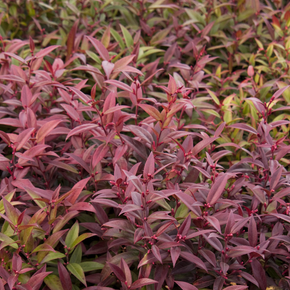
- Exceptionally glossy, heart-shaped leaves shift from green to gunmetal blue, then take on rich plum-purple tones in fall and winter for truly year-round interest.
- A low-maintenance, slowly spreading evergreen groundcover that thrives in deep shade where few other plants can perform — ideal for tree understories and woodland garden floors.
- Slender, airy spikes of delicate star-shaped white flowers rise up to 20 inches above the foliage in mid-to-late spring, adding a graceful, seasonal contrast to the lush leaves.
- Leathery foliage is naturally resistant to slugs and snails, and the plant has no serious pest or disease problems — making it a truly fuss-free addition to the shade garden.
Beesia (Beesia deltophylla), also known as False Bugbane, is a remarkable and still-underused evergreen perennial groundcover introduced to American gardens by legendary plant hunter Dan Hinkley from a 1998 collecting expedition in the Sichuan Province of China. A member of the Ranunculaceae (Buttercup) family, this slow-spreading, rhizomatous beauty forms tidy mounded rosettes of broad, heart-shaped, deeply veined leaves featuring an extraordinary lacquer-like gloss that seems to reflect every beam of filtered light in even the darkest garden corners. Foliage emerges with a subtle maroon-purple tint in spring before deepening to a rich forest green through summer, then cycling back to stunning bluish-purple hues as temperatures cool in fall and winter — making it an eye-catching four-season performer. In mid-to-late spring, slender wiry stems rise gracefully above the leaf canopy, bearing delicate racemes of small, fragrant white flowers that add a soft, airy elegance to the bold foliage below. Hardy in USDA Zones 6 through 9, beesia performs best in partial to full shade in rich, humus-amended, evenly moist but well-draining soil, making it a natural companion for hostas, ferns, and other woodland perennials. Its dense, ground-hugging habit, slug-resistant texture, and minimal maintenance requirements make it an outstanding choice for shade gardens, narrow beds, tree understories, cottage gardens, and mixed shady borders throughout Southern Oregon and Northern California.
Plant Description
Beesia deltophylla, commonly called beesia or False Bugbane, is an evergreen perennial groundcover native to the forested mountain slopes of southeastern Tibet and the Sichuan and Yunnan Provinces of China. Introduced to Western horticulture by renowned plant explorer Dan Hinkley from a 1998 collecting expedition, this hidden gem of the shade garden has quickly earned a devoted following among plant collectors and woodland gardeners alike. Its most celebrated feature is its extraordinarily glossy, heart-shaped (deltate) leaves — so reflective they appear buffed with wax — which emerge with a maroon-purple tint, mature to a deep forest green, and develop rich bluish-purple tones in fall and winter. The leaves are leathery in texture, broadly toothed along their margins, and display intricately impressed venation that adds a wonderful tactile interest. In spring, slender, dark-stemmed spikes rise well above the foliage and bear airy racemes of small, fragrant, star-shaped white flowers. The plant spreads gradually by underground rhizomes to form a dense, weed-suppressing carpet, making it as practical as it is beautiful.
Mature Size
| Attribute | Measurement |
|---|---|
| Foliage Height | 8 to 18 inches tall |
| Flower Spike Height | Up to 20 to 32 inches tall |
| Spread | 12 to 24 inches wide |
| Growth Rate | Slow |
| Individual Leaf Size | Up to 3.5 inches long and 2 inches wide |
Hardiness Zones
Beesia deltophylla is hardy in USDA Zones 6 through 9, tolerating winter temperatures down to approximately -10 degrees F. It performs exceptionally well in the mild, cool winters and moderate summers typical of Southern Oregon and Northern California, particularly in sites with consistent soil moisture and protection from harsh afternoon sun. While the foliage is evergreen, it may show some winter weathering in colder or more exposed locations at the edge of its hardiness range; a light layer of mulch over the root zone helps protect the plant during unusually cold spells.
Sunlight Requirements
Beesia is a genuine shade specialist and performs best in partial shade to full shade. It evolved on the moist, shaded forest floors of mountainous Asia, and its mirror-like leaves are naturally adapted to capture and reflect every available ray of filtered light in low-light environments. Ideal exposures include dappled light beneath deciduous trees, the north or east side of a building or fence, or any spot receiving bright, indirect light. Direct afternoon sun will cause leaf scorch and persistent yellowing. Even in full shade, beesia maintains excellent vigor and foliage color, making it one of the most reliable performers in the deepest garden corners where few other ornamental perennials thrive.
Soil and pH Preferences
For best performance, plant beesia in rich, humus-laden, evenly moist, well-draining soil that closely mimics the decaying leaf-litter forest floors of its native habitat. Amending the planting area generously with compost or aged leaf mold at the time of planting will significantly improve both moisture retention and drainage. Beesia is not particularly fussy about soil pH and will tolerate a moderate range, but it grows most vigorously in slightly acidic to neutral soil (approximately pH 5.5 to 7.0). It will not tolerate waterlogged or standing-water conditions, which can lead to root rot. It is also somewhat tolerant of urban soils once established, provided moisture is maintained.
Watering Guide
Consistent, even moisture is essential to beesia's health and appearance. The soil should be kept evenly moist at all times — never completely drying out between waterings — as drought stress will cause the beautiful leaf edges to brown and crisp. However, soggy or waterlogged conditions are equally harmful and should be avoided. In Southern Oregon and Northern California gardens, supplemental irrigation during the hot, dry summer months is typically necessary to maintain adequate soil moisture. Applying a 2 to 3 inch layer of organic mulch (such as shredded bark, compost, or leaf mold) around the plant's base will help retain soil moisture, moderate soil temperature, and reduce watering frequency. Plants sited in deep shade and cool, north-facing locations will require less supplemental water than those in brighter or warmer spots.
Fertilizing
Beesia is not a heavy feeder, but it benefits from the nutrients provided by a consistently amended, humus-rich soil. Apply a balanced, slow-release granular fertilizer formulated for shade perennials once in early spring as new growth emerges, following label directions for application rates. Alternatively, top-dressing the planting area annually with a 1 to 2 inch layer of finished compost or aged leaf mold in early spring will provide a steady, gentle nutrient supply while also improving soil structure and moisture retention. Avoid over-fertilizing with high-nitrogen products, as this can promote excessive, soft leaf growth that is more prone to pest and environmental damage. No additional fertilizing is needed through fall or winter while the plant is not in active growth.
Pruning and Maintenance
Beesia is a low-maintenance perennial requiring very little routine pruning. Because it is evergreen, it holds its foliage through winter, providing year-round garden interest. The best time for any tidying is in early spring, just before new growth resumes. At that time, remove any leaves that have been damaged by cold, desiccation, or general winter weathering by cutting them back cleanly at the base of the stem. Spent flower spikes can be removed after blooming if desired, though leaving them briefly adds some interest and does no harm to the plant. Divide established clumps every 2 to 3 years in early spring to rejuvenate growth, prevent overcrowding, and propagate new plants for expanding your shade garden planting.
Planting Instructions
- Select a site in partial to full shade with protection from direct afternoon sun.
- Loosen the soil to a depth of 12 to 15 inches and incorporate a generous amount of compost or aged leaf mold to enrich the planting area.
- Dig a hole approximately twice as wide as the root ball and equal in depth.
- Set the plant so the crown sits at or just slightly above the surrounding soil level to ensure good drainage away from the crown.
- Backfill with the amended soil, firming it gently around the roots to eliminate air pockets.
- Water thoroughly after planting to settle the soil and establish good root-to-soil contact.
- Apply a 2 to 3 inch layer of organic mulch (shredded bark or leaf mold) around the plant, keeping mulch pulled back slightly from the crown to prevent rot.
- For a groundcover planting, space plants approximately 12 to 18 inches apart to allow for gradual spreading and eventual coverage.
- Water consistently and keep soil evenly moist throughout the first growing season while the plant establishes its root system.
Seasonal Interest
| Season | Ornamental Feature |
|---|---|
| Spring | New leaves emerge with attractive maroon-purple tints; delicate white flower spikes rise above the foliage from May through June |
| Summer | Bold, deep forest-green, intensely glossy foliage creates a lush, cool-looking carpet; flower spikes may continue or repeat |
| Fall | Foliage transitions to striking bluish-purple and plum tones, adding vibrant color to the shade garden |
| Winter | Evergreen foliage persists, retaining rich purple-blue tones and providing structure and color in the dormant garden |
Landscape Uses
Beesia deltophylla is a versatile shade plant suited to a wide range of landscape applications:
- Woodland and shade gardens: A natural fit beneath deciduous or evergreen tree canopies, where it carpets the ground with glossy, colorful foliage.
- Tree understory planting: Excellent for filling in the difficult dry or low-light zones directly beneath established trees.
- Narrow shady beds: Its compact, slowly spreading habit makes it ideal for tight spots along foundations, fences, or pathways that receive little sun.
- Mixed shady borders: Provides a bold, shiny textural counterpoint to finer-textured ferns, delicate hostas, and other woodland perennials.
- Mass planting groundcover: When planted in groups, creates an impressive, weed-suppressing sweep of glossy foliage with striking seasonal color changes.
- Cottage garden accent: Works beautifully as a specimen accent plant or as a background foil for spring-flowering bulbs and ephemeral wildflowers.
- Container planting: Performs well in containers or large pots in shaded patios, courtyards, or entryways, provided consistent moisture is maintained.
Companion Plants
Beesia deltophylla pairs beautifully with a wide range of shade-loving plants, offering bold, glossy foliage as a contrast or backdrop to companions with different textures, colors, and forms. Consider these excellent companion plant combinations:
- Hostas: Large hosta varieties with bold, ribbed leaves create a dramatic textural pairing alongside beesia's smaller, glossy foliage.
- Ferns (Athyrium, Dryopteris, Polystichum): The fine, feathery texture of ferns provides a beautiful foil to beesia's smooth, leathery leaves.
- Brunnera macrophylla 'Jack Frost': The silver-frosted, heart-shaped leaves of Jack Frost brunnera echo beesia's leaf shape while offering striking color contrast.
- Corydalis: Delicate, finely cut foliage and airy flowers complement beesia's bold, glossy leaves for a layered woodland effect.
- Cyclamen: Low-growing cyclamen species add charming patterned foliage and seasonal flowers at the feet of beesia.
- Sarcococca (Sweet Box): A fellow evergreen shade lover whose fragrant winter flowers and dark berries pair well with beesia's year-round foliage interest.
- Mahonia: The bold, architectural form of mahonia contrasts handsomely with beesia's low, spreading habit in a mixed shade border.
- Spring bulbs (Narcissus, Scilla, Galanthus): Beesia's dense foliage creates an attractive backdrop and filler as spring bulbs emerge and then fade.
Pests and Diseases
One of beesia's greatest strengths as a garden plant is its remarkable resilience. It has no serious pest or disease problems under normal growing conditions. The leathery, thick texture of its leaves makes them significantly more resistant to slug and snail damage than many other popular shade perennials such as hostas, which is a notable advantage in the moist, shady garden environments where beesia thrives. As a member of the Ranunculaceae family, the foliage contains naturally occurring compounds (protoanemonin) that may also deter browsing by rabbits and deer. The primary threats to beesia's health are environmental rather than pest-related — prolonged drought, waterlogged soil, and excessive direct sun exposure are far more likely to cause foliage damage than any insect or disease. Maintaining appropriate moisture levels and siting the plant correctly will prevent virtually all common problems.
Container Growing
Beesia deltophylla adapts well to container culture, making it an excellent choice for shaded patios, covered entries, courtyards, and deck corners where in-ground planting is not an option. Use a container with adequate drainage holes and fill it with a high-quality, moisture-retentive potting mix enriched with additional compost or coir. Because containers dry out more rapidly than in-ground plantings, consistent watering is especially important — check soil moisture frequently during warm weather and never allow the potting mix to dry out completely. Position containers in bright, indirect light or dappled shade, and protect them from direct afternoon sun. Container-grown beesia may benefit from a light application of slow-release fertilizer in early spring. In colder winters at the edge of its hardiness range, move containers to a sheltered, frost-protected location, as container roots are more vulnerable to hard freezes than in-ground roots.
Propagation
Beesia deltophylla is most reliably propagated by division of established clumps, which is best performed in early spring just as new growth begins to emerge. To divide, carefully dig up the entire clump, then use a sharp spade or garden knife to separate the rhizomatous root mass into sections, each containing at least two to three healthy stems and a good portion of root. Replant divisions immediately at the same soil depth as the original plant, water them thoroughly, and keep the soil consistently moist during the establishment period. Division every 2 to 3 years also helps to reinvigorate older clumps and maintain their vigor. Propagation from cuttings during the active growing season is also possible; stem cuttings should be placed in well-draining, fertile growing medium and kept in a humid, shaded environment until roots develop. Plants grown from seed are less commonly practiced, as germination can be slow and variable.
Toxicity and Safety
As a member of the Ranunculaceae (Buttercup) family, Beesia deltophylla contains protoanemonin, a naturally occurring compound that can cause irritation if the plant is ingested or if its sap comes into contact with sensitive skin. Ingestion of leaves or other plant parts by pets or humans may result in mouth irritation, drooling, or mild gastrointestinal upset. Gardeners with sensitive skin are advised to wear gloves when handling the plant, particularly when dividing or cutting back stems. The plant should be sited with care in gardens frequently visited by small children or pets. Despite this caution, beesia's toxicity is typical of many common ornamental garden plants in the Ranunculaceae family and does not prevent it from being a widely grown and enjoyed perennial.
- Exceptionally glossy, heart-shaped leaves shift from green to gunmetal blue, then take on rich plum-purple tones in fall and winter for truly year-round interest.
- A low-maintenance, slowly spreading evergreen groundcover that thrives in deep shade where few other plants can perform — ideal for tree understories and woodland garden floors.
- Slender, airy spikes of delicate star-shaped white flowers rise up to 20 inches above the foliage in mid-to-late spring, adding a graceful, seasonal contrast to the lush leaves.
- Leathery foliage is naturally resistant to slugs and snails, and the plant has no serious pest or disease problems — making it a truly fuss-free addition to the shade garden.
Beesia (Beesia deltophylla), also known as False Bugbane, is a remarkable and still-underused evergreen perennial groundcover introduced to American gardens by legendary plant hunter Dan Hinkley from a 1998 collecting expedition in the Sichuan Province of China. A member of the Ranunculaceae (Buttercup) family, this slow-spreading, rhizomatous beauty forms tidy mounded rosettes of broad, heart-shaped, deeply veined leaves featuring an extraordinary lacquer-like gloss that seems to reflect every beam of filtered light in even the darkest garden corners. Foliage emerges with a subtle maroon-purple tint in spring before deepening to a rich forest green through summer, then cycling back to stunning bluish-purple hues as temperatures cool in fall and winter — making it an eye-catching four-season performer. In mid-to-late spring, slender wiry stems rise gracefully above the leaf canopy, bearing delicate racemes of small, fragrant white flowers that add a soft, airy elegance to the bold foliage below. Hardy in USDA Zones 6 through 9, beesia performs best in partial to full shade in rich, humus-amended, evenly moist but well-draining soil, making it a natural companion for hostas, ferns, and other woodland perennials. Its dense, ground-hugging habit, slug-resistant texture, and minimal maintenance requirements make it an outstanding choice for shade gardens, narrow beds, tree understories, cottage gardens, and mixed shady borders throughout Southern Oregon and Northern California.
Plant Description
Beesia deltophylla, commonly called beesia or False Bugbane, is an evergreen perennial groundcover native to the forested mountain slopes of southeastern Tibet and the Sichuan and Yunnan Provinces of China. Introduced to Western horticulture by renowned plant explorer Dan Hinkley from a 1998 collecting expedition, this hidden gem of the shade garden has quickly earned a devoted following among plant collectors and woodland gardeners alike. Its most celebrated feature is its extraordinarily glossy, heart-shaped (deltate) leaves — so reflective they appear buffed with wax — which emerge with a maroon-purple tint, mature to a deep forest green, and develop rich bluish-purple tones in fall and winter. The leaves are leathery in texture, broadly toothed along their margins, and display intricately impressed venation that adds a wonderful tactile interest. In spring, slender, dark-stemmed spikes rise well above the foliage and bear airy racemes of small, fragrant, star-shaped white flowers. The plant spreads gradually by underground rhizomes to form a dense, weed-suppressing carpet, making it as practical as it is beautiful.
Mature Size
| Attribute | Measurement |
|---|---|
| Foliage Height | 8 to 18 inches tall |
| Flower Spike Height | Up to 20 to 32 inches tall |
| Spread | 12 to 24 inches wide |
| Growth Rate | Slow |
| Individual Leaf Size | Up to 3.5 inches long and 2 inches wide |
Hardiness Zones
Beesia deltophylla is hardy in USDA Zones 6 through 9, tolerating winter temperatures down to approximately -10 degrees F. It performs exceptionally well in the mild, cool winters and moderate summers typical of Southern Oregon and Northern California, particularly in sites with consistent soil moisture and protection from harsh afternoon sun. While the foliage is evergreen, it may show some winter weathering in colder or more exposed locations at the edge of its hardiness range; a light layer of mulch over the root zone helps protect the plant during unusually cold spells.
Sunlight Requirements
Beesia is a genuine shade specialist and performs best in partial shade to full shade. It evolved on the moist, shaded forest floors of mountainous Asia, and its mirror-like leaves are naturally adapted to capture and reflect every available ray of filtered light in low-light environments. Ideal exposures include dappled light beneath deciduous trees, the north or east side of a building or fence, or any spot receiving bright, indirect light. Direct afternoon sun will cause leaf scorch and persistent yellowing. Even in full shade, beesia maintains excellent vigor and foliage color, making it one of the most reliable performers in the deepest garden corners where few other ornamental perennials thrive.
Soil and pH Preferences
For best performance, plant beesia in rich, humus-laden, evenly moist, well-draining soil that closely mimics the decaying leaf-litter forest floors of its native habitat. Amending the planting area generously with compost or aged leaf mold at the time of planting will significantly improve both moisture retention and drainage. Beesia is not particularly fussy about soil pH and will tolerate a moderate range, but it grows most vigorously in slightly acidic to neutral soil (approximately pH 5.5 to 7.0). It will not tolerate waterlogged or standing-water conditions, which can lead to root rot. It is also somewhat tolerant of urban soils once established, provided moisture is maintained.
Watering Guide
Consistent, even moisture is essential to beesia's health and appearance. The soil should be kept evenly moist at all times — never completely drying out between waterings — as drought stress will cause the beautiful leaf edges to brown and crisp. However, soggy or waterlogged conditions are equally harmful and should be avoided. In Southern Oregon and Northern California gardens, supplemental irrigation during the hot, dry summer months is typically necessary to maintain adequate soil moisture. Applying a 2 to 3 inch layer of organic mulch (such as shredded bark, compost, or leaf mold) around the plant's base will help retain soil moisture, moderate soil temperature, and reduce watering frequency. Plants sited in deep shade and cool, north-facing locations will require less supplemental water than those in brighter or warmer spots.
Fertilizing
Beesia is not a heavy feeder, but it benefits from the nutrients provided by a consistently amended, humus-rich soil. Apply a balanced, slow-release granular fertilizer formulated for shade perennials once in early spring as new growth emerges, following label directions for application rates. Alternatively, top-dressing the planting area annually with a 1 to 2 inch layer of finished compost or aged leaf mold in early spring will provide a steady, gentle nutrient supply while also improving soil structure and moisture retention. Avoid over-fertilizing with high-nitrogen products, as this can promote excessive, soft leaf growth that is more prone to pest and environmental damage. No additional fertilizing is needed through fall or winter while the plant is not in active growth.
Pruning and Maintenance
Beesia is a low-maintenance perennial requiring very little routine pruning. Because it is evergreen, it holds its foliage through winter, providing year-round garden interest. The best time for any tidying is in early spring, just before new growth resumes. At that time, remove any leaves that have been damaged by cold, desiccation, or general winter weathering by cutting them back cleanly at the base of the stem. Spent flower spikes can be removed after blooming if desired, though leaving them briefly adds some interest and does no harm to the plant. Divide established clumps every 2 to 3 years in early spring to rejuvenate growth, prevent overcrowding, and propagate new plants for expanding your shade garden planting.
Planting Instructions
- Select a site in partial to full shade with protection from direct afternoon sun.
- Loosen the soil to a depth of 12 to 15 inches and incorporate a generous amount of compost or aged leaf mold to enrich the planting area.
- Dig a hole approximately twice as wide as the root ball and equal in depth.
- Set the plant so the crown sits at or just slightly above the surrounding soil level to ensure good drainage away from the crown.
- Backfill with the amended soil, firming it gently around the roots to eliminate air pockets.
- Water thoroughly after planting to settle the soil and establish good root-to-soil contact.
- Apply a 2 to 3 inch layer of organic mulch (shredded bark or leaf mold) around the plant, keeping mulch pulled back slightly from the crown to prevent rot.
- For a groundcover planting, space plants approximately 12 to 18 inches apart to allow for gradual spreading and eventual coverage.
- Water consistently and keep soil evenly moist throughout the first growing season while the plant establishes its root system.
Seasonal Interest
| Season | Ornamental Feature |
|---|---|
| Spring | New leaves emerge with attractive maroon-purple tints; delicate white flower spikes rise above the foliage from May through June |
| Summer | Bold, deep forest-green, intensely glossy foliage creates a lush, cool-looking carpet; flower spikes may continue or repeat |
| Fall | Foliage transitions to striking bluish-purple and plum tones, adding vibrant color to the shade garden |
| Winter | Evergreen foliage persists, retaining rich purple-blue tones and providing structure and color in the dormant garden |
Landscape Uses
Beesia deltophylla is a versatile shade plant suited to a wide range of landscape applications:
- Woodland and shade gardens: A natural fit beneath deciduous or evergreen tree canopies, where it carpets the ground with glossy, colorful foliage.
- Tree understory planting: Excellent for filling in the difficult dry or low-light zones directly beneath established trees.
- Narrow shady beds: Its compact, slowly spreading habit makes it ideal for tight spots along foundations, fences, or pathways that receive little sun.
- Mixed shady borders: Provides a bold, shiny textural counterpoint to finer-textured ferns, delicate hostas, and other woodland perennials.
- Mass planting groundcover: When planted in groups, creates an impressive, weed-suppressing sweep of glossy foliage with striking seasonal color changes.
- Cottage garden accent: Works beautifully as a specimen accent plant or as a background foil for spring-flowering bulbs and ephemeral wildflowers.
- Container planting: Performs well in containers or large pots in shaded patios, courtyards, or entryways, provided consistent moisture is maintained.
Companion Plants
Beesia deltophylla pairs beautifully with a wide range of shade-loving plants, offering bold, glossy foliage as a contrast or backdrop to companions with different textures, colors, and forms. Consider these excellent companion plant combinations:
- Hostas: Large hosta varieties with bold, ribbed leaves create a dramatic textural pairing alongside beesia's smaller, glossy foliage.
- Ferns (Athyrium, Dryopteris, Polystichum): The fine, feathery texture of ferns provides a beautiful foil to beesia's smooth, leathery leaves.
- Brunnera macrophylla 'Jack Frost': The silver-frosted, heart-shaped leaves of Jack Frost brunnera echo beesia's leaf shape while offering striking color contrast.
- Corydalis: Delicate, finely cut foliage and airy flowers complement beesia's bold, glossy leaves for a layered woodland effect.
- Cyclamen: Low-growing cyclamen species add charming patterned foliage and seasonal flowers at the feet of beesia.
- Sarcococca (Sweet Box): A fellow evergreen shade lover whose fragrant winter flowers and dark berries pair well with beesia's year-round foliage interest.
- Mahonia: The bold, architectural form of mahonia contrasts handsomely with beesia's low, spreading habit in a mixed shade border.
- Spring bulbs (Narcissus, Scilla, Galanthus): Beesia's dense foliage creates an attractive backdrop and filler as spring bulbs emerge and then fade.
Pests and Diseases
One of beesia's greatest strengths as a garden plant is its remarkable resilience. It has no serious pest or disease problems under normal growing conditions. The leathery, thick texture of its leaves makes them significantly more resistant to slug and snail damage than many other popular shade perennials such as hostas, which is a notable advantage in the moist, shady garden environments where beesia thrives. As a member of the Ranunculaceae family, the foliage contains naturally occurring compounds (protoanemonin) that may also deter browsing by rabbits and deer. The primary threats to beesia's health are environmental rather than pest-related — prolonged drought, waterlogged soil, and excessive direct sun exposure are far more likely to cause foliage damage than any insect or disease. Maintaining appropriate moisture levels and siting the plant correctly will prevent virtually all common problems.
Container Growing
Beesia deltophylla adapts well to container culture, making it an excellent choice for shaded patios, covered entries, courtyards, and deck corners where in-ground planting is not an option. Use a container with adequate drainage holes and fill it with a high-quality, moisture-retentive potting mix enriched with additional compost or coir. Because containers dry out more rapidly than in-ground plantings, consistent watering is especially important — check soil moisture frequently during warm weather and never allow the potting mix to dry out completely. Position containers in bright, indirect light or dappled shade, and protect them from direct afternoon sun. Container-grown beesia may benefit from a light application of slow-release fertilizer in early spring. In colder winters at the edge of its hardiness range, move containers to a sheltered, frost-protected location, as container roots are more vulnerable to hard freezes than in-ground roots.
Propagation
Beesia deltophylla is most reliably propagated by division of established clumps, which is best performed in early spring just as new growth begins to emerge. To divide, carefully dig up the entire clump, then use a sharp spade or garden knife to separate the rhizomatous root mass into sections, each containing at least two to three healthy stems and a good portion of root. Replant divisions immediately at the same soil depth as the original plant, water them thoroughly, and keep the soil consistently moist during the establishment period. Division every 2 to 3 years also helps to reinvigorate older clumps and maintain their vigor. Propagation from cuttings during the active growing season is also possible; stem cuttings should be placed in well-draining, fertile growing medium and kept in a humid, shaded environment until roots develop. Plants grown from seed are less commonly practiced, as germination can be slow and variable.
Toxicity and Safety
As a member of the Ranunculaceae (Buttercup) family, Beesia deltophylla contains protoanemonin, a naturally occurring compound that can cause irritation if the plant is ingested or if its sap comes into contact with sensitive skin. Ingestion of leaves or other plant parts by pets or humans may result in mouth irritation, drooling, or mild gastrointestinal upset. Gardeners with sensitive skin are advised to wear gloves when handling the plant, particularly when dividing or cutting back stems. The plant should be sited with care in gardens frequently visited by small children or pets. Despite this caution, beesia's toxicity is typical of many common ornamental garden plants in the Ranunculaceae family and does not prevent it from being a widely grown and enjoyed perennial.
Related Products


