
Zoom the image with the mouse
Summer Paradise Indian Summer Peruvian Lily - 2 Gallon
SKU:
2102120
UPC:
014949450222
$34.99
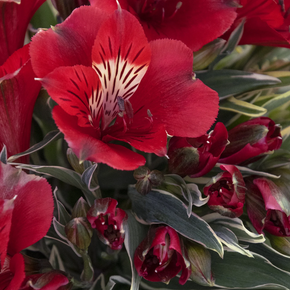
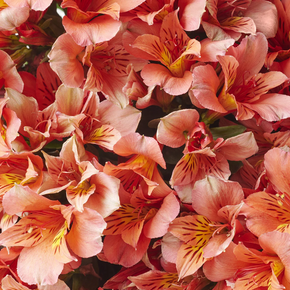
- Spectacular coppery-orange and golden-yellow blooms adorned with dark burgundy streaks rise above rich, dark bronze-green foliage for a dramatic, warm-toned display from early summer through fall.
- An exceptionally long blooming season keeps the garden vibrant for months, with the potential for near year-round color in mild coastal climates like those of Southern Oregon and Northern California.
- A premier cut flower with a vase life of two weeks or longer - harvest stems by pulling from the base to encourage a continuous flush of new blooms all season long.
- Low-maintenance, deer-resistant, and irresistible to butterflies, bees, and hummingbirds - a sturdy, compact grower that thrives in borders, containers, and cottage-style gardens alike.
Summer Paradise Indian Summer Peruvian Lily (Alstroemeria 'Indian Summer') is a showstopping hardy perennial that delivers some of the most dramatic warm-toned color in the summer and fall garden. Richly hued, trumpet-shaped blooms in fiery coppery-orange and golden-yellow are elegantly marked with dark burgundy streaks and flecks, creating an exotic, jewel-like effect above dense clumps of distinctive lance-shaped, dark bronze-green foliage. Growing 24 to 30 inches tall, this vigorous yet compact variety produces sturdy, upright stems that need no staking, and it blooms profusely from early summer through late fall - delivering months of color that few perennials can rival. Hardy in USDA Zones 7 through 10, Indian Summer Peruvian Lily is cold-tolerant down to approximately 5 to 10 degrees F when roots are protected with a layer of mulch, making it a reliable perennial for gardens throughout the Pacific Northwest and Northern California. Its flowers are prized by florists and home gardeners alike for their remarkable vase life of two weeks or more, and pulling stems from the base - rather than cutting - naturally encourages the plant to produce fresh new stems and more blooms. Adapted to full sun or light partial shade in fertile, moist, well-drained soil, this easy-care perennial is deer-resistant, attracts butterflies, bees, and hummingbirds, and works beautifully in mixed borders, cottage gardens, pollinator gardens, patio containers, and dedicated cutting gardens.
Plant Description
Alstroemeria 'Indian Summer' is a vigorous tuberous-rooted herbaceous perennial in the family Alstroemeriaceae, commonly known as Peruvian Lily, Princess Lily, or Lily of the Incas. It is celebrated for a remarkably striking color combination: trumpet-shaped, lily-like blooms in warm coppery-orange and golden-yellow, each petal elegantly marked with bold dark burgundy streaks and delicate speckles. The flowers are held in loose clusters atop sturdy, upright stems clad with narrow, lance-shaped leaves in a rich, dark bronze-green - a foliage color that provides outstanding contrast to the warm flower tones and gives the plant ornamental value even when out of bloom. The plant grows in dense, spreading clumps from fleshy tuberous roots that gradually enlarge and multiply over the years. A unique botanical characteristic of Alstroemeria foliage is resupination - the leaves twist 180 degrees from the base as they unfurl, causing them to grow upside down. This cultivar is noted for its particularly compact, self-supporting habit, eliminating the need for staking even when in full, heavy bloom.
Mature Size
| Attribute | Measurement |
|---|---|
| Height | 24 to 30 inches (60 to 75 cm) |
| Spread | 18 to 24 inches (45 to 60 cm) |
| Growth Rate | Medium; clumps expand steadily each year |
| Plant Form | Upright, clump-forming, self-supporting stems |
| Spacing (in-ground) | 18 to 24 inches apart for best visual impact |
Hardiness and Climate
Indian Summer Peruvian Lily is hardy in USDA Zones 7 through 10, tolerating temperatures down to approximately 5 to 10 degrees F when the root zone is protected by a generous layer of mulch. In Zones 7 and 8, mulching over winter is strongly recommended, especially for the first two winters after planting while the root system becomes firmly established. In Zones 9 and 10 - including much of Southern Oregon and Northern California - it performs as a reliable, long-lived perennial with minimal winter protection needed. In mild coastal climates it can bloom nearly year-round. It is well-suited to Mediterranean, temperate, and subtropical climates and thrives in the heat zones common to the Pacific Coast region. Gardeners at the cooler end of its hardiness range can also grow it successfully in containers that can be moved to a sheltered location or frost-free garage during the coldest months.
Sunlight Requirements
Indian Summer Peruvian Lily performs best in full sun, receiving at least 6 hours of direct sunlight per day. It will also grow well in light partial shade or a half-shade position, particularly where summers are exceptionally warm, as some afternoon shade can help prolong blooming during peak heat periods. Avoid dense shade, which will reduce flowering significantly and cause leggy, weak growth. In Southern Oregon and Northern California gardens, a site with full morning sun and light afternoon shade is ideal for maximizing both flower production and the rich bronze foliage color that makes this variety so distinctive. Always choose a location sheltered from strong, persistent winds, which can bend or break the flower stems.
Soil and pH Preferences
This Peruvian Lily thrives in fertile, moist, well-drained soil and will not tolerate standing water or waterlogged conditions, which can cause the fleshy tuberous roots to rot. It is adaptable to a wide range of soil types including loam, sandy loam, chalk, and clay, provided drainage is adequate. When planting into heavier clay soils, amending generously with compost or coarse grit will improve drainage and aeration. It tolerates a broad soil pH range from mildly acidic to mildly alkaline (approximately pH 6.0 to 7.5). Incorporating a layer of organic mulch around the root zone after planting helps retain soil moisture, regulate soil temperature, suppress weeds, and protect the tuberous roots from temperature extremes. Avoid mulching directly against the base of the stems to prevent crown rot.
Watering Guide
Consistent moisture is important for Indian Summer Peruvian Lily, especially during active growth and blooming. During dry spells, water deeply to provide approximately 1 inch of water per week, aiming to keep the soil evenly moist but never saturated or soggy. Overwatering and poor drainage are the most common causes of root rot and plant decline, so always allow the soil to approach dryness between waterings rather than watering on a rigid schedule. Once plants are well established - typically after the second growing season - they develop some tolerance to short periods of drought, but prolonged dry soil will reduce bloom production. Container-grown plants dry out more quickly and should be checked regularly; water whenever the top inch of potting mix feels dry to the touch. Reduce watering in winter when the plant is less actively growing.
Fertilizing
For best flowering and healthy growth, fertilize Indian Summer Peruvian Lily in spring as new growth emerges using a balanced, slow-release granular fertilizer formulated for flowering perennials. This jumpstarts stem and bud development heading into the main bloom season. A fertilizer with a slightly higher potassium (K) content - such as a tomato-type formula - applied from late spring onward can help promote prolific, long-lasting blooms. Avoid high-nitrogen fertilizers, which encourage lush leafy growth at the expense of flowers. For container-grown plants, supplement with a water-soluble, balanced liquid fertilizer applied monthly throughout the growing season to compensate for nutrient leaching from regular watering. Incorporating compost into the soil at planting time provides a good foundation of slow-release nutrients and improves overall soil structure.
Pruning and Maintenance
The most important maintenance practice for Indian Summer Peruvian Lily is the correct technique for removing spent flower stems. Rather than cutting stems with pruners or scissors, grasp each stem near the base and pull it firmly upward and out of the ground with a gentle tug. This pulling action stimulates the production of new stems from the tuberous root system, resulting in a continuous cycle of fresh blooms throughout the season. Deadhead spent flower clusters promptly to prevent excessive self-seeding, which can lead to the plant spreading more than desired. In early spring, remove any old, dried, or dead stems to tidy up the clump and make way for vigorous new growth. In Zones 7 and 8, cut plants back and apply a thick protective mulch over the crown in late fall before hard freezes. Division of overcrowded clumps can be performed in early spring to rejuvenate older plants.
Planting Instructions
Choose a permanent planting location carefully, as Alstroemeria has brittle, fleshy roots that resent being disturbed or transplanted once established. Plant in spring after the danger of frost has passed, selecting a site with fertile, well-drained soil and full sun to light partial shade. Dig a planting hole approximately 6 to 8 inches deep. Remove the plant carefully from its container, disturbing the root system as little as possible - do not tease or spread the roots. Set the plant in the hole so the top of the root ball sits level with the surrounding soil surface. Backfill with the native soil mixed with compost, firming gently to eliminate air pockets. Water thoroughly after planting. Space multiple plants 18 to 24 inches apart. Apply a 2 to 3 inch layer of mulch over the root zone, keeping it away from the stems. Note that plants may produce more foliage than flowers in their first season as the root system establishes - this is completely normal. Flowering increases dramatically from the second year onward.
Seasonal Interest
- Spring: Fresh bronze-green foliage emerges from the ground, building into attractive dense clumps. First flower buds begin forming as temperatures warm.
- Early Summer: Blooming begins in earnest, with clusters of coppery-orange and golden-yellow flowers accented by dark burgundy markings appearing on sturdy upright stems.
- Mid to Late Summer: Peak bloom period. Continuous flowering is maintained by promptly pulling spent stems from the base. The striking dark bronze foliage provides ornamental value between flushes.
- Fall: Blooming continues well into autumn in most climates, making it one of the longest-flowering perennials in the late-season garden when many other plants have finished.
- Mild Climates (Zones 9-10): In coastal Southern Oregon and Northern California gardens, blooming can continue nearly year-round with minimal interruption.
- Winter: Plants die back to the ground in colder zones; evergreen or semi-evergreen in the mildest areas.
Landscape Uses
Indian Summer Peruvian Lily is a highly versatile garden plant suited to a wide range of landscape applications. Its rich warm tones and dark foliage make it a standout specimen in mixed perennial borders, where it provides reliable mid-border color from summer through fall. Plant a minimum of three plants together in a grouping for the most dramatic visual impact. It is equally at home in cottage-style gardens, informal and naturalistic plantings, city and courtyard gardens, and dedicated cutting gardens. Its compact, self-supporting habit makes it an excellent choice for smaller urban gardens and patio container plantings, where it can be featured in large pots or mixed arrangements. The long bloom season and heat tolerance suit it well to the sunny hillside gardens common to Southern Oregon and Northern California landscapes. It also performs beautifully as a mass planting along borders, pathways, or slopes where its clumping, spreading habit over time creates a rich carpet of color and textured foliage.
Container Growing
Indian Summer Peruvian Lily is well-suited to container culture, making it an ideal choice for patios, decks, and entryways in the Pacific Coast region. Select a container that is slightly wider and deeper than the plant's root system, with ample drainage holes. Fill the container with a high-quality, well-draining all-purpose potting mix and plant so that the top of the root ball sits approximately 1 inch below the container rim. Water consistently, checking the top inch of potting mix before watering, and fertilize monthly during the growing season with a balanced liquid fertilizer. Container plants may dry out more quickly in warm weather and will require more frequent attention than in-ground plantings. In colder areas at the edge of its hardiness range, one of the greatest advantages of container growing is the ability to move plants to a frost-protected location - such as an unheated garage or shed - for the winter, then return them outdoors when temperatures warm in spring.
Cut Flower Value
Indian Summer Peruvian Lily is one of the most prized cut flowers in both home gardens and the commercial floral industry. Its blooms have an exceptional vase life of two weeks or longer, far outlasting many other popular cut flowers. For the longest vase life and to encourage continued blooming in the garden, harvest stems by grasping near the base and pulling upward with a firm, gentle tug rather than cutting with scissors or pruners - this pulling action stimulates the plant to produce new replacement stems. Harvest when the cluster has one or two flowers fully open and the remaining buds are showing strong color. Once indoors, snip off the white underground portion of the stem, trim to the desired length, and remove any foliage that would fall below the waterline. Change the vase water every two to three days to maximize longevity. The warm orange, yellow, and burgundy tones of Indian Summer make it a natural pairing with late summer and fall floral arrangements.
Wildlife Value
Indian Summer Peruvian Lily is a magnet for beneficial garden wildlife. Its nectar-rich, trumpet-shaped flowers are highly attractive to hummingbirds, who are drawn to the warm orange and red tones from early summer onward. Butterflies and native bees also visit the blooms frequently, making this plant a valuable addition to pollinator gardens and wildlife-friendly landscapes. The plant is largely ignored by deer - an important advantage in many rural and semi-rural gardens in Southern Oregon and Northern California where deer pressure is high. It is also resistant to rabbits. While non-toxic to cats, dogs, and horses according to major horticultural references, the plant's sap can cause contact dermatitis in sensitive individuals, so wearing gloves when handling or harvesting is recommended.
Companion Plants
Indian Summer Peruvian Lily's warm coppery-orange and golden-yellow blooms and dark bronze foliage pair beautifully with a wide range of garden companions. For a harmonious warm-toned border, consider planting it alongside:
- Rudbeckia (Black-Eyed Susan): Bright golden-yellow daisy flowers echo and complement the warm tones of Indian Summer while attracting pollinators.
- Echinacea (Coneflower): Tall, upright form and vibrant blooms provide visual contrast while drawing in the same butterfly and bee pollinators.
- Achillea (Yarrow): Flat-topped flower clusters in gold, apricot, or red tones create a classic combination; yarrow also attracts beneficial insects that help manage aphids.
- Salvia (Ornamental Sage): Blue and purple flower spikes create a striking cool-warm contrast against the fiery blooms of Indian Summer while deterring pests.
- Nepeta (Catmint): Soft lavender-blue flowers and aromatic foliage complement the bronze tones of the foliage and help repel spider mites and other common pests.
- Gaillardia (Blanket Flower): Multi-toned warm-colored blooms share the same color palette and bloom season, creating a unified, vibrant planting.
- Lavender: Fragrant purple spikes pair beautifully with bronze foliage and help attract pollinators while deterring pest insects.
- Coreopsis (Tickseed): Cheerful yellow flowers with a long bloom period mirror the golden tones of Indian Summer and attract beneficial insects throughout the season.
Pests and Diseases
Indian Summer Peruvian Lily is generally a robust, trouble-free perennial with good overall disease resistance. However, gardeners should be aware of the following potential issues:
- Slugs and Snails: The most common pest, particularly in spring when tender young shoots emerge. They can consume new growth to ground level. Apply organic slug controls, use copper tape barriers around containers, or apply biological nematode controls in early spring. Once stems reach 6 inches tall, slug damage is rarely a serious problem.
- Aphids: May colonize stems and flower buds in warm weather. Treat with a strong jet of water, insecticidal soap spray, or by encouraging natural predators such as ladybugs and lacewings through companion planting.
- Spider Mites: Occasional in hot, dry conditions. Increase humidity around plants and treat with neem oil or insecticidal soap if infestations develop.
- Thrips: Can cause silvery streaking on flowers and foliage. Treat with insecticidal soap or neem oil at first sign.
- Root Rot: Caused by overwatering or poor drainage. Ensure soil drains well and never allow plants to sit in standing water.
- Botrytis (Gray Mold): Can occur in overly wet or humid conditions with poor air circulation. Remove affected tissue promptly and improve airflow around plants.
- Root Disturbance: The brittle tuberous roots are highly sensitive to disturbance. Avoid cultivating or hoeing close to established clumps. Mulch instead of hoeing to suppress weeds around the root zone.
- Spectacular coppery-orange and golden-yellow blooms adorned with dark burgundy streaks rise above rich, dark bronze-green foliage for a dramatic, warm-toned display from early summer through fall.
- An exceptionally long blooming season keeps the garden vibrant for months, with the potential for near year-round color in mild coastal climates like those of Southern Oregon and Northern California.
- A premier cut flower with a vase life of two weeks or longer - harvest stems by pulling from the base to encourage a continuous flush of new blooms all season long.
- Low-maintenance, deer-resistant, and irresistible to butterflies, bees, and hummingbirds - a sturdy, compact grower that thrives in borders, containers, and cottage-style gardens alike.
Summer Paradise Indian Summer Peruvian Lily (Alstroemeria 'Indian Summer') is a showstopping hardy perennial that delivers some of the most dramatic warm-toned color in the summer and fall garden. Richly hued, trumpet-shaped blooms in fiery coppery-orange and golden-yellow are elegantly marked with dark burgundy streaks and flecks, creating an exotic, jewel-like effect above dense clumps of distinctive lance-shaped, dark bronze-green foliage. Growing 24 to 30 inches tall, this vigorous yet compact variety produces sturdy, upright stems that need no staking, and it blooms profusely from early summer through late fall - delivering months of color that few perennials can rival. Hardy in USDA Zones 7 through 10, Indian Summer Peruvian Lily is cold-tolerant down to approximately 5 to 10 degrees F when roots are protected with a layer of mulch, making it a reliable perennial for gardens throughout the Pacific Northwest and Northern California. Its flowers are prized by florists and home gardeners alike for their remarkable vase life of two weeks or more, and pulling stems from the base - rather than cutting - naturally encourages the plant to produce fresh new stems and more blooms. Adapted to full sun or light partial shade in fertile, moist, well-drained soil, this easy-care perennial is deer-resistant, attracts butterflies, bees, and hummingbirds, and works beautifully in mixed borders, cottage gardens, pollinator gardens, patio containers, and dedicated cutting gardens.
Plant Description
Alstroemeria 'Indian Summer' is a vigorous tuberous-rooted herbaceous perennial in the family Alstroemeriaceae, commonly known as Peruvian Lily, Princess Lily, or Lily of the Incas. It is celebrated for a remarkably striking color combination: trumpet-shaped, lily-like blooms in warm coppery-orange and golden-yellow, each petal elegantly marked with bold dark burgundy streaks and delicate speckles. The flowers are held in loose clusters atop sturdy, upright stems clad with narrow, lance-shaped leaves in a rich, dark bronze-green - a foliage color that provides outstanding contrast to the warm flower tones and gives the plant ornamental value even when out of bloom. The plant grows in dense, spreading clumps from fleshy tuberous roots that gradually enlarge and multiply over the years. A unique botanical characteristic of Alstroemeria foliage is resupination - the leaves twist 180 degrees from the base as they unfurl, causing them to grow upside down. This cultivar is noted for its particularly compact, self-supporting habit, eliminating the need for staking even when in full, heavy bloom.
Mature Size
| Attribute | Measurement |
|---|---|
| Height | 24 to 30 inches (60 to 75 cm) |
| Spread | 18 to 24 inches (45 to 60 cm) |
| Growth Rate | Medium; clumps expand steadily each year |
| Plant Form | Upright, clump-forming, self-supporting stems |
| Spacing (in-ground) | 18 to 24 inches apart for best visual impact |
Hardiness and Climate
Indian Summer Peruvian Lily is hardy in USDA Zones 7 through 10, tolerating temperatures down to approximately 5 to 10 degrees F when the root zone is protected by a generous layer of mulch. In Zones 7 and 8, mulching over winter is strongly recommended, especially for the first two winters after planting while the root system becomes firmly established. In Zones 9 and 10 - including much of Southern Oregon and Northern California - it performs as a reliable, long-lived perennial with minimal winter protection needed. In mild coastal climates it can bloom nearly year-round. It is well-suited to Mediterranean, temperate, and subtropical climates and thrives in the heat zones common to the Pacific Coast region. Gardeners at the cooler end of its hardiness range can also grow it successfully in containers that can be moved to a sheltered location or frost-free garage during the coldest months.
Sunlight Requirements
Indian Summer Peruvian Lily performs best in full sun, receiving at least 6 hours of direct sunlight per day. It will also grow well in light partial shade or a half-shade position, particularly where summers are exceptionally warm, as some afternoon shade can help prolong blooming during peak heat periods. Avoid dense shade, which will reduce flowering significantly and cause leggy, weak growth. In Southern Oregon and Northern California gardens, a site with full morning sun and light afternoon shade is ideal for maximizing both flower production and the rich bronze foliage color that makes this variety so distinctive. Always choose a location sheltered from strong, persistent winds, which can bend or break the flower stems.
Soil and pH Preferences
This Peruvian Lily thrives in fertile, moist, well-drained soil and will not tolerate standing water or waterlogged conditions, which can cause the fleshy tuberous roots to rot. It is adaptable to a wide range of soil types including loam, sandy loam, chalk, and clay, provided drainage is adequate. When planting into heavier clay soils, amending generously with compost or coarse grit will improve drainage and aeration. It tolerates a broad soil pH range from mildly acidic to mildly alkaline (approximately pH 6.0 to 7.5). Incorporating a layer of organic mulch around the root zone after planting helps retain soil moisture, regulate soil temperature, suppress weeds, and protect the tuberous roots from temperature extremes. Avoid mulching directly against the base of the stems to prevent crown rot.
Watering Guide
Consistent moisture is important for Indian Summer Peruvian Lily, especially during active growth and blooming. During dry spells, water deeply to provide approximately 1 inch of water per week, aiming to keep the soil evenly moist but never saturated or soggy. Overwatering and poor drainage are the most common causes of root rot and plant decline, so always allow the soil to approach dryness between waterings rather than watering on a rigid schedule. Once plants are well established - typically after the second growing season - they develop some tolerance to short periods of drought, but prolonged dry soil will reduce bloom production. Container-grown plants dry out more quickly and should be checked regularly; water whenever the top inch of potting mix feels dry to the touch. Reduce watering in winter when the plant is less actively growing.
Fertilizing
For best flowering and healthy growth, fertilize Indian Summer Peruvian Lily in spring as new growth emerges using a balanced, slow-release granular fertilizer formulated for flowering perennials. This jumpstarts stem and bud development heading into the main bloom season. A fertilizer with a slightly higher potassium (K) content - such as a tomato-type formula - applied from late spring onward can help promote prolific, long-lasting blooms. Avoid high-nitrogen fertilizers, which encourage lush leafy growth at the expense of flowers. For container-grown plants, supplement with a water-soluble, balanced liquid fertilizer applied monthly throughout the growing season to compensate for nutrient leaching from regular watering. Incorporating compost into the soil at planting time provides a good foundation of slow-release nutrients and improves overall soil structure.
Pruning and Maintenance
The most important maintenance practice for Indian Summer Peruvian Lily is the correct technique for removing spent flower stems. Rather than cutting stems with pruners or scissors, grasp each stem near the base and pull it firmly upward and out of the ground with a gentle tug. This pulling action stimulates the production of new stems from the tuberous root system, resulting in a continuous cycle of fresh blooms throughout the season. Deadhead spent flower clusters promptly to prevent excessive self-seeding, which can lead to the plant spreading more than desired. In early spring, remove any old, dried, or dead stems to tidy up the clump and make way for vigorous new growth. In Zones 7 and 8, cut plants back and apply a thick protective mulch over the crown in late fall before hard freezes. Division of overcrowded clumps can be performed in early spring to rejuvenate older plants.
Planting Instructions
Choose a permanent planting location carefully, as Alstroemeria has brittle, fleshy roots that resent being disturbed or transplanted once established. Plant in spring after the danger of frost has passed, selecting a site with fertile, well-drained soil and full sun to light partial shade. Dig a planting hole approximately 6 to 8 inches deep. Remove the plant carefully from its container, disturbing the root system as little as possible - do not tease or spread the roots. Set the plant in the hole so the top of the root ball sits level with the surrounding soil surface. Backfill with the native soil mixed with compost, firming gently to eliminate air pockets. Water thoroughly after planting. Space multiple plants 18 to 24 inches apart. Apply a 2 to 3 inch layer of mulch over the root zone, keeping it away from the stems. Note that plants may produce more foliage than flowers in their first season as the root system establishes - this is completely normal. Flowering increases dramatically from the second year onward.
Seasonal Interest
- Spring: Fresh bronze-green foliage emerges from the ground, building into attractive dense clumps. First flower buds begin forming as temperatures warm.
- Early Summer: Blooming begins in earnest, with clusters of coppery-orange and golden-yellow flowers accented by dark burgundy markings appearing on sturdy upright stems.
- Mid to Late Summer: Peak bloom period. Continuous flowering is maintained by promptly pulling spent stems from the base. The striking dark bronze foliage provides ornamental value between flushes.
- Fall: Blooming continues well into autumn in most climates, making it one of the longest-flowering perennials in the late-season garden when many other plants have finished.
- Mild Climates (Zones 9-10): In coastal Southern Oregon and Northern California gardens, blooming can continue nearly year-round with minimal interruption.
- Winter: Plants die back to the ground in colder zones; evergreen or semi-evergreen in the mildest areas.
Landscape Uses
Indian Summer Peruvian Lily is a highly versatile garden plant suited to a wide range of landscape applications. Its rich warm tones and dark foliage make it a standout specimen in mixed perennial borders, where it provides reliable mid-border color from summer through fall. Plant a minimum of three plants together in a grouping for the most dramatic visual impact. It is equally at home in cottage-style gardens, informal and naturalistic plantings, city and courtyard gardens, and dedicated cutting gardens. Its compact, self-supporting habit makes it an excellent choice for smaller urban gardens and patio container plantings, where it can be featured in large pots or mixed arrangements. The long bloom season and heat tolerance suit it well to the sunny hillside gardens common to Southern Oregon and Northern California landscapes. It also performs beautifully as a mass planting along borders, pathways, or slopes where its clumping, spreading habit over time creates a rich carpet of color and textured foliage.
Container Growing
Indian Summer Peruvian Lily is well-suited to container culture, making it an ideal choice for patios, decks, and entryways in the Pacific Coast region. Select a container that is slightly wider and deeper than the plant's root system, with ample drainage holes. Fill the container with a high-quality, well-draining all-purpose potting mix and plant so that the top of the root ball sits approximately 1 inch below the container rim. Water consistently, checking the top inch of potting mix before watering, and fertilize monthly during the growing season with a balanced liquid fertilizer. Container plants may dry out more quickly in warm weather and will require more frequent attention than in-ground plantings. In colder areas at the edge of its hardiness range, one of the greatest advantages of container growing is the ability to move plants to a frost-protected location - such as an unheated garage or shed - for the winter, then return them outdoors when temperatures warm in spring.
Cut Flower Value
Indian Summer Peruvian Lily is one of the most prized cut flowers in both home gardens and the commercial floral industry. Its blooms have an exceptional vase life of two weeks or longer, far outlasting many other popular cut flowers. For the longest vase life and to encourage continued blooming in the garden, harvest stems by grasping near the base and pulling upward with a firm, gentle tug rather than cutting with scissors or pruners - this pulling action stimulates the plant to produce new replacement stems. Harvest when the cluster has one or two flowers fully open and the remaining buds are showing strong color. Once indoors, snip off the white underground portion of the stem, trim to the desired length, and remove any foliage that would fall below the waterline. Change the vase water every two to three days to maximize longevity. The warm orange, yellow, and burgundy tones of Indian Summer make it a natural pairing with late summer and fall floral arrangements.
Wildlife Value
Indian Summer Peruvian Lily is a magnet for beneficial garden wildlife. Its nectar-rich, trumpet-shaped flowers are highly attractive to hummingbirds, who are drawn to the warm orange and red tones from early summer onward. Butterflies and native bees also visit the blooms frequently, making this plant a valuable addition to pollinator gardens and wildlife-friendly landscapes. The plant is largely ignored by deer - an important advantage in many rural and semi-rural gardens in Southern Oregon and Northern California where deer pressure is high. It is also resistant to rabbits. While non-toxic to cats, dogs, and horses according to major horticultural references, the plant's sap can cause contact dermatitis in sensitive individuals, so wearing gloves when handling or harvesting is recommended.
Companion Plants
Indian Summer Peruvian Lily's warm coppery-orange and golden-yellow blooms and dark bronze foliage pair beautifully with a wide range of garden companions. For a harmonious warm-toned border, consider planting it alongside:
- Rudbeckia (Black-Eyed Susan): Bright golden-yellow daisy flowers echo and complement the warm tones of Indian Summer while attracting pollinators.
- Echinacea (Coneflower): Tall, upright form and vibrant blooms provide visual contrast while drawing in the same butterfly and bee pollinators.
- Achillea (Yarrow): Flat-topped flower clusters in gold, apricot, or red tones create a classic combination; yarrow also attracts beneficial insects that help manage aphids.
- Salvia (Ornamental Sage): Blue and purple flower spikes create a striking cool-warm contrast against the fiery blooms of Indian Summer while deterring pests.
- Nepeta (Catmint): Soft lavender-blue flowers and aromatic foliage complement the bronze tones of the foliage and help repel spider mites and other common pests.
- Gaillardia (Blanket Flower): Multi-toned warm-colored blooms share the same color palette and bloom season, creating a unified, vibrant planting.
- Lavender: Fragrant purple spikes pair beautifully with bronze foliage and help attract pollinators while deterring pest insects.
- Coreopsis (Tickseed): Cheerful yellow flowers with a long bloom period mirror the golden tones of Indian Summer and attract beneficial insects throughout the season.
Pests and Diseases
Indian Summer Peruvian Lily is generally a robust, trouble-free perennial with good overall disease resistance. However, gardeners should be aware of the following potential issues:
- Slugs and Snails: The most common pest, particularly in spring when tender young shoots emerge. They can consume new growth to ground level. Apply organic slug controls, use copper tape barriers around containers, or apply biological nematode controls in early spring. Once stems reach 6 inches tall, slug damage is rarely a serious problem.
- Aphids: May colonize stems and flower buds in warm weather. Treat with a strong jet of water, insecticidal soap spray, or by encouraging natural predators such as ladybugs and lacewings through companion planting.
- Spider Mites: Occasional in hot, dry conditions. Increase humidity around plants and treat with neem oil or insecticidal soap if infestations develop.
- Thrips: Can cause silvery streaking on flowers and foliage. Treat with insecticidal soap or neem oil at first sign.
- Root Rot: Caused by overwatering or poor drainage. Ensure soil drains well and never allow plants to sit in standing water.
- Botrytis (Gray Mold): Can occur in overly wet or humid conditions with poor air circulation. Remove affected tissue promptly and improve airflow around plants.
- Root Disturbance: The brittle tuberous roots are highly sensitive to disturbance. Avoid cultivating or hoeing close to established clumps. Mulch instead of hoeing to suppress weeds around the root zone.