
null Skip to main content
Zoom the image with the mouse

Scarletta Leucothoe - 1 Gallon

SKU: 2036965
UPC: 014949234877
$19.99
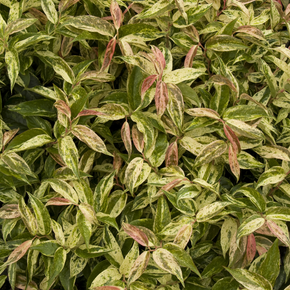
  • Spectacular year-round foliage color: vivid scarlet-red new growth in spring, rich glossy deep green in summer, and striking burgundy-red to bronze tones through fall and winter
  • Compact, mounding, deer-resistant broadleaf evergreen that stays tidy at 2-3 feet tall and wide, making it ideal for low-maintenance shade gardens and borders
  • Produces fragrant, drooping clusters of creamy white, bell-shaped flowers in spring, attracting bees, butterflies, and other pollinators
  • Thrives in partial to full shade with moist, acidic soil, and works beautifully as a woodland groundcover, hedge, or mass planting under trees

Leucothoe Scarletta (Leucothoe fontanesiana 'Zeblid') is one of the most visually dynamic broadleaf evergreen shrubs available for the shade garden, delivering a remarkable display of color across every season. In spring, fiery scarlet-red new growth erupts from a backdrop of deep, glossy green foliage, creating a vivid two-toned contrast that few ornamental shrubs can match. As summer progresses, leaves mature to a lustrous, rich green before transitioning into warm shades of burgundy, bronze, and deep reddish-purple through fall and winter, ensuring that this compact, mounding shrub earns its place in the landscape all year long. A denser, slower-growing, and more symmetrical cultivar than the straight species, Scarletta typically reaches 2 to 3 feet tall and equally wide over its first decade, making it perfectly suited for edging, low hedges, mass plantings, and groundcover applications beneath taller trees and shrubs. In spring, arching stems are adorned with drooping racemes of fragrant, waxy, urn-shaped creamy white flowers that attract bees and butterflies, adding yet another layer of ornamental interest. A natural companion to rhododendrons, azaleas, ferns, and hostas, this low-maintenance, deer-resistant shrub thrives in moist, organically rich, acidic soil in partial to full shade, making it an exceptional choice for Pacific Northwest-influenced woodland gardens throughout Southern Oregon and Northern California.


Plant Description

Scarletta Leucothoe is a dense, compact, multi-stemmed broadleaf evergreen shrub with gracefully arching branches that form a naturally symmetrical, low mounding habit. It belongs to the Ericaceae (heath) family and is a refined cultivar of Leucothoe fontanesiana, a species native to moist forested mountain ravines, stream banks, and dense thickets of the Appalachian Mountains from New York south to Georgia and Alabama. The cultivar name 'Zeblid' was selected from a breeding program with the goal of producing a plant combining improved winter hardiness, compact form, and outstanding year-round foliage color. The result is a shrub prized above all for its leaves: glossy, lanceolate, leathery, and up to 5 inches long, with serrated margins and long tapered tips. Stems emerge with a rich red color before maturing to green, and the entire plant transitions through a breathtaking sequence of seasonal color. Scarletta holds a U.S. Plant Patent (PP5,195) issued in 1994.

Seasonal Color and Interest

Scarletta Leucothoe delivers genuine four-season ornamental value that is rare among shade-loving shrubs:

  • Spring: Brilliant scarlet to scarlet-purple new foliage bursts from the tips of arching stems, creating a vivid contrast against the established deep green leaves. Drooping clusters of fragrant, creamy white, urn-shaped flowers appear simultaneously in the leaf axils, typically in April through May.
  • Summer: Foliage matures to a glossy, deep forest green, creating a cool, lush backdrop in shady garden beds. The arching habit and clean texture make it an attractive structural element throughout the growing season.
  • Fall: Leaves transition to rich shades of burgundy, reddish-bronze, and deep wine-red as temperatures cool, rivaling the color of many deciduous shrubs.
  • Winter: The shrub retains its bronzy-red to purplish-red foliage color throughout winter, providing valuable evergreen structure and color during the coldest months when most other plants are dormant.
Mature Size
Attribute Measurement
Mature Height 2 to 3 feet
Mature Spread 2 to 3 feet
Growth Rate Slow to moderate; typically reaches 3 feet tall and wide over the first 10 years
Habit Low, mounding, arching; dense and symmetrical
Spacing (mass planting) 24 to 36 inches on center
Hardiness Zones

Scarletta Leucothoe is reliably cold-hardy in USDA Zones 5 through 8, making it well-suited for a wide range of climates. In Zone 5 regions with more severe winters, plants benefit from a sheltered planting location and a generous layer of organic mulch around the root zone to insulate against hard freezes. In Zones 7 and 8, providing adequate shade and consistent soil moisture is more critical than cold protection, as this cultivar is sensitive to summer heat and drought stress. It performs beautifully throughout the mild, temperate climates of Southern Oregon and Northern California, particularly in areas with cool summers and moderate winters.

Sunlight Requirements

Scarletta Leucothoe performs best in partial shade to full shade, mirroring the dappled light conditions of its native woodland habitat. It tolerates a range of light exposures:

  • Partial shade (2-6 hours of direct sun): Ideal for most gardens; produces the best balance of foliage color and vigor. Morning sun with afternoon shade is preferable.
  • Full shade (less than 2 hours of direct sun): Plants remain healthy and maintain evergreen foliage, though fall and winter color may be somewhat less intense.
  • Full sun: Tolerated only when consistent soil moisture is guaranteed. In Southern Oregon and Northern California summers, full sun exposure without adequate water will cause leaf scorch and stress. Avoid exposed, windy sites in full sun.

In general, the more sunlight the plant receives during fall, the more vivid its burgundy-red winter color becomes. A site receiving gentle morning sun and afternoon shade is considered optimal.

Soil and pH Preferences

Like all members of the Ericaceae family, Scarletta Leucothoe has a strong preference for acidic, moisture-retentive soil:

  • Soil pH: 4.5 to 6.0 (acidic). Alkaline soils will cause nutrient deficiencies and poor performance. A soil test is recommended before planting.
  • Soil texture: Performs well in sandy loam, silty loam, or clay-based soils, provided organic matter is incorporated to improve drainage and moisture retention. Does not tolerate compacted, dry, or waterlogged soils long-term.
  • Organic matter: Amending the planting area with compost, aged bark fines, or other organic material is highly beneficial, improving both soil structure and acidity.
  • Drainage: Requires consistently moist, well-drained soil. It is naturally found along stream banks and in ravines, so it tolerates occasional wet feet, but prolonged standing water should be avoided.

If your native soil is neutral to alkaline, amend generously with sulfur, acidic compost, or pine bark at planting time and retest pH after one growing season.

Watering Guide

Consistent moisture is one of the most important requirements for growing Scarletta Leucothoe successfully. While it is not an aquatic plant, it evolved in habitats that are naturally cool and reliably moist.

  • At planting: Water thoroughly at the time of planting and keep the root zone consistently moist for the first full growing season until the plant is well established.
  • Established plants: Water deeply and regularly during dry periods. Check soil moisture to a depth of 3 inches; if dry, water deeply rather than frequently and shallowly.
  • Summer in Southern Oregon/Northern California: Summer drought is the most significant challenge in this region. Drip irrigation or soaker hoses placed under a layer of mulch are highly recommended to maintain soil moisture through hot, dry summers without wetting the foliage.
  • Drought tolerance: Very low. Scarletta Leucothoe does not tolerate prolonged dry spells and will show leaf scorch, wilting, and dieback if water-stressed repeatedly.
  • Overwatering: Avoid waterlogged conditions, which can lead to root rot, especially in heavy clay soils.
Fertilizing

Scarletta Leucothoe is a relatively light feeder and does not require heavy fertilization when planted in organically rich, acidic soil. Over-fertilizing can actually be detrimental, promoting weak, leggy growth at the expense of the plant's naturally compact form.

  • Fertilizer type: Use a slow-release, acid-forming fertilizer formulated for ericaceous plants (such as those labeled for azaleas, rhododendrons, or camellias). These fertilizers maintain the low soil pH essential for nutrient uptake.
  • Application timing: Apply once in early spring as new growth begins. A second light application in early summer is optional in poor soils.
  • Application rate: Follow the manufacturer's directions; avoid exceeding recommended rates. Always water thoroughly after applying granular fertilizer.
  • Soil amendment alternative: Top-dressing with a 1-2 inch layer of acidic compost or well-composted bark fines each spring is an effective and gentle way to maintain soil nutrition and pH without the risk of over-fertilizing.
  • Avoid: High-nitrogen, general-purpose lawn fertilizers and lime-based soil amendments, which will raise soil pH and interfere with iron and manganese uptake, causing yellowing of the foliage (chlorosis).
Pruning and Maintenance

Scarletta Leucothoe is naturally low-maintenance and rarely requires formal pruning. Its slow, compact growth habit means it stays tidy without frequent intervention.

  • Routine pruning: Remove any dead, damaged, or crossing stems in early spring before new growth begins. Cut stems back to their point of origin or to a healthy outward-facing bud.
  • Rejuvenation pruning: If an older plant becomes leggy or overgrown, it responds very well to hard rejuvenation pruning. Cut all stems back to within a few inches of the ground in early spring; vigorous, colorful new growth will emerge quickly.
  • Suckering: Plants will slowly spread by underground suckers over time, forming colonies. Remove unwanted suckers at the soil level to control spread, or allow them to naturalize in informal areas.
  • Mulching: Apply 2 to 3 inches of organic mulch (shredded bark, pine needles, or wood chips) around the root zone each year. This conserves moisture, moderates soil temperature, suppresses weeds, and slowly acidifies the soil as it breaks down. Keep mulch a few inches away from the base of the stems to prevent rot.
  • Wind protection: Plant in a location sheltered from drying winds, which can desiccate the evergreen foliage, especially in winter.
Planting Instructions
  1. Choose a site with partial to full shade, protection from strong winds, and access to consistent moisture. Morning sun with afternoon shade is ideal.
  2. Test soil pH and amend to the 4.5-6.0 range as needed using elemental sulfur or acidic organic matter.
  3. Dig a planting hole twice as wide and equal in depth to the root ball. Loosen the sides and bottom of the hole to encourage root penetration.
  4. Mix the removed native soil with compost, aged bark fines, or other acidic organic matter at a ratio of approximately 50/50.
  5. Set the plant in the hole so the top of the root ball is level with or very slightly above the surrounding grade to prevent crown rot. Avoid planting too deep.
  6. Backfill with the amended soil mixture, gently firming to eliminate air pockets. Do not compact the soil around the roots.
  7. Water deeply and thoroughly immediately after planting to settle the soil and eliminate air pockets.
  8. Apply a 2 to 3 inch layer of organic mulch over the root zone, keeping it several inches away from the plant's crown.
  9. Water regularly and deeply throughout the first growing season to establish a strong root system. Reduce irrigation frequency (but not volume) once established.
Landscape Uses

Scarletta Leucothoe is an exceptionally versatile shrub for the shade garden and naturalized landscape. Its low, arching, spreading habit and year-round color make it suitable for a wide range of design applications:

  • Woodland and shade gardens: A natural choice for planting beneath deciduous trees and conifers, where it mimics its native forest habitat.
  • Mass planting and groundcover: Highly effective when planted in sweeping drifts as a low-maintenance alternative to traditional groundcovers. Provides excellent weed suppression once established.
  • Foundation planting: Compact size and tidy habit make it suitable for use along building foundations on the north and east sides where shade is prevalent.
  • Low hedges and edging: The dense, symmetrical form makes clean, informal hedges along walkways or garden bed borders.
  • Slope stabilization and erosion control: Spreads by suckers over time, forming colonies that bind soil effectively on shaded slopes and stream banks.
  • Mixed shrub borders: Works beautifully as a low foreground planting in front of larger rhododendrons, azaleas, or hydrangeas.
  • Container planting: Suitable for large containers and planters on shaded patios or entryways where acidic potting mix can be used.
  • Rain garden edges: Its preference for moist soil makes it a candidate for the outer edges of rain gardens and bioswales.
Companion Plants

Scarletta Leucothoe thrives alongside other plants that share its preference for moist, acidic, shady conditions. The following are excellent companions for creating a cohesive and low-maintenance shade garden:

  • Rhododendrons and Azaleas: Share identical soil and light requirements; large-leafed rhododendrons create a beautiful canopy above Scarletta's low mounds.
  • Pieris japonica (Andromeda): A fellow ericaceous shrub with similar cultural needs; the two bloom at approximately the same time with complementary hanging flower clusters.
  • Hostas: Bold, large-leafed hostas provide excellent textural contrast to Leucothoe's fine, arching foliage in shade settings.
  • Ferns (Ostrich, Autumn, Wood): Delicate fern fronds create a soft, layered woodland aesthetic alongside Leucothoe's colorful, leathery leaves.
  • Hellebores (Lenten Rose): Late-winter and early-spring blooms from hellebores complement the emerging scarlet new growth of Scarletta beautifully.
  • Astilbe: Feathery summer plumes in pink, red, or white echo the color palette of Leucothoe's seasonal foliage.
  • Japanese Forest Grass (Hakonechloa): The golden or variegated foliage of this graceful ornamental grass creates a striking contrast with Leucothoe's deep burgundy winter color.
  • Bleeding Heart (Dicentra): An elegant pairing; bleeding heart's soft, arching foliage and pendant flowers complement Leucothoe's bolder texture.
  • Mountain Laurel (Kalmia latifolia): Another ericaceous native that thrives in similar conditions, offering showy spring bloom above Leucothoe's lower canopy.
Pests and Diseases

Scarletta Leucothoe is generally a trouble-free shrub with no serious pest or disease issues under proper growing conditions. Its low-maintenance reputation is well-earned:

  • Leaf spot (Cercospora, Septoria): The most common issue, particularly in humid conditions with poor air circulation. Affected leaves develop dark spots and may drop prematurely. Improve air circulation by avoiding overcrowding, and water at the base of the plant rather than overhead. Remove and dispose of heavily affected foliage.
  • Root rot (Phytophthora): Can occur in waterlogged or poorly drained soils. Ensure good drainage at planting time and avoid overwatering. There is no cure once established; prevention through proper siting is key.
  • Honey fungus (Armillaria): May occasionally be susceptible in gardens where honey fungus is already present, though it is not considered highly vulnerable. Avoid planting near infected stumps or roots.
  • Deer resistance: Scarletta Leucothoe is highly resistant to deer browsing, making it an excellent choice for gardens where deer pressure is a concern.
  • General insects: No serious insect pests are known to target this cultivar under typical garden conditions.

Important note: All parts of Leucothoe fontanesiana are toxic to humans and animals, including cats, dogs, and horses, if ingested. The toxic compound andromedotoxin can cause serious symptoms. Plant with this in mind in households with pets or young children.

Wildlife Value

Despite its toxicity to mammals when ingested, Scarletta Leucothoe offers meaningful ecological value in the garden landscape:

  • Pollinators: The drooping clusters of fragrant, urn-shaped spring flowers are an excellent nectar and pollen source for bees, including bumblebees, and butterflies. It is considered a beneficial plant for supporting native pollinator populations.
  • Birds: The dense, low, arching branching structure provides excellent shelter and nesting cover for small songbirds, particularly during winter months when other vegetation is bare.
  • Deer resistance: Highly deer-resistant, making it a reliable choice in landscapes where deer browsing is a significant challenge.
  • Erosion control: The suckering habit and fibrous root system help stabilize stream banks, slopes, and ravines, contributing to watershed and habitat health.
Container Growing

Scarletta Leucothoe can be grown successfully in containers and large planters, particularly on shaded patios, covered entryways, or north-facing decks where in-ground planting is not possible. Follow these guidelines for best results:

  • Container size: Choose a container at least 14 to 18 inches in diameter and depth to accommodate the root system and allow for growth. Larger is always better for moisture retention and root development.
  • Potting mix: Use a high-quality, well-draining potting mix formulated for acid-loving plants (ericaceous potting mix), or blend standard potting soil with pine bark fines and a small amount of peat moss or coconut coir to lower pH.
  • Watering in containers: Containers dry out significantly faster than garden beds. Check moisture levels every 1 to 2 days in summer and water when the top inch of mix feels dry. Never allow the container to sit in standing water.
  • Fertilizing containers: Apply a slow-release, acid-forming fertilizer at the beginning of the growing season. A liquid acidic fertilizer applied monthly during active growth will supplement nutrients leached by frequent watering.
  • Winter care: In Zone 7 and above, containerized plants can remain outdoors in a sheltered location. In colder zones or during extended hard freezes, move containers to a protected, unheated garage or shed to prevent root freeze, as container roots are more vulnerable to cold than in-ground roots.
  • Repotting: Repot into a larger container every 2 to 3 years, or when the plant appears root-bound, to maintain vigor.
 
  • Spectacular year-round foliage color: vivid scarlet-red new growth in spring, rich glossy deep green in summer, and striking burgundy-red to bronze tones through fall and winter
  • Compact, mounding, deer-resistant broadleaf evergreen that stays tidy at 2-3 feet tall and wide, making it ideal for low-maintenance shade gardens and borders
  • Produces fragrant, drooping clusters of creamy white, bell-shaped flowers in spring, attracting bees, butterflies, and other pollinators
  • Thrives in partial to full shade with moist, acidic soil, and works beautifully as a woodland groundcover, hedge, or mass planting under trees

Leucothoe Scarletta (Leucothoe fontanesiana 'Zeblid') is one of the most visually dynamic broadleaf evergreen shrubs available for the shade garden, delivering a remarkable display of color across every season. In spring, fiery scarlet-red new growth erupts from a backdrop of deep, glossy green foliage, creating a vivid two-toned contrast that few ornamental shrubs can match. As summer progresses, leaves mature to a lustrous, rich green before transitioning into warm shades of burgundy, bronze, and deep reddish-purple through fall and winter, ensuring that this compact, mounding shrub earns its place in the landscape all year long. A denser, slower-growing, and more symmetrical cultivar than the straight species, Scarletta typically reaches 2 to 3 feet tall and equally wide over its first decade, making it perfectly suited for edging, low hedges, mass plantings, and groundcover applications beneath taller trees and shrubs. In spring, arching stems are adorned with drooping racemes of fragrant, waxy, urn-shaped creamy white flowers that attract bees and butterflies, adding yet another layer of ornamental interest. A natural companion to rhododendrons, azaleas, ferns, and hostas, this low-maintenance, deer-resistant shrub thrives in moist, organically rich, acidic soil in partial to full shade, making it an exceptional choice for Pacific Northwest-influenced woodland gardens throughout Southern Oregon and Northern California.


Plant Description

Scarletta Leucothoe is a dense, compact, multi-stemmed broadleaf evergreen shrub with gracefully arching branches that form a naturally symmetrical, low mounding habit. It belongs to the Ericaceae (heath) family and is a refined cultivar of Leucothoe fontanesiana, a species native to moist forested mountain ravines, stream banks, and dense thickets of the Appalachian Mountains from New York south to Georgia and Alabama. The cultivar name 'Zeblid' was selected from a breeding program with the goal of producing a plant combining improved winter hardiness, compact form, and outstanding year-round foliage color. The result is a shrub prized above all for its leaves: glossy, lanceolate, leathery, and up to 5 inches long, with serrated margins and long tapered tips. Stems emerge with a rich red color before maturing to green, and the entire plant transitions through a breathtaking sequence of seasonal color. Scarletta holds a U.S. Plant Patent (PP5,195) issued in 1994.

Seasonal Color and Interest

Scarletta Leucothoe delivers genuine four-season ornamental value that is rare among shade-loving shrubs:

  • Spring: Brilliant scarlet to scarlet-purple new foliage bursts from the tips of arching stems, creating a vivid contrast against the established deep green leaves. Drooping clusters of fragrant, creamy white, urn-shaped flowers appear simultaneously in the leaf axils, typically in April through May.
  • Summer: Foliage matures to a glossy, deep forest green, creating a cool, lush backdrop in shady garden beds. The arching habit and clean texture make it an attractive structural element throughout the growing season.
  • Fall: Leaves transition to rich shades of burgundy, reddish-bronze, and deep wine-red as temperatures cool, rivaling the color of many deciduous shrubs.
  • Winter: The shrub retains its bronzy-red to purplish-red foliage color throughout winter, providing valuable evergreen structure and color during the coldest months when most other plants are dormant.
Mature Size
Attribute Measurement
Mature Height 2 to 3 feet
Mature Spread 2 to 3 feet
Growth Rate Slow to moderate; typically reaches 3 feet tall and wide over the first 10 years
Habit Low, mounding, arching; dense and symmetrical
Spacing (mass planting) 24 to 36 inches on center
Hardiness Zones

Scarletta Leucothoe is reliably cold-hardy in USDA Zones 5 through 8, making it well-suited for a wide range of climates. In Zone 5 regions with more severe winters, plants benefit from a sheltered planting location and a generous layer of organic mulch around the root zone to insulate against hard freezes. In Zones 7 and 8, providing adequate shade and consistent soil moisture is more critical than cold protection, as this cultivar is sensitive to summer heat and drought stress. It performs beautifully throughout the mild, temperate climates of Southern Oregon and Northern California, particularly in areas with cool summers and moderate winters.

Sunlight Requirements

Scarletta Leucothoe performs best in partial shade to full shade, mirroring the dappled light conditions of its native woodland habitat. It tolerates a range of light exposures:

  • Partial shade (2-6 hours of direct sun): Ideal for most gardens; produces the best balance of foliage color and vigor. Morning sun with afternoon shade is preferable.
  • Full shade (less than 2 hours of direct sun): Plants remain healthy and maintain evergreen foliage, though fall and winter color may be somewhat less intense.
  • Full sun: Tolerated only when consistent soil moisture is guaranteed. In Southern Oregon and Northern California summers, full sun exposure without adequate water will cause leaf scorch and stress. Avoid exposed, windy sites in full sun.

In general, the more sunlight the plant receives during fall, the more vivid its burgundy-red winter color becomes. A site receiving gentle morning sun and afternoon shade is considered optimal.

Soil and pH Preferences

Like all members of the Ericaceae family, Scarletta Leucothoe has a strong preference for acidic, moisture-retentive soil:

  • Soil pH: 4.5 to 6.0 (acidic). Alkaline soils will cause nutrient deficiencies and poor performance. A soil test is recommended before planting.
  • Soil texture: Performs well in sandy loam, silty loam, or clay-based soils, provided organic matter is incorporated to improve drainage and moisture retention. Does not tolerate compacted, dry, or waterlogged soils long-term.
  • Organic matter: Amending the planting area with compost, aged bark fines, or other organic material is highly beneficial, improving both soil structure and acidity.
  • Drainage: Requires consistently moist, well-drained soil. It is naturally found along stream banks and in ravines, so it tolerates occasional wet feet, but prolonged standing water should be avoided.

If your native soil is neutral to alkaline, amend generously with sulfur, acidic compost, or pine bark at planting time and retest pH after one growing season.

Watering Guide

Consistent moisture is one of the most important requirements for growing Scarletta Leucothoe successfully. While it is not an aquatic plant, it evolved in habitats that are naturally cool and reliably moist.

  • At planting: Water thoroughly at the time of planting and keep the root zone consistently moist for the first full growing season until the plant is well established.
  • Established plants: Water deeply and regularly during dry periods. Check soil moisture to a depth of 3 inches; if dry, water deeply rather than frequently and shallowly.
  • Summer in Southern Oregon/Northern California: Summer drought is the most significant challenge in this region. Drip irrigation or soaker hoses placed under a layer of mulch are highly recommended to maintain soil moisture through hot, dry summers without wetting the foliage.
  • Drought tolerance: Very low. Scarletta Leucothoe does not tolerate prolonged dry spells and will show leaf scorch, wilting, and dieback if water-stressed repeatedly.
  • Overwatering: Avoid waterlogged conditions, which can lead to root rot, especially in heavy clay soils.
Fertilizing

Scarletta Leucothoe is a relatively light feeder and does not require heavy fertilization when planted in organically rich, acidic soil. Over-fertilizing can actually be detrimental, promoting weak, leggy growth at the expense of the plant's naturally compact form.

  • Fertilizer type: Use a slow-release, acid-forming fertilizer formulated for ericaceous plants (such as those labeled for azaleas, rhododendrons, or camellias). These fertilizers maintain the low soil pH essential for nutrient uptake.
  • Application timing: Apply once in early spring as new growth begins. A second light application in early summer is optional in poor soils.
  • Application rate: Follow the manufacturer's directions; avoid exceeding recommended rates. Always water thoroughly after applying granular fertilizer.
  • Soil amendment alternative: Top-dressing with a 1-2 inch layer of acidic compost or well-composted bark fines each spring is an effective and gentle way to maintain soil nutrition and pH without the risk of over-fertilizing.
  • Avoid: High-nitrogen, general-purpose lawn fertilizers and lime-based soil amendments, which will raise soil pH and interfere with iron and manganese uptake, causing yellowing of the foliage (chlorosis).
Pruning and Maintenance

Scarletta Leucothoe is naturally low-maintenance and rarely requires formal pruning. Its slow, compact growth habit means it stays tidy without frequent intervention.

  • Routine pruning: Remove any dead, damaged, or crossing stems in early spring before new growth begins. Cut stems back to their point of origin or to a healthy outward-facing bud.
  • Rejuvenation pruning: If an older plant becomes leggy or overgrown, it responds very well to hard rejuvenation pruning. Cut all stems back to within a few inches of the ground in early spring; vigorous, colorful new growth will emerge quickly.
  • Suckering: Plants will slowly spread by underground suckers over time, forming colonies. Remove unwanted suckers at the soil level to control spread, or allow them to naturalize in informal areas.
  • Mulching: Apply 2 to 3 inches of organic mulch (shredded bark, pine needles, or wood chips) around the root zone each year. This conserves moisture, moderates soil temperature, suppresses weeds, and slowly acidifies the soil as it breaks down. Keep mulch a few inches away from the base of the stems to prevent rot.
  • Wind protection: Plant in a location sheltered from drying winds, which can desiccate the evergreen foliage, especially in winter.
Planting Instructions
  1. Choose a site with partial to full shade, protection from strong winds, and access to consistent moisture. Morning sun with afternoon shade is ideal.
  2. Test soil pH and amend to the 4.5-6.0 range as needed using elemental sulfur or acidic organic matter.
  3. Dig a planting hole twice as wide and equal in depth to the root ball. Loosen the sides and bottom of the hole to encourage root penetration.
  4. Mix the removed native soil with compost, aged bark fines, or other acidic organic matter at a ratio of approximately 50/50.
  5. Set the plant in the hole so the top of the root ball is level with or very slightly above the surrounding grade to prevent crown rot. Avoid planting too deep.
  6. Backfill with the amended soil mixture, gently firming to eliminate air pockets. Do not compact the soil around the roots.
  7. Water deeply and thoroughly immediately after planting to settle the soil and eliminate air pockets.
  8. Apply a 2 to 3 inch layer of organic mulch over the root zone, keeping it several inches away from the plant's crown.
  9. Water regularly and deeply throughout the first growing season to establish a strong root system. Reduce irrigation frequency (but not volume) once established.
Landscape Uses

Scarletta Leucothoe is an exceptionally versatile shrub for the shade garden and naturalized landscape. Its low, arching, spreading habit and year-round color make it suitable for a wide range of design applications:

  • Woodland and shade gardens: A natural choice for planting beneath deciduous trees and conifers, where it mimics its native forest habitat.
  • Mass planting and groundcover: Highly effective when planted in sweeping drifts as a low-maintenance alternative to traditional groundcovers. Provides excellent weed suppression once established.
  • Foundation planting: Compact size and tidy habit make it suitable for use along building foundations on the north and east sides where shade is prevalent.
  • Low hedges and edging: The dense, symmetrical form makes clean, informal hedges along walkways or garden bed borders.
  • Slope stabilization and erosion control: Spreads by suckers over time, forming colonies that bind soil effectively on shaded slopes and stream banks.
  • Mixed shrub borders: Works beautifully as a low foreground planting in front of larger rhododendrons, azaleas, or hydrangeas.
  • Container planting: Suitable for large containers and planters on shaded patios or entryways where acidic potting mix can be used.
  • Rain garden edges: Its preference for moist soil makes it a candidate for the outer edges of rain gardens and bioswales.
Companion Plants

Scarletta Leucothoe thrives alongside other plants that share its preference for moist, acidic, shady conditions. The following are excellent companions for creating a cohesive and low-maintenance shade garden:

  • Rhododendrons and Azaleas: Share identical soil and light requirements; large-leafed rhododendrons create a beautiful canopy above Scarletta's low mounds.
  • Pieris japonica (Andromeda): A fellow ericaceous shrub with similar cultural needs; the two bloom at approximately the same time with complementary hanging flower clusters.
  • Hostas: Bold, large-leafed hostas provide excellent textural contrast to Leucothoe's fine, arching foliage in shade settings.
  • Ferns (Ostrich, Autumn, Wood): Delicate fern fronds create a soft, layered woodland aesthetic alongside Leucothoe's colorful, leathery leaves.
  • Hellebores (Lenten Rose): Late-winter and early-spring blooms from hellebores complement the emerging scarlet new growth of Scarletta beautifully.
  • Astilbe: Feathery summer plumes in pink, red, or white echo the color palette of Leucothoe's seasonal foliage.
  • Japanese Forest Grass (Hakonechloa): The golden or variegated foliage of this graceful ornamental grass creates a striking contrast with Leucothoe's deep burgundy winter color.
  • Bleeding Heart (Dicentra): An elegant pairing; bleeding heart's soft, arching foliage and pendant flowers complement Leucothoe's bolder texture.
  • Mountain Laurel (Kalmia latifolia): Another ericaceous native that thrives in similar conditions, offering showy spring bloom above Leucothoe's lower canopy.
Pests and Diseases

Scarletta Leucothoe is generally a trouble-free shrub with no serious pest or disease issues under proper growing conditions. Its low-maintenance reputation is well-earned:

  • Leaf spot (Cercospora, Septoria): The most common issue, particularly in humid conditions with poor air circulation. Affected leaves develop dark spots and may drop prematurely. Improve air circulation by avoiding overcrowding, and water at the base of the plant rather than overhead. Remove and dispose of heavily affected foliage.
  • Root rot (Phytophthora): Can occur in waterlogged or poorly drained soils. Ensure good drainage at planting time and avoid overwatering. There is no cure once established; prevention through proper siting is key.
  • Honey fungus (Armillaria): May occasionally be susceptible in gardens where honey fungus is already present, though it is not considered highly vulnerable. Avoid planting near infected stumps or roots.
  • Deer resistance: Scarletta Leucothoe is highly resistant to deer browsing, making it an excellent choice for gardens where deer pressure is a concern.
  • General insects: No serious insect pests are known to target this cultivar under typical garden conditions.

Important note: All parts of Leucothoe fontanesiana are toxic to humans and animals, including cats, dogs, and horses, if ingested. The toxic compound andromedotoxin can cause serious symptoms. Plant with this in mind in households with pets or young children.

Wildlife Value

Despite its toxicity to mammals when ingested, Scarletta Leucothoe offers meaningful ecological value in the garden landscape:

  • Pollinators: The drooping clusters of fragrant, urn-shaped spring flowers are an excellent nectar and pollen source for bees, including bumblebees, and butterflies. It is considered a beneficial plant for supporting native pollinator populations.
  • Birds: The dense, low, arching branching structure provides excellent shelter and nesting cover for small songbirds, particularly during winter months when other vegetation is bare.
  • Deer resistance: Highly deer-resistant, making it a reliable choice in landscapes where deer browsing is a significant challenge.
  • Erosion control: The suckering habit and fibrous root system help stabilize stream banks, slopes, and ravines, contributing to watershed and habitat health.
Container Growing

Scarletta Leucothoe can be grown successfully in containers and large planters, particularly on shaded patios, covered entryways, or north-facing decks where in-ground planting is not possible. Follow these guidelines for best results:

  • Container size: Choose a container at least 14 to 18 inches in diameter and depth to accommodate the root system and allow for growth. Larger is always better for moisture retention and root development.
  • Potting mix: Use a high-quality, well-draining potting mix formulated for acid-loving plants (ericaceous potting mix), or blend standard potting soil with pine bark fines and a small amount of peat moss or coconut coir to lower pH.
  • Watering in containers: Containers dry out significantly faster than garden beds. Check moisture levels every 1 to 2 days in summer and water when the top inch of mix feels dry. Never allow the container to sit in standing water.
  • Fertilizing containers: Apply a slow-release, acid-forming fertilizer at the beginning of the growing season. A liquid acidic fertilizer applied monthly during active growth will supplement nutrients leached by frequent watering.
  • Winter care: In Zone 7 and above, containerized plants can remain outdoors in a sheltered location. In colder zones or during extended hard freezes, move containers to a protected, unheated garage or shed to prevent root freeze, as container roots are more vulnerable to cold than in-ground roots.
  • Repotting: Repot into a larger container every 2 to 3 years, or when the plant appears root-bound, to maintain vigor.