
Zoom the image with the mouse
Ruby Colonnade Holly - 2 Gallon
SKU:
2058205
UPC:
014949458990
$39.99
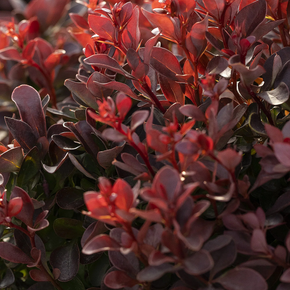
- Striking deep red new growth emerges each spring, maturing to dense, lustrous bright green foliage that delivers year-round color and texture
- Naturally pyramidal, columnar form requires minimal shaping, yet takes exceptionally well to shearing for formal hedges, topiaries, and sculpted accents
- A male holly cultivar developed at the University of Georgia, offering a versatile, low-maintenance evergreen shrub ideal for privacy screens, specimen plantings, and mass plantings
- Moderate growth rate and a tidy, upright habit make it one of the best choices for creating refined, long-lasting vertical structure in the landscape
Ruby Colonnade Holly (Ilex x crenata 'RutHol5') is a standout evergreen shrub that earns its name through an impressive combination of bold seasonal color and refined architectural form. Each spring, fresh growth emerges in a rich, deep red hue before gradually transitioning to the dense, glossy bright green that characterizes the plant for the remainder of the year. Developed at the University of Georgia and introduced to the nursery trade in 2022, this male holly hybrid boasts a naturally columnar to pyramidal habit, reaching 10 to 12 feet tall and 6 to 8 feet wide at maturity, with a moderate growth rate that keeps it manageable in a variety of settings. Its small, spineless, lustrous leaves are tightly packed on the stems, creating a full, even texture that makes it an outstanding candidate for formal topiary work, clipped hedges, entryway accents, privacy screens, or simply a no-fuss specimen plant that looks polished year-round. Hardy in USDA Zones 7 through 9, Ruby Colonnade Holly performs best in full sun with well-drained, moderately moist, acidic soil. Whether left to develop its natural shape or pruned into a crisp formal form, this exceptional holly brings structure, seasonal interest, and enduring elegance to Southern Oregon and Northern California landscapes alike.
Plant Description
Ruby Colonnade Holly is a refined evergreen shrub prized for its dual-season foliage display and naturally upright habit. In spring, emerging leaves unfurl in a striking deep red color that gradually matures to dense, glossy bright green as the season progresses. The small, spineless leaves are tightly arranged along the stems, creating a lush, uniform texture with a distinct sheen that highlights the shrub's strong architectural silhouette throughout the year. As a male holly cultivar, it produces no ornamental berries, but its exceptional foliage color, form, and versatility more than compensate. This holly was developed at the University of Georgia through their plant breeding program and introduced commercially in 2022, representing one of the most exciting new evergreen introductions for warm-climate gardens in recent years.
Mature Size and Growth Rate
| Characteristic | Detail |
|---|---|
| Mature Height | 10 to 12 feet |
| Mature Width | 6 to 8 feet |
| Growth Habit | Columnar to pyramidal, upright |
| Growth Rate | Moderate |
| Recommended Spacing (hedge) | 6 to 8 feet apart |
Hardiness Zones
Ruby Colonnade Holly is rated for USDA Hardiness Zones 7 through 9 (Zone 7a minimum through Zone 9b maximum), tolerating winter temperatures down to approximately 0 degrees Fahrenheit. This range makes it an excellent fit for the mild winters of Southern Oregon and Northern California. It is not recommended for areas with prolonged hard freezes below Zone 7. In the warmer end of its range, it appreciates consistent soil moisture and benefits from a layer of mulch to keep roots cool during summer heat.
Sunlight Requirements
Ruby Colonnade Holly performs best in full sun, receiving six or more hours of direct sunlight per day. Full sun exposure encourages the most vivid and dramatic red new-growth color in spring, the densest foliage, and the most compact, symmetrical form. While it can tolerate partial sun (morning sun with afternoon shade), reduced light tends to result in looser growth and less intense seasonal color. For hedges, screens, and topiary where a tight, formal appearance is desired, a full sun location is strongly preferred.
Soil and pH Preferences
Like all Japanese holly hybrids, Ruby Colonnade thrives in well-drained, acidic soil with a pH below 6.0. It tolerates a range of soil textures including clay, loam, and sandy soils, provided drainage is adequate. Poorly drained or waterlogged soils can lead to root rot issues, which are a known vulnerability for Ilex crenata types. Enriching the planting area with organic matter such as compost will improve both drainage and moisture retention. If your native soil is alkaline or neutral, amend it with sulfur or use an acidifying fertilizer to bring pH into the preferred range. Yellowing of leaves (chlorosis) is often a sign that soil pH is too high, limiting the plant's ability to absorb iron and other micronutrients.
Watering Guide
Ruby Colonnade Holly prefers consistently moist soil, especially during its first two to three years while establishing a deep root system. Water thoroughly at planting and maintain moderate, even soil moisture through the first growing season. Once established, the plant becomes more drought tolerant, but performs best with regular supplemental irrigation during hot, dry summers. Avoid overwatering or allowing water to pool around the root zone, as this can promote root rot. A 2 to 3 inch layer of organic mulch applied around the base of the plant (kept several inches away from the trunk) helps conserve soil moisture, moderate temperature, and reduce the frequency of watering needed.
Fertilizing
Feed Ruby Colonnade Holly once in early spring with a slow-release, acid-forming fertilizer formulated for hollies, azaleas, and camellias. This supports healthy new growth and helps sustain the rich deep red color of emerging leaves. Avoid over-fertilizing, particularly with high-nitrogen products, as excess nitrogen can inhibit compact growth and reduce the intensity of spring color. If foliage appears pale or yellow between the veins (a sign of iron or manganese deficiency due to high soil pH), apply a chelated iron supplement in addition to acidifying the soil. A second, lighter application of fertilizer in midsummer can be made in regions with a longer growing season, but should be avoided in late summer or fall to prevent stimulating tender new growth before winter.
Pruning and Maintenance
One of Ruby Colonnade Holly's greatest attributes is its naturally tidy, pyramidal form, which requires very little pruning to maintain an attractive shape on its own. For those who prefer a more sculpted or formal appearance, this holly responds exceptionally well to shearing and topiary work. Follow these guidelines for best results:
- Major structural pruning: Perform in late winter or very early spring, just before new growth begins, to shape the plant and remove any winter-damaged wood.
- Light shearing: Can be done in late spring after the first flush of new growth has hardened off to refine the shape and encourage denser branching.
- Late summer shearing: A second light shearing in late summer is acceptable if needed to maintain size and shape; avoid pruning after early fall.
- Topiary maintenance: For formal topiary shapes, shear lightly and frequently throughout the growing season as needed.
- Always use clean, sharp tools to avoid tearing stems and introducing disease.
Planting Instructions
- Select a full sun location with well-drained, acidic soil. Test soil pH and amend with sulfur if needed to bring pH below 6.0.
- Dig a planting hole two to three times wider than the root ball and equal to its depth. Avoid planting too deeply.
- Gently remove the plant from its container and loosen any circling roots before placing it in the hole.
- Position the plant so that the top of the root ball sits level with or slightly above the surrounding soil grade to ensure good drainage away from the crown.
- Backfill with the native soil, mixed with compost if needed. Tamp lightly to eliminate large air pockets but avoid excessive compaction.
- Water thoroughly at planting to settle the soil and eliminate remaining air pockets around the roots.
- Apply 2 to 3 inches of organic mulch (shredded bark, wood chips, or pine needles) in a wide ring around the base, keeping mulch a few inches away from the trunk.
- For hedges or screens, space plants 6 to 8 feet apart on center. Plants can be placed closer for a faster, denser screen effect.
- Container-grown plants can be planted year-round in mild climates, though spring and early fall are ideal to allow root establishment before summer heat or winter cold.
Landscape Uses
Ruby Colonnade Holly is one of the most versatile upright evergreen shrubs available for warm-climate landscapes. Its naturally columnar profile and year-round good looks make it suitable for a wide range of garden applications:
- Privacy screens and hedges: Its dense, upright growth makes it ideal for blocking views and buffering noise along property lines or driveways.
- Formal accent and specimen planting: The strong pyramidal form works beautifully as a stand-alone focal point in garden beds or near entryways.
- Topiary: Responds exceptionally well to shearing into cones, columns, spirals, or other formal shapes.
- Mass planting: Repeated plantings create a bold, unified mass of fine-textured evergreen foliage.
- Container gardening: Well-suited to large decorative containers for patios, porches, or entryways when young; transition to the garden as it matures.
- Foundation planting: Its upright habit and evergreen nature make it a strong choice for anchoring corners of homes and buildings.
- Vertical interest: Provides year-round architectural structure in mixed perennial or shrub borders.
Seasonal Interest
Ruby Colonnade Holly earns its place as a year-round landscape performer with interest in every season:
- Spring: The most dramatic season — new foliage flushes in vivid, deep red, creating a striking visual contrast against the older dark green leaves below. This color display can last several weeks before new growth matures to glossy bright green.
- Summer: Dense, lustrous deep green foliage covers the plant uniformly, providing a rich, polished backdrop for flowering perennials and other shrubs.
- Fall: Foliage remains deep, glossy green as surrounding plants begin to change, making Ruby Colonnade a reliable anchor of color and structure in the autumn garden.
- Winter: The evergreen foliage holds its color and dense form through winter, providing important structure and greenery in the off-season landscape when many other plants have gone dormant.
Companion Plants
Ruby Colonnade Holly pairs beautifully with a wide range of plants that share its preference for acidic, well-drained soil and full to part sun. Consider these complementary combinations:
- Encore Azaleas: Multi-season blooming azaleas add bold color alongside the holly's rich foliage, and both thrive in acidic soil conditions.
- Ornamental grasses: Fine-textured grasses such as Karl Foerster feather reed grass or Little Bluestem create an elegant contrast in texture and movement against the holly's dense, upright form.
- Loropetalum (Chinese fringe flower): Deep burgundy-leaved varieties create a stunning color echo with the ruby-red new growth in spring.
- Camellia: Both prefer acidic soil and shade tolerance; camellias add winter and early spring flowers while the holly provides structure.
- Dwarf conifers: Blue-toned conifers such as Blue Star juniper or Hoopsii blue spruce provide complementary cool tones against the warm green and red foliage.
- Hellebores: Shade-tolerant hellebores planted at the base provide early spring blooms beneath the holly's canopy.
- Indian hawthorn (Rhaphiolepis): A low-growing companion that also thrives in acidic, well-drained soil and adds seasonal flowers at a lower layer.
Pests and Diseases
Ruby Colonnade Holly is generally a low-maintenance, resilient shrub, but like other hollies in the Ilex crenata group, it can be susceptible to certain pests and diseases. Monitoring regularly and acting early is the best approach.
- Holly leafminer (Phytomyza ilicicola): Larvae tunnel inside leaves, creating blotchy or serpentine mines. Remove affected leaves and apply an appropriate insecticide in spring when adults are active.
- Spider mites: More common during hot, dry conditions. Look for stippled, bronzing foliage and fine webbing. Treat with horticultural oil or insecticidal soap and increase irrigation to reduce plant stress.
- Scale insects: Various scale species can colonize stems and leaves, causing yellowing and dieback. Treat with dormant oil in late winter or horticultural oil during the growing season.
- Root rot (Phytophthora spp.): A serious concern for Japanese holly types planted in poorly drained or waterlogged soil. Ensure excellent drainage at planting. There is no cure for severely affected plants; prevention through proper site selection is essential.
- Chlorosis (iron deficiency): Yellowing between leaf veins is typically caused by high soil pH restricting iron uptake. Correct with soil acidification and chelated iron applications.
- Deer resistance: Hollies are generally considered deer resistant, though no plant is completely immune to deer browsing when food is scarce.
Container Growing
Ruby Colonnade Holly is well-suited to container culture, especially while young, making it a versatile option for patios, entryways, and courtyard gardens. Use a large, sturdy container (at least 15 to 20 gallons) with excellent drainage holes and fill with a high-quality, acidic potting mix formulated for hollies, azaleas, or acid-loving plants. In containers, watering frequency will be higher than in-ground plantings — check soil moisture regularly and water thoroughly when the top inch of soil feels dry. Feed container-grown plants with a slow-release, acidifying fertilizer in early spring and supplement with a liquid fertilizer monthly through summer to support active growth. Repot every two to three years or when the plant becomes root-bound, stepping up to the next container size. In time, as the plant matures and outgrows a practical container size, transition it to the garden for long-term landscape use.
Toxicity and Safety
Ruby Colonnade Holly is a male cultivar and does not produce berries; however, as a member of the Ilex genus, all parts of holly plants are considered to have low-level toxicity if ingested. The primary concern with hollies is the fruit, which in berry-producing varieties can cause vomiting, diarrhea, and nausea if consumed by humans or pets. Since this cultivar produces no fruit, the risk is greatly reduced, but the foliage should still be kept away from children and pets who may chew on plant material. Holly does not cause contact dermatitis, and the leaves of this crenata type are spineless, making it safe to handle without the risk of puncture wounds associated with traditional spiny hollies. When pruning or shearing, dispose of clippings appropriately to minimize incidental ingestion by animals.
- Striking deep red new growth emerges each spring, maturing to dense, lustrous bright green foliage that delivers year-round color and texture
- Naturally pyramidal, columnar form requires minimal shaping, yet takes exceptionally well to shearing for formal hedges, topiaries, and sculpted accents
- A male holly cultivar developed at the University of Georgia, offering a versatile, low-maintenance evergreen shrub ideal for privacy screens, specimen plantings, and mass plantings
- Moderate growth rate and a tidy, upright habit make it one of the best choices for creating refined, long-lasting vertical structure in the landscape
Ruby Colonnade Holly (Ilex x crenata 'RutHol5') is a standout evergreen shrub that earns its name through an impressive combination of bold seasonal color and refined architectural form. Each spring, fresh growth emerges in a rich, deep red hue before gradually transitioning to the dense, glossy bright green that characterizes the plant for the remainder of the year. Developed at the University of Georgia and introduced to the nursery trade in 2022, this male holly hybrid boasts a naturally columnar to pyramidal habit, reaching 10 to 12 feet tall and 6 to 8 feet wide at maturity, with a moderate growth rate that keeps it manageable in a variety of settings. Its small, spineless, lustrous leaves are tightly packed on the stems, creating a full, even texture that makes it an outstanding candidate for formal topiary work, clipped hedges, entryway accents, privacy screens, or simply a no-fuss specimen plant that looks polished year-round. Hardy in USDA Zones 7 through 9, Ruby Colonnade Holly performs best in full sun with well-drained, moderately moist, acidic soil. Whether left to develop its natural shape or pruned into a crisp formal form, this exceptional holly brings structure, seasonal interest, and enduring elegance to Southern Oregon and Northern California landscapes alike.
Plant Description
Ruby Colonnade Holly is a refined evergreen shrub prized for its dual-season foliage display and naturally upright habit. In spring, emerging leaves unfurl in a striking deep red color that gradually matures to dense, glossy bright green as the season progresses. The small, spineless leaves are tightly arranged along the stems, creating a lush, uniform texture with a distinct sheen that highlights the shrub's strong architectural silhouette throughout the year. As a male holly cultivar, it produces no ornamental berries, but its exceptional foliage color, form, and versatility more than compensate. This holly was developed at the University of Georgia through their plant breeding program and introduced commercially in 2022, representing one of the most exciting new evergreen introductions for warm-climate gardens in recent years.
Mature Size and Growth Rate
| Characteristic | Detail |
|---|---|
| Mature Height | 10 to 12 feet |
| Mature Width | 6 to 8 feet |
| Growth Habit | Columnar to pyramidal, upright |
| Growth Rate | Moderate |
| Recommended Spacing (hedge) | 6 to 8 feet apart |
Hardiness Zones
Ruby Colonnade Holly is rated for USDA Hardiness Zones 7 through 9 (Zone 7a minimum through Zone 9b maximum), tolerating winter temperatures down to approximately 0 degrees Fahrenheit. This range makes it an excellent fit for the mild winters of Southern Oregon and Northern California. It is not recommended for areas with prolonged hard freezes below Zone 7. In the warmer end of its range, it appreciates consistent soil moisture and benefits from a layer of mulch to keep roots cool during summer heat.
Sunlight Requirements
Ruby Colonnade Holly performs best in full sun, receiving six or more hours of direct sunlight per day. Full sun exposure encourages the most vivid and dramatic red new-growth color in spring, the densest foliage, and the most compact, symmetrical form. While it can tolerate partial sun (morning sun with afternoon shade), reduced light tends to result in looser growth and less intense seasonal color. For hedges, screens, and topiary where a tight, formal appearance is desired, a full sun location is strongly preferred.
Soil and pH Preferences
Like all Japanese holly hybrids, Ruby Colonnade thrives in well-drained, acidic soil with a pH below 6.0. It tolerates a range of soil textures including clay, loam, and sandy soils, provided drainage is adequate. Poorly drained or waterlogged soils can lead to root rot issues, which are a known vulnerability for Ilex crenata types. Enriching the planting area with organic matter such as compost will improve both drainage and moisture retention. If your native soil is alkaline or neutral, amend it with sulfur or use an acidifying fertilizer to bring pH into the preferred range. Yellowing of leaves (chlorosis) is often a sign that soil pH is too high, limiting the plant's ability to absorb iron and other micronutrients.
Watering Guide
Ruby Colonnade Holly prefers consistently moist soil, especially during its first two to three years while establishing a deep root system. Water thoroughly at planting and maintain moderate, even soil moisture through the first growing season. Once established, the plant becomes more drought tolerant, but performs best with regular supplemental irrigation during hot, dry summers. Avoid overwatering or allowing water to pool around the root zone, as this can promote root rot. A 2 to 3 inch layer of organic mulch applied around the base of the plant (kept several inches away from the trunk) helps conserve soil moisture, moderate temperature, and reduce the frequency of watering needed.
Fertilizing
Feed Ruby Colonnade Holly once in early spring with a slow-release, acid-forming fertilizer formulated for hollies, azaleas, and camellias. This supports healthy new growth and helps sustain the rich deep red color of emerging leaves. Avoid over-fertilizing, particularly with high-nitrogen products, as excess nitrogen can inhibit compact growth and reduce the intensity of spring color. If foliage appears pale or yellow between the veins (a sign of iron or manganese deficiency due to high soil pH), apply a chelated iron supplement in addition to acidifying the soil. A second, lighter application of fertilizer in midsummer can be made in regions with a longer growing season, but should be avoided in late summer or fall to prevent stimulating tender new growth before winter.
Pruning and Maintenance
One of Ruby Colonnade Holly's greatest attributes is its naturally tidy, pyramidal form, which requires very little pruning to maintain an attractive shape on its own. For those who prefer a more sculpted or formal appearance, this holly responds exceptionally well to shearing and topiary work. Follow these guidelines for best results:
- Major structural pruning: Perform in late winter or very early spring, just before new growth begins, to shape the plant and remove any winter-damaged wood.
- Light shearing: Can be done in late spring after the first flush of new growth has hardened off to refine the shape and encourage denser branching.
- Late summer shearing: A second light shearing in late summer is acceptable if needed to maintain size and shape; avoid pruning after early fall.
- Topiary maintenance: For formal topiary shapes, shear lightly and frequently throughout the growing season as needed.
- Always use clean, sharp tools to avoid tearing stems and introducing disease.
Planting Instructions
- Select a full sun location with well-drained, acidic soil. Test soil pH and amend with sulfur if needed to bring pH below 6.0.
- Dig a planting hole two to three times wider than the root ball and equal to its depth. Avoid planting too deeply.
- Gently remove the plant from its container and loosen any circling roots before placing it in the hole.
- Position the plant so that the top of the root ball sits level with or slightly above the surrounding soil grade to ensure good drainage away from the crown.
- Backfill with the native soil, mixed with compost if needed. Tamp lightly to eliminate large air pockets but avoid excessive compaction.
- Water thoroughly at planting to settle the soil and eliminate remaining air pockets around the roots.
- Apply 2 to 3 inches of organic mulch (shredded bark, wood chips, or pine needles) in a wide ring around the base, keeping mulch a few inches away from the trunk.
- For hedges or screens, space plants 6 to 8 feet apart on center. Plants can be placed closer for a faster, denser screen effect.
- Container-grown plants can be planted year-round in mild climates, though spring and early fall are ideal to allow root establishment before summer heat or winter cold.
Landscape Uses
Ruby Colonnade Holly is one of the most versatile upright evergreen shrubs available for warm-climate landscapes. Its naturally columnar profile and year-round good looks make it suitable for a wide range of garden applications:
- Privacy screens and hedges: Its dense, upright growth makes it ideal for blocking views and buffering noise along property lines or driveways.
- Formal accent and specimen planting: The strong pyramidal form works beautifully as a stand-alone focal point in garden beds or near entryways.
- Topiary: Responds exceptionally well to shearing into cones, columns, spirals, or other formal shapes.
- Mass planting: Repeated plantings create a bold, unified mass of fine-textured evergreen foliage.
- Container gardening: Well-suited to large decorative containers for patios, porches, or entryways when young; transition to the garden as it matures.
- Foundation planting: Its upright habit and evergreen nature make it a strong choice for anchoring corners of homes and buildings.
- Vertical interest: Provides year-round architectural structure in mixed perennial or shrub borders.
Seasonal Interest
Ruby Colonnade Holly earns its place as a year-round landscape performer with interest in every season:
- Spring: The most dramatic season — new foliage flushes in vivid, deep red, creating a striking visual contrast against the older dark green leaves below. This color display can last several weeks before new growth matures to glossy bright green.
- Summer: Dense, lustrous deep green foliage covers the plant uniformly, providing a rich, polished backdrop for flowering perennials and other shrubs.
- Fall: Foliage remains deep, glossy green as surrounding plants begin to change, making Ruby Colonnade a reliable anchor of color and structure in the autumn garden.
- Winter: The evergreen foliage holds its color and dense form through winter, providing important structure and greenery in the off-season landscape when many other plants have gone dormant.
Companion Plants
Ruby Colonnade Holly pairs beautifully with a wide range of plants that share its preference for acidic, well-drained soil and full to part sun. Consider these complementary combinations:
- Encore Azaleas: Multi-season blooming azaleas add bold color alongside the holly's rich foliage, and both thrive in acidic soil conditions.
- Ornamental grasses: Fine-textured grasses such as Karl Foerster feather reed grass or Little Bluestem create an elegant contrast in texture and movement against the holly's dense, upright form.
- Loropetalum (Chinese fringe flower): Deep burgundy-leaved varieties create a stunning color echo with the ruby-red new growth in spring.
- Camellia: Both prefer acidic soil and shade tolerance; camellias add winter and early spring flowers while the holly provides structure.
- Dwarf conifers: Blue-toned conifers such as Blue Star juniper or Hoopsii blue spruce provide complementary cool tones against the warm green and red foliage.
- Hellebores: Shade-tolerant hellebores planted at the base provide early spring blooms beneath the holly's canopy.
- Indian hawthorn (Rhaphiolepis): A low-growing companion that also thrives in acidic, well-drained soil and adds seasonal flowers at a lower layer.
Pests and Diseases
Ruby Colonnade Holly is generally a low-maintenance, resilient shrub, but like other hollies in the Ilex crenata group, it can be susceptible to certain pests and diseases. Monitoring regularly and acting early is the best approach.
- Holly leafminer (Phytomyza ilicicola): Larvae tunnel inside leaves, creating blotchy or serpentine mines. Remove affected leaves and apply an appropriate insecticide in spring when adults are active.
- Spider mites: More common during hot, dry conditions. Look for stippled, bronzing foliage and fine webbing. Treat with horticultural oil or insecticidal soap and increase irrigation to reduce plant stress.
- Scale insects: Various scale species can colonize stems and leaves, causing yellowing and dieback. Treat with dormant oil in late winter or horticultural oil during the growing season.
- Root rot (Phytophthora spp.): A serious concern for Japanese holly types planted in poorly drained or waterlogged soil. Ensure excellent drainage at planting. There is no cure for severely affected plants; prevention through proper site selection is essential.
- Chlorosis (iron deficiency): Yellowing between leaf veins is typically caused by high soil pH restricting iron uptake. Correct with soil acidification and chelated iron applications.
- Deer resistance: Hollies are generally considered deer resistant, though no plant is completely immune to deer browsing when food is scarce.
Container Growing
Ruby Colonnade Holly is well-suited to container culture, especially while young, making it a versatile option for patios, entryways, and courtyard gardens. Use a large, sturdy container (at least 15 to 20 gallons) with excellent drainage holes and fill with a high-quality, acidic potting mix formulated for hollies, azaleas, or acid-loving plants. In containers, watering frequency will be higher than in-ground plantings — check soil moisture regularly and water thoroughly when the top inch of soil feels dry. Feed container-grown plants with a slow-release, acidifying fertilizer in early spring and supplement with a liquid fertilizer monthly through summer to support active growth. Repot every two to three years or when the plant becomes root-bound, stepping up to the next container size. In time, as the plant matures and outgrows a practical container size, transition it to the garden for long-term landscape use.
Toxicity and Safety
Ruby Colonnade Holly is a male cultivar and does not produce berries; however, as a member of the Ilex genus, all parts of holly plants are considered to have low-level toxicity if ingested. The primary concern with hollies is the fruit, which in berry-producing varieties can cause vomiting, diarrhea, and nausea if consumed by humans or pets. Since this cultivar produces no fruit, the risk is greatly reduced, but the foliage should still be kept away from children and pets who may chew on plant material. Holly does not cause contact dermatitis, and the leaves of this crenata type are spineless, making it safe to handle without the risk of puncture wounds associated with traditional spiny hollies. When pruning or shearing, dispose of clippings appropriately to minimize incidental ingestion by animals.