Zoom the image with the mouse
Little Rascal Holly - 1 Gallon
SKU:
2094715
UPC:
014949453513
$22.99
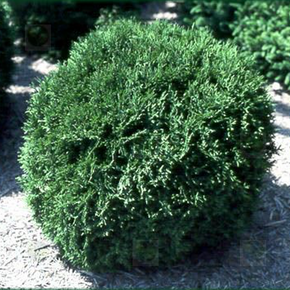
- Exceptionally cold-hardy dwarf evergreen holly with a tidy, naturally rounded, mounding form that stays under 3 feet tall and wide — no heavy shearing needed.
- Glossy, spiny dark green foliage puts on a dramatic show in winter as the leaves deepen to rich purple-bronze, delivering striking year-round color and texture.
- A male (non-fruiting) pollinator selection that is essential for unlocking berry production on nearby female blue holly cultivars such as Blue Princess or Blue Girl.
- Deer-resistant and low-maintenance — thrives in full sun to partial shade with excellent cold hardiness into USDA Zone 5, making it one of the toughest evergreen shrubs available.
Little Rascal Holly (Ilex x meserveae 'Mondo') is a dwarf, male Meserve hybrid holly that earns its place in the modern landscape through a winning combination of exceptional cold hardiness, compact structure, and dramatic seasonal foliage color. This slow-growing broadleaf evergreen shrub forms a naturally dense, rounded mound of glossy, spiny dark green leaves that transition to deep purple-bronze tones in winter, providing a bold contrast against snow or paired plantings. As a male selection, Little Rascal does not produce berries of its own but serves as a critical pollinator for female blue holly varieties — plant one Little Rascal within 50 feet of every three to five female hollies such as Blue Princess or Blue Girl to ensure a spectacular berry display. Hardy in USDA Zones 5a through 9b, it tolerates both full sun and partial shade and performs best in moist, well-drained, moderately fertile, slightly acidic soil. Its compact 2-to-3-foot size, low maintenance requirements, and deer resistance make it an outstanding choice for foundation plantings, low hedges, border edging, mass plantings, and container growing in gardens across Southern Oregon and Northern California.
Plant Description
Little Rascal Holly is a dwarf, multi-stemmed broadleaf evergreen shrub in the Aquifoliaceae (holly) family. It is an interspecific hybrid developed from crosses between Ilex aquifolium (English holly) and Ilex rugosa (prostrate holly), resulting in a plant that combines the ornamental elegance of English holly with exceptional cold-weather toughness. The cultivar name 'Mondo' distinguishes this male selection, which was bred specifically for its tight, compact mounding habit and outstanding winter foliage color. The leaves are simple, alternate, ovate, 1 to 2.5 inches long, with a leathery, waxy, glossy surface and 4 to 8 flexible but sharp spines per margin. Stems are stout and purplish-green when young, transitioning to greenish-tan as they mature. In spring, small, white to creamy-white flowers appear in inconspicuous clusters; although modest in appearance, they are fragrant and attractive to bees. Because this is a dioecious species — meaning male and female flowers occur on separate plants — Little Rascal produces pollen but no fruit, making it indispensable as a pollenizer rather than a fruiting plant.
Mature Size and Growth Rate
| Characteristic | Details |
|---|---|
| Mature Height | 2 to 3 feet |
| Mature Spread | 2 to 3 feet |
| Growth Habit | Compact, dense, rounded, mounding |
| Growth Rate | Slow |
| Time to Reach Mature Size | 10 to 20 years under ideal conditions |
| Recommended Spacing | 3 feet on center for mass plantings |
| Longevity | 40 years or more under ideal conditions |
Little Rascal is one of the most compact Meserve hollies available. Its slow growth rate means it naturally stays tidy with minimal pruning, filling out right to the ground without requiring facer plants in front. This dwarf habit makes it especially well suited to smaller modern gardens and foundation beds where larger hollies would quickly overwhelm the space.
Hardiness Zones and Climate Tolerance
Little Rascal Holly is reliably hardy in USDA Zones 5a through 9b, making it one of the most cold-tough broadleaf evergreen shrubs available to home gardeners. It tolerates temperatures well below 0 degrees Fahrenheit without significant damage, a trait inherited from its Ilex rugosa parentage. In Southern Oregon and Northern California, it performs exceptionally across a broad range of microclimates — from the cooler inland valleys and higher elevations to the milder coastal foothills. In areas with hot summers such as the inland valleys of Northern California, situating the plant where it receives some afternoon shade will prevent foliage scorch. In very exposed locations with drying winter winds, applying a thick layer of mulch over the root zone in late fall helps protect the roots, and an anti-desiccant spray applied to the foliage before freezing weather can reduce winter leaf burn. The plant is also noted for moderate tolerance of urban pollution conditions.
Sunlight Requirements
Little Rascal Holly thrives in full sun to partial shade. For the best foliage density and deepest winter color, a site receiving 4 to 6 or more hours of direct sunlight daily is ideal. In the hotter inland climates of Northern California and Southern Oregon, partial shade — especially protection from intense afternoon sun — helps prevent leaf scorch and keeps the foliage looking its best through summer. Avoid planting in deeply shaded sites, as reduced light leads to open, leggy growth and diminished foliage quality. A location with morning sun and light afternoon shade often represents the ideal compromise in warmer inland gardens.
Soil and pH Preferences
This holly demands well-drained, consistently moist soil with a moderately high organic matter content. It performs best in slightly acidic to acidic soils with a pH range of approximately 5.0 to 6.5. Alkaline soils above pH 7.0 cause chlorosis — a yellowing of the foliage due to iron deficiency — that can weaken the plant over time. If your native soil is heavy clay or alkaline, amend the planting area generously with compost, peat moss, or aged bark fines to lower pH and improve drainage before planting. Sandy, fast-draining soils benefit from the addition of compost to improve moisture retention. Avoid planting in low spots or areas with standing water, as waterlogged roots will cause rapid decline. A soil test prior to planting is strongly recommended in areas with unknown soil pH.
- Ideal pH: 5.0 to 6.5
- Preferred soil types: Loam, clay loam, amended sandy soils, high-organic soils
- Drainage: Well-drained; never allow roots to sit in standing water
- Amendments: Compost, peat moss, or acidified bark fines work well at planting time
Watering Guide
Consistent moisture is key to establishing and maintaining a healthy Little Rascal Holly. During the first one to two growing seasons, water deeply and regularly — roughly once or twice per week in the absence of rainfall — to encourage strong root development. Once established, the plant is moderately drought-tolerant but still performs best with regular irrigation during extended dry spells, which are common in Southern Oregon and Northern California summers. Apply a 2-to-3-inch layer of organic mulch (bark chips, wood chips, or shredded leaves) around the root zone to retain soil moisture, moderate soil temperature, and suppress weeds. Keep mulch pulled back a few inches from the main stems to prevent crown rot. In fall before the ground freezes, give the plant a thorough deep watering to help it enter the dormant season with adequate stored moisture and reduce the risk of winter leaf desiccation.
Fertilizing
Feed Little Rascal Holly once per year in early spring, just before new growth begins. Use a fertilizer formulated specifically for acid-loving plants and hollies, such as a holly-tone or azalea-camellia type product with a slightly higher nitrogen component. A granular slow-release formula applied according to package rates around the drip line works well and avoids the risk of burning roots. Avoid fertilizing after mid-summer, as late-season fertilization can push tender new growth that is susceptible to frost damage. If foliage yellowing (chlorosis) occurs in summer, it is most often a sign of high soil pH rather than a true nutrient deficiency; address this by acidifying the soil with elemental sulfur or an acidifying fertilizer and confirming soil pH. Do not over-fertilize — excessive nitrogen produces rank, soft growth that is more vulnerable to pests and cold damage.
- Timing: Once in early spring before new growth emerges
- Product type: Acid-forming, holly-specific or azalea-camellia fertilizer
- Application method: Broadcast granules evenly under the canopy to the drip line
- Do not fertilize after August in your region
Pruning and Maintenance
One of the great appeals of Little Rascal Holly is its naturally compact, rounded growth habit that requires very little corrective pruning. Left alone, it maintains an attractive mounded shape on its own. When pruning is desired to tidy the plant or reduce size slightly, late winter to very early spring — just before new growth begins — is the best time, after the worst cold has passed. Avoid pruning in fall, as this stimulates tender new growth that can be damaged by early frosts. Use clean, sharp bypass pruners or hedge shears for cutting. Because this is a slow-growing plant, aggressive pruning is rarely necessary and can temporarily set back its appearance. Remove any dead, damaged, or crossing branches at any time of year. Applying a fresh layer of mulch each spring and keeping the root zone free of competing weeds will reduce overall maintenance needs significantly.
Planting Instructions
- Choose a site with full sun to partial shade and good drainage. Avoid low spots prone to water pooling.
- Test soil pH and amend with compost and sulfur if the native soil is above pH 6.5.
- Dig a planting hole two to three times as wide as the root ball but no deeper than the root ball height. The top of the root ball should be level with or slightly above the surrounding soil grade.
- Gently loosen any circling roots before placing the plant in the hole.
- Backfill with the original soil mixed with compost (roughly one part compost to two parts native soil). Do not add amendments so heavily that you create a "bathtub" effect that holds water.
- Water thoroughly to settle the soil and eliminate air pockets around the roots.
- Apply a 2-to-3-inch layer of organic mulch over the root zone, keeping it pulled back 2 to 3 inches from the base of the stems.
- Water regularly through the first two growing seasons to ensure successful establishment. In Southern Oregon and Northern California, this means consistent irrigation through the dry summer months.
Role as a Pollinator Holly
Little Rascal is a male holly, meaning it produces pollen-bearing flowers but never sets fruit. Its role in the landscape is as a critical pollinator for female Ilex x meserveae cultivars. Without a nearby male plant, female hollies will flower but produce no berries. As a general rule, one male holly plant can effectively pollinate three to five female plants within a radius of approximately 50 feet, as bees carry pollen between plants during the spring bloom period. Compatible female cultivars that benefit from Little Rascal as a pollenizer include Blue Princess, Blue Girl, Blue Angel, Blue Maid, and China Girl, among others. Little Rascal's compact size makes it easy to tuck into a mixed holly planting or foundation bed alongside larger female selections without competing for space. Its small white spring flowers, while inconspicuous, are attractive to native bees and honeybees, supporting the local pollinator community at the same time.
Seasonal Interest
| Season | Ornamental Feature |
|---|---|
| Spring | Fresh new growth emerges; small, fragrant white flowers appear in clusters, attracting bees and early-season pollinators |
| Summer | Dense, glossy, spiny dark green foliage provides lush, rich texture; compact mounded form is at its fullest |
| Fall | Foliage remains deep green; plant begins transitioning as temperatures cool; pairs beautifully with fall-fruiting female hollies nearby |
| Winter | Leaves deepen to dramatic purple-bronze tones, offering bold color contrast against winter landscapes; evergreen structure provides year-round garden presence |
Landscape Uses
Little Rascal Holly's tidy, compact habit and year-round visual interest make it remarkably versatile in the landscape. Some of its most effective uses include:
- Foundation plantings: Its low, mounding form fits perfectly at the base of walls, under windows, and along building foundations without obscuring sightlines.
- Low hedges and edging: Planted in a row at 3-foot spacings, Little Rascal forms a dense, attractive informal hedge or border edging with minimal maintenance.
- Mass plantings: Groups of three or more plants create a bold, unified groundcover-style mass with excellent weed-suppressing density once established.
- Mixed shrub borders: Pairs beautifully with larger female holly cultivars, camellias, rhododendrons, pieris, and ornamental grasses for layered, textured planting beds.
- Specimen or accent plant: Its tidy, sculptural mound form makes it a refined specimen in a focal area of the garden.
- Container growing: Suitable for large outdoor pots and planters on patios, porches, and entryways; provides year-round evergreen structure in container compositions.
- Slope or bank stabilization: Dense rooting and low maintenance make it a practical choice for stabilizing slopes in erosion-prone areas.
Companion Plants
Little Rascal Holly combines beautifully with plants that share its preference for acidic, moist, well-drained soil and offer contrasting textures, forms, or seasonal color. Consider these companion planting ideas:
- Female blue hollies (Ilex x meserveae 'Blue Princess', 'Blue Girl', 'Blue Angel'): The natural pairing — plant Little Rascal as the essential pollinator to unlock spectacular winter berry displays on these female selections.
- Rhododendrons and azaleas: Share the same acidic soil preference and provide dramatic spring flower color above or behind the evergreen holly.
- Pieris japonica (Lily of the Valley Shrub): Offers delicate pendulous flower clusters in early spring and evergreen texture that complements holly foliage beautifully.
- Dwarf conifers (Dwarf Alberta Spruce, compact junipers): Provide contrasting needle texture and form in mixed evergreen borders.
- Boxwood (Buxus): A classic pairing for formal or semi-formal hedging and foundation borders.
- Hellebores: Shade-tolerant perennials that thrive under the partial canopy of hollies and bloom in late winter to early spring.
- Hostas and ferns: Ideal underplanting for the partially shaded zone beneath or in front of holly groupings, adding soft foliar texture.
- Ornamental grasses (Hakonechloa, Carex): Provide fine-textured, flowing contrast to the stiff, spiny holly foliage.
Pests and Diseases
Little Rascal Holly has no serious pest or disease problems and is generally considered a tough, trouble-free shrub when grown in appropriate conditions. However, be aware of the following potential issues:
- Holly leaf miner: Small fly larvae tunnel through leaf tissue, leaving pale blotchy trails. Remove and dispose of affected leaves; apply neem oil or spinosad in late spring as a preventive measure.
- Scale insects: Soft or armored scales may occasionally appear on stems. Treat with horticultural oil applied during the dormant season or with insecticidal soap in summer.
- Spider mites: More common during hot, dry periods. Dislodge with a strong spray of water; treat severe infestations with insecticidal soap or neem oil.
- Whiteflies: Occasionally present; treat with insecticidal soap or yellow sticky traps.
- Leaf scorch / winter desiccation: Brown leaf edges in late winter result from drying winds pulling moisture out of the evergreen foliage faster than frozen roots can replace it. Site plants out of prevailing winter winds; apply anti-desiccant spray in fall; water deeply before freeze-up.
- Chlorosis (leaf yellowing): Almost always caused by alkaline soil pH rather than a true nutrient deficiency. Correct by acidifying the soil and confirming pH is below 6.5.
- Phytophthora root rot: Occurs in poorly drained, waterlogged soils. Prevent by ensuring excellent drainage at the planting site.
Container Growing
Little Rascal Holly is an excellent candidate for container culture on patios, porches, and entryways in Southern Oregon and Northern California. Its slow growth rate and naturally compact form mean it stays in scale with containers for many years. Use a large container — at least 15 to 20 gallons — with ample drainage holes to prevent waterlogging. Fill with a high-quality, slightly acidic potting mix formulated for acid-loving plants; amending standard potting mix with peat moss or coir and perlite improves drainage and pH. Container-grown hollies dry out more quickly than those in the ground, so check soil moisture frequently during warm weather and water whenever the top inch of soil feels dry. Fertilize container plants with a diluted, acid-forming liquid fertilizer every four to six weeks from spring through mid-summer. In colder inland locations, move containers against a sheltered wall or into an unheated garage during the most extreme winter cold snaps to protect the root ball, which is more exposed to freezing temperatures than roots in the ground.
Wildlife Value
Although Little Rascal is a male holly and does not produce berries itself, it plays a vital ecological role by providing pollen to bees and other pollinators during its spring bloom period. Members of the Ilex genus are known to support specialist native bee species, and the small white flowers attract honeybees and various native bees early in the season when other food sources may still be scarce. The dense, spiny evergreen foliage of established holly plantings also provides year-round shelter and nesting cover for songbirds and small wildlife. In mixed plantings with fruiting female hollies, Little Rascal's role as the pollinator directly enables the berry production that feeds robins, waxwings, bluebirds, hermit thrushes, and other berry-eating bird species through fall and winter. The plant is also reliably deer-resistant, making it a valuable choice in landscapes that experience deer pressure.
Toxicity and Safety
While Little Rascal Holly is a male plant and does not bear berries, it is important to be aware of holly toxicity when growing any Ilex species in a family garden. Holly berries produced by nearby female plants contain saponins and are considered mildly to moderately toxic to humans, particularly young children, and to pets including dogs and cats. Ingestion of berries can cause nausea, vomiting, diarrhea, and lethargy. The leaves, with their sharp spines, can also cause physical injury if handled carelessly. It is advisable to wear gloves when pruning or handling holly plants. Always keep children and pets away from areas where female holly berries have dropped. Contact a poison control center or veterinarian immediately if berry ingestion is suspected.
- Exceptionally cold-hardy dwarf evergreen holly with a tidy, naturally rounded, mounding form that stays under 3 feet tall and wide — no heavy shearing needed.
- Glossy, spiny dark green foliage puts on a dramatic show in winter as the leaves deepen to rich purple-bronze, delivering striking year-round color and texture.
- A male (non-fruiting) pollinator selection that is essential for unlocking berry production on nearby female blue holly cultivars such as Blue Princess or Blue Girl.
- Deer-resistant and low-maintenance — thrives in full sun to partial shade with excellent cold hardiness into USDA Zone 5, making it one of the toughest evergreen shrubs available.
Little Rascal Holly (Ilex x meserveae 'Mondo') is a dwarf, male Meserve hybrid holly that earns its place in the modern landscape through a winning combination of exceptional cold hardiness, compact structure, and dramatic seasonal foliage color. This slow-growing broadleaf evergreen shrub forms a naturally dense, rounded mound of glossy, spiny dark green leaves that transition to deep purple-bronze tones in winter, providing a bold contrast against snow or paired plantings. As a male selection, Little Rascal does not produce berries of its own but serves as a critical pollinator for female blue holly varieties — plant one Little Rascal within 50 feet of every three to five female hollies such as Blue Princess or Blue Girl to ensure a spectacular berry display. Hardy in USDA Zones 5a through 9b, it tolerates both full sun and partial shade and performs best in moist, well-drained, moderately fertile, slightly acidic soil. Its compact 2-to-3-foot size, low maintenance requirements, and deer resistance make it an outstanding choice for foundation plantings, low hedges, border edging, mass plantings, and container growing in gardens across Southern Oregon and Northern California.
Plant Description
Little Rascal Holly is a dwarf, multi-stemmed broadleaf evergreen shrub in the Aquifoliaceae (holly) family. It is an interspecific hybrid developed from crosses between Ilex aquifolium (English holly) and Ilex rugosa (prostrate holly), resulting in a plant that combines the ornamental elegance of English holly with exceptional cold-weather toughness. The cultivar name 'Mondo' distinguishes this male selection, which was bred specifically for its tight, compact mounding habit and outstanding winter foliage color. The leaves are simple, alternate, ovate, 1 to 2.5 inches long, with a leathery, waxy, glossy surface and 4 to 8 flexible but sharp spines per margin. Stems are stout and purplish-green when young, transitioning to greenish-tan as they mature. In spring, small, white to creamy-white flowers appear in inconspicuous clusters; although modest in appearance, they are fragrant and attractive to bees. Because this is a dioecious species — meaning male and female flowers occur on separate plants — Little Rascal produces pollen but no fruit, making it indispensable as a pollenizer rather than a fruiting plant.
Mature Size and Growth Rate
| Characteristic | Details |
|---|---|
| Mature Height | 2 to 3 feet |
| Mature Spread | 2 to 3 feet |
| Growth Habit | Compact, dense, rounded, mounding |
| Growth Rate | Slow |
| Time to Reach Mature Size | 10 to 20 years under ideal conditions |
| Recommended Spacing | 3 feet on center for mass plantings |
| Longevity | 40 years or more under ideal conditions |
Little Rascal is one of the most compact Meserve hollies available. Its slow growth rate means it naturally stays tidy with minimal pruning, filling out right to the ground without requiring facer plants in front. This dwarf habit makes it especially well suited to smaller modern gardens and foundation beds where larger hollies would quickly overwhelm the space.
Hardiness Zones and Climate Tolerance
Little Rascal Holly is reliably hardy in USDA Zones 5a through 9b, making it one of the most cold-tough broadleaf evergreen shrubs available to home gardeners. It tolerates temperatures well below 0 degrees Fahrenheit without significant damage, a trait inherited from its Ilex rugosa parentage. In Southern Oregon and Northern California, it performs exceptionally across a broad range of microclimates — from the cooler inland valleys and higher elevations to the milder coastal foothills. In areas with hot summers such as the inland valleys of Northern California, situating the plant where it receives some afternoon shade will prevent foliage scorch. In very exposed locations with drying winter winds, applying a thick layer of mulch over the root zone in late fall helps protect the roots, and an anti-desiccant spray applied to the foliage before freezing weather can reduce winter leaf burn. The plant is also noted for moderate tolerance of urban pollution conditions.
Sunlight Requirements
Little Rascal Holly thrives in full sun to partial shade. For the best foliage density and deepest winter color, a site receiving 4 to 6 or more hours of direct sunlight daily is ideal. In the hotter inland climates of Northern California and Southern Oregon, partial shade — especially protection from intense afternoon sun — helps prevent leaf scorch and keeps the foliage looking its best through summer. Avoid planting in deeply shaded sites, as reduced light leads to open, leggy growth and diminished foliage quality. A location with morning sun and light afternoon shade often represents the ideal compromise in warmer inland gardens.
Soil and pH Preferences
This holly demands well-drained, consistently moist soil with a moderately high organic matter content. It performs best in slightly acidic to acidic soils with a pH range of approximately 5.0 to 6.5. Alkaline soils above pH 7.0 cause chlorosis — a yellowing of the foliage due to iron deficiency — that can weaken the plant over time. If your native soil is heavy clay or alkaline, amend the planting area generously with compost, peat moss, or aged bark fines to lower pH and improve drainage before planting. Sandy, fast-draining soils benefit from the addition of compost to improve moisture retention. Avoid planting in low spots or areas with standing water, as waterlogged roots will cause rapid decline. A soil test prior to planting is strongly recommended in areas with unknown soil pH.
- Ideal pH: 5.0 to 6.5
- Preferred soil types: Loam, clay loam, amended sandy soils, high-organic soils
- Drainage: Well-drained; never allow roots to sit in standing water
- Amendments: Compost, peat moss, or acidified bark fines work well at planting time
Watering Guide
Consistent moisture is key to establishing and maintaining a healthy Little Rascal Holly. During the first one to two growing seasons, water deeply and regularly — roughly once or twice per week in the absence of rainfall — to encourage strong root development. Once established, the plant is moderately drought-tolerant but still performs best with regular irrigation during extended dry spells, which are common in Southern Oregon and Northern California summers. Apply a 2-to-3-inch layer of organic mulch (bark chips, wood chips, or shredded leaves) around the root zone to retain soil moisture, moderate soil temperature, and suppress weeds. Keep mulch pulled back a few inches from the main stems to prevent crown rot. In fall before the ground freezes, give the plant a thorough deep watering to help it enter the dormant season with adequate stored moisture and reduce the risk of winter leaf desiccation.
Fertilizing
Feed Little Rascal Holly once per year in early spring, just before new growth begins. Use a fertilizer formulated specifically for acid-loving plants and hollies, such as a holly-tone or azalea-camellia type product with a slightly higher nitrogen component. A granular slow-release formula applied according to package rates around the drip line works well and avoids the risk of burning roots. Avoid fertilizing after mid-summer, as late-season fertilization can push tender new growth that is susceptible to frost damage. If foliage yellowing (chlorosis) occurs in summer, it is most often a sign of high soil pH rather than a true nutrient deficiency; address this by acidifying the soil with elemental sulfur or an acidifying fertilizer and confirming soil pH. Do not over-fertilize — excessive nitrogen produces rank, soft growth that is more vulnerable to pests and cold damage.
- Timing: Once in early spring before new growth emerges
- Product type: Acid-forming, holly-specific or azalea-camellia fertilizer
- Application method: Broadcast granules evenly under the canopy to the drip line
- Do not fertilize after August in your region
Pruning and Maintenance
One of the great appeals of Little Rascal Holly is its naturally compact, rounded growth habit that requires very little corrective pruning. Left alone, it maintains an attractive mounded shape on its own. When pruning is desired to tidy the plant or reduce size slightly, late winter to very early spring — just before new growth begins — is the best time, after the worst cold has passed. Avoid pruning in fall, as this stimulates tender new growth that can be damaged by early frosts. Use clean, sharp bypass pruners or hedge shears for cutting. Because this is a slow-growing plant, aggressive pruning is rarely necessary and can temporarily set back its appearance. Remove any dead, damaged, or crossing branches at any time of year. Applying a fresh layer of mulch each spring and keeping the root zone free of competing weeds will reduce overall maintenance needs significantly.
Planting Instructions
- Choose a site with full sun to partial shade and good drainage. Avoid low spots prone to water pooling.
- Test soil pH and amend with compost and sulfur if the native soil is above pH 6.5.
- Dig a planting hole two to three times as wide as the root ball but no deeper than the root ball height. The top of the root ball should be level with or slightly above the surrounding soil grade.
- Gently loosen any circling roots before placing the plant in the hole.
- Backfill with the original soil mixed with compost (roughly one part compost to two parts native soil). Do not add amendments so heavily that you create a "bathtub" effect that holds water.
- Water thoroughly to settle the soil and eliminate air pockets around the roots.
- Apply a 2-to-3-inch layer of organic mulch over the root zone, keeping it pulled back 2 to 3 inches from the base of the stems.
- Water regularly through the first two growing seasons to ensure successful establishment. In Southern Oregon and Northern California, this means consistent irrigation through the dry summer months.
Role as a Pollinator Holly
Little Rascal is a male holly, meaning it produces pollen-bearing flowers but never sets fruit. Its role in the landscape is as a critical pollinator for female Ilex x meserveae cultivars. Without a nearby male plant, female hollies will flower but produce no berries. As a general rule, one male holly plant can effectively pollinate three to five female plants within a radius of approximately 50 feet, as bees carry pollen between plants during the spring bloom period. Compatible female cultivars that benefit from Little Rascal as a pollenizer include Blue Princess, Blue Girl, Blue Angel, Blue Maid, and China Girl, among others. Little Rascal's compact size makes it easy to tuck into a mixed holly planting or foundation bed alongside larger female selections without competing for space. Its small white spring flowers, while inconspicuous, are attractive to native bees and honeybees, supporting the local pollinator community at the same time.
Seasonal Interest
| Season | Ornamental Feature |
|---|---|
| Spring | Fresh new growth emerges; small, fragrant white flowers appear in clusters, attracting bees and early-season pollinators |
| Summer | Dense, glossy, spiny dark green foliage provides lush, rich texture; compact mounded form is at its fullest |
| Fall | Foliage remains deep green; plant begins transitioning as temperatures cool; pairs beautifully with fall-fruiting female hollies nearby |
| Winter | Leaves deepen to dramatic purple-bronze tones, offering bold color contrast against winter landscapes; evergreen structure provides year-round garden presence |
Landscape Uses
Little Rascal Holly's tidy, compact habit and year-round visual interest make it remarkably versatile in the landscape. Some of its most effective uses include:
- Foundation plantings: Its low, mounding form fits perfectly at the base of walls, under windows, and along building foundations without obscuring sightlines.
- Low hedges and edging: Planted in a row at 3-foot spacings, Little Rascal forms a dense, attractive informal hedge or border edging with minimal maintenance.
- Mass plantings: Groups of three or more plants create a bold, unified groundcover-style mass with excellent weed-suppressing density once established.
- Mixed shrub borders: Pairs beautifully with larger female holly cultivars, camellias, rhododendrons, pieris, and ornamental grasses for layered, textured planting beds.
- Specimen or accent plant: Its tidy, sculptural mound form makes it a refined specimen in a focal area of the garden.
- Container growing: Suitable for large outdoor pots and planters on patios, porches, and entryways; provides year-round evergreen structure in container compositions.
- Slope or bank stabilization: Dense rooting and low maintenance make it a practical choice for stabilizing slopes in erosion-prone areas.
Companion Plants
Little Rascal Holly combines beautifully with plants that share its preference for acidic, moist, well-drained soil and offer contrasting textures, forms, or seasonal color. Consider these companion planting ideas:
- Female blue hollies (Ilex x meserveae 'Blue Princess', 'Blue Girl', 'Blue Angel'): The natural pairing — plant Little Rascal as the essential pollinator to unlock spectacular winter berry displays on these female selections.
- Rhododendrons and azaleas: Share the same acidic soil preference and provide dramatic spring flower color above or behind the evergreen holly.
- Pieris japonica (Lily of the Valley Shrub): Offers delicate pendulous flower clusters in early spring and evergreen texture that complements holly foliage beautifully.
- Dwarf conifers (Dwarf Alberta Spruce, compact junipers): Provide contrasting needle texture and form in mixed evergreen borders.
- Boxwood (Buxus): A classic pairing for formal or semi-formal hedging and foundation borders.
- Hellebores: Shade-tolerant perennials that thrive under the partial canopy of hollies and bloom in late winter to early spring.
- Hostas and ferns: Ideal underplanting for the partially shaded zone beneath or in front of holly groupings, adding soft foliar texture.
- Ornamental grasses (Hakonechloa, Carex): Provide fine-textured, flowing contrast to the stiff, spiny holly foliage.
Pests and Diseases
Little Rascal Holly has no serious pest or disease problems and is generally considered a tough, trouble-free shrub when grown in appropriate conditions. However, be aware of the following potential issues:
- Holly leaf miner: Small fly larvae tunnel through leaf tissue, leaving pale blotchy trails. Remove and dispose of affected leaves; apply neem oil or spinosad in late spring as a preventive measure.
- Scale insects: Soft or armored scales may occasionally appear on stems. Treat with horticultural oil applied during the dormant season or with insecticidal soap in summer.
- Spider mites: More common during hot, dry periods. Dislodge with a strong spray of water; treat severe infestations with insecticidal soap or neem oil.
- Whiteflies: Occasionally present; treat with insecticidal soap or yellow sticky traps.
- Leaf scorch / winter desiccation: Brown leaf edges in late winter result from drying winds pulling moisture out of the evergreen foliage faster than frozen roots can replace it. Site plants out of prevailing winter winds; apply anti-desiccant spray in fall; water deeply before freeze-up.
- Chlorosis (leaf yellowing): Almost always caused by alkaline soil pH rather than a true nutrient deficiency. Correct by acidifying the soil and confirming pH is below 6.5.
- Phytophthora root rot: Occurs in poorly drained, waterlogged soils. Prevent by ensuring excellent drainage at the planting site.
Container Growing
Little Rascal Holly is an excellent candidate for container culture on patios, porches, and entryways in Southern Oregon and Northern California. Its slow growth rate and naturally compact form mean it stays in scale with containers for many years. Use a large container — at least 15 to 20 gallons — with ample drainage holes to prevent waterlogging. Fill with a high-quality, slightly acidic potting mix formulated for acid-loving plants; amending standard potting mix with peat moss or coir and perlite improves drainage and pH. Container-grown hollies dry out more quickly than those in the ground, so check soil moisture frequently during warm weather and water whenever the top inch of soil feels dry. Fertilize container plants with a diluted, acid-forming liquid fertilizer every four to six weeks from spring through mid-summer. In colder inland locations, move containers against a sheltered wall or into an unheated garage during the most extreme winter cold snaps to protect the root ball, which is more exposed to freezing temperatures than roots in the ground.
Wildlife Value
Although Little Rascal is a male holly and does not produce berries itself, it plays a vital ecological role by providing pollen to bees and other pollinators during its spring bloom period. Members of the Ilex genus are known to support specialist native bee species, and the small white flowers attract honeybees and various native bees early in the season when other food sources may still be scarce. The dense, spiny evergreen foliage of established holly plantings also provides year-round shelter and nesting cover for songbirds and small wildlife. In mixed plantings with fruiting female hollies, Little Rascal's role as the pollinator directly enables the berry production that feeds robins, waxwings, bluebirds, hermit thrushes, and other berry-eating bird species through fall and winter. The plant is also reliably deer-resistant, making it a valuable choice in landscapes that experience deer pressure.
Toxicity and Safety
While Little Rascal Holly is a male plant and does not bear berries, it is important to be aware of holly toxicity when growing any Ilex species in a family garden. Holly berries produced by nearby female plants contain saponins and are considered mildly to moderately toxic to humans, particularly young children, and to pets including dogs and cats. Ingestion of berries can cause nausea, vomiting, diarrhea, and lethargy. The leaves, with their sharp spines, can also cause physical injury if handled carelessly. It is advisable to wear gloves when pruning or handling holly plants. Always keep children and pets away from areas where female holly berries have dropped. Contact a poison control center or veterinarian immediately if berry ingestion is suspected.