Zoom the image with the mouse
Berri-Magic Kids Holly Combination - 2 Gallon
SKU:
193345
UPC:
014949451328
$44.99
- No separate pollinator needed - male 'Blue Boy' and female 'Blue Girl' blue hollies are pre-planted together in a single container, guaranteeing a profusion of bright red berries every season
- One of the hardiest broadleaf evergreen hollies available, thriving in USDA Zones 5-9 with stunning glossy blue-green foliage and rich purple stems that look beautiful year-round
- An abundant crop of vivid red berries develops in mid-fall and persists through late winter, attracting songbirds and providing spectacular holiday-season color and cut-stem material
- Versatile and low-maintenance - equally at home as a dense hedge, privacy screen, foundation accent, or an eye-catching focal-point specimen in large outdoor containers
The Berri-Magic Kids Holly Combination (Ilex x meserveae 'Blue Boy' & 'Blue Girl') is a brilliantly conceived duo that takes all the guesswork out of berry production by pairing a compatible male and female Meserve blue holly together at the nursery. Meserve hollies are celebrated hybrids bred in the 1950s by horticulturist Kathleen Meserve, who crossed the ornamental English holly (Ilex aquifolium) with the supremely cold-hardy Tsuru holly (Ilex rugosa) to produce a shrub with the best traits of both parents - exceptional winter hardiness, strikingly glossy blue-green spiny foliage, distinctive purple stems, and a reliable, generous display of brilliant red berries that ignite the fall and winter landscape. The compact 'Blue Girl' female produces loads of long-lasting ornamental berries when pollinated by the 'Blue Boy' male growing alongside her, making this combination fully self-contained and guaranteed to fruit. Growing at a slow, steady pace into a dense, rounded to slightly upright multi-stemmed shrub, Berri-Magic Kids brings four-season structure and rich evergreen color to foundation plantings, mixed borders, hedges, privacy screens, and large patio containers alike - all while requiring only minimal maintenance and offering outstanding deer resistance and undeniable wildlife value that keeps birds returning to the garden all winter long.
Plant Description
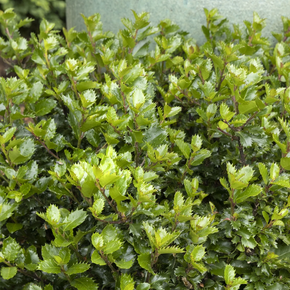
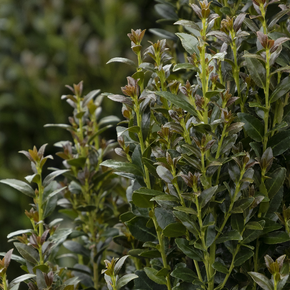
Berri-Magic Kids is a combination planting featuring two complementary Meserve blue hollies - the male 'Blue Boy' and the female 'Blue Girl' - grown together in a single container. Meserve hollies are celebrated interspecific hybrids (Ilex x meserveae) resulting from a cross between English holly (Ilex aquifolium) and the cold-tolerant East Asian Tsuru holly (Ilex rugosa), first developed by horticulturist Kathleen Meserve of St. James, New York, in the 1950s. The result is a dense, multi-stemmed broadleaf evergreen shrub with a rounded to slightly upright form. Foliage is composed of alternate, ovate, leathery leaves measuring 1 to 2.5 inches long, displaying a deep blue-green color with a glossy, waxy surface and spiny toothed margins bearing 4 to 8 flexible, ascending spines per leaf edge. Stems are a distinctive purplish-green, providing winter interest even when viewed up close. Small, white to pinkish-white flowers appear in spring and, because both male and female plants are present, the female 'Blue Girl' sets an abundant crop of showy, bright red berry-like drupes that ripen in mid-fall and persist well into late winter.
Mature Size
| Attribute | Detail |
|---|---|
| Mature Height | 3 to 4 feet (Kids combination); individual Meserve cultivars can reach 8-10+ feet at full maturity over many years |
| Mature Spread | 3 feet |
| Growth Rate | Slow |
| Growth Habit | Dense, multi-stemmed, rounded to slightly upright |
| Longevity | 40 years or more under ideal conditions |
Hardiness Zones & Climate
Berri-Magic Kids Holly is hardy in USDA Zones 5 through 9, making it one of the most cold-tolerant broadleaf evergreen hollies available. The Meserve holly parentage was specifically developed for superior cold-hardiness, tolerating harsh winters with ease. In hotter climates at the warmer end of its range (Zones 8-9), it benefits from some afternoon shade to prevent foliage scorch. Avoid planting in exposed, wind-swept locations during winter, as prolonged cold, drying winds can cause leaf scorch and tip dieback. In the mildest climates of Southern Oregon and Northern California, this holly thrives with minimal winter protection and puts on its best berry display in the cool fall and winter months. Applying a 2 to 3 inch layer of mulch around the root zone helps insulate roots in colder microclimates and conserves moisture through warm summers.
Sunlight Requirements
This holly combination performs best in full sun to partial shade, ideally receiving at least 4 to 6 hours of direct sunlight per day. An east or northeast-facing exposure is ideal, providing bright morning sun while shielding the plant from the intense heat of the afternoon. In the warmer summer climates of Southern Oregon and Northern California, a location with dappled afternoon shade will help prevent leaf scorch and maintain the richest blue-green foliage color. Avoid deep, dense shade, as reduced light will diminish berry production and slow overall growth. The plant is somewhat tolerant of urban and suburban conditions, including moderate air pollution, making it a reliable choice for a variety of garden settings.
Soil & pH Preferences
Berri-Magic Kids Holly requires well-drained, consistently moist soil that is rich in organic matter. Like all Meserve hollies, it is particular about soil acidity - it must be grown in soil with a pH of 5.0 to 6.5 (acidic). Alkaline soils (pH above 7.0) cause iron chlorosis, a condition where foliage yellows due to the plant's inability to uptake iron from the soil. If your native soil tends toward alkalinity, amend the planting area generously with acidic organic matter such as pine bark, composted pine needles, or peat moss before planting. This holly tolerates clay, loam, and sandy soil textures as long as drainage is adequate - it will not tolerate standing water or chronically wet roots. A soil test before planting is always recommended to confirm pH and nutrient levels.
Watering Guide
Consistent, even moisture is key to a healthy Berri-Magic Kids Holly, especially during establishment. Water newly planted shrubs deeply and regularly throughout the first full growing season, aiming to keep the soil moist but never waterlogged. Once established, this holly is moderately drought tolerant but still benefits from supplemental watering during extended dry spells. As a general guideline, provide approximately 1 inch of water per week, either through rainfall or irrigation. Check soil moisture by probing the top 2 inches - water when that layer feels dry. Avoid overhead watering, which can promote fungal disease; drip irrigation or soaker hoses directed at the root zone are preferable. A 2 to 3 inch layer of organic mulch over the root zone helps retain soil moisture, moderate soil temperature, and reduce the frequency of irrigation during dry summers.
Fertilizing
Feed Berri-Magic Kids Holly with a fertilizer formulated for acid-loving plants, such as an azalea and holly fertilizer or a product like Holly-Tone. Fertilizing supports the rich foliage color, overall vigor, and prolific berry production that makes this combination so desirable. Apply fertilizer in early spring as new growth begins, and again in late fall after the growing season winds down. Always follow the product label instructions for application rates to avoid over-fertilizing, which can cause excessive leafy growth at the expense of berries and may burn the roots. Avoid high-nitrogen fertilizers, which encourage soft, lush growth susceptible to cold damage. If foliage yellowing (chlorosis) is observed, a supplemental application of chelated iron or a soil acidifier can help correct nutrient uptake in borderline-pH soils.
Pruning & Maintenance
Berri-Magic Kids Holly is a low-maintenance shrub that requires very little pruning under normal circumstances. When shaping or size control is desired, prune in late winter to early spring, just as the threat of extreme cold has passed and before new growth begins - this timing avoids removing developing flower buds and preserves the upcoming berry crop. Selective thinning of older or crossing branches improves air circulation and light penetration within the canopy. This holly tolerates shearing well, making it suitable for use as a formal clipped hedge if a more structured appearance is desired. Remove any dead, damaged, or diseased wood promptly at any time of year. Because the berries develop on the previous season's wood, avoid heavy late-summer or fall pruning, which would reduce berry production. The cut berry-laden stems make exceptional material for holiday wreaths and fresh-cut arrangements.
Planting Instructions
- Choose a site with the appropriate sun exposure (full sun to partial afternoon shade) and ensure the soil drains well. Avoid low spots where water collects.
- Test soil pH before planting. If pH exceeds 6.5, amend the planting area with sulfur, pine bark, or acidified compost to bring it into the ideal range of 5.0 to 6.5.
- Dig a hole twice as wide as the rootball and equal to or slightly shallower than the rootball's depth, so the crown of the plant sits at or just above the surrounding soil grade.
- Remove the plant from its container and gently loosen any circling roots. Place it in the center of the hole, ensuring it sits straight and the crown is not buried below the soil line.
- Backfill with the native soil mixed with organic matter such as compost or aged pine bark. Firm the soil gently around the roots to eliminate air pockets.
- Water deeply and thoroughly immediately after planting.
- Apply a 2 to 3 inch layer of organic mulch (pine bark, shredded wood, or pine straw) over the root zone, keeping mulch a few inches away from the main stems to prevent crown rot.
- Continue to water regularly throughout the first growing season. In Southern Oregon and Northern California, late spring or early fall are ideal planting windows to allow roots to establish before summer heat or winter cold arrives.
Seasonal Interest
| Season | Ornamental Features |
|---|---|
| Spring | Flush of fresh new growth; small white to pinkish-white fragrant flowers appear in clusters, attracting bees and other pollinators |
| Summer | Dense, rich blue-green glossy foliage with distinctive purplish stems provides bold, structural color and a cooling evergreen presence in the landscape |
| Fall | Brilliant red berries begin ripening in mid-fall, contrasting dramatically against the dark glossy foliage; peak ornamental impact as surrounding deciduous plants lose their leaves |
| Winter | Berries persist from fall through late winter, providing color and food for wildlife; evergreen foliage and purple stems maintain structural interest through the coldest months |
Landscape Uses
- Foundation Planting: The compact, rounded form and year-round evergreen presence make it an excellent anchor for home foundations and building corners.
- Hedge & Privacy Screen: Dense branching and spiny foliage create an effective, low-maintenance living barrier that also deters foot traffic and animals.
- Specimen or Accent: The combination of blue-green foliage, purple stems, and brilliant red berries makes this a striking stand-alone focal point in mixed beds or lawn settings.
- Mass Planting: Planted in groups of three or more, it creates a bold, high-impact sweep of color and texture with maximum winter berry display.
- Container Planting: Works well as the "thriller" centerpiece in large outdoor pots and planters, surrounded by lower-growing companion plants.
- Holiday Crafting: Berry-laden stems cut in fall and early winter are ideal for fresh holiday wreaths, arrangements, and seasonal decorations.
- Wildlife Garden: An excellent addition to bird-friendly or wildlife-habitat gardens, providing both food and protective cover for birds through winter.
Container Growing
Berri-Magic Kids Holly is well suited for growing in large outdoor containers, where it serves as a bold, four-season centerpiece. Choose a container at least 18 to 24 inches in diameter with adequate drainage holes. Use a high-quality, well-draining potting mix formulated for acid-loving plants, or blend a standard potting mix with additional perlite and acidified bark to ensure good drainage and the correct pH. Container-grown hollies dry out more quickly than those planted in the ground, so check soil moisture frequently and water whenever the top 2 inches feel dry. Fertilize container plants with a slow-release acidic fertilizer in spring and supplement with a liquid feed mid-season. In the colder end of its hardiness range, move containers to a sheltered location near a wall or into an unheated garage during the most extreme cold snaps to protect the roots from freezing through. Refresh the container mix and up-pot to the next size every 2 to 3 years as the plant grows.
Wildlife Value
Berri-Magic Kids Holly is a valuable plant for local wildlife, particularly in the fall and winter months when other food sources become scarce. The bright red berries are a highly attractive food source for many species of songbirds, including robins, cedar waxwings, mockingbirds, bluebirds, and thrushes, which help disperse the seeds. The dense, spiny evergreen canopy also provides excellent protective cover and nesting habitat for birds sheltering from cold weather and predators. The small spring flowers attract bees, including specialized native bees in the genus Colletes, as well as other generalist pollinators seeking early-season nectar and pollen. The deer-resistant spiny foliage makes this holly a reliable choice in landscapes where deer browse is a persistent problem. Note that the berries, while highly attractive to birds, are mildly toxic to humans and pets if ingested in significant quantities, so plant accordingly in households with young children or animals that graze.
Pests & Diseases
Berri-Magic Kids Holly is generally a robust, trouble-free shrub with no serious pest or disease problems. However, gardeners should be aware of the following occasional issues:
- Holly Leaf Miner: Larvae tunnel between leaf surfaces, leaving visible squiggly trails or blotches. Remove and destroy affected leaves; do not compost. Severe infestations may warrant a systemic insecticide applied in spring when adults are active.
- Scale Insects: Small, shell-like bumps on stems or the undersides of leaves. Treat with horticultural oil applied when crawlers are active. Black sooty mold on leaf surfaces is often the first visible sign of a scale infestation.
- Spider Mites: More common in hot, dry conditions. Fine webbing and stippled foliage are telltale signs. Increase humidity around the plant and treat with horticultural oil or insecticidal soap.
- Whiteflies: Small white insects on leaf undersides. Treat with insecticidal soap or neem oil.
- Leaf Spot & Tar Spot: Fungal diseases that cause yellow or dark spots on foliage. Improve air circulation through pruning and avoid wetting foliage when watering. An all-purpose fungicide can be applied if problems persist.
- Powdery Mildew: A white powdery coating on leaves in humid, low-airflow conditions. Improve air circulation and apply a fungicide labeled for powdery mildew if needed.
- Chlorosis (Iron Deficiency): Yellowing foliage - especially between the leaf veins - in high-pH or alkaline soils. Correct by acidifying the soil and applying chelated iron.
- Winter Burn / Leaf Scorch: Browning of leaf margins and tips caused by cold, drying winds or late-winter sun. Protect with burlap windscreens in exposed locations and keep plants adequately watered going into winter.
Companion Plants
Berri-Magic Kids Holly pairs beautifully with plants that share its preference for moist, well-drained, acidic soils and part-shade to full-sun conditions. Consider these companions to enhance its visual impact and create a cohesive planting:
- Rhododendrons & Azaleas: Thrive in the same acidic soil conditions and provide complementary spring floral color.
- Pieris (Andromeda): Offers dangling white flower clusters in early spring and attractive evergreen foliage that echoes the holly's broadleaf texture.
- Hellebores (Lenten Rose): Shade-tolerant perennials that bloom in late winter and early spring, extending seasonal interest beneath the holly's canopy.
- Hostas: Bold, lush foliage in shaded areas beneath the holly canopy provides textural contrast through spring and summer.
- Bleeding Heart (Dicentra): Delicate spring-blooming perennial that thrives in the dappled light and cool soil beneath holly shrubs.
- Ferns (Polystichum, Dryopteris): Evergreen or semi-evergreen ferns add a fine-textured, layered groundcover effect around the holly's base.
- Nandina (Heavenly Bamboo): Offers contrasting upright form, fine-textured foliage, and complementary red winter berries.
- Ornamental Grasses (e.g., Hakonechloa): Provide graceful, contrasting texture and movement in mixed borders alongside the holly's dense, structured form.
Toxicity & Pet Safety
As with all members of the Ilex genus, the berries and leaves of Berri-Magic Kids Holly contain saponins and other compounds that are considered mildly to moderately toxic. While the risk to healthy adults from incidental contact is very low, ingestion of berries - particularly by young children - can cause symptoms including nausea, vomiting, diarrhea, and lethargy. The berries are also toxic to dogs, cats, and horses if consumed in significant quantities. It is advisable to plant this holly in areas where young children and pets do not have unsupervised access, or to educate children that the berries are not edible. The foliage presents a low toxicity hazard but the spiny leaf margins can cause minor skin irritation during pruning - wear gloves when handling cut stems. Birds and wildlife are not affected and can safely consume the berries, which is an important component of this plant's ecological value.
- No separate pollinator needed - male 'Blue Boy' and female 'Blue Girl' blue hollies are pre-planted together in a single container, guaranteeing a profusion of bright red berries every season
- One of the hardiest broadleaf evergreen hollies available, thriving in USDA Zones 5-9 with stunning glossy blue-green foliage and rich purple stems that look beautiful year-round
- An abundant crop of vivid red berries develops in mid-fall and persists through late winter, attracting songbirds and providing spectacular holiday-season color and cut-stem material
- Versatile and low-maintenance - equally at home as a dense hedge, privacy screen, foundation accent, or an eye-catching focal-point specimen in large outdoor containers
The Berri-Magic Kids Holly Combination (Ilex x meserveae 'Blue Boy' & 'Blue Girl') is a brilliantly conceived duo that takes all the guesswork out of berry production by pairing a compatible male and female Meserve blue holly together at the nursery. Meserve hollies are celebrated hybrids bred in the 1950s by horticulturist Kathleen Meserve, who crossed the ornamental English holly (Ilex aquifolium) with the supremely cold-hardy Tsuru holly (Ilex rugosa) to produce a shrub with the best traits of both parents - exceptional winter hardiness, strikingly glossy blue-green spiny foliage, distinctive purple stems, and a reliable, generous display of brilliant red berries that ignite the fall and winter landscape. The compact 'Blue Girl' female produces loads of long-lasting ornamental berries when pollinated by the 'Blue Boy' male growing alongside her, making this combination fully self-contained and guaranteed to fruit. Growing at a slow, steady pace into a dense, rounded to slightly upright multi-stemmed shrub, Berri-Magic Kids brings four-season structure and rich evergreen color to foundation plantings, mixed borders, hedges, privacy screens, and large patio containers alike - all while requiring only minimal maintenance and offering outstanding deer resistance and undeniable wildlife value that keeps birds returning to the garden all winter long.
Plant Description
Berri-Magic Kids is a combination planting featuring two complementary Meserve blue hollies - the male 'Blue Boy' and the female 'Blue Girl' - grown together in a single container. Meserve hollies are celebrated interspecific hybrids (Ilex x meserveae) resulting from a cross between English holly (Ilex aquifolium) and the cold-tolerant East Asian Tsuru holly (Ilex rugosa), first developed by horticulturist Kathleen Meserve of St. James, New York, in the 1950s. The result is a dense, multi-stemmed broadleaf evergreen shrub with a rounded to slightly upright form. Foliage is composed of alternate, ovate, leathery leaves measuring 1 to 2.5 inches long, displaying a deep blue-green color with a glossy, waxy surface and spiny toothed margins bearing 4 to 8 flexible, ascending spines per leaf edge. Stems are a distinctive purplish-green, providing winter interest even when viewed up close. Small, white to pinkish-white flowers appear in spring and, because both male and female plants are present, the female 'Blue Girl' sets an abundant crop of showy, bright red berry-like drupes that ripen in mid-fall and persist well into late winter.
Mature Size
| Attribute | Detail |
|---|---|
| Mature Height | 3 to 4 feet (Kids combination); individual Meserve cultivars can reach 8-10+ feet at full maturity over many years |
| Mature Spread | 3 feet |
| Growth Rate | Slow |
| Growth Habit | Dense, multi-stemmed, rounded to slightly upright |
| Longevity | 40 years or more under ideal conditions |
Hardiness Zones & Climate
Berri-Magic Kids Holly is hardy in USDA Zones 5 through 9, making it one of the most cold-tolerant broadleaf evergreen hollies available. The Meserve holly parentage was specifically developed for superior cold-hardiness, tolerating harsh winters with ease. In hotter climates at the warmer end of its range (Zones 8-9), it benefits from some afternoon shade to prevent foliage scorch. Avoid planting in exposed, wind-swept locations during winter, as prolonged cold, drying winds can cause leaf scorch and tip dieback. In the mildest climates of Southern Oregon and Northern California, this holly thrives with minimal winter protection and puts on its best berry display in the cool fall and winter months. Applying a 2 to 3 inch layer of mulch around the root zone helps insulate roots in colder microclimates and conserves moisture through warm summers.
Sunlight Requirements
This holly combination performs best in full sun to partial shade, ideally receiving at least 4 to 6 hours of direct sunlight per day. An east or northeast-facing exposure is ideal, providing bright morning sun while shielding the plant from the intense heat of the afternoon. In the warmer summer climates of Southern Oregon and Northern California, a location with dappled afternoon shade will help prevent leaf scorch and maintain the richest blue-green foliage color. Avoid deep, dense shade, as reduced light will diminish berry production and slow overall growth. The plant is somewhat tolerant of urban and suburban conditions, including moderate air pollution, making it a reliable choice for a variety of garden settings.
Soil & pH Preferences
Berri-Magic Kids Holly requires well-drained, consistently moist soil that is rich in organic matter. Like all Meserve hollies, it is particular about soil acidity - it must be grown in soil with a pH of 5.0 to 6.5 (acidic). Alkaline soils (pH above 7.0) cause iron chlorosis, a condition where foliage yellows due to the plant's inability to uptake iron from the soil. If your native soil tends toward alkalinity, amend the planting area generously with acidic organic matter such as pine bark, composted pine needles, or peat moss before planting. This holly tolerates clay, loam, and sandy soil textures as long as drainage is adequate - it will not tolerate standing water or chronically wet roots. A soil test before planting is always recommended to confirm pH and nutrient levels.
Watering Guide
Consistent, even moisture is key to a healthy Berri-Magic Kids Holly, especially during establishment. Water newly planted shrubs deeply and regularly throughout the first full growing season, aiming to keep the soil moist but never waterlogged. Once established, this holly is moderately drought tolerant but still benefits from supplemental watering during extended dry spells. As a general guideline, provide approximately 1 inch of water per week, either through rainfall or irrigation. Check soil moisture by probing the top 2 inches - water when that layer feels dry. Avoid overhead watering, which can promote fungal disease; drip irrigation or soaker hoses directed at the root zone are preferable. A 2 to 3 inch layer of organic mulch over the root zone helps retain soil moisture, moderate soil temperature, and reduce the frequency of irrigation during dry summers.
Fertilizing
Feed Berri-Magic Kids Holly with a fertilizer formulated for acid-loving plants, such as an azalea and holly fertilizer or a product like Holly-Tone. Fertilizing supports the rich foliage color, overall vigor, and prolific berry production that makes this combination so desirable. Apply fertilizer in early spring as new growth begins, and again in late fall after the growing season winds down. Always follow the product label instructions for application rates to avoid over-fertilizing, which can cause excessive leafy growth at the expense of berries and may burn the roots. Avoid high-nitrogen fertilizers, which encourage soft, lush growth susceptible to cold damage. If foliage yellowing (chlorosis) is observed, a supplemental application of chelated iron or a soil acidifier can help correct nutrient uptake in borderline-pH soils.
Pruning & Maintenance
Berri-Magic Kids Holly is a low-maintenance shrub that requires very little pruning under normal circumstances. When shaping or size control is desired, prune in late winter to early spring, just as the threat of extreme cold has passed and before new growth begins - this timing avoids removing developing flower buds and preserves the upcoming berry crop. Selective thinning of older or crossing branches improves air circulation and light penetration within the canopy. This holly tolerates shearing well, making it suitable for use as a formal clipped hedge if a more structured appearance is desired. Remove any dead, damaged, or diseased wood promptly at any time of year. Because the berries develop on the previous season's wood, avoid heavy late-summer or fall pruning, which would reduce berry production. The cut berry-laden stems make exceptional material for holiday wreaths and fresh-cut arrangements.
Planting Instructions
- Choose a site with the appropriate sun exposure (full sun to partial afternoon shade) and ensure the soil drains well. Avoid low spots where water collects.
- Test soil pH before planting. If pH exceeds 6.5, amend the planting area with sulfur, pine bark, or acidified compost to bring it into the ideal range of 5.0 to 6.5.
- Dig a hole twice as wide as the rootball and equal to or slightly shallower than the rootball's depth, so the crown of the plant sits at or just above the surrounding soil grade.
- Remove the plant from its container and gently loosen any circling roots. Place it in the center of the hole, ensuring it sits straight and the crown is not buried below the soil line.
- Backfill with the native soil mixed with organic matter such as compost or aged pine bark. Firm the soil gently around the roots to eliminate air pockets.
- Water deeply and thoroughly immediately after planting.
- Apply a 2 to 3 inch layer of organic mulch (pine bark, shredded wood, or pine straw) over the root zone, keeping mulch a few inches away from the main stems to prevent crown rot.
- Continue to water regularly throughout the first growing season. In Southern Oregon and Northern California, late spring or early fall are ideal planting windows to allow roots to establish before summer heat or winter cold arrives.
Seasonal Interest
| Season | Ornamental Features |
|---|---|
| Spring | Flush of fresh new growth; small white to pinkish-white fragrant flowers appear in clusters, attracting bees and other pollinators |
| Summer | Dense, rich blue-green glossy foliage with distinctive purplish stems provides bold, structural color and a cooling evergreen presence in the landscape |
| Fall | Brilliant red berries begin ripening in mid-fall, contrasting dramatically against the dark glossy foliage; peak ornamental impact as surrounding deciduous plants lose their leaves |
| Winter | Berries persist from fall through late winter, providing color and food for wildlife; evergreen foliage and purple stems maintain structural interest through the coldest months |
Landscape Uses
- Foundation Planting: The compact, rounded form and year-round evergreen presence make it an excellent anchor for home foundations and building corners.
- Hedge & Privacy Screen: Dense branching and spiny foliage create an effective, low-maintenance living barrier that also deters foot traffic and animals.
- Specimen or Accent: The combination of blue-green foliage, purple stems, and brilliant red berries makes this a striking stand-alone focal point in mixed beds or lawn settings.
- Mass Planting: Planted in groups of three or more, it creates a bold, high-impact sweep of color and texture with maximum winter berry display.
- Container Planting: Works well as the "thriller" centerpiece in large outdoor pots and planters, surrounded by lower-growing companion plants.
- Holiday Crafting: Berry-laden stems cut in fall and early winter are ideal for fresh holiday wreaths, arrangements, and seasonal decorations.
- Wildlife Garden: An excellent addition to bird-friendly or wildlife-habitat gardens, providing both food and protective cover for birds through winter.
Container Growing
Berri-Magic Kids Holly is well suited for growing in large outdoor containers, where it serves as a bold, four-season centerpiece. Choose a container at least 18 to 24 inches in diameter with adequate drainage holes. Use a high-quality, well-draining potting mix formulated for acid-loving plants, or blend a standard potting mix with additional perlite and acidified bark to ensure good drainage and the correct pH. Container-grown hollies dry out more quickly than those planted in the ground, so check soil moisture frequently and water whenever the top 2 inches feel dry. Fertilize container plants with a slow-release acidic fertilizer in spring and supplement with a liquid feed mid-season. In the colder end of its hardiness range, move containers to a sheltered location near a wall or into an unheated garage during the most extreme cold snaps to protect the roots from freezing through. Refresh the container mix and up-pot to the next size every 2 to 3 years as the plant grows.
Wildlife Value
Berri-Magic Kids Holly is a valuable plant for local wildlife, particularly in the fall and winter months when other food sources become scarce. The bright red berries are a highly attractive food source for many species of songbirds, including robins, cedar waxwings, mockingbirds, bluebirds, and thrushes, which help disperse the seeds. The dense, spiny evergreen canopy also provides excellent protective cover and nesting habitat for birds sheltering from cold weather and predators. The small spring flowers attract bees, including specialized native bees in the genus Colletes, as well as other generalist pollinators seeking early-season nectar and pollen. The deer-resistant spiny foliage makes this holly a reliable choice in landscapes where deer browse is a persistent problem. Note that the berries, while highly attractive to birds, are mildly toxic to humans and pets if ingested in significant quantities, so plant accordingly in households with young children or animals that graze.
Pests & Diseases
Berri-Magic Kids Holly is generally a robust, trouble-free shrub with no serious pest or disease problems. However, gardeners should be aware of the following occasional issues:
- Holly Leaf Miner: Larvae tunnel between leaf surfaces, leaving visible squiggly trails or blotches. Remove and destroy affected leaves; do not compost. Severe infestations may warrant a systemic insecticide applied in spring when adults are active.
- Scale Insects: Small, shell-like bumps on stems or the undersides of leaves. Treat with horticultural oil applied when crawlers are active. Black sooty mold on leaf surfaces is often the first visible sign of a scale infestation.
- Spider Mites: More common in hot, dry conditions. Fine webbing and stippled foliage are telltale signs. Increase humidity around the plant and treat with horticultural oil or insecticidal soap.
- Whiteflies: Small white insects on leaf undersides. Treat with insecticidal soap or neem oil.
- Leaf Spot & Tar Spot: Fungal diseases that cause yellow or dark spots on foliage. Improve air circulation through pruning and avoid wetting foliage when watering. An all-purpose fungicide can be applied if problems persist.
- Powdery Mildew: A white powdery coating on leaves in humid, low-airflow conditions. Improve air circulation and apply a fungicide labeled for powdery mildew if needed.
- Chlorosis (Iron Deficiency): Yellowing foliage - especially between the leaf veins - in high-pH or alkaline soils. Correct by acidifying the soil and applying chelated iron.
- Winter Burn / Leaf Scorch: Browning of leaf margins and tips caused by cold, drying winds or late-winter sun. Protect with burlap windscreens in exposed locations and keep plants adequately watered going into winter.
Companion Plants
Berri-Magic Kids Holly pairs beautifully with plants that share its preference for moist, well-drained, acidic soils and part-shade to full-sun conditions. Consider these companions to enhance its visual impact and create a cohesive planting:
- Rhododendrons & Azaleas: Thrive in the same acidic soil conditions and provide complementary spring floral color.
- Pieris (Andromeda): Offers dangling white flower clusters in early spring and attractive evergreen foliage that echoes the holly's broadleaf texture.
- Hellebores (Lenten Rose): Shade-tolerant perennials that bloom in late winter and early spring, extending seasonal interest beneath the holly's canopy.
- Hostas: Bold, lush foliage in shaded areas beneath the holly canopy provides textural contrast through spring and summer.
- Bleeding Heart (Dicentra): Delicate spring-blooming perennial that thrives in the dappled light and cool soil beneath holly shrubs.
- Ferns (Polystichum, Dryopteris): Evergreen or semi-evergreen ferns add a fine-textured, layered groundcover effect around the holly's base.
- Nandina (Heavenly Bamboo): Offers contrasting upright form, fine-textured foliage, and complementary red winter berries.
- Ornamental Grasses (e.g., Hakonechloa): Provide graceful, contrasting texture and movement in mixed borders alongside the holly's dense, structured form.
Toxicity & Pet Safety
As with all members of the Ilex genus, the berries and leaves of Berri-Magic Kids Holly contain saponins and other compounds that are considered mildly to moderately toxic. While the risk to healthy adults from incidental contact is very low, ingestion of berries - particularly by young children - can cause symptoms including nausea, vomiting, diarrhea, and lethargy. The berries are also toxic to dogs, cats, and horses if consumed in significant quantities. It is advisable to plant this holly in areas where young children and pets do not have unsupervised access, or to educate children that the berries are not edible. The foliage presents a low toxicity hazard but the spiny leaf margins can cause minor skin irritation during pruning - wear gloves when handling cut stems. Birds and wildlife are not affected and can safely consume the berries, which is an important component of this plant's ecological value.