Zoom the image with the mouse
Pygmy Ruby Barberry - 2 Gallon
SKU:
2121655
UPC:
014949214619
$29.99
- Naturally globe-shaped dwarf habit stays tidy and compact — reaching only about 15 inches tall and up to 3 feet wide — with no trimming required to maintain its rounded form.
- Striking deep ruby-red foliage holds its rich color from spring through summer, then ignites into brilliant crimson-red tones in fall before the plant goes dormant.
- Exceptionally tough and low-maintenance — tolerates drought once established, adapts to a wide range of soils, resists deer browsing, and thrives even in urban and high-pollution environments.
- Produces small glossy red berries in fall that persist into winter, providing multi-season ornamental interest and attracting songbirds to the garden.
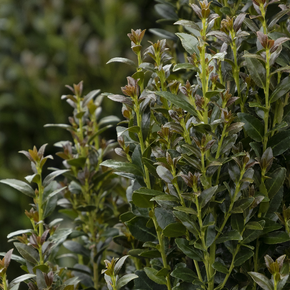
Pygmy Ruby Barberry (Berberis thunbergii 'Pygruzam') is a stunning dwarf deciduous shrub prized for its intensely deep ruby-red foliage and naturally rounded, compact form that requires virtually no maintenance pruning to keep its shape. Growing to approximately 15 inches tall with a spread of up to 3 feet, this well-behaved, globe-shaped shrub delivers bold, season-long color from spring through fall — when the already vivid red leaves transition to an even more dramatic crimson display before the plant drops its foliage for winter. In spring, small yellow flowers with reddish sepals emerge amid the deep red leaves, followed by glossy bright red oval berries that cling to the thorny branches well into the winter months, providing both ornamental appeal and a valuable food source for birds. Hardy in USDA Zones 4 through 8, Pygmy Ruby Barberry thrives in full sun, which brings out the most intense foliage coloration, though it will tolerate some partial shade. Once established, it is notably drought tolerant and highly adaptable to varied soil types, making it an ideal low-maintenance choice for mass plantings, border edgings, foundation plantings, rock gardens, and mixed container designs throughout Southern Oregon and Northern California landscapes.
Plant Description
Pygmy Ruby Barberry is a dwarf, deciduous shrub in the Berberidaceae family, selected for its exceptionally dense, self-maintaining globe shape and jewel-toned ruby-red foliage. The small, glossy, paddle-shaped leaves are tightly clustered along spiny stems, creating a refined, fine-textured appearance that contrasts beautifully with coarser-leaved landscape plants. In spring, tiny yellow flowers with reddish sepals appear among the vibrant foliage — inconspicuous individually but charming en masse. These give way to small, egg-shaped, bright red berries in late summer and fall that remain on the bare branches through winter. The stems are armed with single, very sharp thorns, making this an effective deterrent planting near windows and along borders while still being a safe, manageable size for most landscape applications.
Mature Size
| Characteristic | Detail |
|---|---|
| Mature Height | Approximately 15 inches |
| Mature Spread | Up to 3 feet |
| Growth Rate | Medium (slow to medium); gradual and controlled |
| Growth Habit | Naturally dense, rounded globe; fills out to the ground |
| Lifespan | Approximately 20 years under ideal conditions |
Hardiness Zones
Pygmy Ruby Barberry is hardy in USDA Plant Hardiness Zones 4 through 8, making it well-suited for a broad range of climates from frigid northern winters to warm, dry summers. It performs especially well in the Mediterranean-influenced climates of Southern Oregon and Northern California, where warm, dry summers and mild winters allow the plant to thrive with minimal supplemental care. It is tolerant of temperature extremes on both ends of the spectrum and can handle road salt and urban pollution, making it a resilient choice for a wide variety of challenging site conditions.
Sunlight Requirements
Pygmy Ruby Barberry grows best in full sun — a minimum of 6 hours of direct sunlight per day — which is essential for bringing out the deepest, most vivid ruby-red foliage color. For the most intense coloration and densest habit, 8 or more hours of direct sun daily is ideal. While the plant can tolerate some partial shade, reduced light exposure will cause the foliage color to become less saturated and the growth habit to be somewhat looser. In hotter inland climates, a site receiving morning sun with light afternoon shade may help prevent heat stress during the most intense summer months, while still preserving excellent foliage color.
Soil and pH Preferences
One of the great strengths of Pygmy Ruby Barberry is its adaptability to a wide range of soil types. It will grow in clay, loam, sandy, or chalky soils, provided drainage is adequate. This plant cannot tolerate consistently waterlogged or boggy conditions, which can cause root rot. For best performance, a slightly acidic to neutral soil pH of approximately 6.0 to 7.0 is preferred, though it is notably flexible outside this range. Amending heavy clay soils with compost or aged organic matter before planting will improve drainage and long-term plant health. It is also highly tolerant of urban pollution, compacted soils, and road salt — qualities that make it well-suited for parking strips, roadside plantings, and urban landscapes.
Watering Guide
Newly planted Pygmy Ruby Barberry requires regular, consistent watering throughout its first growing season to help establish a strong, deep root system. Water deeply and thoroughly at planting, and continue to water every 4 to 6 days during warm summer months, allowing the top inch of soil to dry out between waterings. Reduce watering frequency to once every 1 to 2 weeks during cooler fall and winter months. Once fully established — typically after one to two growing seasons — this shrub becomes quite drought tolerant and will require only supplemental irrigation during extended dry spells or periods of intense heat. Always water at the base of the plant early in the day to minimize the risk of fungal disease. Avoid overwatering; this plant is far more resilient in dry conditions than wet ones.
Fertilizing
Pygmy Ruby Barberry is a light feeder and does not require heavy fertilization to perform well. Apply a balanced, slow-release granular fertilizer in early spring, just as new growth begins to emerge, to support the season's flush of growth. Follow the product label's recommended application rate, and water the area thoroughly after fertilizing to activate the nutrients. Avoid over-fertilizing, which can stimulate excessive, soft growth at the expense of the plant's naturally compact form and foliage intensity. In well-amended soils, an annual top-dressing of compost around the base of the plant in late winter or early spring may provide sufficient nutrition without the need for additional synthetic fertilizer.
Pruning and Maintenance
One of the most appealing features of Pygmy Ruby Barberry is its naturally tidy, globe-shaped habit that requires little to no pruning to maintain. However, light pruning can be performed any time of year to shape the plant or remove dead, damaged, or crossing branches. For more significant reshaping or rejuvenation, the best time to prune is in late winter or early spring, just before new growth begins. During this annual light pruning, remove any dead or broken branches, thin out any overcrowded interior stems to improve air circulation and light penetration, and remove residual buds or weak growth as needed. Always wear thick, puncture-resistant gloves when working with this plant, as the stems carry sharp single thorns that can easily penetrate skin. Remove any pruned material from the garden bed to reduce the risk of disease overwintering in plant debris.
Planting Instructions
- Select a planting site that receives full sun (at least 6 hours of direct sunlight daily) with well-draining soil.
- Dig a hole twice as wide as the root ball and equal in depth, so the top of the root ball sits at or just slightly above the surrounding soil grade.
- If planting in heavy clay or compacted soil, amend the backfill with compost or well-rotted organic matter to improve drainage and fertility.
- Remove the plant from its container, gently loosen circling roots, and place it in the center of the hole.
- Backfill with amended soil, firming it gently around the roots to eliminate air pockets. Avoid burying the crown deeper than it was growing in the container.
- Water thoroughly immediately after planting to settle the soil around the roots.
- Apply a 2- to 3-inch layer of organic mulch (bark, wood chips, or shredded leaves) around the base, keeping mulch pulled back a few inches from the main stem to prevent crown rot and pest harborage.
- Water consistently throughout the first growing season, reducing frequency as the plant becomes established.
- Wear heavy-duty gloves whenever handling — the thorns are sharp and can cause skin irritation.
Seasonal Interest
| Season | Ornamental Features |
|---|---|
| Spring | Fresh ruby-red foliage emerges; small yellow flowers with reddish sepals appear among the leaves |
| Summer | Dense, deep ruby-red to burgundy-red foliage maintains bold color across the full compact globe; strong structural presence in the landscape |
| Fall | Foliage intensifies to brilliant crimson-red tones; glossy bright red berries develop and add additional ornamental appeal |
| Winter | Berries persist on bare, thorny stems after leaf drop; structural branching pattern adds garden interest through dormancy |
Landscape Uses
Pygmy Ruby Barberry's compact, self-maintaining habit and vivid foliage color make it one of the most versatile dwarf shrubs available for a wide range of landscape applications. Its naturally rounded form and fine texture make it an excellent choice for:
- Low-maintenance foundation plantings, where its small stature keeps it in scale with the architecture without encroaching on structures
- Edging along paths, driveways, and borders — the thorny stems also provide a natural, low-growing deterrent to foot traffic
- Mass plantings for a sweeping sea of ruby-red color across slopes, hillsides, or open garden beds
- Mixed shrub borders alongside evergreens, ornamental grasses, and flowering perennials for season-long color contrast
- Rock gardens and xeriscape designs, where its drought tolerance and bold foliage are significant assets
- Security plantings under windows or along fences, where its thorns discourage unwanted entry
- Container and patio gardens, where it serves as a dramatic thriller or structural focal point in mixed plantings
- Erosion control on banks and slopes due to its dense, ground-filling habit
Container Growing
Pygmy Ruby Barberry is well-suited for growing in outdoor containers and patio pots, where its compact, tidy habit and bold foliage color make it an excellent structural element. In mixed container designs, it works beautifully as a "thriller" or structural centerpiece, providing a canvas of deep red foliage against which flowering spillers and fillers can stand out. Choose a container with adequate drainage holes and fill with a quality, well-draining potting mix. Container-grown plants will require more frequent watering than those planted in the ground — check soil moisture regularly and water when the top inch of the mix feels dry. Apply a slow-release fertilizer in spring to compensate for nutrients leached through regular watering. Container plants may be slightly less cold hardy than in-ground specimens, so move containers to a sheltered location in extremely cold winters. Pair with trailing petunias, lamium, coral bells, or dusty miller for a visually striking combination.
Companion Plants
Pygmy Ruby Barberry's deep ruby-red foliage provides a rich, saturated color anchor that pairs beautifully with a wide range of companion plants:
- Ornamental Grasses — Fine, wispy textures of blue oat grass, muhlenbergia, or pennisetum provide stunning contrast to the dense, rounded form of Pygmy Ruby and amplify its color in the fall landscape.
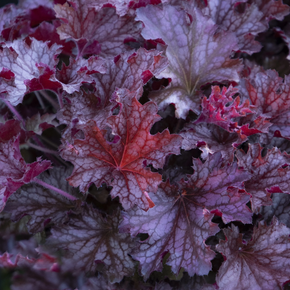
- Coral Bells (Heuchera) — Available in complementary colors from lime green to deep burgundy, coral bells add textural contrast and soften the edges around Pygmy Ruby plantings.
- Boxwood — The deep, glossy green of boxwood creates a rich complementary backdrop that intensifies Pygmy Ruby's red foliage.
- Catmint (Nepeta) — Soft purple-blue flower spikes add a cool contrast to the warm red tones of Pygmy Ruby, and both plants share a preference for full sun and well-drained soil.
- Creeping Juniper — Low-growing junipers provide year-round green groundcover interest in front of Pygmy Ruby plantings, adding layered depth to the landscape.
- Dusty Miller — Silvery-white foliage creates a striking, high-contrast combination with the deep ruby-red leaves.
- Coneflower (Echinacea) — Bold daisy-like blooms in pink, orange, or white contrast beautifully against Pygmy Ruby's foliage and attract pollinators throughout summer.
- Daffodils — Spring-blooming daffodil bulbs planted nearby emerge just as Pygmy Ruby's fresh red foliage unfurls, creating a classic seasonal combination.
Wildlife Value
Despite its reputation as a tough, utilitarian shrub, Pygmy Ruby Barberry provides meaningful value to local wildlife throughout the seasons. The small yellow spring flowers attract bees and other pollinators when nectar sources are still limited. The glossy red berries that develop in late summer and persist through winter serve as a valuable food source for a variety of songbirds, including robins, cedar waxwings, and mockingbirds, which help to sustain bird populations during the lean winter months. The dense, thorny branching structure offers protective nesting and shelter habitat for small birds seeking refuge from predators and harsh weather. At the same time, this plant's sharp spines make it largely unattractive to deer, rabbits, and other browsing animals, meaning it will typically be left undisturbed in landscapes where these animals are present — a significant advantage in rural and suburban settings across Southern Oregon and Northern California.
Pests and Diseases
Pygmy Ruby Barberry is generally a very healthy, resilient shrub with few serious pest or disease concerns when grown in appropriate conditions. However, gardeners should be aware of the following potential issues:
- Powdery Mildew — A fungal disease that can appear as a white, powdery coating on foliage, particularly during periods of high humidity or when air circulation is poor. Plant in open, sunny locations with good airflow, and avoid overhead watering to reduce risk. Affected foliage can be pruned out and disposed of; fungicidal sprays may be used in severe cases.
- Aphids — Soft-bodied insects that may cluster on new growth in spring. In most cases, a strong blast of water from a hose or the presence of natural predators such as ladybugs will keep populations in check. Insecticidal soap may be used for heavier infestations.
- Barberry Sawfly — Larvae may occasionally feed on foliage. Inspect plants regularly during the growing season; small infestations can be hand-picked and larvae knocked off into soapy water. Neem oil or appropriate insecticide applications may be warranted for significant infestations.
- Root Rot — Can occur in poorly draining or consistently wet soils. Ensure good drainage at the planting site and avoid overwatering to prevent this issue entirely.
- Verticillium Wilt — An occasional soil-borne fungal disease. Avoid planting in areas with a known history of this pathogen, and ensure good drainage and air circulation.
Special Considerations for the Pacific Northwest and California
For gardeners in Southern Oregon and Northern California, Pygmy Ruby Barberry is an outstanding performer given the region's climate. The long, hot, dry summers of the inland valleys are well tolerated once the plant is established, as it possesses genuine drought hardiness. The mild winters of lower elevations mean the plant will experience a relatively short dormancy period and tends to leaf out early in spring. In higher-elevation areas of Southern Oregon with colder winters, this cultivar's hardiness to Zone 4 provides excellent cold protection. Full sun is strongly recommended in this region's climate to maximize foliage color intensity. For coastal sites with more moderate, fog-influenced climates, ensure the planting site receives sufficient direct sun to prevent overly loose, stretched growth. It is worth noting that some western states and localities have restrictions on planting non-sterile Berberis thunbergii cultivars due to invasive potential in riparian and forested areas; gardeners near wildland-urban interface zones should verify current local regulations before planting.
- Naturally globe-shaped dwarf habit stays tidy and compact — reaching only about 15 inches tall and up to 3 feet wide — with no trimming required to maintain its rounded form.
- Striking deep ruby-red foliage holds its rich color from spring through summer, then ignites into brilliant crimson-red tones in fall before the plant goes dormant.
- Exceptionally tough and low-maintenance — tolerates drought once established, adapts to a wide range of soils, resists deer browsing, and thrives even in urban and high-pollution environments.
- Produces small glossy red berries in fall that persist into winter, providing multi-season ornamental interest and attracting songbirds to the garden.
Pygmy Ruby Barberry (Berberis thunbergii 'Pygruzam') is a stunning dwarf deciduous shrub prized for its intensely deep ruby-red foliage and naturally rounded, compact form that requires virtually no maintenance pruning to keep its shape. Growing to approximately 15 inches tall with a spread of up to 3 feet, this well-behaved, globe-shaped shrub delivers bold, season-long color from spring through fall — when the already vivid red leaves transition to an even more dramatic crimson display before the plant drops its foliage for winter. In spring, small yellow flowers with reddish sepals emerge amid the deep red leaves, followed by glossy bright red oval berries that cling to the thorny branches well into the winter months, providing both ornamental appeal and a valuable food source for birds. Hardy in USDA Zones 4 through 8, Pygmy Ruby Barberry thrives in full sun, which brings out the most intense foliage coloration, though it will tolerate some partial shade. Once established, it is notably drought tolerant and highly adaptable to varied soil types, making it an ideal low-maintenance choice for mass plantings, border edgings, foundation plantings, rock gardens, and mixed container designs throughout Southern Oregon and Northern California landscapes.
Plant Description
Pygmy Ruby Barberry is a dwarf, deciduous shrub in the Berberidaceae family, selected for its exceptionally dense, self-maintaining globe shape and jewel-toned ruby-red foliage. The small, glossy, paddle-shaped leaves are tightly clustered along spiny stems, creating a refined, fine-textured appearance that contrasts beautifully with coarser-leaved landscape plants. In spring, tiny yellow flowers with reddish sepals appear among the vibrant foliage — inconspicuous individually but charming en masse. These give way to small, egg-shaped, bright red berries in late summer and fall that remain on the bare branches through winter. The stems are armed with single, very sharp thorns, making this an effective deterrent planting near windows and along borders while still being a safe, manageable size for most landscape applications.
Mature Size
| Characteristic | Detail |
|---|---|
| Mature Height | Approximately 15 inches |
| Mature Spread | Up to 3 feet |
| Growth Rate | Medium (slow to medium); gradual and controlled |
| Growth Habit | Naturally dense, rounded globe; fills out to the ground |
| Lifespan | Approximately 20 years under ideal conditions |
Hardiness Zones
Pygmy Ruby Barberry is hardy in USDA Plant Hardiness Zones 4 through 8, making it well-suited for a broad range of climates from frigid northern winters to warm, dry summers. It performs especially well in the Mediterranean-influenced climates of Southern Oregon and Northern California, where warm, dry summers and mild winters allow the plant to thrive with minimal supplemental care. It is tolerant of temperature extremes on both ends of the spectrum and can handle road salt and urban pollution, making it a resilient choice for a wide variety of challenging site conditions.
Sunlight Requirements
Pygmy Ruby Barberry grows best in full sun — a minimum of 6 hours of direct sunlight per day — which is essential for bringing out the deepest, most vivid ruby-red foliage color. For the most intense coloration and densest habit, 8 or more hours of direct sun daily is ideal. While the plant can tolerate some partial shade, reduced light exposure will cause the foliage color to become less saturated and the growth habit to be somewhat looser. In hotter inland climates, a site receiving morning sun with light afternoon shade may help prevent heat stress during the most intense summer months, while still preserving excellent foliage color.
Soil and pH Preferences
One of the great strengths of Pygmy Ruby Barberry is its adaptability to a wide range of soil types. It will grow in clay, loam, sandy, or chalky soils, provided drainage is adequate. This plant cannot tolerate consistently waterlogged or boggy conditions, which can cause root rot. For best performance, a slightly acidic to neutral soil pH of approximately 6.0 to 7.0 is preferred, though it is notably flexible outside this range. Amending heavy clay soils with compost or aged organic matter before planting will improve drainage and long-term plant health. It is also highly tolerant of urban pollution, compacted soils, and road salt — qualities that make it well-suited for parking strips, roadside plantings, and urban landscapes.
Watering Guide
Newly planted Pygmy Ruby Barberry requires regular, consistent watering throughout its first growing season to help establish a strong, deep root system. Water deeply and thoroughly at planting, and continue to water every 4 to 6 days during warm summer months, allowing the top inch of soil to dry out between waterings. Reduce watering frequency to once every 1 to 2 weeks during cooler fall and winter months. Once fully established — typically after one to two growing seasons — this shrub becomes quite drought tolerant and will require only supplemental irrigation during extended dry spells or periods of intense heat. Always water at the base of the plant early in the day to minimize the risk of fungal disease. Avoid overwatering; this plant is far more resilient in dry conditions than wet ones.
Fertilizing
Pygmy Ruby Barberry is a light feeder and does not require heavy fertilization to perform well. Apply a balanced, slow-release granular fertilizer in early spring, just as new growth begins to emerge, to support the season's flush of growth. Follow the product label's recommended application rate, and water the area thoroughly after fertilizing to activate the nutrients. Avoid over-fertilizing, which can stimulate excessive, soft growth at the expense of the plant's naturally compact form and foliage intensity. In well-amended soils, an annual top-dressing of compost around the base of the plant in late winter or early spring may provide sufficient nutrition without the need for additional synthetic fertilizer.
Pruning and Maintenance
One of the most appealing features of Pygmy Ruby Barberry is its naturally tidy, globe-shaped habit that requires little to no pruning to maintain. However, light pruning can be performed any time of year to shape the plant or remove dead, damaged, or crossing branches. For more significant reshaping or rejuvenation, the best time to prune is in late winter or early spring, just before new growth begins. During this annual light pruning, remove any dead or broken branches, thin out any overcrowded interior stems to improve air circulation and light penetration, and remove residual buds or weak growth as needed. Always wear thick, puncture-resistant gloves when working with this plant, as the stems carry sharp single thorns that can easily penetrate skin. Remove any pruned material from the garden bed to reduce the risk of disease overwintering in plant debris.
Planting Instructions
- Select a planting site that receives full sun (at least 6 hours of direct sunlight daily) with well-draining soil.
- Dig a hole twice as wide as the root ball and equal in depth, so the top of the root ball sits at or just slightly above the surrounding soil grade.
- If planting in heavy clay or compacted soil, amend the backfill with compost or well-rotted organic matter to improve drainage and fertility.
- Remove the plant from its container, gently loosen circling roots, and place it in the center of the hole.
- Backfill with amended soil, firming it gently around the roots to eliminate air pockets. Avoid burying the crown deeper than it was growing in the container.
- Water thoroughly immediately after planting to settle the soil around the roots.
- Apply a 2- to 3-inch layer of organic mulch (bark, wood chips, or shredded leaves) around the base, keeping mulch pulled back a few inches from the main stem to prevent crown rot and pest harborage.
- Water consistently throughout the first growing season, reducing frequency as the plant becomes established.
- Wear heavy-duty gloves whenever handling — the thorns are sharp and can cause skin irritation.
Seasonal Interest
| Season | Ornamental Features |
|---|---|
| Spring | Fresh ruby-red foliage emerges; small yellow flowers with reddish sepals appear among the leaves |
| Summer | Dense, deep ruby-red to burgundy-red foliage maintains bold color across the full compact globe; strong structural presence in the landscape |
| Fall | Foliage intensifies to brilliant crimson-red tones; glossy bright red berries develop and add additional ornamental appeal |
| Winter | Berries persist on bare, thorny stems after leaf drop; structural branching pattern adds garden interest through dormancy |
Landscape Uses
Pygmy Ruby Barberry's compact, self-maintaining habit and vivid foliage color make it one of the most versatile dwarf shrubs available for a wide range of landscape applications. Its naturally rounded form and fine texture make it an excellent choice for:
- Low-maintenance foundation plantings, where its small stature keeps it in scale with the architecture without encroaching on structures
- Edging along paths, driveways, and borders — the thorny stems also provide a natural, low-growing deterrent to foot traffic
- Mass plantings for a sweeping sea of ruby-red color across slopes, hillsides, or open garden beds
- Mixed shrub borders alongside evergreens, ornamental grasses, and flowering perennials for season-long color contrast
- Rock gardens and xeriscape designs, where its drought tolerance and bold foliage are significant assets
- Security plantings under windows or along fences, where its thorns discourage unwanted entry
- Container and patio gardens, where it serves as a dramatic thriller or structural focal point in mixed plantings
- Erosion control on banks and slopes due to its dense, ground-filling habit
Container Growing
Pygmy Ruby Barberry is well-suited for growing in outdoor containers and patio pots, where its compact, tidy habit and bold foliage color make it an excellent structural element. In mixed container designs, it works beautifully as a "thriller" or structural centerpiece, providing a canvas of deep red foliage against which flowering spillers and fillers can stand out. Choose a container with adequate drainage holes and fill with a quality, well-draining potting mix. Container-grown plants will require more frequent watering than those planted in the ground — check soil moisture regularly and water when the top inch of the mix feels dry. Apply a slow-release fertilizer in spring to compensate for nutrients leached through regular watering. Container plants may be slightly less cold hardy than in-ground specimens, so move containers to a sheltered location in extremely cold winters. Pair with trailing petunias, lamium, coral bells, or dusty miller for a visually striking combination.
Companion Plants
Pygmy Ruby Barberry's deep ruby-red foliage provides a rich, saturated color anchor that pairs beautifully with a wide range of companion plants:
- Ornamental Grasses — Fine, wispy textures of blue oat grass, muhlenbergia, or pennisetum provide stunning contrast to the dense, rounded form of Pygmy Ruby and amplify its color in the fall landscape.
- Coral Bells (Heuchera) — Available in complementary colors from lime green to deep burgundy, coral bells add textural contrast and soften the edges around Pygmy Ruby plantings.
- Boxwood — The deep, glossy green of boxwood creates a rich complementary backdrop that intensifies Pygmy Ruby's red foliage.
- Catmint (Nepeta) — Soft purple-blue flower spikes add a cool contrast to the warm red tones of Pygmy Ruby, and both plants share a preference for full sun and well-drained soil.
- Creeping Juniper — Low-growing junipers provide year-round green groundcover interest in front of Pygmy Ruby plantings, adding layered depth to the landscape.
- Dusty Miller — Silvery-white foliage creates a striking, high-contrast combination with the deep ruby-red leaves.
- Coneflower (Echinacea) — Bold daisy-like blooms in pink, orange, or white contrast beautifully against Pygmy Ruby's foliage and attract pollinators throughout summer.
- Daffodils — Spring-blooming daffodil bulbs planted nearby emerge just as Pygmy Ruby's fresh red foliage unfurls, creating a classic seasonal combination.
Wildlife Value
Despite its reputation as a tough, utilitarian shrub, Pygmy Ruby Barberry provides meaningful value to local wildlife throughout the seasons. The small yellow spring flowers attract bees and other pollinators when nectar sources are still limited. The glossy red berries that develop in late summer and persist through winter serve as a valuable food source for a variety of songbirds, including robins, cedar waxwings, and mockingbirds, which help to sustain bird populations during the lean winter months. The dense, thorny branching structure offers protective nesting and shelter habitat for small birds seeking refuge from predators and harsh weather. At the same time, this plant's sharp spines make it largely unattractive to deer, rabbits, and other browsing animals, meaning it will typically be left undisturbed in landscapes where these animals are present — a significant advantage in rural and suburban settings across Southern Oregon and Northern California.
Pests and Diseases
Pygmy Ruby Barberry is generally a very healthy, resilient shrub with few serious pest or disease concerns when grown in appropriate conditions. However, gardeners should be aware of the following potential issues:
- Powdery Mildew — A fungal disease that can appear as a white, powdery coating on foliage, particularly during periods of high humidity or when air circulation is poor. Plant in open, sunny locations with good airflow, and avoid overhead watering to reduce risk. Affected foliage can be pruned out and disposed of; fungicidal sprays may be used in severe cases.
- Aphids — Soft-bodied insects that may cluster on new growth in spring. In most cases, a strong blast of water from a hose or the presence of natural predators such as ladybugs will keep populations in check. Insecticidal soap may be used for heavier infestations.
- Barberry Sawfly — Larvae may occasionally feed on foliage. Inspect plants regularly during the growing season; small infestations can be hand-picked and larvae knocked off into soapy water. Neem oil or appropriate insecticide applications may be warranted for significant infestations.
- Root Rot — Can occur in poorly draining or consistently wet soils. Ensure good drainage at the planting site and avoid overwatering to prevent this issue entirely.
- Verticillium Wilt — An occasional soil-borne fungal disease. Avoid planting in areas with a known history of this pathogen, and ensure good drainage and air circulation.
Special Considerations for the Pacific Northwest and California
For gardeners in Southern Oregon and Northern California, Pygmy Ruby Barberry is an outstanding performer given the region's climate. The long, hot, dry summers of the inland valleys are well tolerated once the plant is established, as it possesses genuine drought hardiness. The mild winters of lower elevations mean the plant will experience a relatively short dormancy period and tends to leaf out early in spring. In higher-elevation areas of Southern Oregon with colder winters, this cultivar's hardiness to Zone 4 provides excellent cold protection. Full sun is strongly recommended in this region's climate to maximize foliage color intensity. For coastal sites with more moderate, fog-influenced climates, ensure the planting site receives sufficient direct sun to prevent overly loose, stretched growth. It is worth noting that some western states and localities have restrictions on planting non-sterile Berberis thunbergii cultivars due to invasive potential in riparian and forested areas; gardeners near wildland-urban interface zones should verify current local regulations before planting.