

Zoom the image with the mouse
Red Sarah Bernhardt Peony - 2 Gallon
SKU:
1931625
UPC:
654321052325
$44.99
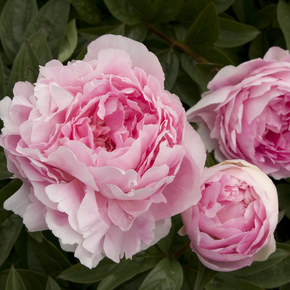
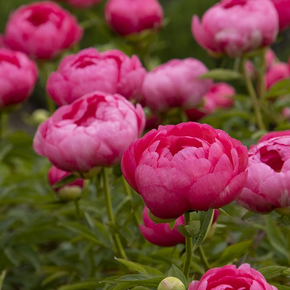
- Dramatically rich, deep fuchsia-purple double blooms up to 6-8 inches across bloom atop exceptionally stout, upright stems in late spring to early summer — perfect for cutting and long-lasting floral arrangements.
- Intensely fragrant flowers carry a sweet, rose-like scent with spicy undertones, most pronounced in the morning and filling the garden with irresistible perfume at peak bloom.
- A long-lived, low-maintenance herbaceous perennial that dies to the ground each winter and returns reliably for decades — resistant to deer and rabbits, and virtually carefree once established.
- Lush, deep green, glossy divided foliage provides three seasons of garden interest, emerging with red-tinged shoots in spring and often taking on warm bronze and purple hues in fall.
The Red Sarah Bernhardt Peony (Paeonia lactiflora 'Red Sarah Bernhardt') is a showstopping herbaceous perennial celebrated for its voluminous, fully double, bowl-shaped blooms that erupt in a stunning palette of deep fuchsia-purple with rich cerise and red overtones — a bolder, more dramatic take on the classic peony form. Registered in China in 1980, this captivating cultivar has earned a loyal following among gardeners and florists alike for its exceptional stout stems, uncommonly large flowers reaching 6 to 8 inches (15-20 cm) in diameter, and heady, intoxicating fragrance. Blooming in the late spring to early summer season, 'Red Sarah Bernhardt' forms an upright, clump-forming mound of shiny, dark green divided foliage that remains attractive from spring emergence through fall color change, making it one of the most ornamental perennials for the mixed border, cottage garden, or cutting garden. Hardy in USDA Zones 3-8, it thrives with a cold winter dormancy period and rewards patient gardeners with decades — even generations — of spectacular color. Whether massed in perennial borders, planted as a specimen focal point, or harvested for bouquets with a vase life of up to ten days, the Red Sarah Bernhardt Peony is an extraordinary addition to any garden seeking bold romantic elegance and enduring beauty.
Plant Description
Red Sarah Bernhardt is a fully double, bowl-shaped herbaceous peony bearing exceptionally large blooms measuring 6 to 8 inches (15-20 cm) across. The flowers are a striking deep fuchsia-purple, richly tinged with cerise and red, and are arranged with densely packed, ruffled petals that create a lush, full appearance unlike many other lactiflora varieties. Despite its name, the blooms are not true red — the color is more accurately described as a deep magenta-purple with warm reddish overtones, making it one of the richest-colored peonies in its class. The flowers are intensely fragrant with a sweet, rose-like scent accented with light spicy notes. Foliage is deep green, glossy, and divided into lance-shaped leaflets, emerging in spring with attractive red-tinged shoots and persisting attractively through the season. This is an herbaceous perennial, meaning stems die completely to the ground after fall frost and return fresh each spring from the tuberous root system. Plants are long-lived and can thrive in the same location for 50 years or more.
Mature Size
| Dimension | Measurement |
|---|---|
| Mature Height | 30 to 36 inches (75-90 cm) |
| Mature Spread | 24 to 30 inches (60-75 cm) |
| Flower Diameter | 6 to 8 inches (15-20 cm) |
| Time to Mature Size | 2 to 5 years |
| Recommended Spacing | 24 to 30 inches (60-75 cm) apart |
Plants grow in an upright, clump-forming habit. The stout stems are notably sturdy for a lactiflora peony variety, which helps support the large flower heads, though staking may still be advisable after heavy rainfall.
Hardiness Zones
Red Sarah Bernhardt Peony is hardy in USDA Zones 3a through 8b, tolerating winter temperatures as low as -40°F (-40°C) with appropriate dormancy. It performs best in Zones 5 through 7 but adapts well through the cooler parts of Zone 8. This peony requires a cold winter dormancy period — exposure to temperatures between 30°F and 50°F (-1 to 10°C) for at least several weeks is essential for the plant to set flower buds. For this reason, it will not flower reliably in Zones 9 through 11, where winters are too mild to provide sufficient chilling. In the warmer edges of Zone 8, mulching the root zone in winter is beneficial, especially where snow cover is unreliable.
Sunlight Requirements
Red Sarah Bernhardt Peony thrives in full sun to partial shade. For the best bloom production and sturdiest stems, plant in a location that receives at least 6 hours of direct sunlight per day. In the warmer regions of its hardiness range — including inland areas of Southern Oregon and Northern California — some protection from intense afternoon sun is beneficial, as excessive heat can shorten the bloom period and stress the foliage. A site that receives morning sun and dappled afternoon shade is ideal in hot-summer climates. Avoid planting in heavy shade, which will result in reduced flowering and weaker stems. Choose a sheltered position to protect the large blooms from strong winds.
Soil and pH Preferences
This peony performs best in deep, rich, fertile, and well-drained soil. Waterlogged or compacted soils should be avoided, as standing moisture around the crown and roots can cause rot. Ideal soil types include loam, amended clay, chalk, or sandy loam enriched with organic matter. Before planting, work generous amounts of compost or aged organic matter into the soil to improve both drainage and nutrient content. The preferred soil pH range is 6.5 to 7.0 (slightly acidic to neutral), though plants will tolerate mildly acidic to mildly alkaline conditions. Do not plant near the root zones of large trees or competing shrubs, as peonies dislike root competition for nutrients and moisture.
Planting Instructions
- Choose a sunny, sheltered location with deep, fertile, well-drained soil well away from tree root competition.
- Prepare the planting hole to at least 12-18 inches deep and wide, incorporating ample compost or organic matter.
- Position the bareroot division or container-grown plant so that the root buds (eyes) sit no more than 1 to 2 inches below the finished soil surface — planting too deep is the single most common cause of failure to bloom.
- Backfill with amended soil, firming gently around the roots to eliminate air pockets.
- Water thoroughly at planting and keep soil consistently moist while the plant establishes.
- Apply 2 to 3 inches of organic mulch around (but not touching) the crown to conserve moisture and moderate soil temperature.
- The best time to plant bare-root peonies is early fall; container-grown plants can be established in spring or fall.
- Expect that newly planted peonies may not flower in their first year and may take 2 to 3 seasons to reach full bloom performance — do not disturb once established.
Watering Guide
Newly planted Red Sarah Bernhardt Peonies require consistent moisture while establishing — keep the soil evenly moist but never waterlogged during the first growing season. Once established, plants prefer average, moderate watering. During the active growing season, provide approximately 1 inch of water per week, either through rainfall or supplemental irrigation. Established plants benefit from a deep, thorough watering every 10 days, allowing the top few inches of soil to dry slightly between waterings. Peonies appreciate cool, moist soil during spring bud development. Always use drip irrigation or water at the base of the plant rather than overhead, as wet foliage and flowers invite fungal disease. Reduce watering in late summer and fall as the plant prepares for dormancy. In Southern Oregon and Northern California, supplemental irrigation during dry summers is important for sustained foliage health.
Fertilizing
Red Sarah Bernhardt Peony is a moderate feeder that benefits from an annual application of fertilizer in early spring as new growth emerges. Use a balanced, low-nitrogen fertilizer such as a 5-10-10 or similar formula — high nitrogen content encourages lush leaf growth at the expense of flower bud production. A second light application of a phosphorus-rich fertilizer after blooming can help support root development and set the stage for the following year's blooms. Alternatively, top-dressing around (not on top of) the crown with well-composted organic matter each spring provides a slow, steady supply of nutrients. Avoid over-fertilizing, as excess fertility can cause weak, floppy stems and reduce flower quality. Do not fertilize in late summer or fall, as this can stimulate growth that is vulnerable to early frosts.
Pruning and Maintenance
Red Sarah Bernhardt Peony requires very little routine maintenance beyond a few seasonal tasks. During bloom season, deadhead spent flowers promptly by cutting the stem back to the nearest healthy leaf to keep the plant tidy and conserve energy. Do not remove the foliage after bloom — the leaves continue to photosynthesize and replenish the root system through summer and fall. In autumn, after the first killing frost causes the foliage to die back and yellow, cut all stems to within 2 to 3 inches of the ground and remove the cut foliage from the garden entirely to reduce overwintering fungal spores. Large, heavy blooms may benefit from the support of a grow-through peony ring or cage installed in early spring before stems reach full height. Peonies do not need to be divided and actually resent disturbance — leave established clumps in place for many years for the best performance.
Seasonal Interest
- Early Spring: Bold, attractive red-tinged new shoots emerge from the ground, providing an early sign of life in the perennial border.
- Mid to Late Spring: Deep green, glossy foliage fills in rapidly, forming a lush, bushy mound. Buds swell and develop, attracting curious ants (which are harmless) as they feed on the sweet nectar secreted by the bud scales.
- Late Spring to Early Summer: Peak bloom period, with spectacular deep fuchsia-purple, fully double flowers opening over 7 to 10 days, filling the air with rich fragrance.
- Summer: Handsome, deep green divided foliage remains attractive and ornamental, providing texture and a backdrop for later-blooming perennials.
- Fall: Foliage often takes on warm tones of bronze, russet, and purple before dying back after frost, adding a final seasonal flourish.
- Winter: Plant is fully dormant below ground; the garden benefits from light mulch over the root zone.
Landscape Uses
The Red Sarah Bernhardt Peony is one of the most versatile and impactful flowering perennials for the home landscape. Its bold color and substantial form make it an outstanding specimen plant or focal point in mixed perennial borders and cottage-style gardens. Plant in groups of three or more for maximum visual impact. The sturdy, upright habit makes it well-suited as an informal flowering hedge or to line driveways, walkways, and fences. It is equally at home in formal garden beds and relaxed, naturalistic plantings. Because the bloom period is relatively brief, pairing it with plants that have contrasting or sequential bloom times extends seasonal interest in the same bed. Its exceptional cut flower quality makes it ideal for a dedicated cutting garden. This peony also performs well in large containers given adequate root depth and proper winter protection. It is an excellent choice for deer-prone areas of Southern Oregon and Northern California.
Companion Plants
Red Sarah Bernhardt Peony's deep fuchsia-purple blooms combine beautifully with a wide range of spring and early summer perennials. Consider these excellent companions:
- Bearded Iris (Iris germanica): Blooms in overlapping sequence, and the violet, blue, or pale yellow tones of bearded iris create a classic cottage garden pairing with the rich purple-pink of this peony.
- Ornamental Alliums (Allium 'Globemaster' or 'Purple Sensation'): Globe-shaped purple flower heads on tall stems echo the richness of the peony blooms and add vertical contrast.
- Lady's Mantle (Alchemilla mollis): Soft, lime-green foamy flowers and scalloped leaves create a beautiful low-edging contrast at the feet of the peony clump.
- Armenian Cranesbill (Geranium psilostemon): Vivid magenta flowers with dark eyes provide a seamlessly complementary color bridge.
- Common Foxglove (Digitalis purpurea): Tall spires of tubular blooms in pink, purple, and white add vertical drama behind the rounded peony mound.
- Salvia nemorosa (Woodland Sage): Blue-purple flower spikes bloom simultaneously and offer a rich, cool contrast to the warm fuchsia tones.
- Roses: Shrub roses with complementary pink, burgundy, or creamy white tones make classic and romantic companions in a mixed cutting border.
Pests and Diseases
Red Sarah Bernhardt Peony is considered relatively pest-resistant and is left alone by deer and rabbits. However, there are a few conditions to watch for:
- Botrytis (Gray Mold) / Peony Wilt: The most common fungal disease of peonies. Affected stems wilt rapidly and may show grayish fuzzy growth. Caused by Botrytis cinerea, it is most prevalent in cool, wet spring conditions. Prevent by ensuring good air circulation, avoiding overhead watering, and removing all fallen debris in autumn.
- Peony Leaf Blotch (Cladosporium): Causes purplish-brown spots on upper leaf surfaces. Rarely fatal but can be unsightly. Remove and dispose of affected leaves.
- Powdery Mildew: White powdery coating may appear on leaves in late summer — largely cosmetic at that stage of the season and not a threat to plant health.
- Verticillium Wilt and Honey Fungus: Occasional threats in poorly drained or infected soils. Prevention through good soil drainage and sanitation is the best defense.
- Ants on Buds: Perfectly normal and harmless — ants are attracted to sugary secretions on the bud scales and do not damage the flowers.
- Thrips, Scale, and Bulb Mites: Rarely problematic; treat with appropriate insecticidal soap or horticultural oil if infestations occur.
Cut Flower Performance
Red Sarah Bernhardt is widely regarded as an outstanding cut flower variety, prized by florists and home gardeners alike for its exceptional stem strength, large bloom size, and long vase life. The stout, upright stems are notably stronger than many other lactiflora peonies, making them easy to work with in arrangements. For the longest vase life of up to 10 days, cut stems when the buds are showing full color but are still soft and slightly closed — not yet fully open. Cut stems diagonally with sharp, clean shears, immediately place them in a clean vase filled with cool or lukewarm water, and remove any foliage that would sit below the waterline. Change the water every two days. Peony buds can also be harvested at the "marshmallow" stage (when the bud feels like a soft marshmallow) and refrigerated in a sealed plastic bag for several weeks, then brought out to bloom on demand — a technique popular with wedding florists. The fragrant blooms combine magnificently with roses, bearded iris, alliums, and garden greenery in mixed bouquets.
Wildlife Value
While Red Sarah Bernhardt Peony is best known as an ornamental and cut flower plant, it does provide meaningful wildlife value in the garden. The large, open buds attract butterflies, which visit in search of nectar, making this peony a welcome addition to pollinator-friendly landscapes. Ants are commonly seen on the buds in spring, drawn to the sweet secretions of the bud scales — this relationship is harmless and part of the plant's natural ecology. Because deer and rabbits consistently avoid peonies, this plant is an excellent choice for gardens in wildlife-rich areas of Southern Oregon and Northern California where browsing pressure from deer can be significant. The dense clumps of lush foliage can also provide low-level cover for beneficial ground-dwelling insects.
Toxicity and Safety
All parts of Paeonia lactiflora, including the roots, stems, leaves, and flowers of Red Sarah Bernhardt Peony, contain compounds that may cause mild stomach discomfort and nausea if ingested by humans. The plant is considered toxic to dogs, cats, and horses, and should be planted in locations inaccessible to pets if ingestion is a concern. Handling the foliage may occasionally cause mild skin irritation in sensitive individuals. As with all garden plants, wash hands after handling. Despite these cautions, the peony has an extremely long history of safe cultivation in home gardens and is not considered a high-risk plant for accidental exposure in typical outdoor settings.
- Dramatically rich, deep fuchsia-purple double blooms up to 6-8 inches across bloom atop exceptionally stout, upright stems in late spring to early summer — perfect for cutting and long-lasting floral arrangements.
- Intensely fragrant flowers carry a sweet, rose-like scent with spicy undertones, most pronounced in the morning and filling the garden with irresistible perfume at peak bloom.
- A long-lived, low-maintenance herbaceous perennial that dies to the ground each winter and returns reliably for decades — resistant to deer and rabbits, and virtually carefree once established.
- Lush, deep green, glossy divided foliage provides three seasons of garden interest, emerging with red-tinged shoots in spring and often taking on warm bronze and purple hues in fall.
The Red Sarah Bernhardt Peony (Paeonia lactiflora 'Red Sarah Bernhardt') is a showstopping herbaceous perennial celebrated for its voluminous, fully double, bowl-shaped blooms that erupt in a stunning palette of deep fuchsia-purple with rich cerise and red overtones — a bolder, more dramatic take on the classic peony form. Registered in China in 1980, this captivating cultivar has earned a loyal following among gardeners and florists alike for its exceptional stout stems, uncommonly large flowers reaching 6 to 8 inches (15-20 cm) in diameter, and heady, intoxicating fragrance. Blooming in the late spring to early summer season, 'Red Sarah Bernhardt' forms an upright, clump-forming mound of shiny, dark green divided foliage that remains attractive from spring emergence through fall color change, making it one of the most ornamental perennials for the mixed border, cottage garden, or cutting garden. Hardy in USDA Zones 3-8, it thrives with a cold winter dormancy period and rewards patient gardeners with decades — even generations — of spectacular color. Whether massed in perennial borders, planted as a specimen focal point, or harvested for bouquets with a vase life of up to ten days, the Red Sarah Bernhardt Peony is an extraordinary addition to any garden seeking bold romantic elegance and enduring beauty.
Plant Description
Red Sarah Bernhardt is a fully double, bowl-shaped herbaceous peony bearing exceptionally large blooms measuring 6 to 8 inches (15-20 cm) across. The flowers are a striking deep fuchsia-purple, richly tinged with cerise and red, and are arranged with densely packed, ruffled petals that create a lush, full appearance unlike many other lactiflora varieties. Despite its name, the blooms are not true red — the color is more accurately described as a deep magenta-purple with warm reddish overtones, making it one of the richest-colored peonies in its class. The flowers are intensely fragrant with a sweet, rose-like scent accented with light spicy notes. Foliage is deep green, glossy, and divided into lance-shaped leaflets, emerging in spring with attractive red-tinged shoots and persisting attractively through the season. This is an herbaceous perennial, meaning stems die completely to the ground after fall frost and return fresh each spring from the tuberous root system. Plants are long-lived and can thrive in the same location for 50 years or more.
Mature Size
| Dimension | Measurement |
|---|---|
| Mature Height | 30 to 36 inches (75-90 cm) |
| Mature Spread | 24 to 30 inches (60-75 cm) |
| Flower Diameter | 6 to 8 inches (15-20 cm) |
| Time to Mature Size | 2 to 5 years |
| Recommended Spacing | 24 to 30 inches (60-75 cm) apart |
Plants grow in an upright, clump-forming habit. The stout stems are notably sturdy for a lactiflora peony variety, which helps support the large flower heads, though staking may still be advisable after heavy rainfall.
Hardiness Zones
Red Sarah Bernhardt Peony is hardy in USDA Zones 3a through 8b, tolerating winter temperatures as low as -40°F (-40°C) with appropriate dormancy. It performs best in Zones 5 through 7 but adapts well through the cooler parts of Zone 8. This peony requires a cold winter dormancy period — exposure to temperatures between 30°F and 50°F (-1 to 10°C) for at least several weeks is essential for the plant to set flower buds. For this reason, it will not flower reliably in Zones 9 through 11, where winters are too mild to provide sufficient chilling. In the warmer edges of Zone 8, mulching the root zone in winter is beneficial, especially where snow cover is unreliable.
Sunlight Requirements
Red Sarah Bernhardt Peony thrives in full sun to partial shade. For the best bloom production and sturdiest stems, plant in a location that receives at least 6 hours of direct sunlight per day. In the warmer regions of its hardiness range — including inland areas of Southern Oregon and Northern California — some protection from intense afternoon sun is beneficial, as excessive heat can shorten the bloom period and stress the foliage. A site that receives morning sun and dappled afternoon shade is ideal in hot-summer climates. Avoid planting in heavy shade, which will result in reduced flowering and weaker stems. Choose a sheltered position to protect the large blooms from strong winds.
Soil and pH Preferences
This peony performs best in deep, rich, fertile, and well-drained soil. Waterlogged or compacted soils should be avoided, as standing moisture around the crown and roots can cause rot. Ideal soil types include loam, amended clay, chalk, or sandy loam enriched with organic matter. Before planting, work generous amounts of compost or aged organic matter into the soil to improve both drainage and nutrient content. The preferred soil pH range is 6.5 to 7.0 (slightly acidic to neutral), though plants will tolerate mildly acidic to mildly alkaline conditions. Do not plant near the root zones of large trees or competing shrubs, as peonies dislike root competition for nutrients and moisture.
Planting Instructions
- Choose a sunny, sheltered location with deep, fertile, well-drained soil well away from tree root competition.
- Prepare the planting hole to at least 12-18 inches deep and wide, incorporating ample compost or organic matter.
- Position the bareroot division or container-grown plant so that the root buds (eyes) sit no more than 1 to 2 inches below the finished soil surface — planting too deep is the single most common cause of failure to bloom.
- Backfill with amended soil, firming gently around the roots to eliminate air pockets.
- Water thoroughly at planting and keep soil consistently moist while the plant establishes.
- Apply 2 to 3 inches of organic mulch around (but not touching) the crown to conserve moisture and moderate soil temperature.
- The best time to plant bare-root peonies is early fall; container-grown plants can be established in spring or fall.
- Expect that newly planted peonies may not flower in their first year and may take 2 to 3 seasons to reach full bloom performance — do not disturb once established.
Watering Guide
Newly planted Red Sarah Bernhardt Peonies require consistent moisture while establishing — keep the soil evenly moist but never waterlogged during the first growing season. Once established, plants prefer average, moderate watering. During the active growing season, provide approximately 1 inch of water per week, either through rainfall or supplemental irrigation. Established plants benefit from a deep, thorough watering every 10 days, allowing the top few inches of soil to dry slightly between waterings. Peonies appreciate cool, moist soil during spring bud development. Always use drip irrigation or water at the base of the plant rather than overhead, as wet foliage and flowers invite fungal disease. Reduce watering in late summer and fall as the plant prepares for dormancy. In Southern Oregon and Northern California, supplemental irrigation during dry summers is important for sustained foliage health.
Fertilizing
Red Sarah Bernhardt Peony is a moderate feeder that benefits from an annual application of fertilizer in early spring as new growth emerges. Use a balanced, low-nitrogen fertilizer such as a 5-10-10 or similar formula — high nitrogen content encourages lush leaf growth at the expense of flower bud production. A second light application of a phosphorus-rich fertilizer after blooming can help support root development and set the stage for the following year's blooms. Alternatively, top-dressing around (not on top of) the crown with well-composted organic matter each spring provides a slow, steady supply of nutrients. Avoid over-fertilizing, as excess fertility can cause weak, floppy stems and reduce flower quality. Do not fertilize in late summer or fall, as this can stimulate growth that is vulnerable to early frosts.
Pruning and Maintenance
Red Sarah Bernhardt Peony requires very little routine maintenance beyond a few seasonal tasks. During bloom season, deadhead spent flowers promptly by cutting the stem back to the nearest healthy leaf to keep the plant tidy and conserve energy. Do not remove the foliage after bloom — the leaves continue to photosynthesize and replenish the root system through summer and fall. In autumn, after the first killing frost causes the foliage to die back and yellow, cut all stems to within 2 to 3 inches of the ground and remove the cut foliage from the garden entirely to reduce overwintering fungal spores. Large, heavy blooms may benefit from the support of a grow-through peony ring or cage installed in early spring before stems reach full height. Peonies do not need to be divided and actually resent disturbance — leave established clumps in place for many years for the best performance.
Seasonal Interest
- Early Spring: Bold, attractive red-tinged new shoots emerge from the ground, providing an early sign of life in the perennial border.
- Mid to Late Spring: Deep green, glossy foliage fills in rapidly, forming a lush, bushy mound. Buds swell and develop, attracting curious ants (which are harmless) as they feed on the sweet nectar secreted by the bud scales.
- Late Spring to Early Summer: Peak bloom period, with spectacular deep fuchsia-purple, fully double flowers opening over 7 to 10 days, filling the air with rich fragrance.
- Summer: Handsome, deep green divided foliage remains attractive and ornamental, providing texture and a backdrop for later-blooming perennials.
- Fall: Foliage often takes on warm tones of bronze, russet, and purple before dying back after frost, adding a final seasonal flourish.
- Winter: Plant is fully dormant below ground; the garden benefits from light mulch over the root zone.
Landscape Uses
The Red Sarah Bernhardt Peony is one of the most versatile and impactful flowering perennials for the home landscape. Its bold color and substantial form make it an outstanding specimen plant or focal point in mixed perennial borders and cottage-style gardens. Plant in groups of three or more for maximum visual impact. The sturdy, upright habit makes it well-suited as an informal flowering hedge or to line driveways, walkways, and fences. It is equally at home in formal garden beds and relaxed, naturalistic plantings. Because the bloom period is relatively brief, pairing it with plants that have contrasting or sequential bloom times extends seasonal interest in the same bed. Its exceptional cut flower quality makes it ideal for a dedicated cutting garden. This peony also performs well in large containers given adequate root depth and proper winter protection. It is an excellent choice for deer-prone areas of Southern Oregon and Northern California.
Companion Plants
Red Sarah Bernhardt Peony's deep fuchsia-purple blooms combine beautifully with a wide range of spring and early summer perennials. Consider these excellent companions:
- Bearded Iris (Iris germanica): Blooms in overlapping sequence, and the violet, blue, or pale yellow tones of bearded iris create a classic cottage garden pairing with the rich purple-pink of this peony.
- Ornamental Alliums (Allium 'Globemaster' or 'Purple Sensation'): Globe-shaped purple flower heads on tall stems echo the richness of the peony blooms and add vertical contrast.
- Lady's Mantle (Alchemilla mollis): Soft, lime-green foamy flowers and scalloped leaves create a beautiful low-edging contrast at the feet of the peony clump.
- Armenian Cranesbill (Geranium psilostemon): Vivid magenta flowers with dark eyes provide a seamlessly complementary color bridge.
- Common Foxglove (Digitalis purpurea): Tall spires of tubular blooms in pink, purple, and white add vertical drama behind the rounded peony mound.
- Salvia nemorosa (Woodland Sage): Blue-purple flower spikes bloom simultaneously and offer a rich, cool contrast to the warm fuchsia tones.
- Roses: Shrub roses with complementary pink, burgundy, or creamy white tones make classic and romantic companions in a mixed cutting border.
Pests and Diseases
Red Sarah Bernhardt Peony is considered relatively pest-resistant and is left alone by deer and rabbits. However, there are a few conditions to watch for:
- Botrytis (Gray Mold) / Peony Wilt: The most common fungal disease of peonies. Affected stems wilt rapidly and may show grayish fuzzy growth. Caused by Botrytis cinerea, it is most prevalent in cool, wet spring conditions. Prevent by ensuring good air circulation, avoiding overhead watering, and removing all fallen debris in autumn.
- Peony Leaf Blotch (Cladosporium): Causes purplish-brown spots on upper leaf surfaces. Rarely fatal but can be unsightly. Remove and dispose of affected leaves.
- Powdery Mildew: White powdery coating may appear on leaves in late summer — largely cosmetic at that stage of the season and not a threat to plant health.
- Verticillium Wilt and Honey Fungus: Occasional threats in poorly drained or infected soils. Prevention through good soil drainage and sanitation is the best defense.
- Ants on Buds: Perfectly normal and harmless — ants are attracted to sugary secretions on the bud scales and do not damage the flowers.
- Thrips, Scale, and Bulb Mites: Rarely problematic; treat with appropriate insecticidal soap or horticultural oil if infestations occur.
Cut Flower Performance
Red Sarah Bernhardt is widely regarded as an outstanding cut flower variety, prized by florists and home gardeners alike for its exceptional stem strength, large bloom size, and long vase life. The stout, upright stems are notably stronger than many other lactiflora peonies, making them easy to work with in arrangements. For the longest vase life of up to 10 days, cut stems when the buds are showing full color but are still soft and slightly closed — not yet fully open. Cut stems diagonally with sharp, clean shears, immediately place them in a clean vase filled with cool or lukewarm water, and remove any foliage that would sit below the waterline. Change the water every two days. Peony buds can also be harvested at the "marshmallow" stage (when the bud feels like a soft marshmallow) and refrigerated in a sealed plastic bag for several weeks, then brought out to bloom on demand — a technique popular with wedding florists. The fragrant blooms combine magnificently with roses, bearded iris, alliums, and garden greenery in mixed bouquets.
Wildlife Value
While Red Sarah Bernhardt Peony is best known as an ornamental and cut flower plant, it does provide meaningful wildlife value in the garden. The large, open buds attract butterflies, which visit in search of nectar, making this peony a welcome addition to pollinator-friendly landscapes. Ants are commonly seen on the buds in spring, drawn to the sweet secretions of the bud scales — this relationship is harmless and part of the plant's natural ecology. Because deer and rabbits consistently avoid peonies, this plant is an excellent choice for gardens in wildlife-rich areas of Southern Oregon and Northern California where browsing pressure from deer can be significant. The dense clumps of lush foliage can also provide low-level cover for beneficial ground-dwelling insects.
Toxicity and Safety
All parts of Paeonia lactiflora, including the roots, stems, leaves, and flowers of Red Sarah Bernhardt Peony, contain compounds that may cause mild stomach discomfort and nausea if ingested by humans. The plant is considered toxic to dogs, cats, and horses, and should be planted in locations inaccessible to pets if ingestion is a concern. Handling the foliage may occasionally cause mild skin irritation in sensitive individuals. As with all garden plants, wash hands after handling. Despite these cautions, the peony has an extremely long history of safe cultivation in home gardens and is not considered a high-risk plant for accidental exposure in typical outdoor settings.