

Zoom the image with the mouse
Coral Charm Peony - 2 Gallon
SKU:
1876720
UPC:
014949425824
$44.99
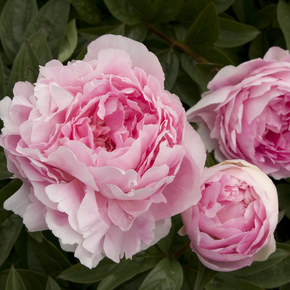
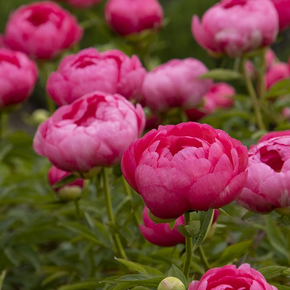
- Award-winning semi-double blooms open from deep coral buds and transform through glowing coral-peach to soft ivory, delivering a breathtaking living color show across a single bloom cycle
- Gold Medal recipient from the American Peony Society and Award of Garden Merit from the Royal Horticultural Society — one of the most celebrated herbaceous peonies ever introduced
- Among the earliest peonies to bloom in late spring, with strong stems that produce exceptional cut flowers boasting a vase life of 7-10 days or more when harvested in bud
- Long-lived, low-maintenance herbaceous perennial that is deer and rabbit resistant, attracts butterflies, and can thrive in the garden for 50 years or more with minimal care
Paeonia 'Coral Charm' is a showstopping herbaceous peony that stands apart from all others with its dramatic, ever-changing flower color. Introduced in 1964 by Samuel Wissing and honored with both the American Peony Society Gold Medal and the Royal Horticultural Society Award of Garden Merit, this extraordinary hybrid produces large, bowl-shaped semi-double blooms that emerge as rich, deep coral, unfurl into luminous coral-peach, and gradually soften to pale ivory — all on the same plant, often simultaneously. Borne abundantly on sturdy, upright stems above a lush, bushy mound of glossy, deep green divided foliage, the flowers make 'Coral Charm' one of the earliest and most eagerly anticipated peonies of the late spring to early summer season. Reaching 2 to 3 feet in height and spread, this compact and vigorous perennial fits beautifully into mixed borders, cottage gardens, and cutting gardens, while its foliage remains handsome and attractive through summer and often takes on warm fall color before dying back. Hardy in USDA Zones 3-8, deer and rabbit resistant, and virtually carefree once established, 'Coral Charm' is a true heirloom perennial that rewards generations of gardeners with armloads of some of the most spectacular and sought-after blooms in the peony world.
Plant Description
Coral Charm Peony (Paeonia 'Coral Charm') is a hybrid herbaceous peony celebrated for its uniquely dynamic flower color. The large, semi-double, bowl-shaped blooms open from deep persimmon-coral buds and reveal elegantly incurved petals of glowing coral-peach surrounding a central crown of golden-yellow stamens. As the flowers mature over the course of days, they transition through warm apricot and peachy tones before fading gracefully to pale ivory — creating a constantly shifting display that is utterly unlike any other peony. The foliage forms a dense, lush mound of glossy, dark green, divided leaves that remains ornamental throughout the entire growing season and often develops attractive warm tones in autumn before the plant dies back to the ground for winter. Introduced in 1964 and honored with the American Peony Society Gold Medal and the Royal Horticultural Society Award of Garden Merit, 'Coral Charm' is widely regarded as one of the finest herbaceous peonies ever bred.
Mature Size
| Attribute | Measurement |
|---|---|
| Mature Height | 2 - 3 feet (60 - 90 cm) |
| Mature Spread | 2 - 3 feet (60 - 75 cm) |
| Recommended Spacing | 24 - 30 inches (60 - 80 cm) between plants |
| Bloom Size | Up to 8 - 9 inches across |
| Growth Habit | Compact, bushy, upright mound |
| Plant Type | Herbaceous perennial (dies back to ground in winter) |
Hardiness and Climate
'Coral Charm' is hardy in USDA Zones 3-8, making it adaptable across a wide range of climates including regions with harsh, cold winters and warm summers. It requires a period of winter chill to properly set flower buds for the following season — this chilling requirement is generally met naturally in Zones 3 through 8. Gardeners in Zone 8 can expect reliable blooming with the provision of some afternoon shade during the hottest part of summer. This peony is not recommended for Zones 9 and 10, where winters are too mild to provide the necessary dormancy and chill hours the plant needs to bloom. In colder zones (3-5), the plant is fully cold-hardy and requires no special winter protection beyond allowing the foliage to remain until frost and cutting it back cleanly in fall.
Sunlight Requirements
'Coral Charm' peony performs best in full sun, meaning a minimum of 6-8 hours of direct sunlight per day. Ample sunlight is directly related to the abundance of blooms and the strength of the flower stems — plants receiving less light will produce fewer flowers and may have weaker, floppier stems. In the hottest climates, particularly Zone 7 and Zone 8, some light afternoon shade can help protect the flowers from heat scorch and extend the bloom period. Avoid deeply shaded locations or spots beneath dense tree canopies, as low light will significantly reduce flowering. A south or west-facing open border or bed is typically an ideal placement.
Soil and pH Preferences
'Coral Charm' thrives in deep, fertile, humus-rich soil with good drainage. Standing water or waterlogged conditions are harmful to the roots and can cause rot. It is adaptable to a variety of soil types including loam, sand, chalk, and clay, though heavy clay soils should be amended with compost, perlite, or grit to improve drainage and friability. The ideal soil pH is neutral to slightly acidic, in the range of 6.0 to 7.0. Use a soil test kit to confirm your pH before planting. If your soil is too acidic (below 6.0), incorporate ground limestone to raise the pH. If it is too alkaline (above 7.0), apply sulfur or aluminum sulfate to lower it. Enriching the planting hole generously with compost or well-rotted organic matter at the time of planting gives the plant the best possible start and can reduce the need for supplemental feeding for years to come.
Planting Instructions
- Choose a permanent location in full sun with deep, well-drained, fertile soil — peonies dislike transplanting and can be left undisturbed for decades.
- Plant in early fall (September-October), at least 4-6 weeks before the first hard frost, for best establishment. Spring planting is possible but may delay blooming by a season.
- Dig a wide, generous hole approximately 18-24 inches wide and 12-18 inches deep.
- Amend the backfill soil thoroughly with compost or aged organic matter. A cup of bone meal mixed into the soil is also beneficial.
- Position the bare root so the pink "eyes" (buds) face upward and sit no more than 1-2 inches below the soil surface. This is the single most critical factor — planting too deep is the number one reason peonies fail to bloom.
- Backfill gently, firming soil around the roots without compacting it tightly.
- Space multiple plants 2.5 to 3 feet apart to allow for air circulation and mature spread.
- Water deeply and thoroughly after planting.
- Apply a light 2-inch layer of mulch around (but not directly over) the crown to help retain moisture.
- Do not plant close to trees or large shrubs, as competition for moisture and nutrients will reduce performance.
Watering Guide
During the first year after planting, consistent moisture is important to support root establishment. Aim to provide approximately 1 inch of water per week, either from rainfall or supplemental irrigation, watering deeply and infrequently to encourage roots to grow downward. Water at the base of the plant rather than overhead to keep foliage dry and minimize disease risk. Soaker hoses or drip irrigation are ideal. Once established after one to two seasons, 'Coral Charm' develops deep, fleshy roots that provide significant drought tolerance, and it will largely sustain itself on normal rainfall. However, deep supplemental watering during prolonged dry periods — especially in spring when buds are swelling — can noticeably increase the number and quality of blooms. Avoid overwatering or creating soggy soil conditions, as peony roots are susceptible to rot in poorly drained ground.
Fertilizing
Peonies are not heavy feeders, and over-fertilizing — especially with high-nitrogen products — leads to lush leafy growth at the expense of flowers and weakens stems. Follow these guidelines for best results:
- In early spring, as new red shoots emerge, apply a thin top-dressing of compost or well-rotted organic matter around the base of the plant.
- When stems reach approximately 12 inches tall in mid-spring, apply a slow-release, low-nitrogen fertilizer with a formulation such as 5-10-10, bone meal, or a dedicated bulb/perennial fertilizer.
- A second light application of a bloom-boosting fertilizer (high in phosphorus and potassium) may be made through spring, stopping once the first buds appear.
- Do not fertilize after midsummer, as this can interfere with the plant's hardening-off process ahead of winter.
- Avoid high-nitrogen lawn fertilizers near peonies entirely.
Pruning and Maintenance
'Coral Charm' is a low-maintenance perennial, but a few seasonal tasks keep it healthy and productive for decades:
- Staking: Install peony rings, grow-through supports, or linked stakes in early spring when shoots are 6-12 inches tall. This prevents the heavy blooms from flopping after rain. Let stems grow up through the support naturally for the tidiest appearance.
- Deadheading: After blooms fade, remove spent flowers by cutting just below the bloom head above the first healthy leaf. This prevents seed set and redirects energy to the roots for next year's performance.
- Summer foliage: Never cut back green foliage during the growing season — the leaves are essential for photosynthesis and building the root reserves that fuel next year's blooms.
- Fall cutback: After the first hard frost kills the foliage (it will turn yellow to brown), cut all stems back to 2-3 inches above the ground. Remove and discard — do not compost — all plant debris to eliminate overwintering fungal spores.
- Division: 'Coral Charm' rarely needs dividing and performs best left undisturbed for many years. If the clump center becomes less productive after 10-15 years, divide in early fall using a sharp, clean knife, ensuring each division has 3-5 eyes. Replant immediately at the correct depth.
Bloom Season and Cut Flower Use
'Coral Charm' is among the earliest-blooming herbaceous peonies, typically flowering in late spring to early summer. In most garden settings in USDA Zones 5-7, expect blooms in mid- to late May. Each individual bloom lasts approximately 7-10 days under garden conditions. The entire flowering period for a single plant spans approximately 1-2 weeks. To extend your overall peony season to 6 weeks or more, consider planting 'Coral Charm' alongside midseason and late-blooming peony varieties.
As a cut flower, 'Coral Charm' is exceptional. For maximum vase life of 7-10 days or more, cut stems when the buds are in the "marshmallow stage" — soft and pliable when gently squeezed, but not yet open. Cut in the early morning with clean, sharp shears. Remove all foliage below the waterline and place immediately in cool, clean water. Buds cut at this stage will open and display the full color transition indoors. Flowers have a very light, fresh fragrance — subtle enough not to overwhelm an indoor space.
Pests and Diseases
'Coral Charm' is remarkably resistant to most pests and diseases, particularly once established with proper spacing and drainage. The following are the most common issues to be aware of:
- Ants on buds: Completely harmless. Ants are attracted to the sweet nectar on peony buds and actually assist in opening tight blooms. No treatment is needed or recommended — they will disappear once flowering is complete.
- Botrytis blight (gray mold): The most common peony disease, appearing as fuzzy gray mold on buds, stems, or foliage during cool, damp spring weather. Prevent it with good air circulation, proper plant spacing, and thorough fall cleanup. Remove and destroy any affected tissue promptly. A copper-based fungicide may be applied preventatively in persistently wet springs.
- Powdery mildew: A white powdery coating may appear on foliage in late summer, especially with poor air circulation. Improve spacing and airflow. Usually cosmetic and not harmful to a healthy plant.
- Aphids: Occasionally found on new spring growth. Dislodge with a strong spray of water or treat with insecticidal soap if populations are heavy.
- Root rot: Caused by poorly drained or waterlogged soil. Prevention through proper site selection and soil amendment is the best cure.
- Peony wilt and honey fungus: Rare but possible. Remove and destroy affected plants if these are suspected, and avoid replanting peonies in the same spot.
Landscape Uses
'Coral Charm' is a versatile performer in the landscape with a wide range of applications:
- Mixed perennial borders: Its compact, upright form and bold spring color make it a natural anchor in cottage-style or formal perennial beds.
- Specimen planting: Striking enough to stand alone as a focal point in a landscape bed or garden room.
- Mass plantings: Groups of three or more plants create an unforgettable late-spring display.
- Foundation plantings: Works well near patios, porches, entryways, and pathways where the blooms and seasonal foliage can be appreciated up close.
- Cutting garden: A top choice for dedicated cut flower gardens thanks to its long-stemmed, long-lasting blooms.
- Informal hedging: Can be planted in a loose row along a driveway or garden border for a seasonal flowering hedge effect.
- City and courtyard gardens: Its compact size makes it suitable for smaller urban gardens and patio containers in larger pots.
Companion Plants
The warm coral-peach tones of 'Coral Charm' pair beautifully with a wide range of spring and early summer perennials, bulbs, and shrubs. Consider these combinations for a stunning garden:
- Bearded Iris (Iris germanica): Blooms in sync with 'Coral Charm' in late spring. Purple and blue iris varieties create a classic, high-contrast pairing.
- Alliums (Allium 'Globemaster' or 'Purple Sensation'): The spherical purple flower heads of ornamental onions echo through and above the peony foliage for a dramatic effect.
- Catmint (Nepeta): Soft lavender-blue mounds of catmint complement the warm coral tones perfectly and bloom throughout summer to fill the gap after peonies fade.
- Salvia (Salvia nemorosa): Deep purple or blue salvia spikes provide vivid contrast in color and form next to the bowl-shaped peony flowers.
- Lady's Mantle (Alchemilla mollis): The frothy chartreuse-yellow flowers and scalloped leaves of lady's mantle make a soft, elegant filler around peony clumps.
- Lupine (Lupinus): Bold vertical flower spikes in complementary or contrasting hues bloom alongside peonies in late spring.
- Foxglove (Digitalis purpurea): Tall, stately spires of tubular flowers add vertical interest and a cottage garden feel next to 'Coral Charm'.
- Roses: Classic companions that pick up the color baton after peonies fade, especially repeat-blooming shrub roses in soft pinks, apricots, or whites.
- Peach-leaved Bellflower (Campanula persicifolia): Airy blue or white bells provide a delicate, romantic contrast to the bold peony blooms.
Container Growing
While 'Coral Charm' is most at home in the ground, it can be successfully grown in containers for patio gardens, small spaces, or decks where its spectacular blooms can be enjoyed up close. Follow these guidelines for container success:
- Choose a large, light-colored pot with ample drainage holes — a minimum of 20 gallons is recommended, and deeper is better, as peonies develop extensive root systems.
- Use a well-draining potting mix of approximately 65% quality topsoil and 35% perlite. Avoid standard potting soil alone, as it retains too much moisture and can lead to root rot.
- Plant at the correct eye depth (1-2 inches below the soil surface) just as you would in the ground.
- Position the container where it receives at least 6 hours of direct sun daily. A dappled shade or afternoon shade location is acceptable in the hottest climates.
- Container plants dry out faster than in-ground plantings — check soil moisture regularly and water when the top inch feels dry, aiming for consistent but not waterlogged moisture.
- Fertilize more frequently than in-ground plants: apply a balanced, low-nitrogen fertilizer in early spring and again after bloom, and top-dress with compost annually.
- In cold winter climates, move containers to an unheated but protected location such as a garage or shed to prevent the roots from freezing solid. The plant still needs a cold dormancy period; it just should not experience a deep, prolonged hard freeze in a pot.
- Repot every few years as the root system fills the container, or top-dress with fresh compost to replenish nutrients.
Wildlife Value
'Coral Charm' peony offers genuine ecological value in the garden alongside its ornamental beauty. The large, open semi-double flowers with their prominent central mass of golden stamens are highly attractive to pollinators, particularly bumblebees and other native bees that collect both pollen and nectar. Butterflies are also drawn to the blooms. The plant is notably resistant to browsing by deer and rabbits — the foliage contains compounds that make it unpalatable to most large herbivores, making it a reliable choice in areas with high deer pressure. While not a food plant for birds, its dense foliage provides some shelter value. Note that all parts of the plant may cause stomach discomfort if ingested by humans, and the plant is considered toxic to dogs, cats, and horses, so exercise appropriate caution in pet-friendly gardens.
Seasonal Interest
- Early Spring: Deep red to burgundy new shoots emerge dramatically from the ground, adding early color and texture to the border before many other perennials wake up.
- Late Spring to Early Summer: Peak bloom period. Deep coral buds swell and open into large, luminous coral-peach semi-double flowers that transition through apricot to pale ivory, creating a constantly evolving floral display that lasts 7-10 days per bloom.
- Summer: After flowering, the plant maintains a handsome, full mound of glossy, deep green divided foliage that serves as a lush, weed-suppressing groundcover in the border and provides a rich backdrop for later-blooming companions.
- Fall: As temperatures cool and the growing season ends, the foliage may develop attractive warm tones — purples, reds, or bronze — before dying back after the first hard frost.
- Winter: Fully dormant and underground, the plant rests and accumulates the cold hours it needs for the following year's exceptional bloom display.
- Award-winning semi-double blooms open from deep coral buds and transform through glowing coral-peach to soft ivory, delivering a breathtaking living color show across a single bloom cycle
- Gold Medal recipient from the American Peony Society and Award of Garden Merit from the Royal Horticultural Society — one of the most celebrated herbaceous peonies ever introduced
- Among the earliest peonies to bloom in late spring, with strong stems that produce exceptional cut flowers boasting a vase life of 7-10 days or more when harvested in bud
- Long-lived, low-maintenance herbaceous perennial that is deer and rabbit resistant, attracts butterflies, and can thrive in the garden for 50 years or more with minimal care
Paeonia 'Coral Charm' is a showstopping herbaceous peony that stands apart from all others with its dramatic, ever-changing flower color. Introduced in 1964 by Samuel Wissing and honored with both the American Peony Society Gold Medal and the Royal Horticultural Society Award of Garden Merit, this extraordinary hybrid produces large, bowl-shaped semi-double blooms that emerge as rich, deep coral, unfurl into luminous coral-peach, and gradually soften to pale ivory — all on the same plant, often simultaneously. Borne abundantly on sturdy, upright stems above a lush, bushy mound of glossy, deep green divided foliage, the flowers make 'Coral Charm' one of the earliest and most eagerly anticipated peonies of the late spring to early summer season. Reaching 2 to 3 feet in height and spread, this compact and vigorous perennial fits beautifully into mixed borders, cottage gardens, and cutting gardens, while its foliage remains handsome and attractive through summer and often takes on warm fall color before dying back. Hardy in USDA Zones 3-8, deer and rabbit resistant, and virtually carefree once established, 'Coral Charm' is a true heirloom perennial that rewards generations of gardeners with armloads of some of the most spectacular and sought-after blooms in the peony world.
Plant Description
Coral Charm Peony (Paeonia 'Coral Charm') is a hybrid herbaceous peony celebrated for its uniquely dynamic flower color. The large, semi-double, bowl-shaped blooms open from deep persimmon-coral buds and reveal elegantly incurved petals of glowing coral-peach surrounding a central crown of golden-yellow stamens. As the flowers mature over the course of days, they transition through warm apricot and peachy tones before fading gracefully to pale ivory — creating a constantly shifting display that is utterly unlike any other peony. The foliage forms a dense, lush mound of glossy, dark green, divided leaves that remains ornamental throughout the entire growing season and often develops attractive warm tones in autumn before the plant dies back to the ground for winter. Introduced in 1964 and honored with the American Peony Society Gold Medal and the Royal Horticultural Society Award of Garden Merit, 'Coral Charm' is widely regarded as one of the finest herbaceous peonies ever bred.
Mature Size
| Attribute | Measurement |
|---|---|
| Mature Height | 2 - 3 feet (60 - 90 cm) |
| Mature Spread | 2 - 3 feet (60 - 75 cm) |
| Recommended Spacing | 24 - 30 inches (60 - 80 cm) between plants |
| Bloom Size | Up to 8 - 9 inches across |
| Growth Habit | Compact, bushy, upright mound |
| Plant Type | Herbaceous perennial (dies back to ground in winter) |
Hardiness and Climate
'Coral Charm' is hardy in USDA Zones 3-8, making it adaptable across a wide range of climates including regions with harsh, cold winters and warm summers. It requires a period of winter chill to properly set flower buds for the following season — this chilling requirement is generally met naturally in Zones 3 through 8. Gardeners in Zone 8 can expect reliable blooming with the provision of some afternoon shade during the hottest part of summer. This peony is not recommended for Zones 9 and 10, where winters are too mild to provide the necessary dormancy and chill hours the plant needs to bloom. In colder zones (3-5), the plant is fully cold-hardy and requires no special winter protection beyond allowing the foliage to remain until frost and cutting it back cleanly in fall.
Sunlight Requirements
'Coral Charm' peony performs best in full sun, meaning a minimum of 6-8 hours of direct sunlight per day. Ample sunlight is directly related to the abundance of blooms and the strength of the flower stems — plants receiving less light will produce fewer flowers and may have weaker, floppier stems. In the hottest climates, particularly Zone 7 and Zone 8, some light afternoon shade can help protect the flowers from heat scorch and extend the bloom period. Avoid deeply shaded locations or spots beneath dense tree canopies, as low light will significantly reduce flowering. A south or west-facing open border or bed is typically an ideal placement.
Soil and pH Preferences
'Coral Charm' thrives in deep, fertile, humus-rich soil with good drainage. Standing water or waterlogged conditions are harmful to the roots and can cause rot. It is adaptable to a variety of soil types including loam, sand, chalk, and clay, though heavy clay soils should be amended with compost, perlite, or grit to improve drainage and friability. The ideal soil pH is neutral to slightly acidic, in the range of 6.0 to 7.0. Use a soil test kit to confirm your pH before planting. If your soil is too acidic (below 6.0), incorporate ground limestone to raise the pH. If it is too alkaline (above 7.0), apply sulfur or aluminum sulfate to lower it. Enriching the planting hole generously with compost or well-rotted organic matter at the time of planting gives the plant the best possible start and can reduce the need for supplemental feeding for years to come.
Planting Instructions
- Choose a permanent location in full sun with deep, well-drained, fertile soil — peonies dislike transplanting and can be left undisturbed for decades.
- Plant in early fall (September-October), at least 4-6 weeks before the first hard frost, for best establishment. Spring planting is possible but may delay blooming by a season.
- Dig a wide, generous hole approximately 18-24 inches wide and 12-18 inches deep.
- Amend the backfill soil thoroughly with compost or aged organic matter. A cup of bone meal mixed into the soil is also beneficial.
- Position the bare root so the pink "eyes" (buds) face upward and sit no more than 1-2 inches below the soil surface. This is the single most critical factor — planting too deep is the number one reason peonies fail to bloom.
- Backfill gently, firming soil around the roots without compacting it tightly.
- Space multiple plants 2.5 to 3 feet apart to allow for air circulation and mature spread.
- Water deeply and thoroughly after planting.
- Apply a light 2-inch layer of mulch around (but not directly over) the crown to help retain moisture.
- Do not plant close to trees or large shrubs, as competition for moisture and nutrients will reduce performance.
Watering Guide
During the first year after planting, consistent moisture is important to support root establishment. Aim to provide approximately 1 inch of water per week, either from rainfall or supplemental irrigation, watering deeply and infrequently to encourage roots to grow downward. Water at the base of the plant rather than overhead to keep foliage dry and minimize disease risk. Soaker hoses or drip irrigation are ideal. Once established after one to two seasons, 'Coral Charm' develops deep, fleshy roots that provide significant drought tolerance, and it will largely sustain itself on normal rainfall. However, deep supplemental watering during prolonged dry periods — especially in spring when buds are swelling — can noticeably increase the number and quality of blooms. Avoid overwatering or creating soggy soil conditions, as peony roots are susceptible to rot in poorly drained ground.
Fertilizing
Peonies are not heavy feeders, and over-fertilizing — especially with high-nitrogen products — leads to lush leafy growth at the expense of flowers and weakens stems. Follow these guidelines for best results:
- In early spring, as new red shoots emerge, apply a thin top-dressing of compost or well-rotted organic matter around the base of the plant.
- When stems reach approximately 12 inches tall in mid-spring, apply a slow-release, low-nitrogen fertilizer with a formulation such as 5-10-10, bone meal, or a dedicated bulb/perennial fertilizer.
- A second light application of a bloom-boosting fertilizer (high in phosphorus and potassium) may be made through spring, stopping once the first buds appear.
- Do not fertilize after midsummer, as this can interfere with the plant's hardening-off process ahead of winter.
- Avoid high-nitrogen lawn fertilizers near peonies entirely.
Pruning and Maintenance
'Coral Charm' is a low-maintenance perennial, but a few seasonal tasks keep it healthy and productive for decades:
- Staking: Install peony rings, grow-through supports, or linked stakes in early spring when shoots are 6-12 inches tall. This prevents the heavy blooms from flopping after rain. Let stems grow up through the support naturally for the tidiest appearance.
- Deadheading: After blooms fade, remove spent flowers by cutting just below the bloom head above the first healthy leaf. This prevents seed set and redirects energy to the roots for next year's performance.
- Summer foliage: Never cut back green foliage during the growing season — the leaves are essential for photosynthesis and building the root reserves that fuel next year's blooms.
- Fall cutback: After the first hard frost kills the foliage (it will turn yellow to brown), cut all stems back to 2-3 inches above the ground. Remove and discard — do not compost — all plant debris to eliminate overwintering fungal spores.
- Division: 'Coral Charm' rarely needs dividing and performs best left undisturbed for many years. If the clump center becomes less productive after 10-15 years, divide in early fall using a sharp, clean knife, ensuring each division has 3-5 eyes. Replant immediately at the correct depth.
Bloom Season and Cut Flower Use
'Coral Charm' is among the earliest-blooming herbaceous peonies, typically flowering in late spring to early summer. In most garden settings in USDA Zones 5-7, expect blooms in mid- to late May. Each individual bloom lasts approximately 7-10 days under garden conditions. The entire flowering period for a single plant spans approximately 1-2 weeks. To extend your overall peony season to 6 weeks or more, consider planting 'Coral Charm' alongside midseason and late-blooming peony varieties.
As a cut flower, 'Coral Charm' is exceptional. For maximum vase life of 7-10 days or more, cut stems when the buds are in the "marshmallow stage" — soft and pliable when gently squeezed, but not yet open. Cut in the early morning with clean, sharp shears. Remove all foliage below the waterline and place immediately in cool, clean water. Buds cut at this stage will open and display the full color transition indoors. Flowers have a very light, fresh fragrance — subtle enough not to overwhelm an indoor space.
Pests and Diseases
'Coral Charm' is remarkably resistant to most pests and diseases, particularly once established with proper spacing and drainage. The following are the most common issues to be aware of:
- Ants on buds: Completely harmless. Ants are attracted to the sweet nectar on peony buds and actually assist in opening tight blooms. No treatment is needed or recommended — they will disappear once flowering is complete.
- Botrytis blight (gray mold): The most common peony disease, appearing as fuzzy gray mold on buds, stems, or foliage during cool, damp spring weather. Prevent it with good air circulation, proper plant spacing, and thorough fall cleanup. Remove and destroy any affected tissue promptly. A copper-based fungicide may be applied preventatively in persistently wet springs.
- Powdery mildew: A white powdery coating may appear on foliage in late summer, especially with poor air circulation. Improve spacing and airflow. Usually cosmetic and not harmful to a healthy plant.
- Aphids: Occasionally found on new spring growth. Dislodge with a strong spray of water or treat with insecticidal soap if populations are heavy.
- Root rot: Caused by poorly drained or waterlogged soil. Prevention through proper site selection and soil amendment is the best cure.
- Peony wilt and honey fungus: Rare but possible. Remove and destroy affected plants if these are suspected, and avoid replanting peonies in the same spot.
Landscape Uses
'Coral Charm' is a versatile performer in the landscape with a wide range of applications:
- Mixed perennial borders: Its compact, upright form and bold spring color make it a natural anchor in cottage-style or formal perennial beds.
- Specimen planting: Striking enough to stand alone as a focal point in a landscape bed or garden room.
- Mass plantings: Groups of three or more plants create an unforgettable late-spring display.
- Foundation plantings: Works well near patios, porches, entryways, and pathways where the blooms and seasonal foliage can be appreciated up close.
- Cutting garden: A top choice for dedicated cut flower gardens thanks to its long-stemmed, long-lasting blooms.
- Informal hedging: Can be planted in a loose row along a driveway or garden border for a seasonal flowering hedge effect.
- City and courtyard gardens: Its compact size makes it suitable for smaller urban gardens and patio containers in larger pots.
Companion Plants
The warm coral-peach tones of 'Coral Charm' pair beautifully with a wide range of spring and early summer perennials, bulbs, and shrubs. Consider these combinations for a stunning garden:
- Bearded Iris (Iris germanica): Blooms in sync with 'Coral Charm' in late spring. Purple and blue iris varieties create a classic, high-contrast pairing.
- Alliums (Allium 'Globemaster' or 'Purple Sensation'): The spherical purple flower heads of ornamental onions echo through and above the peony foliage for a dramatic effect.
- Catmint (Nepeta): Soft lavender-blue mounds of catmint complement the warm coral tones perfectly and bloom throughout summer to fill the gap after peonies fade.
- Salvia (Salvia nemorosa): Deep purple or blue salvia spikes provide vivid contrast in color and form next to the bowl-shaped peony flowers.
- Lady's Mantle (Alchemilla mollis): The frothy chartreuse-yellow flowers and scalloped leaves of lady's mantle make a soft, elegant filler around peony clumps.
- Lupine (Lupinus): Bold vertical flower spikes in complementary or contrasting hues bloom alongside peonies in late spring.
- Foxglove (Digitalis purpurea): Tall, stately spires of tubular flowers add vertical interest and a cottage garden feel next to 'Coral Charm'.
- Roses: Classic companions that pick up the color baton after peonies fade, especially repeat-blooming shrub roses in soft pinks, apricots, or whites.
- Peach-leaved Bellflower (Campanula persicifolia): Airy blue or white bells provide a delicate, romantic contrast to the bold peony blooms.
Container Growing
While 'Coral Charm' is most at home in the ground, it can be successfully grown in containers for patio gardens, small spaces, or decks where its spectacular blooms can be enjoyed up close. Follow these guidelines for container success:
- Choose a large, light-colored pot with ample drainage holes — a minimum of 20 gallons is recommended, and deeper is better, as peonies develop extensive root systems.
- Use a well-draining potting mix of approximately 65% quality topsoil and 35% perlite. Avoid standard potting soil alone, as it retains too much moisture and can lead to root rot.
- Plant at the correct eye depth (1-2 inches below the soil surface) just as you would in the ground.
- Position the container where it receives at least 6 hours of direct sun daily. A dappled shade or afternoon shade location is acceptable in the hottest climates.
- Container plants dry out faster than in-ground plantings — check soil moisture regularly and water when the top inch feels dry, aiming for consistent but not waterlogged moisture.
- Fertilize more frequently than in-ground plants: apply a balanced, low-nitrogen fertilizer in early spring and again after bloom, and top-dress with compost annually.
- In cold winter climates, move containers to an unheated but protected location such as a garage or shed to prevent the roots from freezing solid. The plant still needs a cold dormancy period; it just should not experience a deep, prolonged hard freeze in a pot.
- Repot every few years as the root system fills the container, or top-dress with fresh compost to replenish nutrients.
Wildlife Value
'Coral Charm' peony offers genuine ecological value in the garden alongside its ornamental beauty. The large, open semi-double flowers with their prominent central mass of golden stamens are highly attractive to pollinators, particularly bumblebees and other native bees that collect both pollen and nectar. Butterflies are also drawn to the blooms. The plant is notably resistant to browsing by deer and rabbits — the foliage contains compounds that make it unpalatable to most large herbivores, making it a reliable choice in areas with high deer pressure. While not a food plant for birds, its dense foliage provides some shelter value. Note that all parts of the plant may cause stomach discomfort if ingested by humans, and the plant is considered toxic to dogs, cats, and horses, so exercise appropriate caution in pet-friendly gardens.
Seasonal Interest
- Early Spring: Deep red to burgundy new shoots emerge dramatically from the ground, adding early color and texture to the border before many other perennials wake up.
- Late Spring to Early Summer: Peak bloom period. Deep coral buds swell and open into large, luminous coral-peach semi-double flowers that transition through apricot to pale ivory, creating a constantly evolving floral display that lasts 7-10 days per bloom.
- Summer: After flowering, the plant maintains a handsome, full mound of glossy, deep green divided foliage that serves as a lush, weed-suppressing groundcover in the border and provides a rich backdrop for later-blooming companions.
- Fall: As temperatures cool and the growing season ends, the foliage may develop attractive warm tones — purples, reds, or bronze — before dying back after the first hard frost.
- Winter: Fully dormant and underground, the plant rests and accumulates the cold hours it needs for the following year's exceptional bloom display.