


Zoom the image with the mouse
Lady Orchid Peony - 2 Gallon
SKU:
1931605
UPC:
014949240373
$44.99
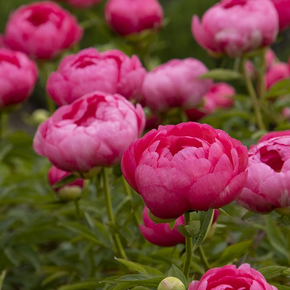
- Stunning fully double blooms in a soft, near-lavender pink open mid- to late spring atop sturdy stems, filling the garden with a light, sweet fragrance year after year.
- A classic cut-flower peony introduced in 1942 and still celebrated for its large, lush, wavy petals that hold their form beautifully in fresh-cut bouquets.
- Robust, rounded mound of deep glossy green foliage remains ornamental from spring through fall, making it a standout specimen and elegant backdrop for shrub borders.
- A long-lived, deer- and rabbit-resistant herbaceous perennial that dies back in winter and returns reliably each spring, rewarding patient gardeners with ever-more-abundant blooms as it matures.
Paeonia lactiflora 'Lady Orchid' is a timeless herbaceous peony that has enchanted gardeners since its introduction in 1942, earning its place as a beloved classic in the landscape and the cutting garden alike. Each mid- to late spring, this vigorous, clump-forming perennial sends up strong, upright stems to roughly 28-45 inches tall, crowned by large, fully double blooms in an exquisite shade of soft lavender-pink — a uniquely subtle tone that sets it apart from ordinary pink peonies. The generously sized flowers carry a delicate, light fragrance and are accompanied by side buds that extend the bloom season, ensuring a succession of fresh flowers for cutting. Rich, deep green foliage fills out into a full, rounded mound that remains handsome well into autumn, providing season-long landscape value long after the blooms have faded. 'Lady Orchid' performs best in USDA Hardiness Zones 3-8, where adequate winter chilling is available to set buds reliably each year; it is not recommended for the low-chill climates of Zones 9-11. Once established, this exceptional peony is extraordinarily long-lived, drought-tolerant between waterings, and naturally resistant to deer and rabbits, making it an ideal investment for permanent garden beds, mixed perennial borders, and cottage-style plantings throughout Southern Oregon and Northern California.
Plant Description
Lady Orchid is a Paeonia lactiflora (Chinese or herbaceous peony) cultivar that produces fully double, cup-shaped blooms in a distinctive soft lavender-pink — a shade that bridges true pink and lilac in a uniquely muted, romantic tone. The outer petals are broad and smooth, while the inner layers fold densely inward, creating a richly layered flower that holds its form even in varying weather. The blooms are lightly fragrant with a sweet, classic peony scent. Stems are strong and upright, and plants produce both primary blooms and secondary side buds, extending the display over several weeks. The foliage is lush, deep glossy green, and remains attractive from spring emergence through fall frost. Introduced in 1942, 'Lady Orchid' remains a standard-bearer among lactiflora peonies for its reliable performance, elegant flower structure, and even color consistency.
Mature Size
| Attribute | Measurement |
|---|---|
| Height at Maturity | 28-45 inches (approximately 2.5-3.5 ft) |
| Spread at Maturity | 28-32 inches (approximately 2.5 ft) |
| Growth Rate | Slow to moderate; reaches full size in 3-5 years |
| Plant Form | Rounded, upright, herbaceous mound |
Note that newly planted peonies establish slowly and may produce only minimal or no blooms in their first year. By years two and three, flowering becomes more regular, and the plant reaches its full floral splendor once fully established — a display that can continue for decades with proper care.
Hardiness Zones and Climate
Lady Orchid peony is rated for USDA Hardiness Zones 3-8, tolerating winter temperatures as low as -40 degrees F. Like all lactiflora peonies, it requires a period of winter chilling — approximately 600-700 hours of temperatures below 40 degrees F — to properly set buds and flower reliably each season. For this reason, it will not flower in Zones 9-11, where winters are too mild to satisfy this chilling requirement. In Southern Oregon and Northern California, gardeners in higher elevations and inland valley locations within Zones 5-8 will see the best performance. Coastal areas with mild marine winters may experience reduced blooming due to insufficient chill hours. In hot inland climates, providing some afternoon shade can help protect the blooms and extend their display.
Sunlight Requirements
Lady Orchid peony thrives in full sun, which is defined as a minimum of 6 hours of direct sunlight per day. Full sun exposure produces the strongest stems, the most vibrant flower color, and the most abundant blooms. In warmer inland areas of Southern Oregon and Northern California, a location that receives full morning sun with light afternoon shade is ideal — this prevents heat stress on the flowers and can slightly extend their display. The plant will tolerate light shade (sun/partial shade), but flowering will be reduced and stems may become more lax in lower-light conditions. Avoid deeply shaded sites entirely, as this prevents proper bud development and dramatically reduces flowering. Do not plant directly under or near large trees, which compete aggressively for both light and soil nutrients.
Soil and pH Preferences
Lady Orchid peony performs best in deep, fertile, well-drained soil rich in organic matter. Good drainage is critical — waterlogged or consistently wet soil promotes root rot and fungal diseases such as botrytis. Before planting, amend heavy clay soils with compost and coarse grit or perlite to improve both drainage and aeration. Sandy soils benefit from generous additions of compost or aged manure to improve water and nutrient retention.
- Preferred soil pH: 6.0-7.5 (slightly acidic to slightly alkaline; slightly alkaline is ideal)
- Soil type: Deep loamy, well-drained, humus-rich soils are optimal; tolerates clay and sandy soils when amended
- Avoid: Compacted soils, poorly drained areas, and soils with pH below 6.0 or above 7.5
- Soil depth: At least 12-18 inches of workable, enriched soil allows for proper root development
Planting Instructions
- Select a permanent, sunny location with well-drained soil — peonies dislike being moved once established and will take time to re-establish after transplanting.
- Prepare a planting hole approximately 12-18 inches wide and 12 inches deep. Loosen the soil at the bottom and incorporate generous amounts of compost or well-rotted manure. If drainage is poor, add coarse grit or perlite to the bottom of the hole.
- Position the plant so that the crown's growing eyes (pink or red buds) are no more than 1-2 inches below the finished soil surface. Planting too deeply is the most common reason peonies fail to bloom.
- Backfill with amended soil, gently firming it to eliminate air pockets without compacting around the crown.
- Water thoroughly after planting to settle the soil.
- Apply a 2-3 inch layer of organic mulch (shredded bark, straw) around the base, keeping mulch a few inches away from the crown to prevent rot.
- Space multiple plants 28-36 inches apart to allow for mature spread and adequate air circulation.
- In the first winter after planting, apply a light mulch layer for insulation. Remove the mulch in early spring before new growth emerges.
For container-grown plants being transplanted into the garden, handle the root ball carefully to minimize disturbance and plant at the same depth the plant was growing in its container, ensuring the crown eyes are no more than 1-2 inches below the soil surface.
Watering Guide
Lady Orchid peony prefers consistently moist but never waterlogged soil. Water deeply and then allow the top inch or two of soil to dry slightly before watering again. Avoid frequent shallow watering, which encourages surface rooting and leaves the plant more vulnerable during dry periods.
- During establishment (Year 1): Water once or twice per week, depending on soil type and temperatures, to help the roots develop and anchor the plant.
- Established plants: Water deeply every 7-10 days during active growth and blooming periods. Once established, the deep root system is relatively drought-tolerant between irrigations.
- Summer dormancy: After foliage matures and during summer heat, reduce watering frequency but do not allow the soil to remain bone dry for extended periods.
- Watering method: Direct water at the base of the plant rather than overhead. Wetting the foliage promotes fungal diseases including botrytis blight.
- Winter: Natural rainfall is typically sufficient; reduce or stop supplemental irrigation during the plant's dormant period.
Fertilizing
Lady Orchid peony is a relatively light feeder but responds well to strategic fertilization that supports strong root development and abundant blooming. Avoid high-nitrogen fertilizers, which promote lush foliage at the expense of flowers and can make stems more susceptible to disease.
- Spring (as shoots emerge): Apply a balanced, low-nitrogen fertilizer (such as a 5-10-10 or 10-20-20 formulation) in a ring approximately 6-8 inches from the crown. This supports bud development and stem strength.
- After blooming: A light application of a phosphorus- and potassium-rich fertilizer helps the plant store energy in its roots for the following season's bloom.
- Fall (after foliage dies back): Top-dress with compost, aged manure, or a balanced slow-release granular fertilizer to replenish nutrients over winter.
- Avoid: Over-fertilizing with high nitrogen, which reduces flowering and increases disease susceptibility. Do not fertilize directly on the crown.
- In rich garden soils, twice-yearly applications of compost alone may be sufficient for healthy growth and blooming.
Pruning and Maintenance
Herbaceous peonies like Lady Orchid require minimal but important pruning and seasonal care to remain healthy and productive for decades.
- Deadheading: Remove spent flowers promptly after blooming by cutting the stem back to the first set of healthy leaves. This prevents seed formation and redirects the plant's energy into root development for future seasons.
- Stem support: The large, heavy double blooms of Lady Orchid may require staking, especially in windy locations or after rain. Install peony rings, wire cages, or grow-through supports in early spring before stems reach full height to avoid damaging emerging growth.
- Fall cutback: After the first hard frost kills the foliage, cut all stems down to approximately 2-4 inches above ground level. Remove and dispose of all cut foliage — do not compost it, as dead peony material can harbor botrytis spores that reinfect the plant the following year.
- Dividing: Established clumps can be divided in early fall every 10-15 years if they become overcrowded or flowering declines. Dig carefully, divide the root so each section has at least 3-5 healthy eyes, and replant promptly at the correct depth.
- Spring cleanup: Remove winter mulch in early spring before shoots emerge to allow the crown to warm naturally and prevent rotting from excess moisture retention.
Seasonal Interest
| Season | What to Expect |
|---|---|
| Late Winter / Early Spring | Red or pink fleshy shoots push through the soil, providing an early sign of the season's display to come. |
| Mid to Late Spring | Peak bloom period — large, fully double lavender-pink flowers open in abundance with a soft, sweet fragrance; side buds extend the display over 2-3 weeks. |
| Early Summer | Blooming completes; full mound of deep glossy green foliage remains as an attractive, bold-textured backdrop in the garden. |
| Summer through Fall | The lush green foliage continues to provide garden structure and attractive texture; some autumn color may appear before dormancy. |
| Winter | Plant is fully dormant; stems die back to the ground. No above-ground presence, making it ideal to interplant with spring bulbs or winter-interest companions. |
Landscape Uses
Lady Orchid peony is one of the most versatile and long-lived perennials available for the garden, offering exceptional value in a wide range of landscape settings:
- Mixed perennial and shrub borders: The upright, rounded mound and large blooms make Lady Orchid a stunning mid-border or back-of-border focal point, particularly when paired with companions of contrasting texture and later bloom times.
- Specimen planting: A single established clump in a prominent location in a sunny garden bed makes a breathtaking focal point during bloom season.
- Background plant for spring bulbs: The emerging peony foliage provides an attractive green backdrop for tulips, alliums, and other spring bulbs, and then neatly hides the fading bulb foliage as summer approaches.
- Cutting garden: Lady Orchid is prized as a premier cut-flower peony, producing long-stemmed, lush blooms that last 5-7 days in a vase and are outstanding for fresh floral arrangements.
- Cottage and informal gardens: The romantic, old-fashioned flower form and soft pastel color palette are perfectly suited to cottage-style and informal mixed border plantings.
- Formal borders: The tidy, rounded habit and uniform height make Lady Orchid suitable for repeated planting in formal or symmetrical garden designs.
- Not suitable for containers long-term; best reserved for permanent in-ground placement.
Companion Plants
Lady Orchid's soft lavender-pink blooms, mid- to late spring flowering period, and deep green foliage pair beautifully with a wide variety of garden companions. Consider the following combinations to create a layered, season-long display:
- Tulips and Daffodils: These spring bulbs bloom just before peonies and provide early color. The expanding peony foliage then neatly camouflages the bulbs' yellowing leaves after they finish blooming.
- Alliums: Ornamental onions bloom in late spring as peonies peak, and their spherical purple or white flower heads provide striking architectural contrast. Their onion scent also naturally deters deer and pest insects.
- Bearded Iris and Siberian Iris: These spring bloomers complement the peony's flower size and form while providing contrasting sword-like foliage as a textural counterpoint.
- Roses: Garden roses flower after peonies fade, maintaining color and fragrance in the same bed from late spring through summer and fall. Both share similar soil and sun preferences.
- Foxgloves: Tall spikes of tubular blooms in pink or purple rise behind peonies in late spring, adding vertical interest and attracting pollinators.
- Lavender: Planted at the front of the border, lavender creates a fragrant, silvery-green edging for peony beds and thrives in the same full-sun, well-drained conditions.
- Hydrangeas: Planted nearby as a shrub backdrop, hydrangeas carry the bloom season well into summer and fall after peonies have finished.
- Lilies: Oriental, Asiatic, or trumpet lilies bloom after peonies and can be interplanted to keep the bed colorful through midsummer.
- Columbines: The airy, nodding blooms of columbine contrast beautifully with the large, full flowers of Lady Orchid and attract hummingbirds and bees.
Pests and Diseases
Lady Orchid peony is generally a robust and trouble-free plant when given appropriate growing conditions, but a few common issues should be monitored:
- Botrytis Blight (Botrytis paeoniae): The most common peony disease, presenting as wilting and blackening of young shoots and buds, often accompanied by gray fuzzy mold. Favored by cool, damp conditions and poor air circulation. Prevent by spacing plants adequately, avoiding overhead watering, and removing and disposing of all dead foliage in fall. Treat with a registered fungicide if symptoms appear in spring.
- Powdery Mildew: A white powdery coating may develop on foliage in late summer, particularly in dry conditions with poor air circulation. Improve airflow and avoid moisture stress to reduce incidence.
- Aphids: Soft-bodied insects may cluster on new shoots in spring. Remove by hand, use a strong stream of water, or treat with insecticidal soap or neem oil. Avoid heavy pesticide use to protect beneficial insects.
- Ants: Ants are commonly seen on peony buds and are attracted to the naturally sweet nectar secreted by the buds. They do not harm the plant and are not a pest — no treatment is needed or recommended.
- Scale and Thrips: Occasional issues that can typically be managed with horticultural oil or insecticidal soap applications.
- Root Rot (Phytophthora): Caused by poorly drained, waterlogged soil. Prevent by ensuring excellent drainage at the planting site. There is no cure; affected plants should be removed.
- Deer and Rabbits: Lady Orchid is considered deer-resistant and rabbit-resistant — a significant advantage in gardens with wildlife pressure.
Cut Flower Guide
Lady Orchid peony is considered one of the finest herbaceous peonies for cutting, prized by florists and home gardeners alike for the size, form, and vase life of its blooms. Follow these tips to get the most from your cut flowers:
- When to cut: Harvest stems when buds are at the "marshmallow stage" — the bud is showing full color and feels soft and squishy when gently squeezed, but has not yet begun to open. Buds cut at this stage will open beautifully in the vase and last the longest.
- Time of day: Cut in the early morning or evening when stems are most hydrated and temperatures are cool.
- Stem length: Use clean, sharp pruners to cut stems at an angle to at least 12-15 inches in length. Leave at least 2-3 sets of leaves on the plant to support continued photosynthesis and root energy storage.
- Conditioning: Immediately place cut stems in a bucket of cool, clean water and move them to a cool, shaded location for several hours before arranging.
- Vase life: Properly conditioned Lady Orchid blooms typically last 5-7 days in a vase. Change the water every 1-2 days and trim the stem ends periodically to extend display.
- Storage: Unopened buds at the marshmallow stage can be wrapped in damp newspaper and stored in a refrigerator at 32-34 degrees F for several weeks, then brought out to open at room temperature for special occasions.
- Side buds: Unlike some varieties, Lady Orchid produces side buds along the stem that will open in sequence after the primary bloom, providing additional flowers from a single cut stem.
Wildlife Value
Lady Orchid peony provides valuable support for pollinators and other garden wildlife during its bloom season, while offering natural resistance to browsing animals:
- Pollinators: The large, open flowers attract bees, including native bumblebees and honey bees, which feed on the pollen and nectar. Butterflies are also attracted to the blooms.
- Ants: The extrafloral nectaries on peony buds attract ants, which feed harmlessly on the sweet secretions. This is a natural, mutually beneficial relationship — ants do not harm the plant and require no intervention.
- Deer resistance: Lady Orchid is considered deer-resistant due to compounds in its foliage and roots that make it unpalatable to browsing deer — a significant landscape benefit in Southern Oregon and Northern California where deer pressure is common.
- Rabbit resistance: Similarly, rabbits typically avoid peony plants, making this variety a reliable choice for gardens with rabbit activity.
- Toxicity note: All parts of peonies are considered toxic if ingested by humans, cats, or dogs. Plant in areas inaccessible to pets and small children, or take appropriate precautions.
Container Growing
While Lady Orchid peony is best suited for permanent in-ground planting, it can be grown in containers under the right conditions. Container culture requires extra attention to drainage, watering, and nutrition, and long-term container growing is not recommended as it limits root development and can reduce blooming over time.
- Container size: Choose a large container with a minimum volume of 7-10 gallons (approximately 30-40 liters) and ample drainage holes. The container must be deep enough to accommodate the substantial root system.
- Potting mix: Use a well-draining, fertile mix of quality potting soil blended with perlite or coarse grit (approximately 1 part perlite to 3 parts soil) to ensure excellent drainage and aeration.
- Planting depth: As with in-ground planting, position crown eyes no more than 1-2 inches below the soil surface.
- Watering: Containers dry out faster than garden beds. Monitor soil moisture closely and water when the top inch of soil is dry, ensuring water drains freely from the bottom.
- Fertilizing: Container plants exhaust nutrients more quickly. Apply a balanced, low-nitrogen liquid fertilizer every 3-4 weeks during the growing season, and top-dress with compost each fall.
- Winter care: Container-grown peonies in climates with hard freezes may need the container moved to a sheltered, unheated location (such as a garage) to protect roots from freezing solid. Ensure the plant still receives adequate chilling hours for bud set.
- Transition to garden: After 1-2 years in a container, consider transitioning Lady Orchid to a permanent in-ground location for best long-term performance.
- Stunning fully double blooms in a soft, near-lavender pink open mid- to late spring atop sturdy stems, filling the garden with a light, sweet fragrance year after year.
- A classic cut-flower peony introduced in 1942 and still celebrated for its large, lush, wavy petals that hold their form beautifully in fresh-cut bouquets.
- Robust, rounded mound of deep glossy green foliage remains ornamental from spring through fall, making it a standout specimen and elegant backdrop for shrub borders.
- A long-lived, deer- and rabbit-resistant herbaceous perennial that dies back in winter and returns reliably each spring, rewarding patient gardeners with ever-more-abundant blooms as it matures.
Paeonia lactiflora 'Lady Orchid' is a timeless herbaceous peony that has enchanted gardeners since its introduction in 1942, earning its place as a beloved classic in the landscape and the cutting garden alike. Each mid- to late spring, this vigorous, clump-forming perennial sends up strong, upright stems to roughly 28-45 inches tall, crowned by large, fully double blooms in an exquisite shade of soft lavender-pink — a uniquely subtle tone that sets it apart from ordinary pink peonies. The generously sized flowers carry a delicate, light fragrance and are accompanied by side buds that extend the bloom season, ensuring a succession of fresh flowers for cutting. Rich, deep green foliage fills out into a full, rounded mound that remains handsome well into autumn, providing season-long landscape value long after the blooms have faded. 'Lady Orchid' performs best in USDA Hardiness Zones 3-8, where adequate winter chilling is available to set buds reliably each year; it is not recommended for the low-chill climates of Zones 9-11. Once established, this exceptional peony is extraordinarily long-lived, drought-tolerant between waterings, and naturally resistant to deer and rabbits, making it an ideal investment for permanent garden beds, mixed perennial borders, and cottage-style plantings throughout Southern Oregon and Northern California.
Plant Description
Lady Orchid is a Paeonia lactiflora (Chinese or herbaceous peony) cultivar that produces fully double, cup-shaped blooms in a distinctive soft lavender-pink — a shade that bridges true pink and lilac in a uniquely muted, romantic tone. The outer petals are broad and smooth, while the inner layers fold densely inward, creating a richly layered flower that holds its form even in varying weather. The blooms are lightly fragrant with a sweet, classic peony scent. Stems are strong and upright, and plants produce both primary blooms and secondary side buds, extending the display over several weeks. The foliage is lush, deep glossy green, and remains attractive from spring emergence through fall frost. Introduced in 1942, 'Lady Orchid' remains a standard-bearer among lactiflora peonies for its reliable performance, elegant flower structure, and even color consistency.
Mature Size
| Attribute | Measurement |
|---|---|
| Height at Maturity | 28-45 inches (approximately 2.5-3.5 ft) |
| Spread at Maturity | 28-32 inches (approximately 2.5 ft) |
| Growth Rate | Slow to moderate; reaches full size in 3-5 years |
| Plant Form | Rounded, upright, herbaceous mound |
Note that newly planted peonies establish slowly and may produce only minimal or no blooms in their first year. By years two and three, flowering becomes more regular, and the plant reaches its full floral splendor once fully established — a display that can continue for decades with proper care.
Hardiness Zones and Climate
Lady Orchid peony is rated for USDA Hardiness Zones 3-8, tolerating winter temperatures as low as -40 degrees F. Like all lactiflora peonies, it requires a period of winter chilling — approximately 600-700 hours of temperatures below 40 degrees F — to properly set buds and flower reliably each season. For this reason, it will not flower in Zones 9-11, where winters are too mild to satisfy this chilling requirement. In Southern Oregon and Northern California, gardeners in higher elevations and inland valley locations within Zones 5-8 will see the best performance. Coastal areas with mild marine winters may experience reduced blooming due to insufficient chill hours. In hot inland climates, providing some afternoon shade can help protect the blooms and extend their display.
Sunlight Requirements
Lady Orchid peony thrives in full sun, which is defined as a minimum of 6 hours of direct sunlight per day. Full sun exposure produces the strongest stems, the most vibrant flower color, and the most abundant blooms. In warmer inland areas of Southern Oregon and Northern California, a location that receives full morning sun with light afternoon shade is ideal — this prevents heat stress on the flowers and can slightly extend their display. The plant will tolerate light shade (sun/partial shade), but flowering will be reduced and stems may become more lax in lower-light conditions. Avoid deeply shaded sites entirely, as this prevents proper bud development and dramatically reduces flowering. Do not plant directly under or near large trees, which compete aggressively for both light and soil nutrients.
Soil and pH Preferences
Lady Orchid peony performs best in deep, fertile, well-drained soil rich in organic matter. Good drainage is critical — waterlogged or consistently wet soil promotes root rot and fungal diseases such as botrytis. Before planting, amend heavy clay soils with compost and coarse grit or perlite to improve both drainage and aeration. Sandy soils benefit from generous additions of compost or aged manure to improve water and nutrient retention.
- Preferred soil pH: 6.0-7.5 (slightly acidic to slightly alkaline; slightly alkaline is ideal)
- Soil type: Deep loamy, well-drained, humus-rich soils are optimal; tolerates clay and sandy soils when amended
- Avoid: Compacted soils, poorly drained areas, and soils with pH below 6.0 or above 7.5
- Soil depth: At least 12-18 inches of workable, enriched soil allows for proper root development
Planting Instructions
- Select a permanent, sunny location with well-drained soil — peonies dislike being moved once established and will take time to re-establish after transplanting.
- Prepare a planting hole approximately 12-18 inches wide and 12 inches deep. Loosen the soil at the bottom and incorporate generous amounts of compost or well-rotted manure. If drainage is poor, add coarse grit or perlite to the bottom of the hole.
- Position the plant so that the crown's growing eyes (pink or red buds) are no more than 1-2 inches below the finished soil surface. Planting too deeply is the most common reason peonies fail to bloom.
- Backfill with amended soil, gently firming it to eliminate air pockets without compacting around the crown.
- Water thoroughly after planting to settle the soil.
- Apply a 2-3 inch layer of organic mulch (shredded bark, straw) around the base, keeping mulch a few inches away from the crown to prevent rot.
- Space multiple plants 28-36 inches apart to allow for mature spread and adequate air circulation.
- In the first winter after planting, apply a light mulch layer for insulation. Remove the mulch in early spring before new growth emerges.
For container-grown plants being transplanted into the garden, handle the root ball carefully to minimize disturbance and plant at the same depth the plant was growing in its container, ensuring the crown eyes are no more than 1-2 inches below the soil surface.
Watering Guide
Lady Orchid peony prefers consistently moist but never waterlogged soil. Water deeply and then allow the top inch or two of soil to dry slightly before watering again. Avoid frequent shallow watering, which encourages surface rooting and leaves the plant more vulnerable during dry periods.
- During establishment (Year 1): Water once or twice per week, depending on soil type and temperatures, to help the roots develop and anchor the plant.
- Established plants: Water deeply every 7-10 days during active growth and blooming periods. Once established, the deep root system is relatively drought-tolerant between irrigations.
- Summer dormancy: After foliage matures and during summer heat, reduce watering frequency but do not allow the soil to remain bone dry for extended periods.
- Watering method: Direct water at the base of the plant rather than overhead. Wetting the foliage promotes fungal diseases including botrytis blight.
- Winter: Natural rainfall is typically sufficient; reduce or stop supplemental irrigation during the plant's dormant period.
Fertilizing
Lady Orchid peony is a relatively light feeder but responds well to strategic fertilization that supports strong root development and abundant blooming. Avoid high-nitrogen fertilizers, which promote lush foliage at the expense of flowers and can make stems more susceptible to disease.
- Spring (as shoots emerge): Apply a balanced, low-nitrogen fertilizer (such as a 5-10-10 or 10-20-20 formulation) in a ring approximately 6-8 inches from the crown. This supports bud development and stem strength.
- After blooming: A light application of a phosphorus- and potassium-rich fertilizer helps the plant store energy in its roots for the following season's bloom.
- Fall (after foliage dies back): Top-dress with compost, aged manure, or a balanced slow-release granular fertilizer to replenish nutrients over winter.
- Avoid: Over-fertilizing with high nitrogen, which reduces flowering and increases disease susceptibility. Do not fertilize directly on the crown.
- In rich garden soils, twice-yearly applications of compost alone may be sufficient for healthy growth and blooming.
Pruning and Maintenance
Herbaceous peonies like Lady Orchid require minimal but important pruning and seasonal care to remain healthy and productive for decades.
- Deadheading: Remove spent flowers promptly after blooming by cutting the stem back to the first set of healthy leaves. This prevents seed formation and redirects the plant's energy into root development for future seasons.
- Stem support: The large, heavy double blooms of Lady Orchid may require staking, especially in windy locations or after rain. Install peony rings, wire cages, or grow-through supports in early spring before stems reach full height to avoid damaging emerging growth.
- Fall cutback: After the first hard frost kills the foliage, cut all stems down to approximately 2-4 inches above ground level. Remove and dispose of all cut foliage — do not compost it, as dead peony material can harbor botrytis spores that reinfect the plant the following year.
- Dividing: Established clumps can be divided in early fall every 10-15 years if they become overcrowded or flowering declines. Dig carefully, divide the root so each section has at least 3-5 healthy eyes, and replant promptly at the correct depth.
- Spring cleanup: Remove winter mulch in early spring before shoots emerge to allow the crown to warm naturally and prevent rotting from excess moisture retention.
Seasonal Interest
| Season | What to Expect |
|---|---|
| Late Winter / Early Spring | Red or pink fleshy shoots push through the soil, providing an early sign of the season's display to come. |
| Mid to Late Spring | Peak bloom period — large, fully double lavender-pink flowers open in abundance with a soft, sweet fragrance; side buds extend the display over 2-3 weeks. |
| Early Summer | Blooming completes; full mound of deep glossy green foliage remains as an attractive, bold-textured backdrop in the garden. |
| Summer through Fall | The lush green foliage continues to provide garden structure and attractive texture; some autumn color may appear before dormancy. |
| Winter | Plant is fully dormant; stems die back to the ground. No above-ground presence, making it ideal to interplant with spring bulbs or winter-interest companions. |
Landscape Uses
Lady Orchid peony is one of the most versatile and long-lived perennials available for the garden, offering exceptional value in a wide range of landscape settings:
- Mixed perennial and shrub borders: The upright, rounded mound and large blooms make Lady Orchid a stunning mid-border or back-of-border focal point, particularly when paired with companions of contrasting texture and later bloom times.
- Specimen planting: A single established clump in a prominent location in a sunny garden bed makes a breathtaking focal point during bloom season.
- Background plant for spring bulbs: The emerging peony foliage provides an attractive green backdrop for tulips, alliums, and other spring bulbs, and then neatly hides the fading bulb foliage as summer approaches.
- Cutting garden: Lady Orchid is prized as a premier cut-flower peony, producing long-stemmed, lush blooms that last 5-7 days in a vase and are outstanding for fresh floral arrangements.
- Cottage and informal gardens: The romantic, old-fashioned flower form and soft pastel color palette are perfectly suited to cottage-style and informal mixed border plantings.
- Formal borders: The tidy, rounded habit and uniform height make Lady Orchid suitable for repeated planting in formal or symmetrical garden designs.
- Not suitable for containers long-term; best reserved for permanent in-ground placement.
Companion Plants
Lady Orchid's soft lavender-pink blooms, mid- to late spring flowering period, and deep green foliage pair beautifully with a wide variety of garden companions. Consider the following combinations to create a layered, season-long display:
- Tulips and Daffodils: These spring bulbs bloom just before peonies and provide early color. The expanding peony foliage then neatly camouflages the bulbs' yellowing leaves after they finish blooming.
- Alliums: Ornamental onions bloom in late spring as peonies peak, and their spherical purple or white flower heads provide striking architectural contrast. Their onion scent also naturally deters deer and pest insects.
- Bearded Iris and Siberian Iris: These spring bloomers complement the peony's flower size and form while providing contrasting sword-like foliage as a textural counterpoint.
- Roses: Garden roses flower after peonies fade, maintaining color and fragrance in the same bed from late spring through summer and fall. Both share similar soil and sun preferences.
- Foxgloves: Tall spikes of tubular blooms in pink or purple rise behind peonies in late spring, adding vertical interest and attracting pollinators.
- Lavender: Planted at the front of the border, lavender creates a fragrant, silvery-green edging for peony beds and thrives in the same full-sun, well-drained conditions.
- Hydrangeas: Planted nearby as a shrub backdrop, hydrangeas carry the bloom season well into summer and fall after peonies have finished.
- Lilies: Oriental, Asiatic, or trumpet lilies bloom after peonies and can be interplanted to keep the bed colorful through midsummer.
- Columbines: The airy, nodding blooms of columbine contrast beautifully with the large, full flowers of Lady Orchid and attract hummingbirds and bees.
Pests and Diseases
Lady Orchid peony is generally a robust and trouble-free plant when given appropriate growing conditions, but a few common issues should be monitored:
- Botrytis Blight (Botrytis paeoniae): The most common peony disease, presenting as wilting and blackening of young shoots and buds, often accompanied by gray fuzzy mold. Favored by cool, damp conditions and poor air circulation. Prevent by spacing plants adequately, avoiding overhead watering, and removing and disposing of all dead foliage in fall. Treat with a registered fungicide if symptoms appear in spring.
- Powdery Mildew: A white powdery coating may develop on foliage in late summer, particularly in dry conditions with poor air circulation. Improve airflow and avoid moisture stress to reduce incidence.
- Aphids: Soft-bodied insects may cluster on new shoots in spring. Remove by hand, use a strong stream of water, or treat with insecticidal soap or neem oil. Avoid heavy pesticide use to protect beneficial insects.
- Ants: Ants are commonly seen on peony buds and are attracted to the naturally sweet nectar secreted by the buds. They do not harm the plant and are not a pest — no treatment is needed or recommended.
- Scale and Thrips: Occasional issues that can typically be managed with horticultural oil or insecticidal soap applications.
- Root Rot (Phytophthora): Caused by poorly drained, waterlogged soil. Prevent by ensuring excellent drainage at the planting site. There is no cure; affected plants should be removed.
- Deer and Rabbits: Lady Orchid is considered deer-resistant and rabbit-resistant — a significant advantage in gardens with wildlife pressure.
Cut Flower Guide
Lady Orchid peony is considered one of the finest herbaceous peonies for cutting, prized by florists and home gardeners alike for the size, form, and vase life of its blooms. Follow these tips to get the most from your cut flowers:
- When to cut: Harvest stems when buds are at the "marshmallow stage" — the bud is showing full color and feels soft and squishy when gently squeezed, but has not yet begun to open. Buds cut at this stage will open beautifully in the vase and last the longest.
- Time of day: Cut in the early morning or evening when stems are most hydrated and temperatures are cool.
- Stem length: Use clean, sharp pruners to cut stems at an angle to at least 12-15 inches in length. Leave at least 2-3 sets of leaves on the plant to support continued photosynthesis and root energy storage.
- Conditioning: Immediately place cut stems in a bucket of cool, clean water and move them to a cool, shaded location for several hours before arranging.
- Vase life: Properly conditioned Lady Orchid blooms typically last 5-7 days in a vase. Change the water every 1-2 days and trim the stem ends periodically to extend display.
- Storage: Unopened buds at the marshmallow stage can be wrapped in damp newspaper and stored in a refrigerator at 32-34 degrees F for several weeks, then brought out to open at room temperature for special occasions.
- Side buds: Unlike some varieties, Lady Orchid produces side buds along the stem that will open in sequence after the primary bloom, providing additional flowers from a single cut stem.
Wildlife Value
Lady Orchid peony provides valuable support for pollinators and other garden wildlife during its bloom season, while offering natural resistance to browsing animals:
- Pollinators: The large, open flowers attract bees, including native bumblebees and honey bees, which feed on the pollen and nectar. Butterflies are also attracted to the blooms.
- Ants: The extrafloral nectaries on peony buds attract ants, which feed harmlessly on the sweet secretions. This is a natural, mutually beneficial relationship — ants do not harm the plant and require no intervention.
- Deer resistance: Lady Orchid is considered deer-resistant due to compounds in its foliage and roots that make it unpalatable to browsing deer — a significant landscape benefit in Southern Oregon and Northern California where deer pressure is common.
- Rabbit resistance: Similarly, rabbits typically avoid peony plants, making this variety a reliable choice for gardens with rabbit activity.
- Toxicity note: All parts of peonies are considered toxic if ingested by humans, cats, or dogs. Plant in areas inaccessible to pets and small children, or take appropriate precautions.
Container Growing
While Lady Orchid peony is best suited for permanent in-ground planting, it can be grown in containers under the right conditions. Container culture requires extra attention to drainage, watering, and nutrition, and long-term container growing is not recommended as it limits root development and can reduce blooming over time.
- Container size: Choose a large container with a minimum volume of 7-10 gallons (approximately 30-40 liters) and ample drainage holes. The container must be deep enough to accommodate the substantial root system.
- Potting mix: Use a well-draining, fertile mix of quality potting soil blended with perlite or coarse grit (approximately 1 part perlite to 3 parts soil) to ensure excellent drainage and aeration.
- Planting depth: As with in-ground planting, position crown eyes no more than 1-2 inches below the soil surface.
- Watering: Containers dry out faster than garden beds. Monitor soil moisture closely and water when the top inch of soil is dry, ensuring water drains freely from the bottom.
- Fertilizing: Container plants exhaust nutrients more quickly. Apply a balanced, low-nitrogen liquid fertilizer every 3-4 weeks during the growing season, and top-dress with compost each fall.
- Winter care: Container-grown peonies in climates with hard freezes may need the container moved to a sheltered, unheated location (such as a garage) to protect roots from freezing solid. Ensure the plant still receives adequate chilling hours for bud set.
- Transition to garden: After 1-2 years in a container, consider transitioning Lady Orchid to a permanent in-ground location for best long-term performance.


