
Zoom the image with the mouse
Inspecteur Lavergne Peony - 2 Gallon
SKU:
2012880
UPC:
014949211854
$44.99
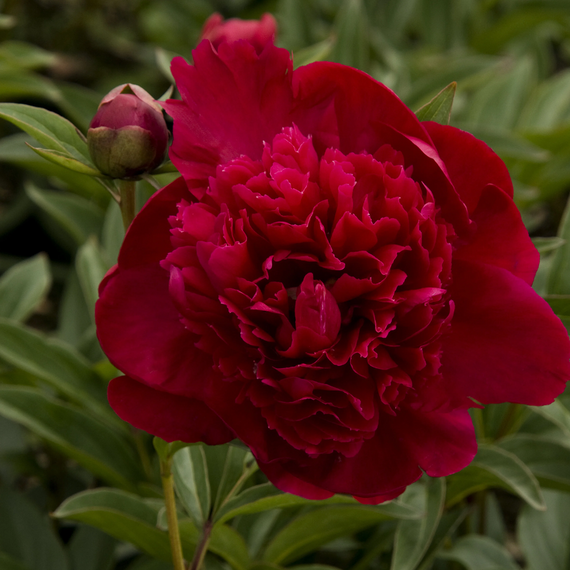
- Sumptuous, fully double crimson-red blooms with a rich, sweet fragrance make this a standout late-spring showstopper in the garden and vase alike.
- A tried-and-true French heirloom cultivar with exceptional cold hardiness, thriving in USDA Zones 3 through 8 with very little fuss once established.
- Strong, upright stems hold the large, velvety flower heads well above the lush deep-green foliage, making it one of the best peonies for cutting.
- An extraordinarily long-lived perennial that improves in bloom count and vigor every year, rewarding patient gardeners for decades with minimal care.
Inspecteur Lavergne peony (Paeonia lactiflora 'Inspecteur Lavergne') is a magnificent French heirloom herbaceous peony introduced in 1924, prized for its opulent, fully double blooms of deep crimson-red that carry a rich, classic peony fragrance. Each flower is packed with layer upon layer of velvety petals in a saturated ruby hue that deepens beautifully as the bloom matures, making it one of the most dramatic and luxurious red peonies available. Forming a tidy, upright clump typically reaching 2.5 to 3 feet tall with an equal spread, this vigorous perennial produces an abundance of blooms on strong stems in late spring to early summer, providing weeks of breathtaking garden color and an unending supply of exquisite cut flowers. Hardy from USDA Zones 3 to 8, Inspecteur Lavergne thrives in full sun with organically rich, well-drained soil and rewards even novice gardeners with decades of spectacular performance, increasing in floriferousness with each passing year. Whether planted as a bold specimen in a mixed perennial border, massed in a formal cutting garden, or used to anchor a cottage-style landscape, this historic peony delivers timeless elegance, intoxicating fragrance, and remarkable durability that few other garden perennials can match.
Plant Description
Inspecteur Lavergne is a classic herbaceous peony of the lactiflora type, a group long celebrated for large, fragrant, and floriferous blooms. This French cultivar, introduced in 1924, produces fully double flowers in a deep, velvety crimson-red with a rich ruby hue that intensifies attractively as each bloom matures. The petals are densely packed in a rosette-style formation, creating an exceptionally lush and formal flower head that can reach 4 to 6 inches across. The blooms are held on strong, upright stems that rise well above a mound of glossy, deep-green compound foliage, giving the plant a tidy, elegant presence even when not in flower. The foliage itself remains handsome throughout the growing season, transitioning to attractive bronzy or reddish tones in autumn before the plant dies back to the ground for winter dormancy. As an herbaceous type, the stems die back completely each fall and re-emerge in spring as striking dark-red or burgundy shoots that gradually unfurl into the season's fresh green growth.
Mature Size
| Characteristic | Measurement |
|---|---|
| Mature Height | 2.5 to 3 feet |
| Mature Spread | 2.5 to 3 feet |
| Growth Rate | Slow to moderate; reaches blooming maturity in 2 to 3 years |
| Plant Form | Upright, clump-forming |
| Stem Length | 18 to 24 inches — excellent for cutting |
Hardiness Zones
Inspecteur Lavergne is exceptionally cold hardy and well adapted across a wide range of climates, thriving in USDA Hardiness Zones 3 through 8. This means it can withstand winter temperatures as low as -40 degrees F (Zone 3) and perform reliably through the warmer summers of Zone 8. In fact, like most lactiflora peonies, it requires a period of winter chilling to set buds and bloom well — making it better suited to regions with cold winters rather than year-round mild climates. In Southern Oregon and Northern California, it performs excellently in inland and higher-elevation locations where winters provide adequate chill hours. In the hottest, lowest-elevation portions of Zone 8 and beyond (Zones 9 and 10), bloom performance can be reduced due to insufficient winter chilling.
Sunlight Requirements
For the best bloom production, plant Inspecteur Lavergne in a location that receives a minimum of 6 hours of direct sunlight per day. Full sun (6 or more hours) is ideal and will result in the most prolific flowering and the sturdiest stems. In regions with hot, dry summers — such as inland Southern Oregon and Northern California — a site that receives morning sun and light afternoon shade can be beneficial, as it helps protect the deep-red blooms from fading and extends the life of each individual flower. Avoid planting in dense shade, as insufficient light leads to weak, floppy stems, reduced blooming, and greater susceptibility to fungal diseases due to poor air circulation.
Soil and pH Preferences
Inspecteur Lavergne performs best in deep, fertile, well-drained loamy soil rich in organic matter. Good drainage is absolutely essential, as peonies are highly susceptible to root rot in waterlogged or heavy clay soils. When planting in clay-heavy soils, amend generously with compost, aged bark fines, or well-rotted manure to improve drainage and aeration. The preferred soil pH range is 6.5 to 7.0 (slightly acidic to neutral). Soils that are too acidic (below 6.0) or too alkaline (above 7.5) can interfere with nutrient uptake and negatively affect flowering. A soil test is recommended before planting to determine whether any amendments are needed to bring the pH into the optimal range. Peonies are long-lived plants, so investing time in proper soil preparation at planting pays dividends for many years to come.
Watering Guide
During the first growing season after planting, water Inspecteur Lavergne deeply and regularly to help establish a strong root system. Once established, this peony is quite drought tolerant, though consistent moisture during the active growing season — especially during bud formation and bloom — will produce the finest flowers. Water deeply once every 10 to 14 days during dry periods, soaking the soil to a depth of at least 12 inches to encourage deep root growth. Avoid frequent shallow watering, which promotes surface roots and reduces drought resilience. It is best to water at the base of the plant rather than overhead, as wet foliage and flowers invite fungal diseases such as Botrytis blight. Reduce watering in late summer and fall as the plant winds down for dormancy. Excellent drainage is far more important than frequent irrigation — never allow water to pool around the crown of the plant.
Fertilizing
Feed Inspecteur Lavergne with a low-nitrogen, balanced or phosphorus-rich fertilizer to encourage robust root growth and abundant blooming rather than excessive leafy growth. A fertilizer with an analysis such as 5-10-5 or 5-10-10 applied in early spring, when the new shoots are 2 to 3 inches tall, is ideal. Apply at a rate of 2 to 3 pounds per 100 square feet, taking care to keep fertilizer granules away from direct contact with the plant's stems and crown, as this can cause burning. A second, lighter application can be made immediately after bloom finishes to support the plant's energy recovery. Well-rotted compost worked into the soil surface as a top-dressing in spring or fall is also beneficial and provides a slow-release source of nutrients. Avoid high-nitrogen fertilizers, which encourage lush foliage at the expense of flowers, and do not over-fertilize, as excess nutrients can weaken stem strength and reduce blooming.
Planting Instructions
- Choose a sunny, well-drained site with fertile, loamy soil. Avoid areas with standing water or heavy clay without amendment.
- Prepare the planting hole 12 to 18 inches deep and 12 to 18 inches wide. Incorporate generous amounts of compost or aged organic matter into the backfill.
- When planting a bare-root division, position the root so the pink or red "eyes" (buds) are no more than 1 to 1.5 inches below the finished soil surface. Planting too deeply is the single most common reason peonies fail to bloom.
- When planting from a container, set the crown at or just slightly below the soil surface, matching the depth the plant was growing in its pot.
- Backfill carefully, firming the soil gently around the roots to eliminate air pockets.
- Water thoroughly after planting.
- Space plants 3 feet apart to allow for mature spread and adequate air circulation.
- Do not expect full bloom the first year; peonies typically begin heavy blooming in their second or third year as the root system establishes. Do not be alarmed if the first season's bloom is sparse.
Pruning and Maintenance
Inspecteur Lavergne is a low-maintenance perennial that requires minimal pruning. During the growing season, deadhead spent blooms promptly by cutting the flower stem back to the nearest set of healthy leaves — this redirects the plant's energy from seed production back into root development and next year's bud formation. Do not remove the foliage after bloom; the leaves continue to photosynthesize and fuel the plant through summer and into fall. In autumn, after the first hard frost kills the foliage, cut all stems back to just above ground level (2 to 3 inches). This fall cleanup is critical for disease prevention, as overwintering pathogens — particularly Botrytis blight — can persist in old plant material. Always dispose of the cut-back foliage in the trash rather than composting it if any signs of disease were present during the season. Established clumps rarely need division and can remain undisturbed for 10 years or more. If you wish to divide, do so in early fall, ensuring each division has at least 3 to 5 healthy eyes.
Seasonal Interest
Inspecteur Lavergne delivers multi-season ornamental value in the garden. In early spring, the dramatic emergence of deep burgundy-red shoots pushing through the soil is a welcome sign of the season. Through spring, the glossy, rich green foliage forms an attractive, full mound that serves as an excellent backdrop for earlier-blooming perennials and spring bulbs. The main event arrives in late spring to early summer — typically May to June depending on local climate — when the plant bursts into bloom with its magnificent, deeply fragrant crimson-red double flowers. The bloom period lasts approximately 7 to 14 days per plant, though succession planting with early and mid-season peony cultivars can extend the overall peony season in the garden. After bloom, the handsome foliage remains an asset through the entire summer. As temperatures cool in autumn, the foliage takes on attractive reddish and bronze tones before dying back, leaving the garden bed clean and tidy for winter.
Landscape Uses
- Mixed perennial borders: The upright habit and rich, dark flower color provide dramatic contrast among pastel-flowering perennials and ornamental grasses.
- Cutting garden: One of the finest red peonies for cutting; long stems and large, fragrant blooms make exceptional floral arrangements that last 5 to 7 days in a vase.
- Cottage and informal gardens: The classic, romantic flower form is perfectly suited to traditional cottage-style plantings.
- Specimen planting: Planted in groups of three or more, Inspecteur Lavergne creates a stunning focal point in any sunny bed.
- Low informal hedge: A row of established peony clumps creates an attractive, temporary low seasonal hedge or border edge.
- Foundation planting: Well-suited along fences, walls, or building foundations where it has room to spread and receive full sun.
- Deer-resistant planting: Like most peonies, it is generally not palatable to deer, making it a good choice in landscapes where deer pressure is a concern.
Cut Flower Use
Inspecteur Lavergne is an outstanding cut flower peony, and its strong, upright stems and large, fully double blooms make it especially well suited for floral arrangements. For the longest vase life, cut stems when the buds are at the "soft marshmallow" stage — fully colored but not yet open, giving gently when pressed. Cut stems at a 45-degree angle, leaving at least two sets of leaves on the remaining plant to support continued photosynthesis and next year's bloom. Strip any foliage that would sit below the waterline in the vase. Recut stems under warm running water and place immediately in clean water. Blooms cut at the soft bud stage will open fully within 24 to 48 hours in a warm room. To hold buds longer, wrap lightly in newspaper and refrigerate at 34 to 38 degrees F for up to 4 to 6 weeks, allowing you to enjoy fresh peony blooms well beyond the garden's natural bloom window.
Companion Plants
- Siberian iris (Iris sibirica): Blooms at a similar time and offers upright vertical form and purple-blue flower tones that beautifully complement the deep red of Inspecteur Lavergne.
- Catmint (Nepeta spp.): Low-growing, lavender-blue blooms contrast richly with the crimson peony flowers and continue providing color after the peony finishes blooming.
- Alliums: Ornamental onions with their globe-shaped purple or white flower heads bloom in sync with late-spring peonies and add architectural interest.
- Salvia nemorosa: Purple spikes provide excellent color contrast and draw the eye to the bold peony blooms without competing for attention.
- Roses: Classic pairing; repeat-blooming shrub roses extend the red-toned floral display well into summer after the peony season ends.
- Lady's mantle (Alchemilla mollis): The frothy chartreuse-yellow foliage and flowers serve as a soft, elegant edging contrast at the base of peony stems.
- Baptisia (False indigo): Deep blue-purple flower spikes in late spring are a stunning companion, and the plant's attractive seed pods add interest later in the season.
Pests and Diseases
Inspecteur Lavergne, like most herbaceous peonies, is remarkably resistant to most insect pests and is generally considered a very low-maintenance plant in terms of pest management. The most common concerns are:
- Botrytis blight (Botrytis paeoniae): The most significant disease of peonies, causing wilting, browning, and collapse of buds and stems, particularly during cool, wet spring weather. Prevent by ensuring excellent air circulation, avoiding overhead watering, and cutting all stems to the ground in fall and disposing of them rather than composting.
- Powdery mildew: Can appear on foliage in late summer, particularly in conditions with warm days and cool nights. Improve air circulation and avoid overhead watering to minimize risk.
- Leaf blotch (Cladosporium paeoniae): Causes dark reddish-purple blotches on leaves and stems. Remove and dispose of affected foliage. Clean up all plant material in fall.
- Ants: Ants are frequently seen on peony buds, attracted by the sugary nectar secreted by the developing buds. They are harmless to the plant and are not necessary for bloom opening — this is a common myth. No treatment is needed.
- Scale insects and Japanese beetles: Occasional pests but rarely cause serious damage. Hand-pick beetles or treat with appropriate insecticides if populations are high.
Wildlife Value
Inspecteur Lavergne offers meaningful benefits to local pollinators despite its fully double flower form. Though the dense petal configuration makes pollen somewhat less accessible than single or semi-double forms, bees — particularly bumblebees — are still attracted to the intensely fragrant blooms and will work to access the pollen and nectar within. The sweet nectar secreted by the developing buds also provides a food source for ants. Once established, the plant is generally unpalatable to deer and rabbits, making it an excellent choice for gardens in areas where browsing pressure from wildlife is a concern. The plant does not produce berries or seeds of wildlife significance, but its dense foliage clumps can provide light cover for small beneficial insects at the ground level through the growing season.
Historical Background
Inspecteur Lavergne is a classic French garden peony introduced in 1924 by the renowned peony breeders Dessert and Mechin, who operated out of the Doue-la-Fontaine region of France — a center of peony cultivation that earned the town the nickname "City of Roses and Peonies." During the late 19th and early 20th centuries, French hybridizers dominated the peony world, producing hundreds of cultivars that remain garden staples to this day. Inspecteur Lavergne was named in honor of the inspector for whom it was dedicated, following the French tradition of naming distinguished peony varieties after prominent individuals. Over a century after its introduction, this cultivar continues to be grown and treasured worldwide for its exceptional flower quality, strong constitution, and the warm, romantic character of its deep crimson blooms. Its longevity in cultivation is testament to its outstanding garden performance — it is not uncommon for well-tended clumps to remain in continuous bloom production for 50 years or more.
- Sumptuous, fully double crimson-red blooms with a rich, sweet fragrance make this a standout late-spring showstopper in the garden and vase alike.
- A tried-and-true French heirloom cultivar with exceptional cold hardiness, thriving in USDA Zones 3 through 8 with very little fuss once established.
- Strong, upright stems hold the large, velvety flower heads well above the lush deep-green foliage, making it one of the best peonies for cutting.
- An extraordinarily long-lived perennial that improves in bloom count and vigor every year, rewarding patient gardeners for decades with minimal care.
Inspecteur Lavergne peony (Paeonia lactiflora 'Inspecteur Lavergne') is a magnificent French heirloom herbaceous peony introduced in 1924, prized for its opulent, fully double blooms of deep crimson-red that carry a rich, classic peony fragrance. Each flower is packed with layer upon layer of velvety petals in a saturated ruby hue that deepens beautifully as the bloom matures, making it one of the most dramatic and luxurious red peonies available. Forming a tidy, upright clump typically reaching 2.5 to 3 feet tall with an equal spread, this vigorous perennial produces an abundance of blooms on strong stems in late spring to early summer, providing weeks of breathtaking garden color and an unending supply of exquisite cut flowers. Hardy from USDA Zones 3 to 8, Inspecteur Lavergne thrives in full sun with organically rich, well-drained soil and rewards even novice gardeners with decades of spectacular performance, increasing in floriferousness with each passing year. Whether planted as a bold specimen in a mixed perennial border, massed in a formal cutting garden, or used to anchor a cottage-style landscape, this historic peony delivers timeless elegance, intoxicating fragrance, and remarkable durability that few other garden perennials can match.
Plant Description
Inspecteur Lavergne is a classic herbaceous peony of the lactiflora type, a group long celebrated for large, fragrant, and floriferous blooms. This French cultivar, introduced in 1924, produces fully double flowers in a deep, velvety crimson-red with a rich ruby hue that intensifies attractively as each bloom matures. The petals are densely packed in a rosette-style formation, creating an exceptionally lush and formal flower head that can reach 4 to 6 inches across. The blooms are held on strong, upright stems that rise well above a mound of glossy, deep-green compound foliage, giving the plant a tidy, elegant presence even when not in flower. The foliage itself remains handsome throughout the growing season, transitioning to attractive bronzy or reddish tones in autumn before the plant dies back to the ground for winter dormancy. As an herbaceous type, the stems die back completely each fall and re-emerge in spring as striking dark-red or burgundy shoots that gradually unfurl into the season's fresh green growth.
Mature Size
| Characteristic | Measurement |
|---|---|
| Mature Height | 2.5 to 3 feet |
| Mature Spread | 2.5 to 3 feet |
| Growth Rate | Slow to moderate; reaches blooming maturity in 2 to 3 years |
| Plant Form | Upright, clump-forming |
| Stem Length | 18 to 24 inches — excellent for cutting |
Hardiness Zones
Inspecteur Lavergne is exceptionally cold hardy and well adapted across a wide range of climates, thriving in USDA Hardiness Zones 3 through 8. This means it can withstand winter temperatures as low as -40 degrees F (Zone 3) and perform reliably through the warmer summers of Zone 8. In fact, like most lactiflora peonies, it requires a period of winter chilling to set buds and bloom well — making it better suited to regions with cold winters rather than year-round mild climates. In Southern Oregon and Northern California, it performs excellently in inland and higher-elevation locations where winters provide adequate chill hours. In the hottest, lowest-elevation portions of Zone 8 and beyond (Zones 9 and 10), bloom performance can be reduced due to insufficient winter chilling.
Sunlight Requirements
For the best bloom production, plant Inspecteur Lavergne in a location that receives a minimum of 6 hours of direct sunlight per day. Full sun (6 or more hours) is ideal and will result in the most prolific flowering and the sturdiest stems. In regions with hot, dry summers — such as inland Southern Oregon and Northern California — a site that receives morning sun and light afternoon shade can be beneficial, as it helps protect the deep-red blooms from fading and extends the life of each individual flower. Avoid planting in dense shade, as insufficient light leads to weak, floppy stems, reduced blooming, and greater susceptibility to fungal diseases due to poor air circulation.
Soil and pH Preferences
Inspecteur Lavergne performs best in deep, fertile, well-drained loamy soil rich in organic matter. Good drainage is absolutely essential, as peonies are highly susceptible to root rot in waterlogged or heavy clay soils. When planting in clay-heavy soils, amend generously with compost, aged bark fines, or well-rotted manure to improve drainage and aeration. The preferred soil pH range is 6.5 to 7.0 (slightly acidic to neutral). Soils that are too acidic (below 6.0) or too alkaline (above 7.5) can interfere with nutrient uptake and negatively affect flowering. A soil test is recommended before planting to determine whether any amendments are needed to bring the pH into the optimal range. Peonies are long-lived plants, so investing time in proper soil preparation at planting pays dividends for many years to come.
Watering Guide
During the first growing season after planting, water Inspecteur Lavergne deeply and regularly to help establish a strong root system. Once established, this peony is quite drought tolerant, though consistent moisture during the active growing season — especially during bud formation and bloom — will produce the finest flowers. Water deeply once every 10 to 14 days during dry periods, soaking the soil to a depth of at least 12 inches to encourage deep root growth. Avoid frequent shallow watering, which promotes surface roots and reduces drought resilience. It is best to water at the base of the plant rather than overhead, as wet foliage and flowers invite fungal diseases such as Botrytis blight. Reduce watering in late summer and fall as the plant winds down for dormancy. Excellent drainage is far more important than frequent irrigation — never allow water to pool around the crown of the plant.
Fertilizing
Feed Inspecteur Lavergne with a low-nitrogen, balanced or phosphorus-rich fertilizer to encourage robust root growth and abundant blooming rather than excessive leafy growth. A fertilizer with an analysis such as 5-10-5 or 5-10-10 applied in early spring, when the new shoots are 2 to 3 inches tall, is ideal. Apply at a rate of 2 to 3 pounds per 100 square feet, taking care to keep fertilizer granules away from direct contact with the plant's stems and crown, as this can cause burning. A second, lighter application can be made immediately after bloom finishes to support the plant's energy recovery. Well-rotted compost worked into the soil surface as a top-dressing in spring or fall is also beneficial and provides a slow-release source of nutrients. Avoid high-nitrogen fertilizers, which encourage lush foliage at the expense of flowers, and do not over-fertilize, as excess nutrients can weaken stem strength and reduce blooming.
Planting Instructions
- Choose a sunny, well-drained site with fertile, loamy soil. Avoid areas with standing water or heavy clay without amendment.
- Prepare the planting hole 12 to 18 inches deep and 12 to 18 inches wide. Incorporate generous amounts of compost or aged organic matter into the backfill.
- When planting a bare-root division, position the root so the pink or red "eyes" (buds) are no more than 1 to 1.5 inches below the finished soil surface. Planting too deeply is the single most common reason peonies fail to bloom.
- When planting from a container, set the crown at or just slightly below the soil surface, matching the depth the plant was growing in its pot.
- Backfill carefully, firming the soil gently around the roots to eliminate air pockets.
- Water thoroughly after planting.
- Space plants 3 feet apart to allow for mature spread and adequate air circulation.
- Do not expect full bloom the first year; peonies typically begin heavy blooming in their second or third year as the root system establishes. Do not be alarmed if the first season's bloom is sparse.
Pruning and Maintenance
Inspecteur Lavergne is a low-maintenance perennial that requires minimal pruning. During the growing season, deadhead spent blooms promptly by cutting the flower stem back to the nearest set of healthy leaves — this redirects the plant's energy from seed production back into root development and next year's bud formation. Do not remove the foliage after bloom; the leaves continue to photosynthesize and fuel the plant through summer and into fall. In autumn, after the first hard frost kills the foliage, cut all stems back to just above ground level (2 to 3 inches). This fall cleanup is critical for disease prevention, as overwintering pathogens — particularly Botrytis blight — can persist in old plant material. Always dispose of the cut-back foliage in the trash rather than composting it if any signs of disease were present during the season. Established clumps rarely need division and can remain undisturbed for 10 years or more. If you wish to divide, do so in early fall, ensuring each division has at least 3 to 5 healthy eyes.
Seasonal Interest
Inspecteur Lavergne delivers multi-season ornamental value in the garden. In early spring, the dramatic emergence of deep burgundy-red shoots pushing through the soil is a welcome sign of the season. Through spring, the glossy, rich green foliage forms an attractive, full mound that serves as an excellent backdrop for earlier-blooming perennials and spring bulbs. The main event arrives in late spring to early summer — typically May to June depending on local climate — when the plant bursts into bloom with its magnificent, deeply fragrant crimson-red double flowers. The bloom period lasts approximately 7 to 14 days per plant, though succession planting with early and mid-season peony cultivars can extend the overall peony season in the garden. After bloom, the handsome foliage remains an asset through the entire summer. As temperatures cool in autumn, the foliage takes on attractive reddish and bronze tones before dying back, leaving the garden bed clean and tidy for winter.
Landscape Uses
- Mixed perennial borders: The upright habit and rich, dark flower color provide dramatic contrast among pastel-flowering perennials and ornamental grasses.
- Cutting garden: One of the finest red peonies for cutting; long stems and large, fragrant blooms make exceptional floral arrangements that last 5 to 7 days in a vase.
- Cottage and informal gardens: The classic, romantic flower form is perfectly suited to traditional cottage-style plantings.
- Specimen planting: Planted in groups of three or more, Inspecteur Lavergne creates a stunning focal point in any sunny bed.
- Low informal hedge: A row of established peony clumps creates an attractive, temporary low seasonal hedge or border edge.
- Foundation planting: Well-suited along fences, walls, or building foundations where it has room to spread and receive full sun.
- Deer-resistant planting: Like most peonies, it is generally not palatable to deer, making it a good choice in landscapes where deer pressure is a concern.
Cut Flower Use
Inspecteur Lavergne is an outstanding cut flower peony, and its strong, upright stems and large, fully double blooms make it especially well suited for floral arrangements. For the longest vase life, cut stems when the buds are at the "soft marshmallow" stage — fully colored but not yet open, giving gently when pressed. Cut stems at a 45-degree angle, leaving at least two sets of leaves on the remaining plant to support continued photosynthesis and next year's bloom. Strip any foliage that would sit below the waterline in the vase. Recut stems under warm running water and place immediately in clean water. Blooms cut at the soft bud stage will open fully within 24 to 48 hours in a warm room. To hold buds longer, wrap lightly in newspaper and refrigerate at 34 to 38 degrees F for up to 4 to 6 weeks, allowing you to enjoy fresh peony blooms well beyond the garden's natural bloom window.
Companion Plants
- Siberian iris (Iris sibirica): Blooms at a similar time and offers upright vertical form and purple-blue flower tones that beautifully complement the deep red of Inspecteur Lavergne.
- Catmint (Nepeta spp.): Low-growing, lavender-blue blooms contrast richly with the crimson peony flowers and continue providing color after the peony finishes blooming.
- Alliums: Ornamental onions with their globe-shaped purple or white flower heads bloom in sync with late-spring peonies and add architectural interest.
- Salvia nemorosa: Purple spikes provide excellent color contrast and draw the eye to the bold peony blooms without competing for attention.
- Roses: Classic pairing; repeat-blooming shrub roses extend the red-toned floral display well into summer after the peony season ends.
- Lady's mantle (Alchemilla mollis): The frothy chartreuse-yellow foliage and flowers serve as a soft, elegant edging contrast at the base of peony stems.
- Baptisia (False indigo): Deep blue-purple flower spikes in late spring are a stunning companion, and the plant's attractive seed pods add interest later in the season.
Pests and Diseases
Inspecteur Lavergne, like most herbaceous peonies, is remarkably resistant to most insect pests and is generally considered a very low-maintenance plant in terms of pest management. The most common concerns are:
- Botrytis blight (Botrytis paeoniae): The most significant disease of peonies, causing wilting, browning, and collapse of buds and stems, particularly during cool, wet spring weather. Prevent by ensuring excellent air circulation, avoiding overhead watering, and cutting all stems to the ground in fall and disposing of them rather than composting.
- Powdery mildew: Can appear on foliage in late summer, particularly in conditions with warm days and cool nights. Improve air circulation and avoid overhead watering to minimize risk.
- Leaf blotch (Cladosporium paeoniae): Causes dark reddish-purple blotches on leaves and stems. Remove and dispose of affected foliage. Clean up all plant material in fall.
- Ants: Ants are frequently seen on peony buds, attracted by the sugary nectar secreted by the developing buds. They are harmless to the plant and are not necessary for bloom opening — this is a common myth. No treatment is needed.
- Scale insects and Japanese beetles: Occasional pests but rarely cause serious damage. Hand-pick beetles or treat with appropriate insecticides if populations are high.
Wildlife Value
Inspecteur Lavergne offers meaningful benefits to local pollinators despite its fully double flower form. Though the dense petal configuration makes pollen somewhat less accessible than single or semi-double forms, bees — particularly bumblebees — are still attracted to the intensely fragrant blooms and will work to access the pollen and nectar within. The sweet nectar secreted by the developing buds also provides a food source for ants. Once established, the plant is generally unpalatable to deer and rabbits, making it an excellent choice for gardens in areas where browsing pressure from wildlife is a concern. The plant does not produce berries or seeds of wildlife significance, but its dense foliage clumps can provide light cover for small beneficial insects at the ground level through the growing season.
Historical Background
Inspecteur Lavergne is a classic French garden peony introduced in 1924 by the renowned peony breeders Dessert and Mechin, who operated out of the Doue-la-Fontaine region of France — a center of peony cultivation that earned the town the nickname "City of Roses and Peonies." During the late 19th and early 20th centuries, French hybridizers dominated the peony world, producing hundreds of cultivars that remain garden staples to this day. Inspecteur Lavergne was named in honor of the inspector for whom it was dedicated, following the French tradition of naming distinguished peony varieties after prominent individuals. Over a century after its introduction, this cultivar continues to be grown and treasured worldwide for its exceptional flower quality, strong constitution, and the warm, romantic character of its deep crimson blooms. Its longevity in cultivation is testament to its outstanding garden performance — it is not uncommon for well-tended clumps to remain in continuous bloom production for 50 years or more.
Related Products