

Zoom the image with the mouse
Prima Ginger Coneflower - 1 Gallon
SKU:
2071640
UPC:
014949481370
$12.99
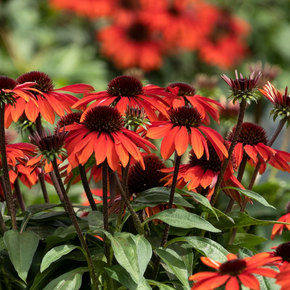
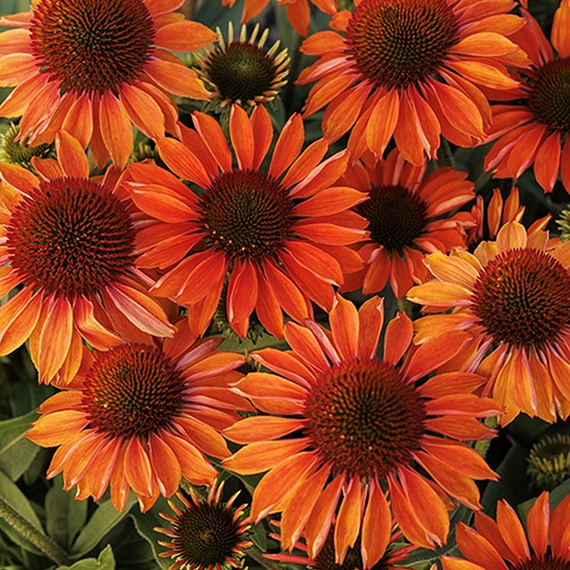
- Compact dwarf coneflower with charming multicolored blooms that open a warm gingery salmon-orange and gracefully age to soft, blush pink tones — delivering ever-changing color from early summer through fall frost.
- Exceptionally free-flowering first-year perennial with a tidy, mounding clump habit reaching just 12-16 inches tall, making it perfect for front-of-border plantings, edging, and mixed container gardens.
- A powerhouse for pollinators and wildlife — irresistible to butterflies, bees, and hummingbirds during the season, while the ornamental seed cones persist into winter to feed goldfinches and other seed-eating birds.
- Tough, low-maintenance, and deer resistant with proven adaptability across a wide range of soils, including sandy and average garden soils, with good drought tolerance once established in USDA Zones 4-9.
Echinacea Kismet Ginger (PRIMA 'Ginger') is a standout dwarf hybrid coneflower that packs extraordinary color and season-long performance into one of the most compact forms available in the genus. Part of the award-winning PRIMA Collection, this patented selection (PP30,169) was bred to be notably shorter than traditional coneflowers while delivering a profusion of large, showy blooms beginning in its very first year. Emerging petals twist open to reveal a luminous gingery salmon-orange with a soft blush-pink reverse, then mature gracefully to warm, multi-toned hues blending tangerine, copper, and rose — creating a living tapestry of color on every plant simultaneously. The radiant ray petals are held nearly horizontally around distinctive caramel-colored, mounded central cones, giving each flower an eye-catching, classic coneflower silhouette in a uniquely warm palette. Blooming continuously from June through October, this vigorous perennial thrives in full sun with average to moderately dry, well-drained soil and a pH range of 5.8 to 7.3. Its ultra-compact, multi-crowned clumping habit — maturing to just 12 inches in foliage height and 15-16 inches in bloom, with a spread of 14-16 inches — makes it equally at home at the sunny front of a perennial border, as a colorful garden edging, massed in large drifts, or nestled into a mixed patio container. Hardy in USDA Zones 4-9 and boasting excellent deer resistance and drought tolerance once established, Echinacea Kismet Ginger is also a superb cut flower that brings lasting warmth and texture to fresh or dried arrangements. With its long season of interest, easy-care nature, and magnetic appeal to butterflies, bees, hummingbirds, and winter songbirds, this exceptional little coneflower earns a starring role in any sunny garden.
Plant Description
Echinacea Kismet Ginger is a dwarf hybrid coneflower belonging to the PRIMA Collection, bred for an exceptionally compact, mounding clump habit with multiple crowns per plant. Unlike standard coneflowers that can reach 3-4 feet, this selection stays neatly short while still producing an abundance of large, showstopping blooms. The flowers open a warm gingery salmon-orange with a soft blush-pink reverse on the ray petals; as blooms mature, they transition through tangerine and copper tones to softer, multi-colored blush-pink hues, so the plant displays a beautiful range of warm colors simultaneously. The ray petals are held horizontally or slightly reflexed around a prominent, mounded caramel to cinnamon-brown central cone that develops into an attractive seed head as the season progresses. Foliage is deep green, lance-shaped, and forms a tidy low mound at the base of the plant. This is a deciduous perennial that goes dormant in winter and may be slow to emerge in spring.
Mature Size
| Attribute | Measurement |
|---|---|
| Foliage Height | 10-12 inches |
| Height in Bloom | 14-16 inches |
| Spread | 14-16 inches |
| Recommended Spacing | 16-18 inches apart |
| Growth Habit | Compact mounding clump |
| Growth Rate | Medium to fast |
Hardiness and Climate
Echinacea Kismet Ginger is hardy in USDA Zones 4-9, making it an excellent choice for the wide range of climates found in Southern Oregon and Northern California. It is well-suited to the warm, dry summers of the region, particularly once established, and handles cold winters reliably within its hardiness range. In colder zones (Zone 5 and below), a light layer of mulch applied in late fall is beneficial to help insulate the crown over winter. In warmer climates such as Zones 8-9, it thrives with afternoon shade in the hottest months if needed. This is a deciduous perennial that enters winter dormancy and may emerge later in spring than other perennials — do not be alarmed if it is slow to show new growth.
Sunlight Requirements
Echinacea Kismet Ginger performs best and blooms most prolifically in full sun, receiving a minimum of 6-8 hours of direct sunlight per day. It will tolerate mostly sunny conditions with light afternoon shade, especially in the hottest inland regions of Southern Oregon and Northern California where intense summer heat can be challenging. Planting in a location with good air circulation alongside the required sun exposure will also help minimize potential foliar disease issues. Avoid planting in deep shade, as this significantly reduces flower production and can weaken the plant over time.
Soil and pH Preferences
This adaptable coneflower grows well in a range of soil types, from average loam to sandy and even somewhat clay-based soils, as long as drainage is good. It does not tolerate waterlogged or consistently wet conditions, which can lead to root rot. The ideal soil is a well-drained, slightly mineral or coarse-textured garden soil. For best results, amend heavy clay soils with compost or coarse grit before planting to improve drainage. The preferred soil pH range is 5.8 to 7.3 — slightly acidic to slightly alkaline. Note that excessively low pH can be harmful to this plant. If your soil is highly acidic, consider raising the pH with an application of garden lime before planting.
Watering Guide
During the establishment period (the first growing season after planting), water Echinacea Kismet Ginger regularly to keep the soil evenly moist but never waterlogged. Once well established, this coneflower is moderately drought tolerant thanks to its deep taproot system, making it a smart choice for water-wise gardens. During hot, dry summer spells, occasional deep watering will help maintain healthy foliage and prolong the bloom season. Always allow the soil to dry out moderately between waterings — consistent wet-dry cycles are important for the long-term health of this plant. Avoid overhead irrigation when possible, and water at the base of the plant in the morning so foliage dries before nightfall, reducing the risk of fungal issues.
Fertilizing
Echinacea Kismet Ginger is a moderate feeder and does not require heavy fertilization. Applying a 2-3 inch layer of compost or well-rotted organic matter around the base of the plant in early spring will supply adequate nutrients for most garden situations. For more targeted feeding, a spring application of a slow-release balanced fertilizer with a 3-1-2 ratio (such as 15-5-10) at a rate of approximately 10 pounds per 1,000 square feet is recommended. An additional light fall application of a 2-1-2 ratio fertilizer (such as 10-5-10) can help support root development and improve cold hardiness. Avoid excessive nitrogen, which promotes lush foliage at the expense of flowers. Do not apply slow-release fertilizers late in the season, as this can interfere with proper dormancy preparation.
Pruning and Maintenance
Echinacea Kismet Ginger is a low-maintenance perennial that rewards minimal care with months of blooms. Follow these guidelines for best results:
- Deadheading: Regularly removing spent blooms throughout the season encourages the plant to produce more flowers and extends the overall bloom period from June through October. Snip faded flower stems back to a lateral bud or leaf junction.
- Leaving seed heads: Allow some seed heads to remain toward the end of the season to provide food for goldfinches and other seed-eating birds and to add winter interest to the garden.
- Late-season cutback: Leave the foliage and stems standing through winter to protect the crown and add garden structure. In early spring, before new growth begins (around early April), cut the entire plant back to ground level to allow fresh growth to emerge cleanly.
- Mid-summer pinch (optional): Cutting plants back by one-half in early summer will result in slightly later blooming but produces a more compact form with even more branching and flowers.
- Division: This variety rarely needs dividing. If desired, divide clumps in early spring or early fall, being careful to dig deeply to preserve the taproot system.
Planting Instructions
- Choose a location in full sun with well-drained soil. Avoid areas that collect standing water.
- Amend the planting area with compost if the native soil is heavy clay or very sandy, working it in to a depth of 10-12 inches.
- Dig a hole approximately twice as wide as the root ball and the same depth. It is critical not to plant too deeply — the crown of the plant (where roots meet stems) should sit at or just slightly above the surrounding soil level. Planting too deep is the most common cause of failure with Echinacea.
- Place the plant in the hole, backfill with native soil, and firm gently around the roots, eliminating air pockets.
- Water thoroughly at planting and keep the soil evenly moist for the first 4-6 weeks as the plant establishes.
- Apply a 2-inch layer of mulch around (but not touching) the crown to help retain moisture and regulate soil temperature.
- Space multiple plants 16-18 inches apart for optimal air circulation and eventual spread.
- In colder zones (Zone 5 and below), plant in early fall to allow establishment before winter, and apply a protective mulch layer after the first frost.
Bloom Season and Seasonal Interest
Echinacea Kismet Ginger delivers an exceptionally long season of ornamental interest that extends well beyond the typical summer garden. Here is what to expect throughout the year:
- Spring: New basal foliage emerges as a low, deep green mound. Note that Echinacea can be slow to emerge — be patient before assuming it has not survived the winter.
- Early Summer (June): Flowering begins earlier than many coneflowers. Buds open to warm gingery salmon-orange, marking the start of an extended bloom season.
- Mid to Late Summer (July-August): Peak bloom with the greatest number of flowers open simultaneously. The multi-toned display of orange, copper, and blush-pink colors is at its most dramatic.
- Early Fall (September-October): Blooming continues until a hard frost, making this one of the longest-blooming compact coneflower selections available. Seed heads begin to develop on earlier blooms.
- Winter: The ornamental caramel-colored seed cones persist through winter, providing structural interest and an important food source for goldfinches and other seed-eating birds, especially beautiful when dusted with snow.
Landscape Uses
The compact stature and long bloom season of Echinacea Kismet Ginger make it one of the most versatile coneflower selections for modern garden design. Suggested uses include:
- Front of border: Its short, tidy habit makes it ideal for the front row of sunny perennial borders where taller plants would obscure it.
- Garden edging: Plant in a continuous ribbon along a path, driveway, or border edge for a season-long display of warm color.
- Mass planting: Planted in groups of 3, 5, or more, it creates a bold, colorful sweep that is especially striking as the multi-toned flowers age together.
- Mixed patio containers: Its compact size makes it well-suited to large containers and mixed planters on sunny patios and decks.
- Cottage and naturalistic gardens: Blends beautifully with ornamental grasses, lavender, salvia, and other sun-loving perennials.
- Pollinator and wildlife gardens: An outstanding choice for gardens designed to support native bees, butterflies, hummingbirds, and seed-eating birds.
- Cut flower gardens: Produces excellent, long-lasting cut flowers with bold color and interesting textural cones.
- Water-wise and low-maintenance plantings: Once established, its drought tolerance makes it suitable for xeric or water-conserving garden designs.
Container Growing
Echinacea Kismet Ginger is one of the few coneflower selections compact enough to perform truly well in container gardens. Its dwarf habit, mounding form, and long bloom season make it a standout thriller or filler in large mixed patio containers. For best results in containers, use a large pot (at least 12-14 inches in diameter) with excellent drainage holes. Fill with a premium, well-draining potting mix — avoid heavy garden soils in containers. Place the container in a location that receives at least 6 hours of full sun per day. Container-grown plants will dry out more quickly than those in the ground, so monitor soil moisture closely and water when the top inch of soil feels dry. Feed container plants with a balanced slow-release fertilizer at planting and supplement with a dilute liquid fertilizer monthly through the bloom season. In colder climates, container-grown plants may need additional winter protection, such as moving the pot to an unheated garage or insulating the pot with burlap, as roots in containers are more exposed to freezing temperatures than those planted in the ground.
Wildlife and Pollinator Value
Echinacea Kismet Ginger is a magnet for beneficial wildlife throughout its long season of bloom and beyond. Its warm-colored, nectar-rich flowers are highly attractive to a wide variety of pollinators, and its persistent seed heads provide valuable food for birds in winter. Specific wildlife benefits include:
- Butterflies: The large, flat-faced flower heads are a favorite landing and feeding platform for many butterfly species, including swallowtails, fritillaries, and monarchs.
- Native bees: Bumble bees and other native bee species are frequent and important pollinators of this plant throughout the bloom season.
- Hummingbirds: The bright warm-toned flowers attract hummingbirds as an additional nectar source during summer and early fall.
- Goldfinches and songbirds: As seed heads mature and dry in late fall and winter, American goldfinches and other seed-eating birds eagerly feed on the seeds directly from the standing cones, making it valuable to leave the stems standing through winter.
- Beneficial insects: Echinacea also attracts beneficial predatory insects, including soldier beetles, which help control aphid and caterpillar populations in the surrounding garden.
Deer and Pest Resistance
Echinacea Kismet Ginger is well-regarded for its deer resistance — a particularly valuable trait for gardeners in Southern Oregon and Northern California where deer browsing pressure can be significant. The slightly rough, bristly texture of the foliage and stems is unappealing to deer. While no plant is entirely deer-proof under extreme browsing pressure, coneflowers are consistently rated among the more reliable deer-resistant perennials.
In terms of pest and disease issues, this is a generally tough and trouble-free plant. Potential concerns to be aware of include:
- Thrips: Can occasionally be a nuisance as the plant comes into bloom. Monitor flowers and treat with insecticidal soap or neem oil if infestations are detected.
- Aster yellows: A phytoplasma disease spread by leafhoppers that can cause distorted, greenish flowers and stunted growth. Infected plants should be removed and destroyed. There is no cure.
- Root rot (Pythium/Phytophthora): Can occur in waterlogged soils. Always plant in well-drained conditions and avoid overwatering.
- Botrytis (gray mold): May appear in wet, cool conditions with poor air circulation. Space plants adequately and water at the base rather than overhead to minimize risk.
- Powdery mildew: Occasionally affects foliage in humid conditions. Adequate plant spacing and good air circulation are the best preventive measures.
Companion Plants
The warm orange and pink tones of Echinacea Kismet Ginger pair beautifully with a wide range of sun-loving perennials, ornamental grasses, and shrubs. Consider these companion planting combinations for Southern Oregon and Northern California gardens:
- Lavender (Lavandula spp.): The cool purple-blue of lavender provides a stunning complementary color contrast to the warm tones of Kismet Ginger, and both share a love of full sun and well-drained soil.
- Catmint (Nepeta spp.): Low-growing catmint creates a soft blue-purple carpet at the feet of coneflowers, extending bloom season and providing excellent pollinator value.
- Salvia (Salvia spp.): Upright salvias in blue, purple, or red tones create dynamic color combinations and complement the warm palette of Kismet Ginger beautifully.
- Ornamental grasses: Fine-textured grasses such as Prairie Dropseed (Sporobolus heterolepis) or Autumn Moor Grass (Sesleria autumnalis) provide graceful textural contrast and movement.
- Coreopsis (Coreopsis spp.): Yellow and gold threadleaf coreopsis varieties echo and amplify the warm golden tones in Kismet Ginger's blooms.
- Penstemon (Penstemon spp.): Upright penstemons in pink, purple, or red create vertical contrast behind the compact mounds of Kismet Ginger.
- Rudbeckia (Rudbeckia spp.): Golden black-eyed Susans bloom alongside coneflowers and create a vibrant late-summer tapestry of warm color.
- Agastache (Agastache spp.): Hummingbird mint varieties in orange and peach tones harmonize with Kismet Ginger's color palette while attracting additional pollinators.
Cut Flower Use
Echinacea Kismet Ginger is an excellent choice for fresh and dried cut flower arrangements. The warm, multi-toned blooms and distinctive caramel-colored cones add bold texture and color to bouquets. For best results as a cut flower:
- Cut stems in the morning when temperatures are cooler, selecting flowers that have just fully opened for the longest vase life.
- Cut stems at an angle with sharp, clean shears and immediately place them in a bucket of cool, clean water.
- Remove any foliage that would fall below the waterline in the vase to prevent bacterial buildup.
- Change the vase water every 1-2 days and recut the stems at an angle to maximize water uptake.
- For dried arrangements, allow flower heads to mature and the central cone to harden on the plant, then cut and hang upside down in a cool, dry, well-ventilated space to dry. The ornamental seed cones retain their sculptural appeal when dried and are valuable in autumn and winter floral arrangements.
- Compact dwarf coneflower with charming multicolored blooms that open a warm gingery salmon-orange and gracefully age to soft, blush pink tones — delivering ever-changing color from early summer through fall frost.
- Exceptionally free-flowering first-year perennial with a tidy, mounding clump habit reaching just 12-16 inches tall, making it perfect for front-of-border plantings, edging, and mixed container gardens.
- A powerhouse for pollinators and wildlife — irresistible to butterflies, bees, and hummingbirds during the season, while the ornamental seed cones persist into winter to feed goldfinches and other seed-eating birds.
- Tough, low-maintenance, and deer resistant with proven adaptability across a wide range of soils, including sandy and average garden soils, with good drought tolerance once established in USDA Zones 4-9.
Echinacea Kismet Ginger (PRIMA 'Ginger') is a standout dwarf hybrid coneflower that packs extraordinary color and season-long performance into one of the most compact forms available in the genus. Part of the award-winning PRIMA Collection, this patented selection (PP30,169) was bred to be notably shorter than traditional coneflowers while delivering a profusion of large, showy blooms beginning in its very first year. Emerging petals twist open to reveal a luminous gingery salmon-orange with a soft blush-pink reverse, then mature gracefully to warm, multi-toned hues blending tangerine, copper, and rose — creating a living tapestry of color on every plant simultaneously. The radiant ray petals are held nearly horizontally around distinctive caramel-colored, mounded central cones, giving each flower an eye-catching, classic coneflower silhouette in a uniquely warm palette. Blooming continuously from June through October, this vigorous perennial thrives in full sun with average to moderately dry, well-drained soil and a pH range of 5.8 to 7.3. Its ultra-compact, multi-crowned clumping habit — maturing to just 12 inches in foliage height and 15-16 inches in bloom, with a spread of 14-16 inches — makes it equally at home at the sunny front of a perennial border, as a colorful garden edging, massed in large drifts, or nestled into a mixed patio container. Hardy in USDA Zones 4-9 and boasting excellent deer resistance and drought tolerance once established, Echinacea Kismet Ginger is also a superb cut flower that brings lasting warmth and texture to fresh or dried arrangements. With its long season of interest, easy-care nature, and magnetic appeal to butterflies, bees, hummingbirds, and winter songbirds, this exceptional little coneflower earns a starring role in any sunny garden.
Plant Description
Echinacea Kismet Ginger is a dwarf hybrid coneflower belonging to the PRIMA Collection, bred for an exceptionally compact, mounding clump habit with multiple crowns per plant. Unlike standard coneflowers that can reach 3-4 feet, this selection stays neatly short while still producing an abundance of large, showstopping blooms. The flowers open a warm gingery salmon-orange with a soft blush-pink reverse on the ray petals; as blooms mature, they transition through tangerine and copper tones to softer, multi-colored blush-pink hues, so the plant displays a beautiful range of warm colors simultaneously. The ray petals are held horizontally or slightly reflexed around a prominent, mounded caramel to cinnamon-brown central cone that develops into an attractive seed head as the season progresses. Foliage is deep green, lance-shaped, and forms a tidy low mound at the base of the plant. This is a deciduous perennial that goes dormant in winter and may be slow to emerge in spring.
Mature Size
| Attribute | Measurement |
|---|---|
| Foliage Height | 10-12 inches |
| Height in Bloom | 14-16 inches |
| Spread | 14-16 inches |
| Recommended Spacing | 16-18 inches apart |
| Growth Habit | Compact mounding clump |
| Growth Rate | Medium to fast |
Hardiness and Climate
Echinacea Kismet Ginger is hardy in USDA Zones 4-9, making it an excellent choice for the wide range of climates found in Southern Oregon and Northern California. It is well-suited to the warm, dry summers of the region, particularly once established, and handles cold winters reliably within its hardiness range. In colder zones (Zone 5 and below), a light layer of mulch applied in late fall is beneficial to help insulate the crown over winter. In warmer climates such as Zones 8-9, it thrives with afternoon shade in the hottest months if needed. This is a deciduous perennial that enters winter dormancy and may emerge later in spring than other perennials — do not be alarmed if it is slow to show new growth.
Sunlight Requirements
Echinacea Kismet Ginger performs best and blooms most prolifically in full sun, receiving a minimum of 6-8 hours of direct sunlight per day. It will tolerate mostly sunny conditions with light afternoon shade, especially in the hottest inland regions of Southern Oregon and Northern California where intense summer heat can be challenging. Planting in a location with good air circulation alongside the required sun exposure will also help minimize potential foliar disease issues. Avoid planting in deep shade, as this significantly reduces flower production and can weaken the plant over time.
Soil and pH Preferences
This adaptable coneflower grows well in a range of soil types, from average loam to sandy and even somewhat clay-based soils, as long as drainage is good. It does not tolerate waterlogged or consistently wet conditions, which can lead to root rot. The ideal soil is a well-drained, slightly mineral or coarse-textured garden soil. For best results, amend heavy clay soils with compost or coarse grit before planting to improve drainage. The preferred soil pH range is 5.8 to 7.3 — slightly acidic to slightly alkaline. Note that excessively low pH can be harmful to this plant. If your soil is highly acidic, consider raising the pH with an application of garden lime before planting.
Watering Guide
During the establishment period (the first growing season after planting), water Echinacea Kismet Ginger regularly to keep the soil evenly moist but never waterlogged. Once well established, this coneflower is moderately drought tolerant thanks to its deep taproot system, making it a smart choice for water-wise gardens. During hot, dry summer spells, occasional deep watering will help maintain healthy foliage and prolong the bloom season. Always allow the soil to dry out moderately between waterings — consistent wet-dry cycles are important for the long-term health of this plant. Avoid overhead irrigation when possible, and water at the base of the plant in the morning so foliage dries before nightfall, reducing the risk of fungal issues.
Fertilizing
Echinacea Kismet Ginger is a moderate feeder and does not require heavy fertilization. Applying a 2-3 inch layer of compost or well-rotted organic matter around the base of the plant in early spring will supply adequate nutrients for most garden situations. For more targeted feeding, a spring application of a slow-release balanced fertilizer with a 3-1-2 ratio (such as 15-5-10) at a rate of approximately 10 pounds per 1,000 square feet is recommended. An additional light fall application of a 2-1-2 ratio fertilizer (such as 10-5-10) can help support root development and improve cold hardiness. Avoid excessive nitrogen, which promotes lush foliage at the expense of flowers. Do not apply slow-release fertilizers late in the season, as this can interfere with proper dormancy preparation.
Pruning and Maintenance
Echinacea Kismet Ginger is a low-maintenance perennial that rewards minimal care with months of blooms. Follow these guidelines for best results:
- Deadheading: Regularly removing spent blooms throughout the season encourages the plant to produce more flowers and extends the overall bloom period from June through October. Snip faded flower stems back to a lateral bud or leaf junction.
- Leaving seed heads: Allow some seed heads to remain toward the end of the season to provide food for goldfinches and other seed-eating birds and to add winter interest to the garden.
- Late-season cutback: Leave the foliage and stems standing through winter to protect the crown and add garden structure. In early spring, before new growth begins (around early April), cut the entire plant back to ground level to allow fresh growth to emerge cleanly.
- Mid-summer pinch (optional): Cutting plants back by one-half in early summer will result in slightly later blooming but produces a more compact form with even more branching and flowers.
- Division: This variety rarely needs dividing. If desired, divide clumps in early spring or early fall, being careful to dig deeply to preserve the taproot system.
Planting Instructions
- Choose a location in full sun with well-drained soil. Avoid areas that collect standing water.
- Amend the planting area with compost if the native soil is heavy clay or very sandy, working it in to a depth of 10-12 inches.
- Dig a hole approximately twice as wide as the root ball and the same depth. It is critical not to plant too deeply — the crown of the plant (where roots meet stems) should sit at or just slightly above the surrounding soil level. Planting too deep is the most common cause of failure with Echinacea.
- Place the plant in the hole, backfill with native soil, and firm gently around the roots, eliminating air pockets.
- Water thoroughly at planting and keep the soil evenly moist for the first 4-6 weeks as the plant establishes.
- Apply a 2-inch layer of mulch around (but not touching) the crown to help retain moisture and regulate soil temperature.
- Space multiple plants 16-18 inches apart for optimal air circulation and eventual spread.
- In colder zones (Zone 5 and below), plant in early fall to allow establishment before winter, and apply a protective mulch layer after the first frost.
Bloom Season and Seasonal Interest
Echinacea Kismet Ginger delivers an exceptionally long season of ornamental interest that extends well beyond the typical summer garden. Here is what to expect throughout the year:
- Spring: New basal foliage emerges as a low, deep green mound. Note that Echinacea can be slow to emerge — be patient before assuming it has not survived the winter.
- Early Summer (June): Flowering begins earlier than many coneflowers. Buds open to warm gingery salmon-orange, marking the start of an extended bloom season.
- Mid to Late Summer (July-August): Peak bloom with the greatest number of flowers open simultaneously. The multi-toned display of orange, copper, and blush-pink colors is at its most dramatic.
- Early Fall (September-October): Blooming continues until a hard frost, making this one of the longest-blooming compact coneflower selections available. Seed heads begin to develop on earlier blooms.
- Winter: The ornamental caramel-colored seed cones persist through winter, providing structural interest and an important food source for goldfinches and other seed-eating birds, especially beautiful when dusted with snow.
Landscape Uses
The compact stature and long bloom season of Echinacea Kismet Ginger make it one of the most versatile coneflower selections for modern garden design. Suggested uses include:
- Front of border: Its short, tidy habit makes it ideal for the front row of sunny perennial borders where taller plants would obscure it.
- Garden edging: Plant in a continuous ribbon along a path, driveway, or border edge for a season-long display of warm color.
- Mass planting: Planted in groups of 3, 5, or more, it creates a bold, colorful sweep that is especially striking as the multi-toned flowers age together.
- Mixed patio containers: Its compact size makes it well-suited to large containers and mixed planters on sunny patios and decks.
- Cottage and naturalistic gardens: Blends beautifully with ornamental grasses, lavender, salvia, and other sun-loving perennials.
- Pollinator and wildlife gardens: An outstanding choice for gardens designed to support native bees, butterflies, hummingbirds, and seed-eating birds.
- Cut flower gardens: Produces excellent, long-lasting cut flowers with bold color and interesting textural cones.
- Water-wise and low-maintenance plantings: Once established, its drought tolerance makes it suitable for xeric or water-conserving garden designs.
Container Growing
Echinacea Kismet Ginger is one of the few coneflower selections compact enough to perform truly well in container gardens. Its dwarf habit, mounding form, and long bloom season make it a standout thriller or filler in large mixed patio containers. For best results in containers, use a large pot (at least 12-14 inches in diameter) with excellent drainage holes. Fill with a premium, well-draining potting mix — avoid heavy garden soils in containers. Place the container in a location that receives at least 6 hours of full sun per day. Container-grown plants will dry out more quickly than those in the ground, so monitor soil moisture closely and water when the top inch of soil feels dry. Feed container plants with a balanced slow-release fertilizer at planting and supplement with a dilute liquid fertilizer monthly through the bloom season. In colder climates, container-grown plants may need additional winter protection, such as moving the pot to an unheated garage or insulating the pot with burlap, as roots in containers are more exposed to freezing temperatures than those planted in the ground.
Wildlife and Pollinator Value
Echinacea Kismet Ginger is a magnet for beneficial wildlife throughout its long season of bloom and beyond. Its warm-colored, nectar-rich flowers are highly attractive to a wide variety of pollinators, and its persistent seed heads provide valuable food for birds in winter. Specific wildlife benefits include:
- Butterflies: The large, flat-faced flower heads are a favorite landing and feeding platform for many butterfly species, including swallowtails, fritillaries, and monarchs.
- Native bees: Bumble bees and other native bee species are frequent and important pollinators of this plant throughout the bloom season.
- Hummingbirds: The bright warm-toned flowers attract hummingbirds as an additional nectar source during summer and early fall.
- Goldfinches and songbirds: As seed heads mature and dry in late fall and winter, American goldfinches and other seed-eating birds eagerly feed on the seeds directly from the standing cones, making it valuable to leave the stems standing through winter.
- Beneficial insects: Echinacea also attracts beneficial predatory insects, including soldier beetles, which help control aphid and caterpillar populations in the surrounding garden.
Deer and Pest Resistance
Echinacea Kismet Ginger is well-regarded for its deer resistance — a particularly valuable trait for gardeners in Southern Oregon and Northern California where deer browsing pressure can be significant. The slightly rough, bristly texture of the foliage and stems is unappealing to deer. While no plant is entirely deer-proof under extreme browsing pressure, coneflowers are consistently rated among the more reliable deer-resistant perennials.
In terms of pest and disease issues, this is a generally tough and trouble-free plant. Potential concerns to be aware of include:
- Thrips: Can occasionally be a nuisance as the plant comes into bloom. Monitor flowers and treat with insecticidal soap or neem oil if infestations are detected.
- Aster yellows: A phytoplasma disease spread by leafhoppers that can cause distorted, greenish flowers and stunted growth. Infected plants should be removed and destroyed. There is no cure.
- Root rot (Pythium/Phytophthora): Can occur in waterlogged soils. Always plant in well-drained conditions and avoid overwatering.
- Botrytis (gray mold): May appear in wet, cool conditions with poor air circulation. Space plants adequately and water at the base rather than overhead to minimize risk.
- Powdery mildew: Occasionally affects foliage in humid conditions. Adequate plant spacing and good air circulation are the best preventive measures.
Companion Plants
The warm orange and pink tones of Echinacea Kismet Ginger pair beautifully with a wide range of sun-loving perennials, ornamental grasses, and shrubs. Consider these companion planting combinations for Southern Oregon and Northern California gardens:
- Lavender (Lavandula spp.): The cool purple-blue of lavender provides a stunning complementary color contrast to the warm tones of Kismet Ginger, and both share a love of full sun and well-drained soil.
- Catmint (Nepeta spp.): Low-growing catmint creates a soft blue-purple carpet at the feet of coneflowers, extending bloom season and providing excellent pollinator value.
- Salvia (Salvia spp.): Upright salvias in blue, purple, or red tones create dynamic color combinations and complement the warm palette of Kismet Ginger beautifully.
- Ornamental grasses: Fine-textured grasses such as Prairie Dropseed (Sporobolus heterolepis) or Autumn Moor Grass (Sesleria autumnalis) provide graceful textural contrast and movement.
- Coreopsis (Coreopsis spp.): Yellow and gold threadleaf coreopsis varieties echo and amplify the warm golden tones in Kismet Ginger's blooms.
- Penstemon (Penstemon spp.): Upright penstemons in pink, purple, or red create vertical contrast behind the compact mounds of Kismet Ginger.
- Rudbeckia (Rudbeckia spp.): Golden black-eyed Susans bloom alongside coneflowers and create a vibrant late-summer tapestry of warm color.
- Agastache (Agastache spp.): Hummingbird mint varieties in orange and peach tones harmonize with Kismet Ginger's color palette while attracting additional pollinators.
Cut Flower Use
Echinacea Kismet Ginger is an excellent choice for fresh and dried cut flower arrangements. The warm, multi-toned blooms and distinctive caramel-colored cones add bold texture and color to bouquets. For best results as a cut flower:
- Cut stems in the morning when temperatures are cooler, selecting flowers that have just fully opened for the longest vase life.
- Cut stems at an angle with sharp, clean shears and immediately place them in a bucket of cool, clean water.
- Remove any foliage that would fall below the waterline in the vase to prevent bacterial buildup.
- Change the vase water every 1-2 days and recut the stems at an angle to maximize water uptake.
- For dried arrangements, allow flower heads to mature and the central cone to harden on the plant, then cut and hang upside down in a cool, dry, well-ventilated space to dry. The ornamental seed cones retain their sculptural appeal when dried and are valuable in autumn and winter floral arrangements.