

Zoom the image with the mouse
Kismet Yellow Coneflower - 1 Gallon
SKU:
2071645
UPC:
014949481127
$12.99
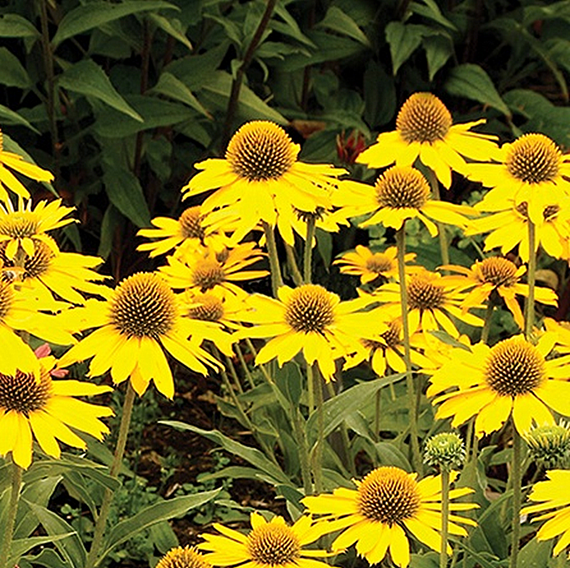
- Brilliant butter-yellow blooms smother this naturally compact coneflower from early summer all the way through first frost, delivering one of the longest color seasons of any perennial in its class.
- Exceptionally low-growing and tidy at just 16-18 inches tall with a 20-24 inch spread, Kismet Yellow fits perfectly at the front of sunny borders, in small garden spaces, and in patio containers without staking or fussing.
- A powerhouse for pollinators — bees, butterflies, and hummingbirds flock to the large, fragrant blooms — while the plant itself remains notably deer resistant and drought tolerant once established.
- Award-winning, coast-to-coast proven performer with excellent heat and humidity tolerance, making it an outstanding choice for gardens across USDA Hardiness Zones 4-9, including the climate ranges of Southern Oregon and Northern California.
Echinacea Kismet Yellow (Echinacea x 'TNECHKY', PP#29922) is a patented, award-winning hybrid coneflower that has earned its reputation as one of the most popular yellow perennials available today. Bred in the Kismet Series for outstanding garden performance, this compact, mounding perennial produces an extraordinary number of large, rich butter-yellow daisy-like flowers, each centered with a distinctive greenish-brown cone that matures to a warm golden hue. Unlike many coneflowers that stretch tall and floppy, Kismet Yellow maintains a naturally dwarf, upright habit — reaching just 16-18 inches in height with a spread of 20-24 inches — making it ideal for the front of perennial borders, cottage gardens, prairie-style plantings, rock gardens, and mixed patio containers. Blooming begins in early summer and continues non-stop until hard frost, with each individual flower holding its intense color for weeks. The plant is highly fragrant, attracting bees, butterflies, and hummingbirds throughout the season, while remaining resistant to browsing deer. Tough and adaptable, Kismet Yellow tolerates drought, heat, and humidity once established, thriving in average to lean, well-drained soils across USDA Hardiness Zones 4-9. Cut the fresh flowers for long-lasting arrangements, or leave the seed heads standing in late fall and winter to provide a natural food source for songbirds. Whether planted in sweeping mass groupings, as a colorful accent, or nestled into a mixed container, Echinacea Kismet Yellow brings bold, sun-drenched color and ecological value to every landscape it graces.
Plant Description
Echinacea Kismet Yellow is a patented hybrid coneflower (Echinacea x 'TNECHKY') belonging to the celebrated Kismet Series. It produces a profusion of large, brilliant butter-yellow flowers with slightly reflexed ray petals that gently droop around a prominent greenish-brown central cone. As the season progresses, the cone matures to a rich golden color. The foliage is deep green, lance-shaped, and slightly rough-textured — typical of the Echinacea genus — and remains tidy and upright throughout the growing season. The plant has a naturally mounding, compact growth habit that sets it apart from taller coneflower cultivars. This cultivar is notably fragrant, adding an additional sensory dimension to the garden. It is deciduous and goes dormant in winter, re-emerging reliably each spring with a vigorous flush of new growth and an exceptional number of flowering crowns.
Mature Size
| Attribute | Measurement |
|---|---|
| Mature Height | 16-18 inches |
| Mature Spread | 20-24 inches |
| Flower Height | Approximately 18 inches |
| Growth Habit | Upright, mounding, naturally compact (dwarf) |
| Growth Rate | Medium to fast |
| Recommended Spacing | 24 inches on center |
Hardiness and Climate
Echinacea Kismet Yellow is reliably hardy in USDA Hardiness Zones 4-9, tolerating winter temperatures as low as -30°F in Zone 4. It is equally well suited to the heat and humidity of warmer climates, including the Sunset Climate Zones common to Southern Oregon and Northern California (Zones 1-24, A2, A3). It carries an AHS Heat Zone rating of 1-9. Its exceptional tolerance for both cold winters and hot, dry summers makes it one of the most versatile coneflower cultivars available. In its native-climate range, it thrives under the conditions typical of the Pacific Coast, Inland Valleys, and the high-elevation areas of the Pacific Northwest and Northern California.
Sunlight Requirements
Kismet Yellow performs best in full sun, requiring a minimum of 6-8 hours of direct sunlight per day. It truly excels with 8 or more hours of sun, which encourages the most prolific flowering, the deepest petal color, and the most compact, upright growth habit. In climates with intense afternoon heat — such as the inland valleys of Northern California — very light afternoon shade can be tolerated without significantly impacting bloom performance. Avoid deeply shaded locations, as reduced light leads to leggy growth, fewer flowers, and increased susceptibility to fungal diseases. For best results in Southern Oregon and Northern California gardens, choose the sunniest spot available.
Soil and pH Preferences
- Soil Type: Thrives in average to lean garden soils. Coarse, slightly mineral, and well-drained soils are ideal. Tolerates chalk, loam, and sand. Also tolerates clay soil once drainage is adequate.
- Drainage: Well-drained soil is essential. Kismet Yellow will not tolerate waterlogged or consistently wet conditions, which promote crown rot and root rot.
- Soil pH: Adaptable across a broad range of 5.8-7.3. Performs well in acidic, neutral, and slightly alkaline soils. Note: excessively low pH (below 5.8) can be harmful and should be corrected with lime before planting.
- Amendments: Enrich very poor or sandy soils with a moderate amount of organic matter at planting time. Avoid overly rich, highly amended soils, which can produce lush but floppy growth and are more prone to root rot.
- Existing Soil: This plant is well adapted to the native soils of Southern Oregon and Northern California, including well-drained loamy and sandy-loam soils typical of the region.
Watering Guide
Kismet Yellow is drought tolerant once established, but benefits from consistent moisture during its first growing season to develop a deep, healthy root system. Water newly planted specimens deeply and regularly — approximately once or twice per week depending on temperature and soil type — allowing the soil to dry moderately between waterings. Wet-dry cycles are important for overall plant health and help prevent root and crown rot. Once established (typically after one full growing season), Kismet Yellow requires only average watering and can often survive on natural rainfall in climates that receive summer precipitation. In the dry summer conditions typical of Southern Oregon and Northern California, supplemental irrigation every 1-2 weeks during the peak of summer is recommended. Always avoid overhead watering late in the day, as wet foliage overnight can encourage fungal diseases. Drip irrigation or soaker hoses are ideal. Never allow plants to sit in standing water.
Fertilizing
Kismet Yellow is a light feeder and does not require heavy fertilization. Excessive nutrients — particularly nitrogen — can result in lush, floppy growth, reduced flowering, and increased disease susceptibility. A single application of a balanced, slow-release granular fertilizer (such as 10-10-10 or similar) worked into the soil at planting time is typically sufficient to carry the plant through its first season. In subsequent years, top-dress with a light application of balanced slow-release fertilizer in early spring as new growth emerges. If using liquid fertilizer, apply at a low rate (100-150 ppm nitrogen) every two weeks during the active growing season. Avoid late-season fertilizer applications, which can push tender new growth vulnerable to early frosts. Trace micronutrients from a light application of compost each spring will help maintain healthy foliage color and vigor.
Planting Instructions
- Select a location with full sun and well-drained soil. Prepare the bed by loosening soil to a depth of 12 inches and incorporating a modest amount of compost if the soil is very poor.
- Dig a planting hole twice as wide as the root ball and equal in depth. It is critical not to plant too deeply — the crown of the plant (where the roots meet the stems) should sit at or just slightly above the surrounding soil level. Burying the crown is the most common cause of Echinacea failure.
- Remove the plant from its container and gently loosen any circling roots. Set the plant in the hole so the soil level of the root ball matches the surrounding grade.
- Backfill with the original soil, firming gently around the roots to eliminate air pockets. Do not mound soil up around the crown or stems.
- Water thoroughly at planting to settle the soil. Apply a 2-3 inch layer of mulch around (but not touching) the crown to conserve moisture and moderate soil temperature.
- Space plants approximately 24 inches apart on center to allow for mature spread and good air circulation.
- The best planting times in Southern Oregon and Northern California are spring (after the last frost date) through early summer, or early fall at least 6 weeks before the first expected frost.
Pruning and Maintenance
Kismet Yellow is a low-maintenance perennial that rewards minimal intervention. During the blooming season (early summer through fall), deadheading spent flowers — cutting the stem back to a lateral bud or leaf node — encourages the plant to redirect energy into producing additional flower buds, extending the bloom season significantly. If the plant begins to look tired mid-season, a light shearing of the top one-third of the plant can rejuvenate it and trigger a fresh flush of blooms, especially in warmer climates. In late fall, gardeners can choose one of two approaches: (1) Leave the seed heads standing through winter to provide food for goldfinches and other seed-eating birds, then cut the entire plant back to the ground in late winter or early spring before new growth emerges; or (2) Cut back to a few inches above the ground in late fall for a tidier winter appearance. Divide established clumps every 3-4 years in early spring or fall to maintain vigor and encourage abundant flowering.
Seasonal Interest
- Late Spring / Early Summer: Compact, deep green foliage emerges vigorously, quickly filling out to the plant's mature mounding shape. Flower buds begin forming ahead of other coneflower varieties.
- Early Summer through Fall (June-October): Peak bloom season. Brilliant butter-yellow flowers open in succession over the entire plant, providing months of non-stop color. Each flower holds its rich color for weeks. Fragrance is most noticeable in warm afternoon sun.
- Late Fall and Winter: After frost, the foliage dies back and the ornamental seed heads persist on upright stems, providing structure and visual interest in the winter garden while serving as a food source for songbirds.
- Early Spring: Reliably returns from the roots with fresh basal foliage, often with an increased crown count compared to the previous year, resulting in even more flowers as the plant matures.
Landscape Uses
- Front-of-border accent in sunny perennial and mixed beds
- Mass plantings for bold sweeps of summer-to-fall color
- Cottage garden, informal, and naturalistic garden designs
- Prairie and meadow plantings with ornamental grasses and other native-style perennials
- Rock gardens and gravel gardens where drainage is excellent
- Patio and deck container plantings (use a pot at least 12-14 inches in diameter)
- Pollinator gardens and wildlife habitat gardens
- Low-water and drought-tolerant landscape designs
- Cut flower gardens — the long stems and long-lasting blooms are excellent for fresh bouquets
- Dried flower arrangements — seed heads and flowers both dry beautifully
- Plantings beneath power lines or in utility strips where compact, low-maintenance plants are needed
Companion Plants
Kismet Yellow pairs beautifully with plants that share its preference for full sun, well-drained soil, and average to low water needs. The warm butter-yellow blooms contrast and complement many colors and textures in the summer garden. Excellent companions include:
- Rudbeckia (Black-Eyed Susan): Harmonizes with the yellow tones of Kismet Yellow while extending the golden color theme. Both thrive in full sun with overlapping bloom periods.
- Salvia: Aromatic foliage acts as a natural pest deterrent; purple or blue varieties create stunning color contrast with the yellow blooms.
- Agastache (Hyssop): Shares drought tolerance and soil preferences; tubular flowers attract the same pollinators and provide vertical contrast to Kismet Yellow's mounding habit.
- Achillea (Yarrow): Feathery foliage provides excellent textural contrast; flat flower heads attract beneficial insects and complement the bold coneflower blooms.
- Monarda (Bee Balm): Attracts the same pollinators and provides fragrant, colorful blooms in shades of red, pink, or lavender that contrast beautifully with yellow.
- Nepeta (Catmint): Lavender-blue flowers cool the warm yellow tones; drought tolerant and equally low-maintenance.
- Echinops (Globe Thistle): Architectural globe-shaped blue flower heads provide striking structural contrast and attract the same pollinators.
- Ornamental Grasses: Fine-textured grasses such as Pennisetum or Nassella provide movement and a neutral backdrop that makes the yellow blooms pop.
- Helenium (Sneezeweed): Warm-toned blooms in reds, oranges, and bronzes create a rich late-summer to fall display alongside Kismet Yellow.
- Kniphofia (Red Hot Poker): Bold vertical torch-like flower spikes in fiery orange-red tones create dramatic contrast with the compact, mounding yellow coneflower.
Wildlife Value
Kismet Yellow is an exceptional plant for supporting local wildlife and pollinators throughout a long season:
- Bees: Both native bees and honey bees are strongly attracted to the large, pollen-rich flowers from early summer through fall. The plant is a top-rated bee magnet in pollinator garden evaluations.
- Butterflies: The flat, open flower structure is ideal for butterflies to land and feed, making this a must-have plant in any butterfly garden.
- Hummingbirds: Hummingbirds visit the blooms for nectar throughout the summer season.
- Songbirds: If seed heads are left standing after bloom, American goldfinches, house finches, and other seed-eating birds will feed on the seeds through fall and winter, adding additional wildlife value to the planting.
- Deer Resistance: The somewhat rough, bristly foliage and fragrant blooms make Kismet Yellow unappealing to deer, an important trait in the rural and suburban landscapes of Southern Oregon and Northern California.
Container Growing
The compact, naturally dwarf habit of Kismet Yellow makes it one of the best coneflowers for growing in containers on patios, decks, and in small garden spaces. Use a container with a minimum diameter and depth of 12-14 inches to provide adequate root room. Choose a high-quality, well-drained potting mix — avoid mixes that stay excessively moist. Because containers dry out more quickly than garden beds, plan to water more frequently, checking soil moisture every 1-2 days during hot summer weather and watering when the top inch of soil is dry. Container-grown plants benefit from a light application of balanced slow-release fertilizer at the start of the season. In the mild climates of Southern Oregon and Northern California, Kismet Yellow can often overwinter in its container outdoors if the pot is large enough to insulate the roots. In colder microclimates, move containers to a sheltered, unheated garage or shed for winter protection. Kismet Yellow is an excellent "filler" plant in mixed patio containers, providing a long-lasting mass of cheerful blooms that complement upright thriller plants and cascading spillers.
Pests and Diseases
Echinacea Kismet Yellow is generally a robust, trouble-free perennial when planted in appropriate conditions. However, gardeners should be aware of the following potential issues:
- Aphids: Occasionally cluster on new growth and buds. Knock off with a strong stream of water or treat with insecticidal soap if populations are significant.
- Spider Mites: Can occur in hot, dry conditions. Increase irrigation and use insecticidal soap or neem oil if needed.
- Thrips: May feed on flowers and buds as the plant begins blooming. Monitor regularly; treat with appropriate insecticidal soap if populations warrant.
- Slugs: Can damage young foliage in cool, moist spring conditions. Use iron phosphate slug bait or diatomaceous earth around the base of plants.
- Crown and Root Rot (Pythium/Phytophthora): The most common serious problem, almost always caused by overwatering, poor drainage, or planting too deeply. Ensure excellent soil drainage and allow soil to dry moderately between waterings.
- Powdery Mildew: Can appear in humid conditions with poor air circulation. Kismet Yellow has moderate resistance. Ensure adequate plant spacing and avoid overhead watering.
- Leaf Spot: Occasional fungal leaf spotting may occur in wet seasons. Remove affected foliage and improve air circulation. Kismet Yellow has low natural resistance to leaf spot, so good cultural practices are important.
- Aster Yellows: A serious phytoplasma disease transmitted by leafhoppers that causes distorted, yellowed growth and misshapen flowers. There is no cure; infected plants must be removed and destroyed immediately to prevent spread. Control leafhopper populations to reduce risk.
- Brilliant butter-yellow blooms smother this naturally compact coneflower from early summer all the way through first frost, delivering one of the longest color seasons of any perennial in its class.
- Exceptionally low-growing and tidy at just 16-18 inches tall with a 20-24 inch spread, Kismet Yellow fits perfectly at the front of sunny borders, in small garden spaces, and in patio containers without staking or fussing.
- A powerhouse for pollinators — bees, butterflies, and hummingbirds flock to the large, fragrant blooms — while the plant itself remains notably deer resistant and drought tolerant once established.
- Award-winning, coast-to-coast proven performer with excellent heat and humidity tolerance, making it an outstanding choice for gardens across USDA Hardiness Zones 4-9, including the climate ranges of Southern Oregon and Northern California.
Echinacea Kismet Yellow (Echinacea x 'TNECHKY', PP#29922) is a patented, award-winning hybrid coneflower that has earned its reputation as one of the most popular yellow perennials available today. Bred in the Kismet Series for outstanding garden performance, this compact, mounding perennial produces an extraordinary number of large, rich butter-yellow daisy-like flowers, each centered with a distinctive greenish-brown cone that matures to a warm golden hue. Unlike many coneflowers that stretch tall and floppy, Kismet Yellow maintains a naturally dwarf, upright habit — reaching just 16-18 inches in height with a spread of 20-24 inches — making it ideal for the front of perennial borders, cottage gardens, prairie-style plantings, rock gardens, and mixed patio containers. Blooming begins in early summer and continues non-stop until hard frost, with each individual flower holding its intense color for weeks. The plant is highly fragrant, attracting bees, butterflies, and hummingbirds throughout the season, while remaining resistant to browsing deer. Tough and adaptable, Kismet Yellow tolerates drought, heat, and humidity once established, thriving in average to lean, well-drained soils across USDA Hardiness Zones 4-9. Cut the fresh flowers for long-lasting arrangements, or leave the seed heads standing in late fall and winter to provide a natural food source for songbirds. Whether planted in sweeping mass groupings, as a colorful accent, or nestled into a mixed container, Echinacea Kismet Yellow brings bold, sun-drenched color and ecological value to every landscape it graces.
Plant Description
Echinacea Kismet Yellow is a patented hybrid coneflower (Echinacea x 'TNECHKY') belonging to the celebrated Kismet Series. It produces a profusion of large, brilliant butter-yellow flowers with slightly reflexed ray petals that gently droop around a prominent greenish-brown central cone. As the season progresses, the cone matures to a rich golden color. The foliage is deep green, lance-shaped, and slightly rough-textured — typical of the Echinacea genus — and remains tidy and upright throughout the growing season. The plant has a naturally mounding, compact growth habit that sets it apart from taller coneflower cultivars. This cultivar is notably fragrant, adding an additional sensory dimension to the garden. It is deciduous and goes dormant in winter, re-emerging reliably each spring with a vigorous flush of new growth and an exceptional number of flowering crowns.
Mature Size
| Attribute | Measurement |
|---|---|
| Mature Height | 16-18 inches |
| Mature Spread | 20-24 inches |
| Flower Height | Approximately 18 inches |
| Growth Habit | Upright, mounding, naturally compact (dwarf) |
| Growth Rate | Medium to fast |
| Recommended Spacing | 24 inches on center |
Hardiness and Climate
Echinacea Kismet Yellow is reliably hardy in USDA Hardiness Zones 4-9, tolerating winter temperatures as low as -30°F in Zone 4. It is equally well suited to the heat and humidity of warmer climates, including the Sunset Climate Zones common to Southern Oregon and Northern California (Zones 1-24, A2, A3). It carries an AHS Heat Zone rating of 1-9. Its exceptional tolerance for both cold winters and hot, dry summers makes it one of the most versatile coneflower cultivars available. In its native-climate range, it thrives under the conditions typical of the Pacific Coast, Inland Valleys, and the high-elevation areas of the Pacific Northwest and Northern California.
Sunlight Requirements
Kismet Yellow performs best in full sun, requiring a minimum of 6-8 hours of direct sunlight per day. It truly excels with 8 or more hours of sun, which encourages the most prolific flowering, the deepest petal color, and the most compact, upright growth habit. In climates with intense afternoon heat — such as the inland valleys of Northern California — very light afternoon shade can be tolerated without significantly impacting bloom performance. Avoid deeply shaded locations, as reduced light leads to leggy growth, fewer flowers, and increased susceptibility to fungal diseases. For best results in Southern Oregon and Northern California gardens, choose the sunniest spot available.
Soil and pH Preferences
- Soil Type: Thrives in average to lean garden soils. Coarse, slightly mineral, and well-drained soils are ideal. Tolerates chalk, loam, and sand. Also tolerates clay soil once drainage is adequate.
- Drainage: Well-drained soil is essential. Kismet Yellow will not tolerate waterlogged or consistently wet conditions, which promote crown rot and root rot.
- Soil pH: Adaptable across a broad range of 5.8-7.3. Performs well in acidic, neutral, and slightly alkaline soils. Note: excessively low pH (below 5.8) can be harmful and should be corrected with lime before planting.
- Amendments: Enrich very poor or sandy soils with a moderate amount of organic matter at planting time. Avoid overly rich, highly amended soils, which can produce lush but floppy growth and are more prone to root rot.
- Existing Soil: This plant is well adapted to the native soils of Southern Oregon and Northern California, including well-drained loamy and sandy-loam soils typical of the region.
Watering Guide
Kismet Yellow is drought tolerant once established, but benefits from consistent moisture during its first growing season to develop a deep, healthy root system. Water newly planted specimens deeply and regularly — approximately once or twice per week depending on temperature and soil type — allowing the soil to dry moderately between waterings. Wet-dry cycles are important for overall plant health and help prevent root and crown rot. Once established (typically after one full growing season), Kismet Yellow requires only average watering and can often survive on natural rainfall in climates that receive summer precipitation. In the dry summer conditions typical of Southern Oregon and Northern California, supplemental irrigation every 1-2 weeks during the peak of summer is recommended. Always avoid overhead watering late in the day, as wet foliage overnight can encourage fungal diseases. Drip irrigation or soaker hoses are ideal. Never allow plants to sit in standing water.
Fertilizing
Kismet Yellow is a light feeder and does not require heavy fertilization. Excessive nutrients — particularly nitrogen — can result in lush, floppy growth, reduced flowering, and increased disease susceptibility. A single application of a balanced, slow-release granular fertilizer (such as 10-10-10 or similar) worked into the soil at planting time is typically sufficient to carry the plant through its first season. In subsequent years, top-dress with a light application of balanced slow-release fertilizer in early spring as new growth emerges. If using liquid fertilizer, apply at a low rate (100-150 ppm nitrogen) every two weeks during the active growing season. Avoid late-season fertilizer applications, which can push tender new growth vulnerable to early frosts. Trace micronutrients from a light application of compost each spring will help maintain healthy foliage color and vigor.
Planting Instructions
- Select a location with full sun and well-drained soil. Prepare the bed by loosening soil to a depth of 12 inches and incorporating a modest amount of compost if the soil is very poor.
- Dig a planting hole twice as wide as the root ball and equal in depth. It is critical not to plant too deeply — the crown of the plant (where the roots meet the stems) should sit at or just slightly above the surrounding soil level. Burying the crown is the most common cause of Echinacea failure.
- Remove the plant from its container and gently loosen any circling roots. Set the plant in the hole so the soil level of the root ball matches the surrounding grade.
- Backfill with the original soil, firming gently around the roots to eliminate air pockets. Do not mound soil up around the crown or stems.
- Water thoroughly at planting to settle the soil. Apply a 2-3 inch layer of mulch around (but not touching) the crown to conserve moisture and moderate soil temperature.
- Space plants approximately 24 inches apart on center to allow for mature spread and good air circulation.
- The best planting times in Southern Oregon and Northern California are spring (after the last frost date) through early summer, or early fall at least 6 weeks before the first expected frost.
Pruning and Maintenance
Kismet Yellow is a low-maintenance perennial that rewards minimal intervention. During the blooming season (early summer through fall), deadheading spent flowers — cutting the stem back to a lateral bud or leaf node — encourages the plant to redirect energy into producing additional flower buds, extending the bloom season significantly. If the plant begins to look tired mid-season, a light shearing of the top one-third of the plant can rejuvenate it and trigger a fresh flush of blooms, especially in warmer climates. In late fall, gardeners can choose one of two approaches: (1) Leave the seed heads standing through winter to provide food for goldfinches and other seed-eating birds, then cut the entire plant back to the ground in late winter or early spring before new growth emerges; or (2) Cut back to a few inches above the ground in late fall for a tidier winter appearance. Divide established clumps every 3-4 years in early spring or fall to maintain vigor and encourage abundant flowering.
Seasonal Interest
- Late Spring / Early Summer: Compact, deep green foliage emerges vigorously, quickly filling out to the plant's mature mounding shape. Flower buds begin forming ahead of other coneflower varieties.
- Early Summer through Fall (June-October): Peak bloom season. Brilliant butter-yellow flowers open in succession over the entire plant, providing months of non-stop color. Each flower holds its rich color for weeks. Fragrance is most noticeable in warm afternoon sun.
- Late Fall and Winter: After frost, the foliage dies back and the ornamental seed heads persist on upright stems, providing structure and visual interest in the winter garden while serving as a food source for songbirds.
- Early Spring: Reliably returns from the roots with fresh basal foliage, often with an increased crown count compared to the previous year, resulting in even more flowers as the plant matures.
Landscape Uses
- Front-of-border accent in sunny perennial and mixed beds
- Mass plantings for bold sweeps of summer-to-fall color
- Cottage garden, informal, and naturalistic garden designs
- Prairie and meadow plantings with ornamental grasses and other native-style perennials
- Rock gardens and gravel gardens where drainage is excellent
- Patio and deck container plantings (use a pot at least 12-14 inches in diameter)
- Pollinator gardens and wildlife habitat gardens
- Low-water and drought-tolerant landscape designs
- Cut flower gardens — the long stems and long-lasting blooms are excellent for fresh bouquets
- Dried flower arrangements — seed heads and flowers both dry beautifully
- Plantings beneath power lines or in utility strips where compact, low-maintenance plants are needed
Companion Plants
Kismet Yellow pairs beautifully with plants that share its preference for full sun, well-drained soil, and average to low water needs. The warm butter-yellow blooms contrast and complement many colors and textures in the summer garden. Excellent companions include:
- Rudbeckia (Black-Eyed Susan): Harmonizes with the yellow tones of Kismet Yellow while extending the golden color theme. Both thrive in full sun with overlapping bloom periods.
- Salvia: Aromatic foliage acts as a natural pest deterrent; purple or blue varieties create stunning color contrast with the yellow blooms.
- Agastache (Hyssop): Shares drought tolerance and soil preferences; tubular flowers attract the same pollinators and provide vertical contrast to Kismet Yellow's mounding habit.
- Achillea (Yarrow): Feathery foliage provides excellent textural contrast; flat flower heads attract beneficial insects and complement the bold coneflower blooms.
- Monarda (Bee Balm): Attracts the same pollinators and provides fragrant, colorful blooms in shades of red, pink, or lavender that contrast beautifully with yellow.
- Nepeta (Catmint): Lavender-blue flowers cool the warm yellow tones; drought tolerant and equally low-maintenance.
- Echinops (Globe Thistle): Architectural globe-shaped blue flower heads provide striking structural contrast and attract the same pollinators.
- Ornamental Grasses: Fine-textured grasses such as Pennisetum or Nassella provide movement and a neutral backdrop that makes the yellow blooms pop.
- Helenium (Sneezeweed): Warm-toned blooms in reds, oranges, and bronzes create a rich late-summer to fall display alongside Kismet Yellow.
- Kniphofia (Red Hot Poker): Bold vertical torch-like flower spikes in fiery orange-red tones create dramatic contrast with the compact, mounding yellow coneflower.
Wildlife Value
Kismet Yellow is an exceptional plant for supporting local wildlife and pollinators throughout a long season:
- Bees: Both native bees and honey bees are strongly attracted to the large, pollen-rich flowers from early summer through fall. The plant is a top-rated bee magnet in pollinator garden evaluations.
- Butterflies: The flat, open flower structure is ideal for butterflies to land and feed, making this a must-have plant in any butterfly garden.
- Hummingbirds: Hummingbirds visit the blooms for nectar throughout the summer season.
- Songbirds: If seed heads are left standing after bloom, American goldfinches, house finches, and other seed-eating birds will feed on the seeds through fall and winter, adding additional wildlife value to the planting.
- Deer Resistance: The somewhat rough, bristly foliage and fragrant blooms make Kismet Yellow unappealing to deer, an important trait in the rural and suburban landscapes of Southern Oregon and Northern California.
Container Growing
The compact, naturally dwarf habit of Kismet Yellow makes it one of the best coneflowers for growing in containers on patios, decks, and in small garden spaces. Use a container with a minimum diameter and depth of 12-14 inches to provide adequate root room. Choose a high-quality, well-drained potting mix — avoid mixes that stay excessively moist. Because containers dry out more quickly than garden beds, plan to water more frequently, checking soil moisture every 1-2 days during hot summer weather and watering when the top inch of soil is dry. Container-grown plants benefit from a light application of balanced slow-release fertilizer at the start of the season. In the mild climates of Southern Oregon and Northern California, Kismet Yellow can often overwinter in its container outdoors if the pot is large enough to insulate the roots. In colder microclimates, move containers to a sheltered, unheated garage or shed for winter protection. Kismet Yellow is an excellent "filler" plant in mixed patio containers, providing a long-lasting mass of cheerful blooms that complement upright thriller plants and cascading spillers.
Pests and Diseases
Echinacea Kismet Yellow is generally a robust, trouble-free perennial when planted in appropriate conditions. However, gardeners should be aware of the following potential issues:
- Aphids: Occasionally cluster on new growth and buds. Knock off with a strong stream of water or treat with insecticidal soap if populations are significant.
- Spider Mites: Can occur in hot, dry conditions. Increase irrigation and use insecticidal soap or neem oil if needed.
- Thrips: May feed on flowers and buds as the plant begins blooming. Monitor regularly; treat with appropriate insecticidal soap if populations warrant.
- Slugs: Can damage young foliage in cool, moist spring conditions. Use iron phosphate slug bait or diatomaceous earth around the base of plants.
- Crown and Root Rot (Pythium/Phytophthora): The most common serious problem, almost always caused by overwatering, poor drainage, or planting too deeply. Ensure excellent soil drainage and allow soil to dry moderately between waterings.
- Powdery Mildew: Can appear in humid conditions with poor air circulation. Kismet Yellow has moderate resistance. Ensure adequate plant spacing and avoid overhead watering.
- Leaf Spot: Occasional fungal leaf spotting may occur in wet seasons. Remove affected foliage and improve air circulation. Kismet Yellow has low natural resistance to leaf spot, so good cultural practices are important.
- Aster Yellows: A serious phytoplasma disease transmitted by leafhoppers that causes distorted, yellowed growth and misshapen flowers. There is no cure; infected plants must be removed and destroyed immediately to prevent spread. Control leafhopper populations to reduce risk.


